Earlier this year, retired Scottish gamekeeper David Campbell was found guilty of murdering his former colleague from the Edradynate Estate in Perthshire, Brian Low, in February 2024.
During a 13-day murder trial, the jury at Glasgow High Court heard that Campbell had held a ‘festering grudge’ against Mr Low and set out to ‘ambush’ and ‘execute’ him by lying in wait with a shotgun on a quiet country lane near Aberfeldy where Mr Low regularly walked his dog.
Convicted murderer & former Head Gamekeeper David Campbell (photo by Police Scotland)
Campbell’s conviction was not a surprise to many in the local community who’d lived in fear of him for years. He’d previously been a suspect in multiple police investigations into alleged raptor persecution crimes and other offences, with traces of poison found in pockets of his clothing and in his Land Rover, as well as dead raptors found concealed under the seat of his vehicle, but he was never convicted and often not even prosecuted, due to evidential difficulties, although in one case the Crown Office’s decision not to prosecute was not supported by Police Scotland.
The BBC’s award-winning documentary series Murder Trial was given permission to film inside the High Court during Campbell’s murder trial and the two-part programme, called Death of a Dog Walker, will air in August.
‘In 2024, the body of 65-year-old groundsman Brian Low is discovered on a country track in rural Aberfeldy, his beloved black Labrador Millie by his side. Police assume that Brian has suffered a medical episode, but six days later, the post-mortem reveals the shocking truth – Brian has been shot dead. His former colleague and gamekeeper on the estate where he worked, David Campbell, now stands trial for his murder.
With the site of the murder exposed to the elements for days, police are unable to forensically link anyone to the deceased. The prosecution builds a case against the accused around smaller, individual strands of circumstantial evidence while working to convince the jury that he is guilty beyond reasonable doubt’.
‘With Brian’s family desperately seeking justice and answers, the fate of the accused hangs in the balance. Witnesses unearth more shocking revelations, and the defendant takes the stand before the jury answer the ultimate question: guilty or not guilty?
As the police investigation team finally close in on their suspect, the court are shown dramatic footage from Campbell’s custody interview where tempers flare when allegations are put to him. The prosecution point to a guilty man on the ropes, while the defence argue it shows a police force under pressure to get their man.
As the case builds to a climax, with persuasive and gripping closing speeches from both sides, Campbell awaits his fate whilst Brian’s grieving family anxiously await justice – either way, lives will change forever’.
This programme will air on BBC 2 Scotland at 9pm on Tuesday 11 August 2026 and will be available on BBC iPlayer shortly afterwards.
UPDATE 2 August 2026: Book Review – Prelude to Murder: Revenge Killing on a Highland Sporting Estate (here)
The UK National Wildlife Crime Unit (NWCU) is a specialist police-led unit that provides intelligence, analysis and investigative expertise to support law enforcement agencies tackling wildlife crime. This work focuses on the national wildlife crime priorities which are currently listed as raptor persecution, Badger crime, bat crime, illegal wildlife trade (CITES) and illegal hunting, poaching and coursing. The unit is hosted by Hampshire Constabulary and has a main office in Stirling, Scotland, but homeworking throughout the UK is available.
The NWCU is currently advertising the following three vacancies:
Intelligence Analyst
Permanent position, full time (37hrs per week), salary range £37,020-£39,276. Closing date for applications: 2 August 2026 at 23.55hrs. Interviews week commencing 10 August 2026. Click here to apply.
Temporary position for two years (30hrs per week), salary range £37,026 – £39,276) pro rata. Closing date for applications: 9 August 2026 at 23.55hrs. Interviews week commencing 17 August 2026. Click here to apply.
Temporary position for two years (30hrs per week), salary range £37,026 – £39,276) pro rata. Closing date for applications: 16 August 2026 at 23.55hrs. Interviews week commencing 31 August 2026. Click here to apply.
Forty new satellite tags will soon track sea eagles in western Scotland to investigate how sea eagles and livestock interact
NatureScot has provided funding for the satellite tags for this collaborative research project, which brings together a broad team of experts to assess the extent of sea eagle predation of lambs and sheep. The transmitter tags are to improve understanding of the movement, behaviour of adult and juvenile sea eagles, as well as how they use and interact with the countryside.
The researchers will collate and analyse GPS (Global Positioning System) fix data received from the satellite tags to gather information on the ecology of Scotland’s sea eagle population.
Over the next two years, licenced ornithologists are fitting up to 35 satellite tags to sea eagle chicks when they are about eight weeks old. By then, the chicks are full-sized and getting ready to fledge from 10 weeks of age on. These tags –which can last for years—will give a unique insight into where the chicks travel after leaving their natal home range.
Target ranges for tagging will be within Argyll, Highlands, and the Western Isles.
The project also aims to deploy the remaining five tags on adult breeding sea eagles, which are more difficult to trap. Earlier this year, ornithologists using advice and techniques gained from European counterparts, trapped, tagged, and released an adult sea eagle on the Western Isles, boding well for success in this project. Farm managers who are comfortable hosting trapping work on their land may collaborate with this work.
The research project is a partnership between NatureScot, RSPB, Scotland’s Rural College SRUC, Natural Research Ltd, and a collective of independent ornithologists, which are sharing the costs of and resources for the project between them, with policy input from the NFU Scotland and the Scottish Crofting Federation. SRUC are also tracking lambs in Argyll using GPS neck collars as part of a separate research project. This research will complement and benefit the tagging project, giving a broad picture of how sea eagles and lambs interact.
Humans persecuted sea eagles—Scotland’s largest bird of prey—to extinction by the early 20th century. Since their reintroduction initially on the Isle of Rum between 1975 and 1985, the birds—now protected by law—have successfully repopulated the west of Scotland, expanding their range in all directions and increasing impacts on upland and hill sheep flocks.
The research group will report periodically to the National Sea Eagle Stakeholder Group and NatureScot will provide further updates on its website.
NatureScot Senior Ornithologist Andrew Stevenson said:
“This project will greatly add to our understanding of how sea eagles move around and their interaction with livestock. A key gap in our knowledge is what role immature eagles play in predating livestock, given they wander widely during their first three to four years until they settle on a territory. Tagging is the best way to get a handle on what they may be doing. While this collaborative partnership began because of the need for more information about livestock predation, the tag data will also help us understand how eagles use habitat, as well as other topics such as interaction with wind farms“.
Duncan Orr-Ewing, Head of Species and Land Management RSPB-Scotland (and Research Group Chair), added:
“Gathering evidence on the behaviour and movements of sea eagles is essential to create common understanding, and to inform future conservation and land management decisions. Latest technology in the form of GPS trackers fitted to Sea eagles can help deliver such outcomes sitting also alongside other initiatives being taken forward by the National Sea Eagle Stakeholder Group. The collaborative partnership approach to this project involving NatureScot, expert researchers, farming representatives and conservationists is very welcome, and we hope to present the results in due course“.
“NFU Scotland supports this satellite tagging project as a vital step towards building a clear, shared evidence base on sea eagle behaviour. For farmers and crofters in affected areas, understanding when and where interactions with livestock occur is critical. This research must lead to practical, targeted management solutions that give farmers confidence that impacts on livestock are being properly recognised and addressed“.
Scottish Crofting Federation Chief Executive Donna Smith said:
“Crofters are reporting increased sightings and issues with sea eagles each year so this research is a very welcome development. Building a greater understanding of how the sea eagles are interacting with livestock will hopefully lead to improved targeting of management measures in the future. We therefore look forward to supporting the research in whatever way we can and to seeing the findings in due course“.
The following is a guest blog by someone who wishes to remain anonymous, although I know their identity.
Previous guest blogs on this subject here, here and here.
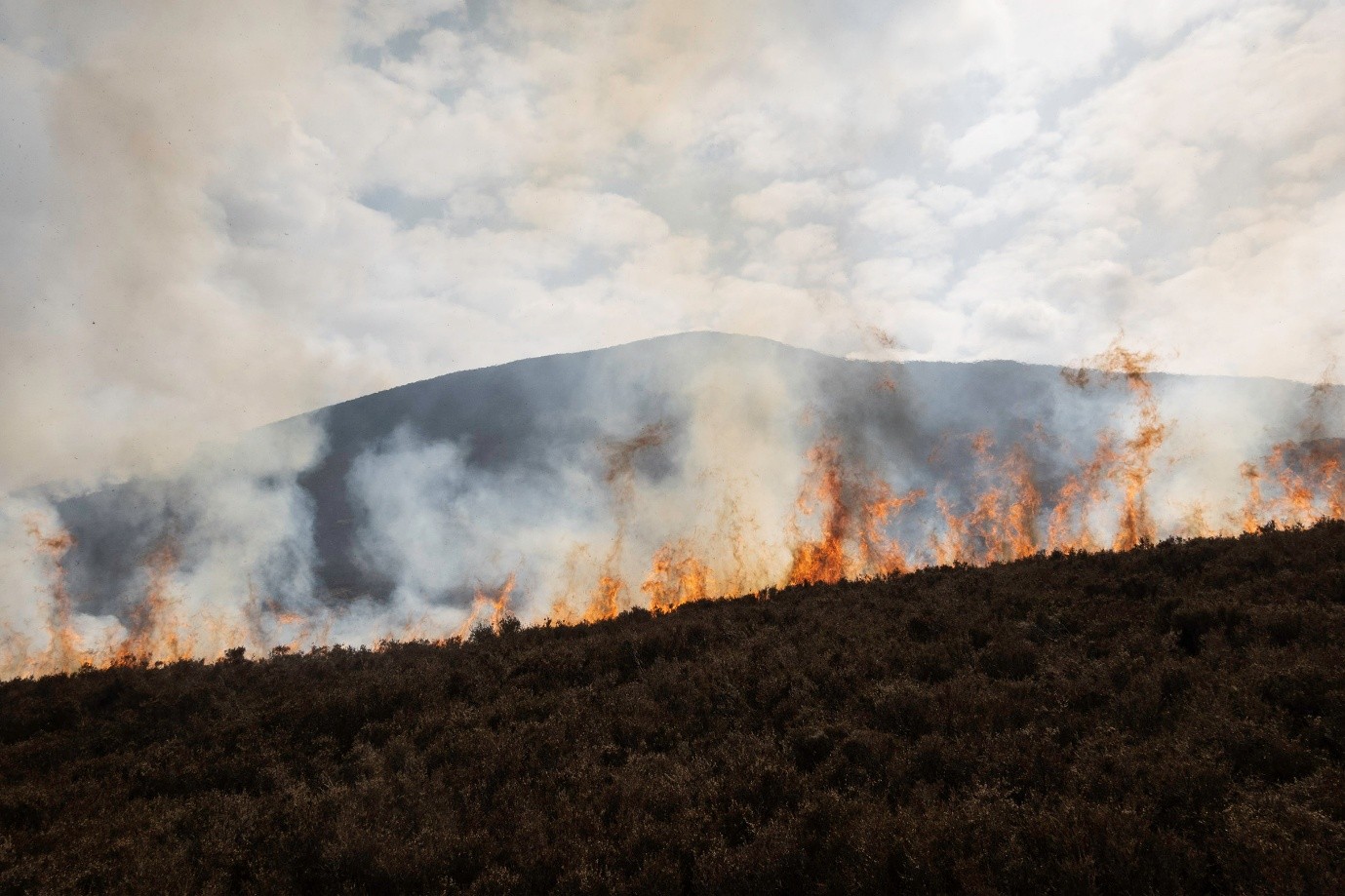
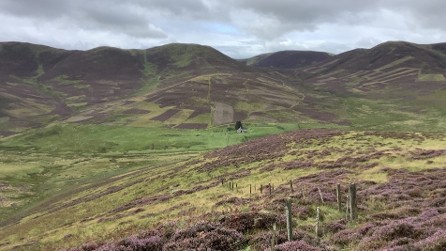
Muirburn on Hammer Head, Stobo Hope on 26 April 2023, during the bird nesting season. (Simon Butterworth Photography)
On 18 January 2024, government body Scottish Forestry approved a giant Sitka spruce plantation at Stobo Hope in the Scottish Borders, without an Environmental Impact Assessment (EIA), claiming this scheme would not cause a significant negative effect on the environment.
As many readers may be aware, a petition for judicial review was lodged to challenge the decision by Scottish Forestry to not require an EIA due to objections to the nature of the proposed scheme by NatureScot. A crowdfunding campaign with support from Raptor Persecution UK readers and Wild Justice helped raised the funds for a final court hearing, scheduled for autumn 2024.
Scottish Forestry were provided with photographs in August 2024 showing vast areas of heather moorland had been sprayed with herbicide, and told the Court of Session they did not know about this herbicide damage. Scottish Forestry submitted to judgement on the basis that the ‘screening decision’ (that determined no EIA was required) was unlawful; the court quashed the screening decision, forestry contract and £2 million taxpayer funded grant. This meant Scottish Forestry avoided facing reputational damage if they had lost in court on landscape grounds.
However, the Scottish Information Commissioner in May 2025 (see here) forced Scottish Forestry to disclose documents showing various senior Scottish Forestry staff were aware of the herbicide spraying long before when they claimed they did (see here), giving rise to suggestions that Scottish Forestry had misled the Court of Session (see here).
Stobo Hope is owned by the Guernsey registered Forestry Carbon Sequestration Fund, managed by True North Real Asset Partners Ltd, with forestry agents Euroforest Silviculture. The forestry managers selected environmental consultants Stantec UK Ltd to conduct an EIA. At the time of writing, an EIA report is still due to be published.
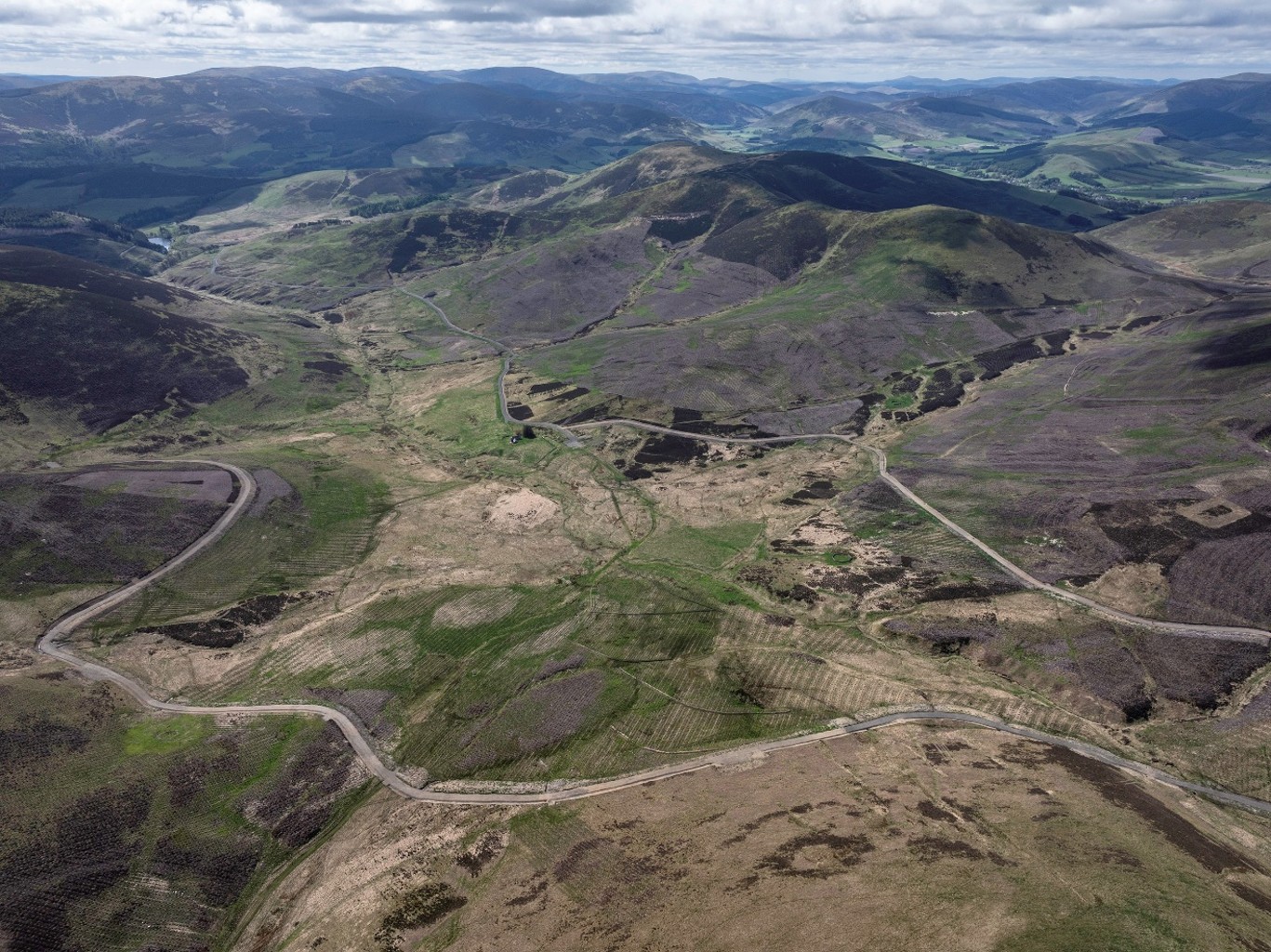
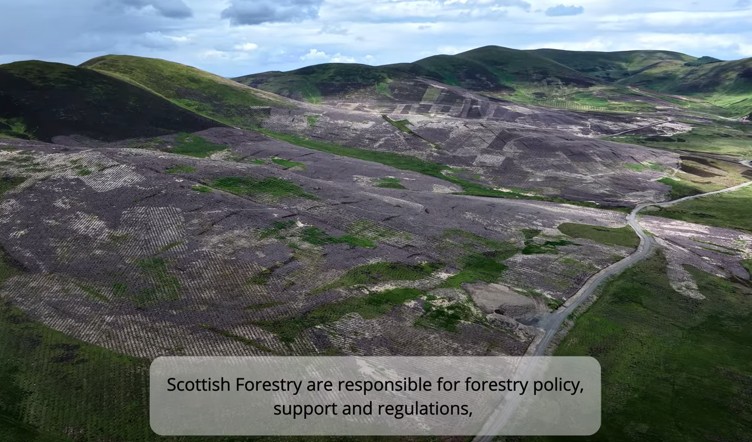
Stobo Hope from the air. Grey areas show herbicide damage (Simon Butterworth Photography)
How Scottish Forestry promote the destruction of grouse moors
Many areas of upland Scotland are threatened by commercial conifer plantations, despite these areas being semi-natural habitats and having significant ecological importance. Agricultural regulations typically have some presumption against the ‘improvement’ (herbicide spraying, ploughing, reseeding) of these semi-natural habitats, helping to reduce their loss.
In contrast, Scottish Forestry’s application of forestry regulations appears to be promoting the landscape-scale destruction of types of habitats that would not be permitted in other parts of the UK, such as moorlands in the Lake District, Yorkshire Moors, Peak District, Dartmoor or Exmoor. This destruction is also being accelerated through carbon credits and taxpayer grants under the dubious premise that such schemes help avert climate change (see here).
Despite the well documented, destructive nature of commercial coniferous forestry on such upland habitats, Scottish Forestry almost always approve new conifer plantations.
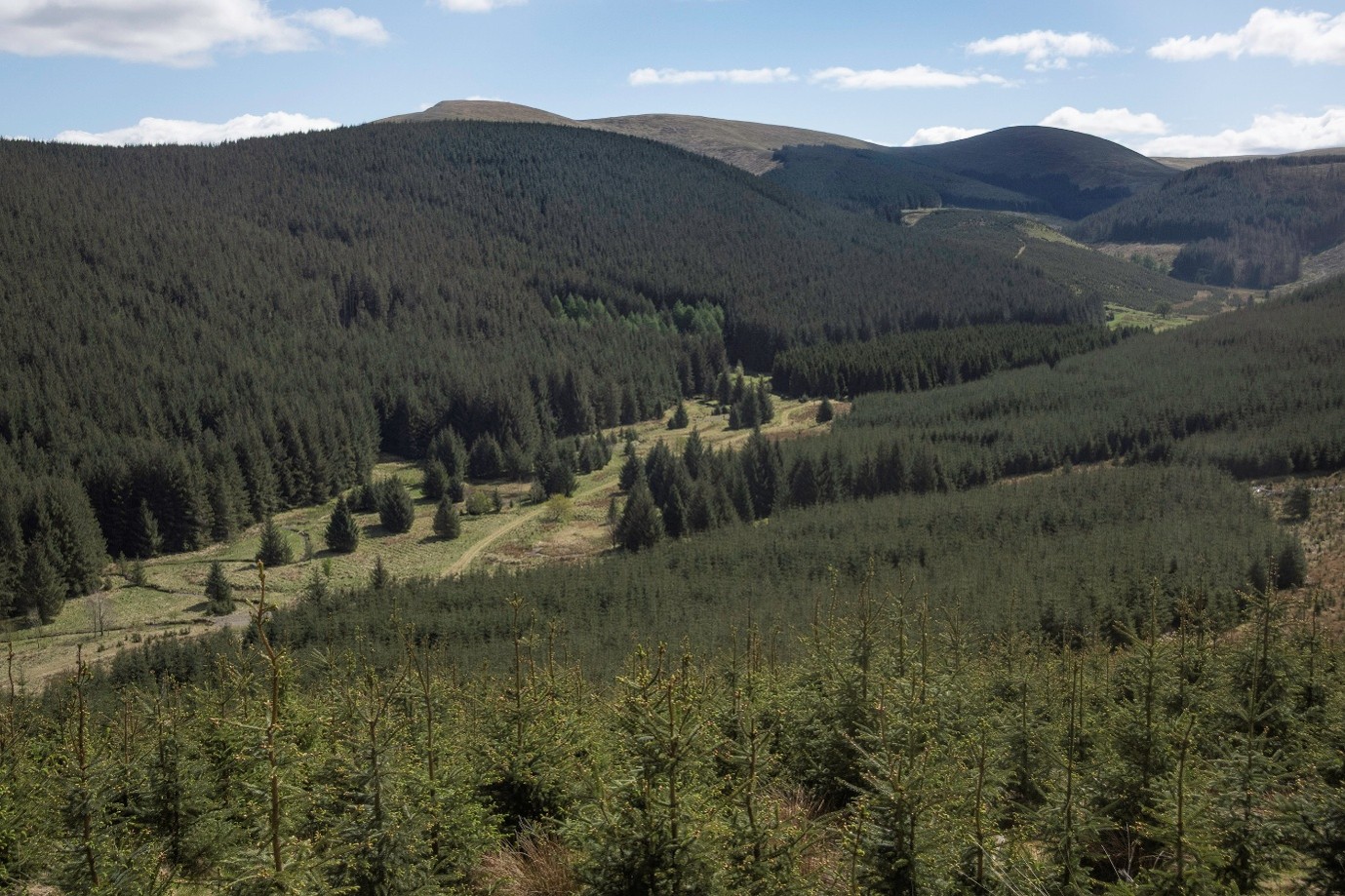
Established conifer plantation, Scottish Borders. Newer plantations typically have a ‘fringe’ of native broadleaves along the edges and along watercourses to supposedly ‘mitigate’ the effects of the conifer planting on moorland (Simon Butterworth Photography)
Implausible claims of ‘mitigating’ adverse environmental impacts by Scottish Forestry
Many forestry schemes approved by Scottish Forestry have had a devasting effect upon local communities (see here). Areas with potential for wildlife tourism, native woodland and diversification of farming enterprises are now covered in Sitka spruce, resulting in abandoned farms, and loss of communities, sometimes described as the ‘carbon clearances’ (see here).
Scottish Forestry undertake a ‘screening decision’ of proposed forestry schemes and almost always state ‘no significant environmental negative impacts’ in order to ‘screen out’ the need for an EIA prior to approving each proposed forestry scheme. Scottish Forestry always claim that various moorland animals and birds will not be significantly adversely impacted, despite near complete loss of their required habitat, bizarrely claiming to have ‘mitigated’ against these environmental impacts. Scottish Forestry frequently claim that mobile species move to suitable habitat elsewhere, but ignore the fact such habitats may already be occupied, pushing species into sub-optimal habitats where breeding success is reduced.
The UK Forestry Standard
When a new forestry scheme is proposed, the landowner’s agents supposedly ‘consult’ the local community. If the proposals are for large conifer plantations there are typically many objections by the local community and wider public.
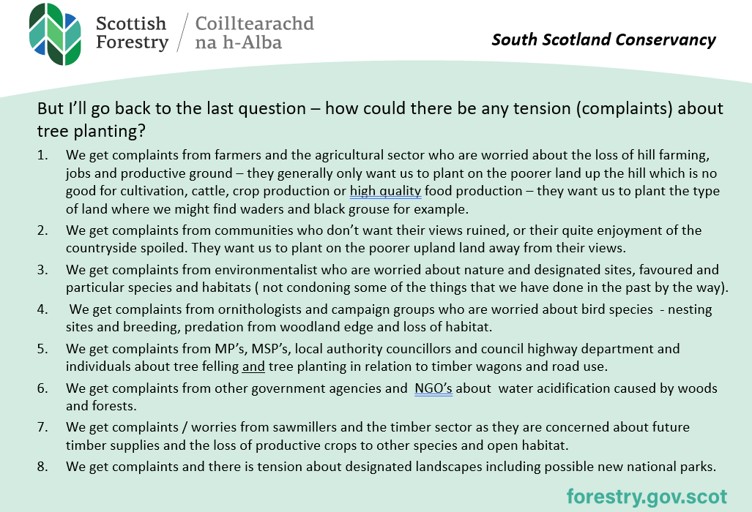
Excerpts from a presentation by Scottish Forestry provides an insight into their mindset, citing examples of ‘complaints’, such as by communities’ ‘quite (sic) enjoyment of the countryside’; ‘from environmentalist (sic) who are worried about nature’; ‘from ornithologists and campaign groups worried about bird species’; ‘from MP’s (sic), MSP’s (sic)’, and ‘worries from sawmillers’.
Extract from a presentation given by Scottish Forestry
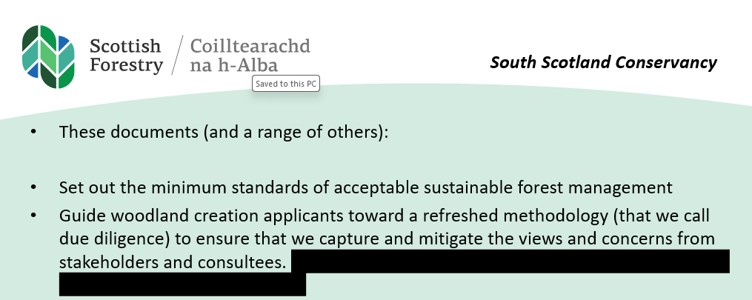
Scottish Forestry then referred to ‘key documents’ that can supposedly ‘capture and mitigate the views and concerns from stakeholders and consultees’.
The presentation refers to the ‘minimum standards of acceptable sustainable forest management’
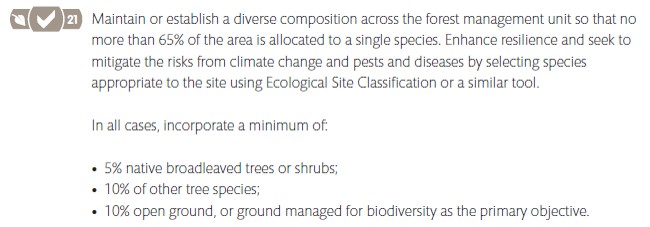
Reference was made to the UK Forestry Standard (UKFS), published by Forest Research, used to regulate forestry activities such as cultivation techniques, herbicide use, forest road specifications, planting buffer zones, and composition of tree species. The UKFS’s latest, fifth edition now supposedly limits 65% ‘of the area’ to a single species, with a minimum of 5% native broadleaves, 10% of other tree species, and 10% open ground.
Extract from UK Forestry Standard
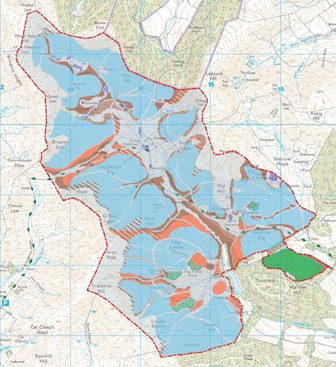
The UKFS promotes semi-natural habitat destruction, littering with plastic tree guards, industrial roads, drainage of wetlands, planting of peat up to 50cm in depth, unsightly deer fences that kill animals, and predominantly Sitka spruce monocultures. There is no limit on the size of the plantation or the size of additional, adjoining plantations in the future. Excluding the 10% ‘open ground’ (as referred to in the UKFS), as a percentage of the area actually planted, Sitka can reach 72%, as is the case at Stobo, where 82% of the planted area comprises commercial conifers:
Blue indicates Sitka spruce, green Douglas fir and orange commercial Scots pine. Native broadleaves are indicated by brown while light grey indicates open areas
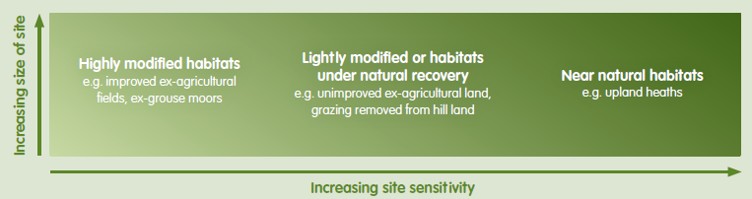
Other documents included ‘guidance’ for woodland creation applications, which included an illustration bizarrely equating ex-grouse moors with ‘improved ex-agricultural fields’, by having lower site sensitivity than unimproved land. This appears to be an attempt to downgrade the importance of grouse moors, which are actually largely upland heaths, but with much higher ecological sensitivity.
Extract from Woodland Creation guidance, by the then Forestry Commission Scotland (2018)
How Scottish Forestry ignore losses of bird species
Scottish Forestry claimed in its screening decision for Stobo (to rule out an EIA) that for each ‘issue’ assessed, and ‘with the mitigation outlined this project is not likely to cause a significant negative environmental effect’, such as for black grouse.
The RSPB predicted black grouse would become extinct at Stobo as a result of the proposed forestry scheme and a GWCT report for Stobo failed to say if black grouse would remain on site (see here). NatureScot later rejected a licence application by Stobo Hope’s forestry agents Euroforest Silviculture for a licence to hunt foxes with nineteen dogs (see here). NatureScot explained that approving the application, purportedly to reduce black grouse predation, would not have any environmental benefit as the black grouse would disappear as the new plantation became established.
The Stobo Hope screening decision failed to assess the impact on any species of invertebrate, reptile or mammal, the only animals being ‘assessed’ were three bird species.
A bird survey conducted for Stobo Hope in 2021 included records of black grouse, red grouse, lapwing, curlew, snipe, woodcock, stonechat, whinchat willow warbler, wheatear, mistle thrush, woodcock, skylark, meadow pipit and cuckoo. Raptors recorded include buzzard, kestrel, peregrine, red kite, osprey, hen harrier and golden eagle. Others have sighted merlin and short-eared owl at Stobo. There are also records in the immediate area of barn owl, long-eared owl, common sandpiper, and redshank.
Screenshot of video (see here) showing moorland destroyed by glyphosate (Ted Leeming Photography)
Stobo appears to have a good assemblage of species, typical of open moorlands. There is significant potential for attracting additional species through modest amounts of native woodland planting and appropriate grazing, as successfully implemented elsewhere, such as at RSPB Geltsdale (see here).
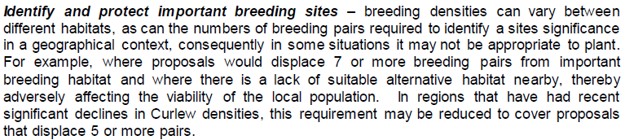
Scottish Forestry appear to think that forestry projects do not have significant negative impacts on bird species if those bird species exist nearby. A document titled ‘Woodland Creation and Curlew’, published by Scottish Forestry, claims ‘woodland creation proposals should be designed to protect and enhance important nesting sites through appropriate mitigation’.
Scottish Forestry claim ‘in some situations it may not be appropriate to plant’, such as ‘where proposals would displace 7 or more breeding pairs’ (or ‘5 or more pairs’ where some areas have had significant declines).
It appears that by the logic of Scottish Forestry, full afforestation can occur if there are fewer than seven pairs of curlew, claiming the birds will ‘displace’ themselves elsewhere. The problem with this claim is that (as well as losing habitat) land is constrained by the carrying capacity to support ‘displaced birds’ and neighbouring sites may themselves be planted with Sitka spruce in the future.
How Scottish Forestry ignore losses of valuable habitats
Scottish Forestry dismissed the importance of Stobo Hope’s wetlands and ‘priority habitats’, such as dry dwarf shrub heath (or heather moorland), as this was found elsewhere in Scotland, claiming losing 280 hectares (71%) of this habitat at Stobo would be ‘mitigated’ by leaving 110 hectares (29%) unplanted, ignoring the fact unplanted areas will be under-grazed and colonised by self-seeded Sitka spruce.
It seems odd to claim there is no significant negative environmental effect due to losing 71% of its heather moorland at Stobo Hope because heather moorland still exists elsewhere in Scotland (estimated to be 1.7-2.5 million hectares). By this logic, Scottish Forestry could repeat this argument indefinitely for years to come on other sites elsewhere, resulting in an unlimited, aggregate loss of vast tracts of moorland mosaics of heather moorland, acidic grasslands and associated semi-natural habitats.
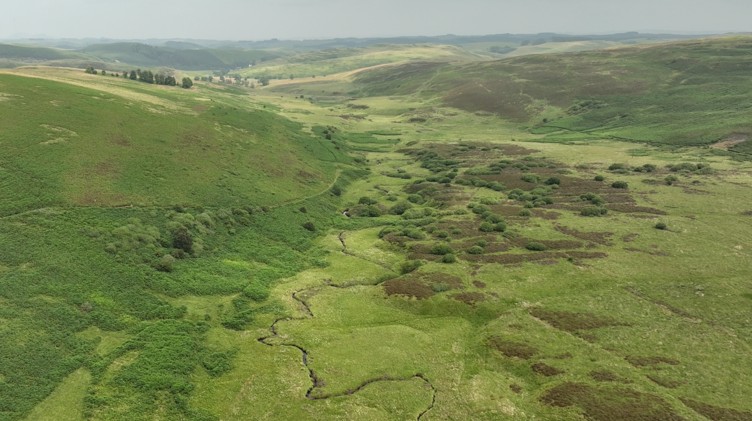
Stobo Hopehead before forestry work commenced
How Scottish Forestry ignore cumulative impacts
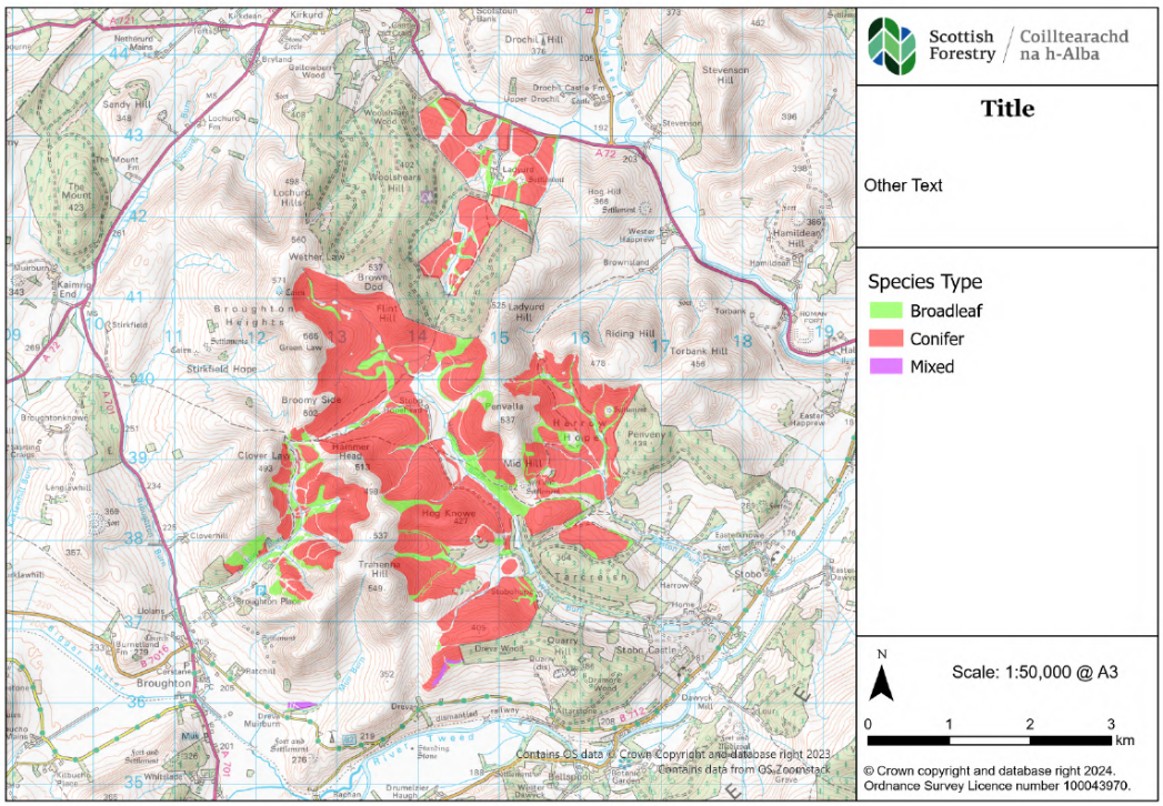
Scottish Forestry implausibly claimed that the cumulative impacts of Stobo and three neighbouring spruce plantations, either approved or proposed, afforesting over nine square kilometres out of thirteen square kilometres, would be sufficiently ‘mitigated’ so no significant impacts on the environment would occur. Another problem with this assertion is Scottish Forestry do not appear to have any threshold as to how large (and therefore destructive) a proposed plantation (or group of plantations) can be before a ‘significant’ negative impact occurs (so consent would not be granted for the scheme).
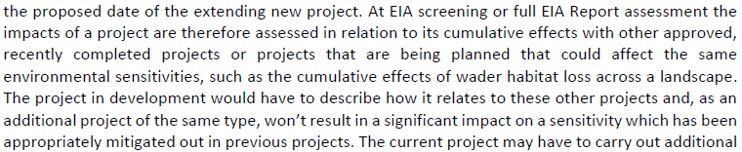
Furthermore, Scottish Forestry exclude plantations more than five years old from their cumulative impact ‘assessments’, only comparing proposed projects to ‘recently’ completed projects. Scottish Forestry also bizarrely claim that the impact of a new project won’t result in a significant impact on a sensitivity which has been appropriately ‘mitigated out’ in previous, recent projects.
Scottish Forestry claim that no significant negative impact occurs from cumulative impacts (even if obviously scientifically untrue) to try and approve forestry schemes under the Forestry (EIA) (Scotland) Regulations 2017. This failure by Scottish Forestry to consider actual cumulative impacts (by ignoring science) will result in an indefinite spread of Sitka spruce across the uplands (apart from a few exempt areas), especially in the South of Scotland. Stobo Hope is an example of this as shown in the map below.
Map by Scottish Forestry of Stobo Hope and surrounding area, showing recently planted or proposed areas of conifer in red
Established woodland (in this case over five years old) is shown as green on the Ordnance Survey map. Superimposed on this map (conifer in red and broadleaves in light green) are recent (approved in the last five years) or proposed plantations, with Stobo in the middle. As there is no presumption against further forestry developments on adjoining land, further afforestation can occur across this area. When Scottish Forestry approved the Stobo scheme, they argued that the cumulative impact of this and neighbouring schemes only comprised a small percentage of the designated National Scenic Area, so would make little difference in environmental impacts. Scottish Forestry attempted a similar approach to the Todrig woodland creation scheme (using the percentage of an area affected) but this was ruled unlawful by the Court of Session.
How Scottish Forestry broke the law in approving the Todrig woodland creation scheme
In March 2026, the Court of Session in Edinburgh determined that Scottish Forestry broke the law in how it reached the decision to determine no EIA was required for Todrig, another proposed Sitka spruce plantation in the Scottish Borders (see here). If approved, the taxpayer grant funding for this scheme would have been £1.33 million. A blog by Restore Nature (see here) explains how Scottish Forestry failed to properly consider the potential impact of the scheme on the character of the landscape and the northern brown argus butterfly. Restore Nature, who are helping the Liliesleaf, Ashkirk and Midlem Community Council oppose the Todrig scheme, are most grateful for the donations it received from Wild Justice and Raptor Persecution readers towards this (so far) successful campaign (see here). The decision that no EIA was required was cancelled by the court and it is not yet known if an EIA will now be required for Todrig.
Todrig farm, with natural regeneration of willow, hawthorn and rowan (Ted Leeming Photography)
The proposed Sitka spruce plantation at Todrig is also controversial because the farm was acquired by Gresham House Forest Growth and Sustainability LP (see here), who raised £300 million to acquire land either for new, or with existing Sitka spruce plantations. The Scottish National Investment Bank provided one-sixth of this investment, with £50 million of taxpayer funds (see here).
Further controversies emerged when Andy Wightman, the land reform campaigner, revealed in a blog (see here) that Gresham House Forest Growth and Sustainability LP had acquired several of its properties for unexplained prices that were far in excess of market value. For example, 579-hectare Todrig farm was acquired for £12.2 million in 2022, despite being valued at £1.9 million in 2019, raising concerns by Community Land Scotland (see here) and leading to wider calls for the Scottish National Investment Bank to withdraw its investment (see here).
As with many other prospective commercial conifer forestry sites, Todrig farm is predominantly made up of semi-natural habitats, such as species-rich riparian grasslands and heather moorland. As for the Stobo Hope scheme, Scottish Forestry had made various unscientific claims in asserting no significant environmental effects would occur for the Todrig scheme.
Are Scottish Forestry bringing the Scottish Government into disrepute?
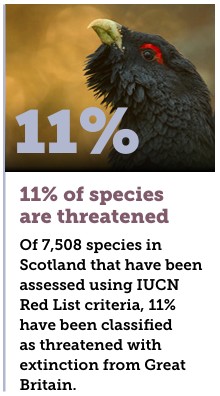
A State of Nature report published in 2023 and available on NatureScot’s website (see here) states that ‘historic nature loss means that it is one of the most nature depleted countries in the world’, and the report showed ‘Scotland’s wildlife continues to decline’. Scotland’s biodiversity decline was attributed to factors including intensive use of land for forestry and non-native invasive species. There was an average 15% decline in species abundance since 1994 and 11% of 7,508 species in Scotland using IUCN Red List criteria are threatened with extinction.
Extract from 2023 State of Nature (Scotland) report
Around 17% of Scotland’s land is supposedly protected under the Bird and Habitats Directives, with 408 protected European sites (see here). However, Scotland’s lax environmental standards (especially outside these protected areas) and the failure by Scottish Forestry to recognise the major adverse impacts of commercial conifer plantations on semi-natural habitats indicates there will be continued landscape-scale losses of biodiversity in Scotland.
NatureScot states that there are restoration projects ‘now getting underway’ (see here), suggesting these projects can be ‘scaled-up to work across Scottish landscapes’. NatureScot also suggest these projects need sufficient funding and support.
NatureScot stated Scotland ‘ranked 28th from bottom out of more than 240 countries/territories in terms of the biodiversity it has remaining’ (see here). If the Scottish Government has a strategy to reverse biodiversity losses, ceasing forestry grants for commercial conifer plantations as recommended by the Royal Society of Edinburgh (see here) and excluding semi-natural habitats from new commercial conifer plantations would help reduce continued biodiversity losses. Taxpayer funds previously for commercial conifer plantations could be repurposed towards habitat restoration schemes that deliver biodiversity gains and social benefits.
Natural England has finally, after many months of delay, published its formal review of the Hen Harrier Brood Management (Meddling) trial that ran from 2018-2024.
For new blog readers, the Hen Harrier Brood Meddling trial was a conservation sham sanctioned by DEFRA as part of its ludicrous ‘Hen Harrier Action Plan‘ and carried out by Natural England between 2018 – 2024, in cahoots with the very industry responsible for the species’ catastrophic decline in England. In general terms, the plan involved the removal of Hen Harrier chicks from grouse moors, they were reared in captivity, then released back into the uplands just in time for the start of the grouse-shooting season where many were illegally killed. It was plainly bonkers. For more background see here and here.
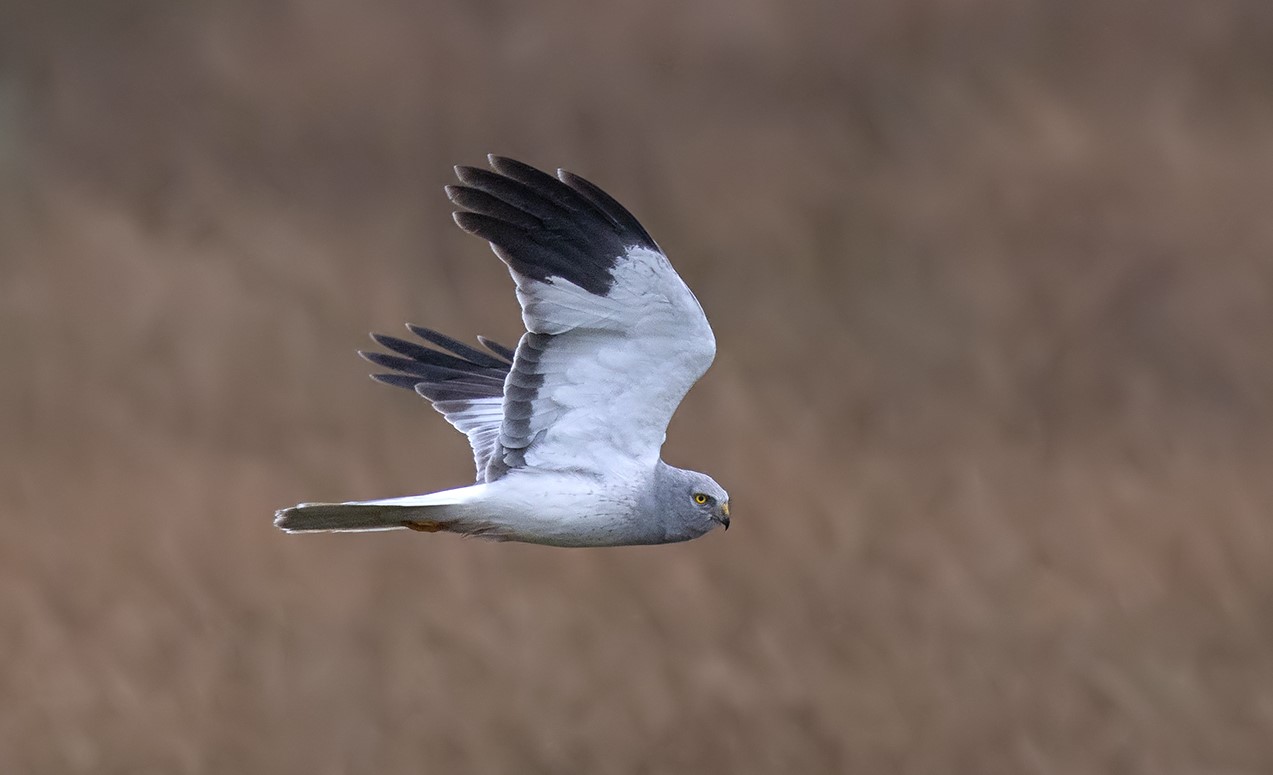
Male Hen Harrier (photo by Pete Walkden)
In March 2025, Natural England announced the end of the Hen Harrier brood meddling sham and noted that the so-called ‘partnership’ had now closed, although NE also said that no decision had yet been made about the potential annual roll-out of brood meddling (here).
In April 2025, Natural England announced that it had turned down a licence application from the Moorland Association for a brood meddling licence for 2025, mainly because the Moorland Association wanted to remove the licensing requirement that all brood meddled Hen Harriers must be satellite tagged (hmm, can’t think why), and also because the MA wanted a single release site for brood meddled Hen Harriers, presumably to get around the problem of there not being sufficient receptor sites/estates willing to take the young brood meddled birds on their release (see here).
This afternoon, Natural England has published three final reports as part of its review of the brood meddling trial. These are:
Hen Harrier Brood Management Trial Evaluation: The effectiveness of brood management as a mechanism for supporting Hen Harrier recovery.
Hen Harrier Brood Management Trial: Interim social science evaluation.
Hen Harrier Brood Management Trial: Findings from the social science survey of moorland managers Authors: National Centre for Social Research.
The three reports are available for download at the end of this blog. I haven’t read them yet – and probably won’t have time to do that until next week at the earliest, so will comment further once I’ve read them, if I find anything of interest.
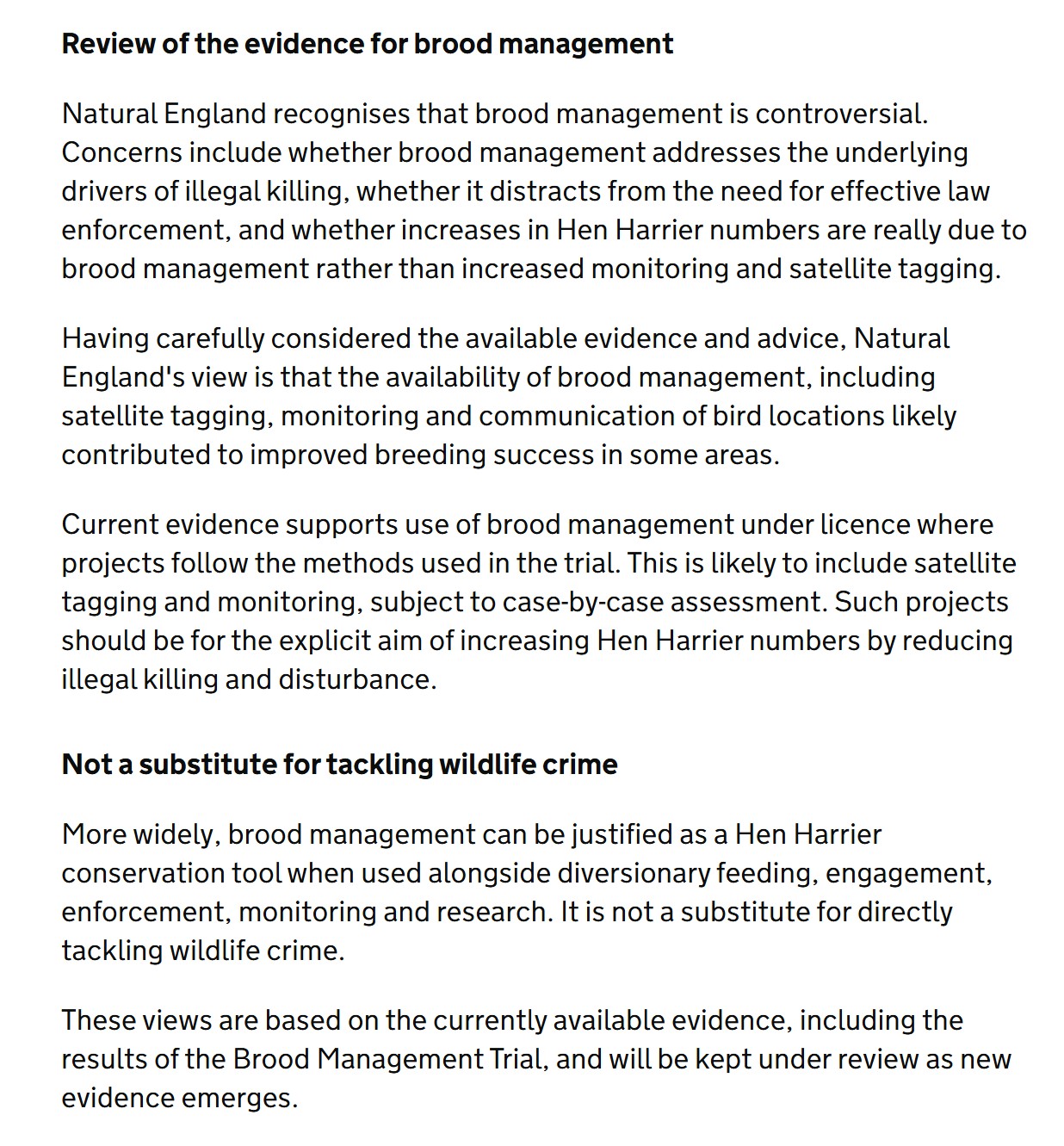
Natural England has published a blog today, to accompany the publication of the three reports. Here’s the most relevant part:
This suggests that NE will consider brood meddling in the future, on the basis the same licence conditions used during the trial are in place (i.e. sat tagging, release site must be within the SPA from where the Hen Harriers are brood meddled etc).
Two of these paragraphs don’t make sense to me, as one contradicts the other. NE says that, “Such projects [i.e. brood meddling] should be for the explicit aim of increasing Hen Harrier numbers by reducing illegal killing and disturbance” but then in the next paragraph, it says, “It [brood meddling] is not a substitute for tackling wildlife crime“.
Eh?
The final sentence of NE’s blog is also relevant – “These views….will be kept under review as new evidence emerges“.
I don’t know if Natural England is aware, but significant new evidence on the extent of Hen Harrier persecution on UK grouse moors is on its way shortly, and if that doesn’t put an end to any idea about continuing the ludicrous brood meddling sham, I don’t know what will.
Meanwhile, here are NE’s three final reports on the Hen Harrier brood meddling trial:
CONFIRMATION OF FURTHER EAGLE POISONINGS IN DORSET
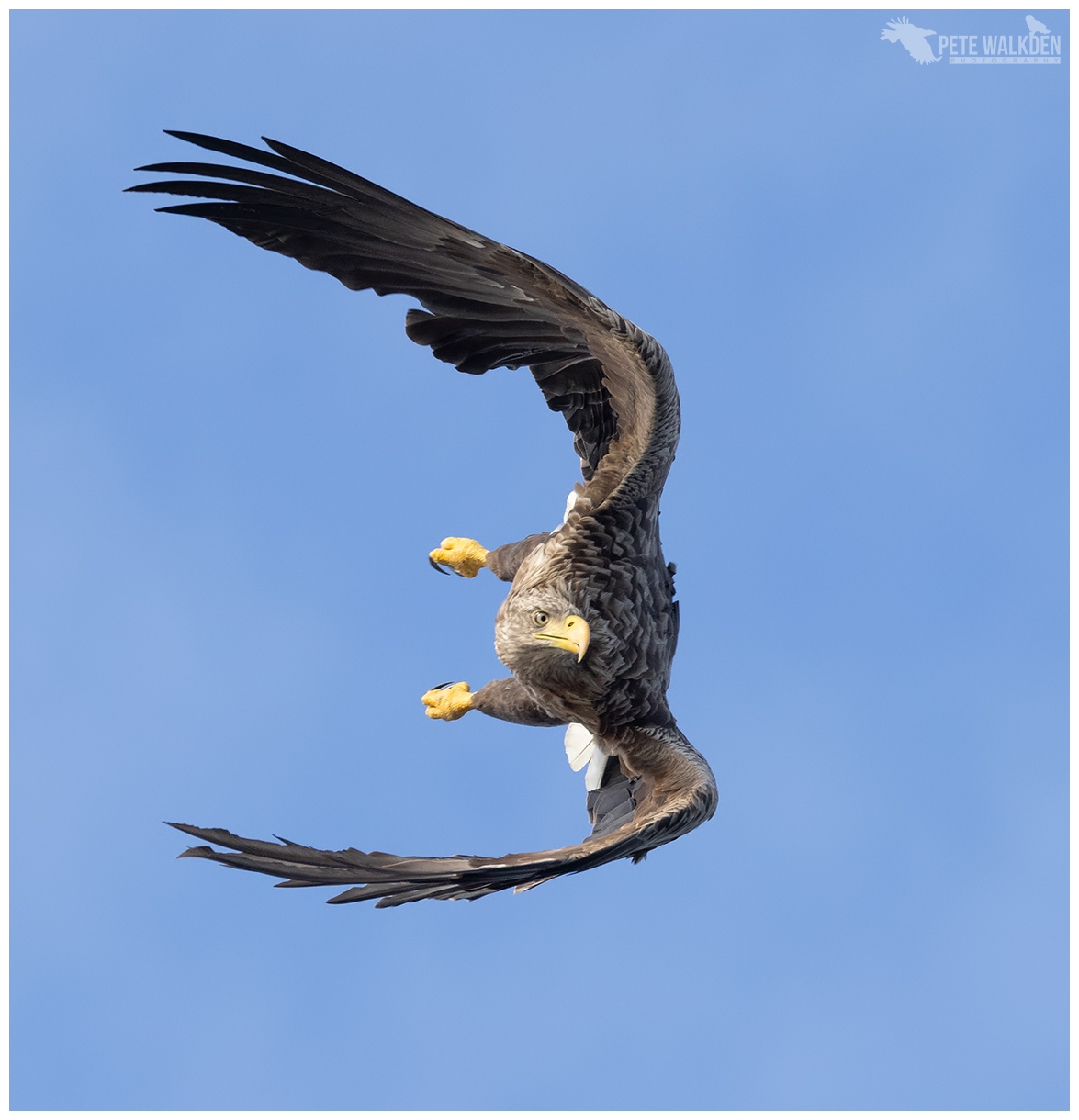
The white tailed sea eagle is one of England’s rarest and most impressive birds of prey, with a wing span often over 2 meters. A small group of these birds has been established by conservationists by re-introducing them onto the Isle of Wight from where they have spread out across England. However, this fragile population is under threat from a range of dangers, including poisoning from eating contaminated food such as poisoned rats. Nature lovers were outraged when one of the eagles was killed by poison in Dorset in 2022.
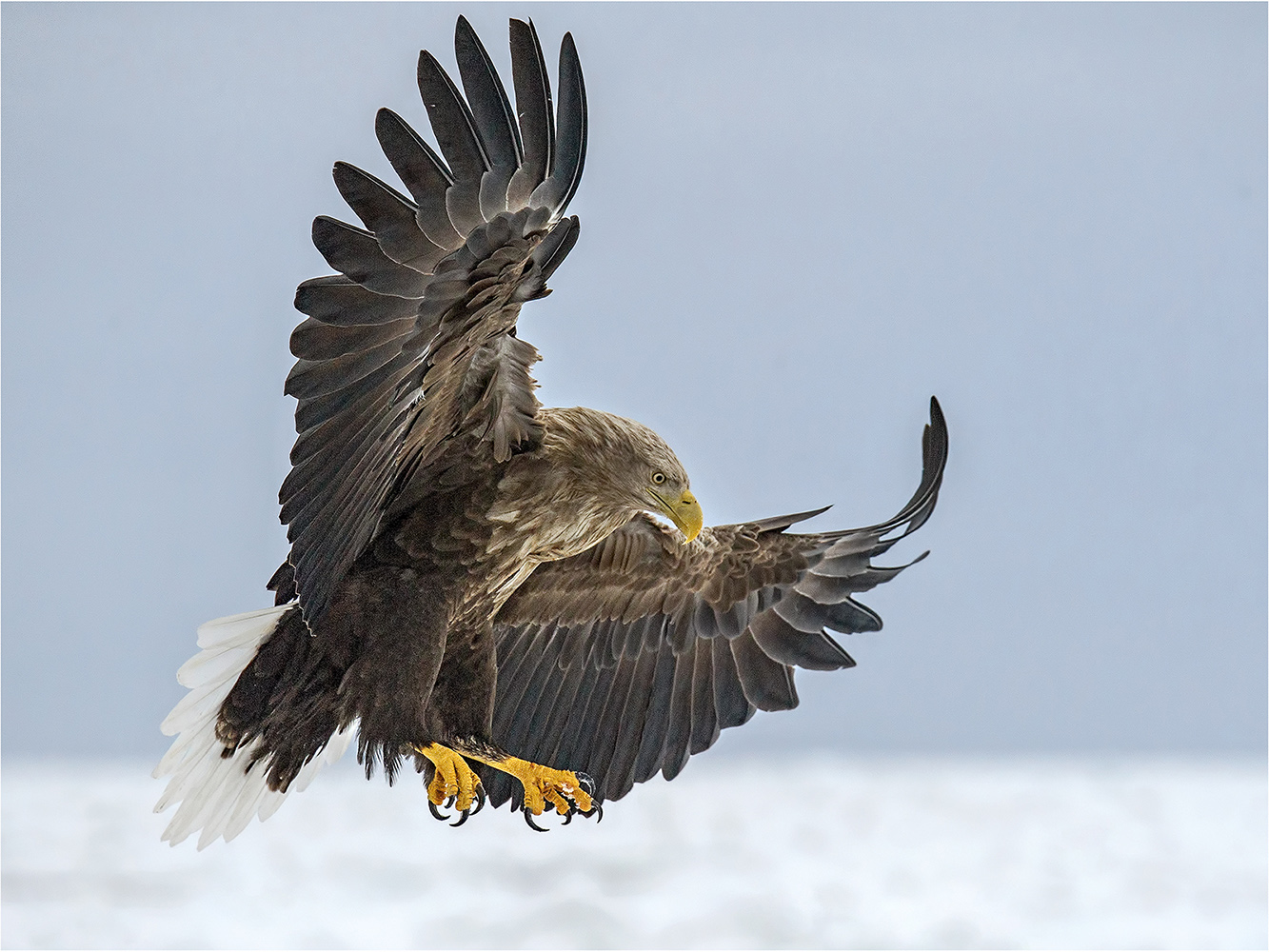
White-tailed Eagle (photo by Ronnie Gilbert)
An investigation by the wildlife group WPRUK has now shown that at least two further sea eagles were poisoned in Dorset in 2024, although many details of these incidents have been kept secret by the Government. The toxins involved are called Second Generation Anticoagulant Rodenticides (SGARs) – frequently used to kill rats by farmers, gamekeepers, pest controllers and householders. These were the same poisons that killed the eagle in 2022.
One eagle was originally recorded by the Health and Safety Executive (HSE) as having died by electrocution in November 2024. However, from WPRUK’s attempts to establish the truth using Freedom of Information requests, it was confirmed by the Government agency, Natural England, that: ‘the high concentrations of second generation anti-coagulants reported in this eagle were of sufficient concern to justify further investigation.’ However, the HSE initially claimed that only background levels of these poisons were found in the liver.
Large residues of SGARs were found in the liver of a second sea eagle found dead in May 2024, which are believed to have been partly responsible for the bird’s death.
SGAR toxins start to have a lethal impact on sea eagles when levels reach above 0.1 mg/kg of the poison in the liver. WPRUK have established that the poison levels in the two 2024 eagles were far higher. The bird found in November had a toxin level of 0.194 mg/kg, while the one discovered in May had a staggering 0.43 mg/kg. Despite these incidents happening many months ago, Government agencies are still withholding the full details of the bird deaths. What are they so scared of? Two further eagles have now died in Dorset, one in March 2025 and one in March 2026. The full report for the bird that died in 2025 is also being withheld, although WPRUK has established that this too was exposed to SGAR poisons.
Is Government policy to blame for these eagle poisonings?
The dangers of these toxins have been known for many years and an environmental risk assessment in 2012 recommended that they should not be used outdoors due to the secondary poisoning risk – this is when the poisons move up the food chain. Poisons put out for mice and rats end up killing the top predators such as eagles. However, this risk assessment was ignored by the Government which permitted their continued use and even relaxed the regulations controlling where the higher toxicity poisons such as Brodifacoum could be used. This allowed the use of this poison outdoors for the first time, much to the alarm of wildlife experts.
The continued outdoor use of SGARs was on the condition that the chemical industry, by introducing better working practices by users, achieved a ‘significant reduction’ in the level of SGAR exposure in wildlife. This was part of the Government’s approved Rodenticide Stewardship Scheme.
WPRUK has been collecting data on SGAR exposure in buzzards in England and Wales to see if this ‘significant reduction’ has actually occurred.
So, what has happened?
The chemical industry’s attempts to reduce toxin exposure has been a complete failure. If two time periods, 2005 to 2013 and 2020 to 2024 are compared, it is found that:
The proportion of buzzards exposed to potentially lethal amounts of SGAR toxin (above 0.1 mg/kg in the liver) had increased from 15.1 % to 42.3 %.
The mean level of SGAR in the liver had increased 230 %.
It is clear that this increase in SGAR exposure in buzzards was due to a substantial rise in exposure of the birds to the highly toxic Brodifacoum, likely to be the result of the Government’s decision to permit the outdoor use of this highly toxic poison. Exposure to this high toxicity poison has increased by 1,026 %!
Commenting on the poison levels found in these eagles, Dr Ed Blane from WPRUK said:
“The death of these majestic birds in Dorset, and the high amounts of poison found in their livers, should cause alarm bells to start ringing across the country. What we see now is the total failure of Government approved policy meant to protect the environment, information being withheld and our wildlife paying the price. At the same time chemical companies are making profits from selling these poisons. We have Channel 4’s ‘Dirty Business’ meeting Rachel Carson’s ‘Silent Spring’!
“What is of particular concern are the plans to introduce eagles to other areas of England and Wales without addressing this growing poisoning issue. How many of these birds will suffer a similar fate as the Dorset eagles?“.
ENDS
UPDATE 18 August 2026: White-tailed Eagle poisonings feature in Private Eye (here)
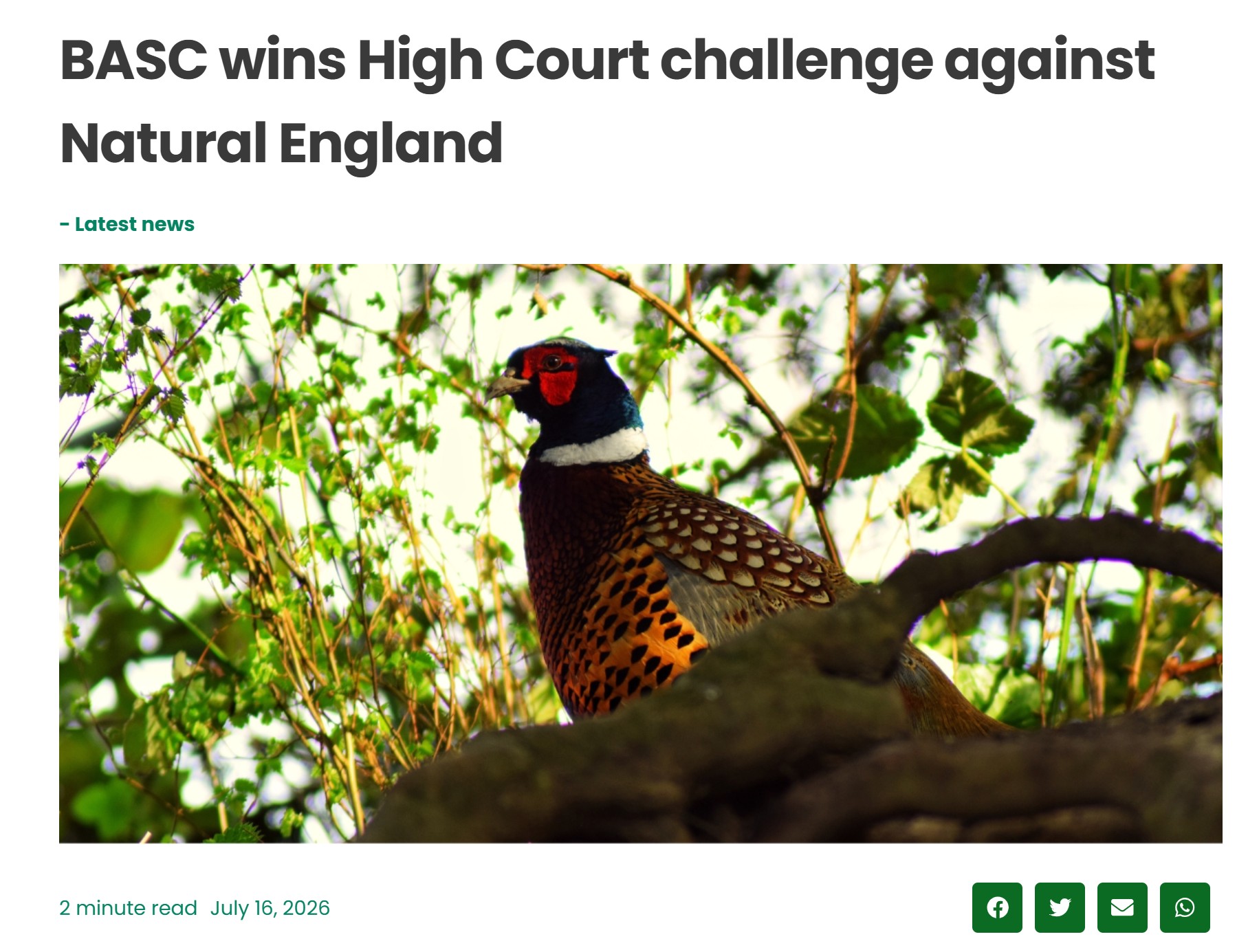
On Thursday this week, the High Court issued its judgement on a legal challenge, brought by the British Association for Shooting & Conservation (BASC) against Natural England, concerning the licensing of gamebirds on internationally important sites in England (Special Protection Areas).
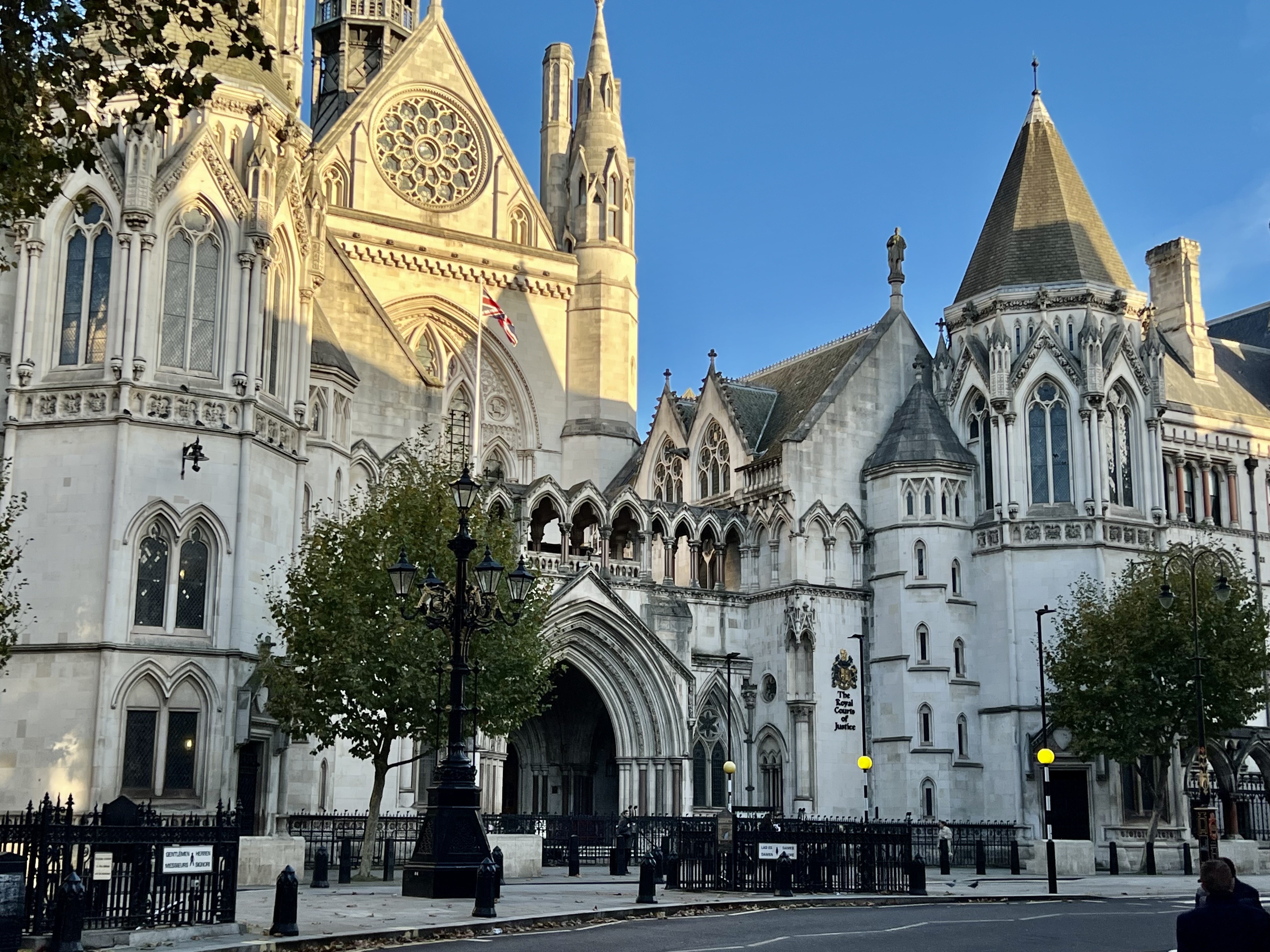
The Royal Courts of Justice, London (photo by Ruth Tingay)
If you’ve been reading the subsequent press coverage, and the reaction of many gamebird shooters on social media, you’d be forgiven for thinking that the court has just overturned the recent gamebird licensing rules on Special Protection Areas and that gamebird releases can once again be undertaken anywhere, at any time, without restriction.
But that is far from being accurate.
Here, I will try to clarify the actual situation, with the caveat that this is my own personal interpretation, and I’m not a lawyer, but have been closely involved with the gamebird licensing issue for several years through my work with Wild Justice, and, with colleagues, attended BASC’s judicial review hearing in London on 1st July 2026 to listen to the evidence in this particular case.
First, some background.
In 2020, Wild Justice won a significant legal challenge against Defra, forcing it to introduce a licensing scheme for the release of gamebirds (Pheasants & Red-legged Partridges) on or near Natura 2000 sites to control ecological damage (see here). General Licences 45 and 43 were now required for gamebird releases on or within 500m of Special Protection Areas (SPAs) and Special Areas of Conservation (SACs) respectively, regulating and restricting release densities on, or close to, these sensitive sites.
On 21 March 2025, Defra announced that it would not be issuing General Licence 45 for the 2025/26 shooting season, but instead applicants could apply for an individual licence, on a site-by site basis, because:
“It is currently not possible to rule out the risk of highly pathogenic avian influenza (HPAI) (which is currently very high) spreading to the bird features present on SPAs”.
Natural England (responsible for individual licences) went further, and on 14 April 2025 it advised the gamebird shooting industry that although they could still apply for individual licences for 2025 gamebird releases on or close to SPAs, some licences would only be permitted with a delayed release date for the poults, whereas licences for many other SPAs would be unlikely to be issued at all.
On 9 March 2026, Natural England announced the continued withdrawal of GL45 for the 2026/7 shooting season, and this year, for the first time, stated that individual licences would likely not be issued for the large Breckland SPA in Norfolk and Suffolk, due to the continuing very high risk of spreading Highly Pathogenic Avian Influenza (Bird Flu). Individual licences for restricted gamebird releases on certain other SPAs would still be issued, again with a delayed release date, to minimise the risk of transmitting HPAI and to protect wild birds of high conservation value for which the SPAs had been designated.
Importantly, the conditions of the individual licences in both years included a provision to not only prevent the release of gamebirds on/close to the SPA before a specified date, but also to prevent the keeping of those gamebirds on the site, prior to the specified release date. It’s crucial to understand this context, to be able to interpret the court’s recent ruling.
BASC’s legal challenge
In autumn 2025, BASC submitted an application for judicial review of Natural England’s licensing condition preventing the keeping of gamebirds inside pens on, or within 500m of, the SPA, arguing that this condition was ultra vires, i.e. it went beyond the scope of Natural England’s powers, because the keeping of gamebirds in pens is not the same as releasing gamebirds from pens, and was thus unlawful.
Although, if you’d read some of BASC’s media output about the legal challenge, this distinction wasn’t made. BASC had framed the legal challenge as follows:
“At the heart of the case is Natural England’s decision to impose a licensing regime for the release of pheasants and red-legged partridges on or near Special Protection Areas (SPAs).
“BASC believes this approach is legally flawed, unnecessary and disproportionate — particularly for shoots that have operated responsibly for generations under established codes of practice.
“The High Court has agreed there is a case to answer. A full hearing is expected later this year” (from a BASC press release, 2 March 2026).
I would argue that this framing by BASC was misleading, because it implied (to its members) that BASC was challenging the fundamental principle of licensing for gamebird releases on/near SPAs, when actually it was only challenging a condition of that licensing – that of preventing the keeping of gamebirds on site (in pens) prior to actual release, rather than the licensing of gamebird release.
BASC’s legal challenge also included an argument that release pens that straddled an SPA’s 500m buffer zone should not be subject to licensing.
Natural England defended its position that the licensing condition was lawful, and argued that the restriction on the “release [of gamebirds] into the wild” also covered the keeping of gamebirds in enclosures/pens prior to release, to protect the integrity of the protected site on which the enclosures/pens were situated, and to minimise the very high risk of transmitting HPAI between the penned gamebirds and any wild birds that could access the pens.
I’ve not included the specific, technical legal arguments here because they are long and detailed. They reminded me a lot of the absurdity of Schrodinger’s Pheasant, although instead of debating when is a Pheasant ‘wild’ and when is it ‘livestock’, this time the debate was about when is a Pheasant (and RLP) considered ‘released’. For those interested, the legal arguments can be found at the foot of this blog post.
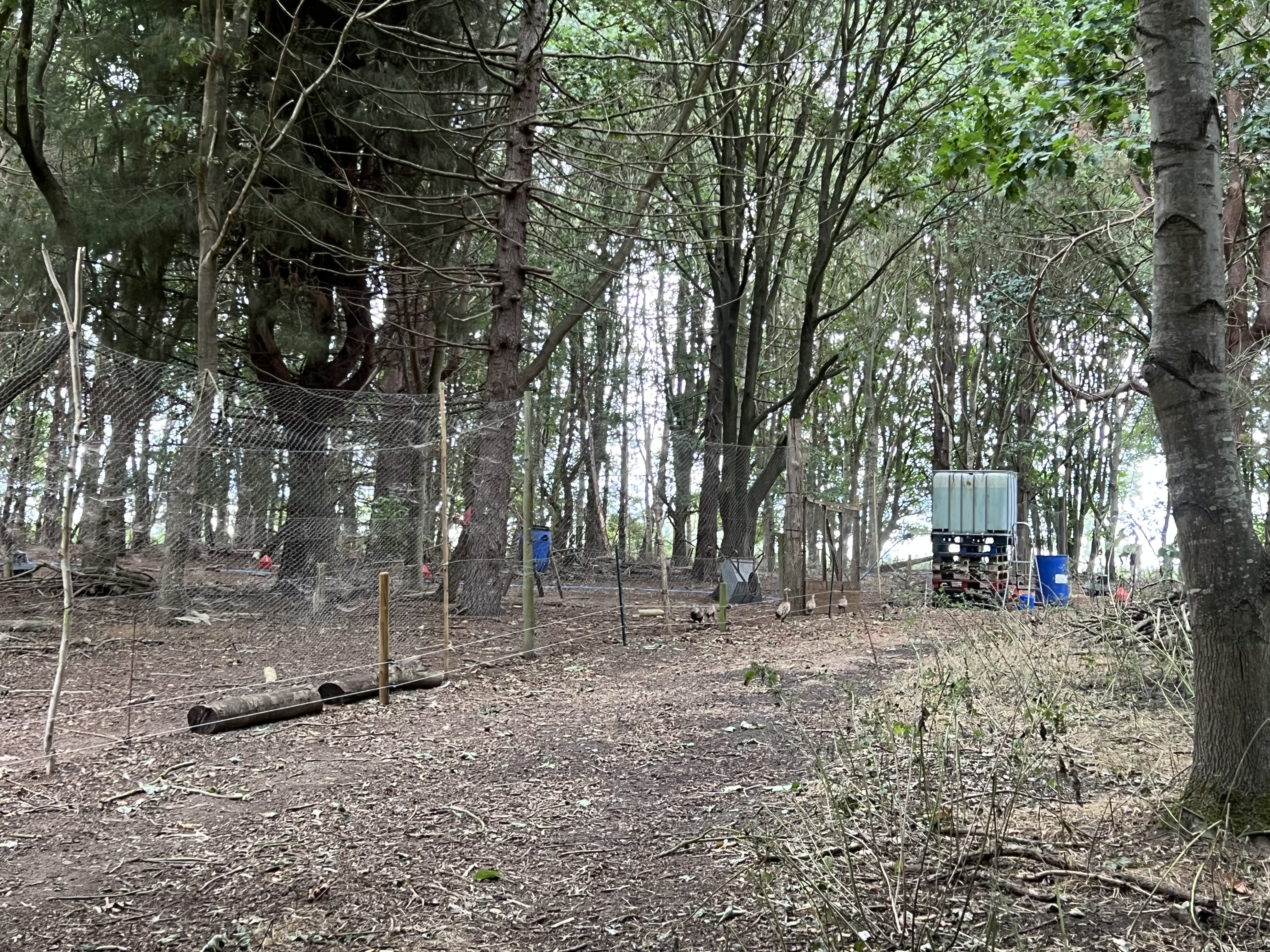
A large, open-topped Pheasant pen partly situated within an SPA buzzer zone in Suffolk. It’s obvious that wild birds can access the pen with ease. (Photo: Ruth Tingay)
The High Court’s ruling
Judgement was reserved after the substantive hearing on 1 and 2 July 2026, which meant the judge, Mr Justice Ritchie, would consider the evidence heard in court and provide a written judgement at a later date.
That judgement came remarkably quickly, just over two weeks after the hearing (often it can take months, and sometimes, over a year) and was handed down on Thursday 16 July 2026. It’s not lost on me that the timing is very helpful to BASC, because the judgement affects licence conditions that are currently in use, preventing gamekeepers from tipping out hundreds of young birds into pens on or close to SPAs, prior to release later in the year.
The full 47-page judgement is provided further down this page. In summary, Mr Justice Ritchie ruled that Natural England’s imposition of a licence condition preventing the keeping of gamebirds within protected sites was unlawful. He did not rule on the issue of licensing pens that are partly in, partly out of a protected site, because BASC had not provided specific evidence on this so it was ruled a hypothetical argument.
The judgement also ruled that ‘relief should not be withheld’, which I understand to mean that the licence condition preventing the keeping of gamebirds on site prior to release will be immediately overturned.
Importantly, the licence condition that prevents the release of gamebirds on or close to SPAs before a specified date (as determined by Natural England) remains intact, and was never part of this legal challenge.
So in essence, BASC appears to have won a technical victory, in that gamebirds can now be kept in pens on site prior to release, but they still cannot be released on site prior to the delayed release dates (1 September or 1 October depending on the specific SPA). And, according to the Code of Good Shooting Practice, promoted and endorsed by BASC and all the other prominent gamebird shooting organisations,
‘Under normal circumstances, all birds should be released before the start of their shooting season. Shooting must not commence until the birds are mature and fully adapted to the wild – a minimum of one month from release‘.
So the implications of this judgement mean that gamebirds can be ‘imprisoned‘ (a word that appears frequently within Mr Justice Ritchie’s ruling) in pens on site without requiring a licence, and can be placed there at any time of the gamekeeper’s choosing, but once released on the specified date (either 1 Sept or 1 Oct), the shooters still can’t shoot them for at least another month anyway, so it seems a somewhat hollow victory.
BASC’s response to the judgement
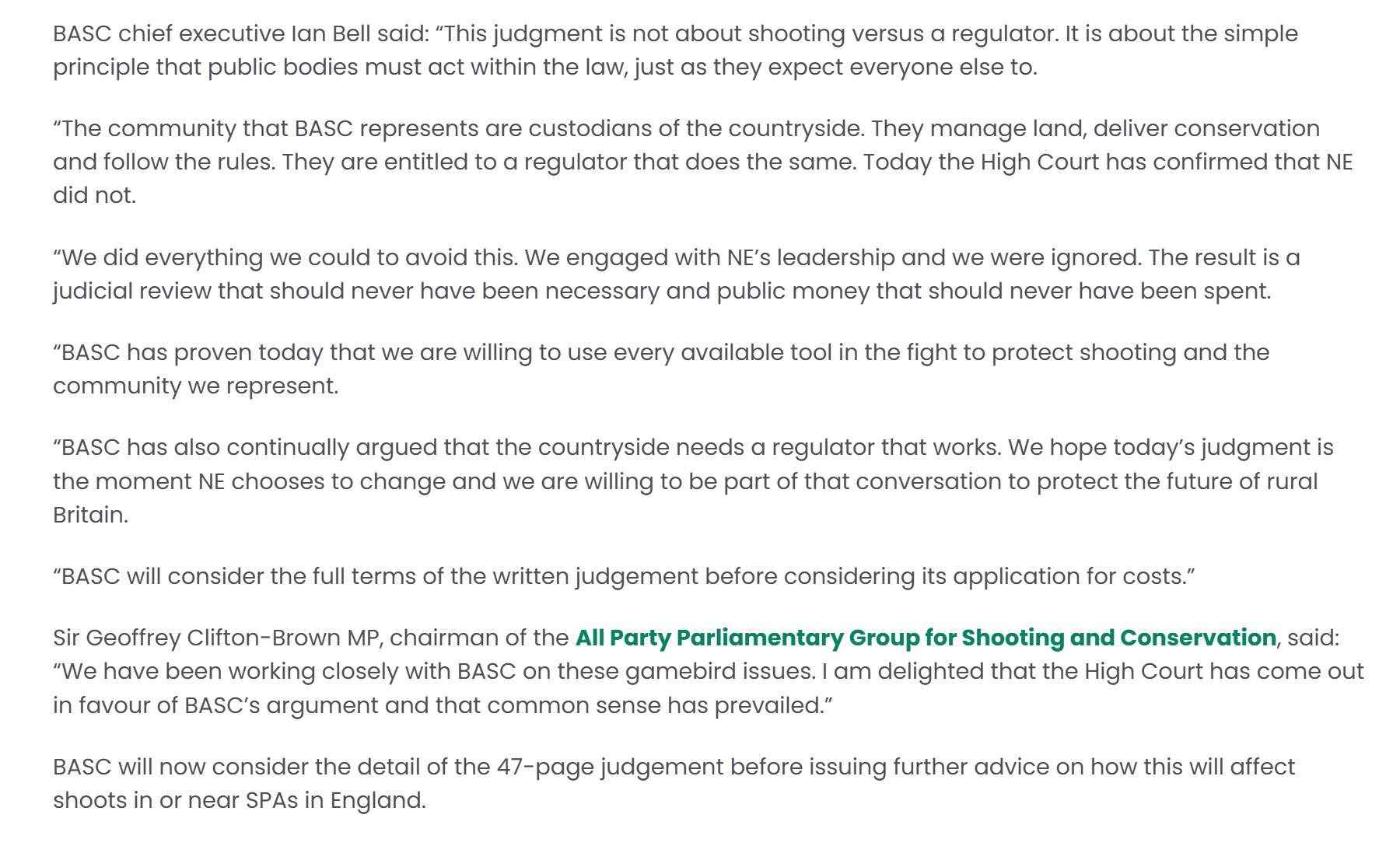
BASC published a media response to the judgement on Thursday afternoon. It’s remarkable for its grandstanding, with very little detail about the substantive issues of the case or the implications of the judgement for BASC members.
Tellingly, BASC didn’t publish a copy of the judgement, which means that BASC members, and others, had to rely upon BASC’s interpretation of the judgement, rather than being able to read it for themselves and draw their own conclusions.
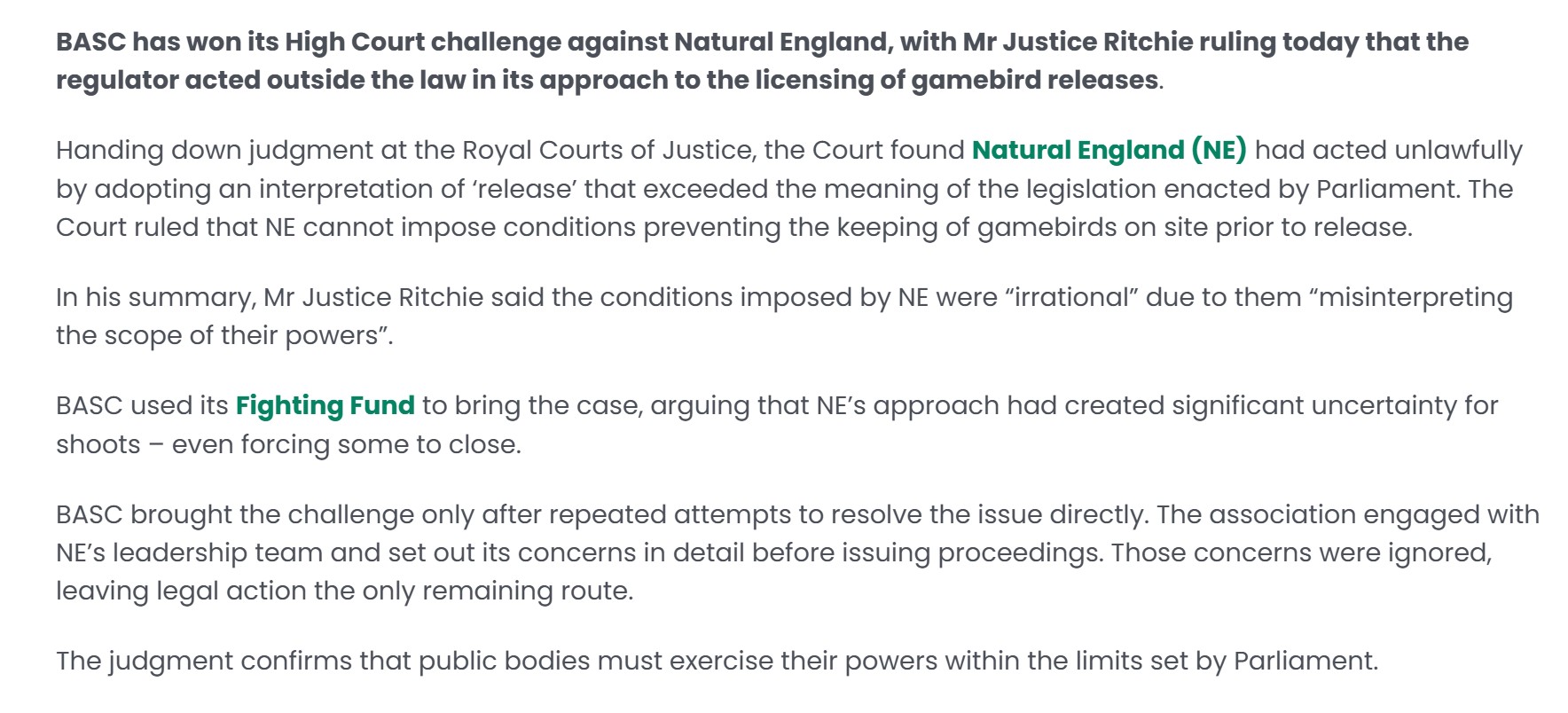
Given that BASC will likely have had a draft copy of the judgement for a week prior to it being formally handed down by the court, I’m amazed at the shallowness of its response:
More grandstanding by The Telegraph
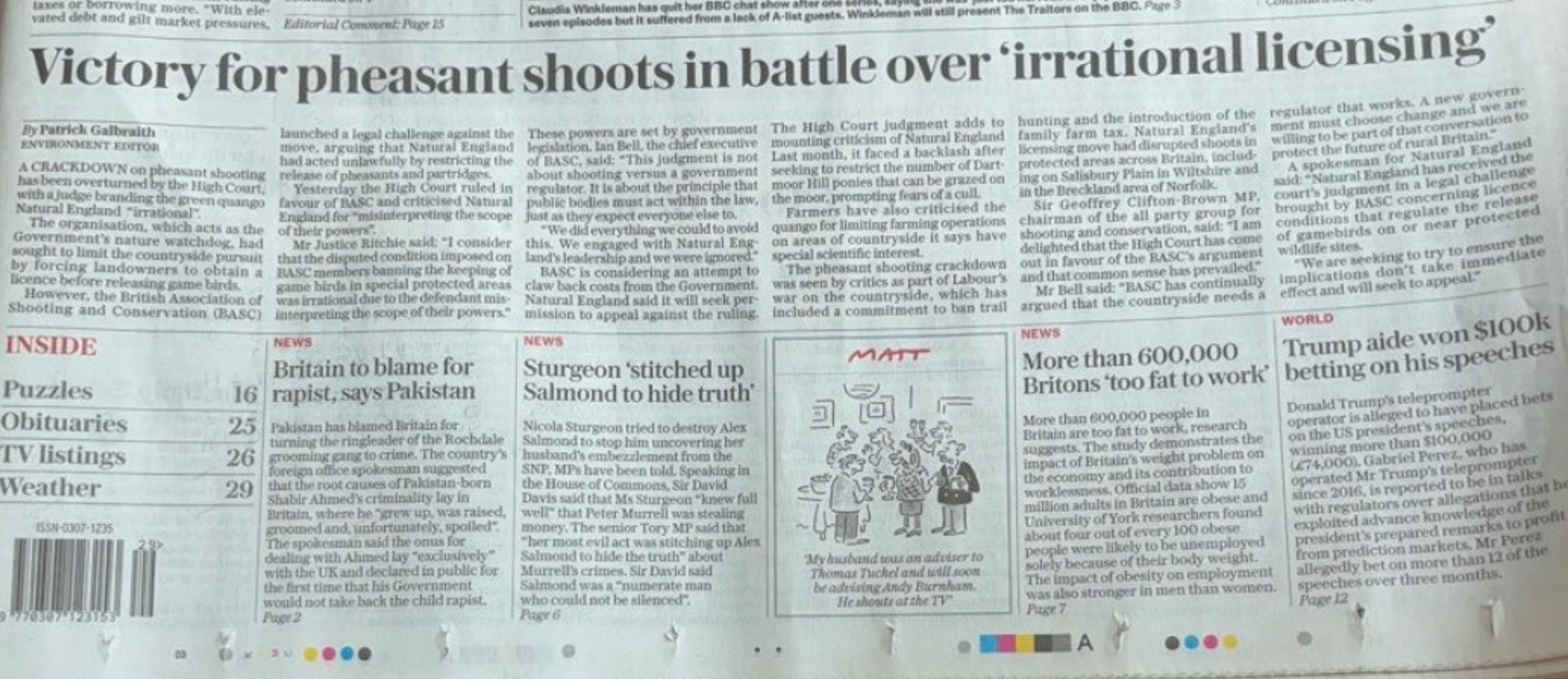
Yesterday, The Telegraph featured the news about the judgement on its front page. It’s quite clear to me, after reading the opening paragraphs, why gamebird shooters on social media are thinking that gamebird licensing has been completely overturned:
‘By Patrick Galbraith, Environment Editor [former editor of Shooting Times!]: A CRACKDOWN on pheasant shooting has been overturned by the High Court, with a judge branding the green quango Natural England “irrational”.
The organisation, which acts as the Government’s nature watchdog, had sought to limit the countryside pursuit by forcing landowners to obtain a licence before releasing gamebirds.
However, the British Association of Shooting and Conservation (BASC) launched a legal challenge against the move, arguing that Natural England had acted unlawfully by restricting the release of pheasants and partridges.
Yesterday the High Court ruled in favour of BASC and criticised Natural England for “misinterpreting the scope of their powers“‘.
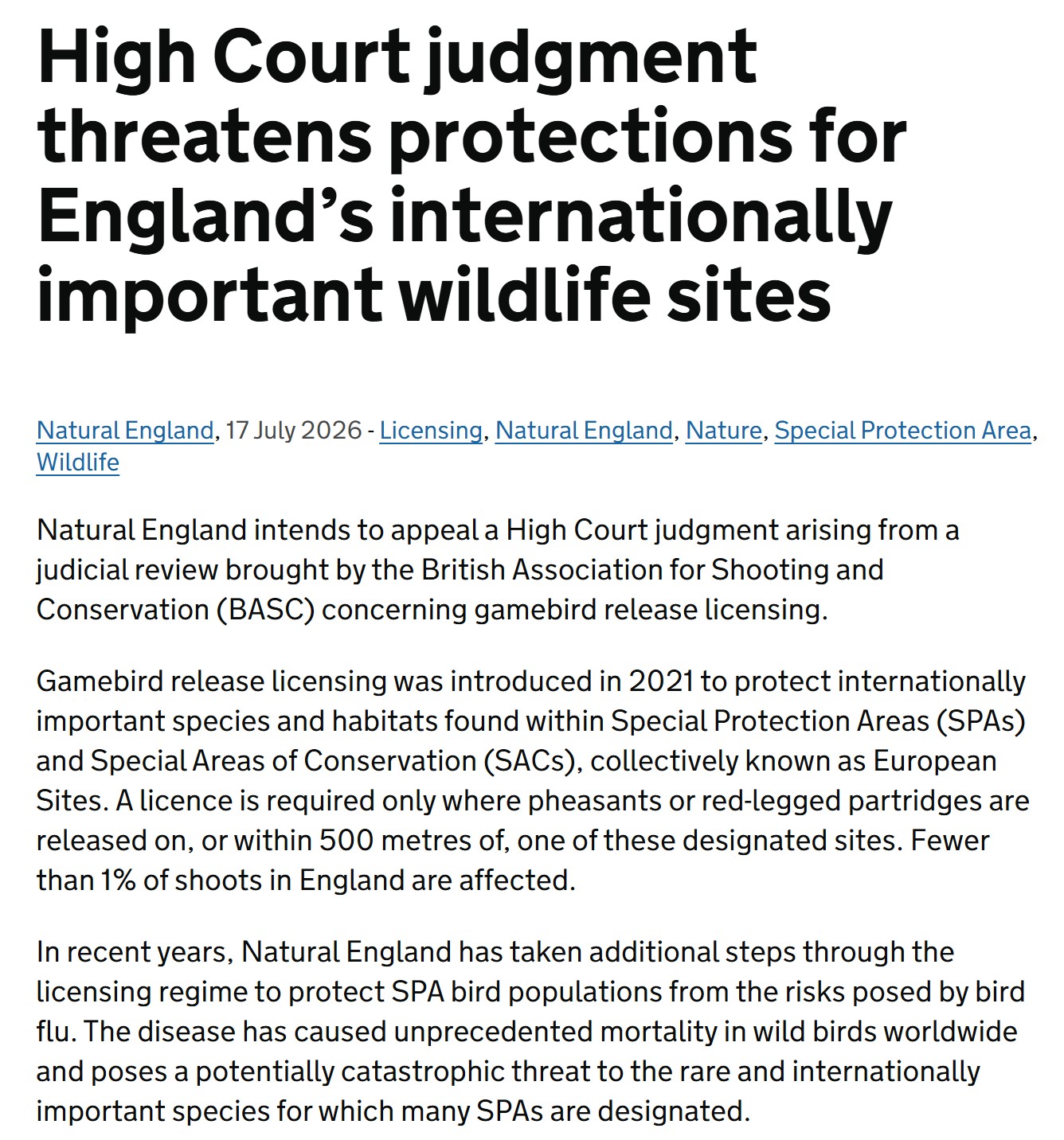
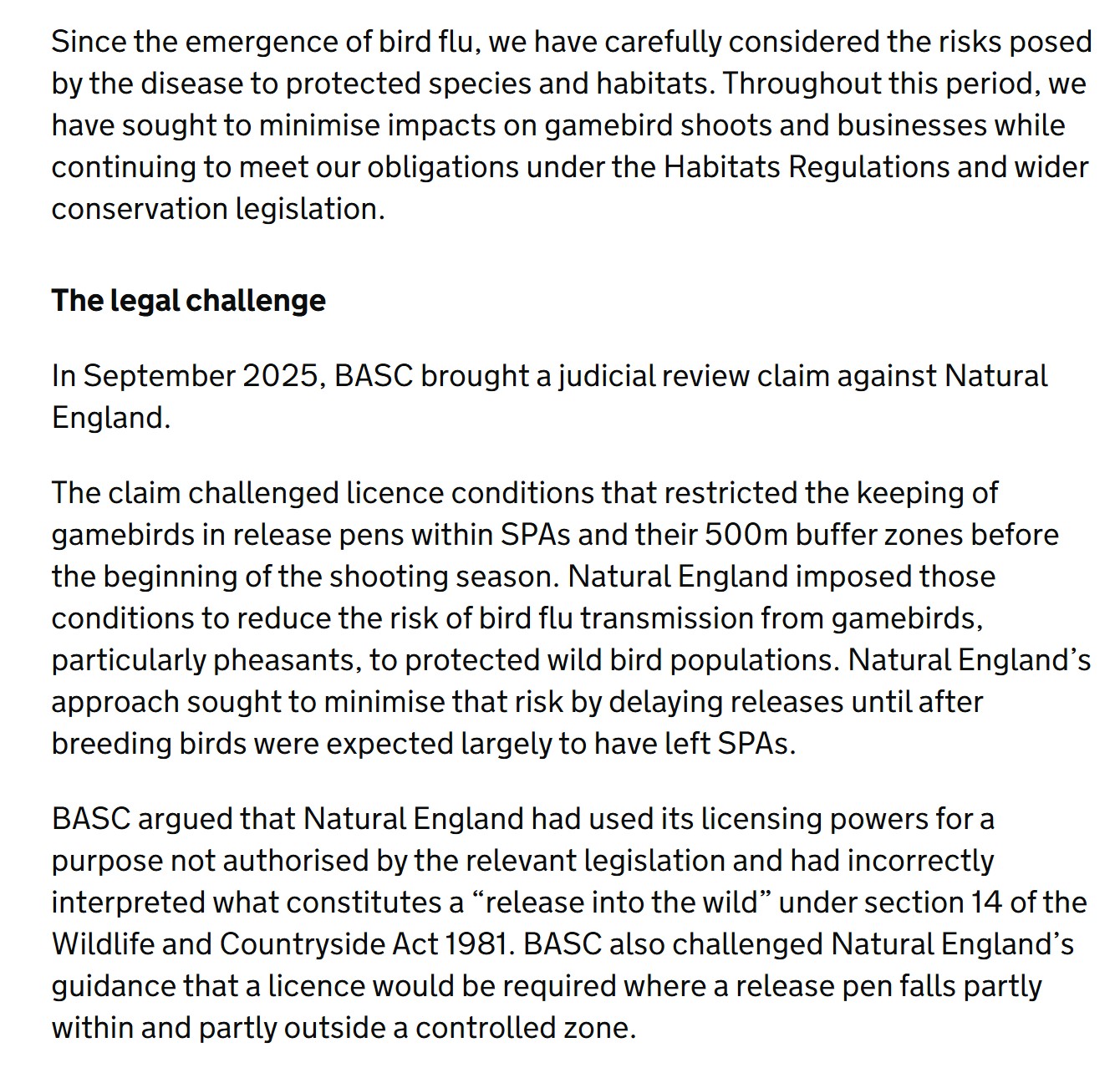
Natural England’s response to the judgement
Natural England is probably as unimpressed as I am with the way the shooting industry has framed the outcome of this legal challenge. NE published a blog in response, yesterday, laying out considerably more detail about the case than BASC has, and has stated its intention to apply to the court for permission to appeal the ruling. Quite rightly, NE’s focus is on the potential consequential threat to protected sites:
The 47-page judgement
The full judgement is published below so that everyone has an opportunity to scrutinise it.
For non-lawyers, which I guess most of us are, it’s very dry and turgid – that’s not a criticism, it’s just the way it is. And it’s clear that Mr Justice Ritchie is no ornithologist (there are a few howlers in there!) but ornithological qualifications aren’t necessary to interpret the law. It was also apparent, during the substantive hearing, that the judge was not familiar with the gamebird shooting sector – I say this to kill off any suggestion that the ruling was an establishment ‘set-up’ – a common accusation by some when legal arguments don’t go their way.
There are a few quotes from the judge, in reference to Partridge release pens, that will probably come back to haunt the gamebird shooting industry, such as:
“In my judgement, there is very little wild about a cage in a man planted corn field”
and
“It is clearly not released, it is fully imprisoned“
and
“They are imprisoned and not free“.
This is not quite the ‘wild’ and ‘natural’ image of gamebirds that the industry tries to portray!
Anyway, here’s the judgement, and I look forward to hearing further detail about Natural England’s application to appeal:
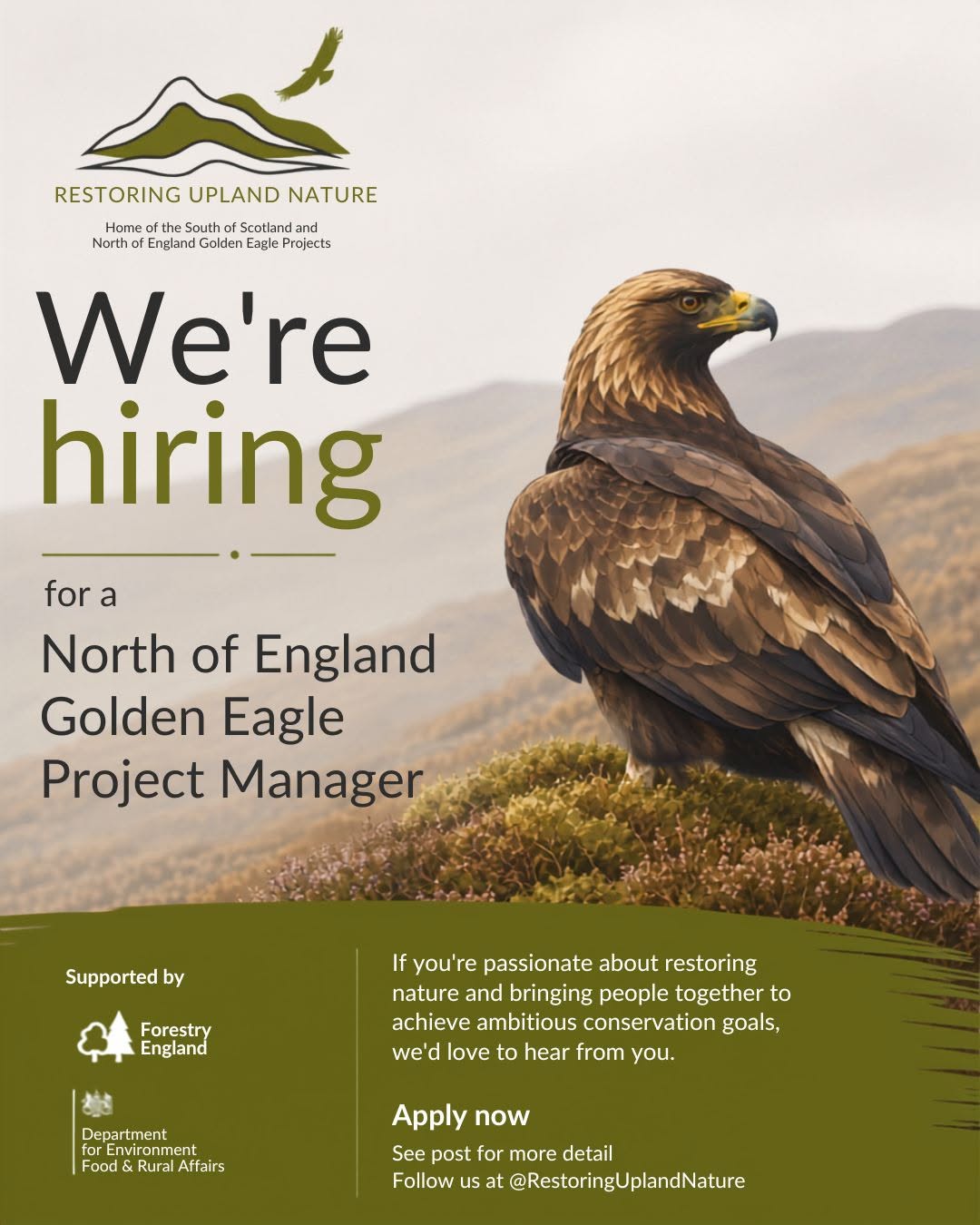
The charity Restoring Upland Nature (RUN), now home to the South Scotland Golden Eagle Project, is recruiting for the new position of North of England Golden Eagle Project Manager.
This position has been created following a Government announcement earlier this year that funding of £1 million would be made available to explore the feasibility of re-establishing Golden Eagles in England.
Here’s an overview of the job spec:
Location – Home based, ideally in Northern England, or potentially based in a partnership agency hub office.
Contract – full time to end of March 2029 with likely extension to 2032.
Salary – £35,000 – 40,000 depending on experience
Role – The role will focus on exploring, developing, and, subject to formal approval, supporting the potential reintroduction of Golden Eagles to Northern England. You will help shape the project from planning through to delivery, ensuring strong partnership working, effective community and stakeholder engagement, and high standards of project management throughout.
Closing date – 21 August 2026.
Interview date – first interview 31 Aug; second interview 4 Sept.
This is a controversial project, as discussed previously. There is an urgent need to restore long-lost native species to England (and the rest of the British Isles) but in this case, the cause of this particular species’ demise – illegal persecution – has not, and is not, being addressed with sufficient effectiveness to bring it to an end.
Many will argue that it’s ethically questionable to release Golden Eagles in to a landscape where they are undoubtedly going to be killed by gamekeepers on many of the intensively-managed driven grouse moors in the region. Large parts of the north of England have long been recognised as raptor persecution hotspots, most notably for Hen Harriers, Red Kites, Peregrines and Buzzards, and it won’t be any different for Golden Eagles, as demonstrated by the recent shooting of a young eagle that travelled down on its own from south Scotland. There’s also been the recent suspicious disappearance of a satellite-tagged White-tailed Eagle in the same region.
However, others will argue that the same issues faced the South Scotland Golden Eagle Project when it started to release translocated Golden Eagles in 2018, and even though some of those eagles have inevitably fallen victim to illegal persecution, and more are expected to, other individuals are now thriving and have paired up, are holding territories and are either attempting to breed or have bred successfully, some of them on nest platforms provided by supportive land managers.
Eagle conservation is a slow game. They generally have to survive for four or five years before they’re mature enough to attempt to reproduce, and they generally only produce one or two offspring at a time, uncommonly three. The biology of the species means that population restoration takes many, many years, and that’s even with the support of local landowners. If you add in the seemingly intractable culture of illegal persecution, along with the very low chance of being caught and so offending continues because the risk is seen to be worth it, then releasing Golden Eagles in to northern England to restore the population is not going to be quick and it certainly won’t be easy.
Applicants for the job would do well to read this authoritative feasibility report on Golden Eagle Recovery in England, authored by Dr Phil Whitfield and Dr Alan Fielding:
More detail has emerged from the ongoing trial of two Scottish gamekeepers, accused of offences relating to the alleged shooting and killing of Red Kites in the Cairngorms National Park in February 2025 and alleged firearms offences.
Head gamekeeper Graeme Rankin, 40, and assistant gamekeeper Steven Hague, 43, both of Glenbuchat Estate, have both denied the charges.
Red Kite photo by Ronnie Gilbert
The trial began at Aberdeen Sheriff Court in April 2026 and ran for four days (here), before it resumed again in June for several days (here). The case was then further adjourned until July, after the defence KCs lodged a motion calling for the dismissal of all charges for alleged procedural irregularities.
The trial will continue again next week. In the meantime, following on from a write-up from the trial in April, here’s a write-up from the June court proceedings, written by journalist Jamie Ross of the Press and Journal and published on 16 June 2026:
MAN ACCUSED OF KILLING RED KITE KEPT SHOTGUNS IN INSECURE CONDITIONS, COURT TOLD
A man accused of killing a red kite in the Cairngorms kept the keys to his shotguns in a broken safe and behind a table leg, a court has been told.
On Monday, Aberdeen Sheriff Court continued to hear evidence in the trial against Steven Hague, 43, and Graeme Rankin, 40, who each stand accused of shooting and killing a protected bird species on land in Knockie Wood.
The Glenbuchat Estate employees are also facing a charge of shooting a second red kite, while Hague is further charged with breaching the conditions of a firearms certificate and ammunition storage rules.
And yesterday, Sheriff Peter Hammond heard from a firearms officer who attended Hague’s cottage home and found that any combination of numbers could be entered into a safe for it to give up the key to one of his shotguns.
Another gun locker was accessed with a key the gamekeeper hung on a hook behind a table leg, just yards away in the same room where the weapons were kept.
Constable Tomas Spracklen told the court that he attended Hague’s Strathdon home on May 1 2025 alongside other officers who cautioned and arrested him in connection with the animal’s death.
The trial had previously been told that the red kite was discovered by a member of the public in the Glenbuchat area on February 26 last year before staff from the Royal Society for the Protection of Birds got involved.
Experts concluded that the animal had been shot and the police were contacted.
Constable Spracklen, a firearms licensing officer, said he attended Hague’s property to carry out a “suitability review” for firearms certificates as colleagues carried out a search warrant.
He walked the court through the home, noting that the gun room had two cabinets where Hague kept his weapons.
On a previous visit to renew his certificates, Hague had provided the officers with a code to a safe, which was meant to securely store the key to his firearms.
“They need to be safely secured at all times,” Constable Spracklen explained.
“We asked him where his keys for the cabinets were kept. On our previous renewal, he indicated they were within a utility cupboard. I asked Mr Hague if that was still the same situation, if the code was the same as we had previously been given.
“Mr Hague advised that the actual safe for storing the keys didn’t work properly. We attended at the utility closet, where it was, and, as Mr Hague stated, I was just able to take the keys without entering the code.”
Hague would also tell the officer that the key to the second cabinet was on a hook on a table leg opposite the locker.
As part of keeping firearms, Hague is required to ensure that both weapons and ammunition are stored securely and are not accessible.
Asked for his opinion on whether what he found at Hague’s home meant he was in breach of that rule, Constable Spracklen said: “In my opinion, it did breach that condition. Anybody that was within that house could gain access to the keys and therefore gain access to the firearm cabinets.”
Fellow officers, he added, would allegedly go on to find an unsecured pouch of ammunition within the gun room.
Lawyer Shelagh McCall KC, representing Hague, queried the officer about her client’s property.
She asked: “Does it sit by itself, or is it adjoined to any other properties?”
“It sits by itself,” the constable replied.
She added: “In terms of the nearest neighbour, what do you reckon?”
“Well over a kilometre,” Constable Spracklen said, agreeing that the cottage was in “the back of beyond” and there was no one else living in the home other than Hague and his wife.
Joanna Murray, a forensic scientist at the Scottish Crime Campus, also gave evidence on Monday.
Shown the shotguns seized by police, she said it was her opinion that there were “similarities” between a Beretta A400 Lite — a left-handed weapon — and the weapon seen in trail camera footage from Knockie Wood.
The clips had previously been played to the court, which allegedly showed two men appearing to fire a shotgun before walking off screen and later returning with a bird in hand.
“That noise that occurred could have been caused by a discharge of a gun,” she told fiscal depute Karon Rollo.
“I am unable to determine what make and model the shotguns are from those videos.”
Queried on how rare a left-handed shotgun is, Mrs Murray added: “I do know, roughly, they make up 5% of the buying and selling market.”
Mrs Murray also concluded that, upon receiving a vet report on the deceased red kite, it was her opinion that its death was “consistent” with a shotgun pellet wound.
“It is my opinion,” she told the court. “Any of the shotguns could have discharged. Or any other shotgun”.
The quality of the video evidence again came under scrutiny during the trial.
At its last hearing, special constable Michael Flacherty said he had been able to identify Rankin, whose address was given as a croft on the Glenbuchat Estate, from the trail cam footage which he saw in better resolution.
“I cannot identify Mr Rankin from this resolution,” he said of the video when it was played back to him at court.
“In the original footage I viewed, I could identify Mr Rankin.”
Mrs Murray had similar issues when she attempted to point to features of the weapons she had referenced in her report as she struggled to find them when the videos were played back in the courtroom.
A video prepared by the defence, however, had no such problems.
Asked to view a piece of film which Ms McCall said showed a man shooting a shotgun 35 metres away from a camera to provide a comparison of the alleged shooting witnessed in the Crown’s footage, Mrs Murray said: “It’s noticeably louder.
“The pick-up on it seemed quite loud compared to the pick-up on the [trail cam].
“If I was to do a like-for-like comparison, I would like to see that testing done in the same area as well.”
The defence’s footage also showed a muzzle flash, which the trail camera does not appear to pick up.
Mrs Murray said “one explanation” for that was a tree causing a physical obstruction.
The red kite is protected under the Wildlife and Countryside Act, making it illegal for them to be killed.
It is believed red kites scare grouse, making it harder for them to be driven towards shooting parties.
The trial was originally due to be heard last December, but the presiding Sheriff Robert Vaughan recused himself because he is an RSPB subscriber.
The trial at Aberdeen Sheriff Court continues.
ENDS
The trial will resume at Aberdeen Sheriff Court next week.
NB: Comments are turned off as legal proceedings are still live.
UPDATE 6 August 2026: Trial collapses against two Scottish gamekeepers accused of killing Red Kites in Cairngorms National Park (here)
ITV News ran a five minute feature yesterday on the continued illegal killing of birds of prey in North Yorkshire, and the RSPB’s calls for a gamebird shooting licensing scheme to tackle these crimes.
The film highlights the recent convictions earlier this year of gamekeeper Thomas Munday, who was caught battering to death a Buzzard that he’d trapped on a Pheasant shoot at Hovingham (here), and gamekeeper Racster Dingwall, who was caught conspiring to shoot a Hen Harrier on a grouse moor in the Yorkshire Dales National Park (here). Both cases relied on video footage captured on hidden cameras installed on the estates by the RSPB’s Investigations Team.
Two members of the RSPB’s Investigations Team are interviewed (Mark Thomas and Howard Jones) and discuss how satellite tags have helped detect the locations where Hen Harriers are being killed, and the level of ongoing threat to this and other species, including White-tailed Eagles.
A counter-argument against gamebird shoot licensing is provided by Dr Marnie Lovejoy from the British Association of Shooting & Conservation (BASC). She admits that grouse shoot licensing in Scotland has not prevented the illegal killing of raptors (she’s right about that) but then claims, counter-intuitively, that licensing wouldn’t be a deterrent because, “They could lose their licence even though they have done nothing wrong“.
I’m not aware of any grouse shooting estate in Scotland losing its licence yet, even though there have been multiple raptor persecution crimes detected since licensing was introduced in 2024, although several cases are still making their way through the slow judicial process.
Nor has anyone had their grouse shooting licence revoked ‘when they’ve done nothing wrong’. Given the level of evidence required just for a General Licence restriction in Scotland, let alone a grouse shooting licence, it is highly unlikely that an innocent estate would ever be penalised. And even if it did happen, estates have several rights of appeal, first through the regulator, NatureScot, and then through the Sheriff Courts.
It’s clear that BASC doesn’t want further regulation, perhaps because it’s obvious that many gamebird shoots will struggle to comply, but using an unevidenced argument against it just doesn’t stand up to scrutiny.