
This is a guest blog written by conservation campaigner and author Bob Berzins who has written previously on this blog here, here, here, here, here, here, here, here and here.
Introduction
In 2026 a dry, hot summer with drought conditions declared in many areas led to a huge number of wildfires. It was no surprise to read a constant diatribe from the shooting industry calling for increased prescribed burning with restrictions removed.
Arguments against grouse moor burning have centred around damage to peatlands, particularly damage to blanket bog which tends to be defined by peat depth with figures of 50cm, 40cm and most recently 30cm defined in the Heather and Grass Burning Management Code 2025 Section 4 – The Law. So generally any burning in England where peat depth is greater than 30cm is illegal.
Greenwashing from the shooting industry tries to tell us they only ever conduct “Cool Burns” with no smoke and moss layers under the heather undamaged and somehow only burning the top leafy part of heather plants. They’ve fooled Natural England because most Management Plans, in place to protect conservation sites, tell us they won’t allow “Hot burns” which incinerate the vegetation and the underlying peat. But there’s no enforcement and we the public are left to cope with huge clouds of smoke and incinerated, damaged moorlands which increase flood risk.
This deceit has been going on for decades and it took catastrophic levels of air pollution in Sheffield three years ago to make everybody listen. The burning occurred on the Duke of Rutland’s Moscar Estate.
After the 2025 burning consultation and new legislation what’s happening now?
Sheffield University produced a detailed analysis of how the smoke from October 2023 burning spread across the city with citizen science and government air monitors all recording huge spikes in dangerous air pollution.
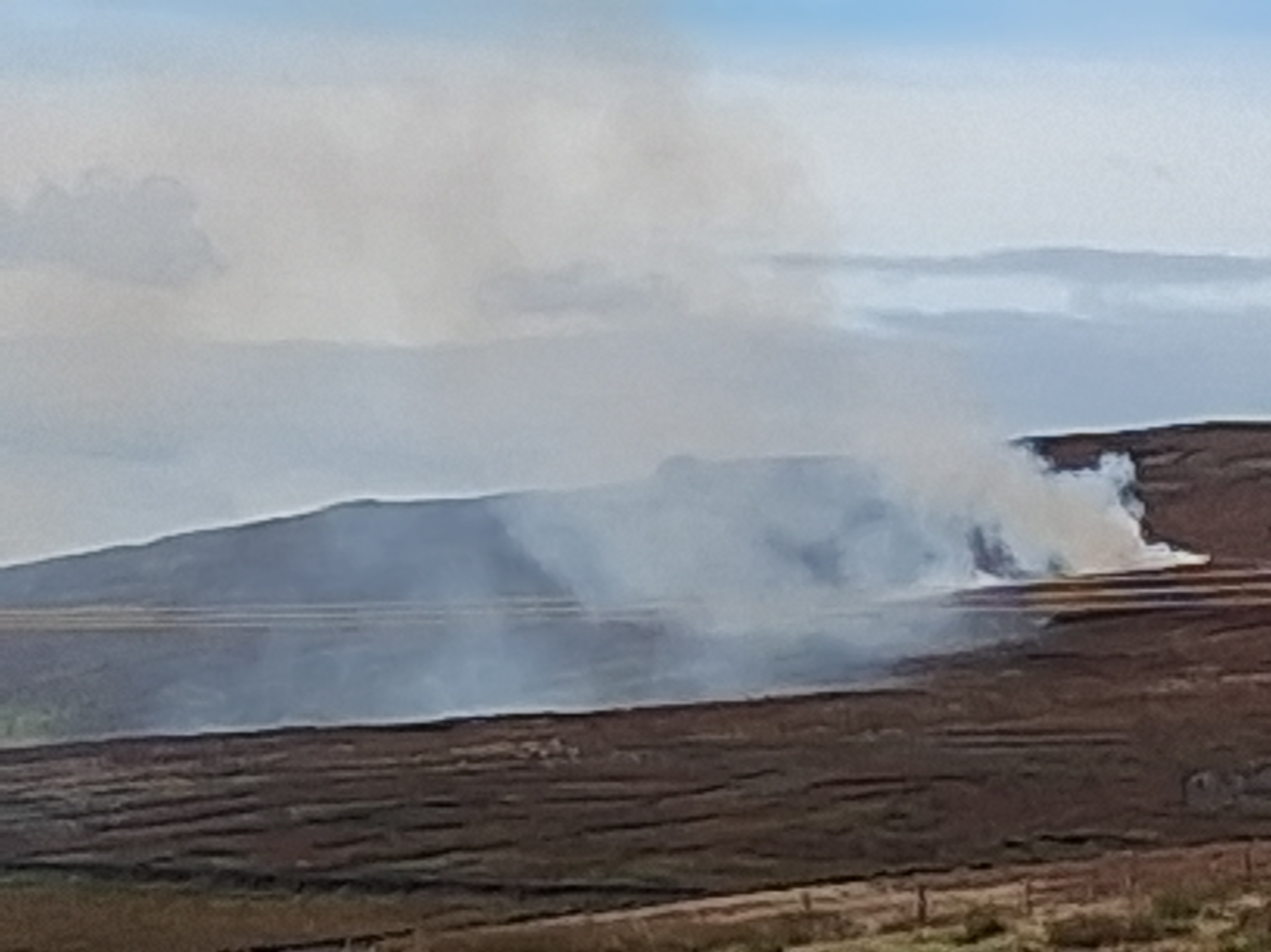
Travel any distance in the Pennines on a fine winter day and you’ll see multiple fires on the moors. Last week a mile from the Moscar burning we had this on the adjacent Fitzwilliam Estate:
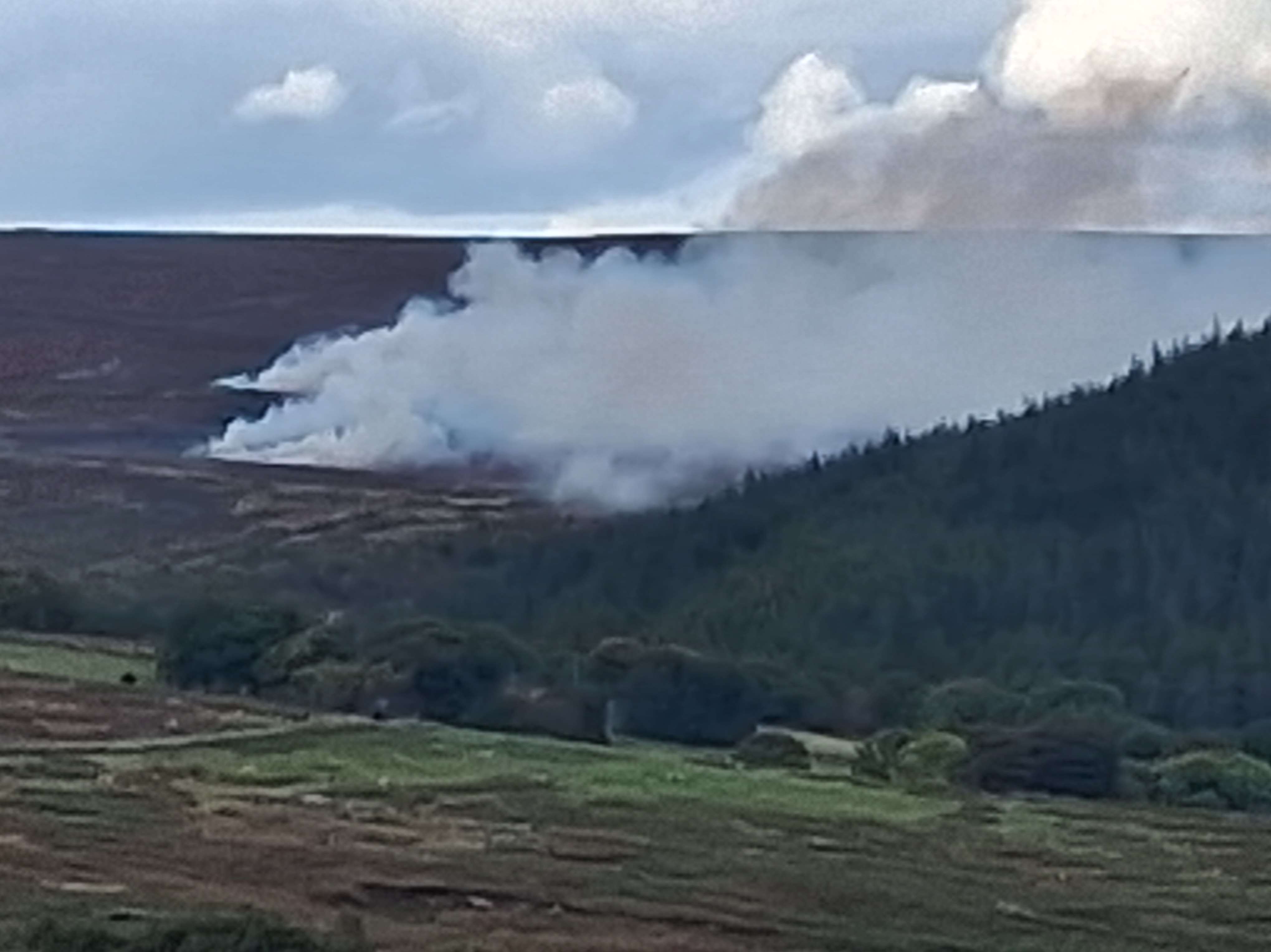
Spilling smoke over the plantation and down to Bradfield village and Sheffield beyond:
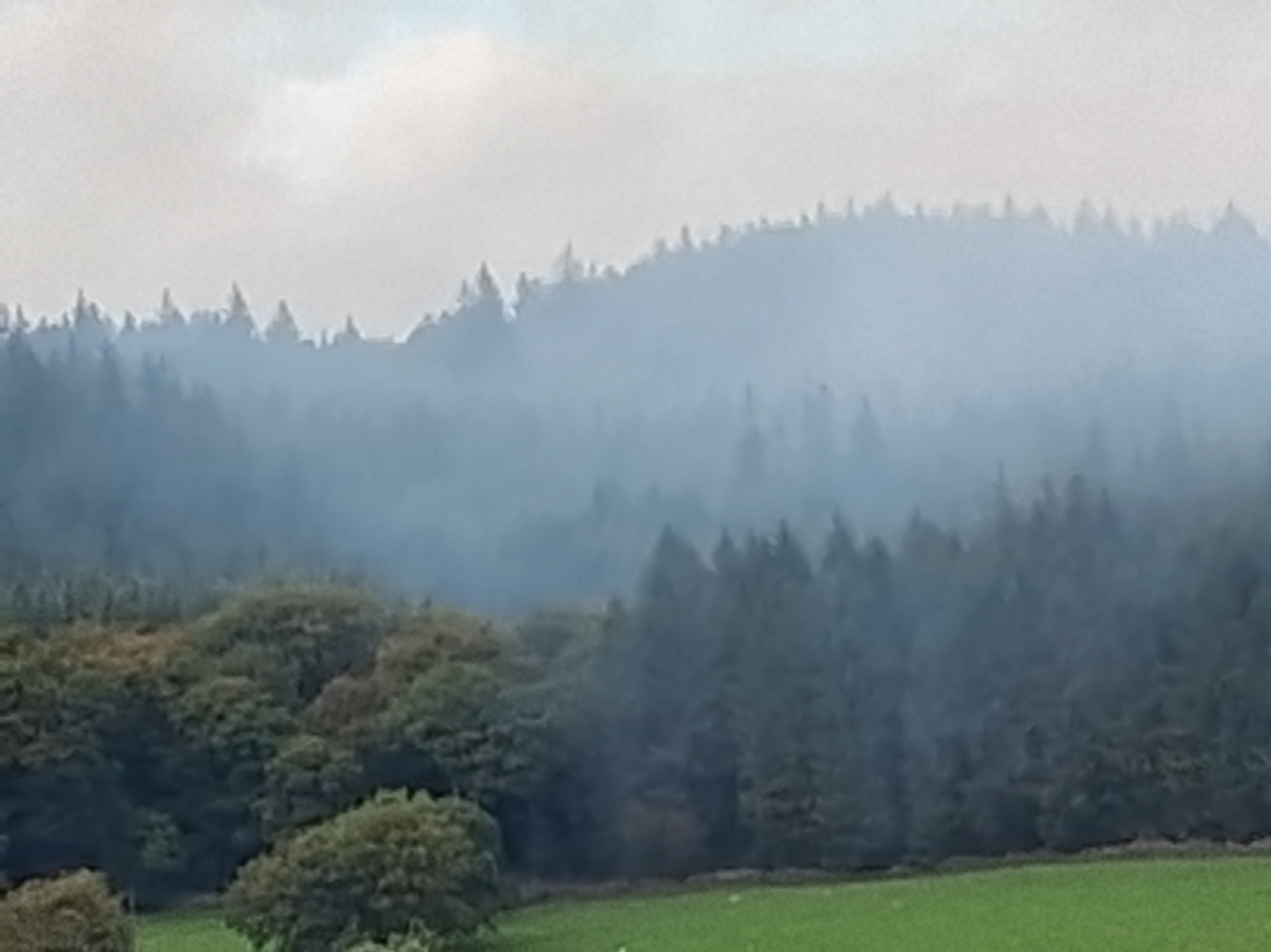
Leeds University recently published this paper that shows peak fire events affecting up to 2.3 million people in Yorkshire, North East England, East Scotland and North Scotland. And between 2017/18 and 2021/22 moorland burning generated 1300 tonnes of PM2.5 particulates per year which is equivalent to a third of UK annual transport emissions. Pollution from prescribed or rotational burning is a huge problem yet the shooting industry wants to burn more.
Is smoke from Moorland Burning dangerous?
According to the Breath of Fresh Air Report by the Royal College of Physicians, air pollution affects all age groups leading to slow development of lung function in the young and accelerated decline of lung function in the old as well as COPD (Chronic Obstructive Pulmonary Disease), lung cancer, diabetes, dementia, heart attack and stroke – every part of the body is affected.
And DEFRA’s Public Health Overview tells us poor air quality is a significant public health issue with air pollution estimated to cause 29,000 to 43,000 deaths a year in the UK – that is 5% to 7% of all deaths.
In England, the total cost due to PM2.5 to the NHS and social care is estimated to be £1.5billion in 2025.
What’s the mechanism for particulates affecting our health?
PM2.5 is tiny and this allows it to bypass upper airway filters, deposit deep into the lung alveoli, and cross into the bloodstream reaching the heart, brain, and other major organs where it causes chronic inflammation. The particles are not just harmless dust but often contain toxins such as carcinogens and heavy metals raising the risk of heart attacks, strokes, irregular heartbeats, and high blood pressure. Along with triggering or worsening asthma, chronic obstructive pulmonary disease (COPD), bronchitis, and reducing overall lung function.
What is a safe level of air pollution?
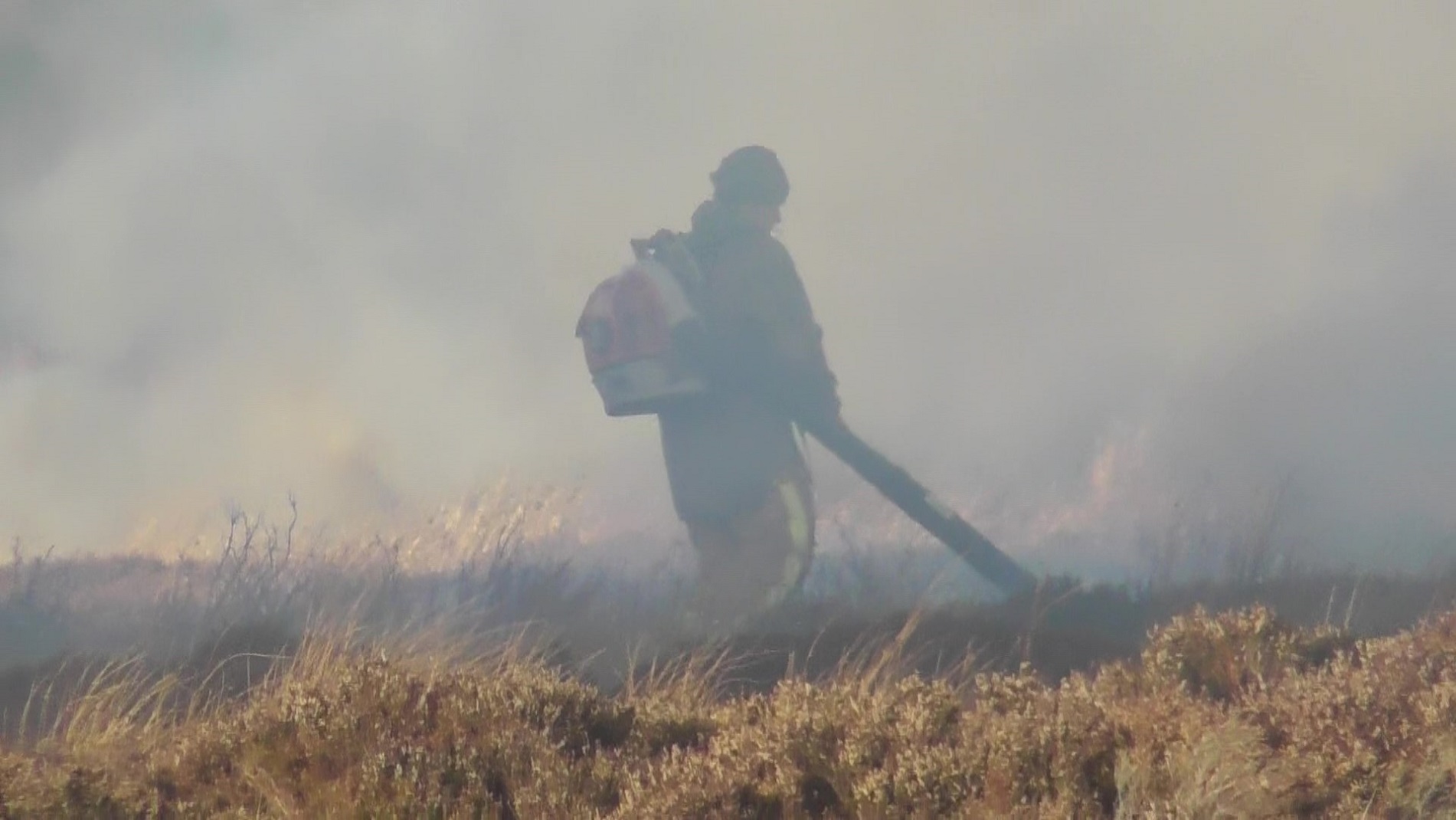
At a recent conference organized by Public Health Sheffield we heard there is no safe level of air pollution so we must strive to reduce it as close to zero as possible. Shooting is a hobby for rich people not a necessity. Moors are burnt to produce more grouse and landowners must have convinced their gamekeepers that a dose of particulates is good for the health:
Alternatives
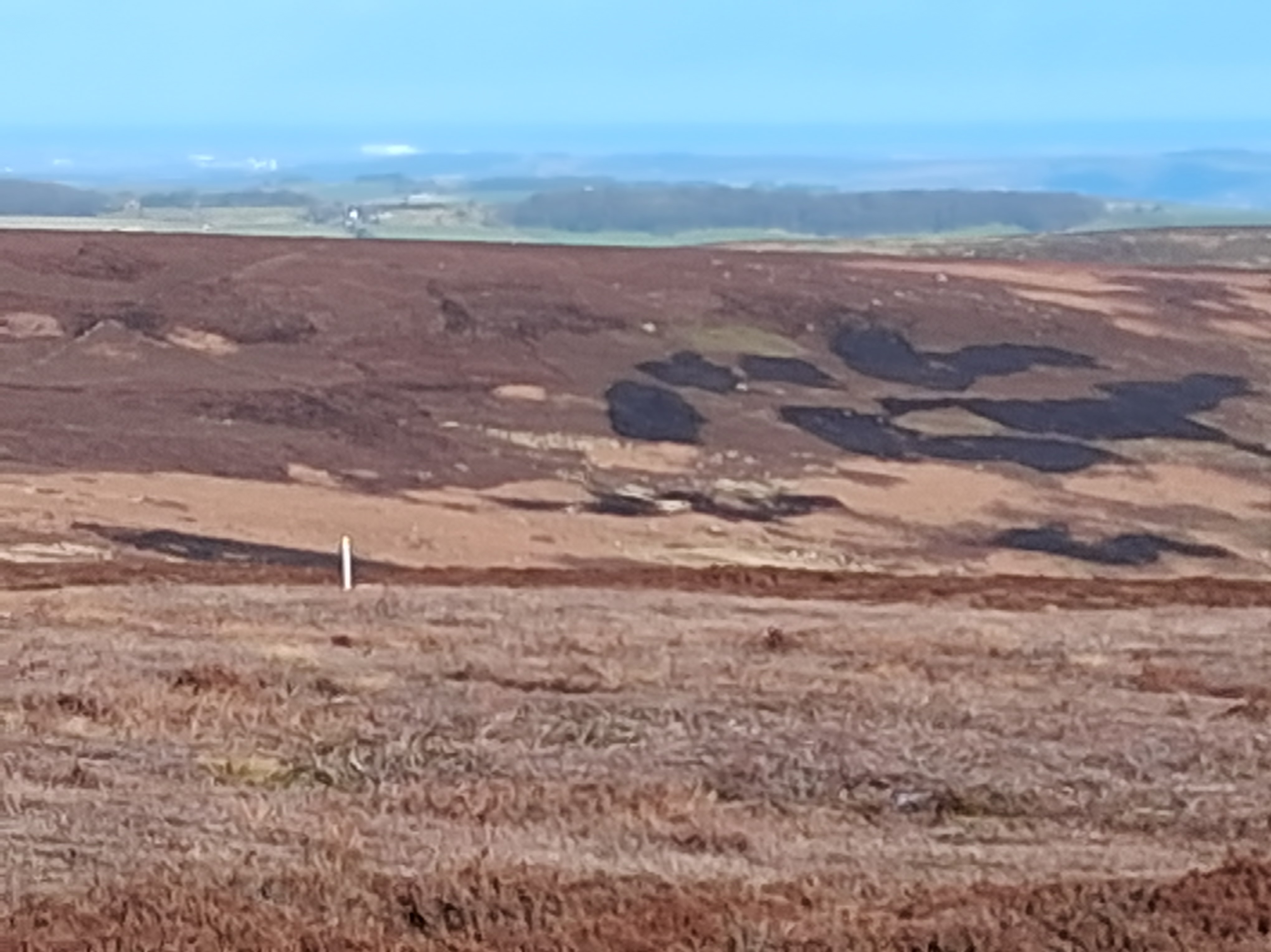
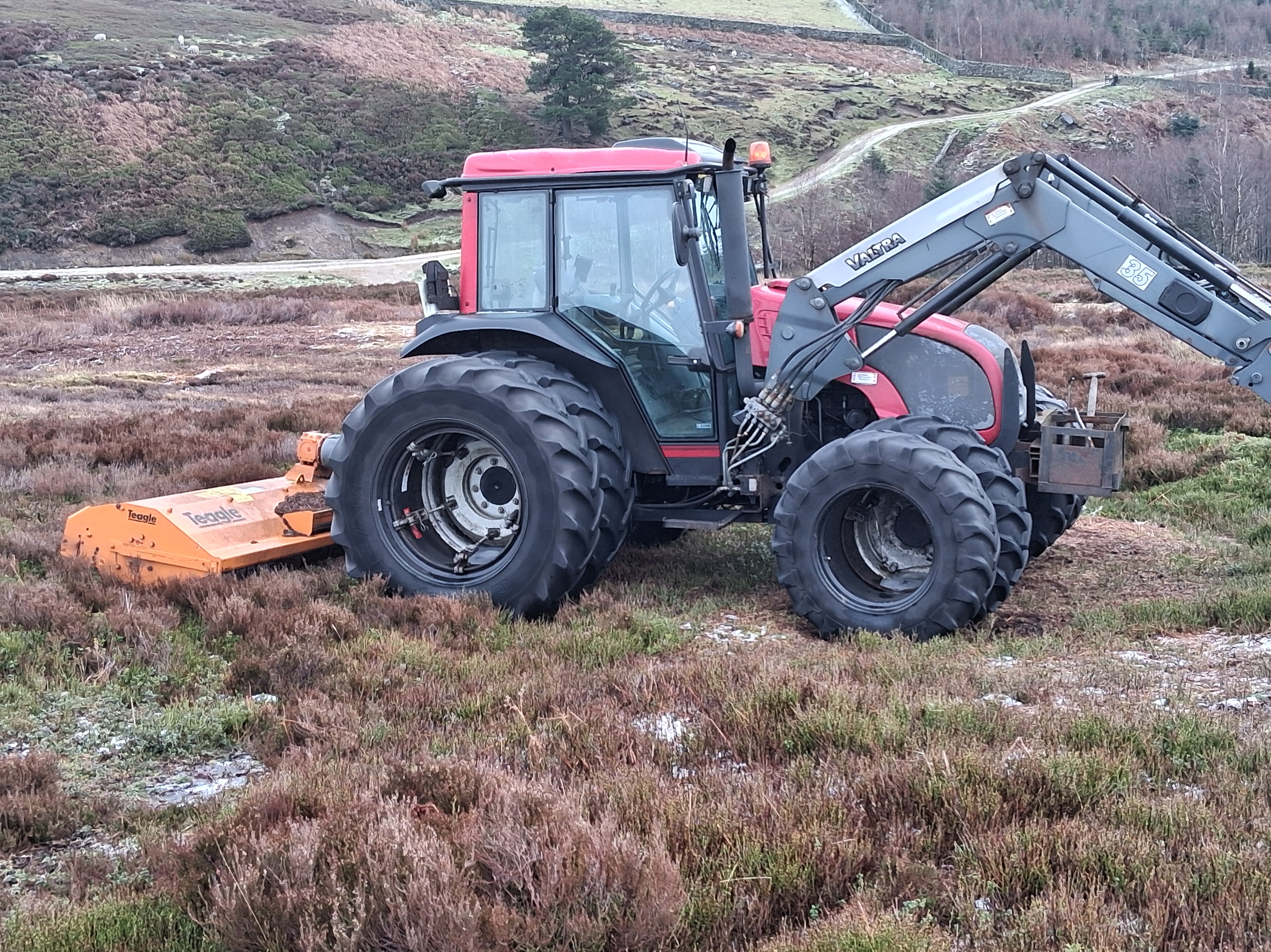
There is of course mowing, which is now common on Peak District moors and very obviously reduces “fuel load” with many mowers cutting then shredding the brash. We don’t hear anything about this from the Greenwashers. So we continue to see mown and burnt patches side by side:
Conclusion
Air pollution kills us and there is absolutely no justification for the grouse shooting industry producing thousands of tonnes of harmful particulates just so there’s a few more grouse to shoot.
ENDS
UPDATE 28 October 2026: Fire crews in attendance on grouse moor in Peak District National Park (here)


Fair point but what about the smoke from wildfires, it is proven that last years cut area do not stop or narrow down wildfire to help managing the size outcome. From many observations cutting can be carried out successfully in areas of deep peat where there is very Little Rock, on harder ground there tends to be rocks that smash machinery that is £10,000 plus to replace. Surely cutting on deep peat and burning is a compromise. Both can be used in conjunction with one another and the burnt areas help with wildfire mitigation once the wildfire leaves the deep peat areas. Having witnessed the wildfire in the north York moors, the heavy smoke from the peat that travelled miles for months even after the flames were out is surely much worse for people’s health than a few days of managed burning. Of the area concerned was managed with burning in the first place it would never have got like it was!
On another note it must be a huge coincidence that all the pm2 .5 measuring stations in the area miraculously were offline when the wildfire was happening………….
Because burning encourages heather over other vegetation it CANNOT BE A LONG TERM SOLUTION TO WILDFIRE RISK, cutting is. I’ve seen lots of keepers cut round areas to be burnt in the past and hit rocks, the machinery is quite robust. Buring should only be a very last resort and on most moors that means NO BURNING. Our health and moorland health is more important that a few more grouse and the tiny contribution grouse shooting makes to the economy.
The development of better and better ATV machinery & associated mowing equipment is occurring rapidly. There is also a growing sub-contractor industry of specialist operators in this field too. The areas that require vegetation removed as fire breaks and cannot practically be mown these days – because it is too steep and/or too stony, as you say- is much less in acreage now than the state of technology permitted 5 – 10 yes ago. The real issue that the driven grouse shooting industry has, is that it is (sometimes very) expensive to mow rather than burn on anything other than flattish or smooth ground using anything other than your own in-house staff (keepers). And if they are wanting to maximise the rotational frequency of it (and they always do!) – which can often be as little as every 6 years or up to 10 (depending how optimum the heather grows in a given area), it is a very expensive proposition – adding to the Estates costs – thus the costs of grouse per brace sold as sport. Also, I have read research and heard snippets anecdotally that the nutritional content of the heather for grouse when it is at optimum age for them to feed on, is considered higher/better on burnt heather than on mown heather. This might well be true, and it is these margins of difference that Estates seemingly feel obliged to exploit to maximise their grouse populations. In this issue and all of the others, the root of all DGS problems is the same – it is all predicated on the numbers of grouse that can be produced to be shot – and on most moors nothing short of “the maximum” that can be averaged over the years is acceptable to Agents and Owners.
Thanks for this. It’s a reminder that I’ve forgotten to mention burning in my Defra call for evidence response. I will remedy this and pay particular regard to the fact that there is apparently an increase in the use of cutting/brashing with the suggestion that burning should be totally banned. Areas which cannot be reached by mechanised means should be left for nature to take over.
The Duke of Rutland’s Moscar Estate is artificially drained to sustain a habitat artificially dominated by heather.
Calluna vulgaris cannot withstand waterlogged ground “Calluna dislike alkaline soils, wet soils and shady areas” – see https://www.rhs.org.uk/plants/calluna Neither do they like being cut back to woody stems.
The requirement for a heather-dominant landscape is entirely for the benefit of artificially high numbers of Red Grouse, and the requirement for artificially high numbers of Red grouse is so that rich sadists can pay large sums to shoot them full of toxic lead.
Waterlogged ground does not sustain wildfires.
The argument between burning and cutting to ‘prevent wildfires’ is fake: the argument is really between artificially draining high moorland and encouraging heather (thereby encouraging wildfires, since Calluna vulgaris contain volatile oils and aromatics which aid combustion) and removing those drains and restoring the natural high moorland bog, where other species of wetland plants can thrive (which do NOT contain volatile oils) and squeeze out heather (thereby discouraging wildfires).
In a study by Professor Douglas C MacMillan titled ‘The Dava Moor mega-fire/s – did muirburn mitigate the damage?’ data from NatureScot showed 68% of the land affected had been managed using ‘controlled burning’.
Within each square kilometre the average area burned was 56%. On non-muirburn areas the equivalent figure was 58%.
Therefore, controlled burning made no significant difference.
Moreover, a staggering 98% of all these fires (92% by area) started on ‘sporting estates’. Only 9% of wildfires were likely caused by campers, whereas 71% were most likely caused by ‘muirburn gone wrong’.
https://parkswatchscotland.co.uk/2025/10/30/the-dava-moor-mega-fire-s-did-muirburn-mitigate-the-damage/
I have no real bias for or against the continued use of controlled burning, as far as grouse are concerned. However, as a way to mitigate wildfires, I think it is entirely common sense to accept the fact that reduced fuel load has to have a massive effect on the severity of a wildfire. From a forestry point of view, I know first hand how difficult it is to put out wood chip, once it is alight. So can only imagine heather that has been mown, will be very similar if it were to catch fire. It is bordering on impossible to put out and efforts to do so generally only encourage it’s spread. The rewetting argument also falls flat in my opinion, as many moorland areas are naturally draining due to their shallow peat and close proximity to naturally draining mineral soil and limestone. Even the most saturated of deap peat ground has a significant different appearance in the prolonged droughts we now frequently experience. It would serve little protection as a fire break in mid July, more so it is inaccessible to tackle a blaze. Throughout Europe and the southern hemisphere controlled burning has been used for generations to lessen the severity of wildfires, when they inevitably occur. So I believe it is important not to get too caught up in the anti shooting outlook (which you may be surprised to know is my stance), when we come to debating these issues. Furthermore, I can’t help but question the 71% ”most likely’ caused by muirburn gone wrong. There may be some validity, if we are taking small incidents caused during the burning season, when the vegetation and peat is relatively damp. But zero of the significant summer wildfires will have been caused by muirburn gone wrong, as they aren’t within the controlled burning season. These are the fires that continue to cause generational damage to moorland and need to be taken incredibly seriously. Especially from a human safety point of view. So I believe in order to built a sustainable and clear effort to fight the rising threat of serious wildfires going forward we need to really study the legitimate science and personal hands on experience, rather than surmising from a distance and cherry picking the parts that seem to be a win against shooting. Some risks are bigger than just the pro or anti shooting argument, which we are all guilty of looking for more often than we’d like to admit.
Hi Rob.
You’re right in that fuel load plays a part in fires – I don’t think anyone would argue against that. So we know that reducing fuel load is likely to influence fire behaviour.
The first and key question however might be (given that ‘fuel load’ here is a synonym for ‘vegetation on a nationally designated site growing on top of an irreplaceable habitat’) is how do we stop wildfires from happening? And the answer to that isn’t easy or quick; it’s a long term societal shift which involves changing the behaviour of the people who start the fires, whether accidentally or deliberately.
Prescribed burning might have a role in the toolkit to reduce the severity of wildfires, but it needs to be viewed alongside hydrological restoration, appropriate grazing and cutting. The published scientific evidence behind the connection between prescribed burning and wildfires is very limited.
I found your comment about rewetting to be unusual. If it’s ‘naturally draining’ as you say, why is there peat there? Peat forms under waterlogged conditions, so unless the underlying geology has changed (perhaps unlikely), the site is no more ‘naturally draining’ than when the peat formed. What has changed is a century or two of degradation involving inappropriate burning, inappropriate grazing, tracks and vehicle damage, drainage, industrial pollution damage etc etc. These are the things that rewetting and restoration seek to address.
And prescribed burning on deep peat is problematic because it’s likely to continue the very conditions that mean the peatland is degraded and therefore potentially more vulnerable to wildfire. We need to break that cycle.
If the site is shallow peat (let’s say under 30cm deep) like you mention, then the new burning regulations don’t apply and burning is often an option.
From your forestry point of view you’ve presumably got experience of fire breaks in woodland scenarios. I imagine you can picture what they look like – they’re probably long linear strips protecting the most valuable areas, and probably strategically placed in relation to access, honey pot areas etc. Here’s a thought experiment: imagine that your woodland is a native broadleaf woodland (with all the legal protections imaginable) and you have established evidence that creating firebreaks will damage the woodland. Picture the typical checkerboard pattern of burning that gets done year after year on a typical grouse moor. Would you want that on your woodland in the name of ‘reducing the fuel load’? I suspect not. You’d probably argue it needs to be strategic and well thought through to minimise damage and maximise public safety. But that is unlikely to happen, because the unfortunate reality is that burning is carried out to maximise grouse numbers, and wildfire reduction is a by-product. If we’re genuine about reducing the risk of wildfires we need to move to a future where that is reversed.
Great stuff. I always laugh when they make such a song and dance about ‘reducing fuel load’, they only reduce it they’ve actually made a continuous, flammable landscape in the first place by doing their best to create a heather monoculture. It’s as if you light the corner of a sheet of paper, it still burns up end to end if it’s just one sheet rather than three. They’ve also done their best to run down rewetting as a means of reducing fire risk as if the presence of more water doesn’t make a difference, claiming dry material on surface catches light. Even if so sometimes, wasn’t a big issue with the fire fighting this year that in places it went down into the peat which had to be strenuously dug up to be put out? Maybe I’m just a silly know nothing townie, but I can’t see this happening on a newly saturated bog thanks to ditch blocking even if some of the surface vegetation quickly burns off. Would be good to hear what the Fire Brigade has to say about that.
Excellent article Bob – Leeds University looks as if unintentionally becoming the nemesis of grouse moors, their EMBER study some years back didn’t state, but showed that among other bad things muirburn’s effect on watersheds isn’t good for salmonid fish. Yes, that’s right, there’s a direct conflict between driven grouse shooting and salmon fishing. Now it’s underlining that likewise it’s directly bad for human health too. More have to go on the offensive with this information as you’ve done Bob.
It’s a related issue, but just watched a sickening propaganda video where a former game keeper at Langholm has tried to make out on currently keepered ground you are practically tripping over curlews, lapwings, golden plover etc whilst elsewhere there aren’t any. He returned to what is now the Tarras Valley Nature Reserve as a result of the Langholm community buy out doing his best to make out there’s no wildlife there now after the gamekeepers left. Even ground nesting birds apart from grouse do not necessarily do well on grouse moors, it seems the more intensively managed they are for grouse curlew etc do less well. What about everything else? Isn’t juniper along with its 70 plus associated species totally destroyed by muirburn and how do bats manage on grouse moors? Unless there’s somehow a rocky cleft or cave somewhere on them, where the hell are bats supposed to roost, breed or hibernate even if insect food is available? The value of grouse moors to an entire group of fascinating, but endangered animals is virtually zero. Funny you never hear gamekeepers talking about bats eh?
Same with saproxylic organisms, the ones that depend on deadwood, there are literally hundreds of species red listed in the UK – one of our very biggest conservation priorities. How much refuge can any of them find in the vast area occupied by grouse moors……sweet FA is the answer, a living tree is bloody hard to find far less any decaying wood. With the preponderance of heather pollinators must go through famine – glut – famine during the season on a grouse moor and of course muirburn and lack of bankside cover doesn’t help the declining salmon. I wish someone far more able than me could construct a pie chart showing the number of threatened species that could feasibly exist on the land occupied by grouse moors with changes in management and ecological restoration against the actual number of struggling species that can do well there, sometimes. The slither of the pie chart taken up by the latter would be very, very slim indeed. Would help put the lie that grouse moors are good for conservation to bed.