
2026 was another successful breeding season for Hen Harriers on the United Utilities Bowland Estate where the RSPB works in partnership with the water company United Utilities and its tenants to monitor and protect these iconic birds.
Nine Hen Harrier nests on the United Utilities Estate were monitored this year, eight of which were successful and fledged 30 young.
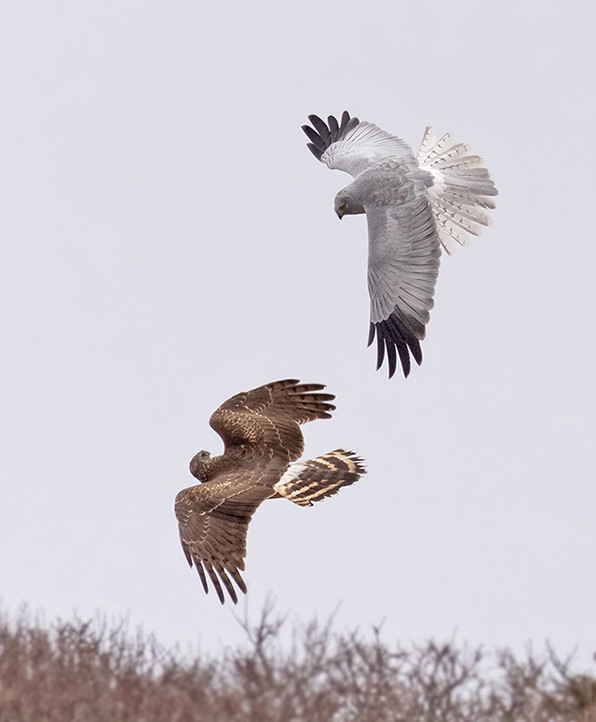
This follows a record year in 2025, where RSPB staff and volunteers recorded 14 Hen Harrier nests on the United Utilities Estate, of which 12 were successful and fledged 40 young. This represented the highest number of fledglings recorded in over 40 years.
But don’t be fooled into thinking that just because Hen Harriers are doing well on United Utilities land they’re doing well right across Bowland, because they’re not. We haven’t yet seen this year’s overall Hen Harrier breeding figures across England but last year there was only one successful Hen Harrier nest on privately-owned grouse moors in Bowland. Two blogs from Mark Avery are relevant (one from 2019 and one from 2026).
Here is the statement from the RSPB on this year’s Hen Harrier breeding success on United Utilities-owned moorland in Bowland:
SUSTAINED SUCCESS FOR HEN HARRIERS IN THE FOREST OF BOWLAND
Over the last decade, Hen Harrier numbers have steadily recovered in Bowland following their complete absence as a breeding species in 2016 and 2017. For the past six years, the population has stabilised at an average of 13 breeding females, fluctuating between 10 and 16 annually, with 84% nesting on the United Utilities Estate. This is comparable to the number of breeding females recorded in Bowland in the 2000s, before the population collapsed alongside the wider decline of the species in England.
Steady recovery in Bowland
2026 was another successful breeding season for Hen Harriers in Bowland; breeding numbers were lower compared to the record-breaking season in 2025 but breeding success was higher, likely owing to increased prey abundance. RSPB staff and volunteers monitored nine Hen Harrier nests on the United Utilities Estate, eight of which were successful and fledged 30 young. One nest failed as the female received insufficient food from her polygamous male and was forced to hunt herself, leaving her clutch unattended. A Lesser Black-Backed Gull was later observed visiting the nest, but it remains unclear if it scavenged the eggs after the female deserted or if it took advantage of her absence to predate the clutch. Two additional nests were recorded by Natural England on private estates, which were both successful and fledged a further six chicks, resulting in a total of 11 nests in the Bowland Fells.
Recovery reflects success of partnership
A melancholic note in an otherwise successful season – our oldest and most productive breeding female did not return to nest on the United Utilities Estate this year and has most likely perished over the winter. Fledged on Langholm Moor in 2017 and aptly nick-named ‘Scottish Fury’ for her aggressive behaviour, she first nested on the Estate in 2018. Over the following eight breeding seasons she fledged an extraordinary 35 chicks, making a remarkable contribution to the breeding population and leaving a lasting legacy, with some of her descendants also nesting in Bowland.
The sustained recovery of Hen Harriers in Bowland reflects the success of partnership working and the commitment of landowners and tenants. However, despite this local success, the species’ recovery across England continues to face significant challenges, including illegal persecution, changes in land use and habitat loss.
ENDS
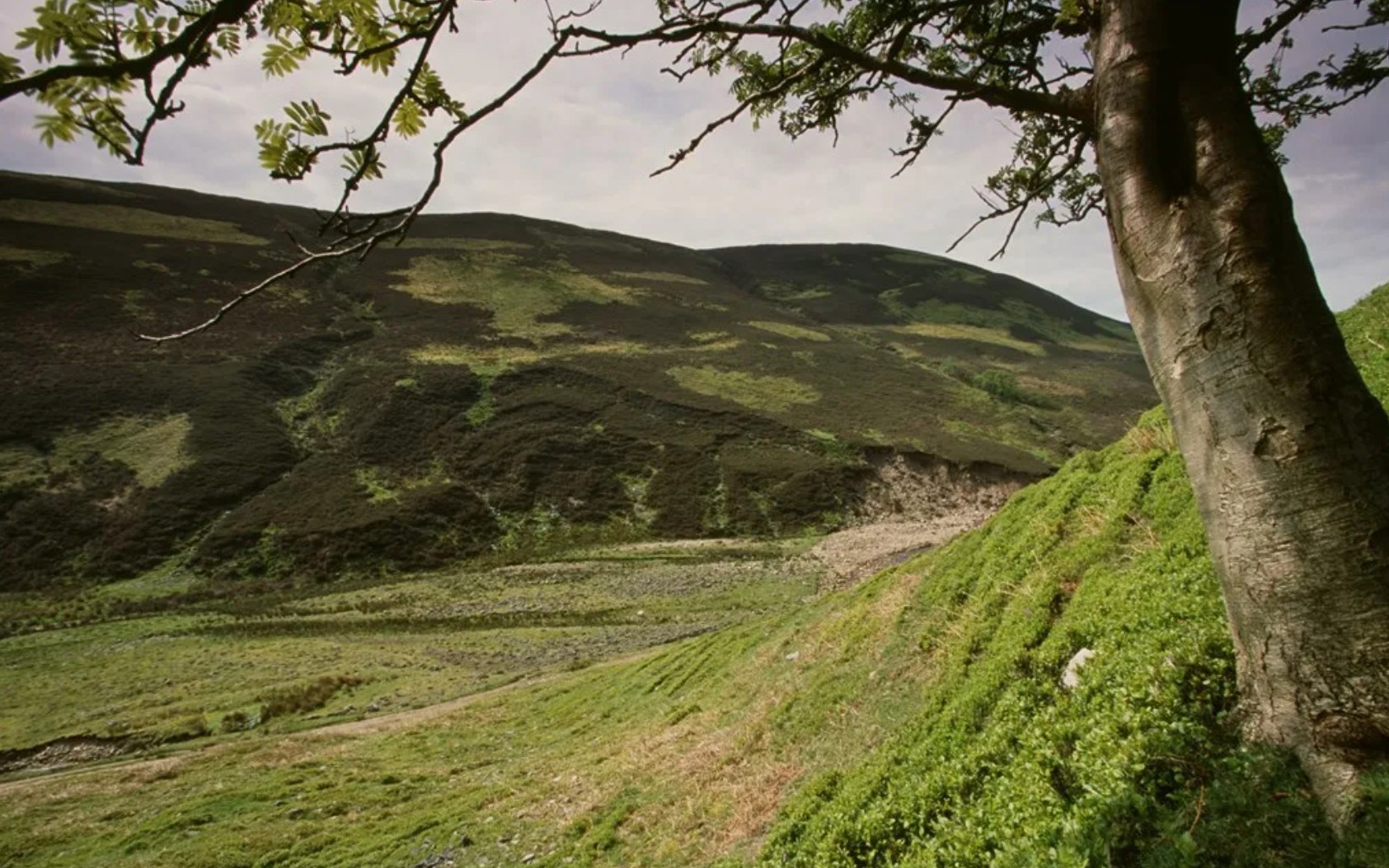


That is more young than in my day there although fewer breeding females. !5 nests on United Utilities in 1991 reared only 10 young. However there were eight known nests on the private estates also reared 10 young, these were spread over what was then 5 estates with young only reared from 4 nests on two estates with the others all failing, certainly two on one estate bore all the hallmarks of human interference with 4 chicks killed in one nest and adults at the other disappearing. Lets be blunt here without RSPB and United Utilities working together on the UU estate there would be no harriers nesting in Bowland, although 40 years ago there were only two of the private estates that excluded RSPB access. It should also be born in mind that UU land comprises less than 50% of the suitable nesting habitat in Bowland for harriers so this is clearly showing what happens on most private estates with just two successful nests on those private estates in 2026, in some places nothing changes despite the law. Nearly 50 years ago when RSPB were first involved there were nearly 40 breeding females there and frankly without persecution in a good year there still should be.
I can’t wait to see the messages of congratulation from the Moorland Association, the BASC, the Countryside Alliance, the NGO and the GWCT!
I think you may be waiting fruitlessly.
Well the funny thing is that because there is I think some grouse shooting and some keepering done on UU land by their Sporting tenants (please correct me if I am wrong on this, I only have narrow bits of knowledge about that area) – you will get people trying to do just that!
The usual suspects will try to hustle the unwary into an binary argument of “managed vs unmanaged” moors. Total bollocks to the many people that know and have known many different moors (and also the same moors under different owners/ managers/keepers over the decades!) and who are aware of the sliding scale of “management effort” to serve desired outcomes of the owners and their “grouse guru’s”. It’s like comparing the world of amateur football to the champions league and trying to imply it’s all the same – because it suits a line of argument. Hoping that most people won’t notice and will condescend to argue on the terms that the DGS industry prefer i.e. the binary – “managed vs unmanaged” crap .
For me it is purely about the specific practices and deeds that are chosen by owners/managers to be done – or not to be done – and at what level of intensity.
ps thanks for the account of breeding info of yesteryear, I always like reading about that
“the species’ recovery across England continues to face significant challenges, including illegal persecution, changes in land use and habitat loss.” Err, “challenges include illegal persecution”?! That is currently the ONLY meaningful reason for such low numbers of hen harriers in England.
And as Bluetails asks, why were there only 2 nests on land not owned by UU, which is over 50% of Bowland.
I know the shooters will like how this is reported, but when did the rspb become so inaccurate and meek?
I don’t think they are inaccurate but they have indeed ( IMO) been far too bloody meek for over 10 years. The DGS lobby and their various pals pillory RSPB at every and all opportunities and yet there is rarely a robust reply from RSPB themselves. Makes the blinkered game lobbyists think they are right ( certainly not the case at all ) and that they are winning ( No! they are fighting a rear guard action that will along with climate change and the inevitable increase in regulation eventually destroy them)
Indeed. Their client “journalists” in The Times, Torygraph and Daily Mosley even tried victim blaming regarding the Dunwich Heath/Minsmere fire. Of course, all their pathetic opportunism, and hypocrisy achieved was confirmation of their own dishonesty and stupidity.
Thankfully, someone had the decency to publish the facts….
https://www.theguardian.com/uk-news/2026/aug/09/these-are-human-fires-not-wildfires-dunwich-reflects-on-the-devastation
I am waiting for the RSPB to be blamed for the wildfires in Spain and France!
Well done to all involved, a lot of hard work in that result on the UU estate. It will be interesting to see the results for the whole of England. What’s the betting that UU and FE land will have held the vast majority of nesting hen harriers again this year.
However, I agree, the way that’s written it’s almost an appeasement to the shooting lobby. I see this habitat loss line trotted out repeatedly, but hen harriers aren’t being limited by loss of habitat in my opinion – can anyone show me some evidence that shows that habitat is limiting?? The limiting factor is persecution. And what does “change in land use” mean”?
And as has been mentioned elsewhere, the shooting lobby will claim this success, as the UU estate is driven grouse moor. As I understand it, at least a third of it hasn’t had a shoot tenant for many years and yet still has many successful harriers. Whilst the rest, though technically tenanted, is barely keepered or even shot over.