
Further to reports of this year’s Hen Harrier breeding success on RSPB-managed moorland in Bowland, Lancashire (here) and on Geltsdale, Cumbria (here), there’s now confirmation of further success on RSPB reserves in Wales.
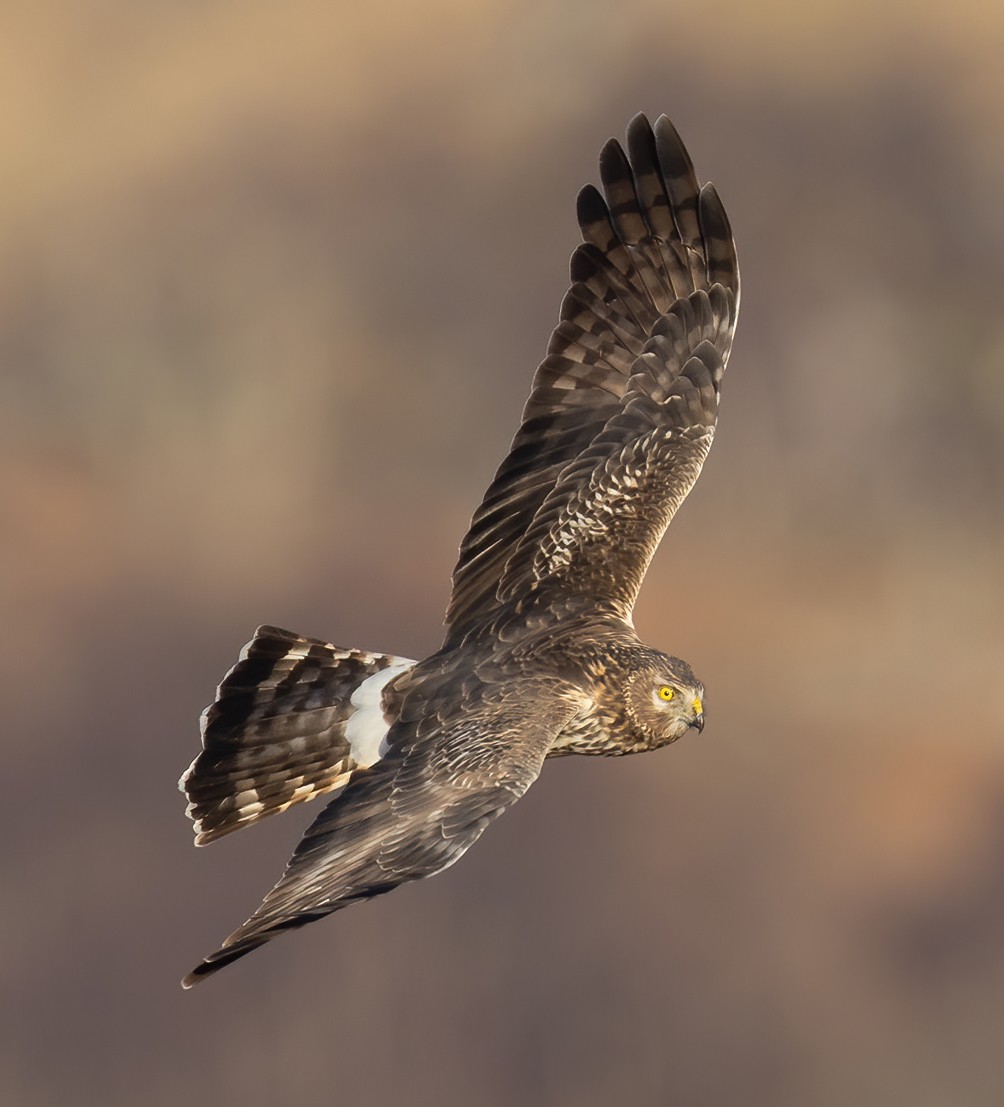
RSPB statement (23 September 2026):
HEN HARRIERS CELEBRATE SUCCESSFUL BREEDING SEASON IN WALES
There’s encouraging news for one of Wales’ most threatened birds of prey, following a successful breeding season at RSPB Cymru nature reserves.
At RSPB Lake Vyrnwy, six Hen Harrier territories were established this spring, with five nests successfully fledging 17 young. A further four chicks fledged at nearby RSPB Tanrallt, bringing the total across the two sites to 21 young Hen Harriers.
Hen Harriers have specific habitat requirements, typically nesting on the ground among heather and other tall vegetation within open upland landscapes. Managing a mosaic of upland habitats can provide suitable places to nest alongside the feeding areas they need to successfully raise young.
The results at Lake Vyrnwy are particularly significant. Despite the reserve accounting for less than 1% of the potentially suitable Hen Harrier breeding habitat across Wales, more than 20% of the estimated Welsh population used the reserve during the breeding season.
There was more good news further south at RSPB Carngafallt, where three Hen Harrier chicks successfully fledged this summer. This brings the total to 19 fledged chicks at the reserve since 2022.
The breeding successes highlight just how important well-managed upland landscapes can be for Hen Harriers, providing the combination of nesting and feeding habitat these spectacular birds need.
ENDS
Natural England has not yet published the overall Hen Harrier breeding figures for England this year. Those numbers will be interesting, for a comparison between land managed for conservation and land managed for grouse shooting.
Results from the last two years have been illuminating, and simply don’t support the shooting industry’s repeated ludicrous claim that Hen Harriers do better on grouse moors than on RSPB-managed land.


More great news from the RSPB – well done all. Naysayers on the social media often cite the management at Lake Vyrnwy as a disaster for birds but that’s only because they ignore the success for birds of prey and still press for their control. As you say, the comparison between RSPB-managed land and that of Moorland Association members may well be damning
I was at Vyrnwy in March and did a few of the walks around there, unfortunately due to the weather did not get up to the moors. The place is surrounded by Pheasant shoots, the bloody things are everywhere. stayed in the Lake Vyrnwy hotel which has a clay shooting range on site and copies of Basc magazines and the field magazines in reception. there were Pheasants calling in the car park, how can anyone from the shooting community criticize the RSPB for the lack of wildlife here, there are very few corvids as you can imagine in an industrial scale area of Pheasant shoots, Great news about the Harriers but if anyone is in any doubt about the damage Pheasants can do, the area’s around Vyrnwy (even in March there was plenty of Roadkill Pheasants) is a great example. for those who disagree about the damage pheasants can do try reading “the return of the Grey Partridge” about creating a wild Partridge shoot in Norfolk, the first thing the gamekeepers do is get rid of the pheasants