Poisoned raven found on Peak District grouse moor: Natural England & Police fail to investigate

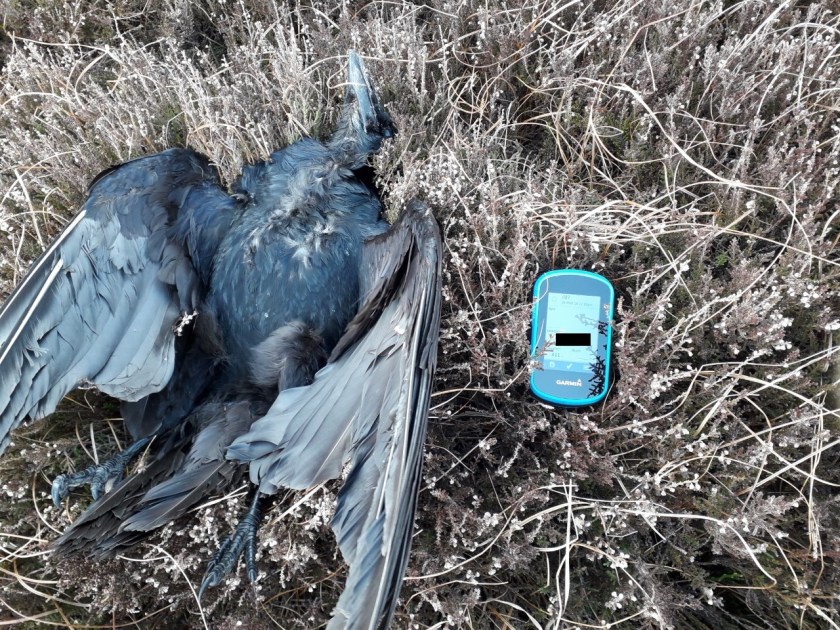
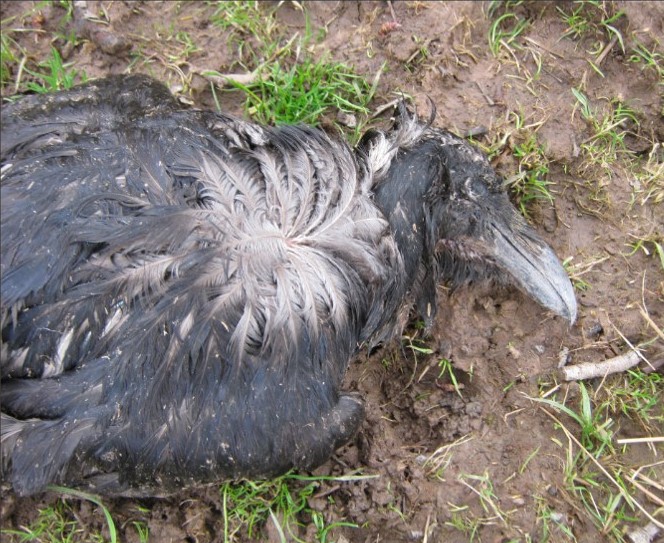
A year ago in March 2018, a dead raven was found on a grouse moor in the Peak District National Park.

The member of the public who found it, Bob Berzins, was savvy enough to call the RSPB Investigations Team, who collected the corpse.

[Dead raven, photo by Bob Berzins]

Given the location, and the area’s long history of the illegal persecution of birds of prey (e.g. see here), the RSPB asked Natural England to run toxicology tests on the corpse, as is routine when animals have been found dead in suspicious circumstances or risky locations. According to the RSPB, Natural England refused to test the bird.

Instead, the RSPB paid to have the corpse privately tested, first in a post-mortem at the SRUC lab in Scotland and then for toxicology tests at the Science & Advice for Scottish Agriculture (SASA) labs, who have an excellent track record for conducting these forensic examinations.

SASA confirmed that this raven had been poisoned by Aldicarb, a toxin so dangerous that in Scotland if you’re caught even being in possession of it, let alone using it, you’ve committed an offence.

The RSPB reported these lab results to South Yorkshire Police and, according to the RSPB, nothing else has happened since, not even a police search of the grouse moor to look for further poisoned baits or victims.

You can read the details of this pathetic response to a criminal act on the RSPB’s blog here.

The RSPB Investigations Team has also produced a video about this case, here:

What the hell is going on? Why did Natural England refuse to test this raven for banned pesticides when it had been found in an area notorious as a raptor persecution hotspot?

And why did South Yorkshire police fail to investigate further? They should have been all over this, not least with a publicity campaign alerting members of the public, who visit this National Park in their millions, to the dangers of touching any dead animal or suspected poisoned bait. A year has passed and South Yorkshire police appear to have done absolutely nothing.

Disgraceful.

Well done Bob Berzins and well done to the RSPB, not just for paying to have this bird privately tested but also for submitting a formal complaint to South Yorkshire police and for alerting the public to the very serious threat of toxic poisonous baits being laid out on the ground inside this so-called National Park.

Why did this gunman (+ 2 dogs) visit this hen harrier roost site on this Yorkshire grouse moor?

If you’re new to this blog and you’ve ever wondered what happens to satellite tagged hen harriers that suddenly ‘disappear’ in suspicious circumstances on driven grouse moors in Yorkshire (and elsewhere!), the latest video from the RSPB’s investigations team might just provide a clue. Just a little teeny tiny one.

The video was filmed by two members of the RSPB Investigations team shortly after they’d watched three young hen harriers settle down at the roost site for the night. Just as dusk fell, an armed man turned up with a labrador and a terrier and walked through the roost. He spent a few minutes crouching down amongst the vegetation whilst his dogs ‘worked’ the area. Fortunately none of the harriers flushed and the gunman later left in a vehicle.

The RSPB has published a blog describing the evening’s events (see here) and the blog includes the video footage, which is obviously of low quality given the fading light but clear enough to see what’s going on.

Here is a still from the video and we’ve added a red circle to highlight the gunman:

Who might this have been and what do you think he was doing there? How many implausible explanations will be churned out from the grouse shooting industry?

Didn’t sat tagged hen harrier ‘River‘, ‘disappear’ in this area in November 2018, the day before this video was recorded?

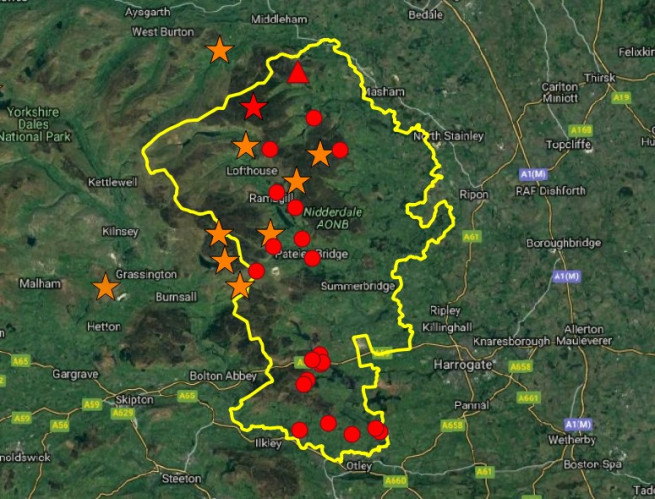
Look how many sat-tagged hen harriers have ‘disappeared’ in the Nidderdale AONB in Yorkshire in recent years, along with illegally killed red kites:

[RPUK map: Nidderdale AONB = yellow boundary. Illegally killed red kites = red circles; sat-tagged hen harriers that have vanished in suspicious circumstances = orange stars & red triangle; illegally shot hen harrier Bowland Betty = red star]

There hasn’t been a single prosecution for any of these incidents.

Do you think the [unnamed] estate has offered its full cooperation to North Yorkshire Police’s enquiries?

Do you think the Moorland Association will publicise this video?

Is anybody still unclear about what happens to hen harriers on driven grouse moors?

Gamekeeper convicted of wildlife crime on Yorkshire grouse moor (where Marsh harrier nest attacked in 2017)

Today at Skipton Magistrates gamekeeper Austin Hawke was convicted of a wildlife crime that took place on a Yorkshire grouse moor in May 2018.

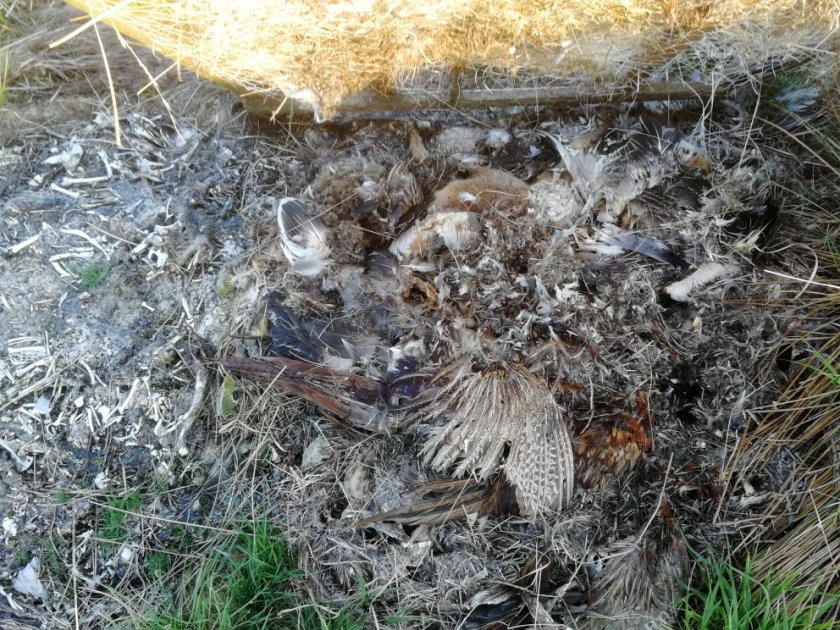
The offence related to a dead badger found caught in a snare close to a stink pit on Denton Moor on 28 May 2018. Hawke was found guilty of failing to check the snare contrary to section 11 of the Wildlife & Countryside Act.

[Photos of the dead snared badger and the stink pit, contributed by a blog reader who wishes to remain anonymous]

On conviction, Hawke was given a 12 month conditional discharge and ordered to pay a £20 victim surcharge and £625 costs.

A pathetically feeble penalty, again, but well done to North Yorkshire Police’s Rural Task Force for pursuing this case and to the Crown Prosecution Service for securing the conviction.

What’s particularly interesting about this case is the location. This offence took place on Denton Moor and within one mile of the location of a Marsh harrier nest that was illegally attacked on several occasions in May 2017. The Marsh harrier nest was under video surveillance by the RSPB and the camera captured a number of armed gunmen, dressed as gamekeepers, who appeared to be shooting at the adult harriers and removing the eggs from the nest.

Despite a thorough investigation by North Yorkshire Police, nobody was ever charged for these alleged offences. As we’ve come to expect, the police received little help from the grouse shooting community when trying to identify the armed suspects.

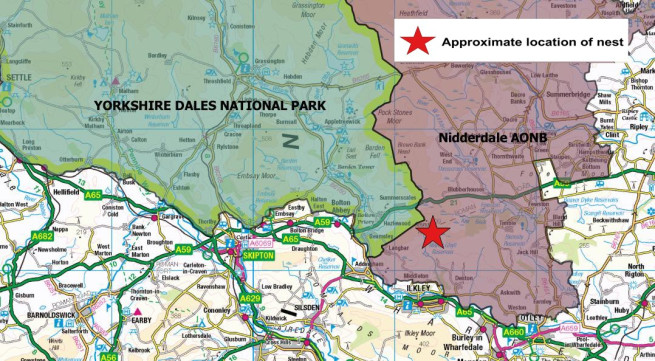
Here is the map we created at the time, and below that is the RSPB’s video footage of the repeated attacks on the nest.

UPDATE 27 Feb 2019

North Yorkshire Police have issued the following press statement today:

A gamekeeper found guilty of committing a wildlife crime received a conditional discharge at Skipton Magistrates Court.

Austin Hawke, 51, of Ilkley, failed to check a snare following an incident at Denton on 29 May 2018 where a badger was found dead.

The offence is listed under the Wildlife and Countryside Act 1981.

Following a trial on Tuesday (26 February 2019), Hawke was found guilty and received the conditional discharge. He was also ordered to pay £645 costs and surcharge.

Sergeant Kev Kelly, of North Yorkshire Police’s Rural Task Force, said: “This case was reported following a member of the public who was aware of our proactive work under Operation Owl.

From the evidence collected, it was apparent that the badger had suffered before it had eventually died after being caught in the snare. Therefore this case was fully investigated to ensure other animals didn’t undergo the same fate.

If the defendant had been using breakaway snares it is less likely that he would have killed the badger.

I am disappointed as we have been doing some really good partnership working with local Nidderdale keepers who want to show the public good practice and accountability.

Hawke’s conviction will no doubt have an impact on how his profession is viewed. I think he has done his wider colleagues a disservice.”

Geoff Edmond, RSPCA National Wildlife Coordinator, said: “The RSPCA continues to work closely with the North Yorkshire Police’s Rural Task Force and this result highlights the strength of partnership working under Operation Owl.

“This badger will have suffered a horrific and prolonged death having been snared in this way.

“The RSPCA is against the use of snares because they are indiscriminate in what they catch and they cause tremendous suffering. But while they remain legal we hope we can work together with the Police and National Gamekeepers’ Organisation to raise awareness of the good practice guide so as to improve accountability.”

ENDS

Buzzard shot and poisoned in East Yorkshire: police renew appeal for info

Press release from Humberside Police (20 Feb 2019)

Poisoned buzzard East Yorkshire, renewed appeal for information

On the 2nd October 2018 Humberside Police appealed for information regarding the discovery of a dead Common Buzzard, which x-rays showed as having three shotgun pellets within its body [Ed: see RPUK blog here]. These were old injuries but the bird also had more recent injuries to its head, which at that time were suspected to have possibly come about by having been confined within a cage trap.

A detailed examination of the body and its food content has now revealed that the Buzzard had ingested food containing the highly toxic pesticide aldicarb. This substance has been banned for use and possession for over 10 years. It is one of several highly toxic pesticides which are abused by adding them to a bait like a dead rabbit to kill scavengers such as crows and foxes. Carrion eating birds such as Red Kites and Buzzards often become victims.

Several birds of prey including Red Kites and Buzzards have been recorded as being killed by the use of aldicarb in previous years at various locations within the East Riding of Yorkshire including near Market Weighton and Pocklington.

The bird involved in this incident during 2018 was discovered between Millington and Huggate in the East Riding of Yorkshire which is very popular with walkers. The exact circumstances of the bird’s death and how exactly it sustained all its injuries are unclear which is often the case with these offences. What is clear is that it had been shot previously and then ingested a banned toxic substance at a later date. Offences such as this are crimes under the Wildlife and Countryside Act 1981 which are punishable by up to 6 months imprisonment, an unlimited fine or both.

Wildlife and Rural Crime lead Chief Inspector Paul Butler said: ”Enquiries have so far failed to identify who is responsible for this particular crime but are ongoing. The continued use of these chemicals is highly irresponsible and there is no excuse for it whatsoever. Anyone undertaking any form of pest or predator control should ensure they operate within the law and best practice guidance. Those disregarding it for whatever reason should be aware that it is not acceptable and that my Wildlife Crime Team officers are actively seeking them out”.

Anyone with information about who is using these chemicals or involved in the persecution of birds of prey by any means are encouraged to come forward with this information which will be treated with the utmost confidentiality. Raptor persecution is a national wildlife crime priority which Humberside Police takes very seriously and works alongside other agencies to investigate offences.

If you think you have found a poisoned victim or bait do not touch them, cover them over if possible, warn others to keep away, note the exact location, take photos and report it to the police straight away.

Guy Shorrock, Senior Investigations Officer at the RSPB, stated: “There have been a number of incidents in the East Riding area involving the poisoning of buzzards by this highly toxic banned pesticide. We are grateful for police enquires into this latest case and would urge anyone with information to contact them. You can also contact the RSPB in strictest confidence on 0300 999 0101 if you have any information about birds of prey being illegally killed in your area”.

Anyone with information regarding this investigation should call Humberside Police on the non-emergency number 101 quoting investigation number 16/99978/18 which is being dealt with by WCO PC 1529 Day.

ENDS

The RSPB has also written a blog about this case, here

Heap of poisoned ravens found on Welsh/English border

Press release from RSPB (19 February 2019)

Ravens found poisoned on farmland

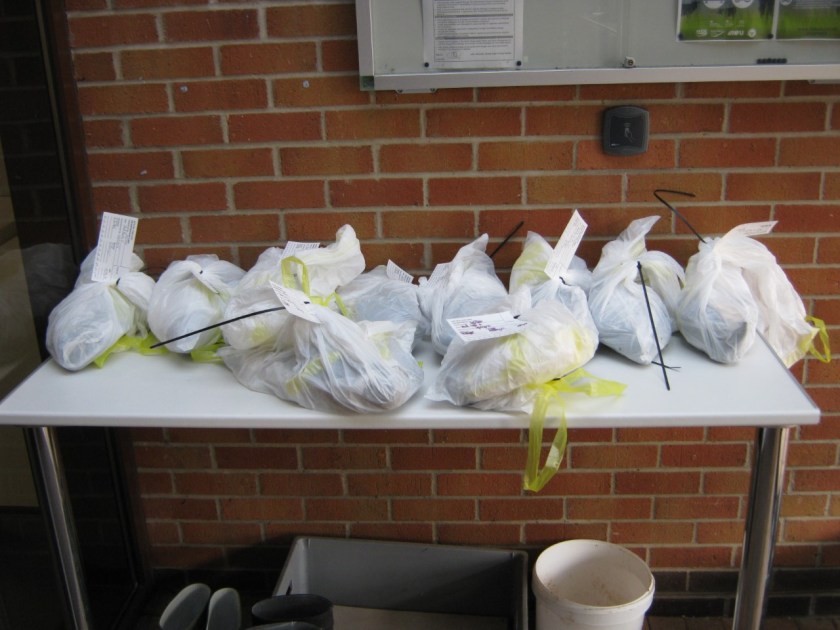
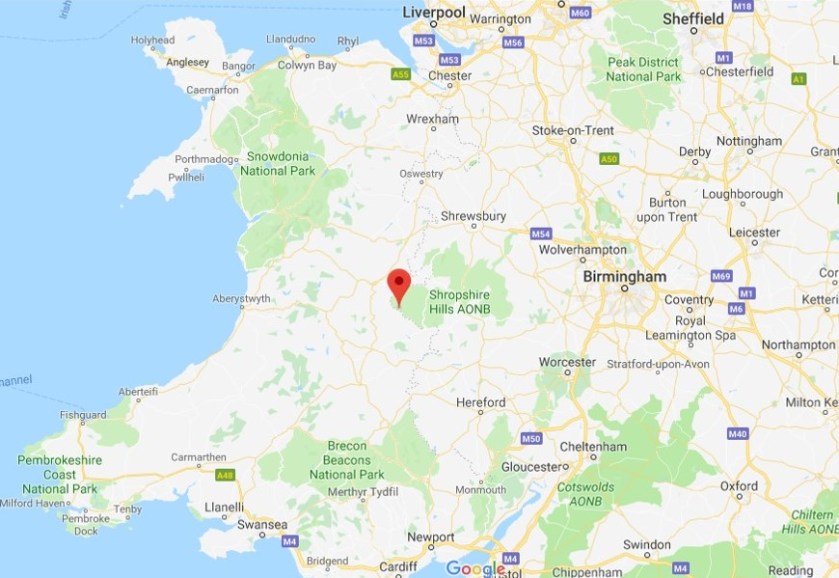
West Mercia Police undertook an investigation after ten dead ravens, a dead crow and parts of a dead lamb were found close together on farmland near Vron Woods, Beguildy on the Wales/Shropshire border.

The birds were reported to the RSPB and collected by Natural England in April 2018, who sent the birds to be tested. Government toxicology tests on five of the ravens, the crow and the lamb confirmed the presence of Diazinon. This is a veterinary product, used legally for sheep dip, but which is known to have been used illegally to poison wildlife. It is believed the lamb carcass was deliberately laced with Diazinon for this purpose.

[Poisoned raven, photo by Ed Blane, Natural England]

[Photo of the ten ravens and one crow bagged up for removal, by Ed Blane, Natural England]

Birds of prey and ravens are protected by the Wildlife and Countryside Act 1981. To kill or injure one is a criminal offence and could result in an unlimited fine or up to six months in jail. Police interviewed a local person under caution but, due to lack of evidence, the case could go no further.

Ravens are a recovering species which breed mainly in Wales, Scotland, and Western and Northern England.

Jenny Shelton from RSPB Investigations said: “Shropshire has a history of Diazinon abuse for the purpose of illegally targeting birds of prey and other protected species. We are grateful to Natural England and the police for investigating this matter, which poses a serious threat to wildlife and people. Ravens are incredibly intelligent creatures, able solve problems and form memories similar to our own. These once-scarce birds are gradually starting to recover after persistent persecution at the hands of humans, so it’s disturbing to hear of incidents like this still taking place.

This area is also a stronghold for red kites – another bird making a comeback after disappearing entirely from England due to persecution. Poison baits pose a danger to these birds too.”

If you have any information relating to this incident, call West Mercia Police on 101.

The RSPB is urging people to be vigilant and report dead birds of prey or ravens this spring – a key time of year for illegal poisoning to take place. If you find a dead bird of prey or raven beside a carcass that could be a poison bait, contact the government hotline on 0800 321600. Alternatively contact the police on 101 or RSPB investigations on 01767 680551.

Note: These investigations take time, as do the toxicology tests, and we realise there has been some delay in publicising this. But we feel this is an important story to tell.

ENDS

SGA’s claims about hen harrier Saorsa “completely false”, says RSPB

Further to our lunchtime blog (here) about the Scottish Gamekeepers Association fabricating a story about a supposed “re-sighting” of a satellite-tagged hen harrier (Saorsa) who disappeared in suspicious circumstances in the Angus Glens in February 2018, the RSPB has just issued the following press statement:

Ian Thomson, RSPB Scotland’s Head of Investigations said; “The SGA’s claims about the hen harrier “Saorsa” are completely false and are totally at odds with what the police have informed us today. This bird has been missing since February 2018, when it was reported to the police. There isn’t a shred of evidence to support the claim that it has reappeared, and its tag has not transmitted any data since the date of it vanishing in suspicious circumstances.

The SGA has refused to attend meetings of the Partnership for Action Against Wildlife Crime since the publication of the Scottish Government’s review of satellite tagging in May 2017, and has consistently refused to accept the findings of that review. Their repeated baseless attempts to discredit proven technology and question the reputations of respected scientists and Scottish Government reports are entirely due to the fact that the use of this technology is shining an increasingly bright light on the widespread criminality associated with intensive grouse moor management.”

ENDS

[Hen harrier Saorsa has not been since since she disappeared in suspicious circumstances in the Angus Glens in Feb 2018. Photo by Brian Etheridge]

UPDATE 28 January 2019: More on the SGA’s “completely false” claim that hen harrier Saorsa has been re-sighted (here)

SGA fabricates ‘news’ on missing sat-tagged hen harrier Saorsa

The Scottish Gamekeepers Association has issued a press release today claiming that a satellite-tagged hen harrier (named Saorsa) that disappeared in suspicious circumstances in the Angus Glens last yearwas re-sighted in Perthshire“.

This is a complete fabrication. We’ve spoken to the RSPB (who tagged this harrier) and they’ve confirmed that Saorsa remains ‘missing in suspicious circumstances’ with no reports of either a “re-sighting” or further data from her tag since it stopped working, suddenly and inexplicably, in February 2018 in the notorious Angus Glens. We expect the RSPB will be issuing a press statement to this effect in due course.

[UPDATE 25 Jan 2019: SGA’s claims about hen harrier Saorosa “completely false”, says RPSB (here)]

Later today we’ll be posting the SGA’s press statement in full and taking it apart line by line. As you might expect, it contains many inaccuracies (which is a generous way of saying malicious falsehoods) about the process of satellite-tagging raptors in Scotland and is designed to undermine and discredit the vast amount of damaging evidence these tags provide about the ongoing criminal destruction of birds of prey on Scottish grouse moors.

For now, this blog is a placeholder for those members of the press who have asked us for a comment about Saorsa’s supposed resurrection.

More shortly…..

[Photo of Saorsa as a nestling, by Brian Etheridge]

UPDATE 28 January 2019: More on the SGA’s “completely false” claim that hen harrier Saorsa has been re-sighted (here)

Satellite-tagged hen harrier ‘River’ disappears on grouse moor in Nidderdale AONB, North Yorkshire

RSPB press release (21 January 2019):

Hen harrier ‘River’ disappears in suspicious circumstances

The police and the RSPB are investigating the sudden disappearance of yet another satellite tagged hen harrier in North Yorkshire, the county with the worst reputation for bird of prey persecution.

The bird, named River, was one of several hen harrier chicks in England fitted with a satellite tag as part of the RSPB’s Hen Harrier LIFE project last summer (2018). These lightweight tags allow the RSPB to monitor the birds after they fledge.

[Photo of hen harrier ‘River’, by RSPB]
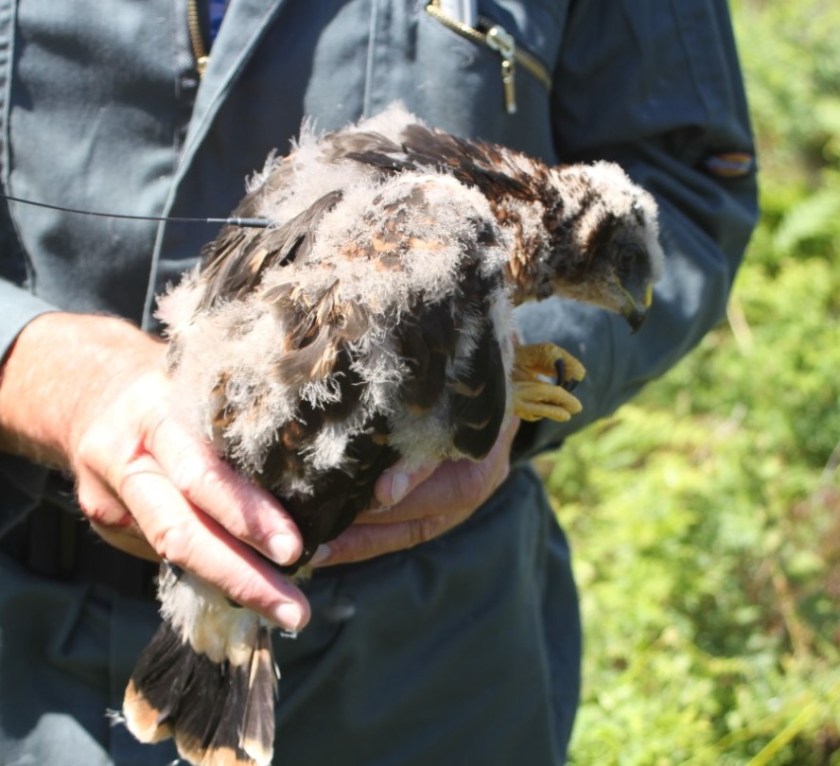
Her tag’s last known transmission came from a driven grouse moor between Colsterdale and Nidderdale – an area with a history of bird of prey persecution – on 14 November. She was known to have been hunting and roosting in the area for several weeks. RSPB Investigations staff and North Yorkshire Police searched the area, but there was no sign of the bird or the tag. She has not been heard from since.

[Google map showing location of Nidderdale Area of Outstanding Natural Beauty (AONB) in North Yorkshire]
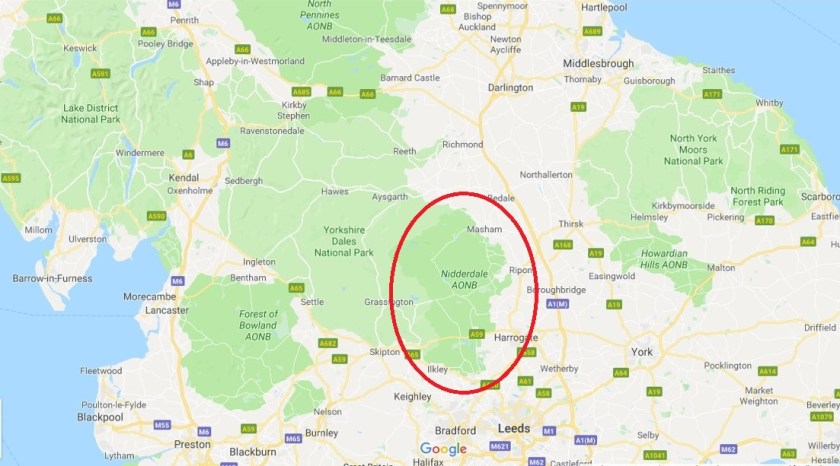
All birds of prey are protected by the Wildlife and Countryside Act 1981. To kill or injure one is a criminal offence and could result in an unlimited fine or up to six months in jail. North Yorkshire Police investigated the disappearance, but no information has been forthcoming.

Hen harriers are rare birds which nest in moorland, especially in the uplands of Northern England and Scotland. However just nine nests were recorded in England last year, despite enough prey and habitat to support over 300 pairs. They have not successfully bred in North Yorkshire since 2007.

Over 30 hen harriers were tagged last summer in the UK. Between August and November 2018, nine of these, including a 10th bird tagged in 2017, disappeared at different locations in the UK.

Mark Thomas, Head of RSPB Investigations UK, said: “Again we have news of a disappeared harrier, again in North Yorkshire, and again last known to be on a grouse moor. Hen harriers are barely clinging on as a breeding species in England. They should be a common and joyful sight over the moorlands of North Yorkshire, however the reality is most people only know them as being rare and persecuted.

The idea that this bird may have been deliberately targeted is incredibly worrying, especially in the context of eight others which have vanished in similar circumstances. When a tagged hen harrier dies naturally, we expect the tag to continue transmitting, enabling us to find the body. This was not the case here. Instead, there was no trace of the tag or the bird, which is highly suspicious. When hen harriers disappear like this over an area with a history of raptor persecution, it’s hard not to draw conclusions.”

The RSPB’s latest Birdcrime report showed that North Yorkshire is consistently the worst county in the UK for recorded bird of prey persecution, accumulating significantly more confirmed incidents in the last five years than anywhere else. In 2012, hen harrier ‘Bowland Betty’ was found shot at nearby Colsterdale. A reward was offered but no culprit was identified.

If you have any information relating to this incident, call North Yorkshire Police on 101.

If you know about raptor persecution occurring in your area and wish to speak out in confidence, call the confidential Raptor Crime Hotline on 0300 999 0101.

If you find a wild bird of prey which you suspect has been illegally killed, contact RSPB Investigations on 01767 680551 or fill in the online form here.

ENDS

So, yet another young sat-tagged hen harrier ‘disappears’ in suspicious circumstances on a grouse moor in North Yorkshire. It’s becoming quite the routine, isn’t it?

Here’s an RPUK map showing the approximate last known locations of at least ten satellite-tagged hen harriers that have all ‘disappeared’ in suspicious circumstances inside the Nidderdale AONB (yellow boundary) or neighbouring Yorkshire Dales National Park in recent years. The red triangle represents River’s approximate last known location and the red star represents Bowland Betty, the hen harrier that was found shot here in 2012:

Interestingly, Bowland Betty’s shot corpse was found on a grouse moor on Swinton Estate and it appears that River’s last known tag transmission was from close by.

RPUK map showing approximate last known location of hen harrier River (red triangle) and the approximate location of Bowland Betty’s shot corpse (red star):

And as anyone who has been reading this blog for any length of time will know, Nidderdale AONB is also known as being a hotspot for the illegal killing of red kites. Many of them have been found shot or poisoned on or close to grouse moors throughout Nidderdale (see map below) and those doing the killing are so brazen they don’t even bother to hide the corpses, safe in the knowledge they’ll never be prosecuted.

[RPUK map: Nidderdale AONB = yellow boundary. Illegally killed red kites = red circles; sat-tagged hen harriers that have vanished in suspicious circumstances = orange stars & red triangle; illegally shot hen harrier Bowland Betty = red star]
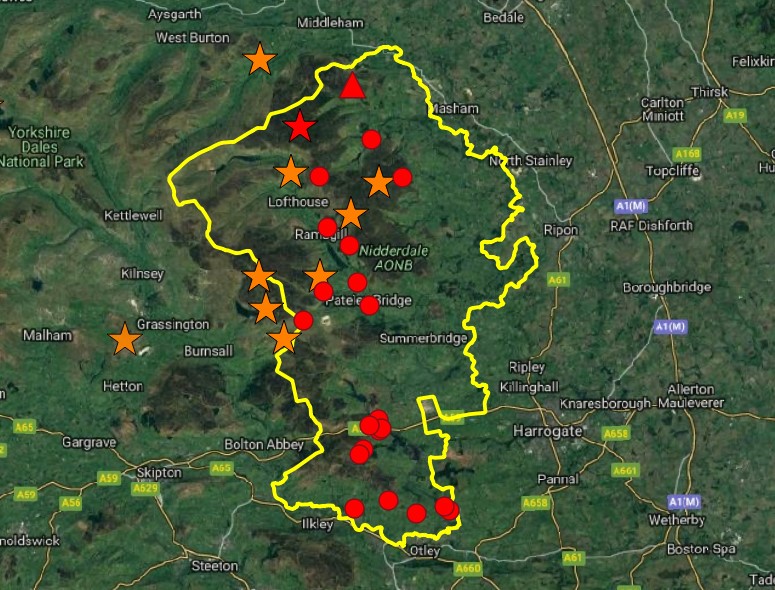
When you look at these maps, and especially the one that combines hen harriers and red kites, you understand the relentless criminality involved and the impact these crimes can have on local, regional and sometimes national populations of some species.

And yet still, the Westminster Government refuses to acknowledge there’s even a problem, let alone the scale of it.

This year we’re encouraging blog readers to write to/email your local MP every time one of these crimes is reported. If you live in the local area, even better, but even if you live hundreds of miles away, please still take action. These are birds that you will not have the opportunity to see in your area because they’ve been ruthlessly slaughtered, usually on or close to a driven grouse moor. This is a matter of national concern but politicians won’t take notice unless their constituents raise the issue with them.

Do it, it’s easy and will take up little of your time. Just a quick and simple email is enough.

If you don’t know who your MP is, use this website to find them via your postcode HERE

Thanks

Raptor smuggler Jeffrey Lendrum receives 3 year custodial sentence

Following yesterday’s blog on serial raptor egg smuggler Jeffrey Lendrum’s guilty plea at Snaresbrook Crown Court (here), he has been sentenced to serve three years and one month in jail.

Press release from UK Border Force (10/1/19):

WILDLIFE CRIMINAL JAILED FOR RARE BIRD EGGS IMPORTATION ATTEMPT

A man who tried to smuggle 19 rare and endangered bird eggs into the UK strapped to his body has today, 10 January, been jailed for three years and one month.

The smuggling attempt was uncovered by Border Force officers at Heathrow Airport on 26 June 2018 when officers stopped Jeffrey Lendrum after he arrived on a flight from Johannesburg.

Lendrum, 57 and of no fixed UK address, was wearing a heavy jacket which officers thought was unusual due to the very warm weather conditions. When asked whether he had anything to declare, Lendrum stated he had some Fish Eagle and Kestrel eggs strapped to his body. During a full search, he was found to be wearing a body belt concealing 19 bird eggs as well as 2 newly-hatched chicks.

Border Force specialist officers identified that the eggs were protected under the Convention on International Trade in Endangered Species (CITES), the import trade for which is controlled by the issue of permits. Officers ensured that both the eggs and the live chicks were kept warm and quickly transported to the Heathrow Animal Reception Centre, managed by the City of London Corporation. The live chicks and the eggs were later moved to a specialist care facility at the International Centre for Birds of Prey.

Lendrum was arrested and the investigation passed to the National Crime Agency (NCA). Lendrum stated during an interview that his intention was to rescue the eggs after he encountered some men chopping down trees containing their nests. However in court, experts stated that a number of the eggs were from birds that nest in cliffs. Their values on the black market ranged from £2,000 to £8,000.

At Snaresbrook Crown Court on Tuesday (8 January) Lendrum, who has previous convictions for similar CITES offences in Canada, Brazil and Africa, pleaded guilty to attempting to import the 19 bird eggs.

Grant Miller, head of the national Border Force CITES team at Heathrow, said:

My officers are experts in their field and, in this case, their vigilance has stopped a prolific wildlife criminal in his tracks. Their intervention also ensured that the birds and eggs received the immediate care and attention that they needed.

Wildlife crime is a global issue and Border Force officers play a crucial role in preventing offenders from moving the products across borders, stripping them of their illegal profits.

We will continue to work closely with enforcement partners such as the NCA to tackle the international illegal wildlife trade which threatens the survival of endangered animals and plants“.

Chris Hill, NCA investigations manager Heathrow, said:

This offence was clearly no accident as Lendrum had gone to great lengths to both source and then attempt to conceal the birds eggs. His claims that he was engaged in an effort to save them from deforestation did not hold water.

Wildlife crime is a cynical business, indulged in by those who have no qualms about the environmental damage they cause as long as there is a profit to be made. This case sends a clear message that we are determined to bring cases like this before the courts“.

The importation of endangered species into the UK is strictly controlled by CITES, which is an international agreement covering more than 35,000 species of animals and plants. The Heathrow-based Border Force CITES team are specialist officers who work across the UK and who are recognised as world leaders in their field.

Anyone with information about activity they suspect may be linked to smuggling and trafficking of any kind should call Crimestoppers on 0800 555 111.

ENDS

Well done to all involved, especially the UK Border Force and the National Crime Agency. This is an excellent result.

Marsh harrier found illegally shot

The RSPB Investigations Team is reporting the discovery of a shot Marsh harrier.

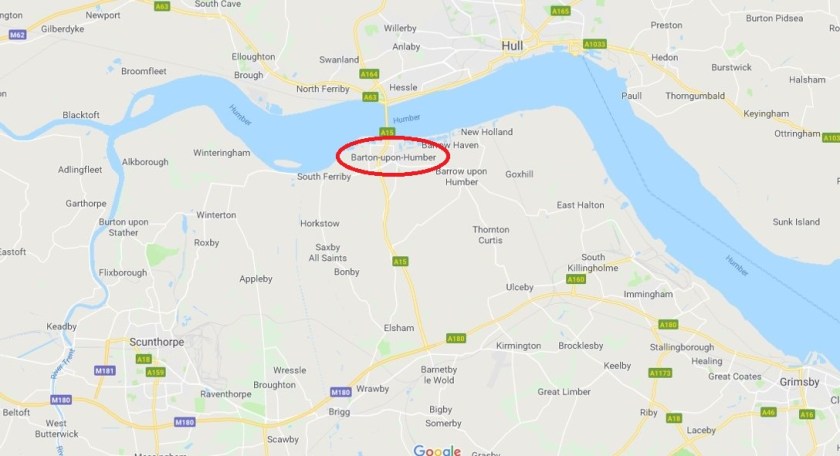
This bird was discovered critically injured on the river bank near Barton-upon-Humber in North Lincolnshire on 9th  September 2018. A dog walker reported it to the RSPCA and it was also reported to the police. An RSPCA officer took the harrier to the East Winch Wildlife Centre near Boston where an x-ray revealed it had been shot. The bird later died from its injuries.

[Photo by RSPCA]

Humberside Police investigated but were unable to identify the criminal responsible.

If anyone has any information relating to this incident, call Humberside Police on 101 quoting crime reference number 16/115793/18.

Further details on the RSPB Investigations blog here

Marsh harriers are increasingly in the firing line, whether it’s on lowland game shooting estates (e.g. here), on land adjacent to an RSPB Reserve (e.g. here) or on upland grouse moors (e.g. here).

And let’s not forget (as several people did) the grouse shooting industry’s interest in obtaining licences to kill Marsh harriers to prevent the so-called ‘disruption’ of driven grouse shoots.