Peak District Bird of Prey Initiative hanging by a thread

Earlier this week the Peak District Bird of Prey Initiative published its Peak District Bird of Prey Report 2018 and issued the following press statement:

Peak District Bird of Prey Initiative highlights mixed fortunes for birds of prey in the National Park

The Peak District Bird of Prey Initiative has today published its annual report for 2018, showing improvement in the breeding success of several raptor species within the Peak District National Park compared to 2017, in parallel with an increase in the number of gamekeepers and estates engaging positively with the Initiative. The report also highlights a number of incidents which show, however, that significant problems remain. Overall numbers and breeding success were fairly typical of the 7-year period of the Initiative, and remain well below the targets based on populations in the late 1990s.

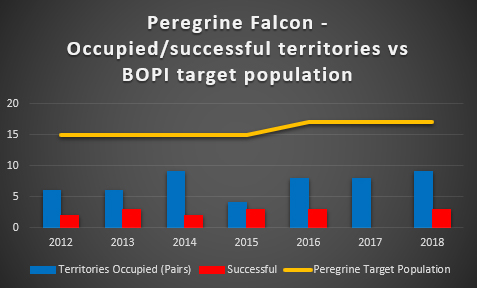
Following last year, when Peregrine Falcons failed to breed successfully in the Dark Peak for the first time since they recolonised in the early 1980s, this year has seen 9 occupied territories, of which 3 pairs successfully raised young. The Initiative’s aim is to have 17 breeding pairs, of which about 11-12 pairs would normally be expected to successfully raise young. Numbers of its smaller cousin the Merlin were roughly in line with recent averages and returned to several historic sites where they have not bred for some years.

[Graphs from the Peak District BoPI 2018 report]
Goshawks continue to be absent from many of their past haunts in the Dark Peak, though the overall breeding success was better this year, whilst Short-eared Owls had a good season although determining exact numbers remains difficult.

What would have been the most noteworthy event of the year – the successful fledging of 4 young Hen Harriers from a nest on moorland owned by the National Trust – was tarnished latterly by the knowledge that two satellite tagged young both subsequently disappeared in the autumn – one in the Peak District National Park and one in the North York Moors National Park – under circumstances which led to suspicions that they may have deliberately come to harm and the tags destroyed.

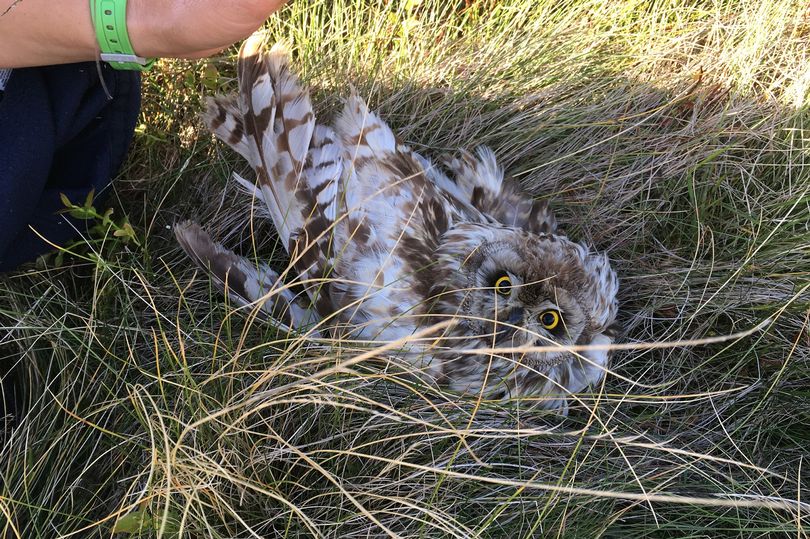
Two events of particular concern were the reported shooting of a Red Kite in the northern Peak District in June and the shooting of a Short-eared Owl on Wessenden Head Road in September.

[Photo of the shot short-eared owl via RSPB]
The Bird of Prey initiative has a shared ambition, set out in the National Park Management Plan published earlier this year, to restore populations of birds of prey to at least the levels present in the late 1990s, with the addition of Hen Harrier as a regularly successful breeding species. The improvements this year are a welcome step in this direction, but there needs to be a commitment to eradicate wildlife crime and build on that progress year on year across the National Park, and across our range of target species, if the Initiative is to continue.

The Peak District Bird of Prey Initiative is made up of the Peak District National Park Authority, Natural England, National Trust and the Moorland Association, with support from local raptor groups and land managers. It was set up in 2011 after its members recognised the need for collective action to tackle illegal persecution of birds of prey. The RSPB ended their involvement in the Initiative in January due to the lack of progress with bird of prey populations, and the lack of a full consensus by all Initiative members that ongoing illegal persecution is the main reason for the continued low numbers.

Anyone with information to report about wildlife crime should contact the Police on 101 or Crimestoppers on 0800 555111.

ENDS

For those new to this blog, it’s perhaps worth reading about the history of this pseudo-partnership and it’s long term failure to meet any of its targets (e.g. here, here, here, here, here, here).

After last year’s fiasco and virtual collapse of the ‘partnership’ (see links above) we were told by the Peak District National Park Authority that as the Initiative had yet again failed to meet any of its targets (in 2017), and with evidence of more confirmed raptor persecution in the National Park, it would be reassessing its commitment to the Initiative after the 2018 breeding season. In other words, if there wasn’t drastic improvement, the Initiative would probably be dissolved.

So has there been drastic improvement during the 2018 breeding season? The project has failed to meet any of its targets for the seventh consecutive year, but while there are undoubtedly small areas of improvement, these are offset by the continued illegal killing, which isn’t subsiding and isn’t resulting in improved raptor populations.

Make no mistake, there are some fantastically dedicated conservationists (and at least one shooting tenant and his gamekeeper) who are trying to make things safe for birds of prey in the Peak District National Park but their efforts are being hindered by this Initiative, not helped. Surely it’s now time to boot out the persecution deniers and form a genuine partnership that isn’t constrained by grandstanding propagandists whose sole intent seems to be to shield the criminals, not just from view, but from justice.

Enough.

Buzzard found shot in Sywell Country Park, Northants

Northampton Police press release (17 December 2018):

Buzzard shot in Sywell Country Park

Police officers are appealing for information after a buzzard was shot in Sywell Country Park.

The incident happened between 7am on Wednesday, November 28, and 8pm on Thursday, November 29, when a buzzard was found injured in the park having been shot. Although it was taken to the vets it sadly died a short time later.

All wild birds are protected by law and in shooting this bird a criminal offence has been committed. Anyone with information should contact Northamptonshire Police on 101. Alternatively, you can call Crimestoppers anonymously on 0800 555 111.

Incident Number: 349 of 30/11/2018
ENDS
According to a local source, this buzzard was found next to a wood used for driven pheasant shooting.

Glasgow school kids learn golden eagle persecution still a thing in their country

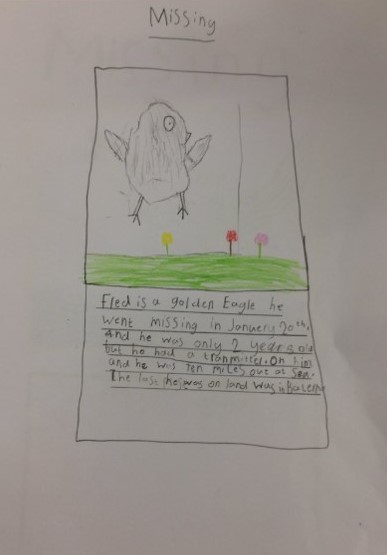
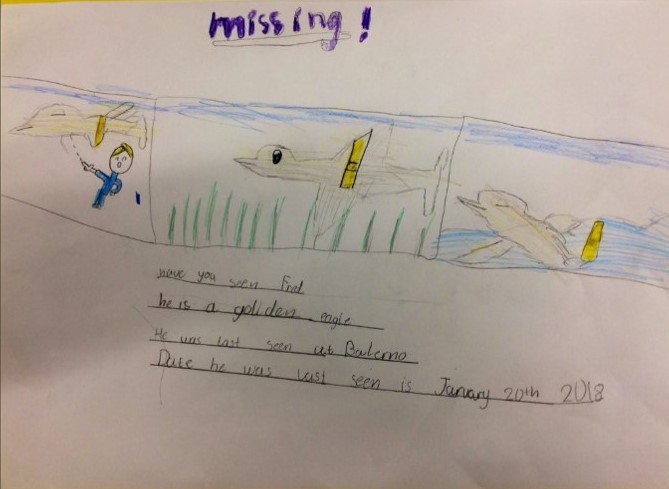
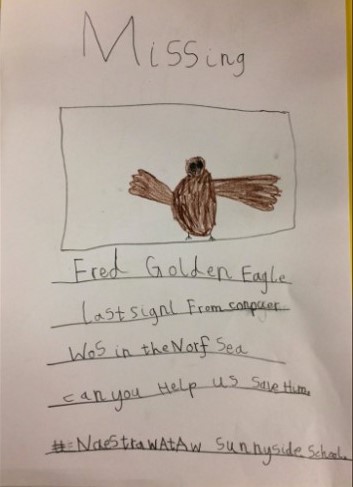
How poignant are these?

‘Missing’ posters drawn by P4 school children (aged 7-8 years old) from Sunnyside Primary School in Glasgow after learning of the suspicious ‘disappearance’ of golden eagle Fred earlier this year.

Continued inertia from grouse shooting industry reps on illegal raptor persecution

Last week we blogged about two owls (a short-eared and a tawny owl) that had been found shot on moorland in the Peak District National Park (here). West Yorkshire Police and the RSPB issued a joint statement appealing for information.

[Photo of the shot short-eared owl from RSPB]

As usual, the Northern England Raptor Forum (NERF) has issued an official response statement on its website (see here).

But what about the other members of the Raptor Persecution Priority Delivery Group (RPPDG), you know, that so-called ‘partnership’ whose main objective includes raising awareness of illegal raptor persecution? How many other ‘partners’ have also issued a statement of condemnation and an appeal for information on their websites?

As we’ve come to expect…… there are no public statements about these two crimes on the websites of the Moorland Association, National Gamekeepers Organisation, BASC or the Countryside Alliance.

There was also silence from the continually failing Peak District Birds of Prey Initiative (of which the Moorland Association is a supposed ‘partner’). This so-called ‘partnership’ is already in the last chance saloon so perhaps the absence of a joint partnership statement is because the Peak District National Park Authority is about to announce the termination of this pointless useless scheme?

Similarly, there are no public statements on the websites of the grouse shooting industry ‘partners’ about the discovery of a shot red kite found on a grouse moor in the Nidderdale AONB at the end of October – one of the worst places for red kite and hen harrier persecution in the entire country but apparently not significant enough to warrant a mention.

Perhaps they’re sleeping partners?

Or perhaps they’re not genuine partners at all, but are just using their membership of the RPPDG as a convenient cover to portray themselves in the media as ‘concerned conservationists’.

It’ll be interesting to see how long Police Supt Nick Lyall (the new RPPDG chair) will tolerate this long-standing inertia before he starts to put his words in to action and boots out from the ‘partnership’ those who are not contributing to tackling this filthy organised criminality.

Two owls shot in Peak District National Park

Police are appealing for information after the discovery of two shot owls in the Peak District National Park.

On the evening of 11 September 2018 a local runner witnessed a short-eared owl flying overhead, followed by what sounded like gunshots. The following morning she returned to the moorland near Wessenden Head in the northern Peak District. She found the bird on the ground, still alive. It was taken to a vet but had to be euthanized due to its injuries, which included a shattered wing.

[Photo of the shot short-eared owl, via RSPB]

The runner who saw the short-eared owl said: “I had just got back to my car when I suddenly saw a short-eared owl fly over my head – it’s always fantastic to see one of these gorgeous birds. This however was followed by the sound of a gunshots, coming from the direction of a dark-coloured pickup. I really hoped this wasn’t aimed at the owl I’d just seen.

The next morning I returned to the same spot and, there on the ground, was a short-eared owl, still alive but clearly wounded. I was so upset but also furious to think that someone had done this on purpose.”

The police are wanting to speak to the driver of the dark-coloured pick up truck, described as having two dog cages on the back with a thick wooden cover over the cages.

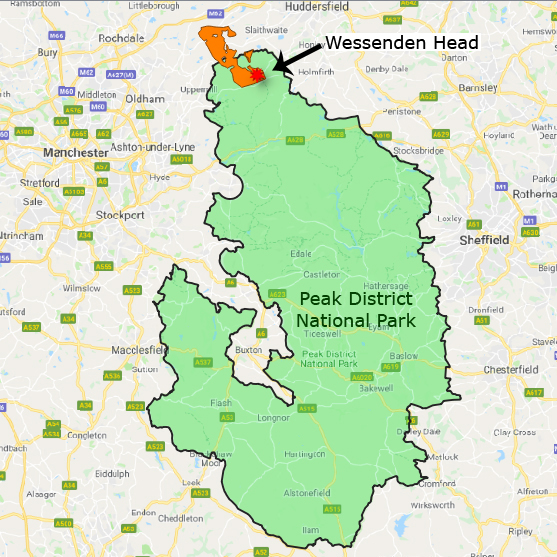
This land (Marsden Moor Estate) is owned by the National Trust and is a designated Special Protection Area (SPA) for short-eared owls.

[RPUK map showing the location of the Marsden Moor Estate (orange) in the Peak District National Park]

On 1 October the dead body of a tawny owl was discovered close to where the short-eared owl was found. It had been shot and stuffed inside a dry stone wall on the Kirklees Way footpath near Greenfield Road (not on National Trust property).

[RPUK map showing proximity of Wessenden Head and Kirklees Way footpath to areas managed for driven grouse shooting in the Peak District National Park]

If you have any information relating to these crimes, call West Yorkshire Police on 101 quoting police log number 174211/09/2018.

To share information about raptor persecution in your community in confidence, please call the Raptor Crime Hotline: 0300 999 0101.

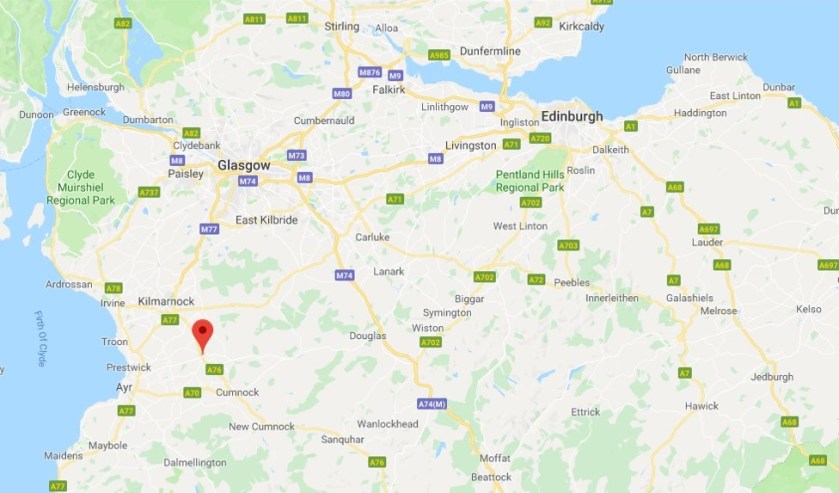
Buzzard found poisoned near Mauchline, south Scotland

From Cumnock Chronicle (29 Nov 2018)

POISONED BIRD OF PREY SPARKS POLICE WARNING

Residents in Mauchline are being warned to be on the look out after a bird of prey was found poisoned.

A member of the public discovered the buzzard, still alive but in a distressed state on land on the outskirts of the town on November 2.

Fortunately, the bird was found quickly and survived. A toxicology report has now confirmed the buzzard ingested poison.

Police Scotland are concerned that this illegal activity is happening in the area and are appealing for any information that may lead to detecting the person responsible for this deliberate act.

PC Sam Briggs, Wildlife Crime Officer, said, “It is a serious concern that someone has targeted wildlife in this illegal and indiscriminate manner. If anything unusual is discovered I would advise not to touch it, but instead cover it if you can and contact the police, giving them the exact location.”

Police are working alongside partner agencies Scottish SPCA, Science and Advice for Scottish Agriculture and Agricultural Officers to fully investigate the matter. Anyone with information on the illegal use of pesticides or who may has seen something suspicious, particularly in the last month or so, can call 101 and quote No: SP-20181120-2194 or Crimestoppers anonymously on 0800 555 111.

ENDS

This is the sixth raptor poisoning in south Scotland this year (that we’re aware of) including four red kites and buzzards that were poisoned in Dumfries & Galloway between Jan-May this year (see here) and a poisoned peregrine found in the Pentland Hills in May this year (see here).

But there’s no need to worry. SNH is “reassured that raptor persecution is not an issue” in this region.

Buzzard & hobby found with horrific spring trap injuries on Isle of Wight

Police press release (4 Dec 2018):

POLICE INVESTIGATION LAUNCHED AFTER BIRDS OF PREY KILLED BY ILLEGAL TRAPS ON ISLE OF WIGHT

Two protected birds of prey, likely to have been caught in illegal spring traps, suffered ‘horrific and traumatic’ injuries.

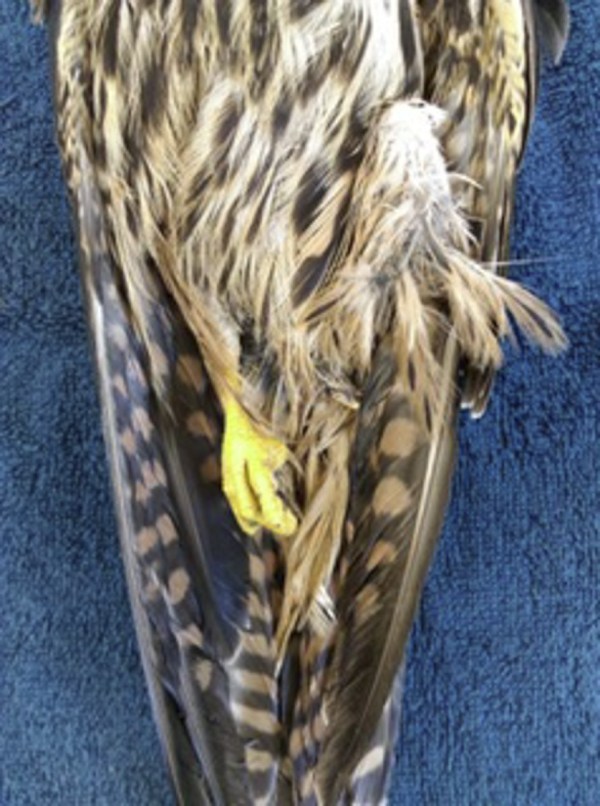
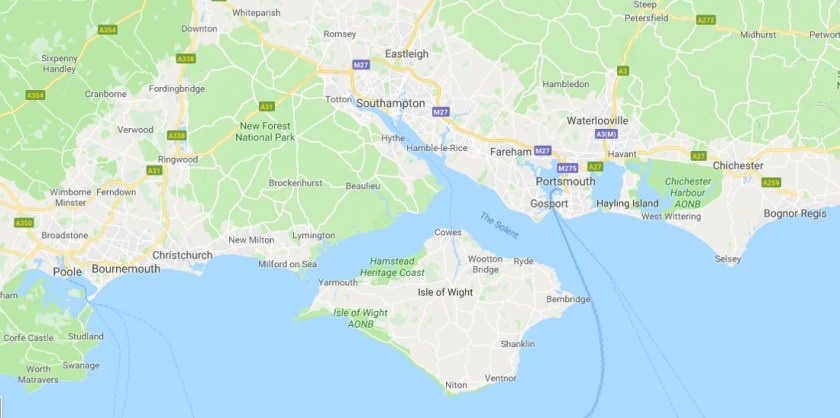
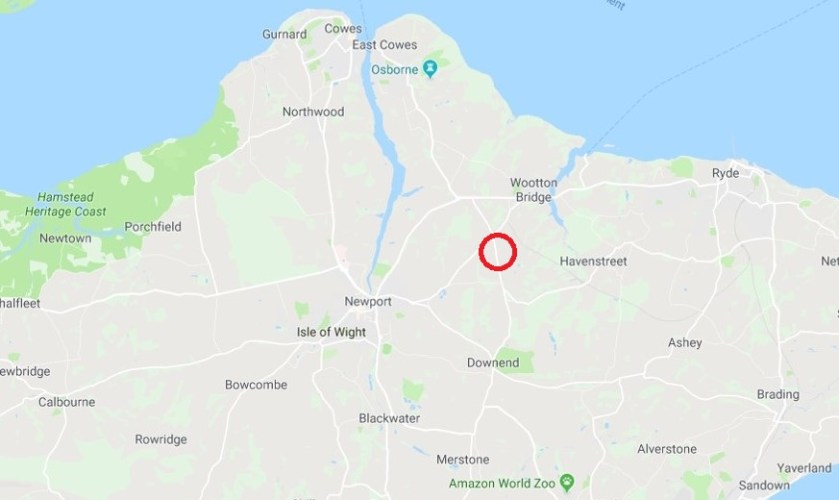
A joint investigation has been launched by Isle of Wight Police and the RSPB after the birds, a buzzard and a hobby, were found with severed legs in woodland at Littletown, near Briddlesford.

The buzzard was found dead, with a missing foot, on March 14. The hobby — a small falcon similar to a kestrel – was found alive, also with its foot missing, on September 23. It was taken to the RSPCA and put down.

[The buzzard with a severed foot]

[The hobby with a severed foot, photo by RSPCA]

The RSPB said today (Tuesday) the birds were likely to have been illegally trapped.

The birds, a hobby and a buzzard, were found with horrific injuries. Both had lost a foot as a result of becoming caught in a spring trap,” said a spokesperson.

Police were alerted and the birds were sent for post-mortem examinations. The report concluded: ‘Both birds suffered traumatic amputations of one lower limb consistent with the affected leg being caught and held in a spring trap.’

All wild birds are protected by law under the Wildlife and Countryside Act 1981 which makes it an offence to intentionally harm them. Anyone found to have done so faces an unlimited fine with up to six months in jail.

Jenny Shelton, from the RSPB’s investigations unit, said: “Spring traps are sometimes used to catch and kill vermin, and are legal if placed in a tunnel, with a restricted entrance, for this purpose. However spring traps set out in the open are illegal, and pose a huge danger to wildlife. 

We have had numerous reports over the years of birds of prey being deliberately caught in these brutal devices. Birds of prey are incredible creatures and it’s devastating that the lives of these two birds have ended in this way. We are grateful to the people who reported these birds. If you find an injured bird of prey, or come across a metal trap set out in the open or on a pole, call the police on 101 immediately.”

PC Tim Campany, from the Country Watch team, said: “We are working closely with our colleagues from the RSPB to establish what happened. One line of enquiry is that the birds may have been caught and held in a spring-type trap.

This is illegal and is a barbaric method of trapping. It leaves the bird, once freed from the trap, unable to land and feed and it will eventually die of starvation.

Raptor persecution is a priority of the National Wildlife Crime Unit and will not be tolerated.

I would urge anyone with information on suspicious vehicles, persons, or traps located in the Bridlesford area to call us now.”

Anyone with information should call Isle of Wight Police on 101, quoting the reference 44180374840.

ENDS

Illegal raptor persecution is a national wildlife crime priority, so why the hell has it taken nine months for the news of this buzzard to emerge, and two and a half months for the hobby? What’s the point of appealing for information so long after the events?

It’s just not good enough.

These incidents will also cast a shadow on the proposed reintroduction of white-tailed eagles to the Isle of Wight.

Illegal gin trap found set near Nairn, Highlands

Police Scotland has issued a statement about the discovery of an illegal gin trap found set near Nairn in the Highlands:

ILLEGAL GIN TRAP FOUND NEAR NAIRN (30 Nov 2018)

Police in Nairn have issued a warning about the use of illegal traps following the discovery of one set near the town.

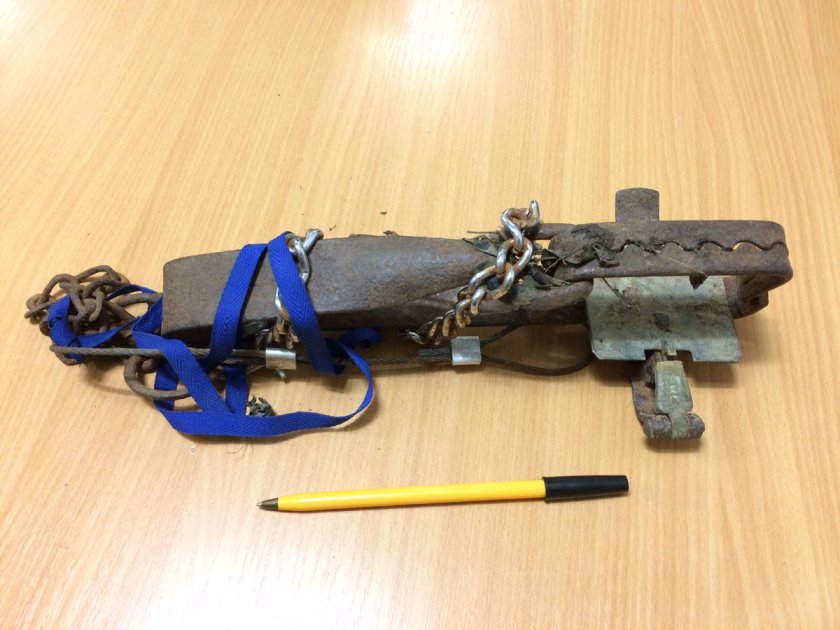
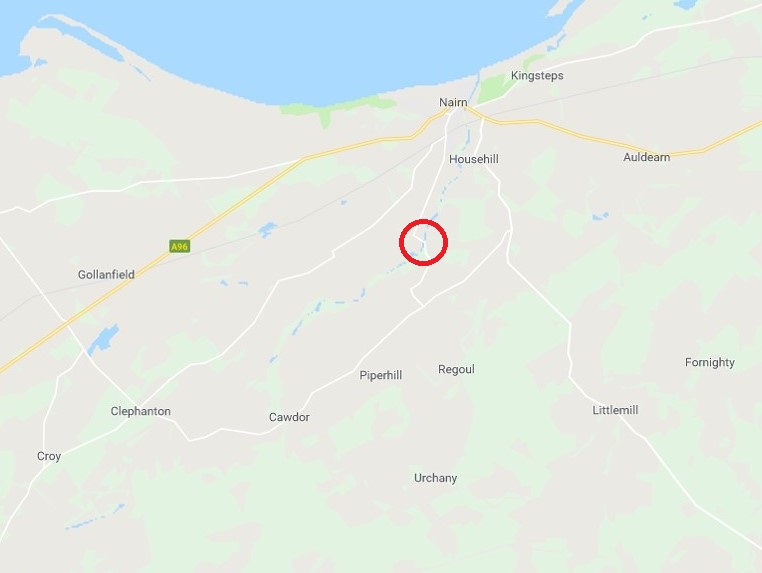
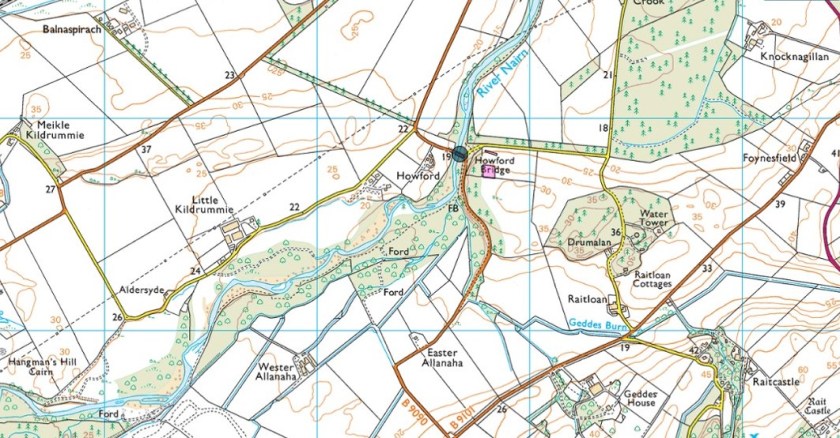
The illegal gin trap, although rusty, was fully functioning and was discovered by a member of the public on the afternoon of Wednesday, November 28 near Howford Bridge a few miles south of the town.

Nothing had been caught in the trap and the device has since been recovered by officers.

[Photo of the gin trap from Police Scotland]

[RPUK maps showing location of Howford Bridge, south of Nairn]

Wildlife liaison officer Constable Jonathan Clarke said: “Gin traps have been illegal for many years and are entirely indiscriminate. This device could have caused serious injury to a wild animal, a pet or even a person if they been caught in it.

Setting a trap such as this is a criminal act, as is possessing something like with the intention of using it.

Setting one in an area close to the river which is popular with dog walkers is extremely reckless and it is fortunate that this was discovered before anything or anyone was injured.

No further traps have been found but I would urge the public to be vigilant when walking in the area.

If anyone does find a trap then please do not try to deal with it on your own but carefully note the location and report it to police immediately.

Enquiries into this trap are ongoing and I would urge anyone with information to contact police on 101, using reference NM3269/18, or call Crimestoppers on 0800 555 111.”

ENDS

Well done Police Scotland for a very fast response to remove the trap and for an equally speedy public alert.

It’s shocking to see these traps still in use. Gin traps have been banned in England since 1958 and banned in Scotland since 1971, and yet still they’re being used to target wildlife.

It’s not clear which species was being targeted in this latest case but previously we’ve seen gamekeepers using them to trap buzzards (gamekeeper convicted in 2015 (here) and his boss convicted for vicarious liability (here) and earlier this year a red kite was trapped resulting in horrific injuries (here)).

Yet another red kite shot & killed in North Yorkshire’s Nidderdale AONB

North Yorkshire Police are appealing for information after the discovery of yet another shot & killed red kite in the Nidderdale Area of Outstanding Natural Beauty (AONB).

The latest in a long line of victims, this red kite was found dead on 25th October 2018 near to Wath.

[X-ray of the shot red kite showing two shotgun pellets. Image from North Yorkshire Police]

[RPUK map showing location of Wath in the Nidderdale AONB]

[RPUK map showing Wath sandwiched between two areas of grouse moor]

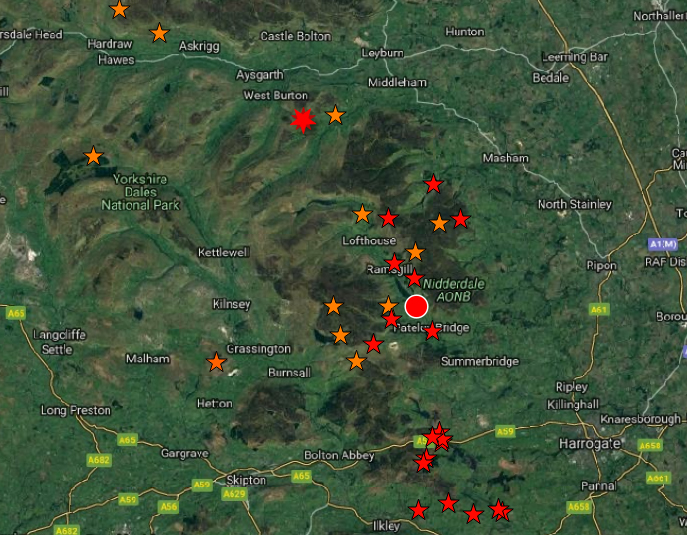
Nidderdale AONB is a notorious red kite persecution hotspot with a long history of illegally shot and poisoned red kites (e.g. see here), so much so that last year the Chair of the Nidderdale AONB’s Joint Advisory Committee issued a public statement condemning these killings and warning that it was having a damaging effect on local tourism businesses (see here).

[RPUK map showing the locations of illegally shot or poisoned red kites in the Nidderdale AONB since 2007]

North Yorkshire Police have issued an appeal for information about the latest red kite shooting, and also an appeal for information about a shot buzzard that was found near Selby earlier this month (we blogged about this buzzard a couple of weeks ago, see here).

Appealing for information, Sergeant Kevin Kelly from North Yorkshire Police’s Rural Taskforce said “It’s with much frustration, that I again make another witness appeal regarding two rare birds of prey, that we are privileged to have in our skies, being mindlessly and illegally shot.

If you have any information that will assist the investigation, please come forward and contact police via 101 and pass the information to the Force Control Room. Please quote reference 12180210290 for the buzzard investigation and 12180199938 for the red kite investigation.

We have two extremely experienced wildlife crime officers leading these investigations and they will follow up on any tangible enquiries.  I would also like to take this opportunity to thank the members of public for taking the responsibility to report these matters.

The police press statement includes a quote from the Nidderdale Moorland Group: “We have been made aware of this incident and we are fully supporting the Police investigation. An estate owner and moorland group member found the bird and handed it into the police. The Nidderdale Moorland Group is dismayed by this incident and is committed to helping eradicate wildlife crime. We would ask anyone with information to contact the police“.

Of course, it’s not just red kites that are illegally killed in this grouse moor dominated area of North Yorkshire. Nidderdale AONB and the neighbouring eastern side of the Yorkshire Dales National Park also just happens to be an area where satellite-tagged hen harriers ‘disappear’ without trace in highly suspicious circumstances.

[RPUK map showing Nidderdale AONB and the eastern side of the Yorkshire Dales National Park. Red dot = Wath. Small red stars = locations of illegally shot or posioned red kites since 2007. Orange stars = satellite-tagged hen harriers that have ‘disappeared’ in suspicious circumstances in recent years (data from Natural England). Large red star = hen harrier Bowland Betty who was found shot dead on a grouse moor in 2012]

There has never been a successful prosecution for any of these crimes.

For how much longer do you think DEFRA ministers Michael Gove MP and Dr Therese Coffey MP will continue to be wilfully blind to this so-bloody-obvious serious organised crime?

For how much longer do you think genuine conservation organisations will sit on ‘partnership’ groups with representatives of the grouse shooting industry and pretend that everyone’s working together to eradicate these crimes, when there are zero consequences for the criminals?

[A dead red kite, photo by Marc Ruddock]

Serial egg thief Daniel Lingham receives custodial sentence

Daniel Lingham, 65, was sentenced today at Norwich Magistrates Court after earlier pleading guilty to five charges relating to the unlawful possession of over 5,000 eggs including 75 listed on Schedule 1 of the Wildlife & Countryside Act (species given the highest level of protection) including Marsh harrier.

[Daniel Lingham, photo by Norfolk Police]

Lingham was jailed for a total of 18 weeks, reduced from 26 weeks because of his guilty pleas, and had to fofeit all his equipment. He was also given a 10-year criminal behaviour order (which replace ASBOs) banning him from all Norfolk nature reserves for ten years. If he breaks this ban he could be jailed for five years.

Ah, if only he’d done his Marsh harrier egg-stealing on a grouse moor – he’d probably have been made very welcome and nobody would have reported him. But had one of those pesky RSPB Investigators caught him red-handed on one of their covert cameras, stealing the harrier eggs from the moorland nest, he could have relied upon the deafening silence of the grouse moor manager not to identify him.

This is the second time Lingham has been jailed for egg-collecting offences. In 2005 he was sentenced to ten weeks in custody following the discovery of 4,000 eggs at his home in Newton St Faith.

Well done to the RSPB Investigations Team, Norfolk Police and the Crown Prosecution Service for securing this latest conviction.

It remains to be seen whether this time Lingham’s sentence is serious enough to act as a deterrent.

Details of his guilty plea (here) and his sentence (here).

[RSPB Investigations Officer Mark Thomas with some of Lingham’s collection. Photo by RSPB]