Raptor persecution crime fighters win national awards

I attended the UK Wildlife Crime Conference over the weekend, where law enforcers, statutory agencies and NGOs gather to hear the latest views, approaches, successes and challenges of combating wildlife crime in the UK. 

A feature of this annual event is the WWF-sponsored awards given to those whose work deserves national recognition.

This year, I was delighted to see two of those awards being won by teams whose work has focused on tackling the illegal persecution of birds of prey.

First up was Dr Eimear Rooney and Dr Marc Ruddock from the Northern Ireland Raptor Study Group, who won WWF Wildlife Crime Partner of the Year 2022:
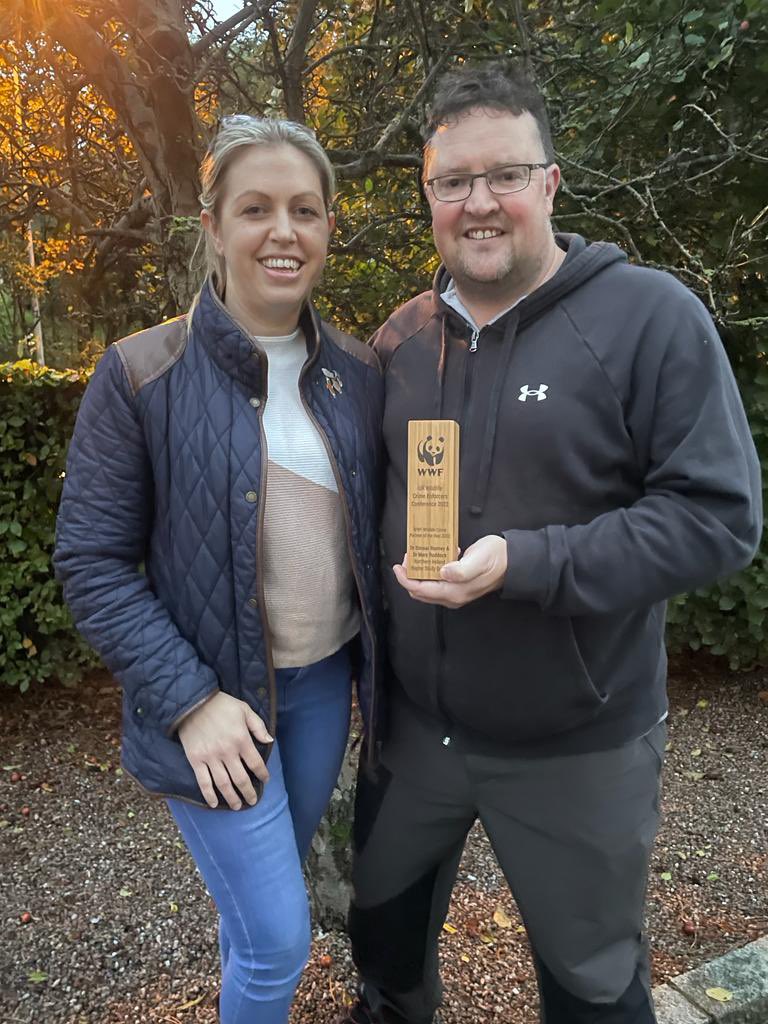
To say their award was richly deserved is a massive understatement. I’ve watched them pour their hearts and souls into raptor conservation in Northern Ireland for many, many years and I can’t think of more deserving recipients.

Without their efforts, providing help, advice and training to an army of raptor monitoring volunteers, as well as doing their own fieldwork, as well as writing grant applications, as well as writing reports, as well as producing educational material, as well as fundraising, as well as hosting conferences, as well as political engagement, as well as engaging in multi-partner initiatives to tackle raptor persecution, often at the expense of spending time with their young families, and still managing to be the most upbeat and fun-loving people to be around, then raptors in Northern Ireland would be in a far more perilous state than they are currently.

I’m thrilled to see their efforts recognised at long last; well done Eimear & Marc!

The second team to win an award for its work tackling raptor persecution was a multi-agency team working on ‘Operation Tantallon’, which is a huge, ongoing investigation into the alleged theft and laundering of wild peregrines in Scotland and northern England.

This investigation team includes Police Scotland, Scottish SPCA, NWCU and SASA, with additional support from members of the Scottish Raptor Study Group. So far three people have been charged with offences, including a serving police officer (see here) and a part-time gamekeeper (here).

Members of Operation Tantallon received the Wildlife Crime Operation of the Year Award 2022 from Megan McCubbin (photo by Guy Shorrock):
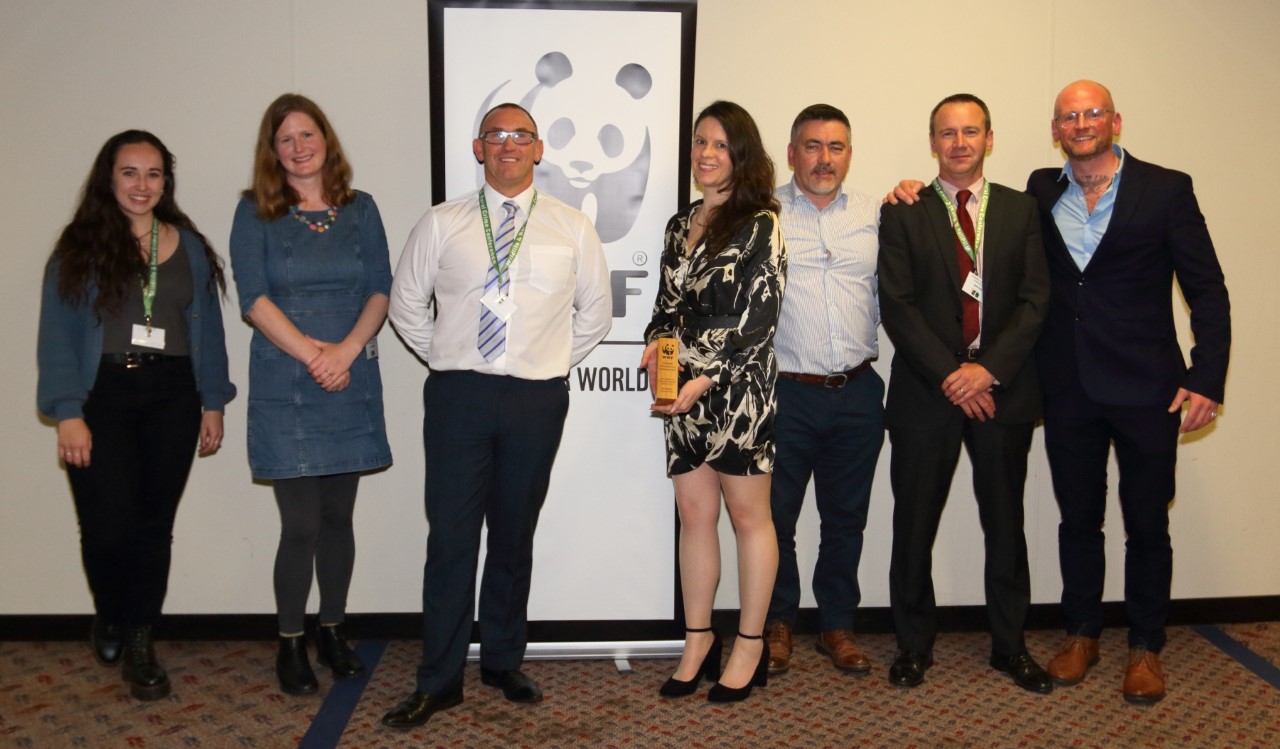
The case is ongoing, the defendants are reportedly facing over 100 charges, and a wide range of investigative techniques have been deployed including surveillance, peregrine DNA analysis, searches under warrants, bankers warrants, cyber crime and the Proceeds of Crime Act.

The scale of this effort to bring a prosecution in a raptor persecution case is virtually unheard of in the UK and the ramifications, should the defendants be found guilty, will be huge. Further details of the case will be made available as the case progresses through the courts.

The dedication and determination of those involved in the multi-agency investigation has been outstanding and it’s good to see their hard work recognised. Well done, all!

UPDATE 16 December 2023: Part-time gamekeeper & son plead guilty to peregrine laundering charges; serving police officer cleared (here)
Multi-agency raid in Lincolnshire after suspected poisoning of three birds of prey

Press release from Lincolnshire Police (6th October 2022):

Bird of prey poisoned, Horncastle

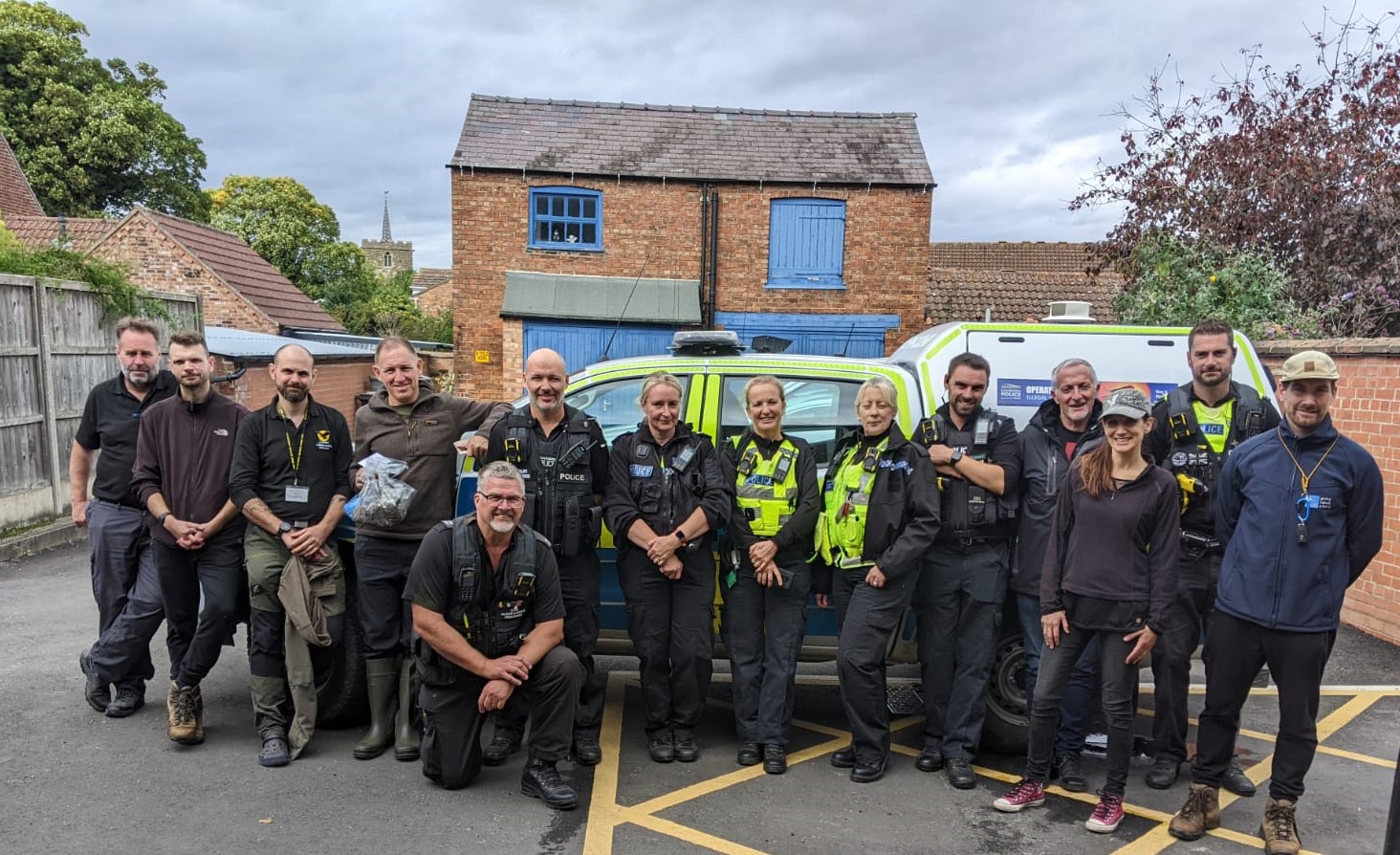
Our Rural Crime Action Team (RCAT) are investigating the suspected poisoning of three birds of prey in the Belchford area of Horncastle. 

On 4 October, the team conducted multi agency searches in the area along with officers from the National Wildlife Crime Unit (NWCU), the RSPB and Natural England. During the searches we recovered various items which we believe are linked to the offences under investigation. The offences include the suspected poisoning of three birds, two Buzzards and one Red Kite. 

Inspector Jason Baxter, from Lincolnshire Special Operations Unit, said: “Lincolnshire police will not tolerate the persecution of our wildlife and any offences reported to us will be thoroughly and expeditiously investigated and offenders will be dealt with robustly.”

Investigations are ongoing and we have identified one male suspect who will be interviewed in due course.

Investigating officer, Detective Constable Aaron Flint said: “A number of Birds of Prey appear to have been poisoned in the Horncastle area.

We would appeal for anyone with any information to contact us.”

If any members of the public have information that could assist with the investigation please call 101, email force.control@lincs.police.uk or through crime stoppers. Please remember to quote incident number 22000367672.

ENDS

Well done Lincolnshire Police, Natural England, RSPB and the National Wildlife Crime Unit for yet another excellent example of partnership-working between specialist agencies, and especially for issuing a statement/appeal for information just two days after the raid. I hope some of the other regional police forces are taking note.

This latest multi-agency raid is the latest in a surge of similar investigations in response to raptor persecution crimes over the last couple of years, including a raid in Wiltshire on 23rd September 2020 (here), a raid in Suffolk on 18th January 2021 (here), a raid in January 2021 in Nottinghamshire (here), on 15th March 2021 another raid in Lincolnshire (see here), on 18th March 2021 a raid in Dorset (here), on 26th March 2021 a raid in Devon (see here), on 21st April 2021 a raid in Teesdale (here), on 2nd August 2021 a raid in Shropshire (here), on 12th August 2021 a raid in Herefordshire (here), on 14th September 2021 a raid in Norfolk (here), a raid in Wales in October 2021 (here) a raid in Humberside on 10th December 2021 (here), a raid in North Wales on 8th February 2022 (here), another raid in Suffolk on 22nd April 2022 (here), and another raid in Norfolk on 29th April 2022 (here).

The majority of these cases are ongoing, or have progressed to impending court hearings, but a few have concluded, resulting in the conviction of criminal gamekeepers. These include:

*The Nottinghamshire case (from January 2021) where gamekeeper John Orrey was sentenced in January 2022 for battering to death two buzzards he’d caught inside a trap (here);

*The Suffolk case (also from January 2021) where gamekeeper Shane Leech was convicted of firearms and pesticides offences in November 2021 after the discovery of a poisoned buzzard found close to pheasant-rearing pens in Lakenheath (here);

*The Wales case (from October 2021) where gamekeeper David Matthews was convicted in June 2022 for pesticide offences following the discovery of a poisoned red kite and a shot red kite at a pheasant release pen on the McAlpine Estate in Llanarmon Dyffryn Ceiriog, North Wales (see here);

*The Wiltshire case (from September 2020) where gamekeeper Archie Watson was convicted in June 2022 after the discovery of at least 15 dead buzzards and red kites were found dumped in a well on a pheasant shoot on Galteemore Farm in Beckhampton (here);

*The Norfolk case (from September 2021) where gamekeeper Matthew Stroud was convicted in October 2022 for the poisoning of at least five buzzards and a goshawk, amongst other offences, on a pheasant shoot at Weeting, near Thetford (here).

Conviction of gamekeeper Matthew Stroud: statement from Norfolk Constabulary

Following yesterday’s news that 46-year-old gamekeeper Matthew Stroud had been convicted, amongst other things, of shooting and poisoning at least five buzzards and a goshawk on a pheasant shoot in Norfolk (see here), Norfolk Constabulary has issued a press statement which provides a bit more detail about the case.

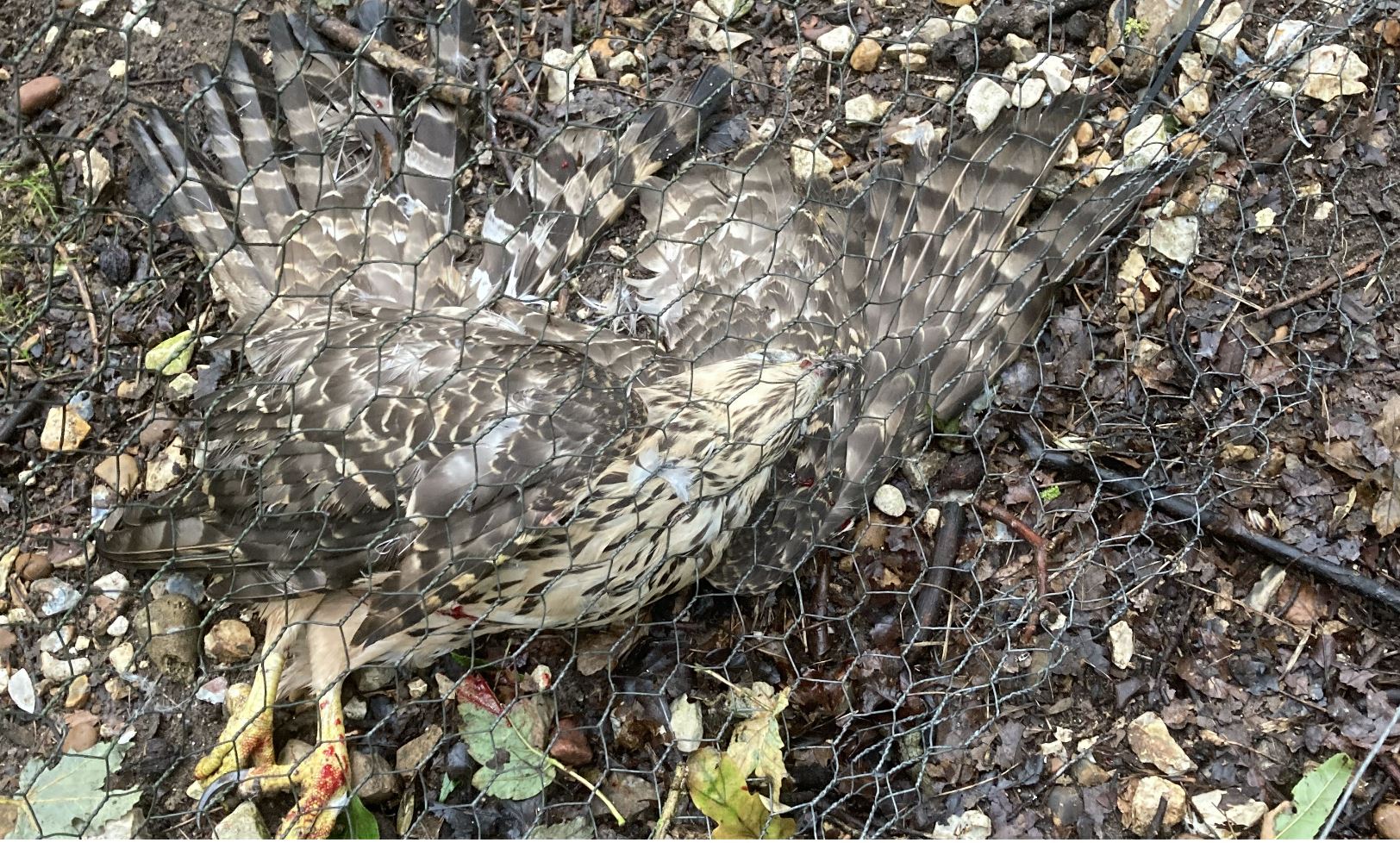
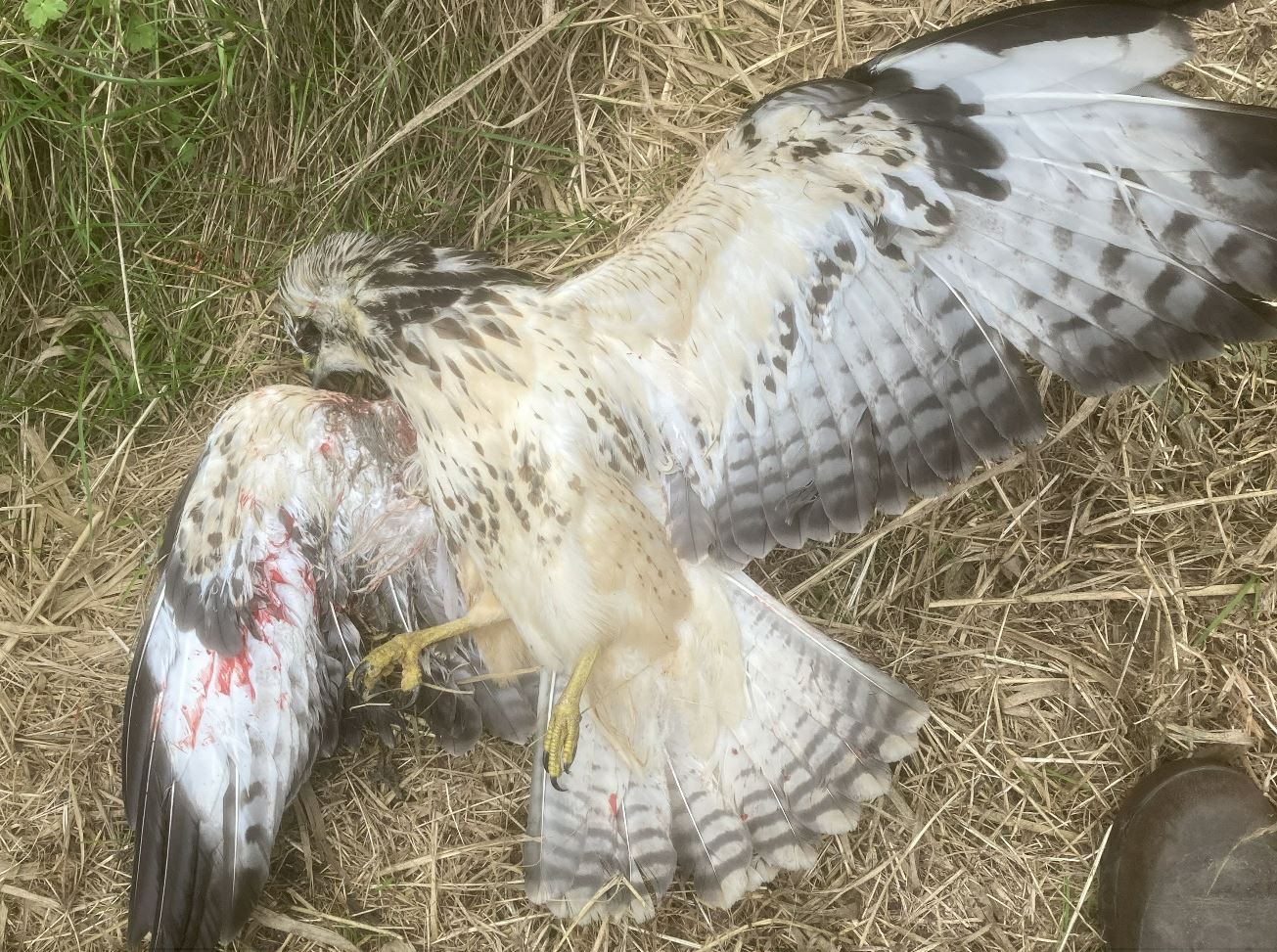
[One the buzzards that gamekeeper Matthew Stroud shot dead]

Press release from Norfolk Constabulary:

Gamekeeper admits killing birds of prey

A Weeting gamekeeper appeared in court today (Wednesday 5 October 2022) and admitted shooting and poisoning several birds of prey.

  • Three counts of using poisoned bait on or before 19 August 2021 and 14 September 2021.
  • Six counts of killing a Common Buzzard (a non-Schedule 1 wild bird) at Weeting between 10 August and 14 September 2021.
  • One count of intentionally killing a Northern Goshawk (a Schedule 1 wild bird) at Weeting on or about 10 August 2021.
  • One count of possessing a regulated substance – Strychnine Hydrochloride – without a licence on 14 September 2021.
  • One count of possessing 4 shotguns to kill a Schedule 1 wild bird on 14 September 2021.
  • One count of releasing 3,400 Common Pheasants into the wild between 1 June and 14 September 2021 contrary to the Wildlife and Countryside Act 1981.
  • One count of incorrectly storing a biocidal product – Rentokil Phostoxin – on 14 September 2021 contrary to the Health and Safety at Work Act 1974.

He received a 12-month Community Order and was ordered to do 200 hours of unpaid work, fined £692 and ordered to pay costs of £145, compensation of £288.72 and a victim surcharge of £95. The court also ordered the forfeiture and destruction of all Stroud’s firearms, mobile phones and any chemicals.

The court heard how the investigation started when RSPB officers found a young pheasant dead in Belvedere Wood, Weeting, on 19 August 2021. Tests later confirmed the pheasant had been poisoned with Strychnine Hydrochloride.

Further intelligence led Norfolk Police to execute a warrant at Stroud’s home, Belvedere Wood and Oisier Carr Wood on 14 September 2021 where the following discoveries were made:

  • Three dead buzzards were found at two release pens in Oisier Carr Wood. Tests later confirmed they had been shot.
  • Two pheasant carcasses with extremely high levels of Strychnine Hydrochloride and a poisoned Common Buzzard were found in Belvedere Wood – a Site of Special Scientific Interest because of its internationally important population of Stone Curlews
  • Two bottles of Strychnine Chloride were found in the glovebox of Stroud’s all-terrain vehicle, and a bottle of Phostoxin discovered by officers in a lean-too style shed attached to his house.

In addition, Stroud’s mobile phone contained photos of a dead Goshawk and five dead Common Buzzards. He later confessed to officers that all the photos were of birds he had killed.

PC Chris Shelley, Norfolk Constabulary’s Rural Crime Officer, said: “This investigation is one of the biggest cases of its kind that we have dealt with in Norfolk.

Stroud actions were dangerous and inhumane – he shot and poisoned birds of prey as he saw fit, and at will, because it suited him to do so. He also used a highly dangerous poison – one that has been banned in the UK for the last 15 years – indiscriminately, which could have had a disastrous effect on other local wildlife and showed a scant disregard for the safety of others.

We’re committed to working with all partners to tackle rural crime and have worked closely with colleagues from the RSPB, the National Wildlife Crime Unit and Natural England throughout this investigation. It is because of this close collaboration with them that we have been able to bring this case to court.

Tom Grose, RSPB Investigations Officer, said: “Laying poison baits out in the open is not only illegal but extremely dangerous and irresponsible. Baits like those being used present a deadly risk to any animal or person that might come across it.

It is particularly troubling that this was happening on an SPA, a designated area where wildlife and nature should have the highest legal protection.

We would like to thank Norfolk Police for leading such a thorough investigation, and to Natural England, the National Wildlife Crime Unit and Crown Prosecution Service for their support.”

Ashley Petchey of the Crown Prosecution Service said: “This was a case where Mr Stroud has, whilst in his position as a gamekeeper, killed wild birds by shooting and poisoning. He has also released non-native species into a SSSI.  

The scale of the offences in this case demonstrates the lengths people will go to in order to persecute raptors.   

The Crown take all cases of raptor persecution seriously and where the full code test is met, bring offenders to justice.”

ENDS

UPDATE 4th November 2022: RSPB Investigations Officer reflects on conviction of Norfolk raptor-killing gamekeeper Matthew Stroud (here)

Norfolk gamekeeper convicted after shooting & poisoning multiple birds of prey

Press release from the RSPB today (5th October 2022):

Gamekeeper escapes jail after killing birds of prey

*Six buzzards and a goshawk were found illegally killed on a gamebird shoot near Thetford, along with lethal poison baits.

*Gamekeeper Matthew Stroud pleads guilty to multiple offences

*The RSPB is increasingly concerned about raptor persecution linked to pheasant and partridge shoots, and the impact of large-scale gamebirds releases.

Today (5 October 2022) at Norwich Magistrates’ court, gamekeeper Matthew Stroud received a 200 hour community order and was fined £692 for offences connected with raptor persecution. Stroud was ordered to pay £145 costs, £288.72 compensation and a £95 victim surcharge.

[Convicted criminal gamekeeper Matthew Stroud and one of his victims, a shot buzzard. Photos via RSPB and Eastern Daily Press]

Offences included shooting five buzzards and one goshawk, the poisoning of another buzzard, the laying of poison baits and illegal possession of poisons including strychnine.

Stroud also became the first person convicted for the unauthorised release of gamebirds on a Special Protection Area (SPA) – an internationally important site for conservation under the Habitats Regulations.

[Another of Stroud’s victims – he shot this goshawk. Photo via RSPB]

[Two containers of the banned poison strychnine found in the glovebox of Stroud’s all-terrain vehicle]

Sentencing Stroud, Magistrates said that he was lucky to escape jail today.

The court heard from the defence that Stroud was under pressure to produce game birds for the shoot after two poor years, that he had taken no pleasure in killing the buzzards and that he should have been informed that the law had changed around pheasant releases.

This is one of many incidents of raptor persecution identified on lowland pheasant and partridge shoots, which the RSPB says is an area of increasing concern. There is also evidence that large-scale releases of pheasant and partridge for shooting is having a detrimental impact on native wildlife.

The RSPB Investigations team conducted lengthy enquiries on an area of land managed by Stroud for pheasant shooting at Fengate Farm in Weeting, within the Breckland SPA. Following a number of visits, on 19 August 2021 they discovered a pheasant carcass – later found to contain the banned toxic chemical strychnine. The use of a poison bait such as a pheasant, laced with pesticides, is one of the most common methods of illegally killing birds of prey.

A subsequent search with Norfolk Police and partners uncovered further poison baits plus shot and poisoned raptors. Stroud’s phone also contained the photo of a goshawk and several buzzards which he admitted to shooting. They also found the deadly banned poison strychnine and phostoxin, a dangerous fumigant which was stored improperly.

In 2021 it became illegal to release gamebirds on or adjacent to an SPA without a licence, which Stroud had not sought, making him the first person to be prosecuted and convicted for this offence.

In 2020, Wild Justice issued proceedings in the High Court challenging the annual release of millions of non-native pheasants and red-legged partridges into the countryside and their potential impact on sites designated for nature conservation. DEFRA conceded the case and introduced General Licence 43 in an attempt to ensure that the impacts of those birds on those sites would be regulated.

Mark Thomas Head of RSPB Investigations UK, said:

It is difficult not to be disappointed with the outcome today considering the significance of the offences and combined efforts of the agencies involved. Laying poison baits out in the open is not only illegal but extremely dangerous and irresponsible. Baits like those being used at Fengate Farm present a deadly risk to any animal or person that might come across it. It is particularly troubling that this was happening on an SPA, a designated area where wildlife and nature should have the highest legal protection.

The RSPB’s most recent Birdcrime report in 2020 made clear that raptor persecution is not just an issue confined to grouse shooting estates: it is increasingly correlated with pheasant and partridge shoots.”

Mark added: “We would like to thank Norfolk Police for leading such a thorough investigation, and to Natural England, the National Wildlife Crime Unit and Crown Prosecution Service for their support”.

Guilty pleas were entered to the following charges:

· Six charges in relation to killing of six different buzzards (five by shooting and one poisoned) during August and September 2021

· One charge in relation to killing a goshawk listed under schedule 1 of the Wildlife and Countryside act 1981 in August 2021

· Three charges in relation to laying poison baits in August and September 2021

· One charges in relation to the possession of the banned pesticide, strychnine in September 2021

· A charge in relation to a firearm being an item capable of committing an offence in September 2021

· A charge in relation to the usage of the chemical phostoxin in September 2021

· One charge in relation to releasing pheasants illegally during 2022

ENDS

UPDATE 6th October 2022: Conviction of gamekeeper Matthew Stroud – statement from Norfolk Constabulary (here)

UPDATE 4th November 2022: RSPB Investigations Officer reflects on conviction of Norfolk raptor-killing gamekeeper, Matthew Stroud (here)

Scottish Land & Estates still refusing to acknowledge extent of raptor persecution on grouse moors

In the last blog post where I wrote about the nine shot birds of prey found wrapped in bags on Millden Estate and just over the estate boundary, I included a quote from Tim Baynes of Scottish Land & Estates, who had written the following in a comment piece for The Field, published in August 2022:

Raptor persecution has been the stick with which grouse moors were beaten for two decades, but the past five years have seen a sea change. In Scotland, recorded crimes have effectively ceased on grouse moors, and raptors of all species have been increasing“.

I said I’d publish his outrageous comment piece in full, so here it is:

I really shouldn’t be surprised that The Field published this nonsense – that particular shooting industry rag has a track record of publishing patently inaccurate comment pieces (e.g. see here).

And I’m definitely not surprised that the author of this latest gibberish is Tim Baynes – his lengthy track record speaks for itself (for a small selection of the masses of examples see here, here, here, here, here, here, here, here).

Needless to say, his latest claim that raptor persecution on Scottish grouse moors has “effectively ceased” is demonstrably untrue. You’ve only got to read my last blog post to understand this. If that doesn’t convince you, have a look at the General Licence restrictions currently imposed on grouse moor estates after Police Scotland found ‘clear evidence of raptor persecution’ – Leadhills Estate (here), Lochan Estate (here), Leadhills Estate [again] (here), Invercauld Estate (here), and Moy Estate (here).

And if you still need convincing, have a read of the Scottish Government’s Environment Minister’s statement in 2020 when she announced that there could be no further delay to the introduction of a grouse moor licensing scheme because:

“…despite our many attempts to address this issue, every year birds of prey continue to be killed or disappear in suspicious circumstances on or around grouse moors“.

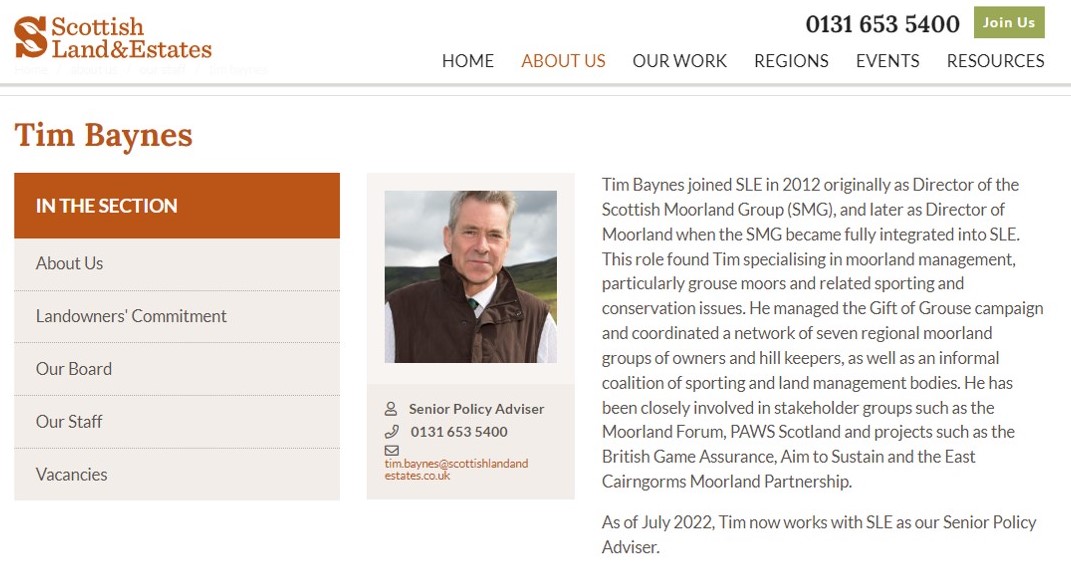
Perhaps Tim Baynes’ perpetual denial of the bleedin’ obvious explains why he is no longer employed as ‘Director of Moorland’ at Scottish Land & Estates:

Nine raptors found shot & dumped in bags outside gamekeeper’s houses on Millden Estate and at the nearby River Esk in the Angus Glens

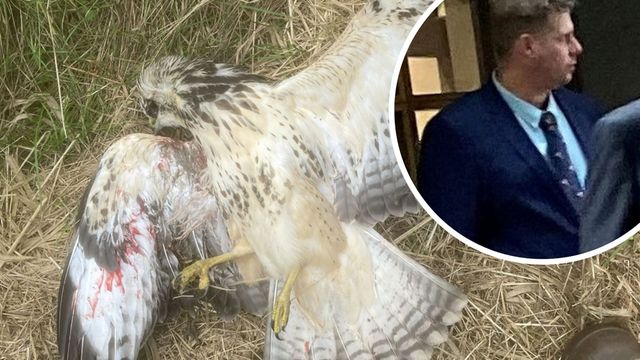
News has emerged that a total of nine birds of prey (eight buzzards and a sparrowhawk) have been found shot dead and dumped in bags in the Angus Glens.

We already knew about three of those shot buzzards (see here and here). They were found in bags outside two gamekeeper’s residences during a joint Scottish SPCA/Police Scotland raid on Millden Estate in October 2019 as part of an investigation into the criminal activities of depraved gamekeeper Rhys Owen Davies, who was convicted in May this year for vile animal abuse and received a custodial sentence in August 2022 (here).

Nobody was charged for the killing or possession of those three shot buzzards (although Police Scotland had identified a suspect, the Crown Office chose not to pursue a prosecution – see here) and the news about those three shot buzzards only emerged this year after I’d spent two and a half years asking Police Scotland for details. For unknown reasons, Police Scotland chose not to issue a public appeal for information about those three illegally-killed raptors.

I can now reveal that those three shot buzzards weren’t the only ones found dead in the Angus Glens that Police Scotland was keeping out of the news.

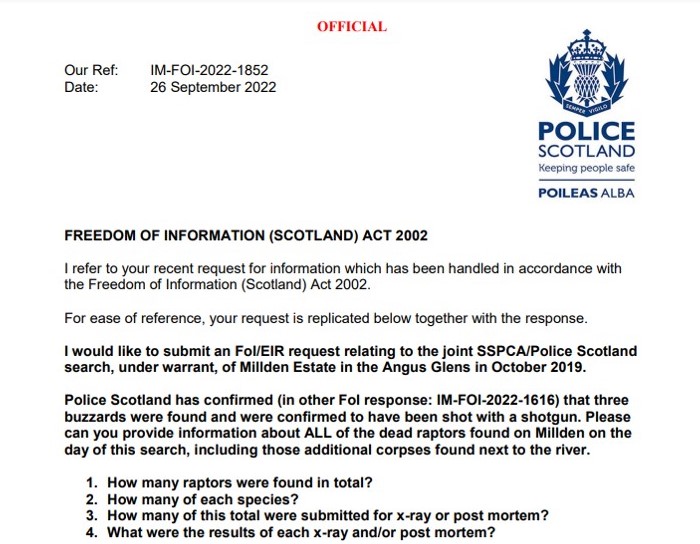
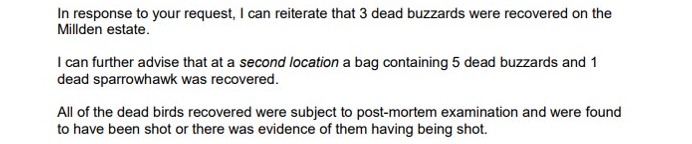
Rumours have been circulating for a while that even more dead raptors had been found in connection to the raid on Millden Estate so last month I submitted another FoI to Police Scotland to request confirmation and this is the response I’ve just received:

So that’s a total of nine shot raptors, all found in bags. Note Police Scotland’s careful wording that the third bag containing six shot raptors was found at ‘a second location‘. I understand that this bag wasn’t found on Millden Estate but was discovered nearby on the bank of the River Esk, beyond the estate’s boundary.

This is a shocking story for a number of reasons.

Firstly, the number of dead raptors found shot and dumped in bags in this area of the Angus Glens, but secondly the decision of Police Scotland to keep quiet about them all for almost three years.

Whose interests are served by such silence? Not the public’s interest, that’s for sure, but the interests of the grouse-shooting industry, whose representatives are busily claiming that, “In Scotland, recorded [raptor persecution] crimes have effectively ceased on grouse moors” (Tim Baynes of Scottish Land & Estates writing in the August 2022 edition of The Field – I’ll publish his outrageous opinion piece shortly).

It’s just not good enough from Police Scotland. And this isn’t an isolated case either. More on another case shortly….

3 shot buzzards found on Millden Estate – confirmation from Police Scotland

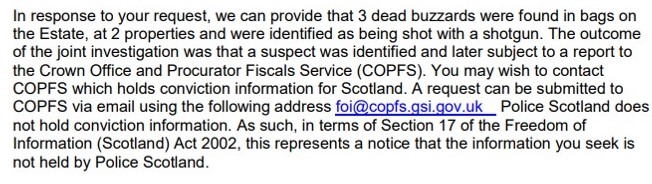
Police Scotland has finally confirmed that three dead buzzards found in bags on Millden Estate had been shot with a shotgun.

The corpses were discovered during the joint SSPCA/Police Scotland raid on Millden Estate in October 2019 in relation to wildlife crimes committed by depraved gamekeeper Rhys Owen Davies, who was recently sentenced to jail for his role in a hideous gang of animal abusers (see here).

However, the discovery of the dead buzzards was not made public and I spent two and a half years trying to get an update from Police Scotland about the status of the investigation. At the end of the 2.5 years, I was told that I’d have to speak to the Crown Office, which I did in July 2022, and the Crown Office confirmed there were no prosecutions on the table for these crimes, and it also carefully avoided providing any specific details about the dead raptors (see here).

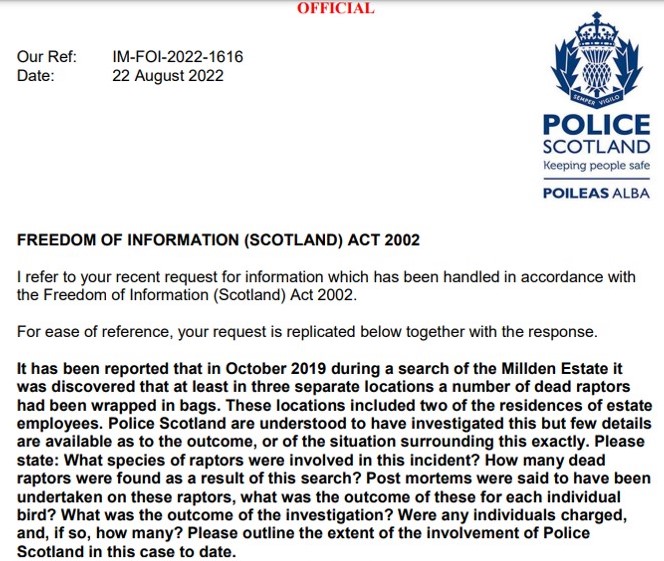
Thanks to a blog reader, an FoI request was submitted to Police Scotland in July 2022 to ask for details of the shot buzzards. Here is Police Scotland’s response:

The fact there won’t be a prosecution for these three shot buzzards won’t be a surprise to anybody who has followed these sort of wildlife crime investigations for any length of time. The police can’t prove who shot the buzzards and dumped them in bags – I wonder whether any forensic work was undertaken?

Nevertheless, I hope that now we have police confirmation that the buzzards had been shot, paperwork will have been passed by the police to NatureScot to allow NatureScot to consider imposing a General Licence restriction on this Angus Glens estate – long overdue in my opinion, especially when you know what else has been uncovered on Millden Estate over many, many years.

BBC programme ‘Caught Red Handed’ features conviction of buzzard-killing gamekeeper John Orrey

A BBC programme called ‘Caught Red Handed‘ has featured the conviction of buzzard-killing gamekeeper John Orrey and the role of the RSPB Investigations team in bringing him to justice.

Caught Red Handed‘ is a daytime TV programme, hosted by Dom Littlewood, that ‘looks at clever ways that the police and the public are catching crooks red handed‘. Currently being broadcast at 10am every weekday, this is bound to have brought the spectre of illegal raptor persecution to a much wider audience.

Orrey, you may recall, was convicted in January this year after covert footage provided by the RSPB caught him battering buzzards to death after he’d caught them in an illegally-set trap on a pheasant shoot at Hall Farm, Kneeton, Nottinghamshire (see here).

In the programme, previously-unseen footage of the police raid is shown:

There is an extensive interview with RSPB Investigator Tom Grose, who provides a behind-the-scenes explanation of the investigation. His poise and professionalism is exemplary.

This episode of Caught Red Handed is available on iPlayer for 29 days (here) and the feature lasts for about ten minutes, starting at 7.21 mins.

Millden Estate’s sporting agent signatory to ‘best practice’ scheme!

Millden Estate, the (now former) employer of depraved gamekeeper Rhys Owen Davies, sentenced to jail earlier this month for his crimes including animal cruelty and some pretty serious firearms offences (see here), is managed for gamebird shooting by a sporting agency called BH Sporting Ltd, which is owned solely by Nicholas Baikie.

Shooting estates under the management of Mr Baikie are the subject of many discussions amongst raptor workers and his name often comes up: “Oh, it’s a Baikie estate” is heard with almost as much frequency as, “Oh, it’s an Osborne estate”. I might come back to this in a future blog.

Anyway, these two individuals are associated with the management of many, many shooting estates across Scotland and England since their time at the notorious Leadhills Estate in the early 2000s. Between 2003-2006 Osborne was listed as a Director of Leadhills Sporting Ltd, a company who held the sporting rights at Leadhills. Baikie is reported to have been one of his gamekeepers before apparently training as a land agent under Osborne (according to this court document) and then setting up his own consultancy on grouse moor management, including taking on Millden Estate in the Angus Glens, which has been on Baikie’s books now for many years.

For someone in such high demand in the grouse-shooting world, Baikie keeps a relatively low online profile.

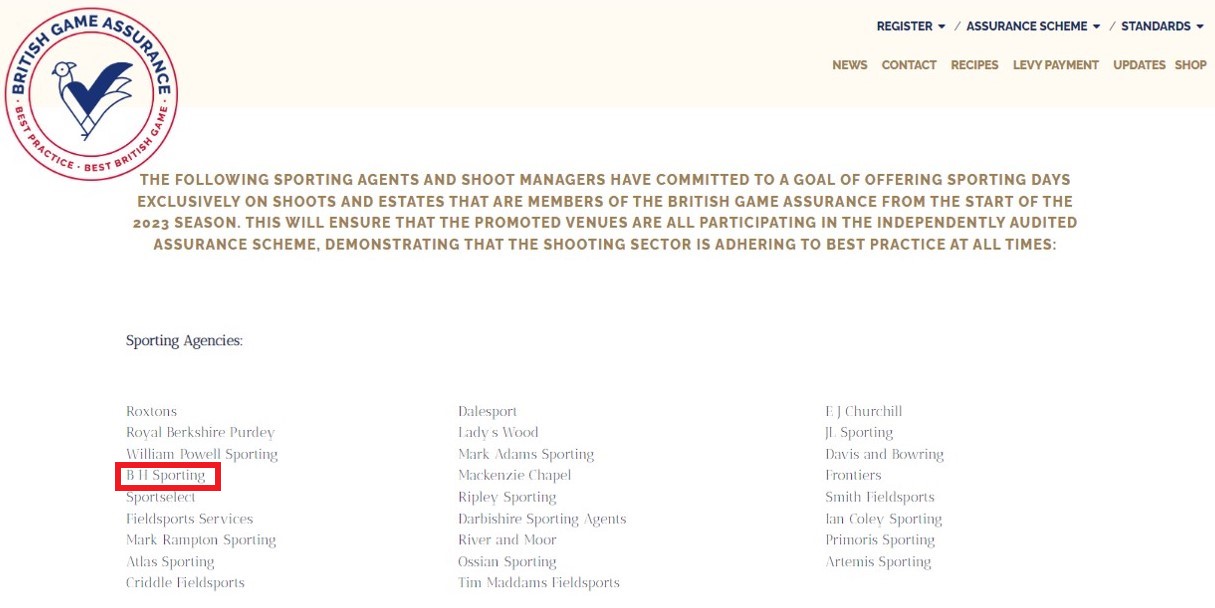
Now, according to the website of British Game Assurance (formerly the British Game Alliance but rebranded in the last year), BH Sporting is one of a number of sporting agents that have:

COMMITTED TO A GOAL OF OFFERING SPORTING DAYS EXCLUSIVELY ON SHOOTS AND ESTATES THAT ARE MEMBERS OF THE BRITISH GAME ASSURANCE FROM THE START OF THE 2023 SEASON. THIS WILL ENSURE THAT THE PROMOTED VENUES ARE ALL PARTICIPATING IN THE INDEPENDENTLY AUDITED ASSURANCE SCHEME, DEMONSTRATING THAT THE SHOOTING SECTOR IS ADHERING TO BEST PRACTICE AT ALL TIMES‘.

Shurely shome mishtake?

How can BH Sporting (or its sole director, Nick Baikie), be certain that any estate on which it offers shooting ‘is adhering to best practice at all times’?

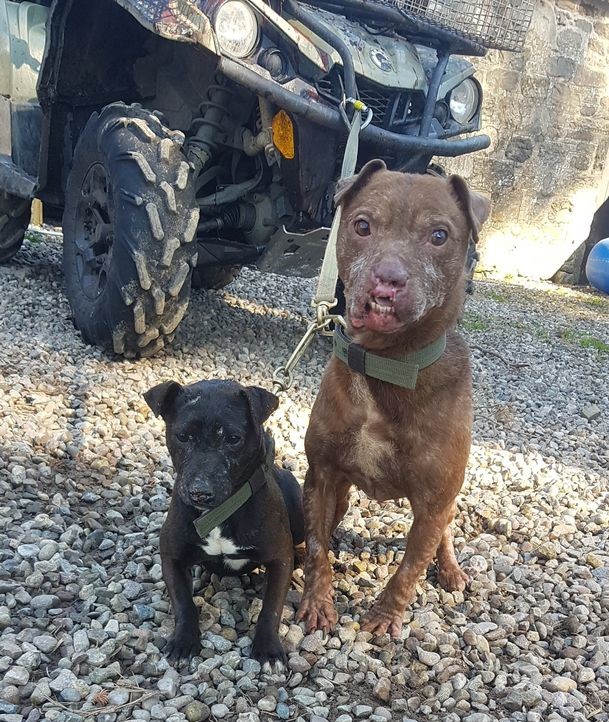
This is the sporting agency that failed to notice the ‘obvious injuries‘ (quote from the Crown Office) to five of gamekeeper Davies’ dogs. Here’s a photo of two of those mutilated dogs, tied to what looks like an estate vehicle. Pretty hard to miss, I’d say:

This is also the sporting agency that failed to notice the very serious and reckless firearms offences committed by Davies at his tied cottage on Millden Estate.

This is also the sporting agency that failed to notice the three bags of dead raptors reportedly found on Millden Estate during a joint SSPCA/Police Scotland raid in October 2019 and apparently containing at least three shot buzzards.

This is also the sporting agency that failed to notice the ‘horrendous catalogue‘ of wildlife crimes uncovered over many years on Millden Estate (for which Millden Estate has repeatedly denied responsibility and for which nobody has ever been prosecuted).

Funny, all these things this sporting agency failed to notice and yet Nick Baikie was reportedly invited to show around Professor Werritty and co during the Govt-commissioned Werritty Review into grouse moor management, where Millden Estate was held as an example of ‘best practice’. Whose idea was that??!

And now we’re supposed to accept that as from the 2023 shooting season, BH Sporting will only offer shooting on estates that have demonstrated ‘best practice’? What due diligence has the British Game Alliance done on this?

Is Millden Estate registered as a British Game Assurance member? We don’t know, because the names of all the BGA-endorsed shoots were removed from the BGA website several years ago, resulting in criticism of the BGA for its lack of transparency and accuracy (here), two fairly important commodities when you’re asking the public to trust your brand, I’d have thought. But maybe that’s just me.

I’m sure it won’t be the last criticism of the BGA. In fact I know it won’t be the last, because there’s another sporting agent listed on the BGA website whose presence undermines the entire credibility of the BGA and what it claims to represent. More soon.

Millden Estate – plausible deniability or wilful blindness to gamekeeper Rhys Owen Davies’ crimes?

Further to the conviction and jailing of Millden Estate gamekeeper Rhys Owen Davies earlier this month for his crimes involving animal cruelty and firearms offences (see here), there’s been quite a lot of commentary about the role of the estate.

In the media coverage I’ve read on this case, an unidentified spokesman for Millden Estate has commented as follows:

The estate does not condone or tolerate any illegal activity relating to the welfare of animals or wildlife.

We were shocked to learn of all the allegations when they came to light.

The employee involved was suspended by the estate with immediate effect and resigned a few days later when the police investigation was still at an early stage. At no stage was the estate itself the focus of the investigation. These offences did not take place on the estate but happened at locations some distance away and unconnected to the estate“.

I want to examine the plausibility of the estate’s denial.

First of all, of course the estate is going to state that it ‘doesn’t condone or tolerate any illegal activity relating to the welfare of animals or wildlife‘. It’s hardly going to say, ‘Oh yes, officer, we encourage all our employees to break the law and inflict sadistic cruelty on wildlife‘, is it?! And I would imagine, given the potential for a vicarious liability prosecution for raptor persecution these days, an estate of this size and prominence will have all its paperwork in order (e.g. statements in its employees’ contracts, evidence of on-going training etc) that it could produce to defend itself if an employee was caught committing wildlife crime.

This sort of paper trail is now commonplace on Scotland’s large shooting estates and has been encouraged by various shooting organisations who have provided advice (e.g. BASC here, Scottish Land & Estates here) and in some cases training (e.g. GWCT here). Ironically the document produced by SLE on vicarious liability acknowledges the help of someone believed to be linked to the sporting management of Millden Estate!

Whilst arse-covering paper audits might convince the authorities, what actual effect does it have on the activities of an estate’s employees?

Very little, judging by the criminality undertaken by gamekeeper Rhys Owen Davies, working on a estate that has a ‘horrendous catalogue‘ of wildlife crimes according to Alan Stewart, a former Police Wildlife Crime Officer who’s patch included the Angus Glens.

But the spokesperson from Millden Estate said: “We were shocked to learn of all the allegations when they came to light”.

How plausible is that? How plausible is it that Rhys Owen Davies’ injured and scarred dogs, kennelled next to his cottage on the estate, weren’t seen by any of the estate’s other employees, including the multiple gamekeepers he worked alongside, for the 18 month period when he was using the dogs to inflict sadistic cruelty on foxes and badgers?

In my opinion, that’s pretty implausible. Have a look at this photograph of two of Davies’ mutilated dogs. It was published in the Daily Record and appears to show the dogs tethered to a vehicle that it would be reasonable to assume is a work vehicle:

In court, Davies’ defence barrister told the Sheriff that the dogs’ injuries were as a result of lawful ratting and foxing, which are part of a gamekeeper’s regular duties. It seems implausible to me that his work colleagues didn’t notice these injuries or that the extent of the injuries didn’t raise any suspicion as to their cause. They’d also know, I’d argue, that Davies wasn’t seeking professional veterinary advice on the treatment of those injuries.

Gamekeeping duties often involve the use of the keepers’ own dogs and the multiple gamekeepers employed on Millden Estate would have had ample opportunity to see Davies’ dogs at work and to ask him about what the Crown Office described as ‘obvious injuries’. Any concerns could have been raised with the Head Gamekeeper and /or the sporting agent / estate Factor.

The estate’s statement also included the line:

At no stage was the estate itself the focus of the investigation. These offences did not take place on the estate but happened at locations some distance away and unconnected to the estate“.

The estate WAS the focus of the investigation as the search warrant included a provision to search various sites on Millden Estate looking for evidence of badger sett disturbance. And Davies’ tied cottage and associated outbuildings on the estate were also searched, under warrant, where a number of serious firearms offences were uncovered, specifically, an unsecured Benelli shotgun was found propped up against a wall near the front door; two unsecured rifles were also found: a Tikka .243 rifle on the sofa and a CZ rifle in the hall cupboard next to the open gun cabinet;  and an assortment of unsecured ammunition was found including 23 bullets in a pot on the floor, five in a carrier bag behind the front door and one on top of a bed, according to a statement by the Crown Office.

As Davies was employed as an under-keeper, I’d argue that Millden Estate should bear significant responsibility for these serious breaches on the estate of shotgun & firearms legislation. Where was the supervision from Davies’ immediate supervisor, the Head Keeper? Davies’ estate cottage was unlocked and unattended when the SSPCA and Police Scotland arrived to execute the search warrant. Imagine who else could have walked in, found those firearms, shotgun and ammunition. If, as we’re led to believe by the shooting industry’s propaganda machine, that most if not all illegal behaviour on sporting estates is perpetrated by ‘unknown criminals’ totally unconnected to the estate, you’d think that the security of firearms, shotguns and ammunition would be of uppermost importance, wouldn’t you?

You can draw your own conclusions, of course, but it’s my opinion that Millden Estate’s efforts to distance itself from having any knowledge of Davies’ crimes are predictable but implausible. Especially after I’ve recently learned that there was another investigation into alleged badger baiting on this estate about 13 years ago; an investigation that didn’t go anywhere because apparently the procurator fiscal at that time refused to advance the case.

As for the bags of dead raptors found during the search in October 2019 at three different locations on the estate, and reportedly containing at least three shot buzzards, we now know that the Crown Office is not pursuing a prosecution (although the detailed rationale for this decision has not been divulged, see here) which means that Millden Estate will avoid a prosecution for alleged vicarious liability. I wait with interest to see whether NatureScot imposes a General Licence restriction in relation to the discovery of these dead raptors.