A year ago, nine UK game-shooting organisations made a massive u-turn after years and years and years of defending the use of toxic lead ammunition, and said they wanted to drag the industry into the 21st Century by making a five-year voluntary transition away from lead ammunition (see here).
A lot of us were sceptical because (a) we rarely trust anything the industry tells us; (b) previous ‘voluntary bans’ by the industry on a number of issues have been unsuccessful (e.g. see here, here and here); (c) the ongoing failure of the shooting industry to comply with current regulations on many issues, including the use of lead ammunition over wetlands (here), means there should be absolutely zero confidence in its ability and/or willingness to stick to any notional voluntary ban; (d) the Scottish Gamekeepers Association refused to sign up to the proposed five-year transition period because they believe there is insufficient evidence to support the claim that lead can have damaging impacts on humans, wildlife and the environment (here); and (e) in the very same year that nine shooting organisations committed to the five-year transition, BASC announced it was set to fight a proposed EU ban on the use of lead ammunition on wetlands (see here).
Fortunately for us, a new project has been established to monitor the professed voluntary five-year transition from toxic lead to non-lead ammunition in the UK. Called SHOT-SWITCH, the project intends to test wild-shot pheasants offered for sale across Britain each year and determine if they have been killed using toxic lead or non-lead shotgun ammunition. Interestingly, the project is supported by funds from the RSPB, Waitrose (who you’ll recall are the only supermarket to be heading towards a ban on selling game meat shot with lead ammunition (see here) and Lincolnshire Game.
To find out more about the SHOT-SWITCH project please visit the webpage here

The project is being led by three prominent scientists who have been studying the effects of toxic lead ammunition for years – Professor Rhys Green, Professor Debbie Pain and Dr Mark Taggart – and today they have published the results of the first year’s study.
It doesn’t look good for the shooting industry. Of 180 pheasant carcasses examined, 179 were shot with lead ammunition.
These results have been reported in the press (BBC news here) and Mark Avery’s take is also well worth a read (here).
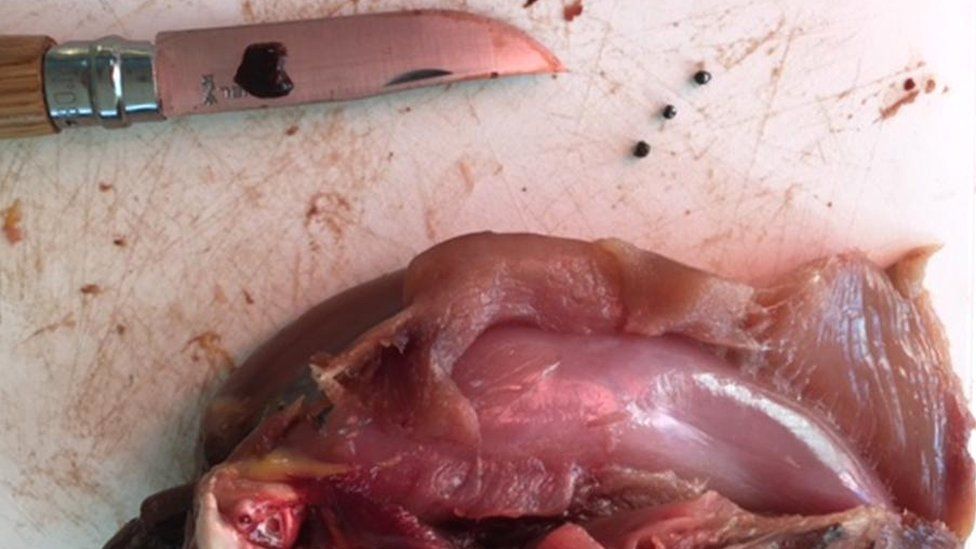
[Lead shot pellets removed from a pheasant carcass. Photo by Rhys Green]
The study results have been published by Conservation Evidence and the paper is open access, meaning nobody has to pay to read it.
I thoroughly recommend reading it – especially the introductory background section which provides a well-written overview of the recent science and politics associated with this issue. The paper can be downloaded here:
Project SHOT-SWITCH is completely separate to Wild Justice’s project examining Sainsbury’s gamebird meat for toxic lead ammunition (see here) although obviously there are many parallels.