Lincolnshire gamekeeper John Bryant sentenced for crimes relating to raptor persecution – police statement

Earlier this month, following a trial at Lincolnshire Magistrates Court, gamekeeper John Bryant, 40, of West Ashby, Horncastle was found guilty of multiple offences following a police investigation into the illegal killing of a red kite and two buzzards over a five year period (see here).

Sentencing was deferred until this morning.

Lincolnshire Police have just issued the following statement:

MAN SENTENCED FOR POSSESSING DANGEROUS CHEMICALS AND BIRD TRAPS

A farmer and game keeper who used illegal traps and stored dangerous chemicals has been sentenced.

Police officers found the items after an investigation into the deaths of three birds of prey led them to the property of John Bryant from West Ashby in Horncastle.

The 40-year-old pleaded guilty to two charges and was found guilty of two more under the Wildlife and Countryside Act and Healthy and Safety Regulations when he appeared at Lincoln Magistrates’ Court earlier this month.

Investigators found the dead birds – a red kite and two buzzards – just north of West Ashby; forensic analysis determined they had been poisoned.

The findings led officers to execute a warrant and search Bryant’s land on 4 October 2022 where items were found which suggested he was targeting birds of prey using poison and traps.

Lincolnshire’s Rural Crime Action Team was joined by the Royal Society for the Protection of Birds, the National Wildlife Crime Unit, and Inspectors from Natural England to carry out the warrant.

A chemical identified as Alphachloralose – typically used to kill rodents and which is also one of the most common substances known to poison birds of prey – was discovered in a vehicle being used by Bryant with a second tub containing the same product later being found in his garage.

The chemical was highly concentrated with levels found to be over 80% meaning it is a banned and highly dangerous substance.

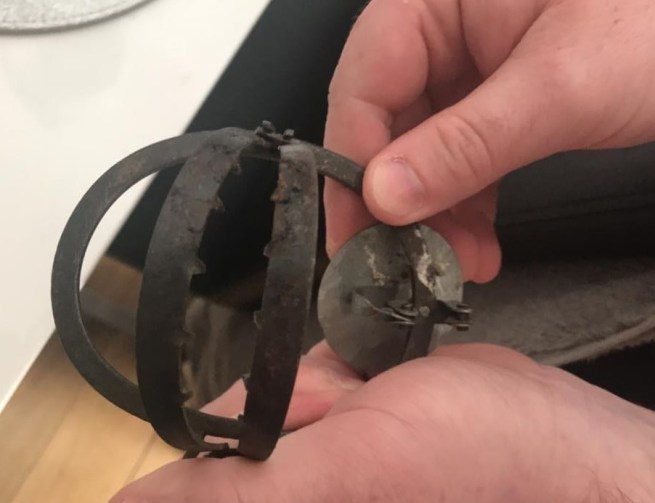
Illegal traps were also found in the search. 

Two pole traps, which are specifically used to kill birds of prey, were recovered at the property at two pheasant release pens and found to contain tawny owl and pigeon DNA.
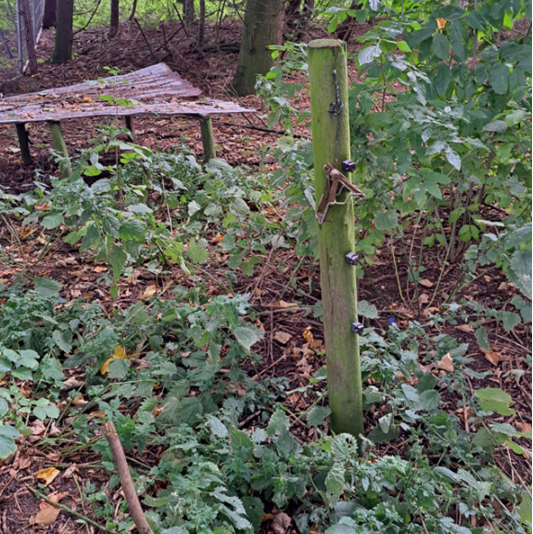
One of the illegal pole traps found at Bryant’s pheasant pen. These barbaric traps have been banned in the UK since 1904! Photo via Lincolnshire Police

Bryant pleaded guilty to two charges of storing Alpha Chloralose at his home and was found guilty of two charges of possessing a spring trap tethered to a pole. These relate to contravening Health and Safety Regulations and the Wildlife Countryside Act.

He was found not guilty of a further two counts of possessing Alpha Chloralose; two counts of using a spring trap tethered to a pole; and two counts of possessing gin traps.

Bryant was sentenced today and must pay fines of £2112, he must pay costs of £4492 and a victim surcharge of £845.

Due to his conviction, Bryant can no longer use a General Licence to carry out vermin control.

The sentence concludes a lengthy investigation that took years to bring to court and saw Lincolnshire Police work with a variety of partners to bring Bryant to justice.

It showcases the hard work, determination and tenacity of our Rural Crime Action Team and our commitment to protecting the county’s animals, not just its people.

DC Aaron Flint, Force Wildlife Crime Officer, Rural Crime Action Team, said:

“Unfortunately, this case is just one of many birds of prey poisonings reported in Lincolnshire in recent years. However, the outcome demonstrates that we and other agencies will take raptor persecution very seriously.

“We thoroughly investigate any reports that relate to criminal activity around birds of prey. Our message to anyone who unlawfully harms or kills our iconic wildlife is this; If you commit crimes against wildlife in Lincolnshire, we will identify you and you will be put before the courts where the evidence allows.

“This investigation was made possible through close collaboration with multiple agencies, and I want to express my gratitude to the National Wildlife Crime Unit, the Royal Society for the Protection of Birds, Natural England, and the Wildlife DNA Forensic unit at SASA for their invaluable support.

“The Forensic Analysis Fund also played a vital role in advancing this investigation and the Wildlife Specialist at the Crown Prosecution Service.”

Chief Inspector Kevin Lacks-Kelly, Head of the UK National Wildlife Crime Unit said:

“Thanks to the work of police and partners we have seen justice delivered. This conviction sends a strong message that bird of prey crime will not be tolerated, and you will feel the full force of the national policing capability.

“These offences are not only cruel, they undermine the conservation of our vulnerable wildlife. These birds should be free for us all to enjoy, not consigned to police evidence bags.”

Notes

Charges could not be brought under Section 1 of the Wildlife and Countryside Act 1981 in respect of the original three birds of prey as these are time-limited offences.

The Forensic Analysis Fund (FAF) offers financial support to police and customs officers seeking to carry out forensic analysis during a wildlife crime investigation -using funds donated from government departments and non-government organisations. For amounts up to £300 the scheme will cover full forensic costs. For amounts in excess of £300, the scheme will cover the initial £300 plus 50% of the remainder. The fund has been established to encourage the use of forensic techniques to help solve wildlife crimes and comes under the banner of the Partnership for Action against Wildlife Crime (PAW). Many wildlife cases which make use of forensic analysis would otherwise have failed to reach prosecution stage or be eliminated at an early stage. Founded in 2008, the scheme has already provided money to help support over 60 cases.

ENDS

UPDATE 18.20hrs: RSPB statement on conviction of Lincolnshire gamekeeper John Bryant (here)
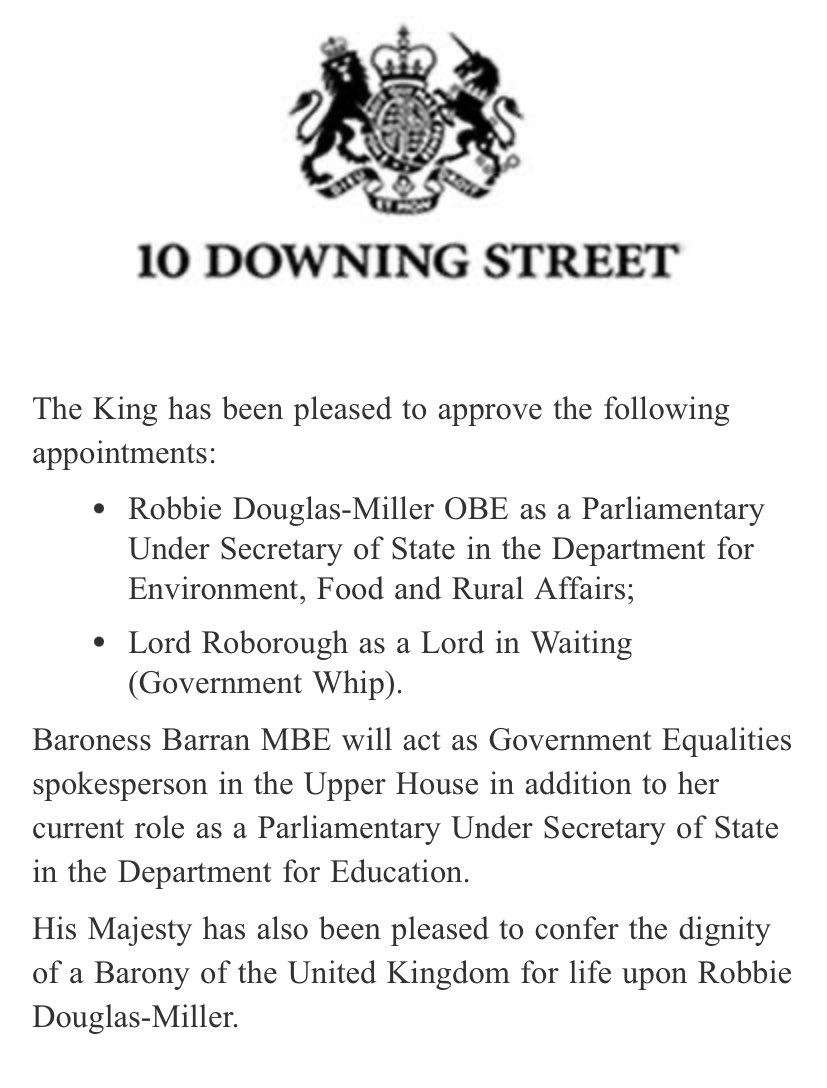
A Scottish grouse moor-owning baron, an illegally pole-trapped peregrine and a Ministerial post in DEFRA

Yesterday it was announced that Robbie Douglas-Miller OBE has been appointed as a Parliamentary Under Secretary of State in the Department for Environment, Food and Rural Affairs (DEFRA).

Eh? So an unelected billionaire who likes to wear a crown has conferred a Barony on some other bloke which then allows that other unelected bloke to be given a Ministerial role in DEFRA, which has been approved by the unelected billionaire who likes to wear a crown, and we’re all supposed to accept this is a functional democracy? Good grief.

That new unelected DEFRA Environment Minister, Baron Douglas-Miller, is believed to be the same Robbie Douglas-Miller who just happens to be the sole director of Moorfoot Capital Management Ltd which owns a grouse moor (Hopes Estate) in the Lammermuirs in south Scotland. Along with Lord Benyon, that’ll now be two grouse moor-owning Environment Ministers in DEFRA.

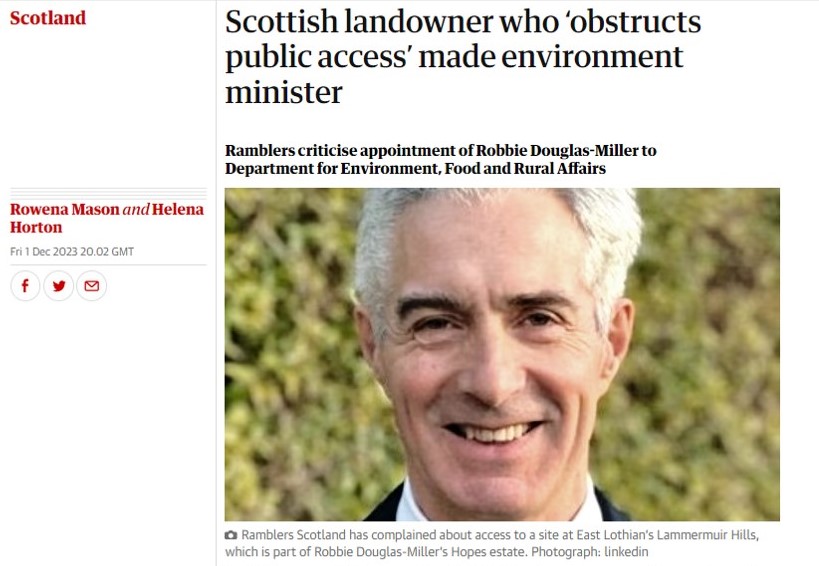
Douglas-Miller has, according to this article in the Guardian, been accused of ‘obstructing public access‘ by ‘apparently making it difficult for walkers to access a site East Lothian’s Lammermuir Hills, which is part of his Hopes Estate‘.

It’s not the first time access issues have been raised at Hopes Estate. In 2017, fieldworkers from the Scottish Raptor Study Group published two scientific papers about their long-term monitoring of merlins on grouse moors in the Lammermuirs and how that came to an abrupt end in 2015 after they were suddenly refused vehicular access, having previously enjoyed a good cooperative relationship with landowners and gamekeepers for many years. They believed that the relationship breakdown was a result of them highlighting some of the intensification of management practices on those grouse moors. Their study area covered several estates including the Hopes Estate (see here and here).

It’s worth noting that none of these grouse moor management practices were unlawful (at the time), and indeed the fieldworkers did not find any evidence of illegal raptor persecution, but their criticism of the increased use of bridge (rail) traps that were catching / killing non-target species such as dippers, merlin and ring ouzels, and the killing of mountain hares that were then dumped in stink pits was an issue of concern to them.

The Hopes Estate had achieved accreditation in 2013/14 under the Wildlife Estates Scotland (WES) scheme, which is administered by landowners’ lobby group Scottish Land & Estates and was chaired for several years by Robbie Douglas-Miller.

Estates that are awarded accreditation under the WES scheme have to meet certain criteria, including:

  • Commitment to best practice
  • Adoption of game and wildlife management plans that underpin best practice
  • Maintaining species and habitats records
  • Conservation and collaborative work
  • Integration with other land management activities (such as farming, forestry and tourism)
  • Social, economic and cultural aspects (such as employment, community engagement and communications)

The WES scheme was first piloted in 2011 and was believed to be in response to MSP Peter Peacock’s call in 2010 for an estate licensing scheme to combat ongoing raptor persecution (see here). The scheme was then rolled out fully in 2013 but not without some healthy scepticism of it being a greenwashing exercise (see here).

Since then, in general, I think it’s probably been a good thing for estates to aspire to, although a number of estates in the WES scheme have had wildlife crime incidents recorded on their land, e.g. Invercauld Estate (see here and pay attention to the letter written by the estate to the then Environment Minister where the estate quoted its membership of the WES scheme as an example of its apparently good stewardship. Of course, this estate is now currently serving a three-year General Licence restriction after further evidence of wildlife crime was uncovered there, including what Police Scotland described as the ‘deliberate’ poisoning of a golden eagle – here).

In addition, the WES-accredited Newlands Estate in Dumfriesshire saw one of its gamekeepers convicted for killing a buzzard after he threw rocks at it before repeatedly stamping on it (see here and here). To be fair, when challenged about the estate’s WES accreditation in light of the gamekeeper’s conviction, WES stated that the estate’s accreditation had been ‘suspended’ (note, not revoked, see here) although for how long, who knows?

And just this week, another WES-accredited estate is at the centre of a police investigation after a dead peregrine was found in a baited illegal pole trap in the Pentlands (see here). The Police Scotland appeal for information stated that the dead peregrine ‘was found around 100 yards from a public path on the edge of a small woodland south of Wester Bavelaw on Thursday, 23 November, 2023′.

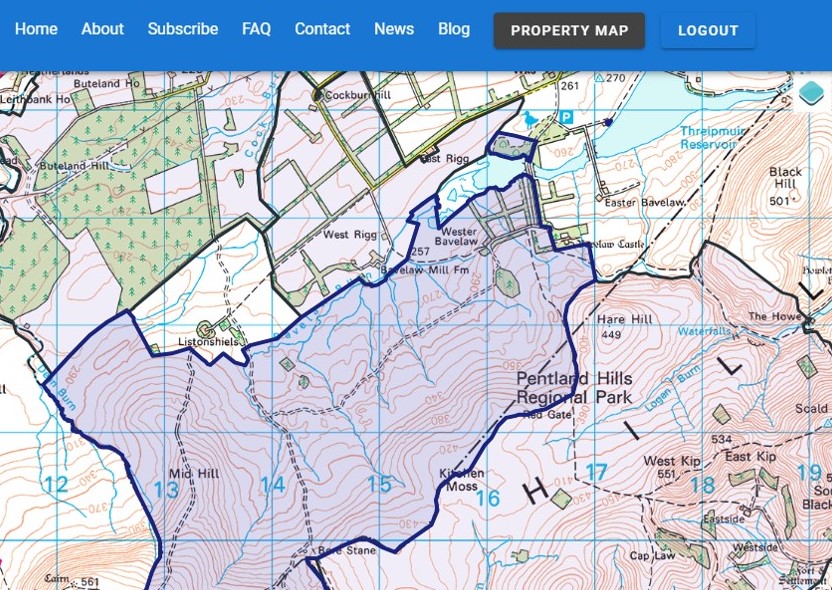
According to Andy Wightman’s Who Owns Scotland website this ‘small woodland south of Wester Bavelaw’ appears to be on the Bavelaw Estate:

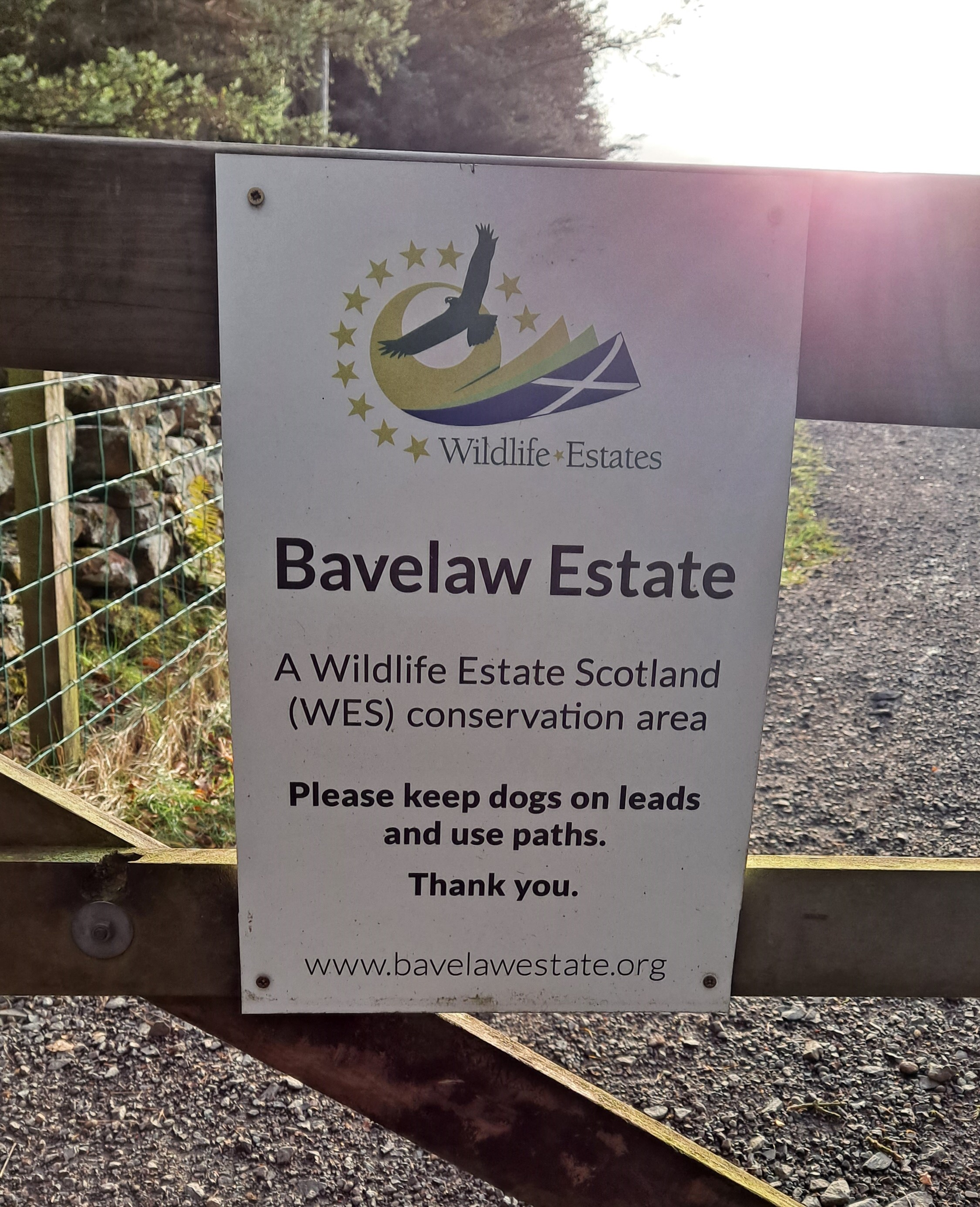
The Bavelaw Estate, according to its own website, is a WES-accredited estate and says this about it:

‘Over the last five years, The estate have enhanced habitat across the board, including planting over 50 ha of mixed native woodland, peatland restoration, the creation of wetland areas, including wader scrapes and ponds, restoration of riparian habitats and heather and bracken swiping as well as connecting wildlife corridors. Additionally, restoring 7,861 sq Km of public access paths.

The assessor was extremely impressed with the integrated management direction the Estate is taking and specifically referenced the undeniable passion and enthusiasm for nature that both the landowner and his employees have‘.

Photo by RPUK blog reader

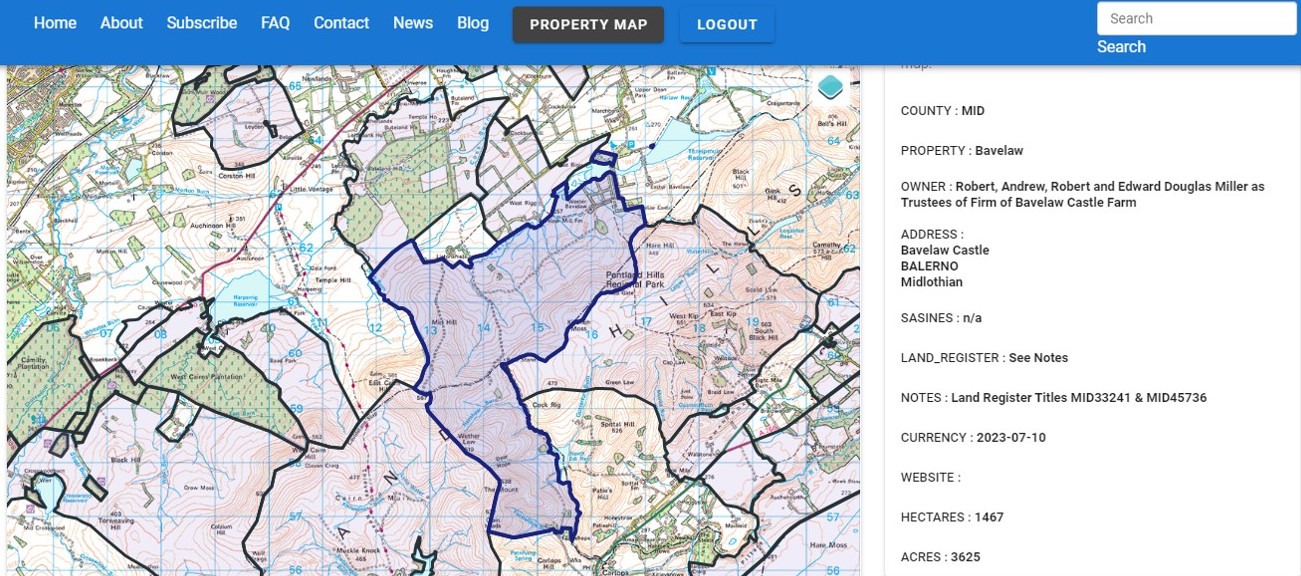
Interestingly, and again according to Andy Wightman’s Who Owns Scotland website (data collected 10 July 2023), Bavelaw Estate is owned by Robert, Andrew, Robert and Edward Douglas-Miller as Trustees of Firm of Bavelaw Castle Farm:

Now, to be absolutely clear and for the avoidance of doubt, there is no suggestion whatsoever that Robbie Douglas-Miller, or his relatives, or indeed anyone associated with Bavelaw Estate is responsible for, or had any knowledge of, the setting and baiting of that illegal pole trap that killed the peregrine. The police investigation is ongoing and we’ll just have to wait and see whether the police appeal for information brings forward any witnesses and whether the forensic analysis identifies a suspect.

I genuinely expect Robbie Douglas-Miller will have been as horrified as the rest of us and will be eager to know who set that illegal trap, and who might also be responsible for other incidents of raptor persecution / wildlife crime in the area, e.g. the illegally poisoned peregrine found about half a mile away in 2018 (here), the suspicious disappearance of golden eagle Fred a few kilometres away in 2018 (here) the merlin nest that was shot out in 2017 (here) and the raven shot on its nest in 2016 (here).

Nevertheless, it appears that a heinous wildlife crime has been detected on another WES-accredited estate, and that the apparent new DEFRA Environment Minister is a co-Trustee of the company that owns the estate.

As an aside, I was interested to see the game-shooting lobby was very quick to deny that the pole-trapped peregrine had anything to do with grouse shooting – indeed, MSP Rachael Hamilton even stated as much in the Chamber during Thursday’s parliamentary debate on the Wildlife Management Bill (“…there is clearly no link to a grouse moor management…“, here). How does she know?!

There is driven grouse shooting on neighbouring land to Bavelaw and Bavelaw was once a prominent grouse shooting estate itself (the lines of grouse butts are marked on the OS map) but it is believed that Bavelaw is currently managed as a sheep farm, although there is evidence that muirburn takes place but it doesn’t look like the intensive muirburn typically associated with a driven grouse moor:

Bavelaw Estate. Photo by RPUK blog reader

What’s really interesting then, is why the Bavelaw Estate was a signatory on a recent letter sent to Environment Minister Gillian Martin where nearly 400 rural businesses expressed their concern that a grouse moor licensing scheme would be detrimental to their interests (see here). You can’t have it both ways – either there’s a link to grouse shooting or there isn’t.

I really don’t know what to make of Robbie Douglas-Miller’s appointment as an Environment Minister in DEFRA. What can a prominent grouse moor owner, member of Scottish Land & Estates and a former GWCT Director bring to the policy table? Perhaps he’ll use his experience of chairing the WES scheme in Scotland to try and impart some sense to the appalling and unregulated mismanagement of England’s grouse moors? Although given SLE’s open-mouthed hysteria about the proposed grouse moor licensing scheme in Scotland, that doesn’t seem likely.

UPDATE 7th December 2023: More information emerges on new, unelected DEFRA minister (here)

Peregrine found dead in illegal pole trap in Pentland Hills – Police Scotland appeals for information

Press release from Police Scotland:

Appeal after peregrine falcon found dead in a trap near Balerno, Edinburgh

Wildlife officers are appealing after a protected bird of prey was found dead in a trap near Balerno, Edinburgh.

The dead peregrine falcon was found around 100 yards from a public path on the edge of a small woodland south of Wester Bavelaw on Thursday, 23 November, 2023.

Wildlife Crime Officer, Detective Constable Daniel Crilley, said: “This protected bird was found in a baited pole trap that is illegal.

“Peregrine falcons are protected under the Wildlife and Countryside Act and forensic tests are being done as part of our ongoing enquiries to establish the full circumstances.

“We are asking anyone who saw anything suspicious in the area or who has information that could help pour investigation to get in touch.

“If you can help please contact us via 101, quoting incident number 1376 of Friday, 24 November, or make a call anonymously to Crimestoppers on 0800 555 111.”

ENDS

Well done Police Scotland for a speedy press release.

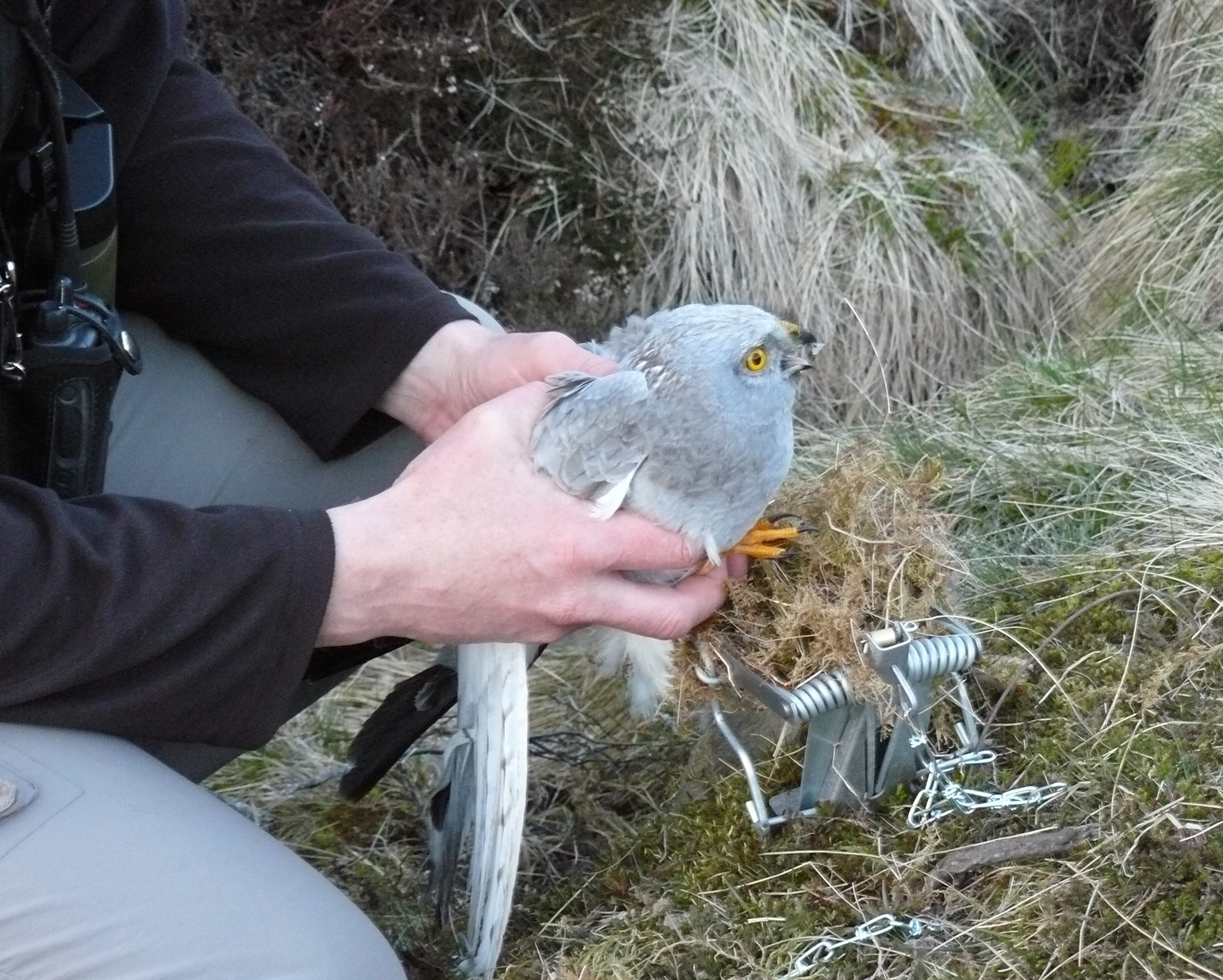
Pole traps, like this one photographed a few years ago on a grouse moor in the Yorkshire Dales National Park, have been illegal since 1904, and for very good reason.

Photo by RSPB Investigations

It’s a barbaric way to kill any animal and causes horrendous suffering and distress, often over a period of many hours. A spring trap is placed on a post where a bird of prey is likely to perch. When the bird lands on the ‘plate’, the trap springs shut on the bird’s legs. When the bird tries to fly off, it ends up dangling upside down because the trap is attached to the post to prevent it from being carried away. The bird remains dangling, often with severe injuries, until its ultimate demise.

Whoever set this trap, whether they were targeting a peregrine or something else, should be in jail. Anybody who is prepared to inflict this level of suffering to a living creature, let alone to a protected species, should not be at large in a civilised society.

The location of this awful crime is also of interest – just a couple of kilometres from where satellite-tagged golden eagle Fred ‘disappeared’ in 2018 (see here) before his tag (and maybe Fred) ended up in the North Sea. It’s also very close to the location of a poisoned peregrine found in the Pentlands in 2018 (here). It’s becoming quite the persecution hotspot.

It’s also yet another timely example for MSPs voting on the general principles of the Wildlife Management & Muirburn (Scotland) Bill in Parliament on Thursday. If this case, along with the recent suspicious disappearance of golden eagle Merrick, doesn’t help persuade MSPs that they’re being given the two-fingered salute, I don’t know what will.

UPDATE 2 December 2023: A Scottish grouse moor-owning Baron, an illegally pole-trapped peregrine and a Ministerial post in DEFRA (here)

Investigative journalists discover more evidence of alleged raptor persecution on Queen’s Sandringham Estate

Investigative journalists from The Guardian newspaper have uncovered more evidence of alleged raptor persecution crimes, not previously reported, at the Queen’s Sandringham Estate in Norfolk.

They’ve also uncovered documents which reveal that the police have to seek the Queen’s permission before they are allowed to enter the estate and search for evidence if alleged wildlife crimes are suspected / have been reported.

Long-term blog readers will know that this royal estate has been at the centre of a number of police investigations into alleged raptor persecution, (e.g. see here, here, here, here, here), including the most notorious incident back in 2007 where witnesses observed two hen harriers being shot over Dersingham Bog at the same time that Prince Harry, his mate William van Cutsem (whose Hilborough Estate is currently under police investigation for alleged raptor persecution), and an estate gamekeeper were out duck-shooting. No-one was charged, as with all the other reported incidents except one in 2005, where an estate gamekeeper was convicted for pole-trapping a tawny owl next to a pheasant pen (see here, page 3).

However, it now appears that at least two other raptor persecution incidents on the estate have been kept under wraps for years – a poisoned red kite found in 2006 and a dead Marsh harrier (cause of death not given) found on the estate border in 2007 – according to documents published on Friday by The Guardian – the article is well worth a read, here.

Why has it taken 16 years for these raptor persecution incidents to become public knowledge? And given the timings, wouldn’t it have been pertinent for them to have been in the public domain at the time that Prince Harry, his ‘high society’ mate van Cutsem, along with an estate gamekeeper, were all under police investigation into the alleged shooting of two hen harriers in 2007?

It’s no wonder ‘nothing was found’ during the police investigation into those alleged shootings, given that the police weren’t allowed on site until the following morning.

And surprise, surprise, none of the investigating authorities want to comment on any of these latest revelations. Too scared and too obsequious.

There is a follow-up article in today’s Guardian (here), including quotes from me about these very shady processes that amount to what I would call a massive cover-up.

Well done to journalists Sev Carrell, Rob Evans and David Pegg for having the balls to challenge this nonsense.

General Licence restriction imposed on Moy, a grouse-shooting estate, after discovery of poisoned red kite

Press release from NatureScot, 21st June 2022:

General Licence restricted on Highland estate

NatureScot has restricted the use of General Licences on Moy Estate for three years

The decision was made on the basis of evidence provided by Police Scotland of wildlife crime against birds.

This evidence included a poisoned red kite found on the estate in 2020, and incidents in relation to trapping offences.

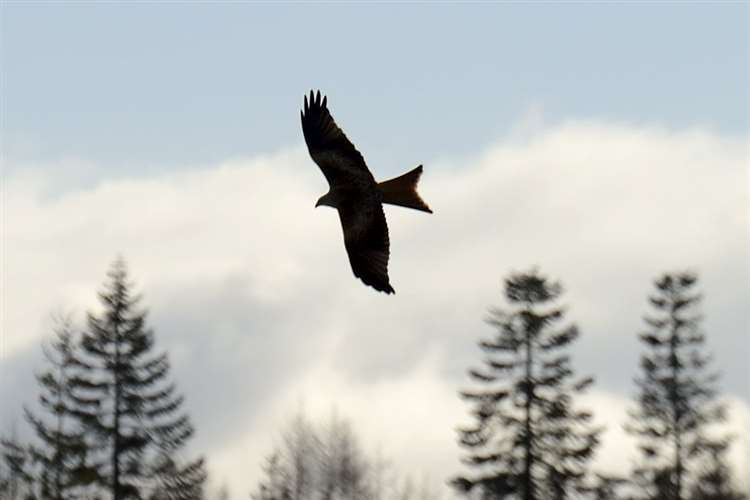
[Red kite. Photographer unknown]

Donald Fraser, NatureScot’s Head of Wildlife Management, said: “We consider the information from Police Scotland provides robust evidence that wild birds have been killed or taken or there has been intention to do so illegally on this land.

“Because of this, and the risk of more wildlife crimes taking place, we have suspended the use of general licences on this property for three years until June 2025. They may still apply for individual licences, but these will be closely monitored.

“NatureScot is committed to using all the tools we have available to tackle wildlife crime. This measure will help to protect wild birds in the area, while still allowing necessary land management activities to take place, although under tighter supervision.

“We believe this is a proportionate response to protect wild birds in the area and prevent further wildlife crime. We will continue to work closely with Police Scotland and consider information they provide on cases which may warrant restricting general licences.”

General licences allow landowners or land managers to carry out control of common species of wild birds, such as crows and magpies, to protect crops or livestock, without the need to apply for an individual licence.

In addition to this restriction, there are currently three other restrictions in place on Invercauld Estate in the Cairngorms National Park, Lochan Estate in Perthshire and Leadhills Estate in South Lanarkshire.

ENDS

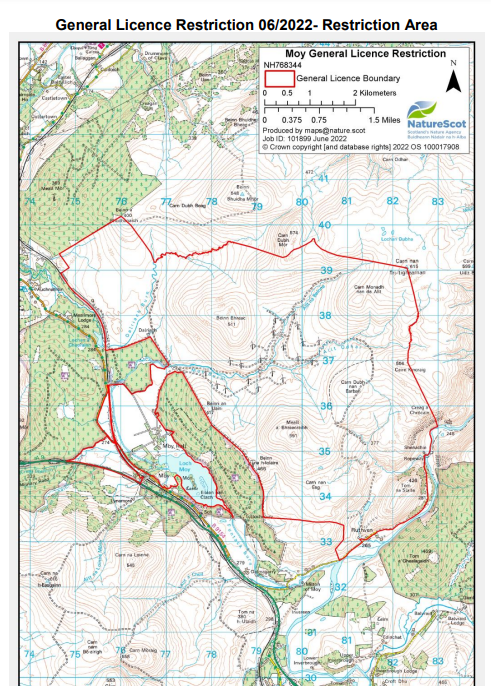
The restriction notice reads as follows:

In line with NatureScot’s published General Licence restrictions: Framework for Implementing Restrictions we hereby give notice that a restriction has been applied to the land outlined in red overleaf. This restriction prohibits the use of General Licences 01, 02 and 03 on that land between 21st June 2022 and 21st June 2025.

Please note that this restriction does not imply responsibility for the commission of crimes on any individuals.

This one has been a long time coming. Moy is one of those estates where if its name comes up in conversation amongst raptor conservationists in Scotland, eyes tend to roll and knowing looks are exchanged. It has been identified as a raptor persecution hotspot for many, many years.

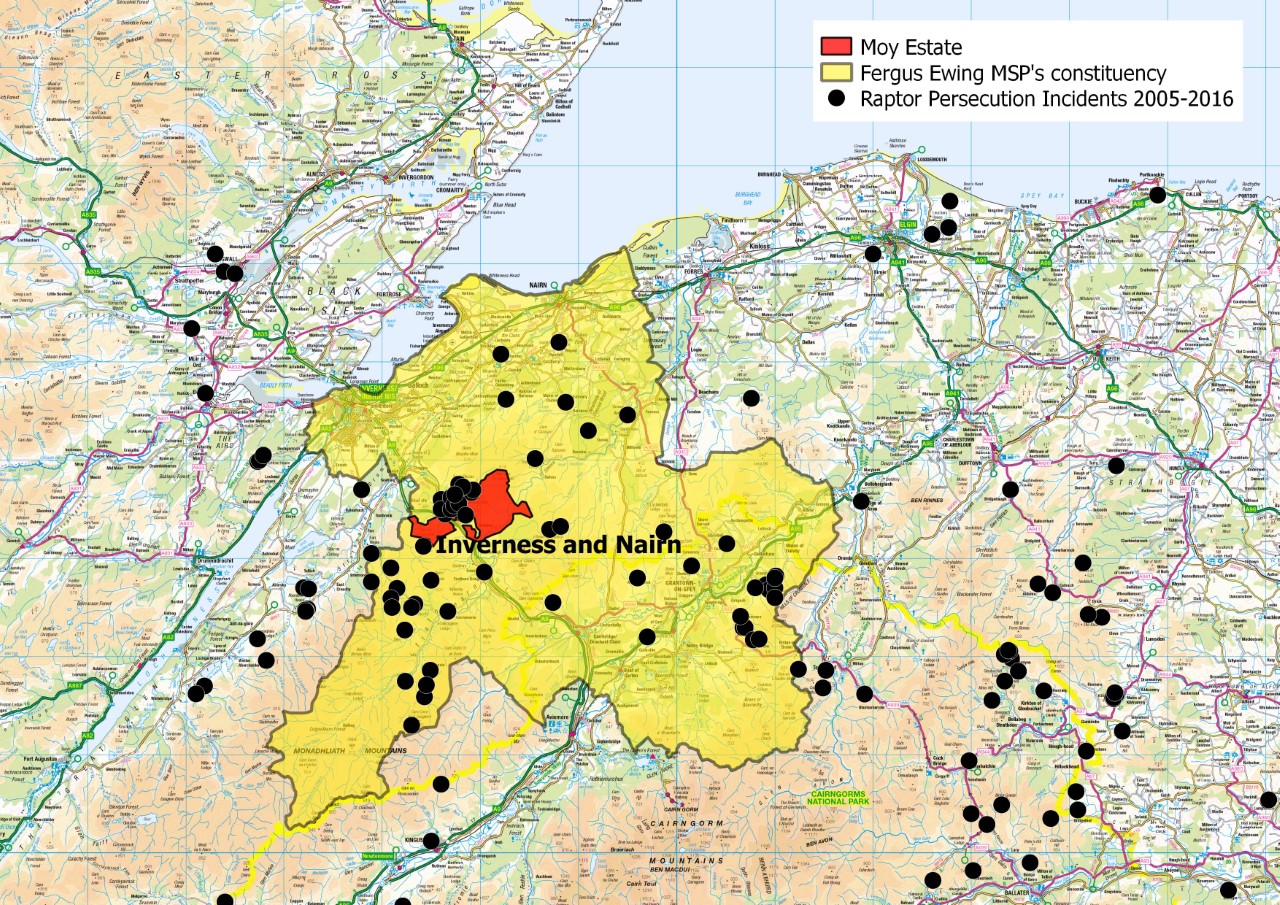
Here is a map we created way back in 2016 to highlight the extent of raptor persecution crimes in former Cabinet Secretary Fergus Ewing’s constituency (given his strong support of the Scottish Gamekeepers Association) and this shows the concentration of incidents on and close to Moy Estate:

Here is a selection of examples, but this is by no means an exhaustive list:

Moy Estate was raided by police in 2010 after the discovery of poisoned bait and dead raptors and illegally set traps. A gamekeeper was later convicted of possession of a red kite after its bloodied corpse was found in the back of his vehicle. It had two broken legs, consistent with being caught in spring traps, and a head injury. A bloodied shinty stick was also found in the back of the vehicle. Notably, the gamekeeper wasn’t convicted for killing the kite, just for having possession of it. Nobody was charged with killing this kite.

These baited traps were discovered on the moor (the illegally-set spring traps were originally disguised under moss, removed here for evidential purposes). No charges were brought.

The remains of two further red kites were discovered on the moor, including a severed red kite leg and some wing tags that had previously been fitted to a kite, all found buried in holes under some moss. No charges were brought.

A jar in one of the gamekeeper’s houses contained the leg rings of four young golden eagles – nobody could account for how they had ended up inside that jar. Perhaps he’d found them whilst ‘metal detecting at his uncle’s farm’ like gamekeeper Archie Watson, who recently gave this implausible explanation to the court for how he’d come to possess BTO leg rings from a buzzard and a red kite attached to his keyring.

This male hen harrier was found caught by its leg in an illegally-set spring trap on Moy Estate in 2010. No charges were brought. It survived after being rescued by raptor workers from the Scottish Raptor Study Group.

In May 2011 a satellite-tracked red kite ‘disappeared’ on Moy, and another one ‘disappeared’ in August 2011.

In 2016 Police Scotland issued an appeal for information following the discovery of disturbed and abandoned buzzard and goshawk nests in the Moy Forest. One goshawk and four buzzard nests were abandoned in suspicious circumstances, with some evidence of illegal disturbance. These nests were being monitored by staff from Forestry Enterprise Scotland (see here). No charges were brought.

In 2017 masked gunmen were caught on camera at a goshawk nest in Moy Forest. A few days later the nest and a clutch of four eggs was found abandoned (see here). No charges were brought.

In 2018 Police Scotland issued an appeal for information after a buzzard was found caught in an illegal pole trap in the Moy area (see here). No charges were brought.

In 2020 a poisoned red kite was found dead, containing traces of a banned pesticide, leading to a police appeal for information (here).

In 2021 an individual was charged with the alleged killing of a bird of prey in this area. This case is believed to be progressing through the courts so I can’t comment further at this stage.

Of course, a General Licence restriction doesn’t amount to much of a sanction in real terms, as I’ve discussed on this blog endless times before (e.g. see here). However, it’s currently the only tool available to the authorities until we finally see the introduction of the promised grouse moor licensing scheme by the Scottish Government. Had that scheme been in place already, we’d hopefully have seen the removal of Moy Estate’s licence to shoot for a number of years, if not permanently.

Meanwhile, what will be really interesting to see is whether the Moy Game Fair goes ahead this year, given that the shooting organisations have all claimed to have a ‘zero tolerance’ approach to raptor persecution. I don’t think the likes of Scottish Land & Estates, Fergus Ewing MSP and the Scottish Gamekeepers Association can expect anything other than high-level criticism if they attend this event on an estate that has now been sanctioned for wildlife crimes by the statutory nature conservation advisor, based on evidence provided by Police Scotland. Mind you, the conviction of a gamekeeper on Moy Estate in 2011 didn’t stop them attending (see here and here).

UPDATE 14th July 2022: Scottish Gamekeepers Association plans award ceremony at disgraced Moy Estate (here)

UPDATE 6th August 2022: Fergus Ewing MSP & his shooting industry pals disregard sanctions imposed on Moy Estate for wildlife crime (here)

UPDATE 22nd August 2022: Moy Estate loses appeal against General Licence restriction imposed for wildlife crime (here)

Swinton Estate owner (& Chair of Moorland Association) challenged by BBC about raptor persecution on his estate

This is worth a watch.

A BBC documentary series called Amazing Hotels: Life Beyond the Lobby featured the Swinton Estate in Nidderdale, North Yorkshire a couple of weeks ago.

The owner of the estate, Mark Cunliffe-Lister (also known as Lord Masham) also happens to be the Chair of the Moorland Association, the lobby group for grouse moor owners in England.

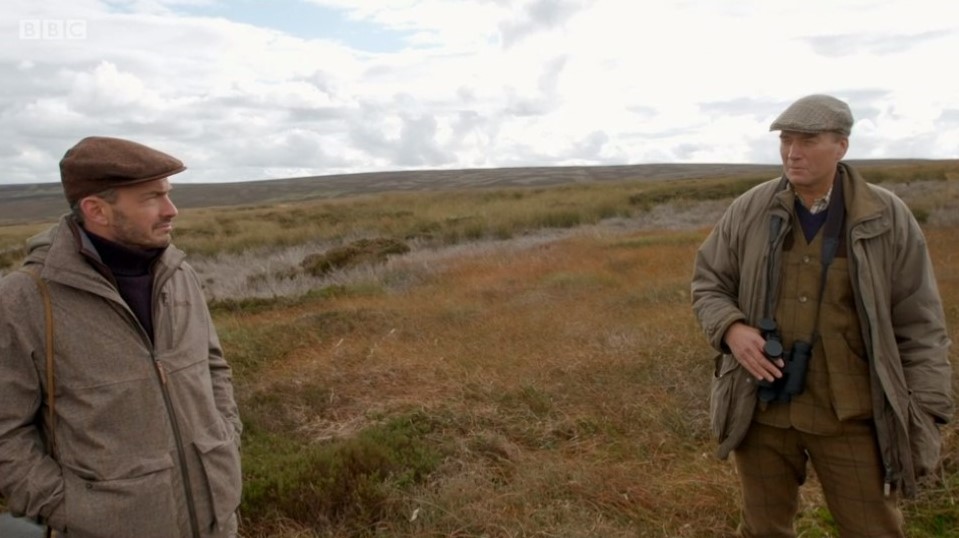
As part of the programme, presenter Giles Coren visited Swinton’s grouse moors with Cunliffe-Lister and Coren asked him straight out about confirmed raptor persecution crimes on Swinton. The change in Cunliffe-Lister’s body language was quite noticeable – he went from confident, open, welcoming hotel owner to cagey, uncomfortable grouse moor owner.

Giles Coren: “Have there been instances around here of raptors being killed?“

Mark Cunliffe-Lister: “Yes, there have been, there was one that was found on Swinton itself, it was found to have some lead in it so, er, clearly had been shot at some stage. There’s nothing that we’re culpable of but clearly there are still instances of it taking place“.

Just the one, Mark? What a forgetful silly billy (and not for the first time).

Kudos to Giles Coren and to whoever was the BBC executive producer of this edition. Good stuff.

The programme is available to watch on BBC iPlayer for a year (the grouse moor stuff starts at 39 mins 15 sec) HERE

Red kite killed in barbaric illegal trap on pheasant-shooting estate – no prosecution

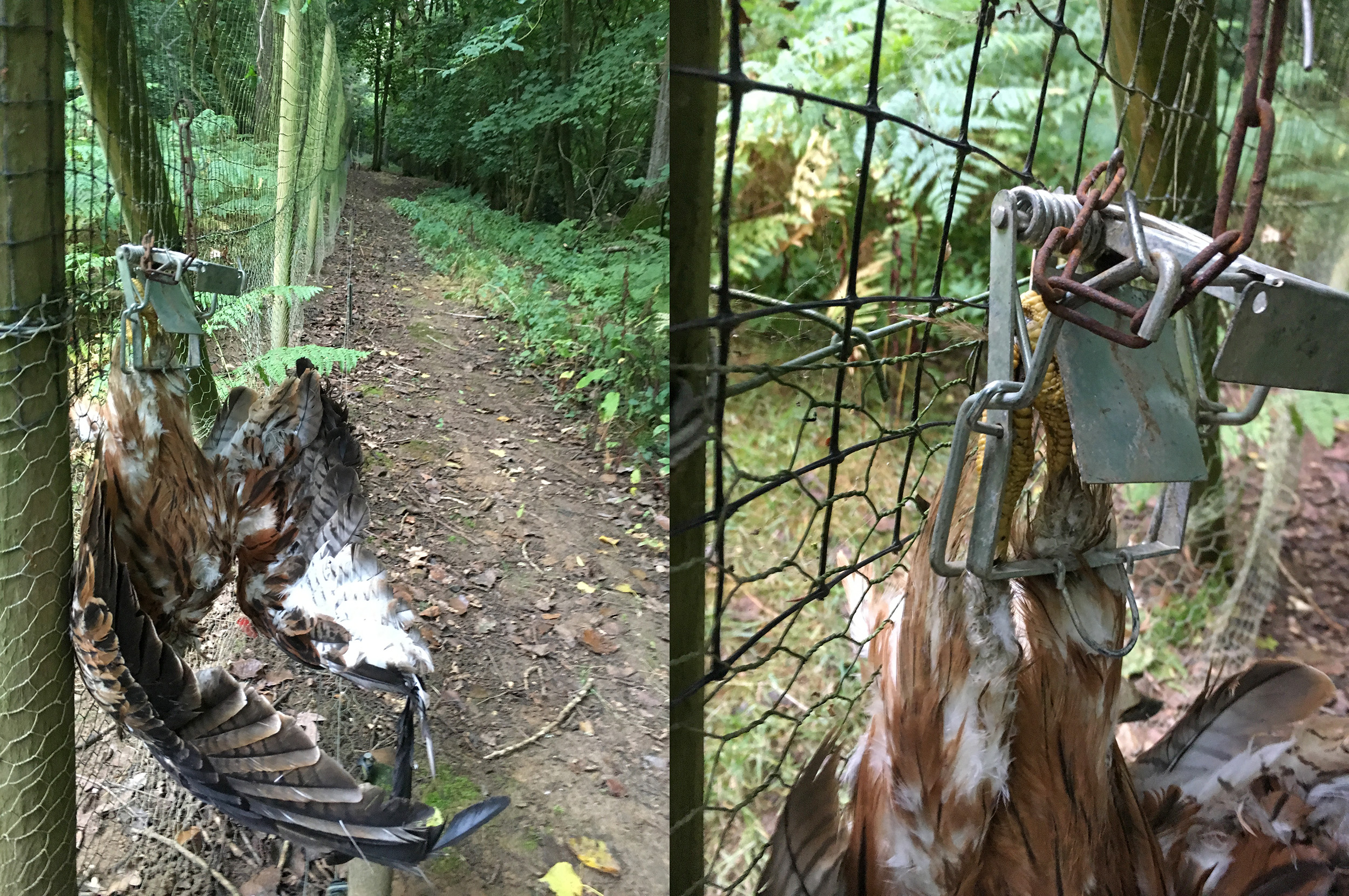
A red kite suffered a brutal and agonizing death when it was caught in a barbaric illegal trap at a pheasant-release pen on an unnamed Berkshire shooting estate in August 2020.

A member of the public found the dead kite, hanging upside down with its legs caught in a pole trap, a cruel device that has been outlawed since 1904.

[Red kite hanging dead in an illegal pole trap on a Berkshire shooting estate. Photos via RSPB].

The member of the public reported the incident to the estate (please note – if you find something like this report it to the police and the RSPB, straight away). A gamekeeper was reportedly abusive and threatening in response.

The incident was reported to the RSPB a couple of days later, who contacted Thames Valley Police. Fortunately in this instance, senior estate officials had already reported the crime to the police and had instructed the gamekeeper to retrieve the dead kite and the illegal trap.

The gamekeeper was interviewed and denied setting the trap on his pheasant pen and claimed it was ‘a set-up’.

There appears to be insufficient evidence to progress a prosecution.

For further details of this horrific crime, and the ongoing difficulty of securing sufficient evidence for a prosecution, please see the RSPB Investigations Team’s blog here.

SSPCA appeals for information after crow caught in illegal pole trap

Press release from the Scottish SPCA (12 May 2020)

Scottish SPCA appeals for information after crow caught in illegal trap

The Scottish SPCA has appealed for information after a crow was found caught in an illegal trap in Easthouses Park in Midlothian on 25 April 2020.

Scotland’s animal welfare charity was alerted to the incident by a local resident who managed to free the bird by removing the trap from around its leg.

Scottish SPCA special investigations unit chief inspector, who cannot be named due to undercover operations, said:

“The crow flew off but undoubtedly would have sustained serious injury and is likely to have suffered a slow and painful death.

The pole trap is usually designed to catch birds of prey and is illegal to use and possess for use in the UK.

They are primitive, barbaric traps that have no place in modern society. These devices were manufactured at a time when attitudes towards animal welfare were very different.

We are appealing to the local community to pass on any information relating to a person, or persons, illegally killing birds, particularly birds of prey.

These traps are unlawful and indiscriminate and will cause unnecessary suffering to any bird or animal caught in them.

If anyone knows who this device might belong to then we would urge them to phone our animal helpline immediately on 03000 999 999. All calls can be treated confidentially.

Equally, if anyone spots an illegal trap such as this, or a trap or snare they suspect is illegal, please don’t hesitate to contact us.”

ENDS

Buzzard & hobby found with horrific spring trap injuries on Isle of Wight

Police press release (4 Dec 2018):

POLICE INVESTIGATION LAUNCHED AFTER BIRDS OF PREY KILLED BY ILLEGAL TRAPS ON ISLE OF WIGHT

Two protected birds of prey, likely to have been caught in illegal spring traps, suffered ‘horrific and traumatic’ injuries.

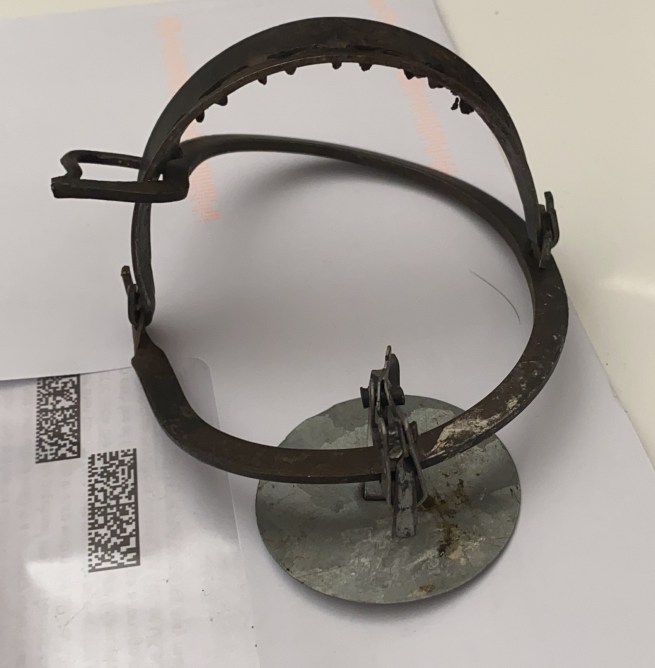
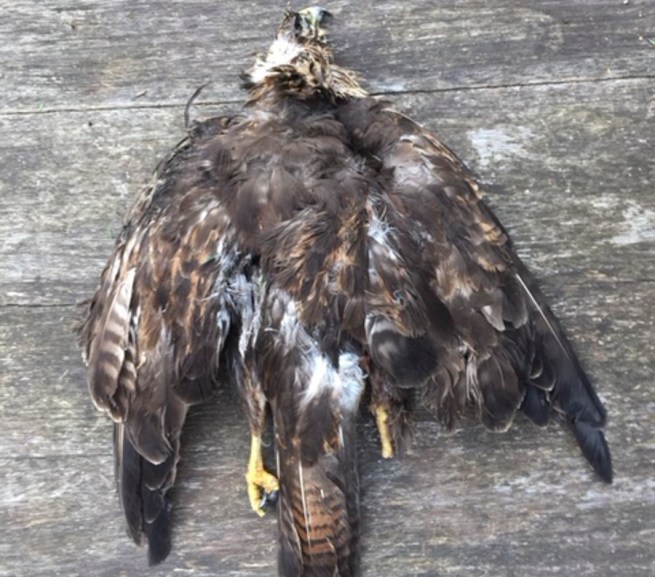
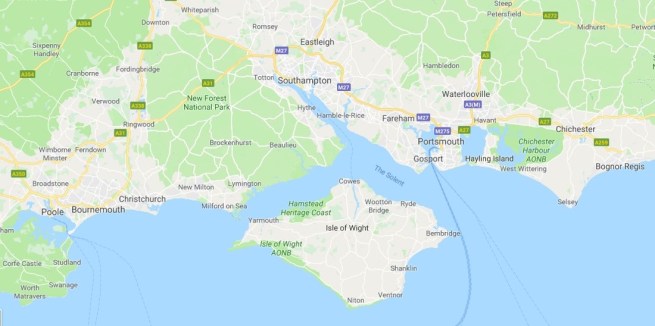
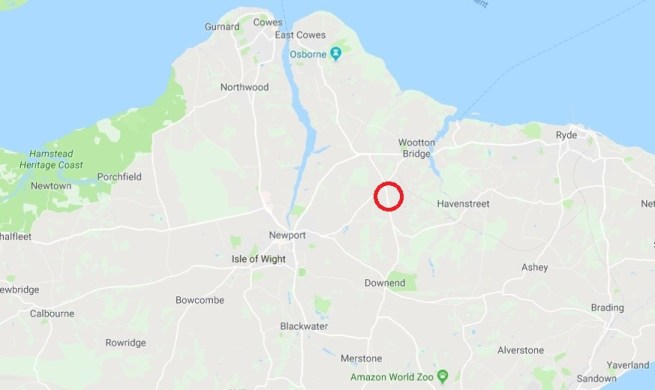
A joint investigation has been launched by Isle of Wight Police and the RSPB after the birds, a buzzard and a hobby, were found with severed legs in woodland at Littletown, near Briddlesford.

The buzzard was found dead, with a missing foot, on March 14. The hobby — a small falcon similar to a kestrel – was found alive, also with its foot missing, on September 23. It was taken to the RSPCA and put down.

[The buzzard with a severed foot]

[The hobby with a severed foot, photo by RSPCA]

The RSPB said today (Tuesday) the birds were likely to have been illegally trapped.

“The birds, a hobby and a buzzard, were found with horrific injuries. Both had lost a foot as a result of becoming caught in a spring trap,” said a spokesperson.

Police were alerted and the birds were sent for post-mortem examinations. The report concluded: ‘Both birds suffered traumatic amputations of one lower limb consistent with the affected leg being caught and held in a spring trap.’

All wild birds are protected by law under the Wildlife and Countryside Act 1981 which makes it an offence to intentionally harm them. Anyone found to have done so faces an unlimited fine with up to six months in jail.

Jenny Shelton, from the RSPB’s investigations unit, said: “Spring traps are sometimes used to catch and kill vermin, and are legal if placed in a tunnel, with a restricted entrance, for this purpose. However spring traps set out in the open are illegal, and pose a huge danger to wildlife. 

We have had numerous reports over the years of birds of prey being deliberately caught in these brutal devices. Birds of prey are incredible creatures and it’s devastating that the lives of these two birds have ended in this way. We are grateful to the people who reported these birds. If you find an injured bird of prey, or come across a metal trap set out in the open or on a pole, call the police on 101 immediately.”

PC Tim Campany, from the Country Watch team, said: “We are working closely with our colleagues from the RSPB to establish what happened. One line of enquiry is that the birds may have been caught and held in a spring-type trap.

This is illegal and is a barbaric method of trapping. It leaves the bird, once freed from the trap, unable to land and feed and it will eventually die of starvation.

Raptor persecution is a priority of the National Wildlife Crime Unit and will not be tolerated.

I would urge anyone with information on suspicious vehicles, persons, or traps located in the Bridlesford area to call us now.”

Anyone with information should call Isle of Wight Police on 101, quoting the reference 44180374840.

ENDS

Illegal raptor persecution is a national wildlife crime priority, so why the hell has it taken nine months for the news of this buzzard to emerge, and two and a half months for the hobby? What’s the point of appealing for information so long after the events?

It’s just not good enough.

These incidents will also cast a shadow on the proposed reintroduction of white-tailed eagles to the Isle of Wight.

Buzzard caught in illegally-set trap near Moy

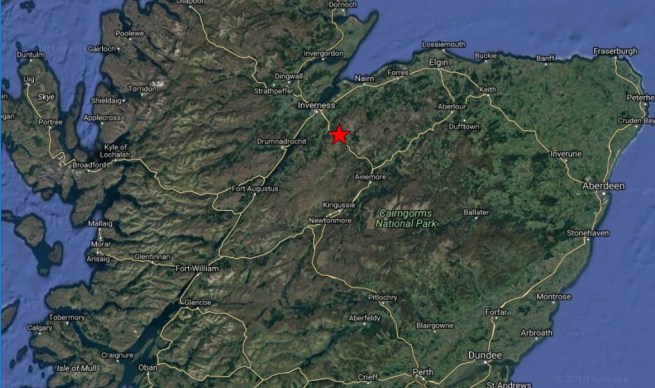
Once again, we’re having to report on the deliberate persecution of a protected bird of prey in the Moy area of Highland Scotland, a well-known raptor persecution hotspot.

RPUK map showing location of Moy:

Police Scotland has issued the following appeal for information this morning:

Appeal after buzzard reported trapped south of Inverness

Police Scotland can confirm that an investigation is ongoing following a report of a trapped buzzard near Moy south of Inverness.

The buzzard was discovered by a member of the public earlier in October. However, following a subsequent search of the area by police the bird has not been located.

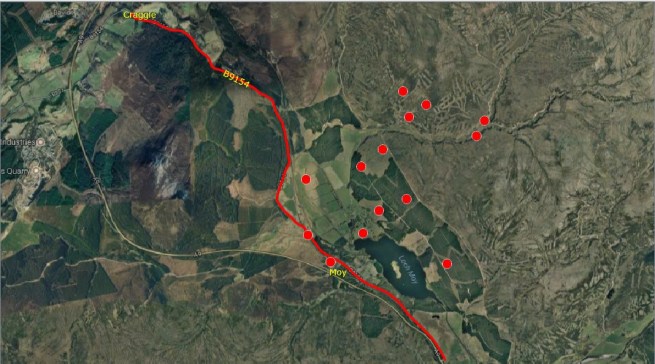
The trap was close to a fence near to a rough, marshy grazing area close to the B9174 and the national cycle path between Moy and Craggie.

Inspector Mike Middlehurst said: “This unfortunately appears to be an example of deliberate unlawful use of a legal trap to cause suffering to a bird of prey.

A lot of good work has been done in the Highlands and this has been a good season for raptors locally, so any evidence of continued persecution is disappointing.

The location next to the national cycle network path will hopefully help us identify anyone seen acting in a suspicious manner in the area.

Anyone seen near the fence lines, walking up the fence lines, placing articles on the fence posts would be of great interest to us.

We are appealing for anybody who has information about this incident or any other wildlife persecution in the Highland area contact us on 101 or Crimestoppers on 0800 555 111.”

ENDS

The road number cited in the police press release appears to be inaccurate. The police say it is the B9174 but it looks like this should read the B9154 as this is the road that runs between Moy and Craggie.

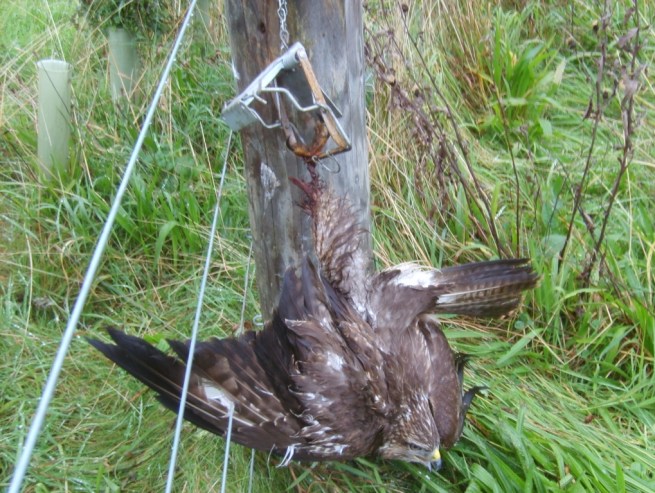
Interestingly, Police Scotland has not published the pictures of the trapped buzzard, photographed by the member of the public who found the bird in distress. However, from the police press release, especially the penultimate sentence, it seems reasonable to conclude that this buzzard was caught in a pole trap. A pole trap is a spring trap that has been fixed to the top of a post. When a bird lands on it, the jaws of the trap smash the birds legs, often breaking them. As the trap is fixed to the post, the bird cannot fly away and it is left to dangle upside down, held by its legs, until it dies or until the trap operator comes along and kills it.

Here’s a photo from our archives of another buzzard that had been caught in a illegal pole trap. It didn’t survive its horrific injuries.

These are barbaric devices that cause immeasurable suffering and as such have been banned from use since 1904. However, pole traps are still routinely used as a weapon of choice on game-shooting estates as we see all too often (e.g. see here, here, here, here, here, here). Anyone caught using these traps deserves a lengthy custodial sentence. There is simply no excuse for such savagery in 21st Century Scotland.

We’ve blogged about raptor persecution in the Moy area many many times, including the illegal use of traps and reports of armed masked gunmen visiting the nest sites of protected species. Here are a few examples: here, here, here, here, here and just last year there was a report of another buzzard that had been caught in an illegally-set trap in this area (here).

[RPUK map showing the B9154 road between Moy and Craggie. The red dots are confirmed raptor persecution incidents in this area]

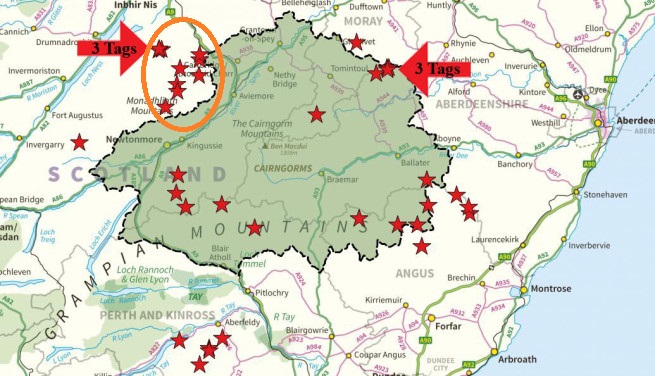
And of course, this grouse moor dominated area has also been identified as one of the hotspot areas where satellite-tagged golden eagles ‘disappear’: