4th peregrine confirmed poisoned on Guernsey & another raptor submitted for toxicology analysis

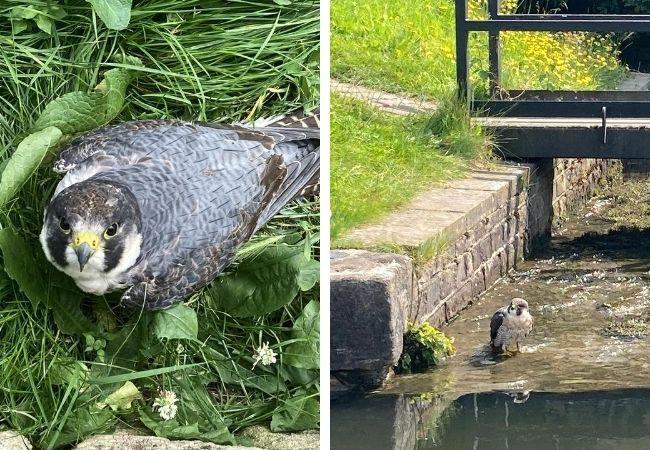
A couple of weeks ago Police on the island of Guernsey appealed for information (see here) after at least three peregrines had been found poisoned with ‘an unusual cocktail of banned pesticides’ in the previous 14 months and a fourth peregrine, found dead in June 2020, had been submitted for toxicology analysis which was delayed by Covid19.

Those toxicology results have now confirmed that the fourth peregrine was also poisoned by what have been described as ‘professional-use pesticides’ (see here). Another dead bird of prey (not identified in the local press), has been submitted for toxicology analysis after being found dead in July ‘under unusual circumstances’.

The names of the banned pesticides have not been revealed.

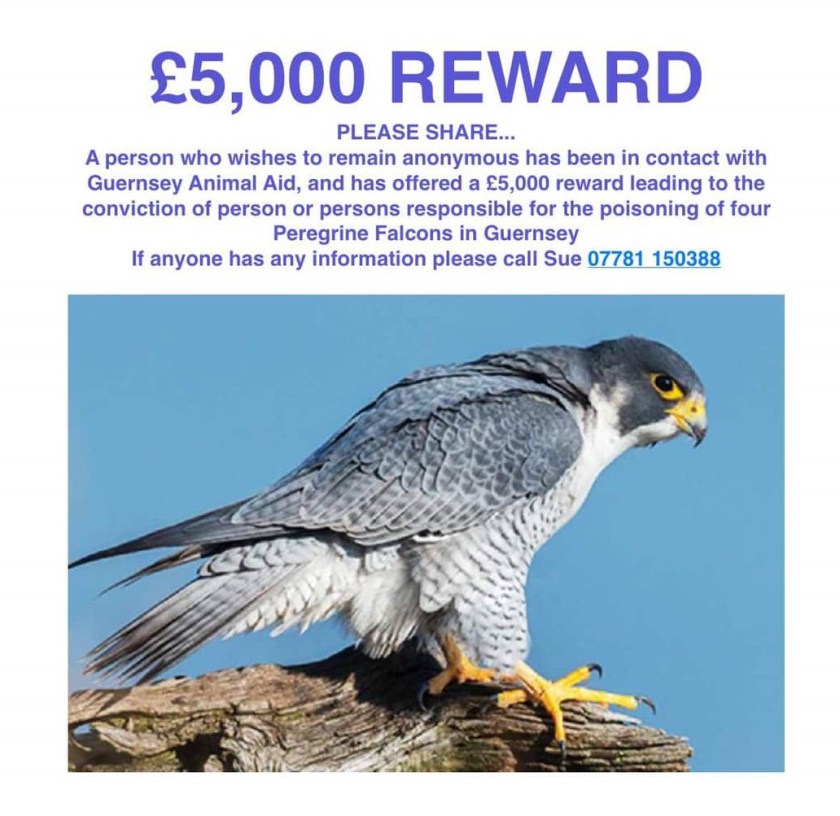
An anonymous donor has contacted Guernsey Animal Aid to put up a £5,000 reward for anyone who can provide information that leads to a conviction (see here).

Sue Vidamour from the charity said:

It’s a disgusting thing to do, to kill a beautiful animal like that for your own gain or for whatever reason is just outrageous. 

Maybe somebody out there knows who it is but is reluctant to say but humans being humans it may just tip the balance and they’ll give a name.” 

UPDATE 9th August 2020: £10,500 reward for info on four poisoned peregrines (here)

More birds of prey illegally killed in & around Peak District National Park

As conservationists continue to express concern for the safety of the visiting Bearded Vulture in the Peak District National Park (e.g. see here), the RSPB has published a blog detailing more cases of confirmed and suspected illegal raptor persecution that have been recorded in the area since the beginning of lockdown.

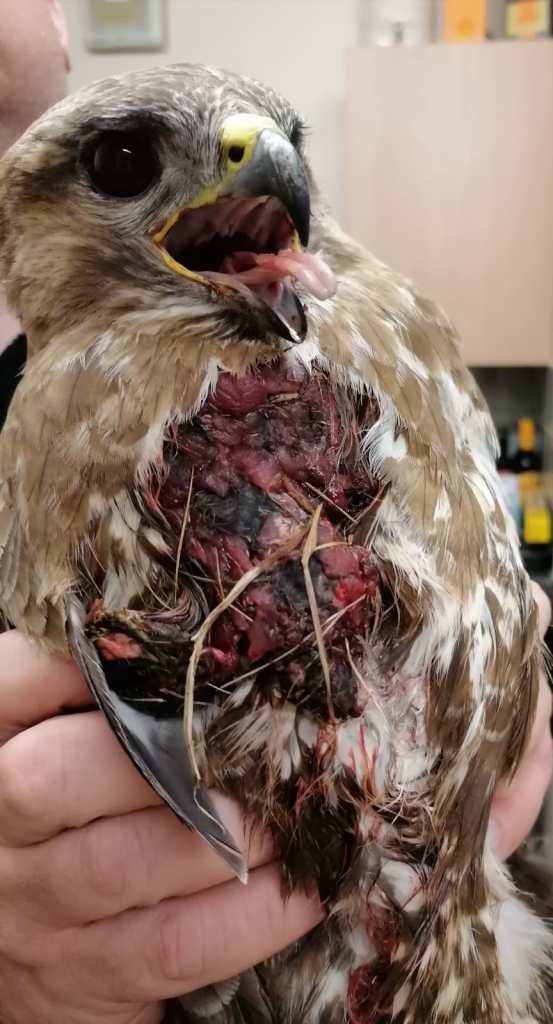
[This shot buzzard had to be euthanized due to the extent of its injuries. Photo by Peak District Raptor Monitoring Group]
The RSPB’s updated list includes the following, some of which have already featured on this blog and some which haven’t previously been publicised:

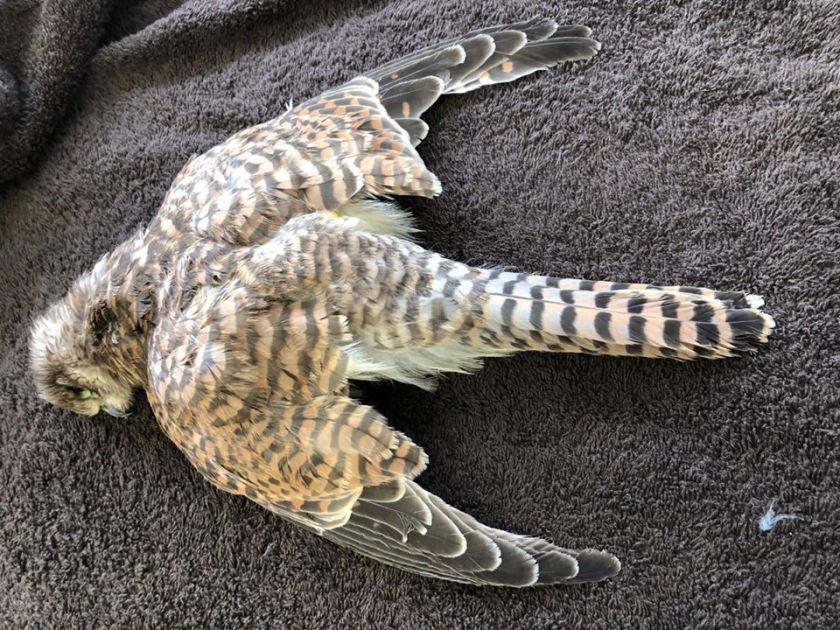
NEW: In the north of the National Park, the remains of a short-eared owl, an amber-listed species, were found on a grouse moor near Glossop on 7 May. A post-mortem recently concluded that shooting had been the cause of death. No leads were forthcoming from police enquiries.

NEW: Near Agden Reservoir, an area dominated by driven grouse moors, four raven chicks were found dead in a nest also on 11 May. The parent birds had been seen bringing food to the young, then vanished without explanation. The chicks were almost at the point of fledging, and the RSPB say the adults were exceptionally unlikely abandon the nest at that stage. The incident is being investigated by South Yorkshire Police.

NEW: Test results are awaited in connection with an adult peregrine found dead in the Upper Derwent Valley.

NEW: In the south, just outside the National Park an eyewitness reported seeing two buzzards being shot near Ashbourne on 1 April 2020. A member of the public was watching the two birds circling a wood, on land managed for pheasant shooting, when he heard a shot and saw the birds fall. There’s no comment about a police investigation.

PREVIOUSLY REPORTED: On 11 May, a buzzard was found mortally wounded on land managed for gamebird shooting near Diggle. It was found alive but with terrible injuries and sadly had to be euthanized. An x-ray revealed six pieces of shot lodged in the bird’s body. [This crime has previously been blogged about here]

PREVIOUSLY REPORTED: In the south of the Park, a buzzard and two peregrines are being tested for poison after being found dead in Staffordshire. [These incidents have previously been blogged about here] [Confirmed illegally poisoned. See UPDATE at foot of this blog]

PREVIOUSLY REPORTED: In mid-June, Derbyshire Police issued an appeal for information after three peregrine nests were robbed of their eggs, all within the National Park. The RSPB alerted the police about one of the incidents. [These incidents have previously been blogged about here]

PREVIOUSLY REPORTED: A dead kestrel and a buzzard have also gone for poison testing: they were found near Glapwell, where several buzzards were found poisoned in 2016. [These incidents have previously been blogged about here] [Confirmed illegally poisoned. see UPDATE at foot of blog].

To read the RSPB blog in full please click here

The RSPB’s Head of Investigations, Mark Thomas, was also on BBC Radio Derby a few days ago talking about the ongoing killing of birds of prey in the Peak District National Park. Available here (starts 3hrs 16) for 24 days.

UPDATE 3rd August 2020: Buzzard and kestrel confirmed illegally poisoned in Derbyshire (here)

UPDATE 2nd October 2020: Birds of prey illegally poisoned in Staffordshire / Peak District National Park (see here)

Peregrines illegally poisoned on Guernsey

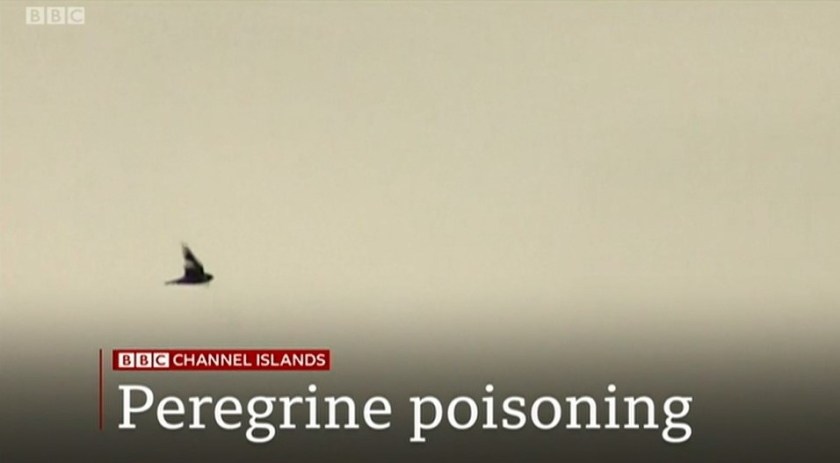
Police on the island of Guernsey are appealing for information after at least three peregrines have been found poisoned with ‘an unusual cocktail of banned pesticides’ in the last 14 months. A fourth peregrine was found in June and toxicology results are pending.

This story featured on the BBC Channel Islands News last night and is available to watch on iPlayer until 18.55hrs today. Click here to watch (it’s the first item).

The short film includes interviews with Mark Thomas (RSPB Investigations) and David Chamberlain, Guernsey State Vet, who said he believed the pesticides had been imported from the UK rather than ‘hanging around for a long time on the island’ as a similar deadly cocktail had been used elsewhere in the UK for the same purpose of killing raptors.

The names of the pesticides were not revealed.

UPDATE 1st August 2020: 4th peregrine confirmed poisoned on Guernsey & another raptor submitted for toxicology analysis (here)

Peregrine eggs taken from three nest sites in Peak District

From the BBC News website (16 June 2020)

Peregrine falcon eggs taken from three sites in Peak District

Eggs from peregrine falcon nests at three different sites in the Peak District were taken in early spring, Derbyshire Police has revealed.

The force said there could be a number of individuals or groups responsible as part of a “black market trade”.

Derbyshire Wildlife Trust said the eggs may have been removed while volunteers – who patrol the White Peak area – were forced into lockdown in late March.

Rural crime officer PC Karl Webster said the eggs would be worth a lot.

“We believe they’re taking them to hatch,” he said.

“There’s a lucrative Middle Eastern falconry market allied to this country, an investigation two to three years ago confirmed that.”

The birds of prey, which were heavily persecuted in the 1960s and suffered from the impact of pesticides, have recovered in numbers in recent years.

However, they are still illegally killed and targeted for their eggs and chicks, according to the RSPB.

David Savage, from Derbyshire Wildlife Trust, said the taking of eggs was “sickening”.

“We began the season with great hopes and tried to keep an eye on them as much as we could, but unfortunately when we couldn’t watch them 24 hours a day, they were taken,” he said.

“It has been difficult to monitor the site in lockdown – the end of March and early April was when our volunteers were indoors.”

In May, the RSPB said it had been “overrun” by reports of birds of prey being illegally killed since the lockdown across the UK.

ENDS

Original article on BBC website here

UPDATE 7th November 2020: Man charged in relation to alleged theft of peregrine eggs in Derbyshire Peak District (here)

UPDATE 17th November 2020: Derbyshire man due in court in February for alleged theft of peregrine eggs in Peak District (here)

UPDATE 20th February 2021: Trial date set as man pleads not guilty to theft of peregrine eggs in Peak District (here)

UPDATE 26th May 2022: Derbyshire Police criticised as prosecution collapses against alleged peregrine egg thief in Peak District National Park (here)

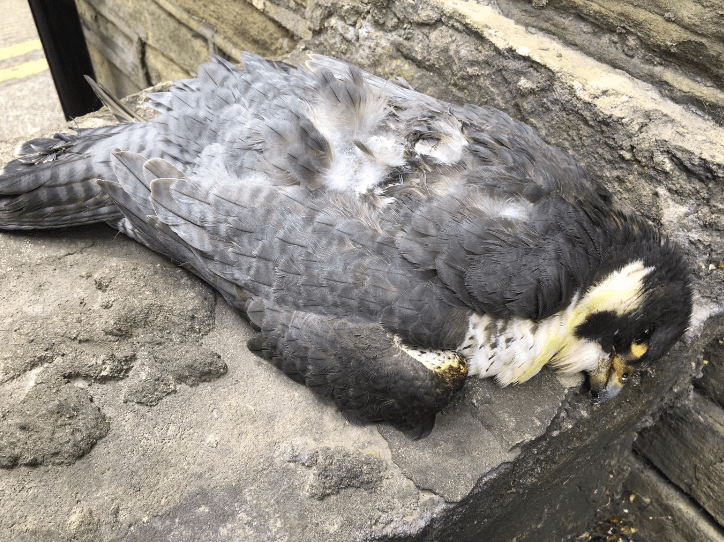
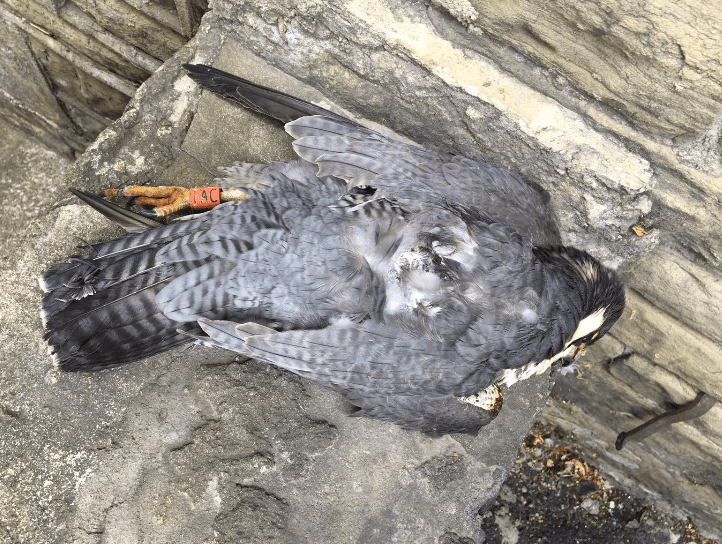
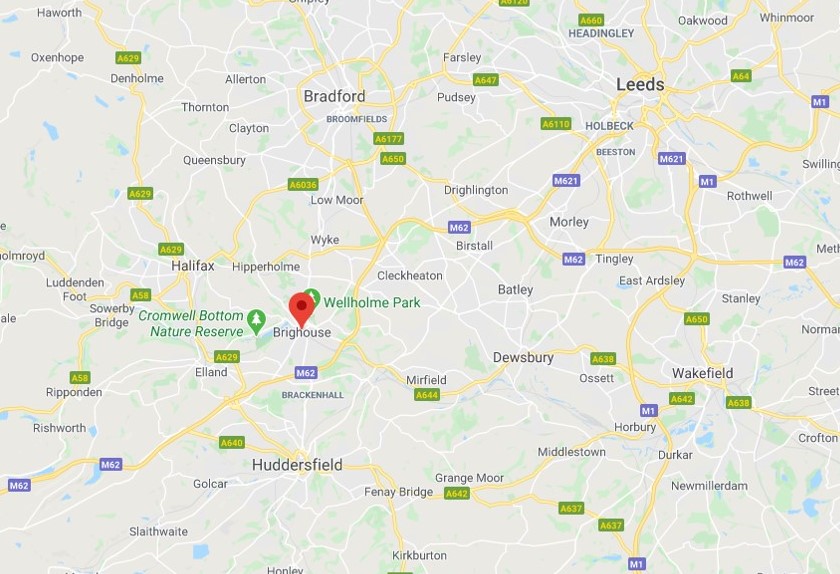
Peregrine found shot dead in Brighouse, West Yorkshire

A peregrine has been found shot dead in Brighouse, West Yorkshire. It’s leg ring has identified it as a male that hatched in 2018 at the University of Leeds, according to @UoLPeregrine.

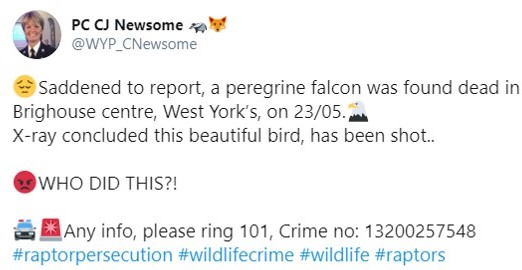
The dead bird was found yesterday (23 May 2020) and police wildlife crime officer PC CJ Newsome has tweeted that an x-ray has confirmed he’d been shot, although there is no further detail on whether this was a shotgun or an air rifle.

If anyone has any information about this crime please contact the Police on 101 and quote ref # 13200257548

Police ask public to be vigilant after buzzard & two peregrines found dead in Staffordshire Moorlands

Press release from Staffordshire Police (20 May 2020)

Three birds of prey found dead in Staffordshire Moorlands

Police have raised concerns after three birds of prey were found dead in the Staffordshire Moorlands [inside the Peak District National Park].

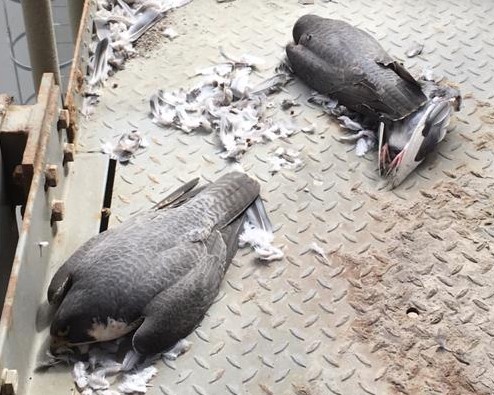
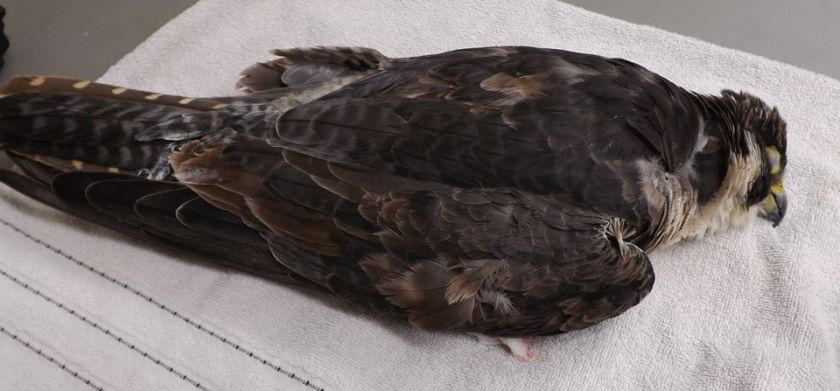
On Saturday (16 May) a buzzard and peregrine falcon were sadly discovered dead in a wooded area of Longnor, and yesterday (Tuesday 19 May) a second peregrine falcon was found dead near Wetton.

As there were no visible signs of injury, the birds will now be forensically examined to establish the cause of death. At this time officers cannot rule out the possibility that the birds were poisoned.

A police investigation is on-going as under the Wildlife and Countryside Act it is an offence to intentionally kill, injure or take wild birds.

[Photo by Staffordshire Police]


Officers are asking local residents and visitors to these areas to report of any suspicious behaviour and be vigilant for the signs of criminal activity, including dead or injured birds, poisoned bait and traps.

Reports are handled in the strictest of confidence – so anyone with any information is asked to get in touch by calling 101, or completing an online form at; https://www.staffordshire.police.uk/report-online/ quoting incident number 284 of 19 May.

Staffordshire Police continues to support Operation Owl – a national initiative to raise awareness and prevent the persecution of birds of prey in our countryside.

Chief Inspector Mark Thorley, commander of the Staffordshire Moorlands Neighbourhood Policing Team and rural crime lead, said:

If the birds have been specifically targeted, this is a dreadful crime and those responsible must be brought to justice.

If you come across a dead bird or suspicious object, this could be a wildlife crime scene. Please do not touch or move anything. Every piece of information may be crucial in prosecuting an offender so please take photographs if you can and make a note of your surroundings and landmarks to help officers to locate it.

Any information, no matter how small and insignificant it may seem, could help with our on-going investigation so please get in touch with us directly or any of our partners listed below.”

Crimestoppers 0800 555 111.
Wildlife Incident Investigation Scheme hotline 0800 321 600.
RSPB’s confidential Raptor Crime hotline 0300 999 0101.

ENDS

UPDATE 2 October 2020: Birds of prey illegally poisoned in Staffordshire / Peak District National Park (here)

Dorset Police investigate reported disturbance of nesting peregrines

There have been a few reports in the media (e.g. here and here) about climbers and a drone-user disturbing breeding peregrines this week on cliffs in Portland, Dorset. This is an offence under the Wildlife & Countryside Act.

[Photos by Weymouth & Dorset Police]

Apart from the fact that there’s supposed to be a lockdown, Police wildlife crime officers have stated that they will look to prosecute anybody ignoring the ‘clear signage’ to stay away from the nest sites between 1 March and 30 June:

These signs have been in place for years, initiated by local climbers keen to protect the peregrines (see here).

Peregrine found shot in Shropshire: police appeal for information

Press release from West Mercia Police (13 March 2020)

APPEAL AFTER BIRD SUFFERS GUN INJURY

Police are appealing for help after a bird was found with what is believed to be a shotgun wound.

The Peregrine Falcon was found on the morning of Tuesday 10 March near Humber Lane, close to the roundabout on the A442 near Leegomery. It was taken to the vets with a broken wing and an x-ray showed fragments of a gunshot.

Although the falcon is recovering well it is possible it will not be able to fly again.

Anyone with information is urged to contact West Mercia Police on 101 quoting incident 704S 100320 or alternatively information can be given anonymously to Crimestoppers by calling 0800 555111.

ENDS

Well done West Mercia Police for a speedy response and appeal for info.

Peregrine shot & killed in Belper, Derbyshire, again

For the second time in recent years, a peregrine falcon has been illegally shot in Belper, Derbyshire.

Yesterday (5 March 2020) Derbyshire Wildlife Trust issued the following statement:

Yesterday morning [4 March 2020], a male peregrine falcon was spotted injured at Belper’s East Mill in Derbyshire and taken by a local resident to a vets in Ashboune where a single shotgun pellet was removed.  A second pellet will be removed later today and the bird continues to be monitored. 

East Mill is a very well-known location for breeding  peregrines – the stunning views of the birds and easy accessibility make it one of the most popular places in the UK to watch them. 

Tim Birch, Director of Nature Recovery at Derbyshire Wildlife Trust said; “This is appalling news – the Belper peregrines are famous, it’s one of the best places to watch and enjoy these amazing birds as they fly at top speed, perform acrobatic aerial displays and  raise their young high on the ledges of the Mill building. They are a huge draw for people and it’s shocking that anyone wants to harm them. Thanks to the quick response by a local resident and the vets, we are hopeful that this bird will recover.”

“Derbyshire sadly continues to see some of the UK’s highest levels of bird of prey persecution. We encourage anyone with any information about this or any wildlife or suspected wildlife crime to please contact Crime Stoppers on 0800 555 111.”  

The bird is about four years old and was ringed in Dorset. Without the support of the male at the start of the breeding season, any attempts to nest this year could sadly fail.

ENDS

This morning we were informed that the peregrine died at the vet’s last night, unable to survive surgery to remove the pellet lodged in his breast.

This isn’t the first time the breeding pair at Belper have been attacked. In March 2015 the body of the adult male was found dead on the doorstep of Derbyshire Wildlife Trust’s HQ in Belper. A post mortem revealed he had been shot (see here).

Gamekeepers caught with banned poisons should receive mandatory jail sentence

Yesterday the Scottish Rural Affairs & Environment Minister, Mairi Gougeon, gave evidence to the cross-party Environment, Climate Change & Land Reform (ECCLR) committee which is currently considering Stage 1 of the Animals and Wildlife (Penalties, Protections and Powers) (Scotland) Bill.

We’ll come back to the wider evidence session in another blog because there were some interesting and important discussions but one point raised deserves an immediate reaction:

Possession of banned poisons.

Here’s the mini transcript:

ECCLR Committee Member Rachael Hamilton MSP: I will go back to the categorisation of wildlife offences and the different tiers of the penalty system. We heard evidence that perhaps possession of illegal pesticides should be categorised as a tier 1 offence, because they are currently illegal anyway. Do you have any comments on that point and do you have any plans to have an amnesty on illegal pesticides prior to the bill being passed? People should not possess illegal pesticides anyway, so using them in connection with animal crimes should attract the highest and severest category of penalty.

Environment Minister Mairi Gougeon: That has been the feeling behind that issue. As you said, possession of such pesticides is already illegal and there are offences in place to deal with that individual issue separately. Using such pesticides as part of another offence would attract the higher penalty. As they are already illegal and there are offences attached to them, using them in relation to any other offences could well attract severe penalties.

In relation to your amnesty point, I would be happy to consider looking at the matter.

Scottish Government Wildlife Management Team leader Leia Fitzgerald: Just to clarify, there was a previous amnesty, which was quite successful and resulted in a lot of pesticides being handed in. We could speak to stakeholders about whether that is something that could be done again. We would hope that we got all of what we needed after the last amnesty, but we can look at the matter.

Environment Minister Mairi Gougeon: I will happily get back to the committee and let you know how we get on with that.

ENDS

Is the Scottish Government seriously considering yet another amnesty for banned poisons, which would be the third amnesty in the 15 years since it became an offence to even possess these deadly toxins, let alone use them? (The Possession of Pesticides (Scotland) Order 2005).

The first amnesty took place in 2011 (see here), six years after the ban was first introduced. The second amnesty came four years later in 2015 (see here).

Since then poisoning crimes have certainly dropped in Scotland, probably thanks to the increase in satellite-tagged raptors, whose tags lead researchers to the poisoned corpses that would otherwise remain undetected, and also due to the introduction of vicarious liability legislation in 2012 which made it possible for landowners to be prosecuted for raptor persecution crimes committed by their gamekeeper employees. However, these poisoning crimes haven’t been totally eradicated and we’re still reading reports about illegally-poisoned birds (and some dogs) that have died after ingesting banned poisons in Scotland including some that were killed this year, and some even inside the Cairngorms National Park (e.g. see here, here, here, here, here, here, here, here, here, here, here, here).

[An illegally-poisoned buzzard found on the boundary of a sporting estate in Perthshire. Contributed photo]

How many more chances is the Scottish Government planning on giving to these criminals? How many more get-out-of-jail-free cards will be dished out?

Why can’t the Scottish Government, 15 years on, implement a zero tolerance policy on this vile and primitive crime that not only risks the lives of wildlife and domestic animals but puts humans at risk as well? In the most recent criminal case, a Scottish gamekeeper was found with two cartons containing the banned poison Carbofuran. He was carrying one of these containers in his bum bag – presumably he wasn’t just taking the container out for company every day – and yet 180 schoolchildren were put at risk when they attended the grouse shooting estate on an officially-sanctioned school trip. Can you believe that? The gamekeeper was convicted for possession (along with a litany of other wildlife offences) and received a community payback order. No fine, no jail sentence, no deterrent whatsoever. Compare and contrast to how illegal poisoners are dealt with in Spain (see here, here and here).

The criminals who persist with such reckless activity in Scotland deserve a mandatory custodial sentence – there can be no more excuses, no more discussion and certainly no more amnesties.

Enough.