Multi-agency raid following suspected raptor persecution in Herefordshire

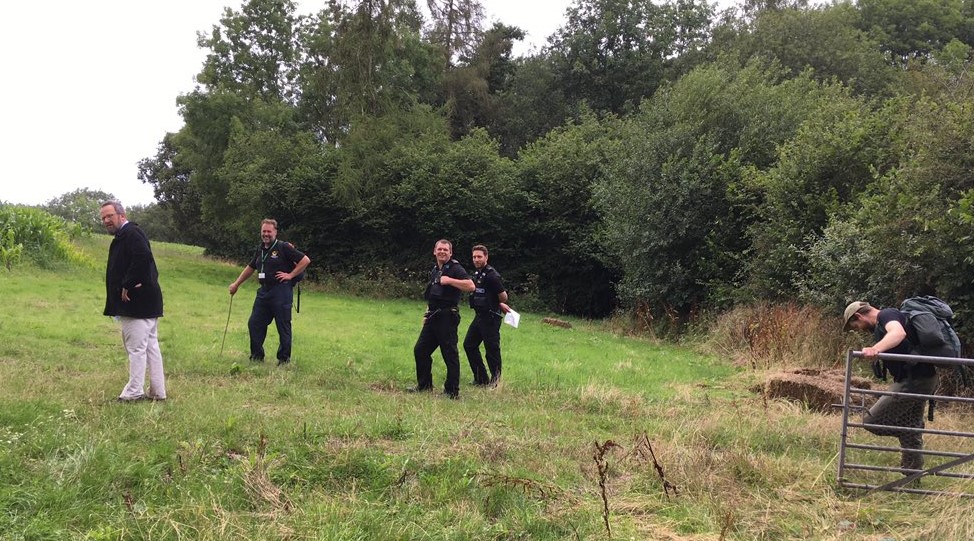
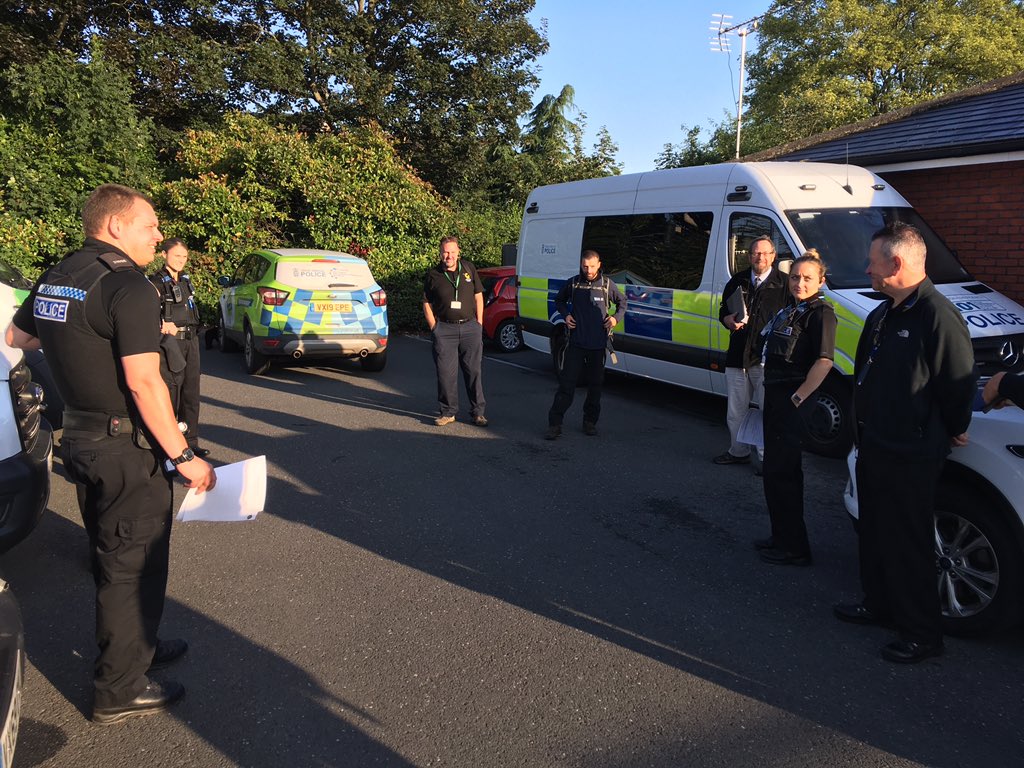
Herefordshire Police led a multi-agency raid on Thursday 12th August following a suspected raptor persecution incident in the south west of the county.

The police were joined by staff from Natural England, National Wildlife Crime Unit and RSPB Investigation’s team. Items were seized and enquiries are apparently continuing.

[Photos from RSPB]

This is at least the 7th multi-agency search in England this year, all in response to raptor persecution crimes. On 18th January 2021 there was a raid in Suffolk (here), on 15th March there was a raid in Lincolnshire (see here), on 18th March a raid in Dorset (here), on 26th March a raid in Devon (see here), on 21st April a raid in Teesdale (here), on 2nd August a raid in Shropshire (here) and now this raid in Herefordshire.

Well done to all the agencies involved in these follow-up investigations. It’s good to see genuine partnership-working in the fight to catch the raptor killers.

Trial date set for gamekeeper accused of killing buzzards

A gamekeeper appeared in court on 12th August 2021 accused of the alleged killing of a number of buzzards in Nottinghamshire in January 2021.

He was charged after a joint investigation by Nottinghamshire Police and the RSPB’s Investigations Team (see here).

The gamekeeper pleaded not guilty so this case will now progress to trial.

Trial dates have been set for 6th-7th January 2022.

Please note, as this is a live case no further detail will be provided here until the case has concluded or there is official commentary from the court reporter. Comments on this particular blog also won’t be accepted until the case concludes so as not to prejudice proceedings. Thanks for your understanding.

Gamekeeper on trial for alleged killing of buzzards

A gamekeeper is due in court tomorrow (12th August 2021) accused of the alleged killing of a number of buzzards.

This prosecution relates to the joint investigation undertaken by Nottinghamshire Police and the RSPB’s Investigations Team in January this year (see here). It’s a good example of what genuine partnership-working can achieve.

Tomorrow’s court hearing will provide an opportunity for the defendant to enter a plea.

If he pleads not guilty, the case is expected to continue to go to trial at a later date.

If he pleads guilty, he may be sentenced tomorrow or the magistrate may ask for background reports before sentencing at a later date.

Please note, as this is a live case no further detail will be provided here until the case has concluded or there is official commentary from the court reporter. Comments on this particular blog also won’t be accepted until the case concludes so as not to prejudice proceedings. Thanks for your understanding.

UPDATE 15th August 2021: Trial date set for gamekeeper accused of killing buzzards (here)

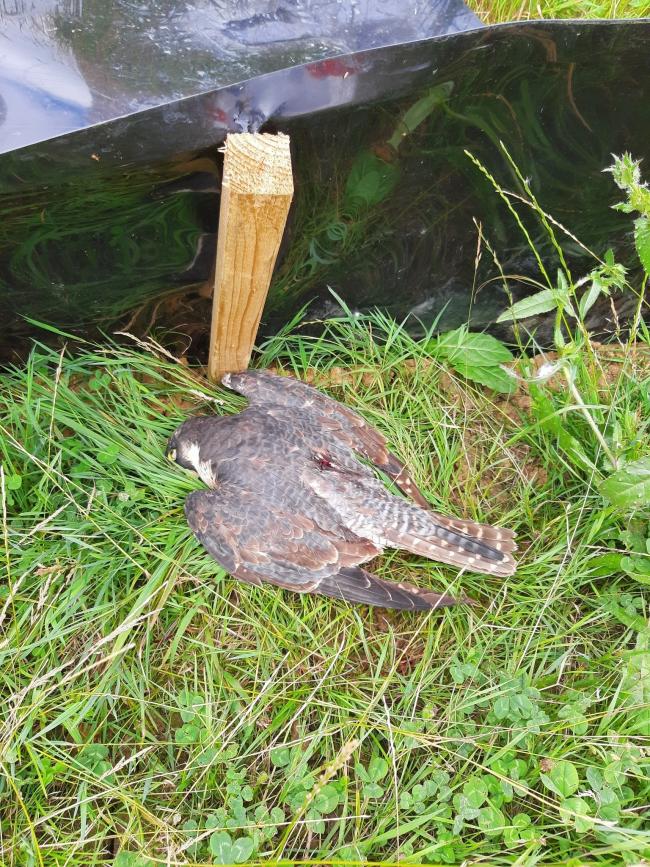
Police attend suspected peregrine shooting near Aylesbury, Buckinghamshire

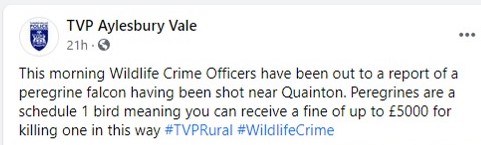
Yesterday, Thames Valley Police (Aylesbury Vale) posted this on Facebook:

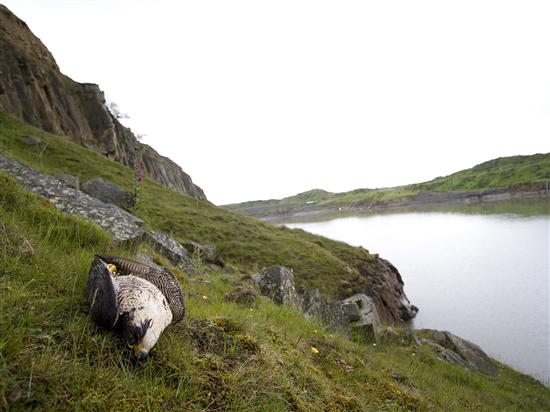
I haven’t been able to find any follow-up information, e.g. whether the peregrine was x-rayed to confirm/rule out shooting and there isn’t an incident number or an appeal for information on the Thames Valley Police website.

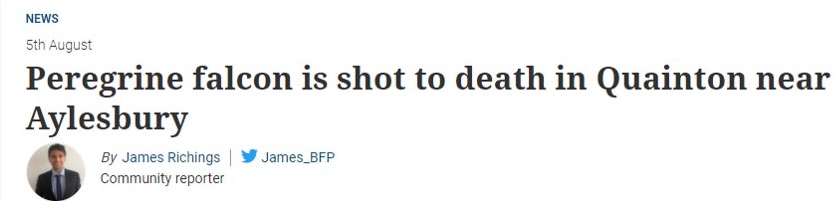
Meanwhile, the local press are reporting this as a confirmed shooting. Eg. see this headline from the Bucks Free Press:

Wouldn’t it be good if there was a national standard on how to report suspected raptor persecution crimes, that every police force could follow? And a central location where these verified reports could be found?

Police lead multi-agency search after suspected peregrine poisoning in Shropshire

A multi-agency search took place in Shropshire yesterday as part of the ongoing investigation in to the suspected poisoning of a peregrine earlier this year.

You may recall the very prompt appeal for information made by West Mercia Police in May (see here) after the corpse of a female peregrine had been found, along with a suspected pigeon bait, at the notorious raptor persecution blackspot of Clee Hill.

[This is a photograph of another peregrine found poisoned at this site in 2017 (see here). Photo by RSPB]

Toxicology results are apparently still pending on this latest case but given the long history of poisoned peregrines at this site, and the discovery of yet another baited pigeon, it’s more than likely that this latest peregrine victim had also been illegally poisoned.

No doubt this is what prompted the police-led search at a premises yesterday, assisted by experts from Natural England, the National Wildlife Crime Unit and the RSPB Investigations team. The investigation continues.

[Photo via West Mercia Police]

This is at least the 5th multi-agency search in England this year, all in response to raptor persecution crimes. On 15th March 2021 there was a raid in Lincolnshire (see here), on 18th March a raid in Dorset (here), on 26th March a raid in Devon (see here) and on 21st April a raid in Teesdale (here). And now this raid in Shropshire.

Worryingly, all of these cases have involved the confirmed / suspected use of banned poisons to kill birds of prey.

Well done to all the agencies involved in these follow-up investigations. It’s good to see genuine partnership-working in the fight to catch the raptor killers.

Goshawk found shot in Staffordshire had to be euthanised

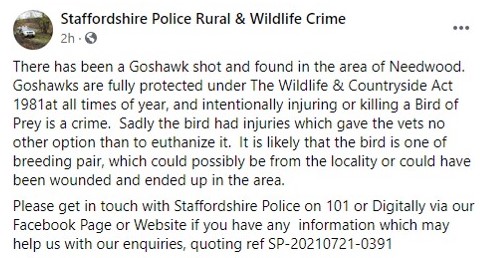
Staffordshire Police are appealing for information this evening after the discovery of a shot goshawk.

Unfortunately the details of this latest wildlife crime are vague, even though raptor persecution is supposed to be a national wildlife crime priority. This is what was posted on the Rural & Wildlife Crime team’s Facebook page:

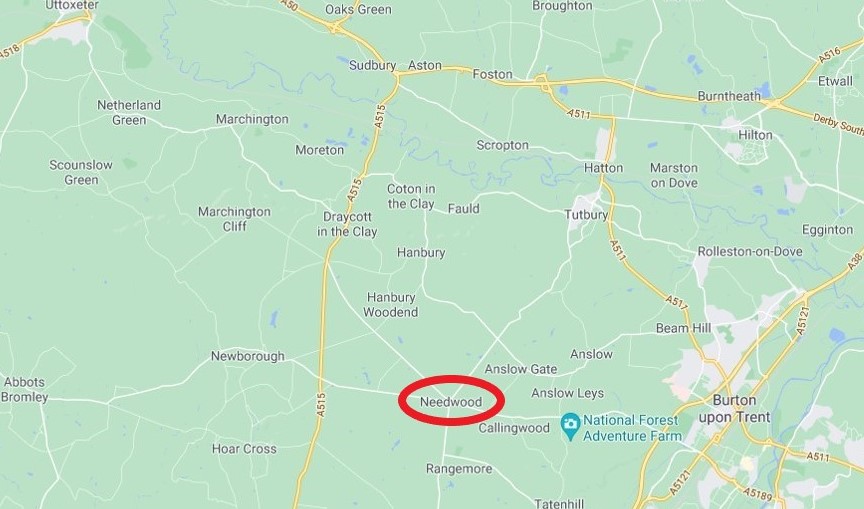
The post doesn’t say when this bird was found, but the incident reference number suggests it may have been on 21st July 2021. There isn’t any information about the type of weapon used (e.g. shotgun, air rifle) nor any specific detail about the location. I couldn’t find any press statement/appeal on the police website.

If you can assist the police investigation, please get in touch with them.

Raptor persecution highlighted in Cumbria magazine

Raising public awareness of ongoing raptor persecution crimes is probably the single, most important thing that just about anybody can do.

You don’t need to be an expert on birds of prey, nor work in the conservation sector, nor to have a massive following on social media. All you need is an understanding that birds of prey are still systematically killed in the UK, almost 70 years after they became protected species, and that this killing most often takes place on land managed for gamebird shooting, where raptors are being poisoned, shot or trapped.

Nobody in their right mind is ever going to support this brutal slaughter, and yet many are still oblivious that it continues in 21st century Britain. Many assume it stopped back in the Victorian era. The more people that know that it still goes on today, the more pressure can be put on politicians to take meaningful action against it.

With this in mind, it’s great to see this opinion piece by Fiona Heslam, published in the August edition of the Cumbria magazine.

Thanks to Jamie Normington (@TLWforCumbria) for sharing it on social media.

Pathetic penalty for man who felled active goshawk nest on private estate

Gloucestershire Constabulary has issued a bizarre press release today about the felling of a tree that held an active goshawk nest and how the man who admitted to felling it with a chainsaw ‘had completed a successful restorative justice outcome’ by paying £100 to the RSPB.

Eh? Since when has ‘restorative justice’ been considered an appropriate sanction for felling an active raptor nest? This is supposed to be a national wildlife crime priority! Why wasn’t he charged? In my opinion restorative justice in this case is a massive let off for the offender and the estate – it’s informal, unenforceable and fails to recognise the seriousness of this offence.

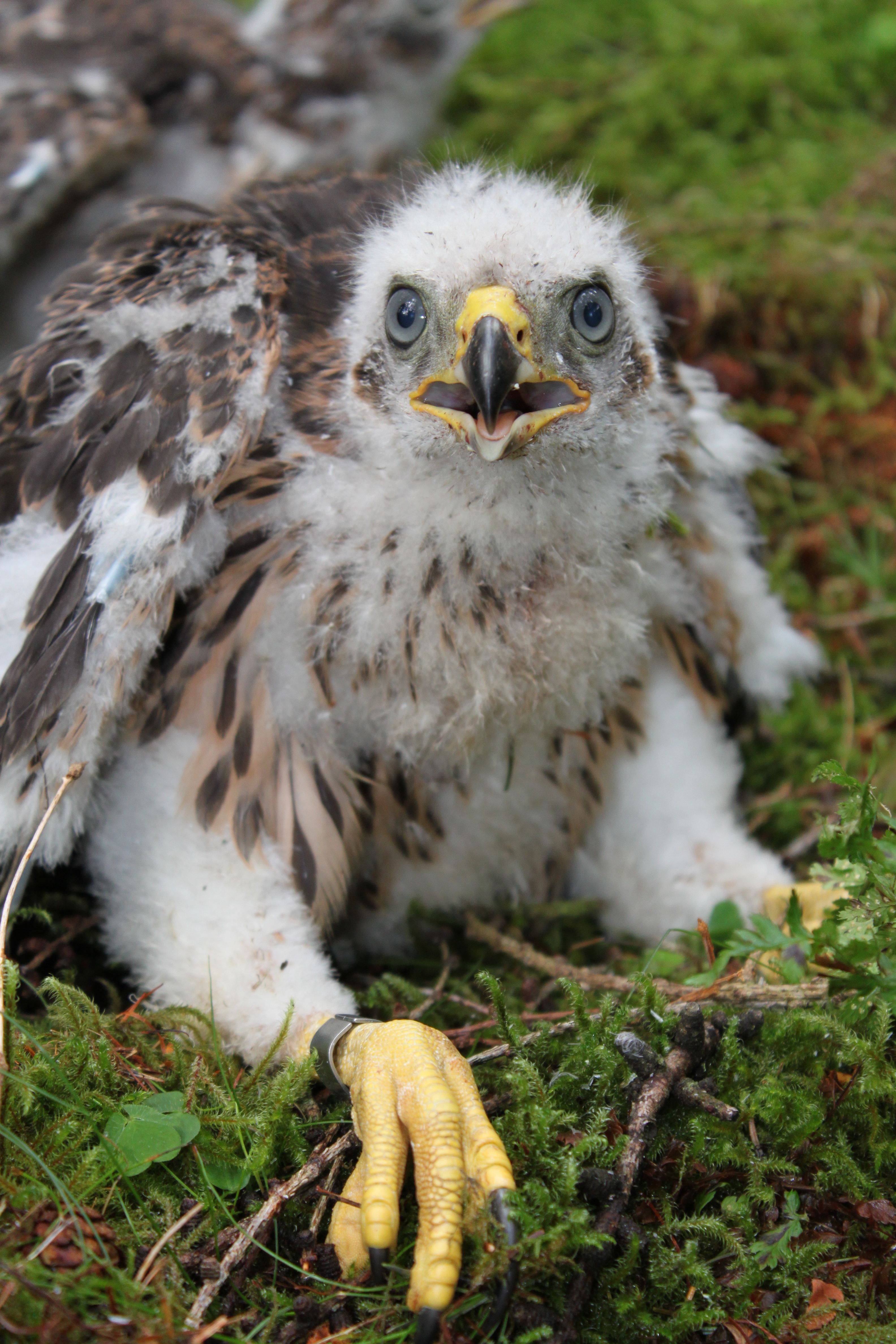
[A young goshawk chick in the nest. Photo taken under licence by Ruth Tingay]

Here is the police press release – my commentary on it is below that:

Restorative justice used following tree felling incident which led to destruction of bird nest

A man who unknowingly destroyed a bird of prey nest after cutting down trees has completed a successful restorative justice outcome.

Officers from Gloucestershire Constabulary’s Rural Crime Team were called to an estate on the outskirts of Gloucester on Saturday 5 June where it was reported that a tree had been felled causing an active Goshawk Nest to be destroyed.

The man, who is an agricultural labourer, was identified after admitting that he had felled the tree without checking for any bird’s nests.

He attended for a voluntary interview and was ordered to pay a £100 donation to the Royal Society for the Protection of Birds (RSPB).

A condition was also put into place which allowed Glos Raptors Monitoring Group to access the site so that they can monitor the existing birds of prey, monitor active nests and put cameras up to protect bird of prey habitats.

PC Phil Mawdsley oversaw this saying: “Bird nesting season generally takes place from March to August, however can fall outside of this period and during this time you shouldn’t cut down trees or trim hedges without checking for the presence of birds and it is an offence under Section 1 of the Wildlife and Countryside Act of 1981 to disturb birds or damage their nests and unfortunately this happened after an act of recklessness.

Advice around cutting hedges or trees at this time of year can be found here“.

A spokesperson for the RSPB said: “It appears that this was the only tree in the wood to be felled and then completely removed at a time when it contained an active goshawk nest. Goshawk nests are huge structures and the contents of the nest would be equally obvious.

“Goshawks are rare breeding birds and have been subjected to regular persecution through the years, which sadly continues today. To intentionally damage or destroy the active nest of a goshawk, or any wild bird, is against the law. Raptor Persecution is a National Wildlife Crime priority, and the goshawk is a priority species.”

More information on restorative justice in the county can be found here.

ENDS

The press release states that the man claimed to be unaware that the tree held an active goshawk nest. I’m sorry but that is just not credible. This guy is a forester. Anyone who’s spent any time in a wood with an active goshawk nest in the breeding season cannot fail to notice it, and if you’re a forester that spends most days out amongst the trees, there should be absolutely no way you’d miss it. They are huge structures, the ground underneath is littered with white splash and prey remains, and the breeding adults are very, very, very vocal when they alarm call. This is not a cryptic species that cowers down and maintains silence by playing dead when under threat. I would argue that it would be virtually impossible to stand next to the nest tree, fell it with a chainsaw and remove the trunk and all the branches without noticing there was an active goshawk nest in it.

Here is a classic example of a goshawk nest [Photo taken under licence by Ruth Tingay]

I think it’s also interesting to compare Gloucestershire Constabulary’s approach to this crime with that of North Wales Police earlier this year when an active osprey nest was felled with a chainsaw on a nature reserve. The police in that case were, quite rightly, all over the press saying ‘Ospreys are a very rare, highly protected schedule 1 bird – the greatest protection in the UK. We’re pulling all the stops out to try and catch the person or persons responsible for this. Believe me they will receive the full force of the law if we do catch them‘ (see here).

Well, the goshawk is also a very rare, highly protected schedule 1 bird – the greatest protection in the UK. So why this inconsistent approach between police forces to dealing with an offender, especially when in the goshawk case the man who felled the tree has been identified? Is it because goshawks aren’t viewed as being as ‘popular’ as ospreys? Is it because the goshawk nest tree was felled on a private estate (I’m guessing an estate that shoots gamebirds and doesn’t want a pesky goshawk hanging out near the poult release pens)?

The RSPB’s quote in the police press release is quite damning. It is clear that the RSPB Investigations Team doesn’t accept the ridiculous explanation that the forester was ‘unaware’ of the goshawk nest in the tree and they also highlight that this tree was apparently the only one felled in the wood. It’s reminiscent of the felling of the white-tailed eagle nest on Invermark Estate in the Angus Glens a few years ago (here).

The only positive thing about this case is that Gloucestershire Raptor Monitoring Group now have access to the estate to monitor any other raptors that may be present. From the wording of the police press release, this access seems to be ‘a condition’ of the restorative justice process, although whether that’s enforceable if the estate decides to be uncooperative, who knows.

Shot peregrine successfully rehabbed and released back to wild

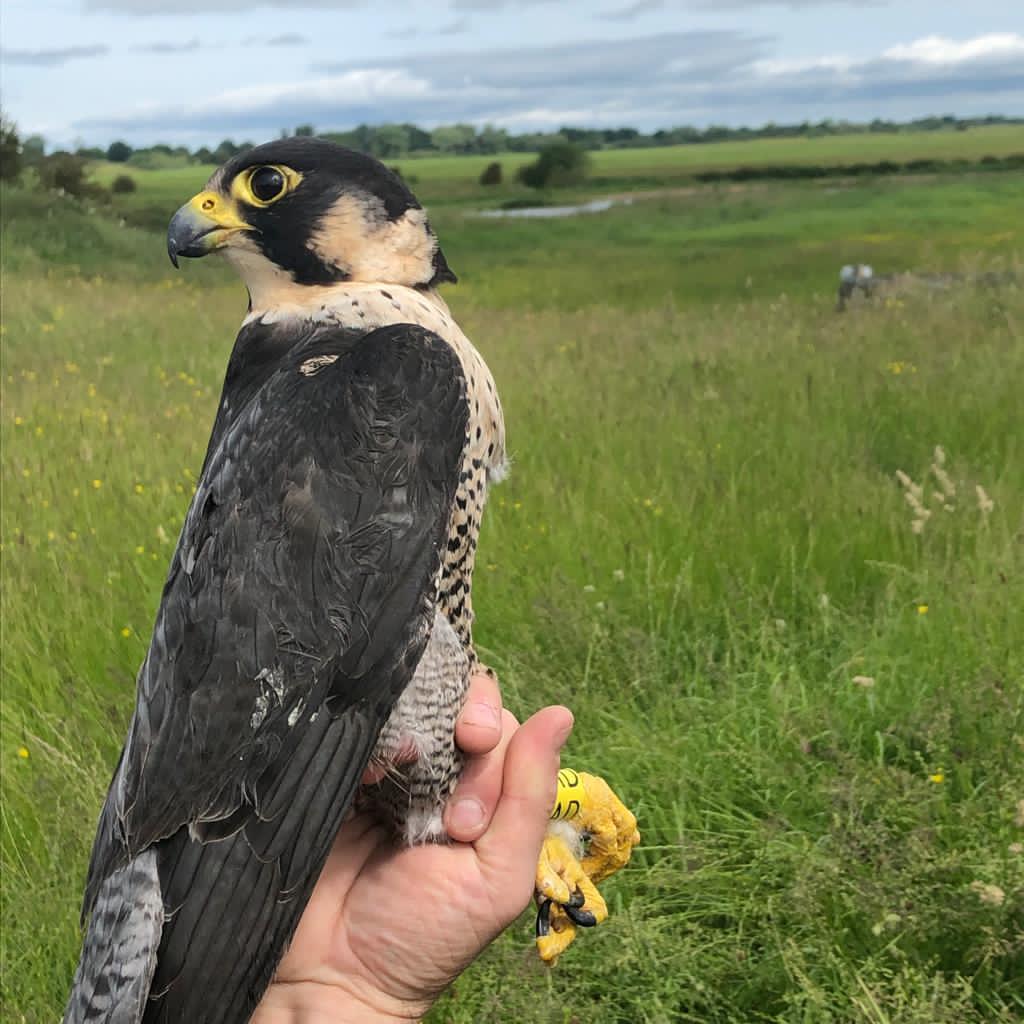
In May this year an eight-year-old female peregrine was found injured in the grounds of Selby Abbey suffering from being shot with a shotgun (see here).

North Yorkshire Police appealed for information and the peregrine was treated by specialist vets at Battle Flatts before being taken in to the expert care of the remarkable Jean Thorpe at Ryedale Wildlife Rescue.

One month on, the peregrine has recovered and has been successfully released back in to the wild at the Lower Derwent Valley National Nature Reserve:

Massive kudos and thanks to Jean and to the vets at Battle Flatts who are dealing with these victims time and time again. Some of the birds’ injuries are too severe for any hope of recovery but every now and then this dedicated team gets a win, like this one. All credit to them.

North Yorkshire Police are still investigating the circumstances of this latest crime (injured peregrine found 7th May 2021). If you have any information about this incident please call North Yorkshire Police on 101 quoting ref: 12210119786, or if you wish to remain anonymous please call Crimestoppers on 0800 555 111.

Police investigating Swinton Estate for alleged hen harrier disturbance

The Swinton Estate in North Yorkshire is once again the focus of a police investigation in to alleged wildlife crime.

This time the investigation hasn’t been triggered by the discovery of a shot hen harrier corpse or two on the Swinton grouse moors (see here and here), nor on the use of illegally-set traps (see here) and nor by reports of an armed man walking through a known hen harrier roost at dusk (see here).

No, this time it’s been triggered after a recent Freedom of Information request revealed the estate did not have a licence when one of its employees was filmed allegedly disturbing an active hen harrier nest earlier this spring.

[Photo by Ruth Tingay]

You might recall I first blogged about this incident in April 2021, after footage was sent to me of two individuals who had been observed visiting an active hen harrier nest on the estate, and just prior to that had been observed placing out food nearby for the breeding adults as part of a diversionary feeding scheme (see here). It was claimed that one individual was a Swinton Estate employee and the other one was a Natural England employee.

There were questions to be answered about why the estate was apparently providing diversionary food so early on in the breeding cycle (incubation stage) when the licence permitting diversionary feeding is very clear that this is only permissible once the chicks have hatched (see info here).

So I submitted a series of Freedom of Information requests to Natural England, which were met with NE’s standard unhelpfulness and obfuscation, e.g. telling me, after 20 working days had passed, that they needed an additional 20 working days to provide a copy of one licence return because apparently asking for this was unduly ‘complex’ (see here)!! I’ll come back to that particular aspect of this story in a separate blog because I now have a copy of the licence return and it’s quite interesting in itself.

At the same time as lodging the FoI requests, I also asked Natural England whether they were taking any enforcement action against the estate for allegedly breaching the terms of the diversionary feeding licence (known as a CL25 licence) – see here and here for previous correspondence.

To be fair, the Enforcement section of Natural England has been much more helpful and open than the FoI department. It’s been quite refreshing. Anyway, to cut a long story short, after chasing them for a while I received an email from the Enforcement team the other evening and to my surprise, this is what it said:

So, to clarify, Swinton Estate did not have a diversionary feeding licence in 2021 when one of its employees was observed allegedly providing diversionary food for hen harriers on the estate.

This means that technically there has not been a breach of the CL25 licence, because a licence hadn’t been issued. Therefore, Natural England are not in a position to take enforcement action and the case has instead been passed to North Yorkshire Police for investigation in to alleged offences under the Wildlife & Countryside Act.

I have spoken briefly with a spokesperson at North Yorkshire Police who has confirmed an investigation has opened.

This is going to be really very interesting on all sorts of levels and for all sorts of reasons.

Not least because Swinton Estate is owned by Lord Masham, Mark Cunliffe Lister, who also happens to be the latest Chairman of the Moorland Association, the grouse moor owners’ lobby group in England.

But perhaps of most interest, I’m told that Natural England’s insane hen harrier brood meddling scheme has been undertaken on Swinton Estate in previous years and is apparently set/approved to have chicks removed again this year. How does that work, then, if the estate is under police investigation for alleged wildlife crime?

Ah, that’s right, it makes no difference whatsoever to Natural England’s sham conservation project – as we’ve seen previously on another estate, a police investigation in to alleged wildlife crime doesn’t stop NE from issuing a brood meddling licence and partnering with said estate (e.g. see here).

I’m pretty sure that Mark Avery, and perhaps even the RSPB, may have something to say about these latest revelations in relation to their respective legal challenges against hen harrier brood meddling. I’m pretty sure that the evidence uncovered so far suggests that NE’s so-called ‘rigorous scientific trial’ is not so rigorous after all – and that surely invalidates the so-called ‘research’? Let’s see.

More on this case, and on Swinton’s diversionary feeding licences from previous years, shortly….

UPDATE 14th June 2021: Natural England quietly alters terms of diversionary feeding licence (and hopes we won’t notice) (here)