
Press release from Wildlife Poisoning Research UK (WPRUK), 7 September 2026:
THE KILLING MUST STOP! SENEDD ENVIRONMENT COMMITTEE ASKED TO RESTRICT EAGLE-KILLING POISONS
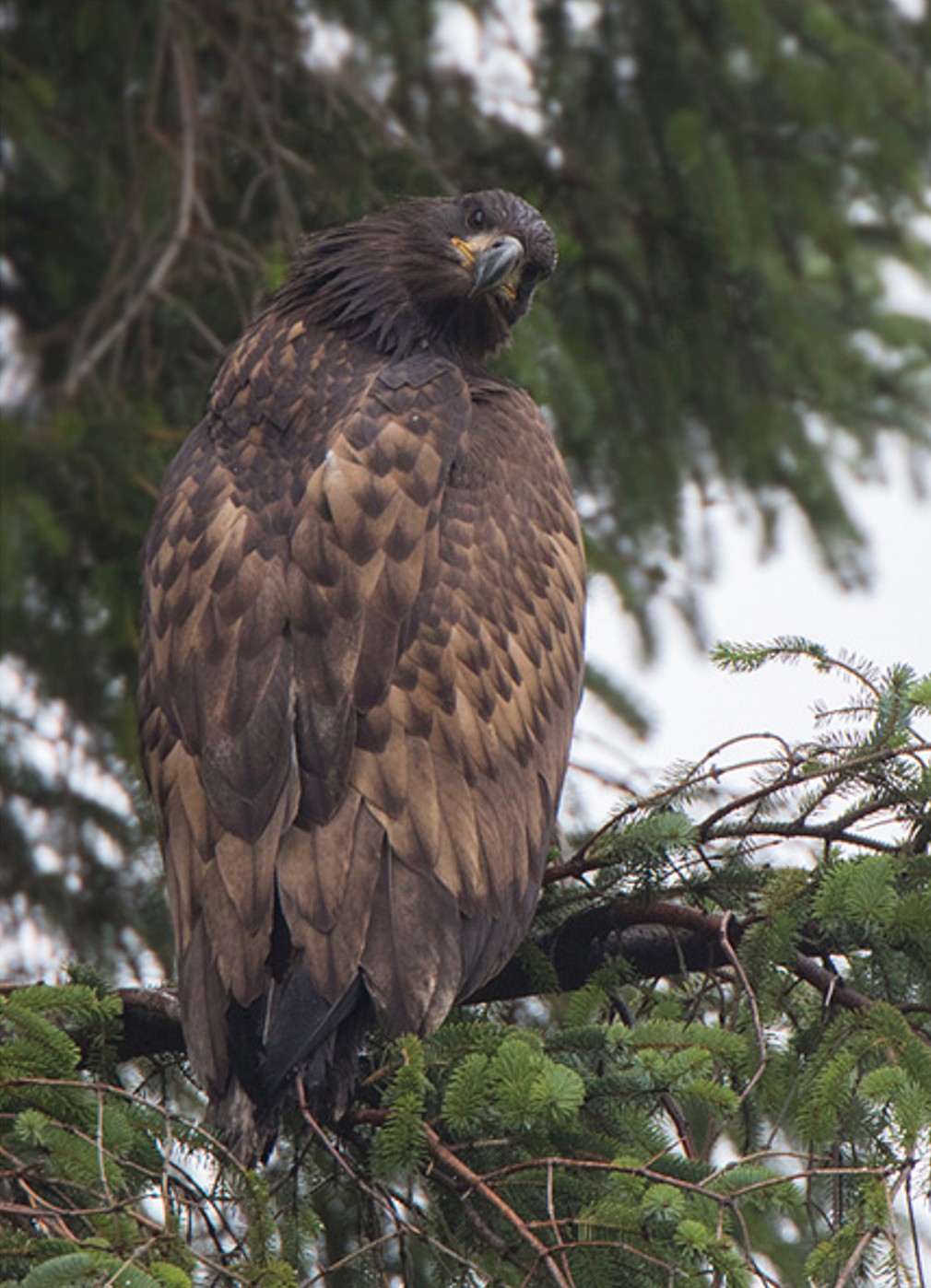
Following on from the public outcry when it was revealed that sea eagles in Britain were being poisoned by toxic rat poisons, the research group WPRUK has called on the Senedd’s Environment Committee to push for tighter restrictions on the use of these poisons.
Currently anyone can go into a shop or use the internet to buy amateur use poisons with no questions asked, no training required and no need to follow any safety codes. There is also a complete lack of any meaningful investigation scheme when these poisons kill wildlife.
These toxins, known as Second Generation Anticoagulant Rodenticides or SGARs, enter the food chain when birds of prey and other predators eat poisoned rats, the victims dying from what is called ‘secondary poisoning’, the persistent chemicals being concentrated in rat livers.
A risk assessment in 2012 concluded that these SGAR toxins should not be used outdoors due to this secondary poisoning risk. However, the UK Government ignored this and allowed the chemical companies to keep selling the toxins to both professional users (farmers and pest controllers) and any householder wishing to get rid of unwanted rodents. Even more alarming, the Government relaxed the regulations on where the highest toxicity poisons could be used, allowing these to be used outdoors for the first time. The Welsh Government followed Westminster’s lead and allowed an environmental catastrophe to unfold.
The continued unrestrained use of these chemicals was permitted on the condition that the chemical industry improved the manner in which they were used. This was enshrined in what became known as the ‘Rodenticide Stewardship Scheme’ or RSS. This scheme was meant to achieve a ‘significant reduction’ in poison exposure in wildlife.
There have now been numerous scientific studies investigating poison levels in wildlife. Not one of these has found a reduction in poison exposure in any of the species studied. Clearly the chemical industry has totally failed to protect the environment. So far, the Welsh and Westminster Governments have taken no meaningful action to address this, while the chemical companies continue to make profits from selling the poisons.
Not only has the chemical industry failed to reduce toxins in the environment but there is now new evidence showing these levels are soaring up. WPRUK collects data on buzzards and other wildlife in Wales and England. In one of the biggest studies so far, it was found that during 2020 to 2024 over 60 % of buzzards tested had SGAR poison levels above the point at which the birds start to die. Over the last 20 years, the level of exposure to one the most toxic SGARs, Brodifacoum, has soared by 1,026 %.
WPRUK is now calling for tighter controls on how these poisons are used in Wales, submitting a detailed report to the Senedd’s Environment Committee. The group is calling for a ban on the sale of these poisons to the general public and for their use by professional users to be limited to indoor areas only, so that wildlife will not be exposed to the toxins by secondary poisoning.
In submitting the paper to the Committee, Dr Ed Blane from WPRUK said: “The killing of our threatened wildlife by these poisons has to stop and the Welsh Government now has the powers to achieve this. So far it appears that our leaders in Cardiff have just ignored this growing environmental disaster and are just complying with Westminster regulations despite the harm that this is doing to our wildlife in Wales.
“Politicians in London maintain that these deadly SGAR toxins are still available to anyone to buy as there are no other alternative products available to control rats. This is simply not true as there are now other products available which do not cause this secondary damage to wildlife. It appears that Government policy is more concerned about the profits of chemical companies than safeguarding wildlife.
“Wales has led the way in the UK with positive action to protect wildlife such as banning snares and glue traps. Now it is time for the Welsh Government to take action to control these indiscriminate poisons. Iconic species such as eagles must be protected from the threat of secondary poisoning, too many of these majestic birds have died already. WPRUK is calling on the Senedd’s Environment Committee to support this campaign to safeguard our wildlife“.
ENDS


Rachel Carson’s Silent Spring comes to mind
I feel badly that this is such a battle. I live just down the road from a wildlife rescue here in the US and they are always reporting raptors affected by these kinds of poisons. The second one is lead poisoning, contracted by ingestion. This stuff should not be out in the environment.