
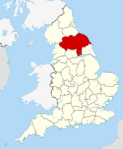
 A report out today in the Independent on Sunday says that birds of prey are being poisoned or shot in the North York Moors and Yorkshire Dales at a rate unknown in any other region in the UK, according to the latest RSPB figures.
The headline is actually quite a misleading statement. Perhaps what it should say is that reports of raptor persecution are highest in North Yorkshire than any other region. We know only too well that reporting and recording is done very differently between regions, and these differences do not neccessarily reflect what is actually happening on the ground.
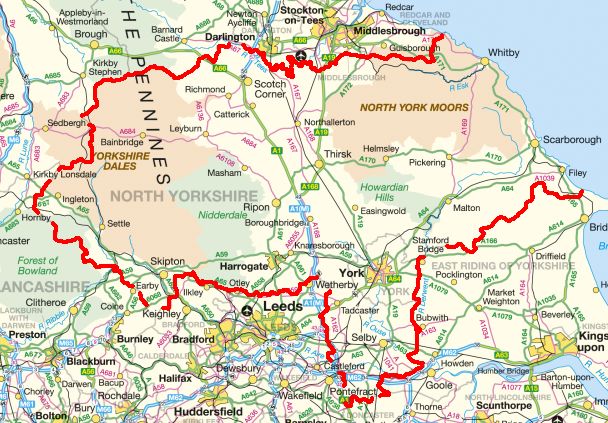 The latest figures come from the RSPB’s annual Birdcrime report, Birdcrime 2010, which is due to be published on Thursday, so it’s difficult to assess the findings until the report has been released. However, according to the IoS article, “Almost 10 per cent of the 117 incidents against 11 species last year took place in the county, which has consistently recorded high rates of such crime, according to the RSPB“.
The article continues: “The number of reported incidents in North Yorkshire doubled between 2009 and 2010, from 27 to 54, with 10 confirmed cases of bird of prey persecutions. These include the poisoning of four red kites and three buzzards and the shooting of a goshawk. Two-week old chicks [of what species?] were also found laced with a banned pesticide and left as bait in the Yorkshire Dales.”
An RSPB spokesman lays the blame firmly at the feet of intensive upland grouse moors; a BASC spokesman denied the extent of the problem and said “the gamekeeper is a convenient scapegoat.”
All depressingly familiar. The bottom line is, despite the overwhelming evidence of widespread criminal raptor persecution, it is still not possible to get a meaningful prosecution. Until this happens, we will continue to read these appalling statistics.
More on this once the Birdcrime 2010 report has been published.
Article in the Independent on Sunday here
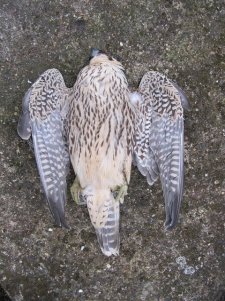 The BBC News website is running a story today about another poisoned peregrine. The young bird was apparently discovered three months ago at Whitecleaves Quarry near Buckfastleigh in Devon. The toxicology results, which have only just been released, indicate the bird was poisoned with the banned pesticides Carbofuran and Aldicarb.
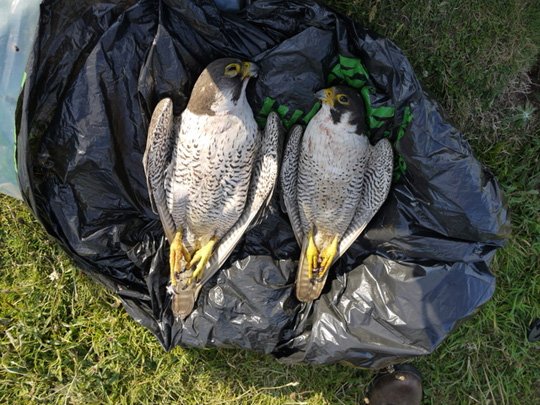 Devon & Cornwall Police, along with the RSPB, have just announced that two peregrines that were found dead on 21 July this year had been poisoned by the banned pesticide Carbofuran. The RSPB is offering a reward of £1000 for information leading to a conviction.
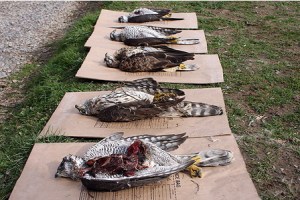
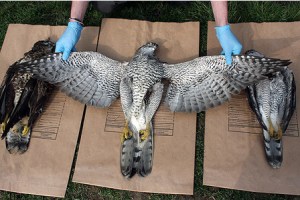 The RSPB has put up a reward of £1,000 for information about the deaths of four goshawks and one buzzard which have been found poisoned in Devon. They were discovered in Forestry Commission woods near to Exeter and had been poisoned with the bannned pesticide Carbofuran.
 Anyone with information about these crimes is urged to call Crimestoppers, in confidence, on: 0800-555-111, or email Devon & Cornwall Police Wildlife Crime Officer P.C. Josh Marshall directly:
 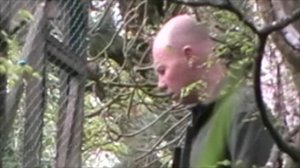 An appeal is pending for convicted gamekeeper Glenn Brown, who was found guilty in June 2011 of offences relating to the illegal use of a cage trap to catch raptors on the National Trust’s Howden Moor in Derbyshire (see
  The case against former Holkham Estate Head Gamekeeper Nicholas Parker was finally heard yesterday at Norwich Magistrate’s Court. He was given a conditional discharge.
 A man has been arrested and bailed over the illegal killing of red kites in Cumbria. At least three kites are known to have been illegally killed since the reintroduction project began in August 2010. Two were shot (see reports
