With straight faces, gamekeepers complain about abuse

Is this the most ridiculous shooting-industry propaganda narrative ever?

It’s got some stiff competition, to be fair. Over the years we’ve seen the industry endeavour to clean up its public-facing image, superficially at least, and make some pretty outlandish (and largely unsubstantiated) claims about how welcome raptors are on game shooting estates, but all to no avail as the illegal killing of birds of prey on, er, game shooting estates, has continued on and on and on.

In desperation, because they know they’re losing public support as these crimes are exposed time after time, the latest tactic appears to be to present gamekeepers as innocent victims of abuse, presumably in an attempt to elicit public sympathy and support. How this is being done with straight faces I just don’t know, given the deluge of obscene abuse many of us receive, on an almost daily basis, much of it orchestrated by gamekeepers and their supporters in the shooting industry.

But more of that in a bit. For now, let’s have a look at the level of abuse being claimed by gamekeepers.

This propaganda/victimhood campaign began late last year just before the Scottish Government published its response to the long-awaited Werritty Review. We saw BASC Scotland proclaim that ‘as many as 64% of Scottish gamekeepers experience threatening behaviour or abuse from members of the public at least once every year‘ although this claim was recently debunked after a forensic dissection of the report on which it was based uncovered some apparent misrepresentation of the results (see here).

That’s not to say that gamekeepers don’t experience any abuse at all – they do, for sure, just like most people do from time to time, no matter what their profession (as a quick look on social media will attest), but there are different scales of abuse, from mild ridicule to actual death threats, and the claims being made by the industry were not an accurate reflection of the report’s findings.

The Scottish campaign also included a public letter written to First Minister Nicola Sturgeon by Mike Holliday, a gamekeeper from Perthshire and a BASC Working Group member, who complained about the online abuse he and his colleagues had apparently suffered from ‘animal rights extremists’. I’ll be writing more about Mr Holliday and his own behaviour and that of some of his colleagues on social media in due course.

It seems that the game shooting industry was pleased with the victimhood approach because shortly after the Scottish campaign, a similar ‘survey’ was opened in England at the end of November 2020. The results of that ‘survey’ (and you’ll understand why I’m using inverted commas in a minute) have just been published and guess what? More headlines proclaiming an ‘alarming increase in abuse’.
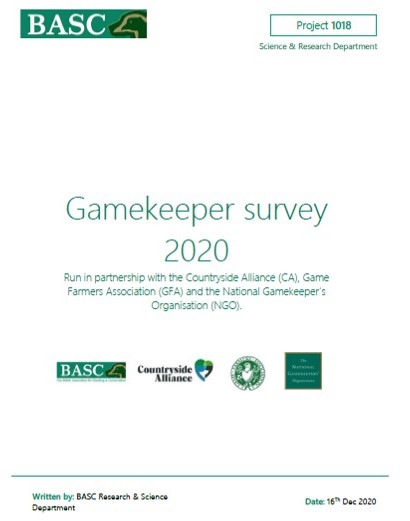
You can download the report here:

This gamekeeper ‘survey’ is very interesting. First of all, look at the partner organisations involved – BASC, Countryside Alliance, Game Farmers Association and the National Gamekeepers Organisation. Nothing unusual there, you might think, until you look at the number of partners who were originally signed up to coordinate this ‘survey’ back in November – what happened to the GWCT and the CLA? Their names/logos do not appear on the final report.
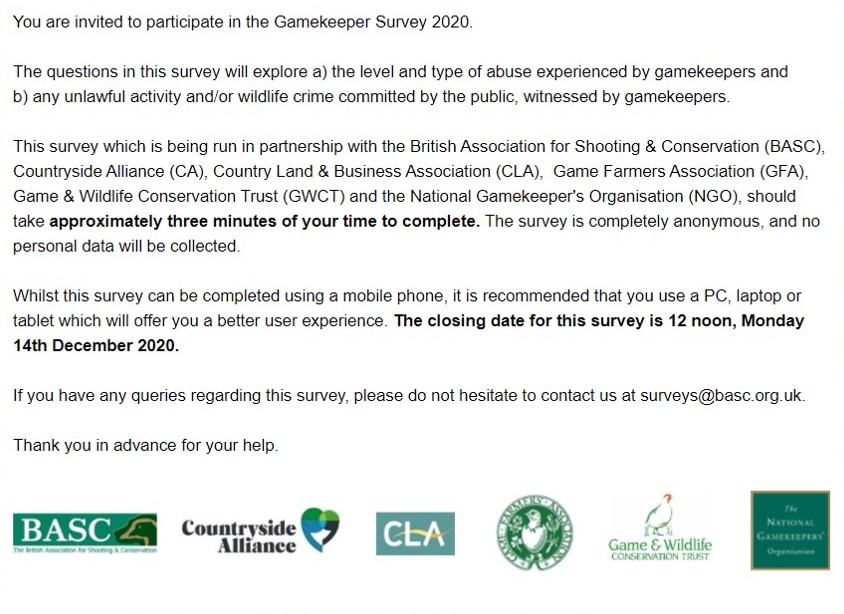
The next interesting thing to notice about the report is the date it was compiled: 16th December 2020. Funny how it’s taken this long for the report to be published. Mind you, had it been published just before Christmas it would have had to compete with the grouse-shooting industry’s disgraceful ‘advent calendar of hate’ – a malicious campaign, which ran every day from 1st-24th December, hosted by a nasty little astroturf group with a growing reputation for vicious online abuse (here), this time targeting charity workers, trustees, authors, conservationists, scientists, raptor workers and politicians – indeed anyone who has spoken up against the toxic grouse shooting industry – and this spiteful, abusive campaign was being shared daily by gamekeeping groups across social media – yes, those very same gamekeeping groups who are now complaining about, er, abuse.

You couldn’t make this up.

Or could you?

The ‘survey’ itself was not what could be called rigorous, in any sense. If you read the report it was sent out to 2,372 BASC gamekeeper members and to an undisclosed number of others via the other partners’ websites. In fact, the ‘survey’ wasn’t restricted to gamekeepers at all – it was available online and accessible to anyone to fill in.

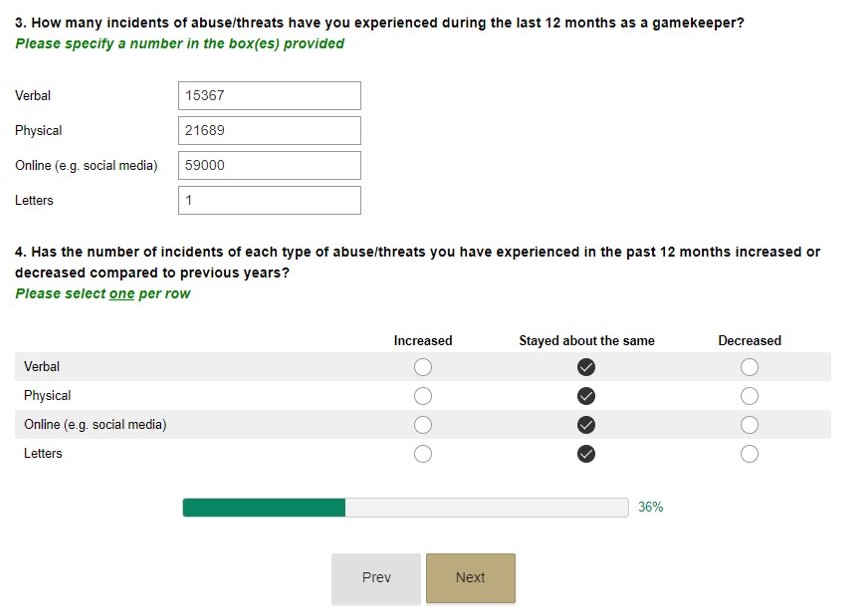
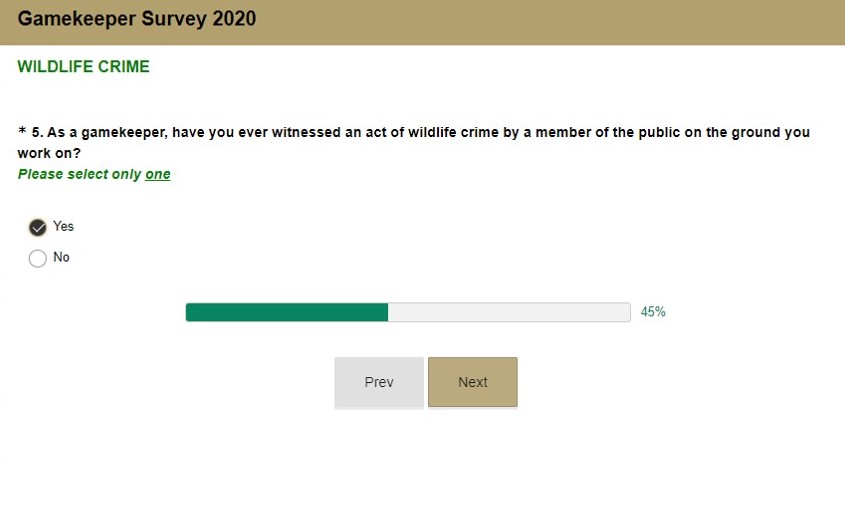
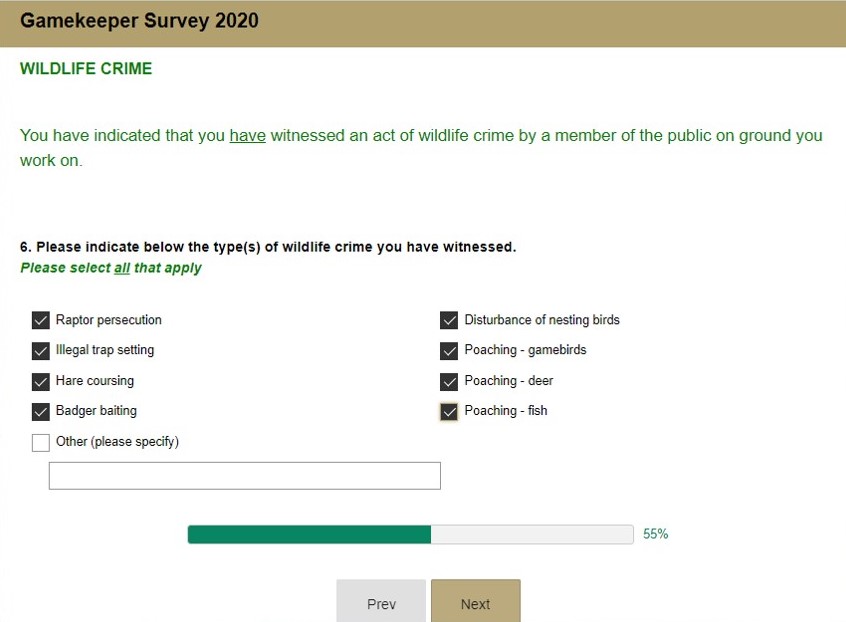
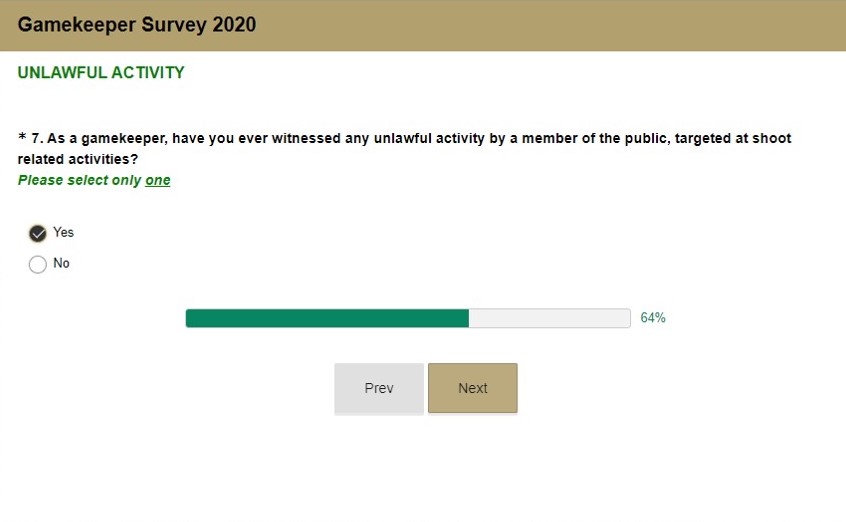
How do I know that? Because I filled it in, and I’m not a gamekeeper.

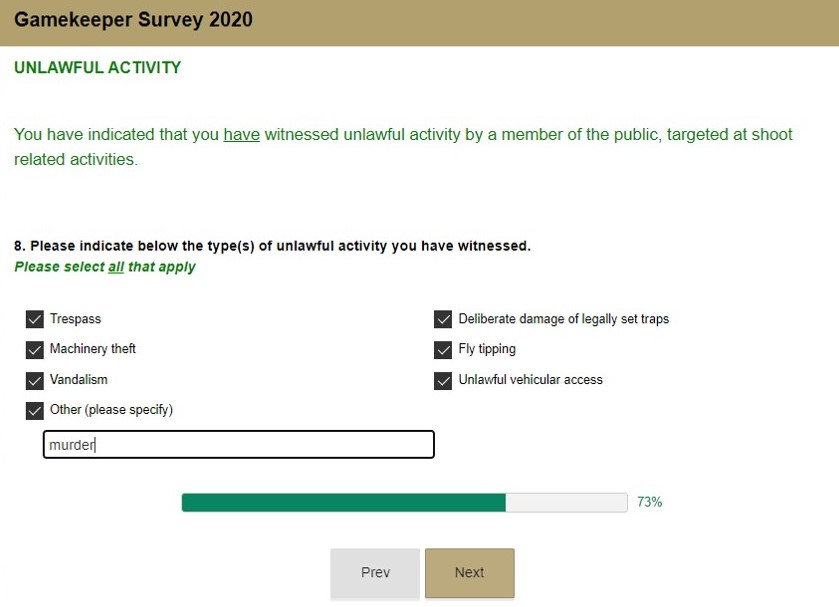
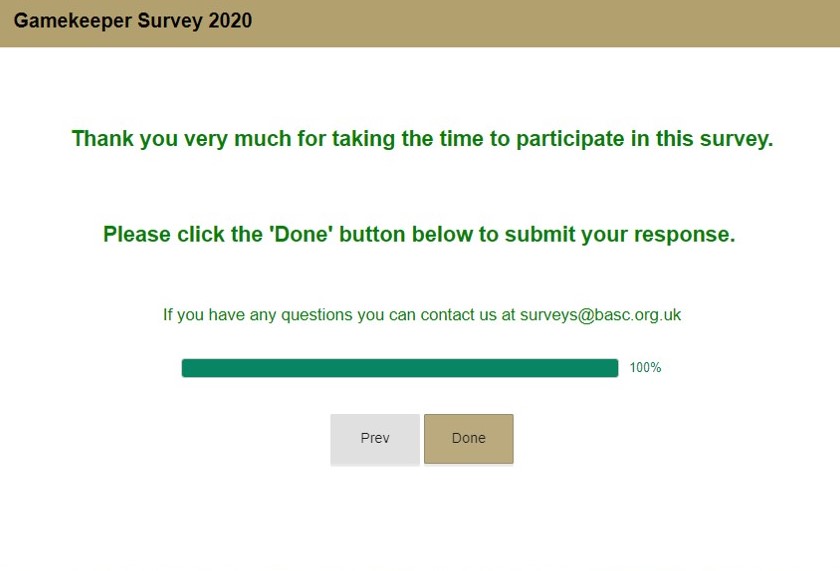
I made some pretty outlandish claims in the ‘survey’ as you can see from the screenshots below, and at no point was I asked to provide (a) evidence of identity, (b) evidence of occupation, (c) evidence of any abuse I claimed to have received as a result of me being a [fake] gamekeeper or (d) evidence of any of the crimes I claimed to have witnessed.
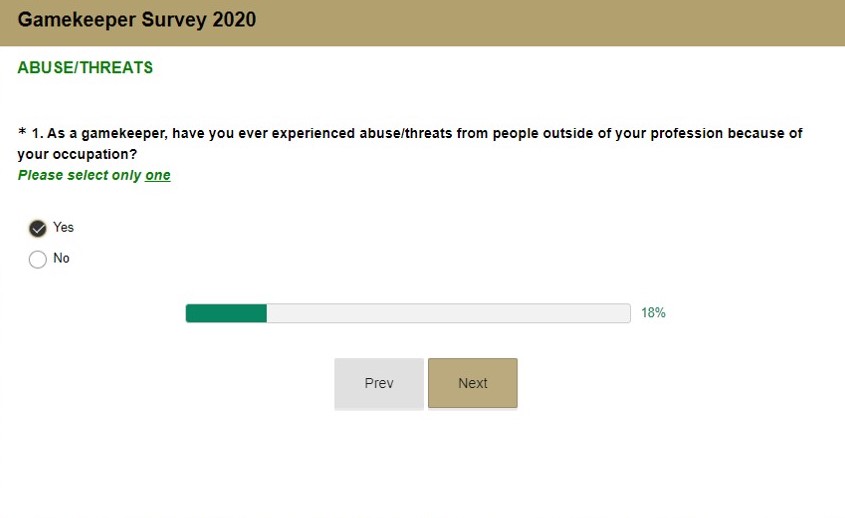
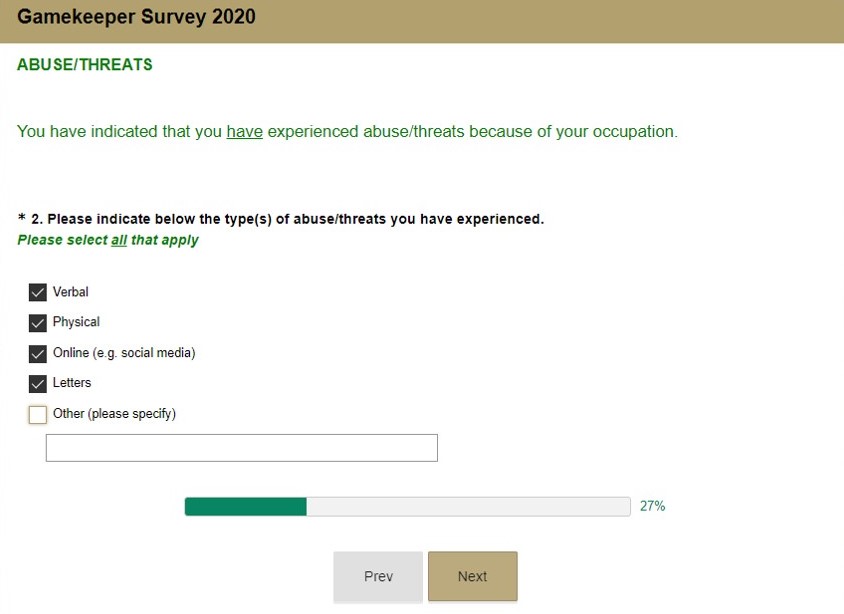
I filled in this ‘survey’ simply because I wanted to be able to demonstrate how unreliable its results would be. Now the ‘survey’ findings have been published, the game shooting industry is once again churning out the rhetoric without even the slightest acknowledgement of its lack of rigour or its hypocrisy.

For example, BASC’s Head of Game & Dogs Glynn Evans is quoted as saying: “The survey reinforces what we have been seeing and hearing in the last couple of years. Attacks on the gamekeeping profession are unwarranted and highly damaging. Gamekeepers, like other job sectors, should be free to undertake their profession without fear of attack or abuse.

Much of this aggressive behaviour on the ground is a product of targeted campaigns by those against shooting. While debate and a difference of opinion is welcome, shooting organisations are calling on those against shooting to consider the consequences of their publicity stunts and social media campaigns“.

Good grief, is he for real? Does his condemnation stretch to his colleagues who have published targeted and abusive commentary on a young woman just because she happens to be Chris Packham’s step daughter (see here)? And this was published on the BASC website!!

And does his condemnation stretch to his own organisation or his ‘partners’ at the Countryside Alliance and GWCT who have campaigned relentlessly for the BBC to sack Chris Packham? Why shouldn’t Chris be ‘free to undertake his profession without fear of attack or abuse‘?

Out of all of us, Chris has drawn the most abuse from the game-shooting community and the extent and content of it is horrendous. In the next blog on this subject I’ll be posting some examples and it doesn’t make for pleasant reading but it does put in to context this ridiculous idea that gamekeepers are innocent victims.

UPDATE 11th February 2021: Gamekeepers lead disgusting hate campaign against conservationists (1) (here)

UPDATE 19th February 2021: Gamekeepers lead disgusting hate campaign against conservationists (2) (here)

UPDATE 17th March 2021: BASC Director Duncan Thomas apologises for misogynistic abuse (here)

New police wildlife crime team for East Yorkshire

Press release from Humberside Police (9th February 2021)

Rural Task Force – East Riding of Yorkshire

Protecting our rural communities, wildlife and heritage

Humberside Police have set up a new dedicated unit focusing on tackling rural, wildlife and heritage crimes within the East Riding of Yorkshire.

The Rural Task Force will be based at Driffield Police Station, ideally placed within the ‘Capital of the Wolds’ and will consist of four police constables and one sergeant.

The team will be targeting those who chose to commit crime within our rural communities.

The Inspector leading the Rural Task Force is Neighbourhood Police Inspector Jon Powell, he said, “Over the years Humberside Police have worked tirelessly to tackle rural crime and help to make our rural communities feel safer.  This new team will focus on disruption of criminal activities, apprehension, arrest, charging and prosecution of offenders.

“All with the aim of deterring others from committing similar offences.  This will send out a clear message that rural, wildlife and heritage crime will not be tolerated.

“The team will be building on existing relationships with local rural communities, groups and businesses which will develop and support them in tackling crimes that affect them most.”

The Rural Task Force will continue the pro-active work already undertaken by our community teams who are targeting hare coursing and poaching, marine wildlife disturbance, raptor persecution as well as offences around hunting with dogs, badger baiting and heritage crime.

There is also a focus on supporting and co-ordinating disruption around plant and agricultural theft and associated crimes.

The Rural Task Force will be working in partnership with Humberside Fire and Rescue utilising the latest drone technology to achieve best evidence of hunting and poaching offences, and also East Riding of Yorkshire Council with further enforcement opportunities around Community Protection Warnings and Notices for those who commit wildlife crime within our area.

A close working relationship has already been established with neighbouring forces and the Rural Task Force intend to continue this with increased sharing of intelligence and information to target those who travel across the border to commit offences.

On Wednesday 27 January 2021 the team worked alongside North Yorkshire Rural Task Force in a joint cross border night time operation targeting night time poaching and acquisitive crime within the rural communities of Humberside and Ryedale setting a clear intent of partnership working from day one.

ENDS

This is very welcome news. Humberside sees its fair share of illegal raptor persecution so it’ll be good to have one dedicated team instead of a number of them working ad hoc.

For more info on the new rural task force see here and scroll to the bottom.

Wild Justice petition to ban badger shooting passes 100,000 signatures

In September Wild Justice launched a new e-petition calling on Natural England to ban the shooting of badgers as part of DEFRA’s badger cull.

Over the weekend the petition passed 100,000 signatures, the amount needed to trigger a debate at Westminster Hall.

Many thanks to the blog readers who supported this petition – it’s off-topic, I know, but there have to be perks to writing this blog and besides, it gives the blog’s detractors something else to whine about.

The petition is still open until 24th March 2021 so if you’d like to support it you can sign here

Further info about the petition and what happens next can be found on the Wild Justice blog here

Buzzard shot & critically injured in Bedfordshire

Here is yet another grisly account of a buzzard being illegally shot in the UK, just four days after the last one was reported.

That one was in Cambridgeshire, this one was in neighbouring Bedfordshire.

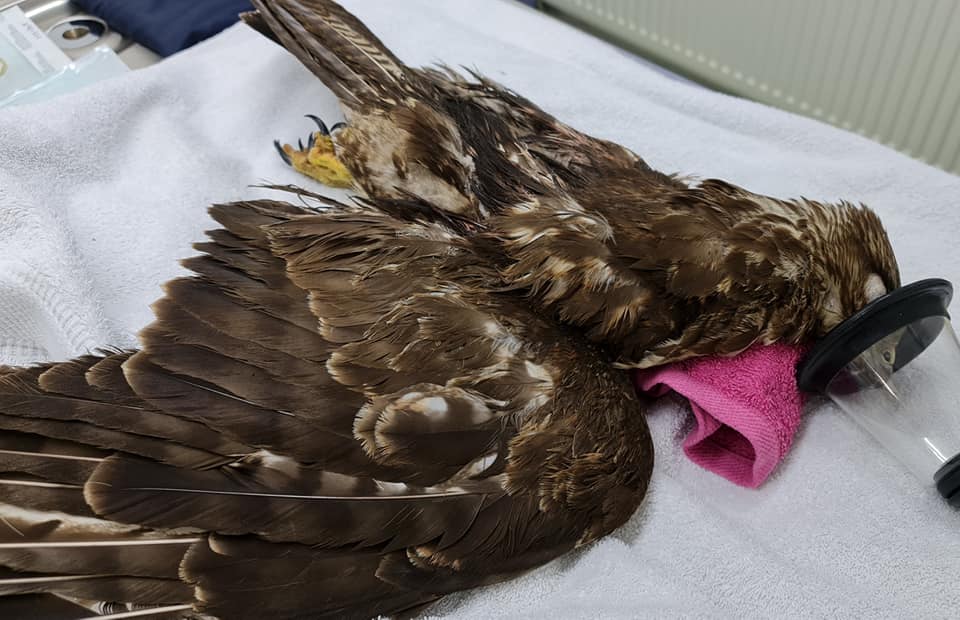
According to social media reports by South Essex Wildlife Hospital, an injured buzzard was brought to them by an RSPCA inspector after being picked up at an undisclosed location in Bedford on Friday 5th February 2021.

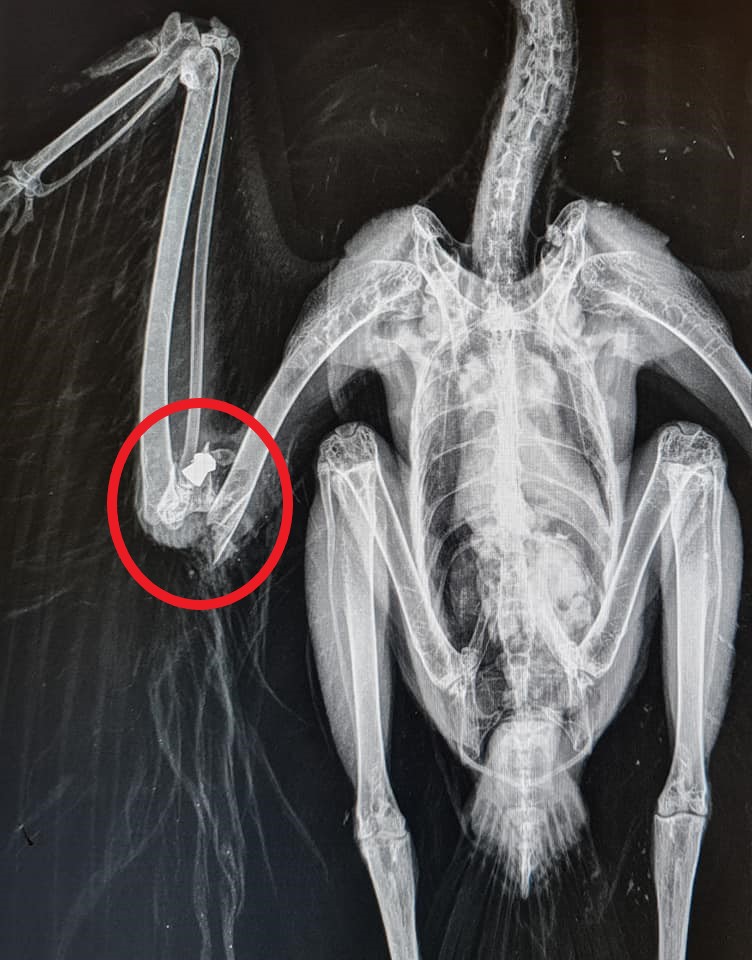
The vet diagnosed a fractured humerus and looking at the x-ray it looks like an air gun pellet has caused a catastrophic injury (photos by South Essex Wildlife Hospital, injury site on x-ray highlighted by RPUK).

I’m no vet but looking at its appalling injury it’s hard to see how this bird could have flown any distance from the location where it was shot.

According to the reports, the vet consulted with a specialist raptor vet in the US and it was concluded the damage was irreparable so a decision was made to euthanise the buzzard to prevent further suffering.

Apparently the RSPCA are making enquiries.

If you have any information about this crime please contact the RSPCA (0300-1234-999) or Bedfordshire Police (101) or the RSPB Investigations Team (01767-689551).

Alternatively, please call Crimestoppers anonymously on 0800 – 555111.

Sandringham Estate ‘supportive’ of proposed white-tailed eagle reintroduction

A proposal to consider the reintroduction of white-tailed eagles to Norfolk has been making the news for a couple of weeks now, ever since the Wild Ken Estate launched a public consultation, backed by a number of local landowners, to gauge opinion and support (see here).

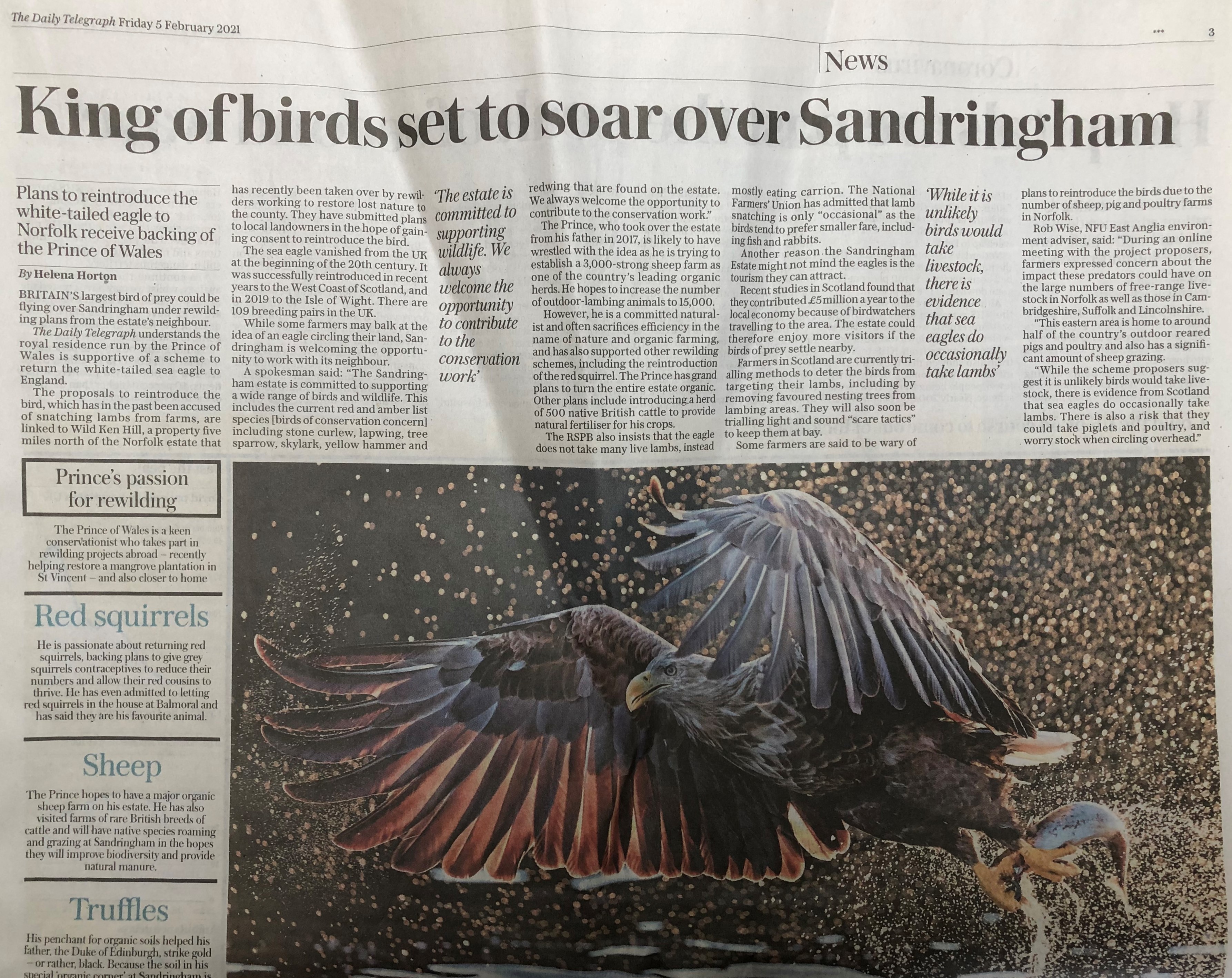
Not wanting to miss an opportunity for a bit of a Royal love-in, The Telegraph published this puff piece on Friday:

As so often with the Telegraph, there’s very little substance to support its claims, in this case that Sandringham and/or Prince Charles actually does ‘support’ a proposed reintroduction of white-tailed eagles to Norfolk. All it says is ‘The Daily Telegraph understands the royal residence run by the Prince of Wales is supportive of a scheme to return the white-tailed eagle to England‘.

Even the quote from the Sandringham Estate fails actually to mention sea eagles!

But perhaps things ARE changing at Sandringham. Perhaps the Sandringham Estate has moved on since being at the centre of numerous police investigations relating to birds of prey (e.g. see here, here, here, here). And perhaps if Charles really is in to conservation we’ll start to see some improvement in the management of his grouse moor in the Cairngorms National Park (e.g. see here and here) as well as at Sandringham.

We can but hope.

Meanwhile, folk would do well to continue to view the Telegraph’s level of understanding with healthy scepticism. Have a look at this ridiculous map, published alongside the Sandringham piece:

I don’t know where the Telegraph is getting its ‘facts’ from but it doesn’t appear to be from someone with any insight.

Why on earth would juvenile eagles be ranging 100km offshore in the North Sea??

And if they think that 200km is the ranging distance of a dispersing white-tailed eagle they need to take a look at the behaviour of some of the eagles reintroduced to the Isle of Wight – one travelled over 400 miles to hang out in southern Scotland for a while!

On-going hen harrier persecution raised in House of Lords

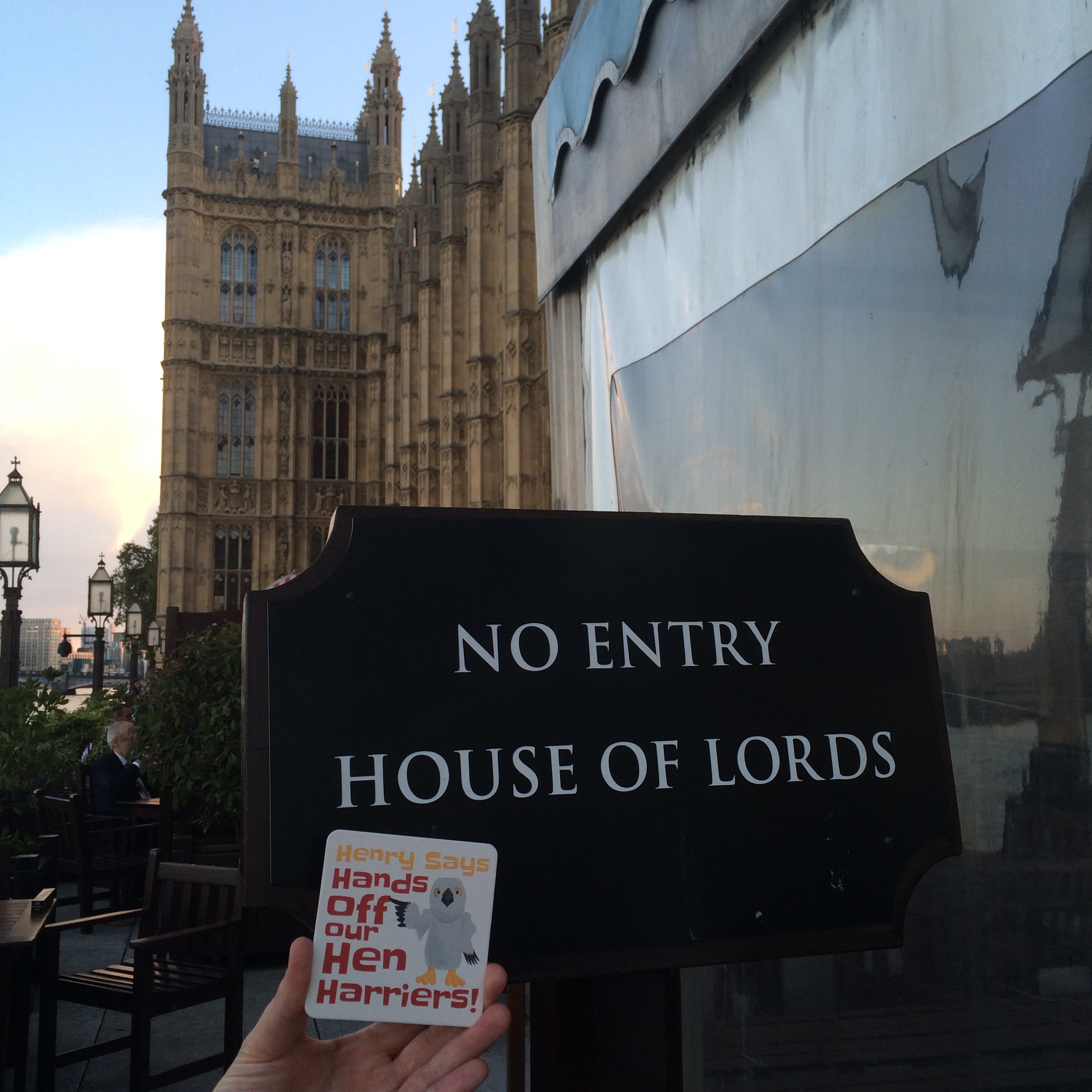
I’d wager that the subject of the illegal killing of hen harriers on driven grouse moors has been discussed many times in the House of Lords, probably on the terrace bar and probably accompanied by some hearty back-slapping, sniggering and cheering.

[Photo by Ruth Tingay]

Fortunately, the hen harrier does have some friends in high places, not least long-time supporter and Life Peer Natalie Bennett (Green party), who tabled the following written question on 21st January 2021 after learning that yet another satellite-tagged hen harrier had ‘vanished’ in suspicious circumstances (see here).

From Hansard: UIN HL12411, Baroness Bennett of Manor Castle –

To ask Her Majesty’s Government what plans they have to prevent the killing of satellite-tagged hen harriers.

Answered 4th February 2021 by Lord Goldsmith of Richmond Park, The Minister of State, Department for Environment, Food and Rural Affairs –

All wild birds are protected under the Wildlife and Countryside Act 1981, which provides a powerful framework for the conservation of wild birds, their eggs, nests and habitats. The Government is committed to ensuring the protection afforded to wild birds of prey is effectively enforced. There are strong penalties for offenders, including imprisonment.

We are also committed to securing the long-term future of the hen harrier as a breeding bird in England. The Hen Harrier Action Plan sets out what will be done to increase hen harrier populations in England and includes measures to stop illegal persecution. The long-term plan was published in January 2016 and we believe that it remains the best way to safeguard the hen harrier in England. A copy of the plan is attached.

Raptor persecution is one of six national wildlife crime priorities. Each wildlife crime priority has a delivery group to consider what action should be taken and develop a plan to prevent crime, gather intelligence on offences and enforce against it. The Raptor Persecution Priority Delivery Group focuses on the golden eagle, goshawk, hen harrier, peregrine and white-tailed eagle. The National Wildlife Crime Unit, which is part funded by Defra, monitors and gathers intelligence on illegal activities affecting birds of prey and provides assistance to police forces when required.

So, five years on from the launch of DEFRA’s heavily criticised Hen Harrier Action Plan, which would be better re-named the Hen Harrier Persecution Plan, and with an embarrassing amount of evidence to demonstrate that the illegal killing of hen harriers is still rampant, this response from Zac Goldsmith is pathetically lame.

The evidence that hen harrier persecution continues relentlessly includes the devastating results of a peer-reviewed scientific study, based on Natural England’s own data and published in a high-ranking journal, demonstrating that at least 72% of satellite-tagged hen harriers are presumed illegally killed on grouse moors (see here).

There’s also the rather inconvenient tally of 51 hen harriers confirmed illegally killed or reported ‘missing’ in suspicious circumstances since 2018, when grouse moor owners pretended they’d be more tolerant of the species (here) and then the admission just a few days ago from Natural England’s Chair that “continuing illegal persecution [of hen harriers] is preventing the recovery we need to see” (here).

This issue is one of the most pressing wildlife conservation issues in the UK, and yet DEFRA has nothing more to offer than, ‘We believe the Hen Harrier Action Plan remains the best way to safeguard the hen harrier in England‘.

For how many more years is DEFRA going to hide behind it’s obviously-failing action plan? It’s been five years, and counting.

Here’s a more realistic view of the Hen Harrier Action Plan, from blog reader Dr Gerard Hobley.

Enough said.

Which English grouse moors will escape DEFRA’s so-called moorland ‘burning ban’?

Last week DEFRA published its long-awaited statement on proposed new legislation to ban burning on moorland (see here).

The statement included this: ‘The new regulations will prevent the burning of any specified vegetation on areas of deep peat (over 40cm depth) on a Site of Special Scientific Interest [SSSI] that is also a Special Area of Conservation [SAC] or a Special Protection Area [SPA] unless a licence has been granted or the land is steep or rocky‘

and this:

‘There will be specific circumstances where the ban does not apply, such as on steep land or where scree makes up half the land area. In addition, the Secretary of State may also issue licences for the burning of heather on blanket bog for the purposes of wildfire prevention, for a conservation purpose or where land is inaccessible to cutting or mowing machinery. These licences may cover several years so that they can be aligned with coherent management plans for sites‘.

DEFRA’s proposal has been widely criticised as being too constrained, having far too many loopholes and not being anywhere near what had previously been promised (e.g. see here).

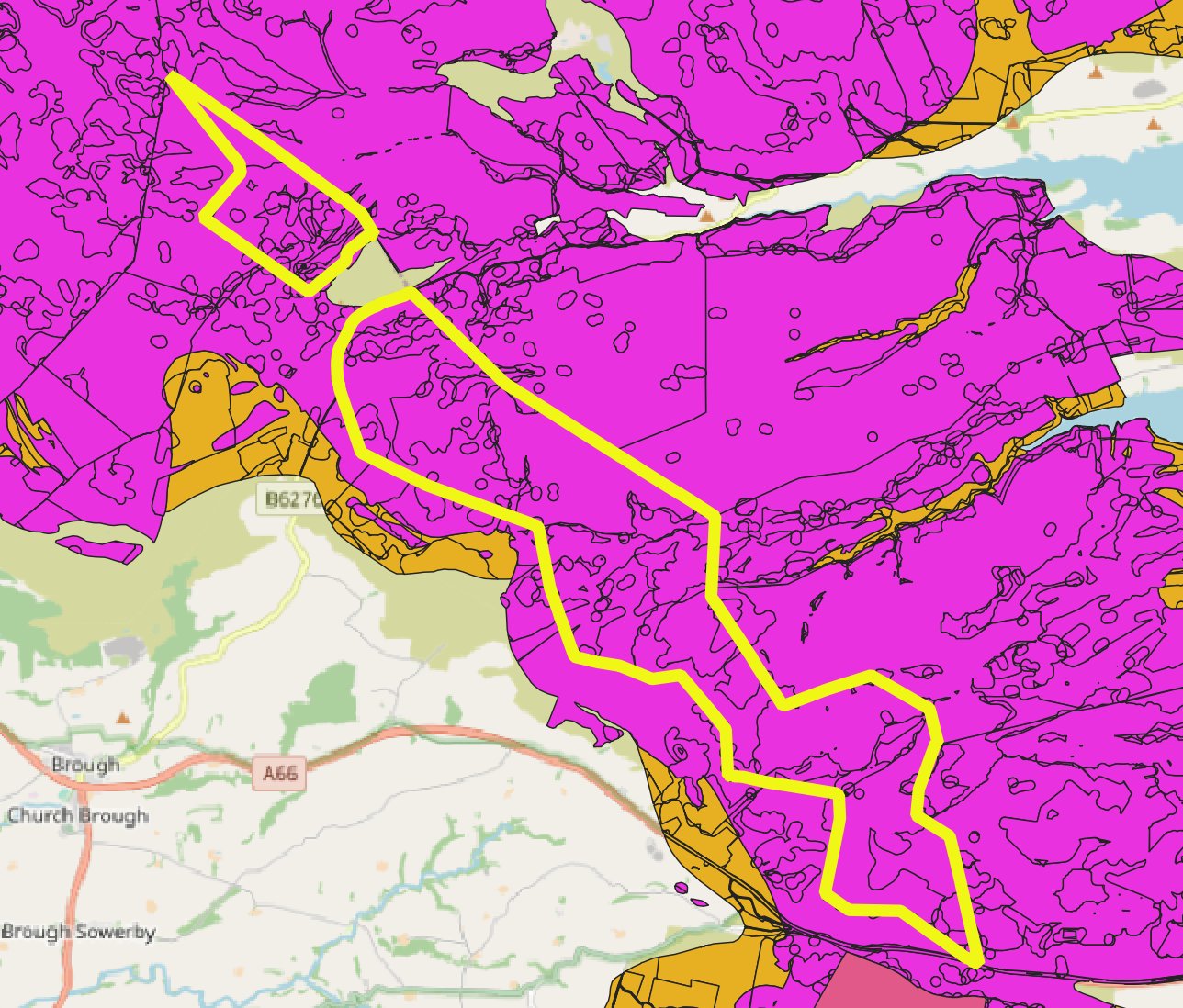
Guy Shrubsole, formerly of Friends of the Earth and now at Rewilding Britain, whose research on Who Owns England is compelling reading, has put together some interesting material on which English grouse moors might be affected by DEFRA’s so-called ‘burning ban’ and which ones will probably not.

The following is what Guy posted on Twitter (@guyshrubsole) a few days ago, reproduced here with his kind permission:

How many grouse moor estates will the Government’s (very caveated) moorland burning ban affect? I’ve been looking at some maps…

Firstly, here’s a map of where grouse moors are in England, approximately, built by @beadyallen and me a few years ago:

Last week, the Govt said it would legislate to ban moorland burning – but its proposals contain many loopholes.

So, who owns the grouse moors that may be exempt from this burning ban?

First up: the Queen’s grouse moor in North Yorkshire: [Ed: this estate has featured previously on RPUK – see here]

In fact, most of the grouse moor estates in the North York Moors look like they’ll be exempted from a burning ban – because, despite all being designated sites (SSSIs, SACs and SPAs), Natural England considers the peat here to be ‘shallow’ rather than ‘deep’:

Outside of the North York Moors, there are also a number of other grouse moor estates that look like they could escape the Govt’s burning ban – because they’re not designated as SSSIs / SACs / SPAs.

This is despite them still containing lots of carbon-rich peat.

One of the likely exempt estates in the Yorkshire Dales is the East Arkengarth Estate, owned by a firm registered in the tax haven of Liechtenstein, and thought to belong to a Swedish businessman: [Ed: this estate has featured previously on RPUK – see here]

Another estate that might escape the burning ban is Knipe Moor in the North Pennines, belonging to Baron Hothfield.

Knipe Moor is all deep peat but because it’s not classed as an SSSI (or SAC or SPA) it’s not covered by the ban. Madness – bad for climate and nature.

Another example of an estate likely exempt from the burning ban: the Lilburn Estate in Northumberland, owned by the founder of Persimmon Homes.

Owns a grouse moor, most of it deep peat. It’s also a SSSI – but because it’s not *also* a SAC or SPA, it’s exempt… [Ed: this estate has featured previously on RPUK – see here & here]

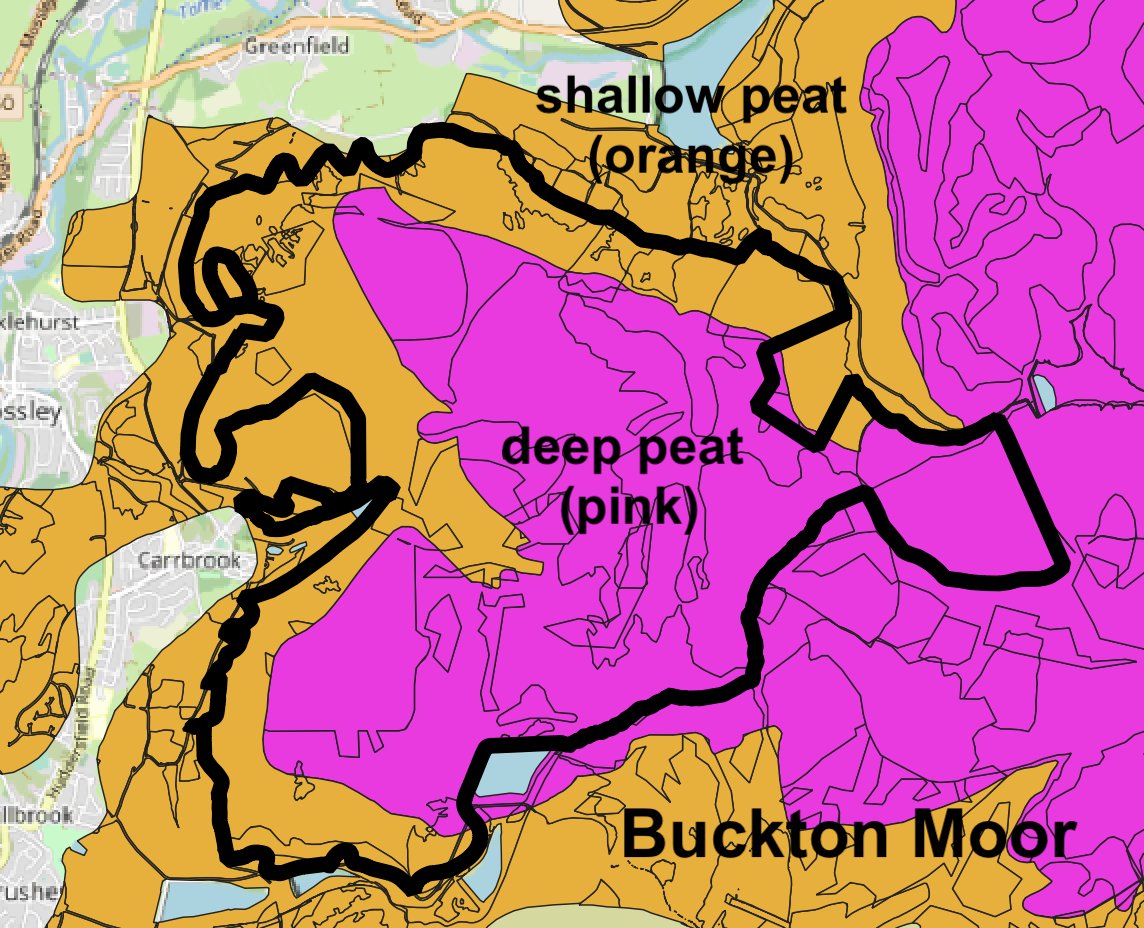
One last example of a grouse moor that’s likely exempt from the Govt’s burning ban: Buckton Moor on the edge of the Peak District.

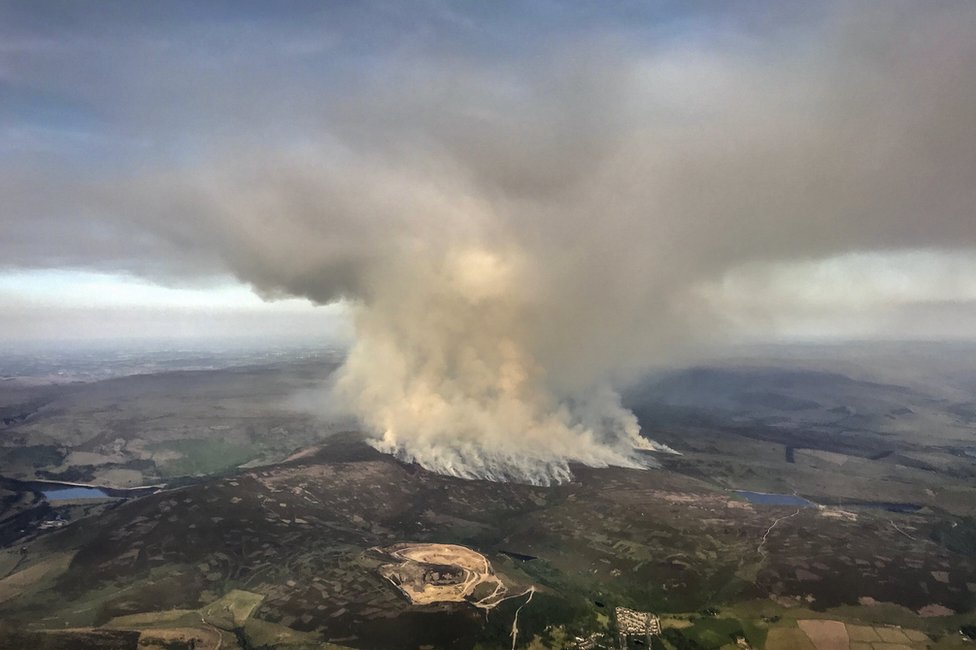
It’s not a designated site but it contains a lot of deep peat – and it’s where the massive Saddleworth fire happened in 2018!

And of course, any grouse moor estate can try to avoid the burning ban by applying to the Secretary of State to burn moorland for purposes of ‘conservation’ or ‘wildlife prevention’ [Ed: see caveats in DEFRA’s statement]

This is a nonsense; healthy peat bogs need water, not fire.

This thread gives some examples of the glaring loopholes in the Government’s moorland burning ban, and some of the estates that could benefit from its loose drafting.

@ZacGoldsmith please get rid of these loopholes – for the sake of the climate and upland wildlife!

ENDS

‘Public interest test’ proposed for large Scottish estates

Landowners could be barred from buying country estates or forced to sell off land if they are accused of neglect or abuse of power under proposals being studied by Scottish ministers.

The Scottish Land Commission (SLC), an influential advisory body, has recommended that all large or important land sales in Scotland should be subject to a legally enforceable public interest test to make sure the sale has wider social or environmental benefits.

In a detailed report to the Scottish government, the commission has told ministers any future sales involving estates over 10,000 hectares (24,710 acres), as well as any of economic or ecological significance, such as entire islands, should be included.

For the rest of Sev Carrell’s article, published yesterday in The Guardian, please click here

There are some potential implications here for massive, intensively managed driven grouse moors.

Police appeal after buzzard shot dead in Cambridgeshire

Press release from Cambridge Constabulary (4th February 2021)

Buzzard found shot in Horseheath

Police are appealing for information after a buzzard was found dead in Horseheath.

A member of the public found the bird of prey in a wooded area while on a walk on 29 January.

Cambridgeshire Constabulary’s Rural Crime Action Team (RCAT) are now working with the RSPB to find those responsible after it was discovered it had shot gun pellets in its body and wings.

PC Alun Bradshaw from the RCAT said: “Someone has deliberately shot this bird and we urge anyone with information to contact us.

“All birds of prey are protected by law. If you notice a dead or injured bird of prey in suspicious circumstances, please notify us and the RSPB.”

RSPB Assistant Investigations Officer, Tom Grose, added: “Many of us will have enjoyed watching buzzards lately on our daily walks. They are a natural part of our countryside and a sign of a healthy ecosystem. Buzzards and other birds of prey are protected by law, yet all too often we received reports of them being illegally shot, trapped and poisoned.

“At a time when the natural work and its wildlife are increasingly under threat, we all have an important role to play. If you have any information which may help this investigation, please come forward.”

Anyone with information is asked to contact us online via our web chat or call 101 quoting incident 239 of 30 January.

ENDS

Wildlife crime on grouse moors in the Peak District National Park – an illustrated talk by Bob Berzins

Bob Berzins is a conservation campaigner who has spent a number of years highlighting the ecological damage caused by grouse-shooting interests on the moors of the Peak District National Park (e.g. see guest blogs he’s written for Mark Avery here, here, here, here, here, here, here and here).

Regular blog readers will be well aware that the Peak District National Park has been identified as a hotbed of illegal raptor persecution for many years (e.g. see here) and this reputation continued, in and around this National Park (!) even when the country was in lockdown last spring (see here).

[A shot buzzard found critically injured at Rushup Edge, near Mam Tor in the Peak District National Park on 13th January 2020. It had to be euthanised. Photo via Derbyshire Constabulary]

Bob’s willingness to speak out about his findings on these Peak District grouse moors has led to him being targeted, like so many of us, by a campaign of harassment and intimidation from members of the grouse shooting industry, presumably in an attempt to silence him.

It’s a measure of the man that he hasn’t quietly slinked off, even in the face of the most malicious abuse, but has instead stood his ground and continued to share his experience and knowledge.

A few days ago he gave an illustrated presentation (online, of course) to the Sheffield Green Party. His talk was entitled ‘Wildlife Crime in the Peak District’ and it’s now available to watch on YouTube: