The Langholm Initiative is recruiting again for the Tarras Valley Nature Reserve (formerly a knackered old grouse moor owned by Buccleuch Estates, sold in a huge community buyout earlier this year – here).
Job title: Creative Digital Media Manager: Communities & Conservation – a digital journey of landscape restoration
Location: Langholm, Dumfries and Galloway
Employer: The Langholm Initiative but answerable to the executive committee of the Tarras Valley Nature Reserve
Salary: £28,000 depending on skills/ experience
Length of project: 3 years fixed term
Pension: 3% employer’s contribution.
Closing Date: 16th September 2021
Job Description:
This is an amazing and unique opportunity for the right creative individual to make a contribution to community regeneration, large scale ecological restoration and climate change. We are looking for an individual experienced in creating and managing digital content to join our small team of staff and volunteers who are responsible for the development of the Tarras Valley Nature Reserve following a historic community buy out earlier this year.
Your role is to help us engage with our supporters all around the world as we start on the journey to restoring the Tarras Valley Nature Reserve and help us communicate the power of a nature led approach to ecological restoration. Using the latest digital technology and innovations you will help us tell the story of restoring nature and a sense of hope, that communities can make a difference in the global climate and nature crisis response.
You don’t have to have a scientific background – although an interest in, and commitment to, climate change, restoring our natural world and community led action will be beneficial. We have a wealth of local knowledge and community expertise to support and provide detailed information on the ecology of the area.
You don’t have to be a full blown ‘techie’ but we do need you to be at ease with creative multi-media content development and technology to help us tell our story. This project is about using the power of creative media to innovatively capture the changes that are happening to our reserve over time as we restore the land.
You will need to be a good communicator to build digital capacity and skills within the team and the wider community to make sure the project is sustainable when the 3 year contract comes to an end.
[Bog asphodel on Langholm Moor, July 2021. Photo by Ruth Tingay]
The project – a digital journey of landscape restoration:
The community has bought 5000 acres of rough moorland, forestry, ancient woodland and river valley along with 6 properties, some rented out to local residents. The area is an ex-grouse moor and much of it is a designated and protected landscape due to the rare and endangered species that live here.
We want our many supporters (both locally and further afield) to share our journey (especially those who can’t actually visit us) as we work to restore the ecological balance of the site and contribute to community regeneration. We want to be able to monitor progress and tell the story as our land changes and responds over time to capture all of the benefits that this restorative approach provides.
The Role:
We have listed below the ideas we wish the successful candidate to take forward. However, we are also open to other suggestions that help us achieve the aims of this project:
Development of the new Tarras Valley Nature Reserve (TVNR) dedicated website:
The Langholm Initiative has its own website which, to date, has hosted news and updates on the community buyout. However, you will be responsible for the development of a new dedicated TVNR website that is capable of live streams video sharing, archiving and mapping sat tag links etc.
You will be responsible for creating the brief and seeing the website development through to completion (including tendering if necessary) and for managing it’s content for the duration of the project.
Time lapse Story:
A strong element to our story are the changes we can bring about to the landscape over time – be that regenerating woodland, restoring peatlands or wetland creation. We want to show the process of nature’s recovery in innovative real time ways and engage global audiences.
Nest Cameras and livestreams:
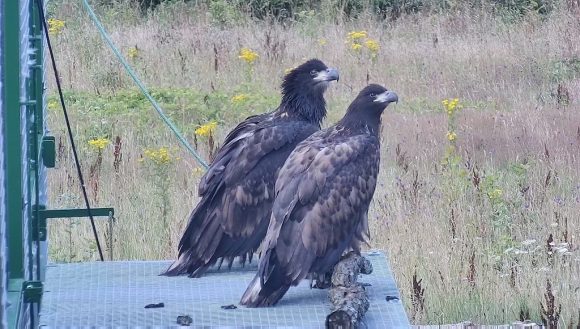
We have many rare birds who nest here, including the iconic hen harrier; nest cams will bring the birth of new chicks into our supporters homes and for the many people who will never get to witness this in real life, this can be an amazing way to maintain and encourage ongoing support.
Tarras Valley – a Bird’s Eye Perspective:
We want to show and tell the story of large scale ecological change throughout the Tarras Valley – drone footage showing change over time is an opportunity to do this, as well as using the footage to create short engaging videos.
Creating promotional/inspiration videos:
A picture paints a 1000 words – giving our community and supporters access to short, quality videos that tell the story of change, community action as our reserve recovers and regenerates.
Where the Wild Birds Roam – Bird of prey satellite tags:
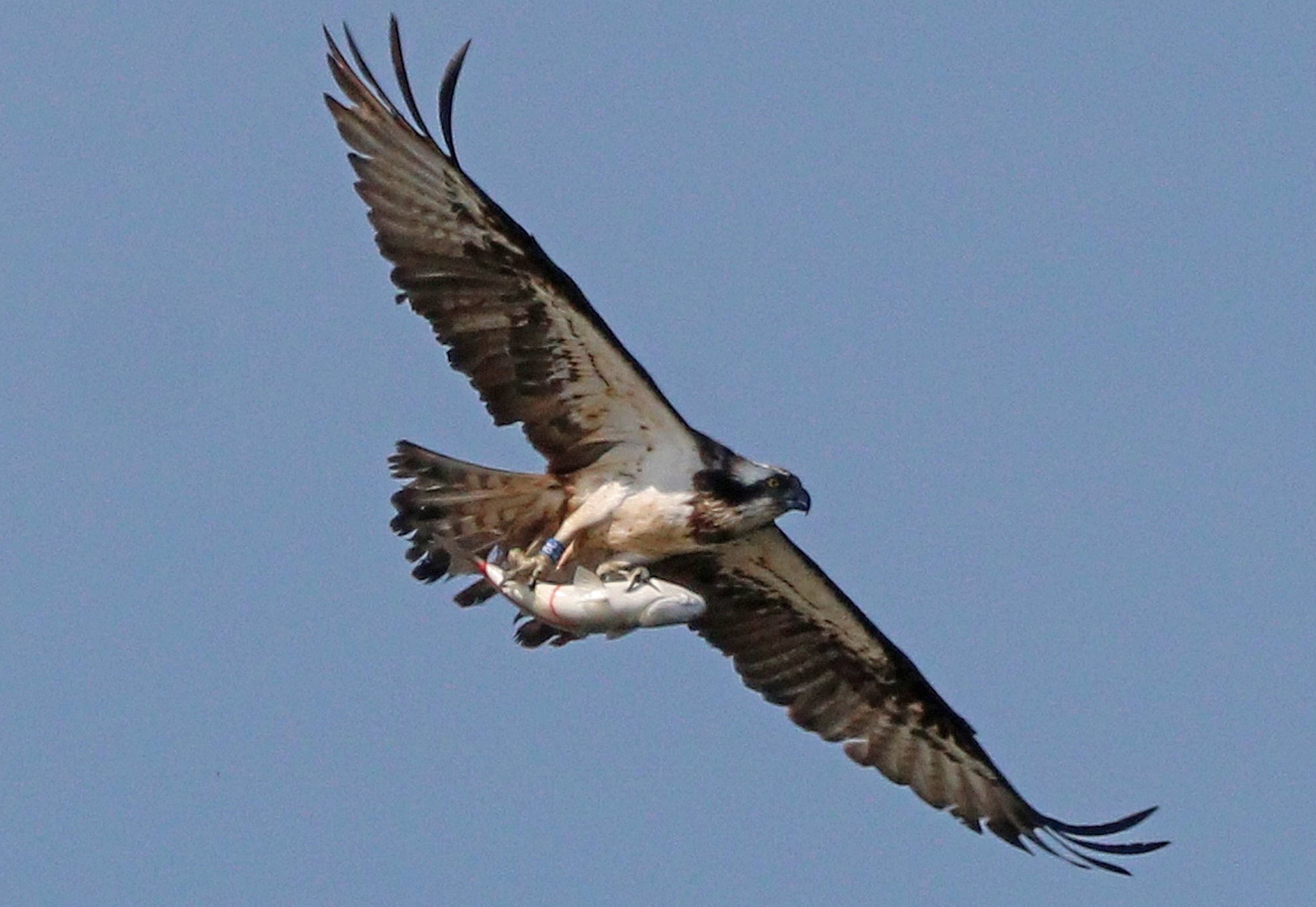
Working with the RSPB,tagging our chicks as they are about to fledge and journey will help build up our knowledge about how they behave and interact with a changing landscape. It will also give global audiences a unique insight into the wonders of the natural world.
Community Activities:
Working with other members of the team you will help to get the local community involved, this could include the following:
- Community members submitting their own photos and video of the area to highlight change and archive the flora and fauna.
- Working with schools to show how the technology is used.
- Working with the local Raptor Study Group (Satellite tagging, nest camera placement etc.)
- Engaging the community to be part of promotional videos exploring why the land is important to them.
Reporting
The post would report directly to the Development Manager and work closely with the Estate Manager. The postholder will be expected to submit reports to the Board of the TVNR and to funders as requested.
Purpose of the Role:
This is a fixed term role. Salary will be determined according to experience with training provided to help develop skills further. The work of the postholder is crucial to the marketing of the TVNR and communicating it to our many supporters around the world.
It is anticipated that at the end of project, the Langholm Initiative will be in a strong position to sustain the work into the future. It is important that the postholder ensures that any developments are future proofed so they can be continue to be managed by existing staff and volunteers into the future.
Responsibilities:
This fantastic opportunity is a fixed term 3-year position. The successful candidate will be required to work closely with other team members as well as work with partner organisations, volunteers and members of the community.
The postholder must be mindful of the community’s involvement in the work that has gone on to date to fully realise the community ownership of the land and of the cultural significance of the land to the people of our community.
The post will require you to build relationships with partners and be able to develop and deliver an annual workplan to ensure all project outputs can be delivered as agreed with the funder.
You are likely to be working with volunteers that can assist with the project and you will support them in their role and build a team spirit within the group and enable them to take pride in the role that they play.
You should be willing to be adaptable and flexible in the way you deliver the project objectives and be open to new ideas from our partners, other team members, volunteers – and we will be open to new ideas from you!
Are you the Right Person for the Job?
This exciting role requires an experienced and dedicated individual that can provide evidence of successful delivery of projects such as this.
We recognise that this is a unique project and whilst we believe that good project management skills are key, we are flexible as to other qualification’s – as much as anything is the right aptitude for the role.
A good understanding of ecology, IT and experience in managing a website will all be beneficial. You should have good digital skills and experience of photography and creating videos and editing these. You may also have experience of commissioning pieces of work such as the creation of a website. You must be a team player who can co-ordinate the development of specifications for work, inviting and scoring tenders and commissioning that work.
People and communications skills will be vital to the delivery of the work and the person should enjoy building relationships with people of all ages and abilities. You will be confident in managing your own workload to achieve agreed objectives.
For information about the recruitment process and to download the job pack, please visit the Langholm Initiative website here