Poisoned red kite found dead on Scottish grouse moor – an interesting police investigation

Further to yesterday’s news from Police Scotland that a poisoned red kite had been found dead on a Scottish grouse moor at Moy (see here), news has emerged that this bird was also being satellite-tracked, which has implications for the police investigation and any potential sanction imposed on the estate as a result.

An article in today’s Strathspey and Badenoch Herald (here) published a photograph of the young kite with two of its siblings when they were fitted with satellite tags in 2019. The article also notes that this kite was from the first brood to fledge in the Cairngorms National Park, and the first successful brood in the Badenoch & Strathspey area since 1880 (thanks to blog reader Dave Pierce for posting this as a blog comment yesterday).

[The three red kite siblings, fitted with satellite tags, in the Cairngorms National Park. Photo Scottish Raptor Study Group]

It’s not often, these days, that a poisoned satellite-tagged raptor is found (although there are some notable exceptions, including this satellite-tagged white tailed eagle, found poisoned on a grouse moor in the Cairngorms National Park earlier this year).

Since satellite-tagging became more routine, poisoning offences have dropped considerably, presumably because the presence of a satellite tag increases the probability of crime detection. Instead, the shooting and trapping of raptors have become much more prevalent killing methods because the perpetrator has more control over the crime scene (and can thus remove evidence quickly). What we usually get with satellite-tagged raptors these days is a sudden and inexplicable ‘stop’ in the tracking data, and both the tag and the bird ‘disappear’, never to be seen again (well, only if the criminal has hidden the evidence of the crime properly, unlike in this recent case where a golden eagle’s satellite tag was discovered cut off and wrapped in lead [to block the signal] and dumped in a river).

So the discovery of this poisoned satellite-tagged red kite at Moy is unusual, but also very helpful. Depending on the type of tag and it’s ‘duty cycle’ (i.e. the frequency with which the tag had been programmed to collect and transmit data), information should be available to Police Scotland to inform them of the kite’s recent movements. For example, had it been on this grouse moor for several days (in which case the likelihood of it being poisoned there would seem high) or had it travelled in from a distance elsewhere shortly before dying, which might indicate it was poisoned elsewhere?

Much will also depend on the type of poison used (which hasn’t been disclosed) and the dose and the toxicity. We know from the Police press release yesterday that it was a banned poison (one of eight listed on the Possession of Pesticides (Scotland) Order 2005, which are Aldicarb, Alphachloralose, Aluminium phosphide,  Bendiocarb, Carbofuran, Mevinphos, Sodium cyanide and Strychnine) but some of these poisons are incredibly fast-acting and others are less so, which might also give clues to where the poison had been placed.

Information also hasn’t been released about whether a poisoned bait was found close to the poisoned red kite. Sometimes they are (especially if the poison used is fast-acting) but other times the bait is not present, which might suggest the bird was poisoned elsewhere and managed to fly some distance before succumbing to death.

In other cases bait has been found placed out on estate boundary fences – this has been a common ploy by some estates that aims to obfuscate a police investigation and point blame to an innocent, neighbouring estate where the poisoned bird may have been found dead.

For obvious reasons, the Police haven’t released much of the details because the criminal investigation is ongoing. However, it is these details that will inform the decision-making process at NatureScot (SNH rebranded) as to whether a General Licence restriction order should be imposed on Moy Estate after the discovery of this poisoned red kite.

As regular blog readers will know, General Licence restriction orders are pretty impotent because estates can simply circumnavigate them with applications for individual licences instead, but nevertheless, that’s not a reason for not imposing them where merited.

This’ll be an interesting case to follow.

UPDATE 22nd June 2022: General Licence restriction imposed on Moy, a grouse-shooting estate, after discovery of poisoned red kite (here)
Poisoned red kite found on Scottish grouse moor

Press release from Police Scotland (16th December 2020)

Appeal for information – poisoned bird of prey – Ruthven, Moy

Police Scotland has confirmed that a red kite found dead in the Ruthven area in October, had been poisoned with a banned pesticide.

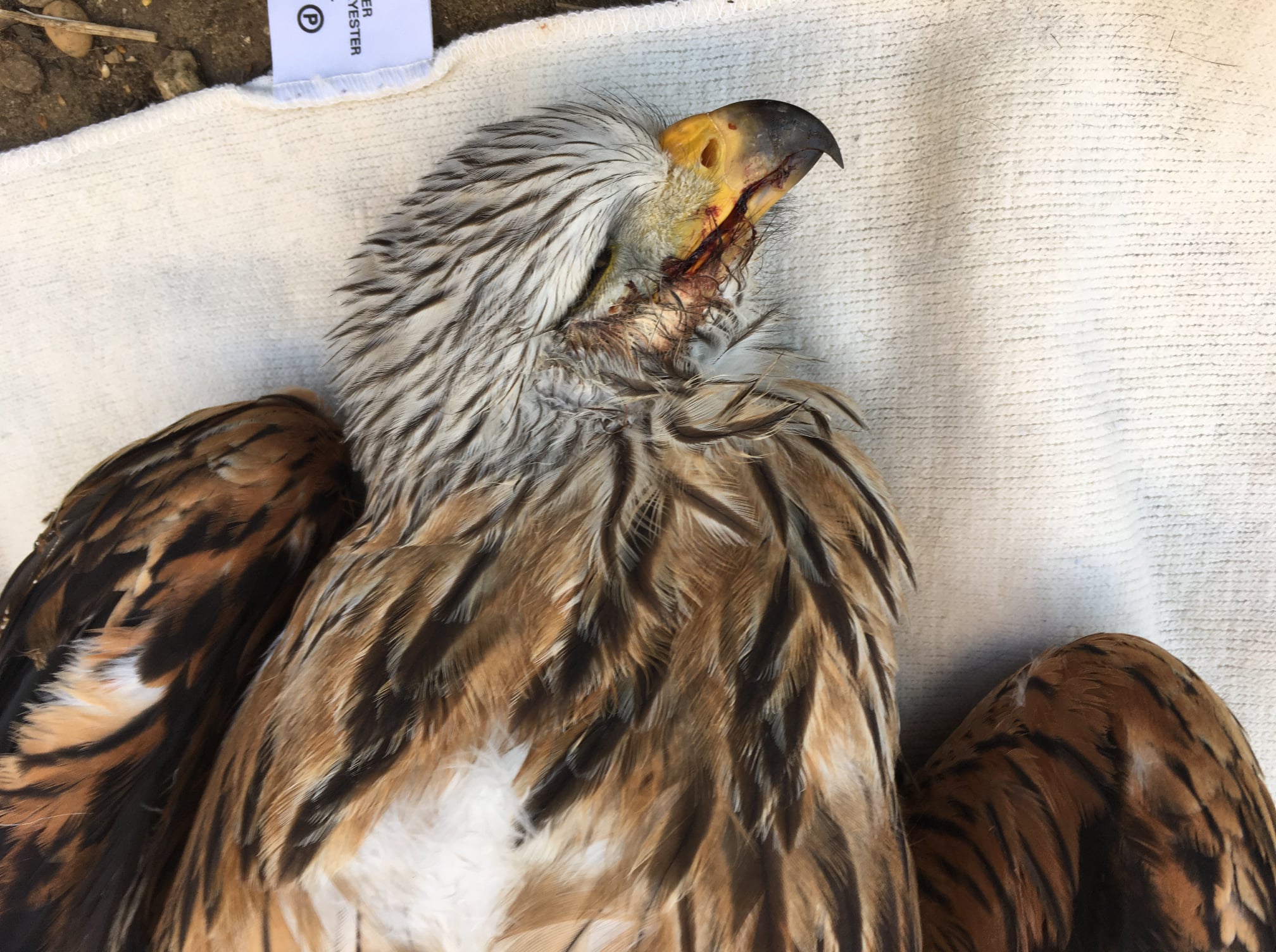
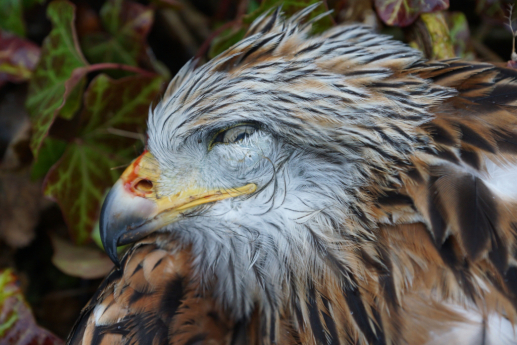
[A poisoned red kite, photo by Marc Ruddock. NB: Not the poisoned red kite in this particular incident]

Further searches were carried out yesterday (15 December) with partner agency RSPB on hill ground near Meall a’ Bhreacraibh and Ruthven, Moy, in the northern Monadliath mountains.

No further poisoned raprtors or animals were identified.

Police Constable Daniel Sutherland, Highlands and Islands Wildlife crime Liaison officer, said:

“Traces of a banned pesticide have been detected in a Red kite found in the area. This incident is sadly another example of where a bird of prey has been killed through ingestion of an illegally held poison.

“I strongly urge anyone within the local and wider community to come forward with details on any information about this incident.”

Following consultation with the Scottish Government Rural Payments Directorate and the Science and Advice for Scottish Agriculture (SASA), Police Scotland requests members of the public and any dog walkers to be cautious when walking in the surrounding area and the immediate vicinity. 

Anybody who has information about this incident, banned pesticide possession or misuse, or other information relating to raptor persecution please contact Police Scotland on 101 or pass on information anonymously via Crimestoppers on 0800 555 111.

ENDS

This is a very good response from Police Scotland – a press release out the day after the police search and a clear warning to the public to be cautious in this area, especially if walking with dogs. The name of the banned poison isn’t given, probably for investigative purposes, but by telling the public it’s a banned poison we know it’s one of eight highly toxic pesticides (or perhaps a combination) listed on the Possession of Pesticides (Scotland) Order 2005, which are Aldicarb, Alphachloralose, Aluminium phosphide,  Bendiocarb, Carbofuran, Mevinphos, Sodium cyanide and Strychnine.

Now, about the location. According to Andy Wightman’s excellent Who Owns Scotland website, the area of land mentioned in the police press release is part of the Moy Estate in the northern Monadhliaths. Or at least it was when Andy compiled his data – it’s possible, of course, that there have since been boundary changes.

Regular blog readers will be familiar with the Moy area. Moy Estate was raided by police ten years ago after the discovery of poisoned bait and dead raptors and illegally set traps. A gamekeeper was later convicted of possession of a red kite after its bloodied corpse was found in the back of his vehicle. It had two broken legs and a head injury. A bloodied shinty stick was also found in the back of the vehicle.

The remains of two further red kites were discovered on the moor, including a severed red kite leg and some wing tags that had previously been fitted to a kite, all found buried in holes under some moss. A jar in one of the gamekeeper’s houses contained the leg rings of four young golden eagles – nobody could account for how they had ended up inside that jar. A live hen harrier was found caught by its leg in an illegally-set spring trap. It survived after being rescued by raptor workers.

No further charges were brought against anyone for any of the offences uncovered at Moy.

In 2016 Police Scotland issued an appeal for information following the discovery of disturbed and abandoned buzzard and goshawk nests in the Moy Forest. One goshawk and four buzzard nests were abandoned in suspicious circumstances, with some evidence of illegal disturbance. These nests were being monitored by staff from Forestry Enterprise Scotland. No charges were brought.

For previous blogs on Moy see here.

I would imagine, after this latest discovery, that Ministers in the Scottish Government who recently decided to press on with the introduction of a licensing scheme for grouse shooting estates, despite cries of ‘It’s unnecessary regulation!‘ and ‘It’s all so unfair!‘ from the shooting industry, can today feel vindicated that their decision was the right one.

They now need to get on with it and get it implemented ASAP, because this latest victim is evidence that raptor persecution continues, despite all the denials routinely chuntered out by the so-called leaders in the game shooting industry.

UPDATE 17 December 2020: Poisoned red kite found dead on Scottish grouse moor – an interesting police investigation (here)

Red kite killed in barbaric illegal trap on pheasant-shooting estate – no prosecution

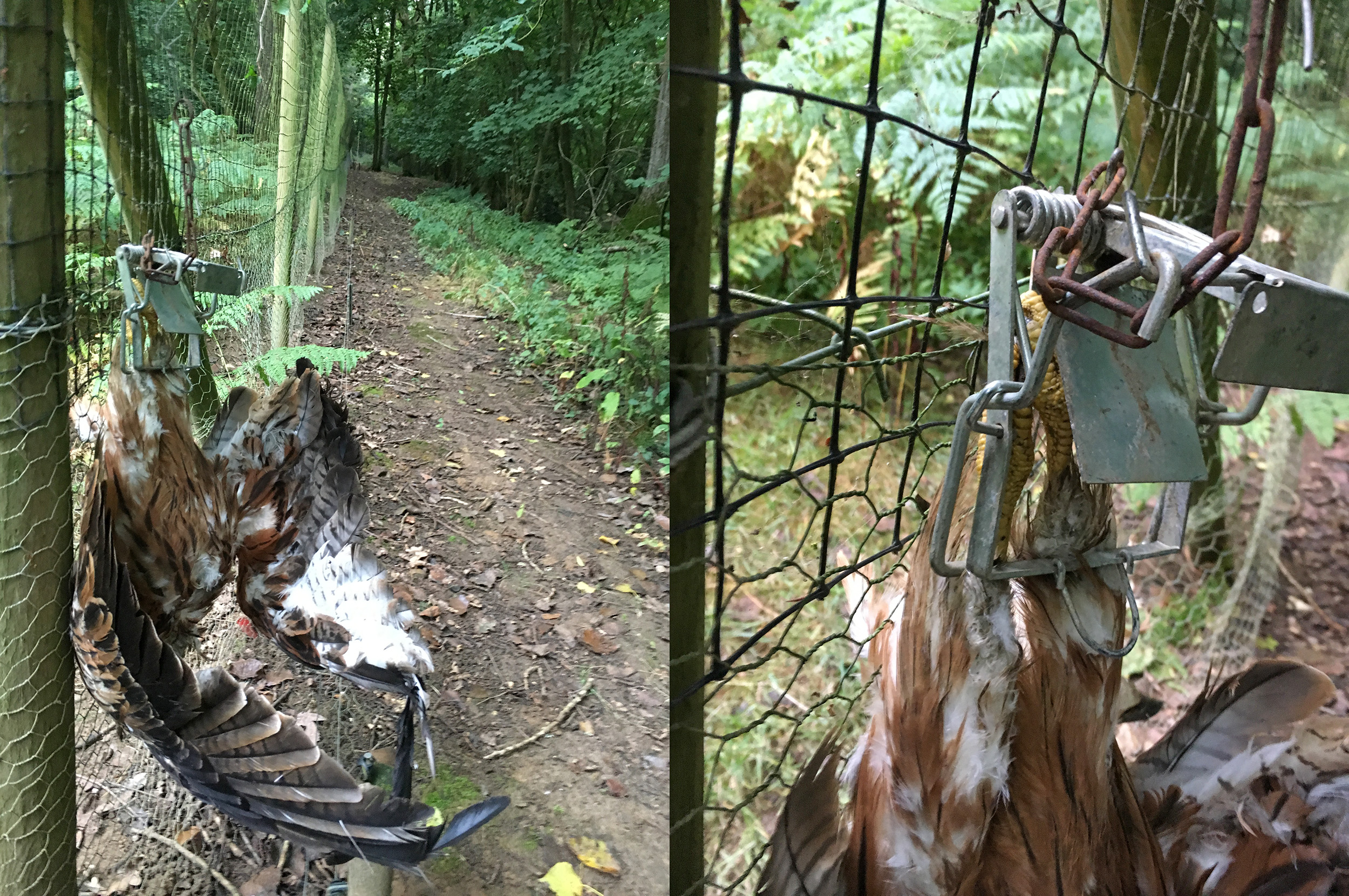
A red kite suffered a brutal and agonizing death when it was caught in a barbaric illegal trap at a pheasant-release pen on an unnamed Berkshire shooting estate in August 2020.

A member of the public found the dead kite, hanging upside down with its legs caught in a pole trap, a cruel device that has been outlawed since 1904.

[Red kite hanging dead in an illegal pole trap on a Berkshire shooting estate. Photos via RSPB].

The member of the public reported the incident to the estate (please note – if you find something like this report it to the police and the RSPB, straight away). A gamekeeper was reportedly abusive and threatening in response.

The incident was reported to the RSPB a couple of days later, who contacted Thames Valley Police. Fortunately in this instance, senior estate officials had already reported the crime to the police and had instructed the gamekeeper to retrieve the dead kite and the illegal trap.

The gamekeeper was interviewed and denied setting the trap on his pheasant pen and claimed it was ‘a set-up’.

There appears to be insufficient evidence to progress a prosecution.

For further details of this horrific crime, and the ongoing difficulty of securing sufficient evidence for a prosecution, please see the RSPB Investigations Team’s blog here.

Buzzard shooting – police appeal for information on drive-by suspects

Press release from National Parks & Wildlife Service, Ireland (9th December 2020)

NPWS appeals for information after buzzard shooting

The National Parks and Wildlife Service is appealing for information relating to a buzzard found dead on the R422, just south of Emo, Co Laois.

The bird was perched on a tree on the roadside when it was shot with a shotgun at around 7.50am on 5 December.

The firearm was discharged from the road on the south side of the village.

The investigating Wildlife Ranger said a shot was heard and the dead buzzard was found by a member of the public.

A spent shotgun cartridge was also found.

The NPWS is interested in information about a vehicle that was recorded on CCTV in the area – it’s believed that individuals may be driving around looking for buzzards and then shooting them from a vehicle.

Anyone with information – particularly about vehicles or persons acting suspiciously in Emo on the morning of 5 December – is asked to contact the NPWS regional office at (0761) 002667, or to contact gardaí.

Buzzards are a protected species. They became extinct in Ireland in the late 19th century but were re-established in Northern Ireland in the 1930s.

ENDS

Fundraiser for hen harrier satellite tags

The Nidderdale Raptor Study Group, in conjunction with the Northern England Raptor Forum (NERF) is hosting a fundraiser to support the RSPB Investigations Team to buy satellite tags for hen harriers.

In recent years satellite tags have revealed the extent of hen harrier persecution across the UK. In 2019 a damning scientific research paper demonstrated that at least 72% of tagged hen harriers were presumed illegally killed on or close to driven grouse moors (see here).

And a tally of incidents kept by this blog demonstrates that over the last two years alone at least 45 hen harriers, many of them satellite-tagged, are either ‘missing’ in suspicious circumstances or confirmed illegally killed, many on driven grouse moors (see here). It’s my understanding that this number has since risen but official notification is still pending. More on that shortly.

So, in essence, satellite-tagging has proven to be incredibly important in helping to detect a crime that is otherwise too easily hidden (and which explains the grouse shooting industry’s desperate attempts to undermine the science and the integrity of those who fit and monitor the tags).

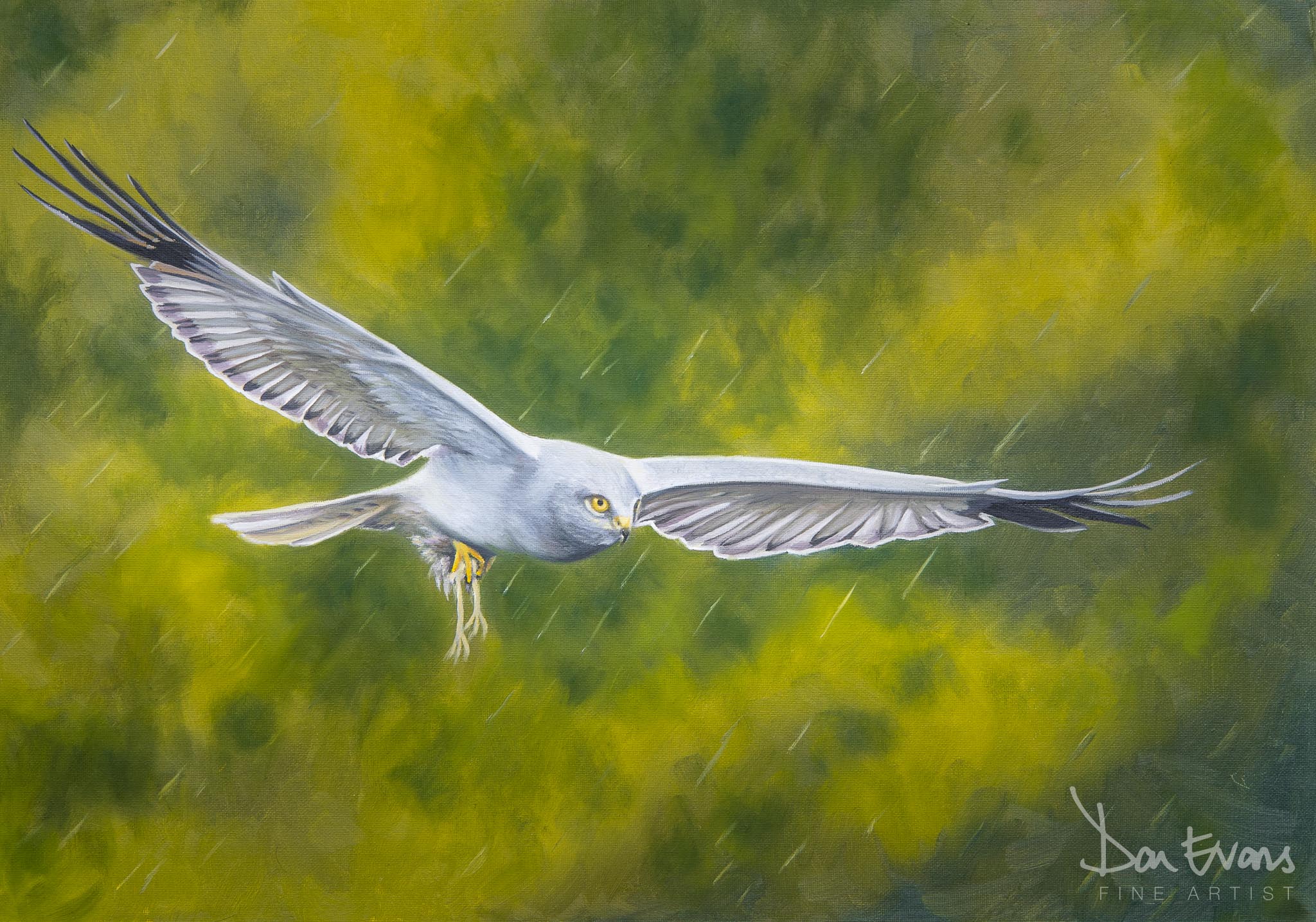
Yorkshire-based artist Dan Evans has donated this A2-sized oil painting for an online auction to help support the purchase of more satellite tags:

If you’d like to bid on this artwork please visit the auction page here. The auction will close on 23 December 2020. There is also an opportunity to buy signed limited edition prints, with all profits being donated to the sat tag fund.

There is also a fundraising page for those who may not want to buy the artwork but who may still be interested in supporting the effort to buy more satellite tags – you can visit the fundraiser page here

Yet another red kite found poisoned in North Yorkshire

Yet another raptor persecution case from North Yorkshire, and yet another crime committed as part of a reported ‘surge’ of similar crimes recorded during the first period of lockdown (e.g. see here and here).

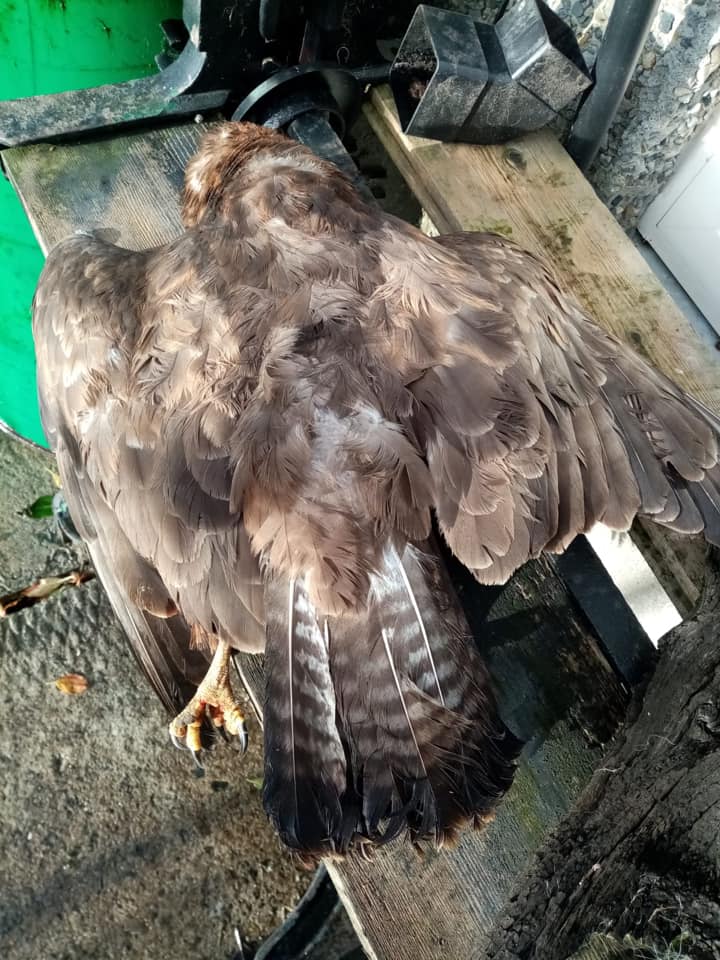
This time it’s a red kite that was found dying in April 2020 at Scampston, near Malton, to the south of the North York Moors National Park.

[Photos via Jean Thorpe]

Her corpse was sent for toxicology at the Government’s Wildlife Incident Investigation Scheme (WIIS) and the results have apparently just been released (presumably delayed due to Covid19).

She was poisoned by a mix of Brodifacoum and Bendiocarb ‘in quantities that would not be consistent with an accidental incident’, writes Jean Thorpe from Ryedale Wildlife Rehabilitation Centre.

Anybody with information about this crime please contact Police Wildlife Crime Officer Jez Walmsley at Malton Police Station (Tel: 101) and quote incident reference #12200055801.

Shot buzzard found dead in Peak District National Park

Press release from RSPB (19 Nov 2020)

Young buzzard found dead had been illegally shot

The RSPB is appealing for information regarding the death of a protected buzzard in Little Hayfield, within the Peak District National Park between Manchester and Sheffield.

A local resident found the buzzard, a juvenile which had hatched this summer, freshly dead on 5 September 2020, in a paddock adjacent to woodland and a driven grouse moor. They contacted Derbyshire Police on 101 and reported it to the RSPB. The body was x-rayed by a local vet who identified a broken leg and a piece of lead shot lodged within the bird’s chest. It is possible that the injuries were sustained at different times during the bird’s short life.

All birds of prey are protected by the Wildlife and Countryside Act 1981. To intentionally kill or injure one is a criminal offence and could result in an unlimited fine or up to six months in jail.

Tom Grose, RSPB Investigations Officer, said: “This was a tragic end to the life of a young bird which had barely begun to spread its wings. The sight of a buzzard soaring overhead is part of the pleasure of being out in the Peak District. This is one of our most visited National Parks and should be a place people can go to enjoy nature, and a place in which nature is protected.

“Buzzards are sadly highly vulnerable to illegal killing, and RSPB data shows that more buzzards were the object of persecution in 2019 than any other raptor species. While it’s not clear whether shooting was the cause of death, it’s clear that this bird had been illegally shot at some point in its very short life. We are therefore appealing to the public for information.”

If you have any information relating to this or any other raptor persecution incident, call Derbyshire Police on 101.

If you find a wild bird of prey which you suspect has been illegally killed, contact RSPB Investigations at crime@rspb.org.uk or fill in the online form: https://www.rspb.org.uk/our-work/our-positions-and-campaigns/positions/wildbirdslaw/reportform.aspx

Alternatively, if you have sensitive information about this or any other raptor crime which you wish to share anonymously, you can call the confidential Raptor Crime Hotline: 0300 999 0101.

ENDS

Werritty review – one year on & still waiting for Scottish Government response

Today marks one year since the Werritty Review on grouse moor management was submitted to the Scottish Government. And still no formal response.

The review itself took two and a half years to complete after Environment Cabinet Secretary Roseanna Cunningham announced its commission in 2017, on the back of the publication of another Government-commissioned review which showed clear evidence of deliberate and sustained illegal raptor persecution on many driven grouse moors. We’ve since seen more evidence pointing towards the inevitable fate of those birds.

And that 2017 review had been commissioned on the back of an RSPB report in 2016 that over a period of five years since 2011, eight satellite-tagged golden eagles had ‘disappeared’ in suspicious circumstances on grouse moors in the Monadhliaths in Highland Scotland.

The longer the Scottish Government delays taking evidence-based action against those criminals in the grouse shooting industry, the more eagles (and other raptors) are going to be illegally killed. There is absolutely no question that these crimes are continuing, despite enormous scrutiny and public condemnation, as demonstrated during lockdown when the poisoned corpse of a white-tailed sea eagle was found, face down, on a grouse moor in the middle of the Cairngorms National Park. Nobody has been charged for this horrendous crime. In fact there has never been a successful prosecution for killing an eagle in Scotland.

[A police officer examines the corpse of the poisoned white-tailed eagle, found dead on a grouse moor in the Cairngorms National Park]

For years the Scottish Government has promised further action if current measures proved to be ineffective. Time and time again, after each crime has been publicised, a succession of Environment Ministers has proclaimed, ‘We will not tolerate illegal raptor persecution’ and ‘We will not hesitate to act‘ (see here for a long list of examples).

And guess what? They’re still tolerating it and they’re still hesitating to act. Why is that?

Derbyshire man due in court in February for alleged theft of peregrine eggs in Peak District

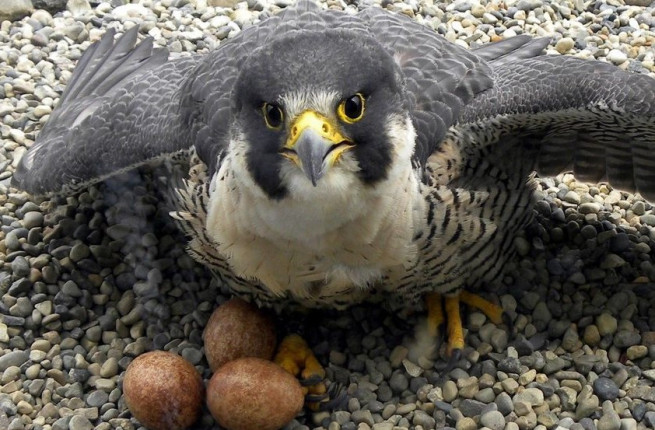
Earlier this year Derbyshire Constabulary reported the theft of peregrine eggs from three different nests in the Peak District National Park (see here).

[Photograph by Barb Baldinger]

Ten days ago the police wrote on Facebook that an unnamed man had been charged in connection with the egg theft and also for a firearms offence. The suspect was identified after the RSPB had filmed an individual robbing one of the nests (see here).

This afternoon Derbyshire Constabulary issued a more formal statement on its website, as follows:

Man charged for theft of Peregrine Falcon eggs

A man has been charged with theft in connection with an incident in the spring where Peregrine Falcon eggs were allegedly stolen in the Peak District.

John Fenton, of Bridgemont, Whaley Bridge, was charged with the offence following an investigation by the Derbyshire Rural Crime Team and work by the RSPB.

It follows an incident in the Stoney Middleton area in May earlier this year.

Detective Constable Paul Flint of the Derbyshire Rural Crime Team said: “We take all reports of wildlife crime seriously and will seek to take action against offenders. This is a senseless crime and will not be tolerated. We would like to thank the RSPB for their support throughout.”

The 60-year-old is due to appear before magistrates at Chesterfield Justice Centre in February next year.

ENDS

As this is a live prosecution no comments will be published until criminal proceedings have ended.

UPDATE 20th February 2021: Trial date set as man pleads not guilty to theft of peregrine eggs in Peak District National Park (here)

Police raid property in poisoned peregrine investigation

At the end of October 2020, South Yorkshire Police published an appeal for information in relation to an investigation into the illegal poisoning of a young peregrine that had been found in Barnsley on 4th July 2020. Toxicology tests confirmed it had been killed with the highly toxic poison, Bendiocarb (see here).

[The poisoned peregrine. Photo via South Yorkshire Police]

Today, South Yorkshire Police has raided a property, under warrant, and seized what have been described as ‘a number of suspicious items’.

Here’s the police press release:

Warrant executed in connection to poisoned bird

A warrant has today (17 November) been executed at a property in Barnsley in connection to the poisoning of a protected wild bird.

Last month officers appealed for your help in finding those responsible for poisoning a juvenile peregrine falcon in the Fish Dam area of Barnsley.

Intelligence from the public assisted officers from the Barnsley Central Neighbourhood Team, the force’s Wildlife and Rural Coordinators, Crime Scene Investigation and members of the RSPB to carry out a search of a property on Abbots Road, under the Wildlife and Countryside Act 1981.

[‘Officers briefing before the warrant at Ring Farm, Cudworth’. Photo via South Yorkshire Police]

PC Fran Robbs de la Hoyde explains: “Peregrine Falcons are an important part of our local ecosystems, and are protected under The Wildlife and Countryside Act 1981.

“It is a shame that someone would wish to harm these animals in such a deliberate act. The bird is believed to have ingested bait laced with toxic substances.

“This morning we executed a warrant and found a number of suspicious items. Enquiries into persons involved in the offence are ongoing.

“We are committed to protecting our wildlife and will ensure that those responsible are brought before the courts.”

We are stronger with our communities help and we are always grateful for those who take the time to read, respond and share information in which they have to help officers with their enquiries.

ENDS

NB: As this is a live investigation comments won’t be published until criminal proceedings have ended.