Update on investigation for breach of hen harrier feeding licence on Yorkshire grouse moor

Back in April I blogged about a breach of Natural England’s Hen Harrier Diversionary Feeding Licence (CL25) on a North Yorkshire grouse moor that had been captured on film by raptor fieldworkers monitoring an active hen harrier nest (see here).

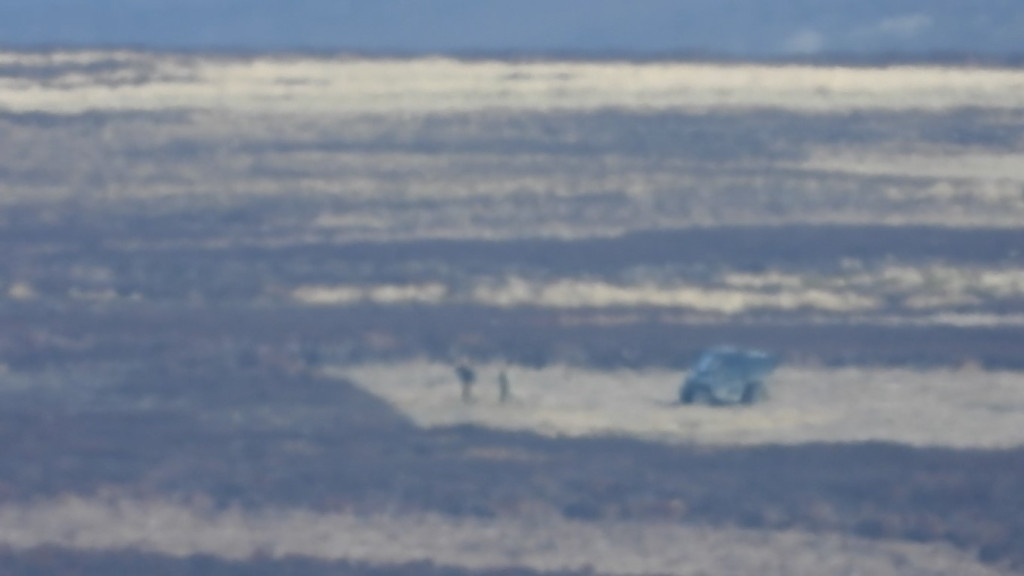
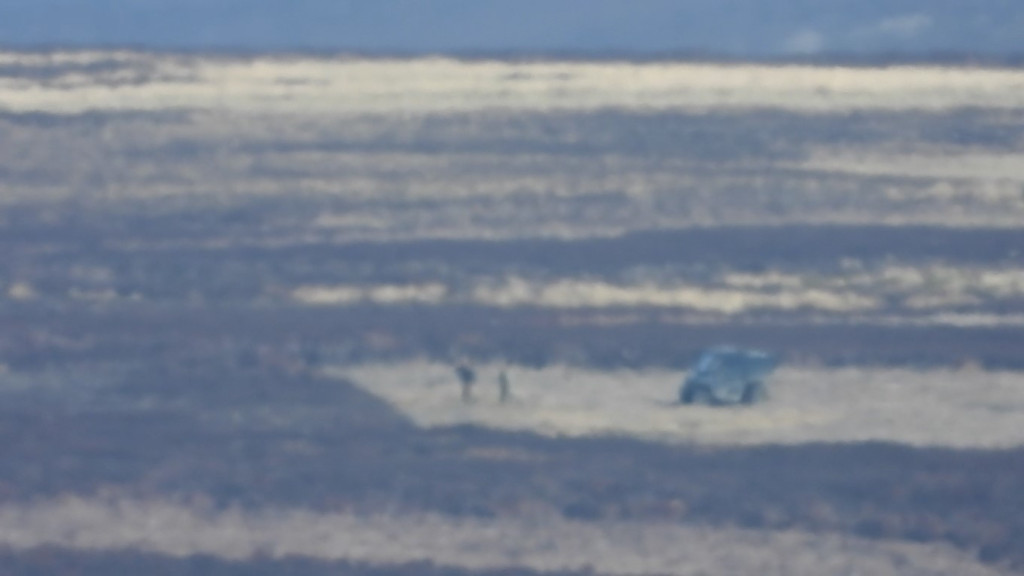
[A gamekeeper and a Natural England employee caught on camera visiting an active hen harrier nest on a North Yorkshire grouse moor, April 2021]

I wrote to Natural England to ask whether any enforcement action would be taken for this breach and Natural England replied on 30th April 2021 that an investigation was currently underway by NE’s Enforcement & Appeals Team (see here).

I wrote again to Natural England to ask (a) whether they could provide an indication of how long the investigation might last and (b) whether they’d tell us or whether I’d have to write again?

Natural England replied on the 5th May:

‘Unfortunately we do not know how long our investigations will take but we will make the outcome known when it is appropriate to do so‘.

Hmm. And will that be before or after the hen harrier brood meddling conservation sham has taken place this year?

I’ll keep you posted.

Grouse-shooting estate under investigation for alleged breach of hen harrier diversionary feeding licence

A couple of weeks ago I blogged about how observers had filmed an estate employee, accompanied by a Natural England employee, placing out diversionary food for a nesting pair of hen harriers on a grouse moor in North Yorkshire (see here).

Given that the female harrier was only in the early stages of incubation, the timing of this diversionary feeding looked to be in clear breach of the CL25 licence, a licence issued by Natural England to grouse moor managers to permit diversionary feeding ONLY after the eggs have hatched.

I wrote to Natural England to ask whether any enforcement action would take place and if so, what it would be.

Natural England responded to my enquiry last week, as follows:

I’ve written back to NE and asked when a decision might be expected.

I’ll keep you posted.

53 hen harriers confirmed illegally killed or ‘missing’ since 2018

For anyone who still wants to pretend that the grouse shooting industry isn’t responsible for the systematic extermination of hen harriers on grouse moors across the UK, here’s the latest catalogue of crime that suggests otherwise.

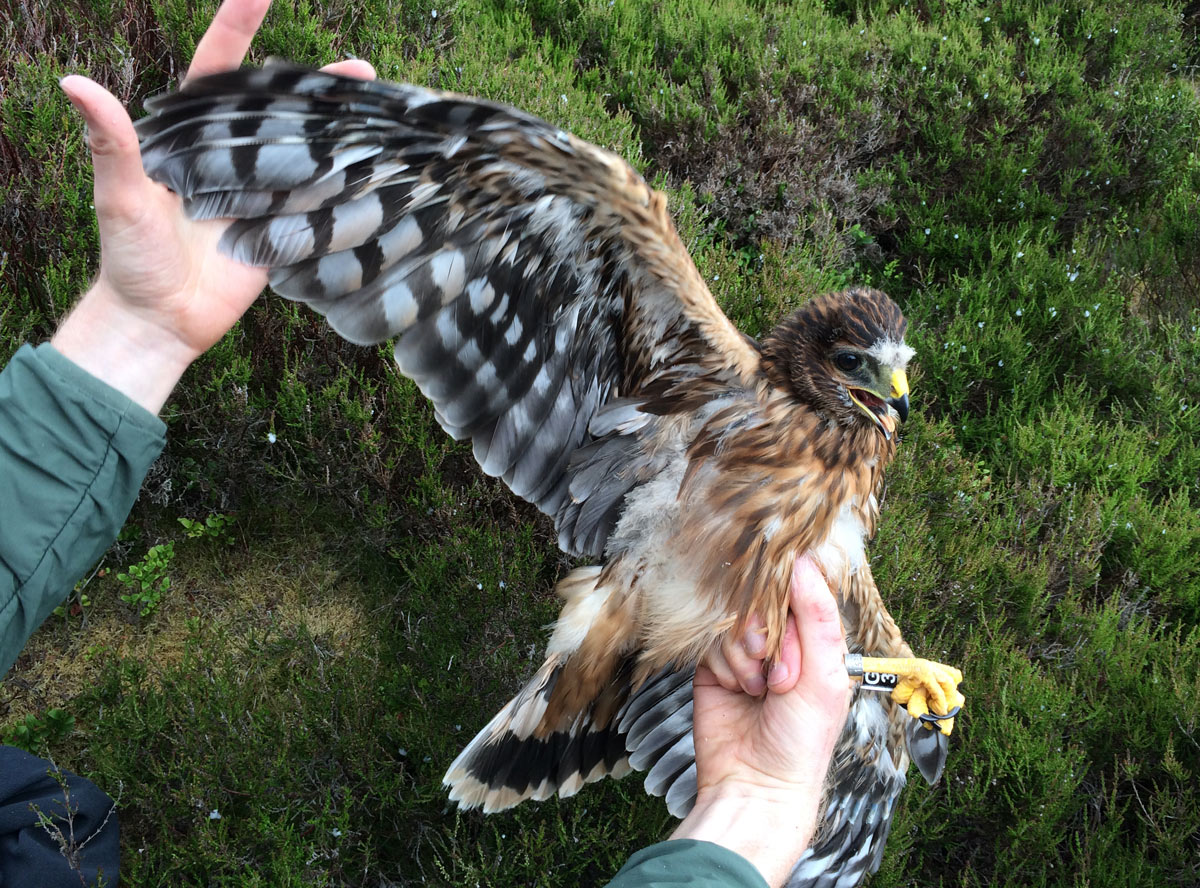
[This male hen harrier died in 2019 after his leg was almost severed in an illegally set trap that had been placed next to his nest on a Scottish grouse moor (see here). Photo by Ruth Tingay]

Just last month, this list totalled 52 hen harriers, all either confirmed to have been illegally killed or to have ‘disappeared’, most of them on or next to driven grouse moors.

“They disappear in the same way political dissidents in authoritarian dictatorships have disappeared” (Stephen Barlow, 22 January 2021).

Today the list has been updated to include the latest victim, Yarrow, hatched in 2020, gone by 12th April 2021 (see here).

This disgraceful catalogue will continue to grow – I know of at least one more on-going police investigation which has yet to be publicised.

I’ve been compiling this list only since 2018 because that is the year that the grouse shooting industry ‘leaders’ would have us believe that the criminal persecution of hen harriers had stopped and that these birds were being welcomed back on to the UK’s grouse moors (see here).

This assertion was made shortly before the publication of a devastating new scientific paper that demonstrated that 72% of satellite-tagged hen harriers were confirmed or considered likely to have been illegally killed, and this was ten times more likely to occur over areas of land managed for grouse shooting relative to other land uses (see here).

2018 was also the year that Natural England issued itself with a licence to begin a hen harrier brood meddling trial on grouse moors in northern England. For new blog readers, hen harrier brood meddling is a conservation sham sanctioned by DEFRA as part of its ludicrous ‘Hen Harrier Action Plan‘ and carried out by Natural England (NE), in cahoots with the very industry responsible for the species’ catastrophic decline in England. For more background see here.

Brood meddling has been described as a sort of ‘gentleman’s agreement’ by commentator Stephen Welch:

“I don’t get it, I thought the idea of that scheme was some kind of trade off – a gentleman’s agreement that the birds would be left in peace if they were moved from grouse moors at a certain density. It seems that one party is not keeping their side of the bargain“.

With 53 hen harriers gone since 2018, I think it’s fair to say that the grouse shooting industry is simply taking the piss. Meanwhile, Natural England pretends that ‘partnership working’ is the way to go.

‘Partnership working’ appears to include authorising the removal of hen harrier chicks from a grouse moor already under investigation by the police for suspected raptor persecution (here) and accepting a £10K bung from representatives of the grouse shooting industry that prevents Natural England from criticising them (see here).

[Cartoon by Gill Lewis]

So here’s the latest gruesome list:

February 2018: Hen harrier Saorsa ‘disappeared’ in the Angus Glens in Scotland (here). The Scottish Gamekeepers Association later published wholly inaccurate information claiming the bird had been re-sighted. The RSPB dismissed this as “completely false” (here).

5 February 2018: Hen harrier Marc ‘disappeared’ on a grouse moor in Durham (here)

9 February 2018: Hen harrier Aalin ‘disappeared’ on a grouse moor in Wales (here)

March 2018: Hen harrier Blue ‘disappeared’ in the Lake District National Park (here)

March 2018: Hen harrier Finn ‘disappeared’ near Moffat in Scotland (here)

18 April 2018: Hen harrier Lia ‘disappeared’ in Wales and her corpse was retrieved in a field in May 2018. Cause of death was unconfirmed but police treating death as suspicious (here)

8 August 2018: Hen harrier Hilma ‘disappeared’ on a grouse moor in Northumberland (here).

16 August 2018: Hen harrier Athena ‘disappeared’ on a grouse moor in Scotland (here)

26 August 2018: Hen Harrier Octavia ‘disappeared’ on a grouse moor in the Peak District National Park (here)

29 August 2018: Hen harrier Margot ‘disappeared’ on a grouse moor in Scotland (here)

29 August 2018: Hen Harrier Heulwen ‘disappeared’ on a grouse moor in Wales (here)

3 September 2018: Hen harrier Stelmaria ‘disappeared’ on a grouse moor in Scotland (here)

24 September 2018: Hen harrier Heather ‘disappeared’ on a grouse moor in Scotland (here)

2 October 2018: Hen harrier Mabel ‘disappeared’ on a grouse moor on the edge of the Yorkshire Dales National Park (here)

3 October 2018: Hen Harrier Thor ‘disappeared’ next to a grouse moor in Bowland, Lanacashire (here)

23 October 2018: Hen harrier Tom ‘disappeared’ in South Wales (here)

26 October 2018: Hen harrier Arthur ‘disappeared’ on a grouse moor in the North York Moors National Park (here)

1 November 2018: Hen harrier Barney ‘disappeared’ on Bodmin Moor (here)

10 November 2018: Hen harrier Rannoch ‘disappeared’ on a grouse moor in Scotland (here). Her corpse was found nearby in May 2019 – she’d been killed in an illegally-set spring trap (here).

14 November 2018: Hen harrier River ‘disappeared’ on a grouse moor in the Nidderdale AONB (here). Her corpse was found nearby in April 2019 – she’d been illegally shot (here).

16 January 2019: Hen harrier Vulcan ‘disappeared’ in Wiltshire close to Natural England’s proposed reintroduction site (here)

7 February 2019: Hen harrier Skylar ‘disappeared’ next to a grouse moor in South Lanarkshire (here)

22 April 2019: Hen harrier Marci ‘disappeared’ on a grouse moor in the Cairngorms National Park (here)

26 April 2019: Hen harrier Rain ‘disappeared’ on a grouse moor in Nairnshire (here)

11 May 2019: An untagged male hen harrier was caught in an illegally-set trap next to his nest on a grouse moor in South Lanarkshire. He didn’t survive (here)

7 June 2019: An untagged hen harrier was found dead on a grouse moor in Scotland. A post mortem stated the bird had died as a result of ‘penetrating trauma’ injuries and that this bird had previously been shot (here)

5 September 2019: Wildland Hen Harrier 1 ‘disappeared’ on a grouse moor nr Dalnaspidal on the edge of the Cairngorms National Park (here)

11 September 2019: Hen harrier Romario ‘disappeared’ on a grouse moor in the Cairngorms National Park (here)

14 September 2019: Hen harrier (Brood meddled in 2019, #183704) ‘disappeared’ in North Pennines (here)

23 September 2019: Hen harrier (Brood meddled in 2019, #55149) ‘disappeared’ in North Pennines (here)

24 September 2019: Wildland Hen Harrier 2 ‘disappeared’ on a grouse moor at Invercauld in the Cairngorms National Park (here)

24 September 2019: Hen harrier Bronwyn ‘disappeared’ near a grouse moor in North Wales (here)

10 October 2019: Hen harrier Ada ‘disappeared’ on a grouse moor in the North Pennines AONB (here)

12 October 2019: Hen harrier Thistle ‘disappeared’ on a grouse moor in Sutherland (here)

18 October 2019: Member of the public reports the witnessed shooting of an untagged male hen harrier on White Syke Hill in North Yorkshire (here)

November 2019: Hen harrier Mary found illegally poisoned on a pheasant shoot in Ireland (here)

January 2020: Members of the public report the witnessed shooting of a male hen harrier on Threshfield Moor in the Yorkshire Dales National Park (here)

23 March 2020: Hen harrier Rosie ‘disappeared’ at an undisclosed roost site in Northumberland (here)

1 April 2020: Hen harrier (Brood meddled in 2019, #183703) ‘disappeared’ in unnamed location, tag intermittent (here)

5 April 2020: Hen harrier Hoolie ‘disappeared’ on a grouse moor in the Cairngorms National Park (here)

8 April 2020: Hen harrier Marlin ‘disappeared’ on a grouse moor in the Cairngorms National Park (here)

19 May 2020: Hen harrier Fingal ‘disappeared’ on a grouse moor in the Lowther Hills, Scotland (here)

21 May 2020: Hen harrier (Brood meddled in 2019, #183701) ‘disappeared’ on a grouse moor in Cumbria shortly after returning from wintering in France (here)

27 May 2020: Hen harrier Silver ‘disappeared’ on a grouse moor on Leadhills Estate, Scotland (here)

9 July 2020: Unnamed female hen harrier (#201118) ‘disappeared’ from an undisclosed site in Northumberland (here).

25 July 2020: Hen harrier Harriet ‘disappeared’ on a grouse moor in the Yorkshire Dales National Park (here)

14 August 2020: Hen harrier Solo ‘disappeared’ in confidential nest area in Lancashire (here)

7 September 2020: Hen harrier Dryad ‘disappeared’ on a grouse moor in the Yorkshire Dales National Park (here)

16 September 2020: Hen harrier Fortune ‘disappeared’ from an undisclosed roost site in Northumberland (here)

19 September 2020: Hen harrier Harold ‘disappeared’ on a grouse moor in the Yorkshire Dales National Park (here)

20 September 2020: Hen harrier (Brood meddled in 2020, #55152) ‘disappeared’ next to a grouse moor in North Yorkshire (here)

24 February 2021: Hen harrier Tarras ‘disappeared’ next to a grouse moor in Northumberland (here)

12th April 2021: Hen harrier Yarrow ‘disappeared’ near Stockton, County Durham (here)

To be continued……..

Satellite-tagged hen harrier ‘Yarrow’ disappears in suspicious circumstances

Press release from RSPB (29th April 2021)

Another hen harrier disappears in suspicious circumstances

Yet another satellite-tagged hen harrier has disappeared in suspicious circumstances at a crucial time in the breeding season.

Yarrow, a female hen harrier, hatched in the Scottish Borders in summer 2020. She was fitted with a satellite tag, which provided scientists with regular updates on her whereabouts. But transmissions from her tag stopped suddenly and unexpectedly on 12 April 2021. Data showed her to be flying south-east that morning, from the North Pennines in the direction of the North York Moors. The tag’s final transmission came from Stockton-on-Tees, and Yarrow has not been heard from since. The matter has been reported to Cleveland Police.

[Hen harrier Yarrow being fitted with a satellite tag prior to fledging. Photo by RSPB]

Hen harriers are a red-listed species and their population in England is dangerously low. They are legally protected in the UK under the Wildlife and Countryside Act 1981, yet these majestic birds remain one of the most persecuted birds of prey in the UK and continue to be illegally killed, or disappear in suspicious circumstances, particularly in connection with land managed for driven grouse shooting.

Illegal killing is the most significant threat to the English hen harrier population. Twenty-four hen harrier nests were recorded in summer 2020, of which 19 successfully produced chicks. Yet there is enough habitat and prey to support 12 times that number.

The news comes only seven weeks after another harrier, Tarras, disappeared in similarly suspicious circumstances. Tarras was another Scottish bird from 2020 who moved south to the North Pennines AONB. Her tag’s last fix showed her to be roosting just off a grouse moor near Haltwhistle.

And in September 2020, a hen harrier named Dryad also vanished. Dryad’s last transmission also came from a grouse moor in North Yorkshire. All birds were searched for, but no bodies or tags were found.

Mark Thomas, RSPB Head of Investigations UK, said:

“April is a crucial time for hen harriers as they pair up ready to nest and raise the next generation, and we had hoped for the same for Yarrow.

After her tag ‘checked in’ over Stockton-on-Tees, which turned out to be the last known location we received, we expected a further transmission the next day showing that Yarrow had reached the North Yorkshire Moors but that never came. Sadly, it is highly likely that Yarrow was killed and the tag destroyed in a matter of hours after its last fix was recorded, based on our extensive knowledge of these tags and the patterns of disappearance of hen harriers.

We are acutely aware of how difficult it is to come forward with information about a crime, especially in rural communities. If you know anything that may shed light on the disappearance of his young harrier, or know of anyone killing raptors in your area, you can call us in complete confidence on our Raptor Crime Hotline: 0300 999 0101. You are in control. And your call could help prevent more birds being illegally killed.”

To contact Cleveland Police about this crime, please call 101 and quote crime reference CVP-21-061647.

ENDS

Desperate & delusional: Scottish Land & Estates’ grand plan for tackling raptor persecution

Cast your mind back to August 2020 for a minute. We were still waiting for the Scottish Government’s response to the Werritty Review (would they licence grouse shooting or not?) and bad news linking raptor persecution and grouse shooting was all over the press in the run up to the Inglorious 12th, the opening of the grouse-shooting season.

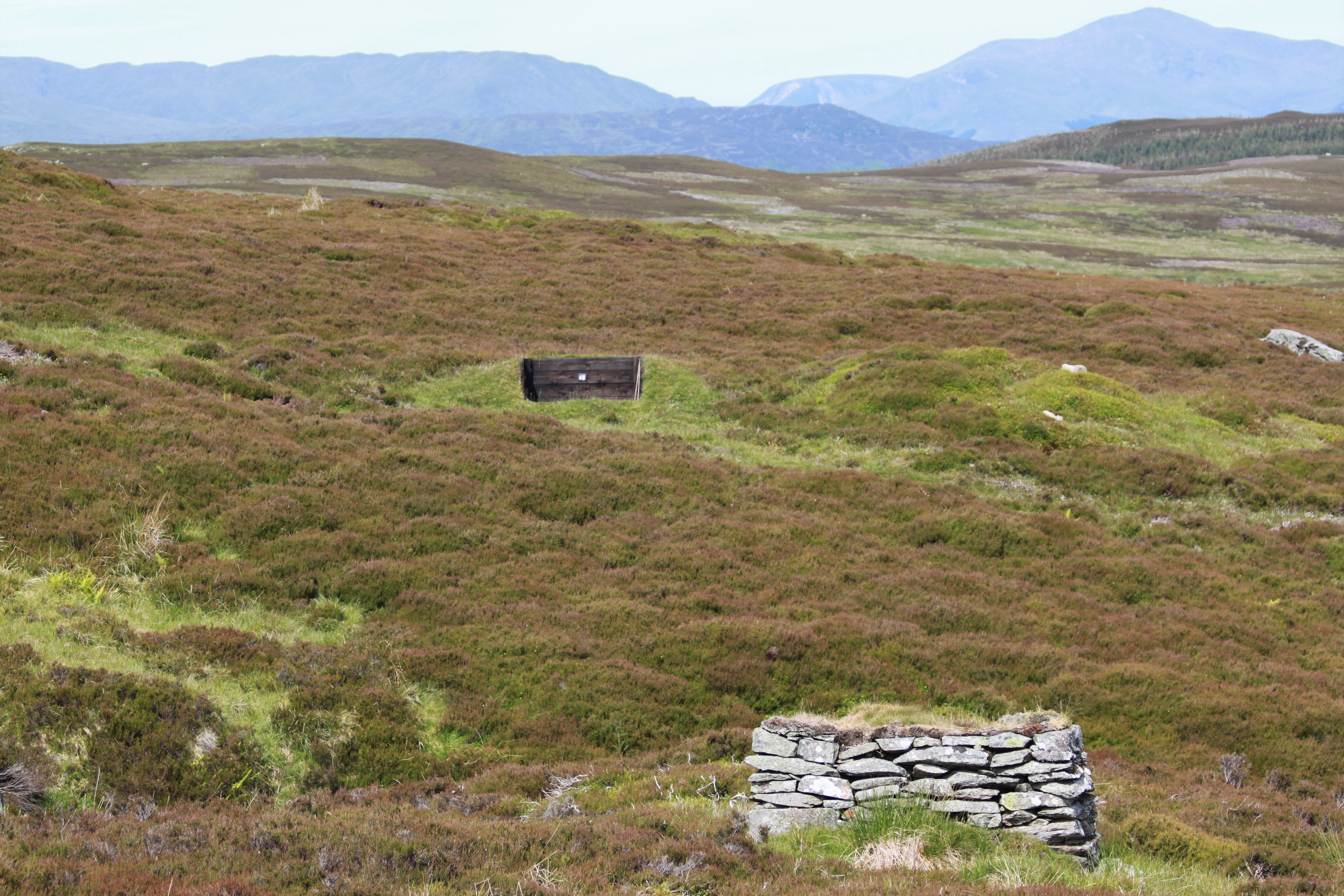
[Grouse-shooting butts in Strathbraan. Photo by Ruth Tingay]

For example, Chris Packham pressing First Minister Nicola Sturgeon to take action after the discovery of a poisoned white-tailed eagle on a grouse moor in the Cairngorms National Park (here), Hen Harrier Day going online and attracting an audience of around 150,000 (here), an e-action by the RSPB, Hen Harrier Action and Wild Justice mobilising over 120,000 people to put pressure on their politicians to take action on raptor persecution (here), police investigated more wildlife crime allegations at Leadhills Estate (here), the suspicious disappearance of yet another satellite-tagged golden eagle (‘Tom’) on a grouse moor in Strathbraan (here), Nicola Sturgeon having to discuss raptor persecution during First Minister’s Questions (here), Cabinet Secretary Roseanna Cunningham being forced to make a statement about the ongoing killing of raptors on grouse moors after thousands of letters pour in from the public (here), a parliamentary motion prompted by the suspicious disappearance of golden eagle Tom (here), a shocking new report by the League Against Cruel Sports suggesting that up to a quarter of a million animals may be killed (legally) on Scottish grouse moors every year to increase the number of red grouse available to be shot (here), a damning article in The Times reporting on the atrocities at Leadhills and the local community’s horror (here) etc etc.

You get the picture. The pressure was on, of that there’s no doubt.

So what do you think the grouse moor owners’ lobby group, Scottish Land & Estates (SLE) was making of all this? New information, released in an FoI this week, is pretty revealing.

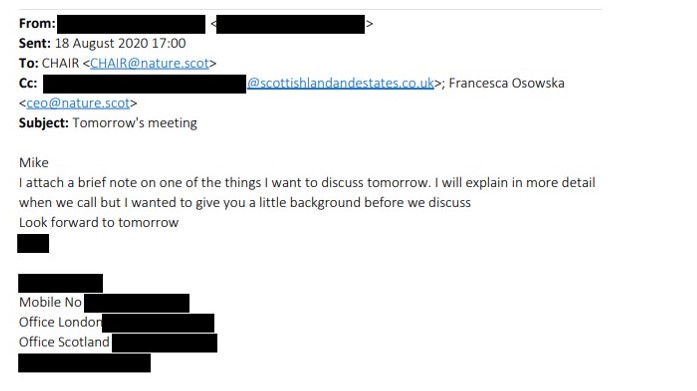
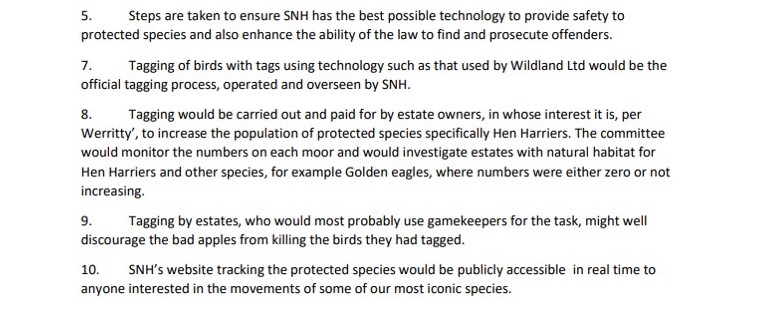
Here is a copy of an email sent to Mike Cantlay, Chair of NatureScot, on 18th August 2020. It was sent either by Tim Baynes (Moorland Director, SLE) or Mark Tennant (Chair, SLE). I know this because of the way my FoI was worded and even though NatureScot has redacted the sender’s name, my money would be on Mark Tennant.

Aside from the breath-taking arrogance, this letter reveals the desperation and delusion of SLE’s position.

The opening line is the standard position of denial we’ve come to expect from SLE whenever raptor persecution is raised – I’ve blogged about it time and time and time again. There hasn’t been any ‘real progress’ on the prevention of raptor persecution and no matter how many times SLE claims there has, it doesn’t change the fact that there hasn’t! That is precisely why the grouse shooting industry is under so much scrutiny and pressure – because it has been unable to self regulate and boot out the criminals that seem to be allowed to operate in plain sight.

The idea of removing one dysfunctional group (PAW Scotland Raptor Group) and replacing it with another dysfunctional one (COPBAN) is hilarious. I did laugh, a lot, when I read about those plans. And by the way, SLE, nobody has asked Wild Justice whether it’d be interested in participating and I guess nobody has asked the groups already serving on the (dysfunctional) PAW Raptor Group how they’d feel about being side-lined. I’m pretty sure BASC, GWCT, Scottish Raptor Study Group etc would all have something to say!

The idea that estates would fund raptor satellite tagging (presumably excluding all legitimate scientific researchers??) and that gamekeepers would fit the tags demonstrates the high level of ignorance about how satellite tagging is regulated in the UK. There is currently only a handful of expert taggers in the UK, probably less than 20, who are sufficiently qualified, licensed and experienced to fit satellite-tags to birds of prey. Quite rightly, it takes years and years and years to reach the high standards required by the licensing authority. That SLE still hasn’t grasped this very simple concept is jaw-dropping.

And as for having a public website showing the live positions, day and night, of highly-threatened species like golden eagles and hen harriers – yeah, what could possibly go wrong?!

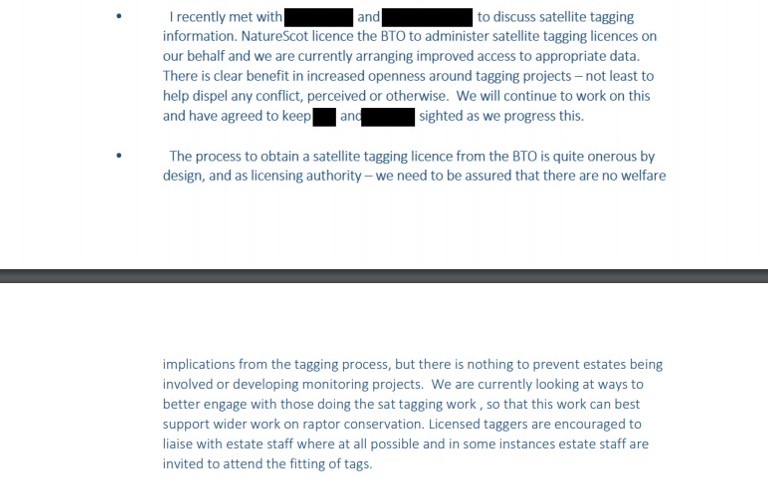
Here is NatureScot’s response to this outlandish proposal from SLE:

I’ll be blogging about some more communications between these two organisations in due course, also uncovered via FoI and related to grouse moor management, the Werritty Review and raptor satellite tracking.

‘Skydancer Day’ – online event, May 9th 2021

Plans are evolving for this year’s Hen Harrier Day which will take place on the weekend of 7th-8th August 2021 but this year there’s going to be an additional event, taking place this spring.

Branded ‘Skydancer Day’, this will be an online event on Sunday 9th May 2021, organised by charity Hen Harrier Action and hosted by Megan McCubbin and Chris Packham.

The event will run from 10.15am to 12 noon and will focus on celebrating the uplands but will also feature the ongoing issue of illegal raptor persecution.

More details to follow in due course.

Breach of hen harrier diversionary feeding licence on North Yorkshire grouse moor

A few days ago I was informed that there may have been a suspected breach of a hen harrier diversionary feeding licence last weekend, on a grouse moor in North Yorkshire.

Observers were monitoring what they believed to be an active hen harrier nest. Their observation position was approximately one mile from the nest site so as not to disturb the breeding attempt.

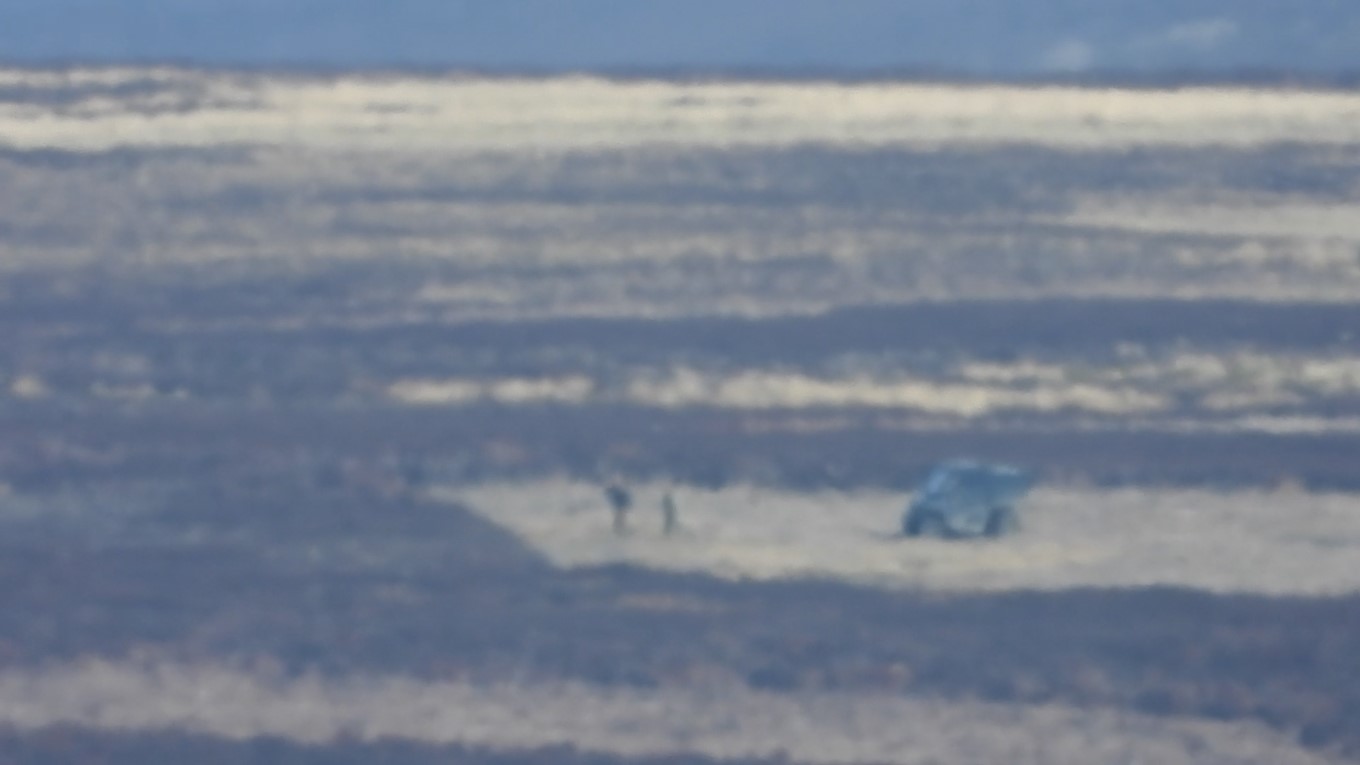
During this period, they observed and filmed a buggy carrying two individuals, being driven towards the nest site. It stopped and one person got out and appeared to be placing something on top of a fencepost, before returning to the buggy and driving towards the nest. Both individuals exited the buggy, walked in to the heather to the nest, flushed off a very agitated female hen harrier, did something at the nest that wasn’t clear (one individual was crouching down and the other appeared to be taking photos of the dive-bombing female) before returning to the buggy and driving away.

[Screengrab from the video footage, filmed from approx one mile away, showing two individuals walking from the buggy towards the hen harrier nest]

I’ve been told by a number of people that this was a gamekeeper and a Natural England employee, but I have been unable to verify this. I understand that the nest contained five eggs that the female was incubating.

It was suggested to me that before visiting the nest, one of the individuals had been setting out food as part of a diversionary feeding strategy, which is encouraged as part of DEFRA’s Hen Harrier Action Plan. However, the licence that permits diversionary feeding (CL25) sets out quite clearly that diversionary feeding can ONLY begin after the eggs have hatched, and not before:

I don’t know what the exact reasoning is behind this restriction of not being permitted to provide diversionary food prior to the chicks hatching but an educated guess would be that it would limit unnecessary disturbance in the vicinity of the harrier’s nest at a highly sensitive period, especially as the licence notes that red grouse are unlikely to be taken by hen harriers during the incubation period, so diversionary feeding shouldn’t be necessary.

The restriction may also be related to the fact that as a general rule of thumb, most raptors, if disturbed, are more likely to desert their nest during the incubation period than they would be had they reached the nestling period, presumably because they’ve invested much more in the breeding attempt by the nestling stage.

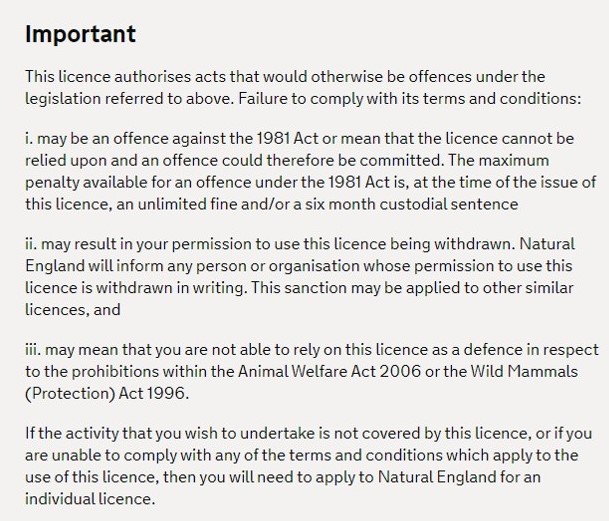
However, the reasoning behind the restriction isn’t really the issue right now. The issue is that there has been a potential breach of a licence condition. Here’s what Natural England’s CL25 licence says might happen if there is a failure to comply with the terms and conditions of the licence:

I contacted North Yorkshire Police to ask whether a potential licence breach would be enforced by the police or by another agency. A police spokesperson told me that Natural England would be the enforcement agency and it was also confirmed that yes, this licence breach had occurred last weekend.

The police spokesperson said that NE had given assurances that the individual concerned ‘had been spoken to’ and that ‘the activity had ceased in accordance with guidelines’. Natural England apparently said there was ‘no malicious intent in any activity’ although it’s not clear how they assessed that.

Interesting. I’ve written to Natural England today to ask them about any potential enforcement action they may be taking against this estate for failing to comply with the terms and conditions of the licence.

My money is on there being absolutely zero enforcement action taken, given Natural England’s track record of happily working in cahoots with the very industry responsible for the hen harrier’s catastrophic decline in England in their scandalous hen harrier brood meddling conservation scam.

Actually, I wonder whether this nest will be targeted for brood meddling this year and if so, whether this ‘extended’ diversionary feeding (and who knows how long it had been going on?) will be mentioned to the Scientific Advisory Committee scrutinising the supposed rigour (ahem) of the brood meddling trial?

UPDATE 4th May 2021: Grouse-shooting estate under investigation for alleged breach of hen harrier diversionary feeding licence (here)

Eyes to the skies for hen harriers: RSPB Scotland asks public for sightings

Press release from RSPB Scotland (14th April 2021)

EYES TO THE SKIES FOR RETURNING HEN HARRIERS

Buzzard, kestrel… or hen harrier?

RSPB Scotland is asking everyone to keep their eyes peeled for one of the UK’s rarest birds of prey as they return to their breeding grounds this spring.

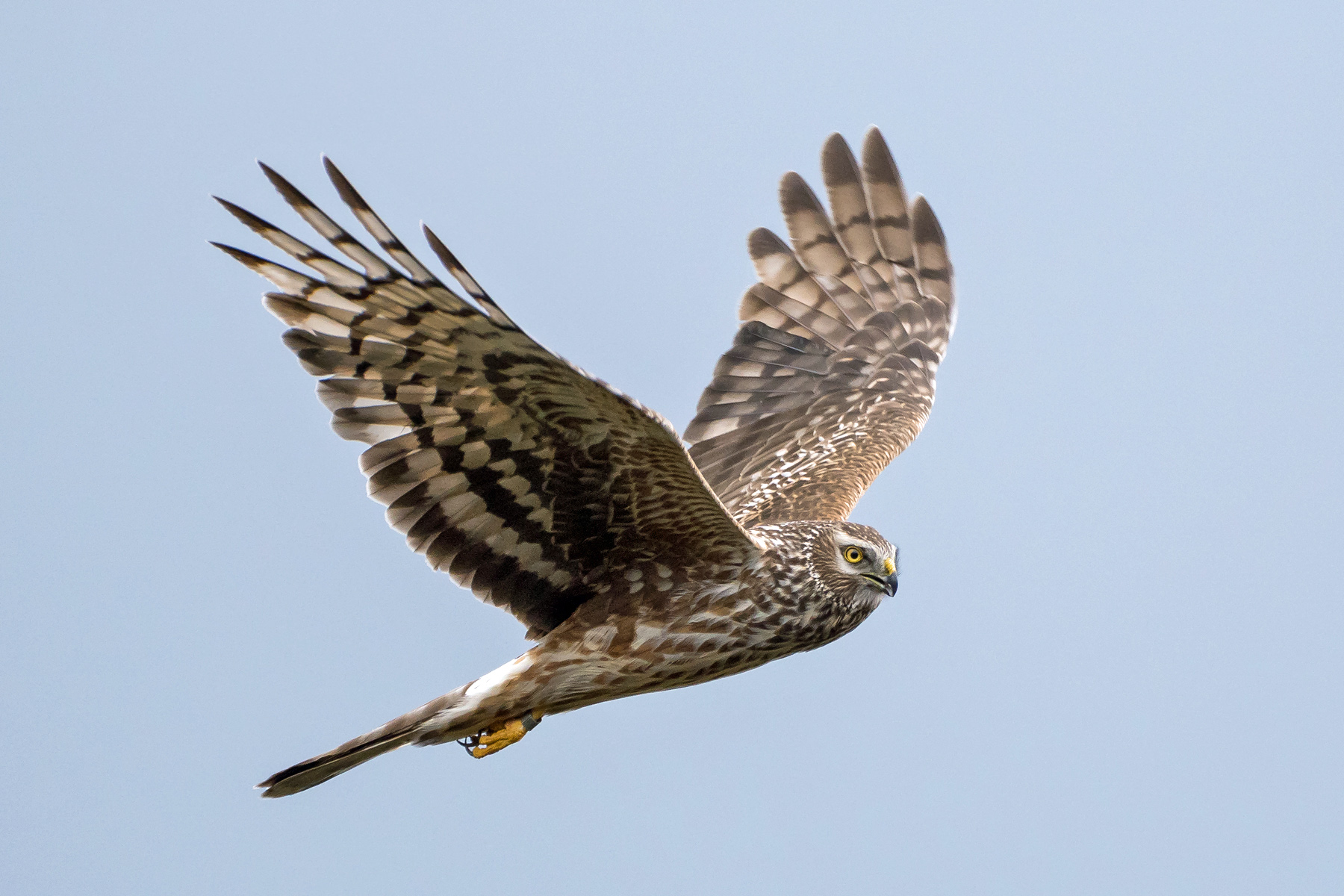
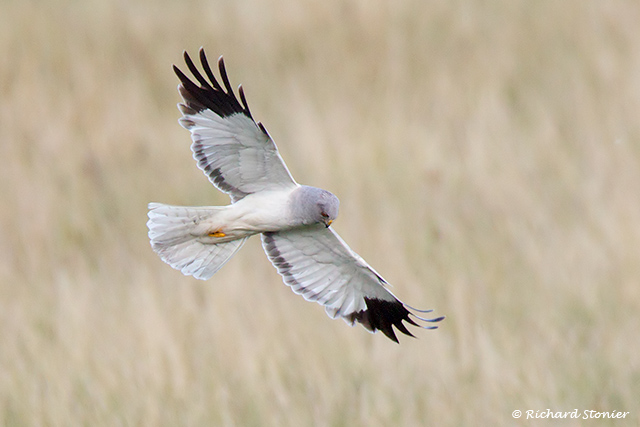
Hen harriers are medium-sized birds of prey, similar to a buzzard but with a slightly slimmer appearance, with long wings and a long tail. Female and young hen harriers are speckled brown and cream with horizontal stripes on their tails. The most striking feature is the patch of white at their rump. Males are slightly smaller and pale grey with black wingtips. Both have a round, owl-like face.

[Female hen harrier. Photo by Pete Morris]

[Male hen harrier. Photo by Richard Stonier]

As the weather warms up, these birds are becoming more visible as they start their long journeys away from their winter roosting grounds and up to the moors to breed. Hen harriers nest on the ground amongst heather or soft rush in upland areas. You maybe even lucky enough to encounter their skydancing display, a dizzying aerial show of rolls and dives, performed by either the male and female to mark their territory and demonstrate their vigour.

Hen harriers are the UK’s most persecuted bird of prey relative to its population size. Their Scottish population is of global importance, yet it remains far from stable largely as a result of illegal killing by humans.

The RSPB’s Jenni Burrell said: “We are calling on the public to email our Hen Harrier Hotline if they believe they’ve seen a hen harrier. This helps us build a picture of where these birds are. Please don’t hesitate to contact us if you see them – we welcome any sightings and appreciate your time.

“Hen harriers are beautiful and elusive raptors and, unlike peregrines and kestrels, they are rarely seen in urban environments. So if it’s perched on your fence, it’s probably a sparrowhawk, if it’s in a tree by the roadside, it’s probably a kestrel or a buzzard… but if it’s over rough pasture or moorland, and matches the description above, then you might have seen a hen harrier.

“Sadly hen harriers are a long way from reaching a healthy, self-sustaining population, and this is largely down to persecution by humans. Particularly where land is managed for the purpose of driven grouse shooting, natural predators like hen harriers can be viewed as pests and, despite being legally protected, the shooting, trapping and poisoning of hen harriers is a serious and ongoing problem.”

If you think you’ve seen a hen harrier, please email: henharriers@rspb.org.uk

Please include the date, time, location/grid reference and a description of the bird.

ENDS

Emmerdale actor speaks out against grouse moor burning & raptor persecution

Hot on the heels of her last article on how burning Britain’s moorland is ‘an environmental disaster’ (here), the Daily Mirror’s Environment Editor, Nada Farhoud has a follow up article out today.

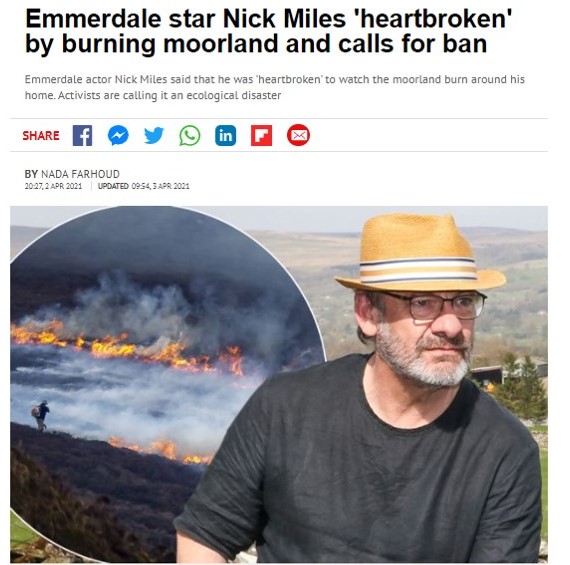
This time she interviews Emmerdale actor Nick Miles, who lives in the Yorkshire Dales National Park and has been a long-time supporter of conservation campaigns such as Hen Harrier Day.

Nick talks about his village ‘disappearing under a blanket of smoke’ when the gamekeepers have set the moors alight and how letters to his MP, Rishi Sunak, have fallen on deaf ears.

He also talks about how few red kites he sees in Upper Wharfdale (hardly surprising given its proximity to Nidderdale, where killing red kites on grouse moors is de rigueur) in comparison to Harewood, where Emmerdale is filmed and from where red kites were reintroduced and are doing well.

Read today’s article in the Mirror here (and watch out for the comedy input from Moorland Association Director Amanda Anderson).

Meanwhile in Scotland the fires also continue. I’ve been sent some horrific photographs that were taken in the Angus Glens two days ago – I’ll be publishing those later this weekend.

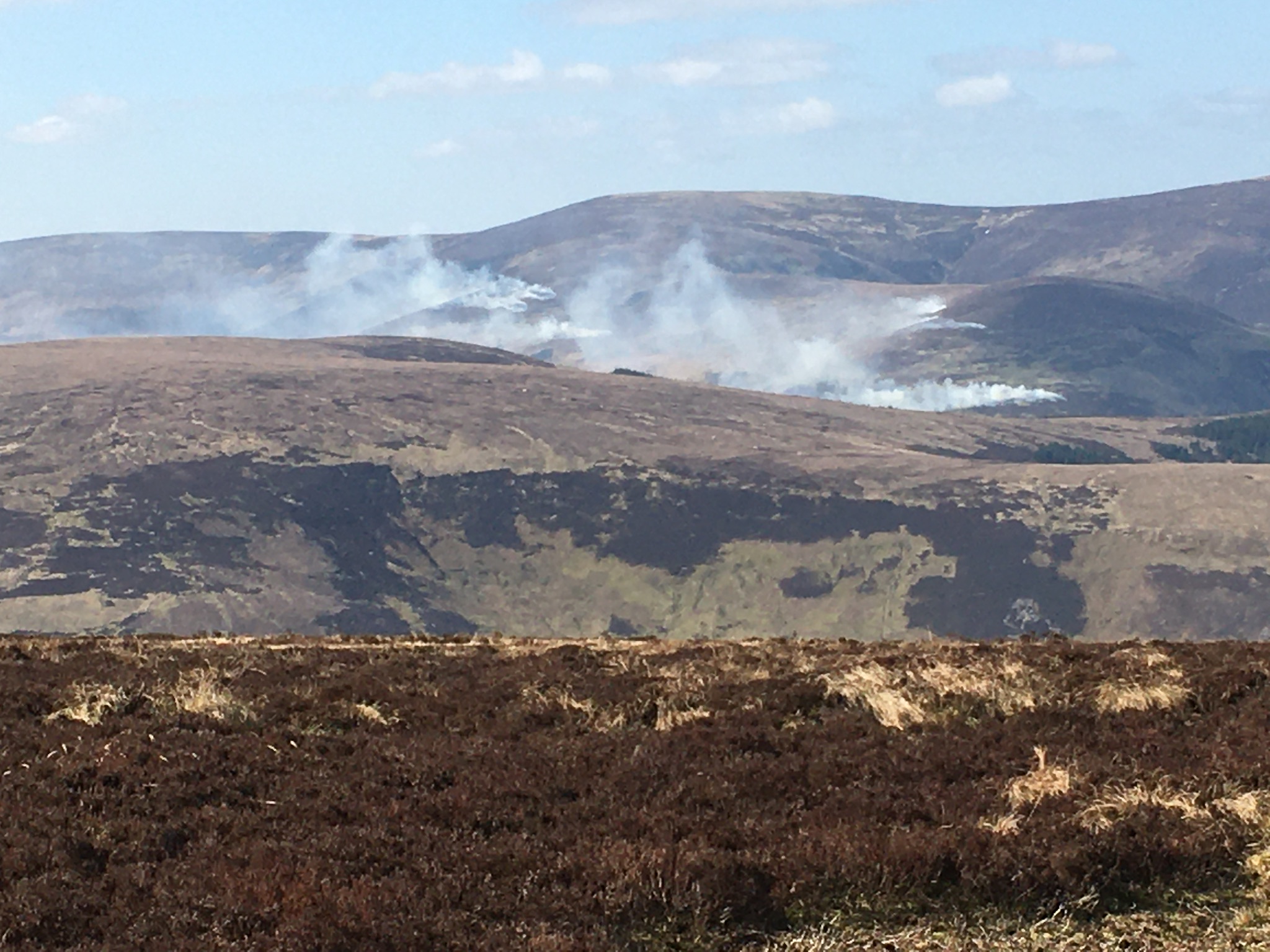
And here’s a photo sent in by another blog reader (thank you) taken yesterday in Manor Valley in the Borders:

It’s astonishing that not only is this burning still legal (although for how much longer remains to be seen) even though we’re in a climate and nature emergency, but that gamekeepers in Scotland can lawfully continue to set the moors alight until 15th April, and then with landowner’s permission can continue to light fires until 30th April.

Still, it’s a cracking wheeze for torching out hen harrier nests, peregrine breeding ledges and golden eagle eyries, which can then be explained away as ‘accidents’ (see here).

Pass the matches.

Natural England’s shady approach to IUCN guidelines on hen harrier reintroduction

Earlier this week I blogged about how Natural England had been planning, in secret, to start a captive breeding programme for hen harriers, with the intention of releasing the progeny in to southern England as a way of boosting the UK hen harrier population, which has been in decline for years thanks to the ongoing illegal killing of this species (see here).

The proposed reintroduction isn’t news – this has been on the cards since 2016 when DEFRA published its ludicrous Hen Harrier Action Plan (and when Natural England was caught out claiming spurious justifications for the reintroduction – see here) – but the captive breeding element is new, and is a direct result of potential donor countries in Europe refusing to donate harriers to a country that clearly can’t look after the ones its already got.

And although the captive breeding element is highly questionable from an ethical standpoint, it’s still not the main issue here. The main issue has always been, and remains to be, the concept of releasing hen harriers in one part of the country as a massive distraction from dealing with the scandalous level of persecution still inflicted on this species in other parts of the country (namely on driven grouse moors).

[An illegally killed hen harrier. Photo by Ruth Tingay]

Reintroduction projects need to meet all sorts of criteria before they can go ahead and DEFRA advises project managers consult the International Union for the Conservation of Nature (IUCN) Guidelines for Reintroductions and other Conservation Translocations as part of their preparation.

These IUCN guidelines are built on decades of conservation knowledge and experience and provide a ‘route map’ for achieving a successful reintroduction. One of the fundamental principles of these guidelines is deciding when a translocation/reintroduction is an acceptable option. Key to this is:

‘There should generally be strong evidence that the threat(s) that caused any previous extinction have been correctly identified and removed or sufficiently reduced‘.

Now, in the case of the UK hen harrier population, which is in long-term decline according to the most recent national survey conducted in 2016 (see here), it is widely accepted that illegal persecution continues to be the main threat to survival, limiting the species’ distribution and abundance in Scotland, Northern Ireland, Wales and England.

So the threat has been ‘correctly identified’, as per the IUCN guidelines. It’s indisputable (unless you’re a spokesperson from the very industry that’s responsible for this organised criminality). There are more scientific papers identifying and confirming the threat as there are breeding pairs of hen harriers in England – including the most recent research, co-authored by Natural England staff, which demonstrated the ongoing, widespread illegal killing of hen harriers on British grouse moors (here).

But has the ‘correctly identified’ threat been ‘removed or sufficiently reduced’ for Natural England to proceed with its reintroduction plans? Well, that’s where it all gets a bit shady, in my opinion.

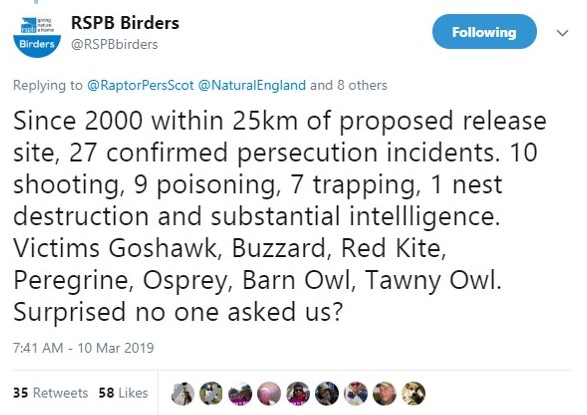
Natural England has been downplaying the persecution issue for a couple of years, particularly when its staff members have been trying to persuade potential donor countries that persecution really isn’t an issue in southern England (e.g. see here and here), although the RSPB has vigorously disputed this claim:

And of course there’s also been the suspicious disappearance of a satellite-tagged hen harrier called Vulcan (here) (which according to an employee of the National Gamekeepers Organisation was likely a ‘set up’ by the RSPB (here!), and then there’s the recent and on-going police investigation into alleged bird of prey persecution nearby (see here).

So it was interesting to see a copy of Natural England’s Hen Harrier Southern Reintroduction IUCN Assessment, dated January 2020, and released to me last week as part of a bundle of documents released under a Freedom of Information request, to understand just how Natural England is attempting to explain away the real and present threat of persecution.

Here is the document:

First of all, Natural England is pointing to two datasets of confirmed raptor persecution incidents to show that persecution is an issue in counties far away from the proposed release site in Wiltshire.

The first dataset cited (published by DEFRA on behalf of the Raptor Persecution Priority Delivery Group, RPPDG) has been widely criticised as being inaccurate and out of date (see here) and is unsupported by two members of the RPPDG: the Northern England Raptor Forum (here) and by the RSPB (here).

The second dataset is much more reliable, as it’s compiled using rigorous scientific quantification by the RSPB, but even then, it only includes confirmed raptor persecution incidents, i.e. where there is a corpse and supportive evidence to identify the cause of death (e.g. x-ray, toxicology report). The database cited by Natural England does NOT include ‘probable’ or ‘possible’ raptor persecution incidents. So, for example, the vast majority of the 52 hen harriers known to have been killed or have disappeared in suspicious circumstances since 2018 (here) would NOT be included in this database of confirmed incidents because many of them, without a corpse or satellite tag, would have to be classified as being ‘probable’ persecution incidents. It’s ironic that these incidents would be excluded, given it was Natural England’s own commissioned research findings that identified missing satellite-tagged hen harriers as most likely to have been illegally killed on or near grouse moors (here).

So not only is Natural England being highly selective in the datasets it has chosen to support this claim that persecution isn’t an issue in southern England, the other main claim made in its IUCN assessment is that hen harriers released in the south of England won’t travel north to the deadly grouse moors of northern England, Wales and Scotland. Here is the claim:

This is an astonishing claim to make. Obviously, I was interested in the reference that Natural England cited to support such a claim: (NE 2019a). However, when I looked up the reference I found it refers to Natural England’s intermittently-updated summary table of the fates of tagged hen harriers (here).

This table doesn’t support Natural England’s claims at all! If anything, it shows that young hen harriers wander widely during dispersal, throughout the UK, so there is no supportive evidence whatsoever to suggest the incidence levels of hen harriers released in southern England roaming into northern upland areas (persecution hotspots) ‘will be low’. What complete nonsense this is!

The fact is, nobody knows what those released hen harriers will do, but if they follow the behaviour of other young dispersing hen harriers they will wander widely and will be at significant risk of being killed if they go anywhere near a driven grouse moor. I wouldn’t fancy their chances if they turned up at some commercial pheasant and partridge drives either, given the persecution suffered on some shooting estates by Montagu’s and Marsh harriers.

It’s no wonder Natural England has wanted to keep its plans under wraps – this is shady stuff indeed.