I’ve blogged recently about a number of illegally-killed Hen Harriers whose deaths have not been publicised by the authorities (Hen Harrier ‘Susie’ who was found dead with gunshot injuries on a grouse moor in the North Pennines, here; and Hen Harrier ‘254843’ who was found dead on moorland in Northumberland National Park with shotgun damage to her satellite tag, here).
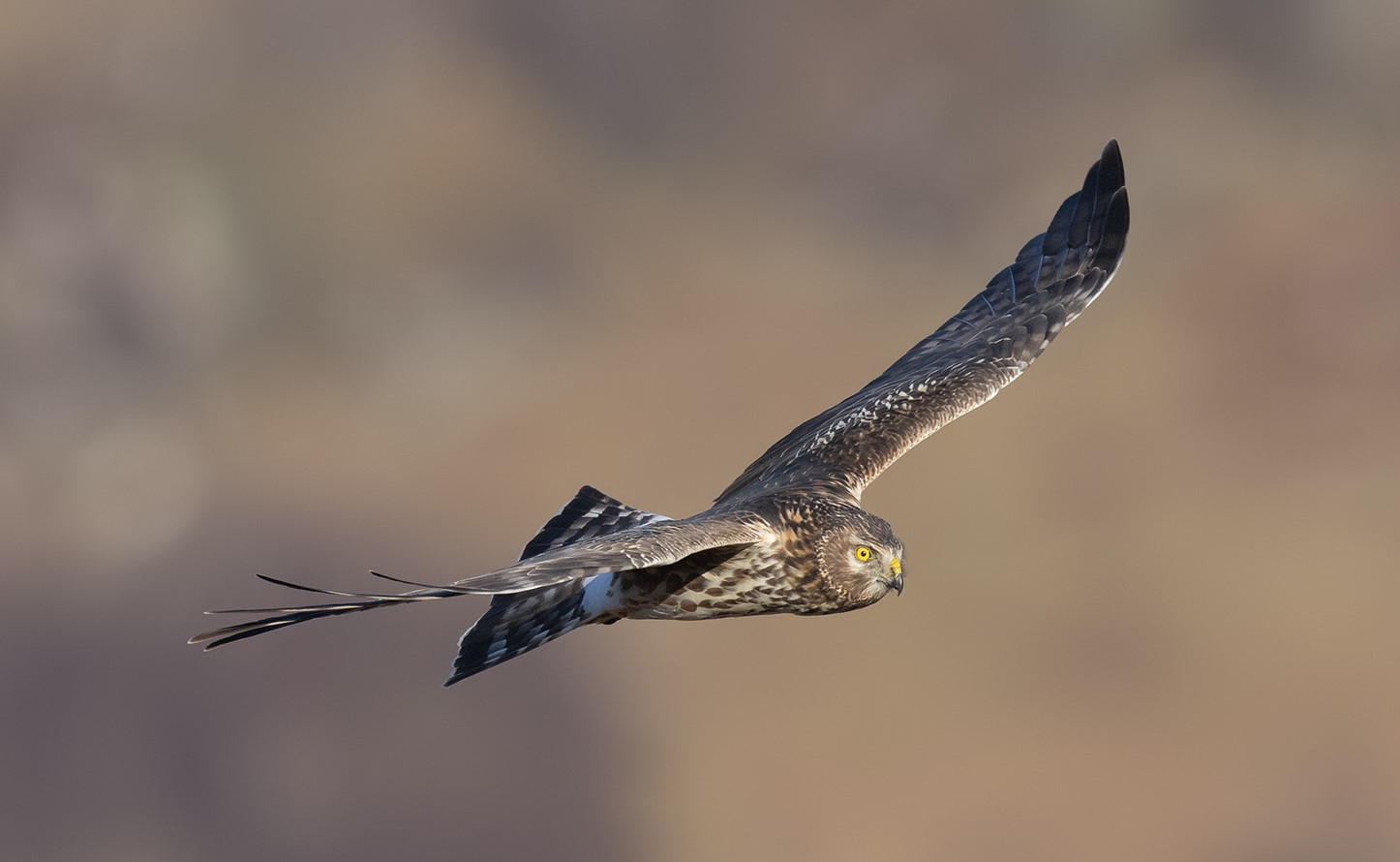
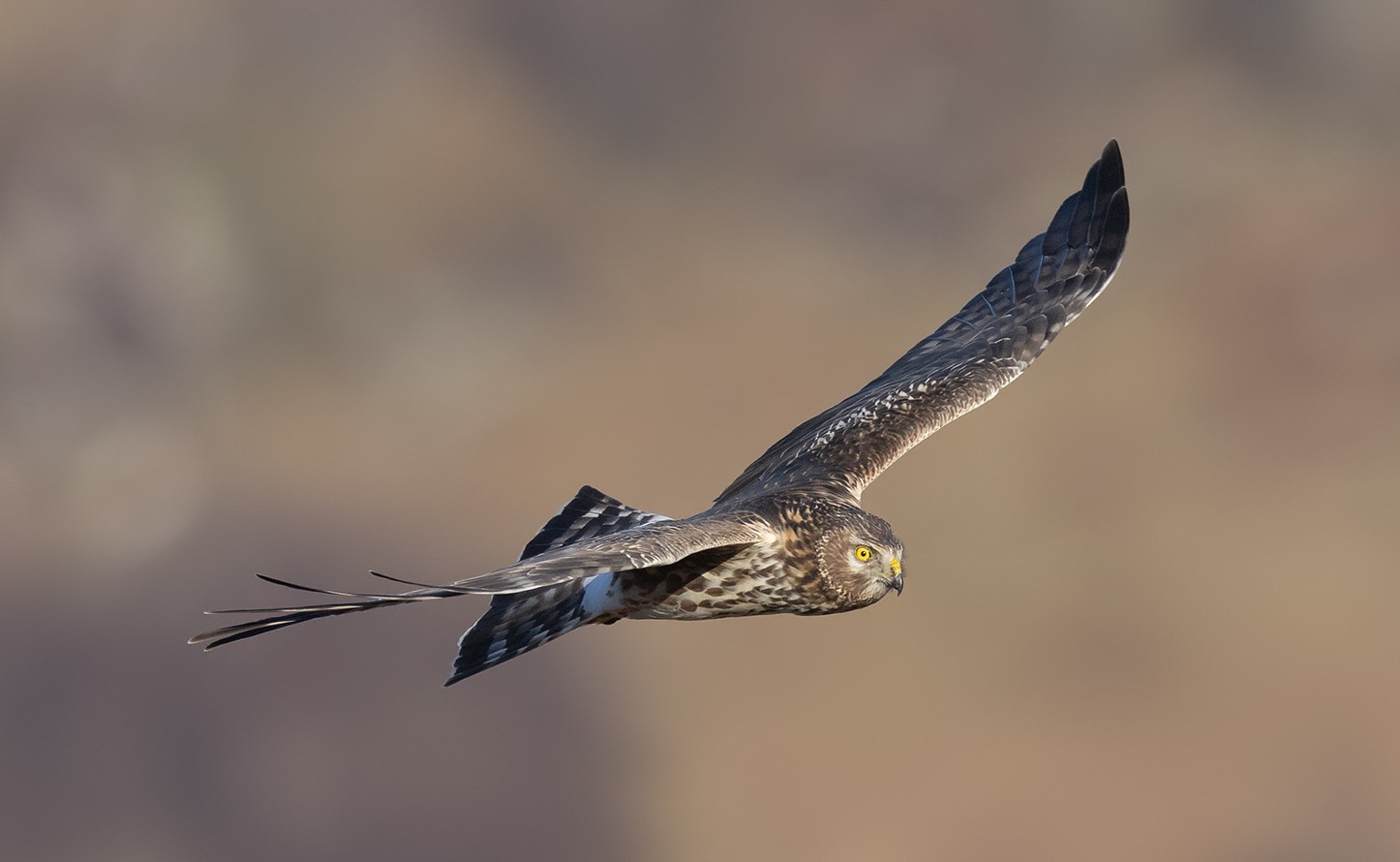
Here’s another one. This time found illegally poisoned on a grouse moor in North Yorkshire.
Once again, the details of the illegal killing of this latest Hen Harrier have only become public after careful scrutiny of a national database (this one operated by the Health & Safety Executive) – an entry on a spreadsheet rather than a full-blown press release from the investigating authorities.
Here are the limited details that I’ve found:
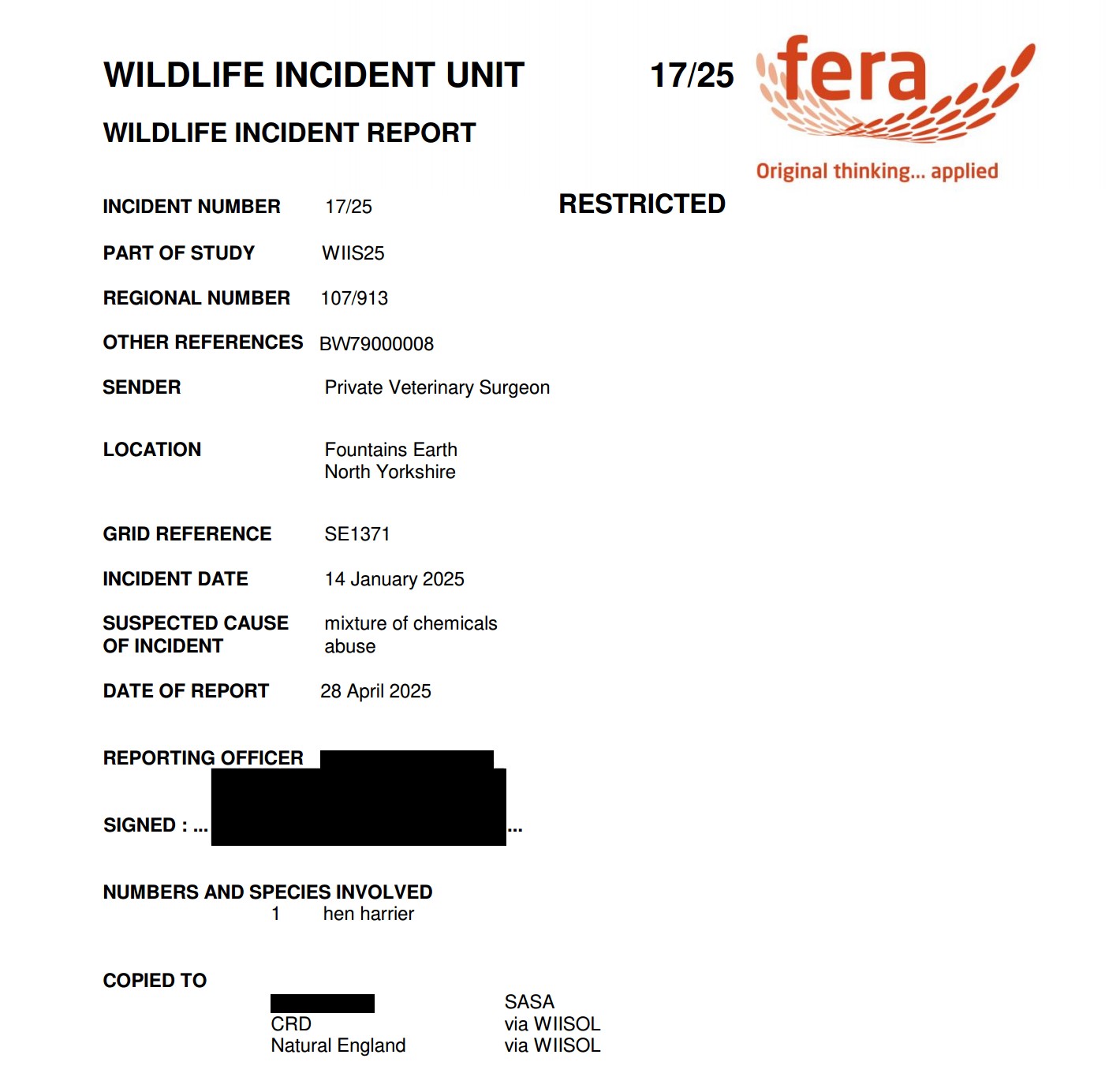
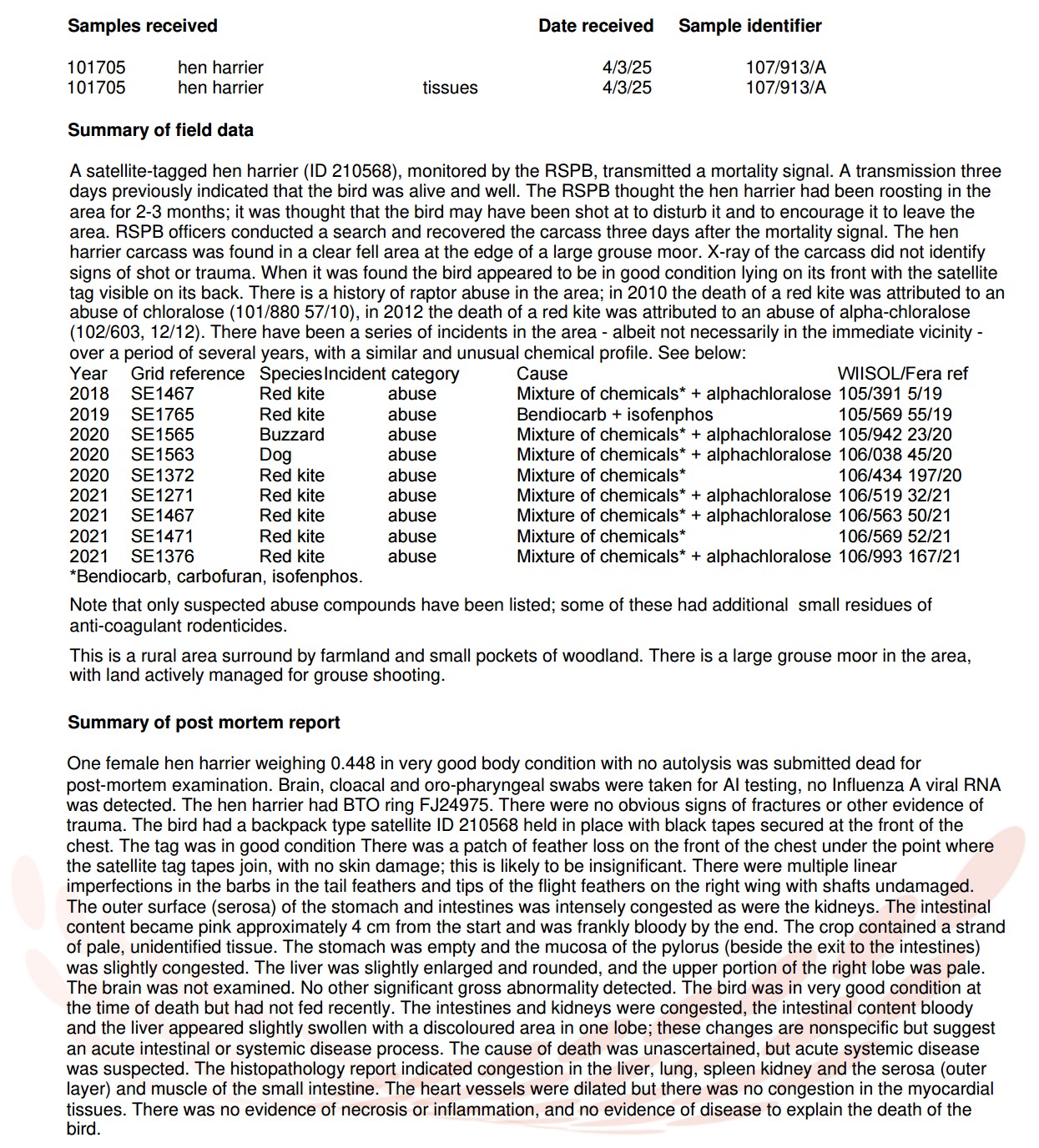
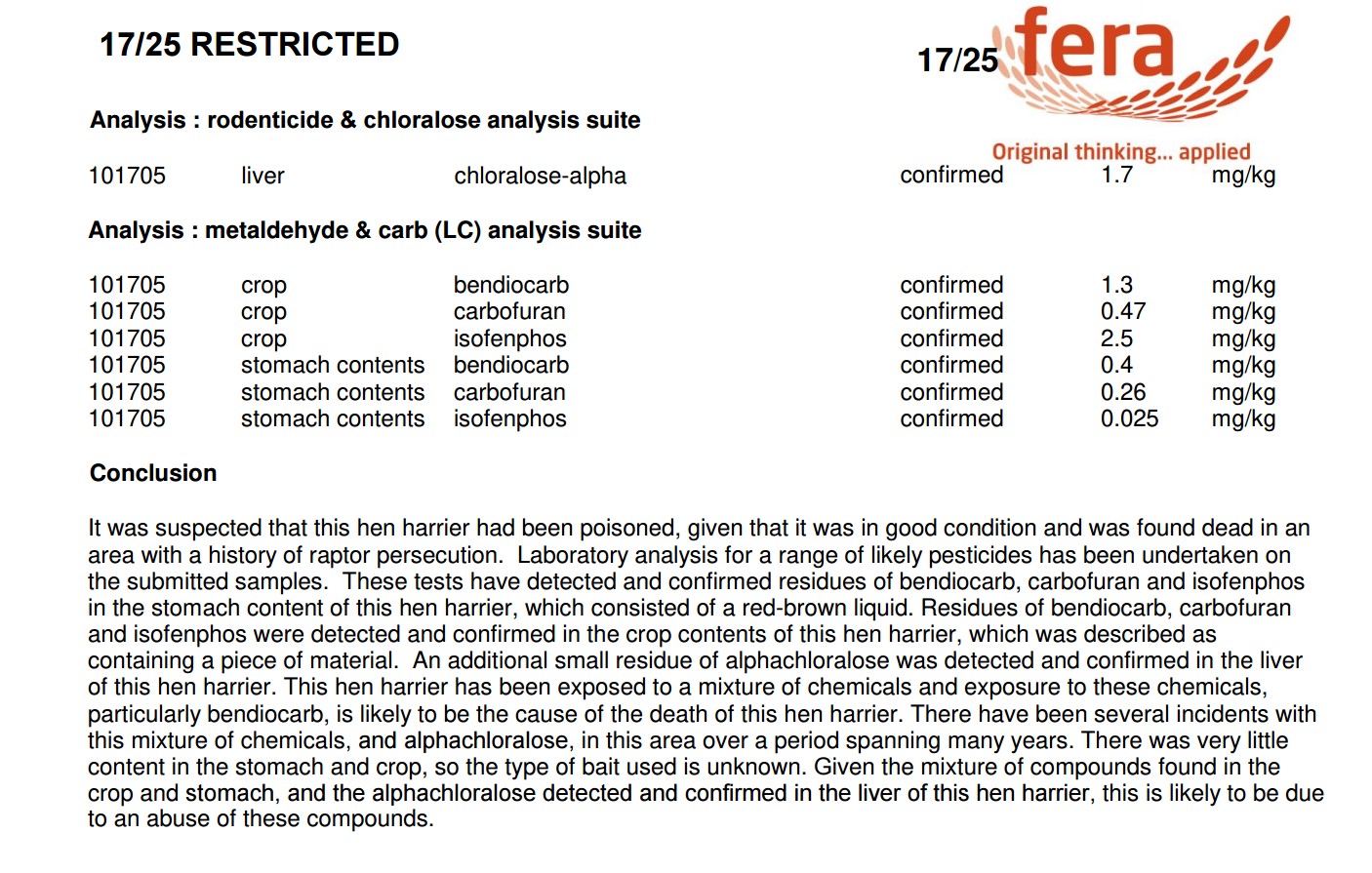
HSE Ref number 107/913. Confirmed poisoning, North Yorkshire, January 2025. Chemicals Bendiocarb, Carbofuran, Isophenphos, Alphachloralose. Notes: ‘A dead Hen Harrier was found on a grouse moor. Residues of Bendiocarb, Carbofuran, Isophenphos and Alphachloralose were found in the samples analysed, which is an abuse of these compounds. Case closed as passed to the Police‘.
I haven’t seen ANY police appeal or press release about the illegal poisoning of this Hen Harrier or the discovery of its corpse in North Yorkshire 11 months ago in January 2025. Not a single word.
Where is the publicity from the National Wildlife Crime Unit-led Hen Harrier Taskforce? The specialist group set up explicitly to tackle the ongoing illegal killing of Hen Harriers. Not a single word.
Where is the publicity from the police-led national Raptor Persecution Priority Delivery Group (RPPDG), one of whose functions is apparently ‘awareness raising‘ and ‘raising the profile [of illegal raptor persecution] via media exposure‘? Not a single word.
Poisoning is not a commonly-used method for killing Hen Harriers because this species is not a routine carrion eater. Typically they are shot when foraging low for live prey or flying towards a roost site, or trapped on or next to their nest sites and then bludgeoned to death instead. Although there was one case of a Hen Harrier being found poisoned on a Pheasant-shoot in County Meath, Ireland in 2019 (here).
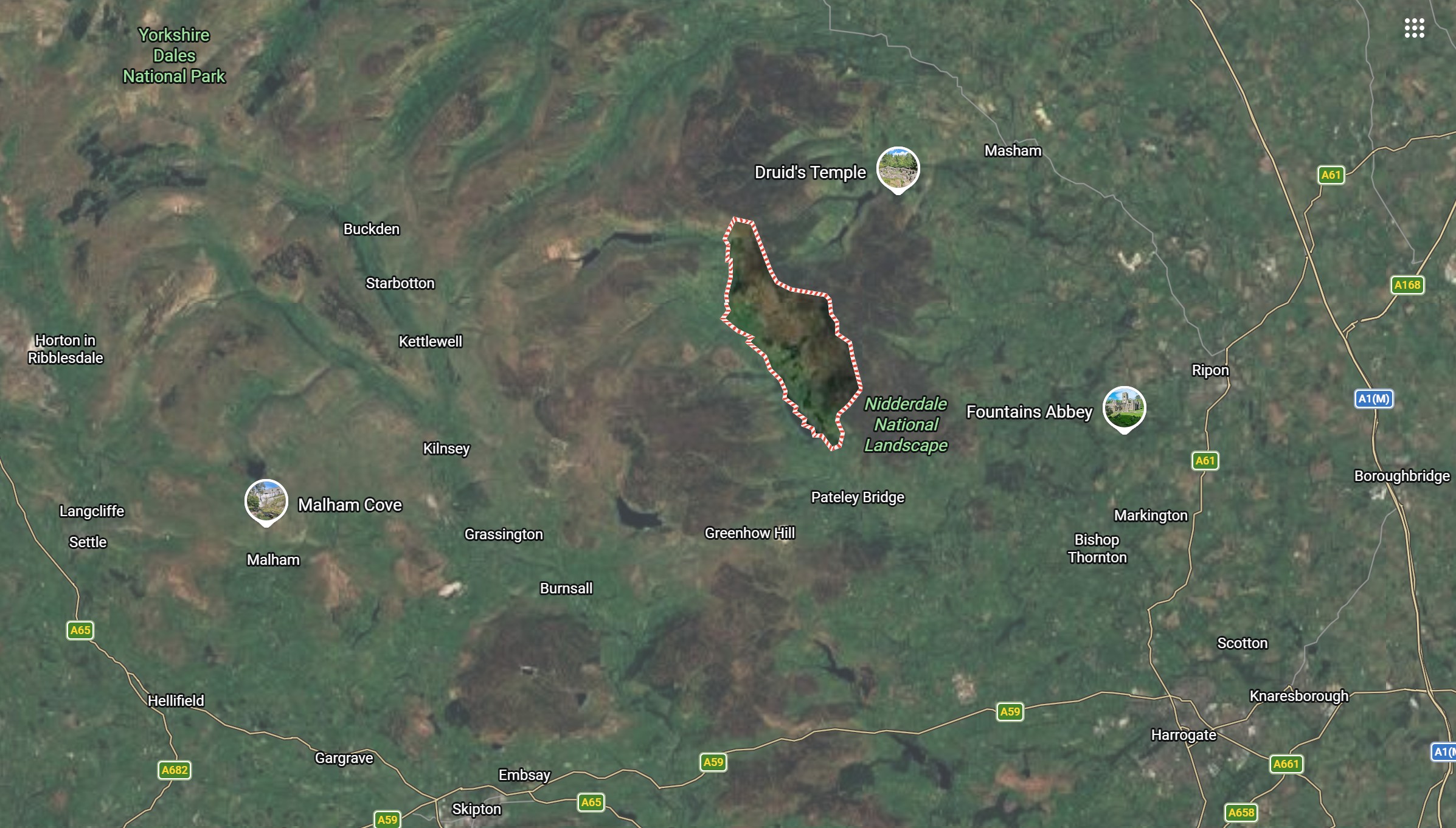
The information I’ve gleaned so far about this latest Hen Harrier poisoning just refers to ‘North Yorkshire’. It’s a huge county, with grouse moors in the Yorkshire Dales National Park, Nidderdale National Landscape (previously called an AONB), and the North York Moors National Park.
However, the eagle-eyed amongst you will have noticed the distinctive combination of chemicals used – a highly lethal mixture widely known as the ‘Nidderdale Cocktail’, so described due to the frequency of use of this nasty combination in Nidderdale, where it has killed a number of birds of prey over the years, particularly Red Kites, and also a pet dog (see here).
That might suggest a Nidderdale grouse moor as the location of the January 2025 Hen Harrier poisoning, although the Nidderdale Cocktail has also been detected in other poisoning cases as far north as Scotland, perhaps indicative of gamekeepers moving jobs, so it’s not conclusive.
This isn’t the first time that I’ve been critical of an apparent lack of action from North Yorkshire Police in relation to a national wildlife crime priority incident. Just a couple of years ago they refused to investigate the circumstances of an illegally poisoned Red Kite that had been found dead on Swinton Estate (see here).
This apparent lack of inertia is in direct contrast to how North Yorkshire Police’s Rural Crime Team used to function a few years ago, under different leadership, when it was proactive and very public about its work (e.g. see here, here, here, here etc).
I’ve submitted a number of FoIs to various agencies about this latest Hen Harrier persecution incident. I’ll report more when they respond.
Further to the news about the conviction and sentencing of Lincolnshire farmer/gamekeeper John Bryant for multiple offences at Grange Farms, West Ashby in October 2022, relating to an investigation into the illegal persecution of birds of prey (see here, here and here), Lincolnshire Police’s Rural Crime Team has provided some information about the revocation of Bryant’s shotgun and firearms certificates.
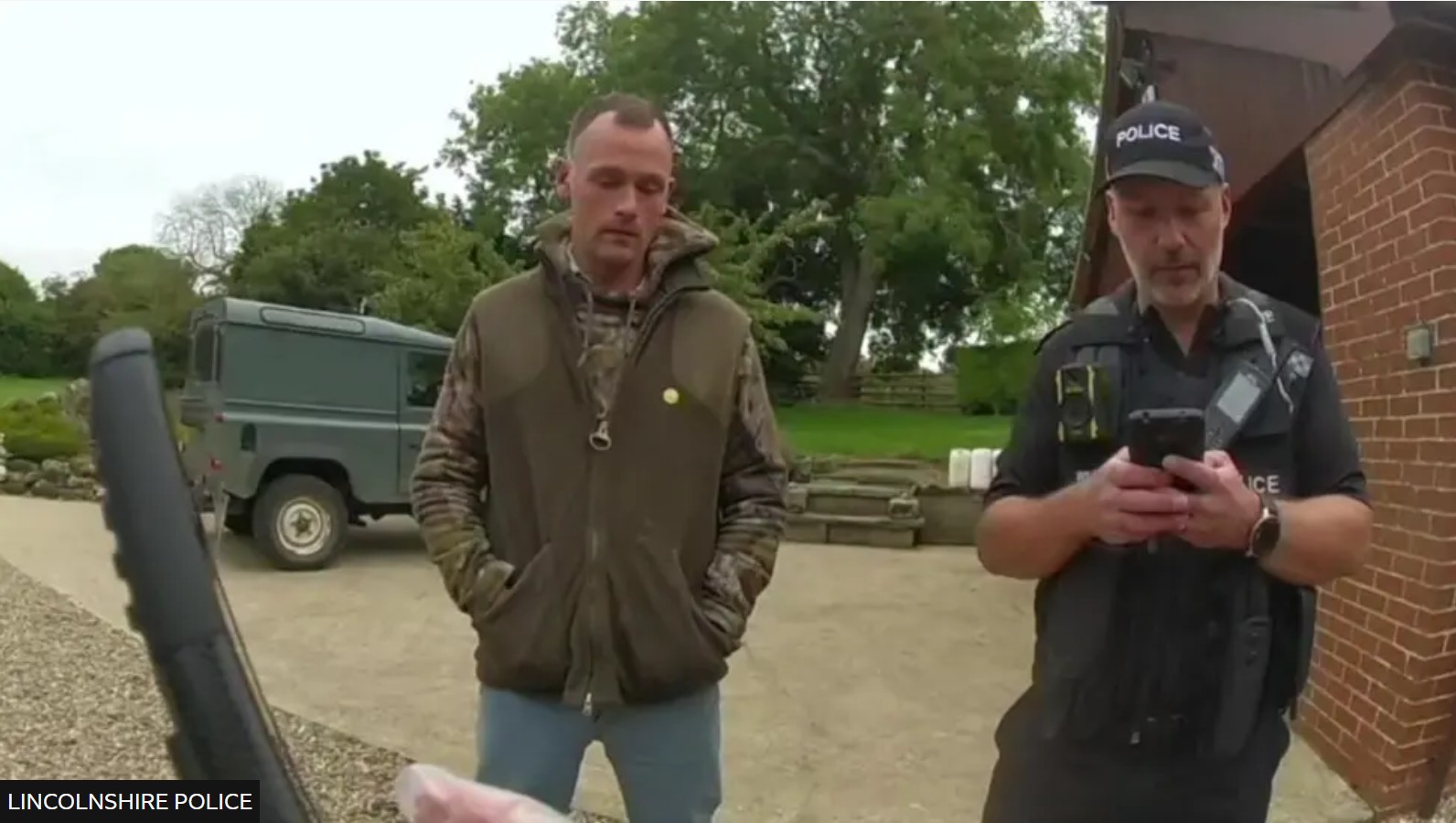
Convicted farmer/gamekeeper John Bryant
“We have been asked about his firearms/shotgun certificates.
“As a direct result of this investigation. Both from matters revolving around the storage and security of firearms and ammunition along with this case being brought against him, his authority to possess firearms and shotguns was also withdrawn. In other words, Lincolnshire Police revoked those certificates so he could no longer possess licensable guns.
“This was contested at Lincoln Crown Court whereby his legal team failed to argue the case and judgement was held in support of the Police decision to revoke them.
“This should also stand as a warning to all certificate holders. One criminal act can easily lose you your right to possess firearms, but also the way you store/secure/keep those firearms can also have a huge detrimental impact on those certificates“.
It sounds then, that in addition to the charges against Bryant for the poison and trap offences, there was also an issue about the storage and security of his firearms and ammunition, although I haven’t seen any report of charges being brought against him for those alleged offences, just a revocation of his licences.
Given that the appeal hearing against his firearms and shotgun licence revocations was held at Lincoln Crown Court (date unknown), this probably accounts for at least some of the reported £100,000 costs incurred by Bryant for his defence, as mentioned in court during his sentencing hearing yesterday.
Looking at the account’s for Grange Farms (West Ashby) Ltd, held on Companies House website, which lists Bryant as one of several Directors (here), the family’s company can easily afford to cover Bryant’s own legal costs in addition to the fine and costs he received from the court (£7,449) from the company’s £1 million+ capital and reserves.
I do wonder about the firearms and shotgun revocations though. Can other family members, residing and/or working at the same property, hold their own certificates and thus legitimately keep firearms and shotguns on the premises? And if so, what measures are taken to ensure John Bryant doesn’t have access to them?
These are genuine questions. I’d welcome the opinion of any firearms experts who might be reading this.
Further to today’s earlier blog on the sentencing of Lincolnshire gamekeeper John Bryant who was found guilty of multiple crimes after a police investigation into the illegal killing of a red kite and two buzzards (see here), the RSPB Investigations Team has issued the following press release:
GAMEKEEPER ORDERED TO PAY OVER £7,000 AFTER BEING FOUND GUILTY OF POISON AND TRAP-RELATED OFFENCES
Numerous birds of prey had been poisoned in the Belchford area of Lincolnshire over a number of years, leading to a police investigation.
Police uncovered large quantities of banned poison and illegal traps on the gamebird shoot.
The RSPB is urging the government to introduce a licensing scheme for all gamebird shooting, with the sanction to remove licences to shoot if wildlife protection laws are broken, and to act as a meaningful deterrent to bird of prey crimes in particular.
After a two-day trial at Lincoln Magistrates’ Court, John Bryant (40), of West Ashby, Horncastle was found guilty on 7 March 2025 in relation to four offences. He was sentenced on 20 March 2025 and ordered to pay £7,449 in total – including £2112 in fines for the four offences, £4,492 in costs and a victim surcharge of £845. The court heard how a number of birds of prey were found poisoned in the Belchford area over several years, and how Lincolnshire Police then led a multi-agency search on a pheasant and partridge shoot at Grange Farms, West Ashby in October 2022 together with the RSPB, National Wildlife Crime Unit (NWCU) and Natural England.
This case is yet another example of why the RSPB is urging Westminster to introduce a system of licensing for gamebird shooting, to afford birds of prey better protection, and to follow Scotland’s lead on licensing all grouse shooting as a positive start.
Bryant, a gamekeeper and farmer, pleaded guilty to two offences relating to the illegal storage and usage of Alphachloralose. Alphachloralose can be legally used as a poison for rodents using products at 4% concentration or lower. However, during a search of his home, police found the poison illegally decanted into pots in the suspect’s vehicle and outbuilding. These two pots were tested under the WIIS (Wildlife Incident Investigations Scheme) run by Natural England, and found to contain banned and highly dangerous levels (85% and 88%) of the deadly substance. Alphachloralose remains one of the most common substances used for poisoning birds of prey.
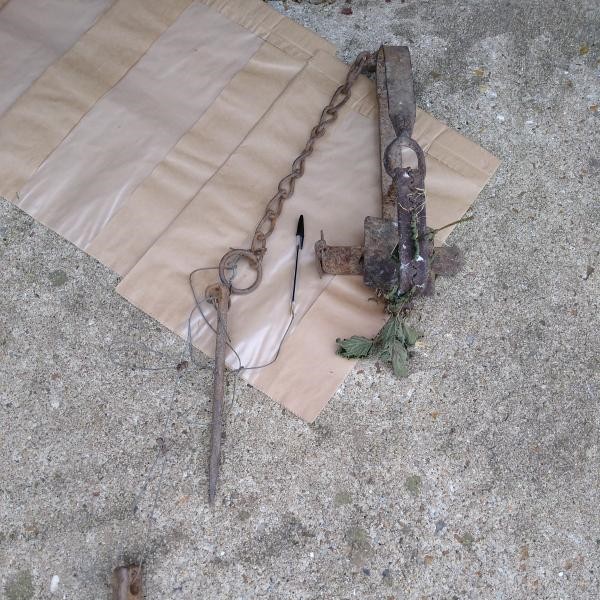
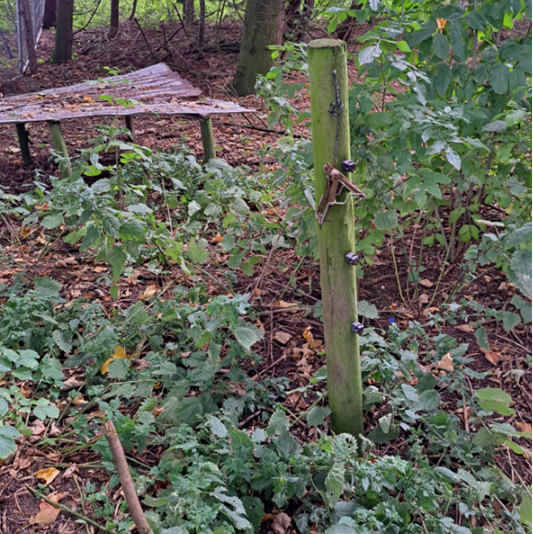
Bryant was also found guilty of two offences relating to the possession of two pole traps, deemed as items capable of committing a wildlife offence. Police found unset spring traps (similar to a powerful mouse trap) hanging from wooden posts at two locations on land managed by Bryant. This set up is commonly recognized as a pole trap, used to catch and brutally injure birds of prey that perch on the post when hunting. Pole traps have been banned since 1904.
Forensic DNA analysis conducted by SASA (Science and Advice for Scottish Agriculture) found traces of Tawny Owl and wood pigeon DNA on one spring trap and the other spring trap tested positive for wood pigeon DNA. Bryant was found not guilty of setting any pole traps.
The District Judge said he found it unrealistic that Bryant would not have known the pole traps were on his land, which had been part of his defence.
Police also found four unset gin traps in an outbuilding belonging to the suspect. Forensic DNA analysis conducted by SASA found bird of prey DNA on three of the gin traps (a mechanical device, illegal in the UK since 1958, designed to catch an animal by the leg using spring-operated jaws). Two had Buzzard DNA on them, with a Sparrowhawk feather identified in the jaws of a third trap. Bryant was charged in relation to possession of the gin traps being items capable of committing a wildlife offence, but was found not guilty.
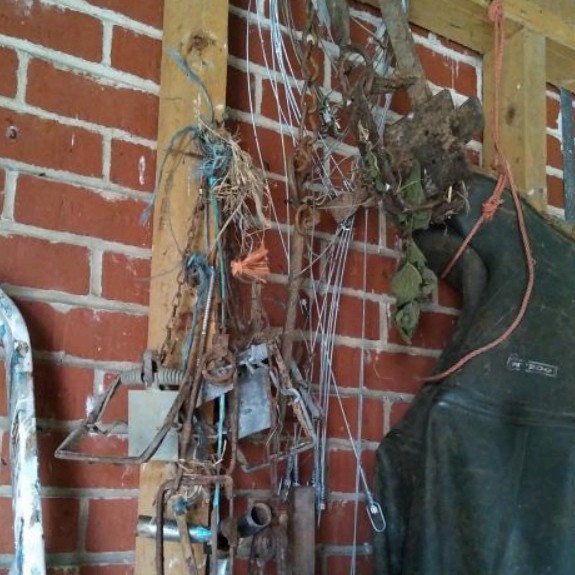
An assortment of traps found in Bryant’s garage. Photo: RSPB
One of the gin traps with what look like relatively fresh nettles caught in the jaw. Photo: RSPB
Several birds of prey have been found poisoned in the Belchford area over a number of years. In 2022 a Buzzard was found poisoned by Alphachloralose. In 2020 another Buzzard was killed having ingested the banned insecticide Aldicarb, and in 2017 a Red Kite was killed by Alphachloralose. Bryant was not charged in relation to poisoning any of these birds.
It is illegal to intentionally kill, injure or take a wild bird in the UK under the Wildlife and Countryside Act 1981. Yet the persecution of raptors persists, particularly in connection with land managed for gamebird shooting. Of all individuals convicted of bird of prey persecution-related offences from 2009 to 2023, 68% have been gamekeepers.
Howard Jones, RSPB Senior Investigations Officer, said:
“This case highlights the immense value of police searches in relation to bird of prey persecution which clearly has been an issue in this area. This search found illegal poisons being used in a hugely dangerous manner, putting the public and wildlife at risk, along with a number of illegal traps.
“We are urging the UK Government to introduce a system of licensing for all gamebird shooting, whereby this licence to operate could be revoked if crimes against birds of prey are detected on an estate. This would set a better precedent and act as a greater deterrent to those tempted to commit these crimes. “We thank Lincolnshire Police, and in particular DC Aaron Flint, on an excellent investigation into this case, demonstrating the value in strong partnership working in tackling bird of prey persecution“.
DC Aaron Flint, Forces Wildlife Crime Officer at Lincolnshire Police, said:
“Unfortunately, this case is just one of a large number of bird of prey poisonings reported in Lincolnshire in recent years. However, the outcome demonstrates that Lincolnshire Police takes bird of prey persecution seriously. We thoroughly investigate any reports that relate to criminal activity around birds of prey. Our message is this: If you commit crimes against wildlife in Lincolnshire, we will identify you and you will be put before the courts.
“This investigation was made possible through close collaboration with multiple agencies, and I want to express my gratitude to the National Wildlife Crime Unit, the RSPB, Natural England, CPS and SASA for their invaluable support. The Forensic Analysis Fund also played a vital role in advancing this investigation“.
Chief Inspector Kevin Lacks-Kelly, Head of the UK National Wildlife Crime Unit:
“Thanks to the work of Police and Partners we have seen justice delivered. This conviction sends a strong message that bird of prey crime will not be tolerated, and you will feel the full force of the national policing capability. These offences are not only cruel, the undermine the conservation of our vulnerable wildlife. These birds should be free for us all to enjoy, not consigned to a police evidence bags.”
If you have information about anyone killing birds of prey which you wish to report anonymously, call the RSPB’s confidential Raptor Crime Hotline on 0300 999 0101.
ENDS
Well done to Lincolnshire Police Rural Crime Team and the partner agencies whose hard work resulted in Bryant’s conviction.
£7,000 is a relatively small fine given the seriousness of Bryant’s crimes, although when compared with some of the recent pathetic fines handed out by courts for wildlife crimes, this figure can be viewed as being substantial.
I’ve also been told by a blog reader who was observing proceedings in court, that it was mentioned that Bryant’s defence costs were £100,000. If that figure is accurate then he certainly has taken a big financial hit.
Earlier this month, following a trial at Lincolnshire Magistrates Court, gamekeeper John Bryant, 40, of West Ashby, Horncastle was found guilty of multiple offences following a police investigation into the illegal killing of a red kite and two buzzards over a five year period (see here).
Sentencing was deferred until this morning.
Lincolnshire Police have just issued the following statement:
MAN SENTENCED FOR POSSESSING DANGEROUS CHEMICALS AND BIRD TRAPS
A farmer and game keeper who used illegal traps and stored dangerous chemicals has been sentenced.
Police officers found the items after an investigation into the deaths of three birds of prey led them to the property of John Bryant from West Ashby in Horncastle.
The 40-year-old pleaded guilty to two charges and was found guilty of two more under the Wildlife and Countryside Act and Healthy and Safety Regulations when he appeared at Lincoln Magistrates’ Court earlier this month.
Investigators found the dead birds – a red kite and two buzzards – just north of West Ashby; forensic analysis determined they had been poisoned.
The findings led officers to execute a warrant and search Bryant’s land on 4 October 2022 where items were found which suggested he was targeting birds of prey using poison and traps.
Lincolnshire’s Rural Crime Action Team was joined by the Royal Society for the Protection of Birds, the National Wildlife Crime Unit, and Inspectors from Natural England to carry out the warrant.
A chemical identified as Alphachloralose – typically used to kill rodents and which is also one of the most common substances known to poison birds of prey – was discovered in a vehicle being used by Bryant with a second tub containing the same product later being found in his garage.
The chemical was highly concentrated with levels found to be over 80% meaning it is a banned and highly dangerous substance.
Illegal traps were also found in the search.
Two pole traps, which are specifically used to kill birds of prey, were recovered at the property at two pheasant release pens and found to contain tawny owl and pigeon DNA.
One of the illegal pole traps found at Bryant’s pheasant pen. These barbaric traps have been banned in the UK since 1904! Photo via Lincolnshire Police
Bryant pleaded guilty to two charges of storing Alpha Chloralose at his home and was found guilty of two charges of possessing a spring trap tethered to a pole. These relate to contravening Health and Safety Regulations and the Wildlife Countryside Act.
He was found not guilty of a further two counts of possessing Alpha Chloralose; two counts of using a spring trap tethered to a pole; and two counts of possessing gin traps.
Bryant was sentenced today and must pay fines of £2112, he must pay costs of £4492 and a victim surcharge of £845.
Due to his conviction, Bryant can no longer use a General Licence to carry out vermin control.
The sentence concludes a lengthy investigation that took years to bring to court and saw Lincolnshire Police work with a variety of partners to bring Bryant to justice.
It showcases the hard work, determination and tenacity of our Rural Crime Action Team and our commitment to protecting the county’s animals, not just its people.
DC Aaron Flint, Force Wildlife Crime Officer, Rural Crime Action Team, said:
“Unfortunately, this case is just one of many birds of prey poisonings reported in Lincolnshire in recent years. However, the outcome demonstrates that we and other agencies will take raptor persecution very seriously.
“We thoroughly investigate any reports that relate to criminal activity around birds of prey.Our message to anyone who unlawfully harms or kills our iconic wildlife is this; If you commit crimes against wildlife in Lincolnshire, we will identify you and you will be put before the courts where the evidence allows.
“This investigation was made possible through close collaboration with multiple agencies, and I want to express my gratitude to the National Wildlife Crime Unit, the Royal Society for the Protection of Birds, Natural England, and the Wildlife DNA Forensic unit at SASA for their invaluable support.
“The Forensic Analysis Fund also played a vital role in advancing this investigation and the Wildlife Specialist at the Crown Prosecution Service.”
Chief Inspector Kevin Lacks-Kelly, Head of the UK National Wildlife Crime Unit said:
“Thanks to the work of police and partners we have seen justice delivered. This conviction sends a strong message that bird of prey crime will not be tolerated, and you will feel the full force of the national policing capability.
“These offences are not only cruel, they undermine the conservation of our vulnerable wildlife. These birds should be free for us all to enjoy, not consigned to police evidence bags.”
Notes
Charges could not be brought under Section 1 of the Wildlife and Countryside Act 1981 in respect of the original three birds of prey as these are time-limited offences.
The Forensic Analysis Fund (FAF) offers financial support to police and customs officers seeking to carry out forensic analysis during a wildlife crime investigation -using funds donated from government departments and non-government organisations. For amounts up to £300 the scheme will cover full forensic costs. For amounts in excess of £300, the scheme will cover the initial £300 plus 50% of the remainder. The fund has been established to encourage the use of forensic techniques to help solve wildlife crimes and comes under the banner of the Partnership for Action against Wildlife Crime (PAW). Many wildlife cases which make use of forensic analysis would otherwise have failed to reach prosecution stage or be eliminated at an early stage. Founded in 2008, the scheme has already provided money to help support over 60 cases.
ENDS
UPDATE 18.20hrs: RSPB statement on conviction of Lincolnshire gamekeeper John Bryant (here)
On 8th October 2019, the Scottish SPCA executed a search warrant with Police Scotland on various properties on Millden Estate in the Angus Glens looking for evidence of animal cruelty and animal fighting, including badger baiting, after 58 gruesome photographs were reportedly sent to a printing shop in England by a Millden Estate employee.
Millden Estate is known for its grouse shooting (having been described in a sales brochure in 2011 as being ‘The Holy Grail‘ of grouse moors and ‘One of the finest sporting estates in Scotland‘) The estate also hosts pheasant and partridge-shooting on its low ground.
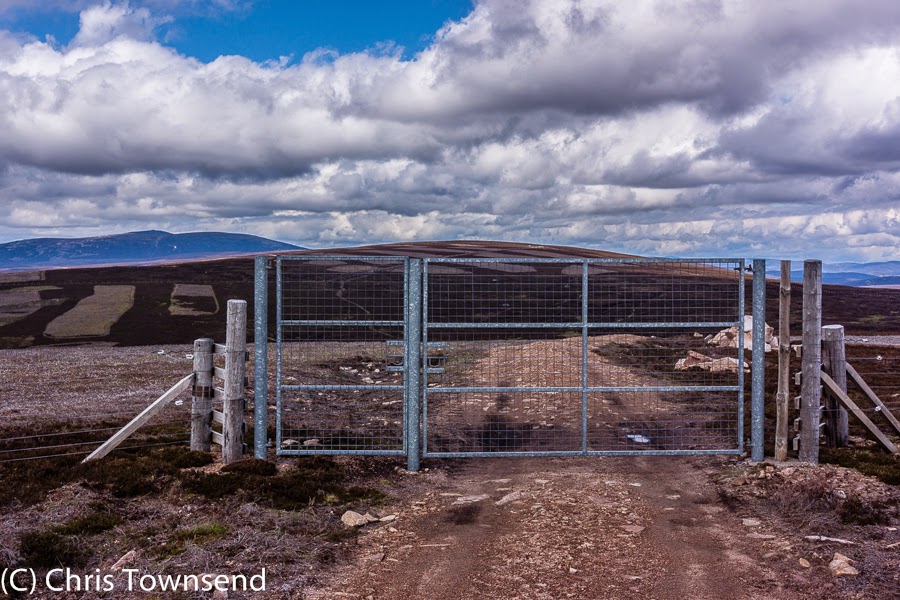
Millden Estate has also been described as a ‘savage, stripped, blasted land‘ by author and photographer Chris Townsend (here).
Millden Estate gamekeepers, along with others in the Angus Glens, have previously been feted by senior politicians, including former Cabinet Secretary for Rural Affairs, Fergus Ewing MSP, former Minister Graeme Dey MSP, and by Prince Charles who was photographed with Millden keepers as he opened a tweed workshop in Beauly in 2019.
Millden Estate was also visited by Professor Werritty and his colleagues in 2018 during the review of grouse moor management; they visited the estate apparently to see an example of ‘best practice for managing grouse moors’.
The estate, one of a number in the Angus Glens, is also long- known amongst conservationists as a raptor persecution hotspot after the discovery of poisoned and shot buzzards in 2009 and 2011 (here), a poisoned golden eagle (Alma) in 2009 (here), and a satellite-tagged golden eagle seemingly caught in a spring trap and then apparently uplifted overnight and dumped on Deeside with two broken legs & left to die (here). Nobody has ever been prosecuted for any of these alleged offences and Millden Estate has denied any responsibility.
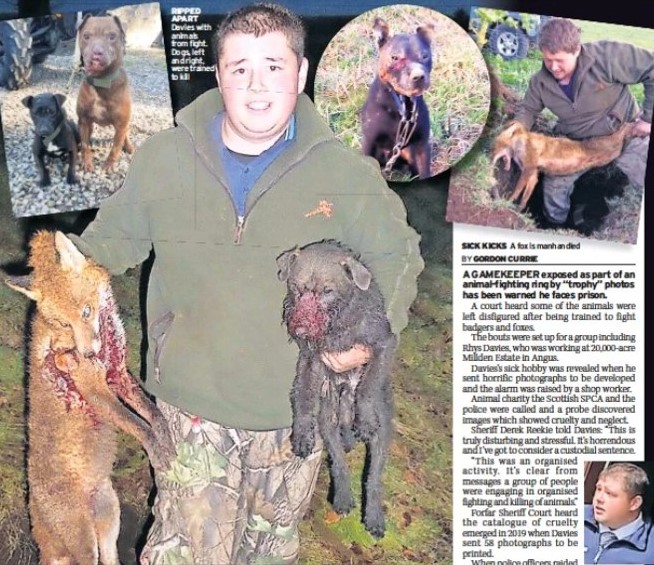
In October 2019 during the morning raid at Millden Estate the SSPCA did find evidence of animal fighting and cruelty, including badger baiting, and after two and a half years of protracted legal process, in May this year 28 year old gamekeeper Rhys Owen Davies was convicted of a number of animal cruelty, animal fighting, and firearms offences: (for previous blogs on this case see here, here, here, here, here, here, here, here, here, here, here). Davies is due to be sentenced on Monday.
Other evidence of alleged wildlife crime was also uncovered during that search of Millden Estate back in October 2019, including the discovery of a number of dead raptors wrapped in bags at at least three separate locations, apparently including at the residences of two estate employees.
Whilst the SSPCA led on the investigation into animal cruelty/animal fighting, Police Scotland led on the investigation into the dead raptors (because the SSPCA don’t, yet, have the powers to investigate cases where a wild animal is already dead – bonkers, I know – see here for the background on this).
I have spent the last two and a half years chasing Police Scotland about these dead raptors and asking for status updates on the investigation. I have to say I’ve been summarily unimpressed. The investigation has been conducted at a snail’s pace and communication has been dire. I understand that the dead raptors all underwent post mortems and it was determined they’d been shot. No information has been provided about the number of species involved (although it’s been reported that some were buzzards), nor the number of individuals confirmed to have been shot, although I know of at least three.
Earlier this week I asked the Crown Office & Procurator Fiscal Service (COPFS) about this case and whether it was progressing (i.e. has anyone been charged?). To its credit, the COPFS response was fast, but the case outcome familiarly frustrating:
‘The Procurator Fiscal received a report relating to a 28 year old male and incidents said to have occurred between 1 January 2019 and 8 October 2019. After careful consideration of the facts and circumstances of the case, including the available admissible evidence, the Procurator Fiscal decided that there should be no proceedings taken at this time. The Crown reserves the right to proceed in the future should further evidence become available‘.
I doubt we’ll ever be informed about the extent of the raptor persecution uncovered (even now, nearly three years after the raptor corpses were found, Police Scotland has failed to issue any press statement) and we’ll certainly not learn any more detail about why charges weren’t brought because the COPFS is not obliged to inform the public about its decision-making process. Apparently transparency doesn’t apply.
To be fair, a prosecution would depend on an individual suspect being identified but there are multiple employees at Millden Estate (16 were listed in the estate’s sales brochure in 2011) and a recent photo on social media suggests there are multiple gamekeepers (there’s a photo online showing 13 men dressed as gamekeepers in Millden Estate tweed at the start of the 2020 grouse season).
I think it’s fair to say that any employee could have the motivation, means and opportunity to commit wildlife crime – we now know that at least one of them, Rhys Owen Davies, was doing exactly that, apparently right under the noses of his colleagues and bosses on Millden Estate – but just having the motivation, means and opportunity isn’t sufficient evidence for a criminal prosecution. Having a carrier bag full of shot raptors at your house isn’t enough for a court of law to convict, although if there was a bag of dead raptors at my house I’m pretty sure I’d notice them and I’m pretty certain I’d have notified the police.
So where does that leave us? We await the sentencing of gamekeeper Rhys Owen Davies on Monday but I don’t expect any of us have high hopes for a fitting sentence.
But even if the authorities do decide to impose a General Licence restriction on Millden Estate, that won’t curtail the estate’s ability to continue to host grouse, pheasant and partridge shoots. The estate, which is run through a series of companies and limited liability partnerships (LLPs), including one called Millden Sporting LLP, reported tangible assets in 2021 of £17.5 million.
That’s a lot of money, and with it comes a lot of influence.
UPDATE 30th August 2022: 3 shot buzzards found on Millden Estate – confirmation from Police Scotland (here)
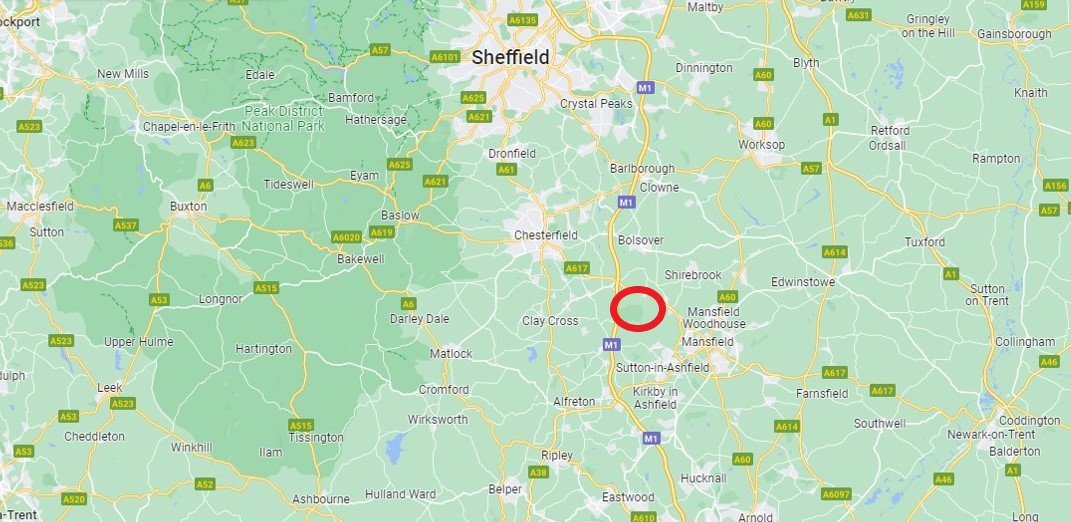
Multi-agency searches were conducted last week at a raptor-poisoning hotspot in Derbyshire.
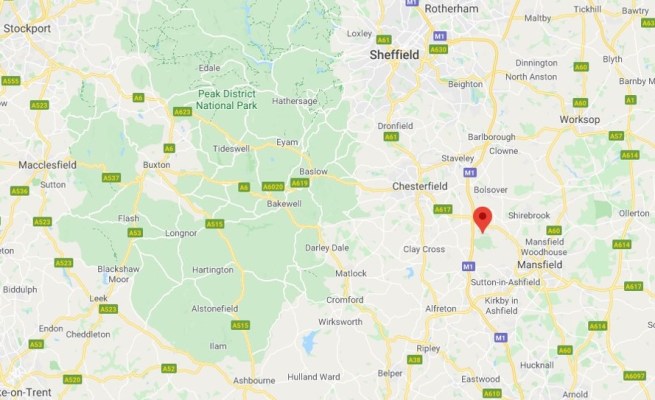
Since 2015, at least eight illegally poisoned birds of prey including buzzards and kestrels, as well as poisoned pheasant baits, have been uncovered on farmland in the Glapwell / Ault Hucknall / Rowthorne / Pleasley area of north east Derbyshire. Toxicology analysis has confirmed they were killed by the poisons Aldicarb and Alphachloralose (see here).
[A dead buzzard found in the area. Photo by Derbyshire Constabulary]
Last week police officers from Derbyshire Police’s Rural Crime Team were joined by staff from the RSPB Investigations Team, Natural England and the National Wildlife Crime Unit to undertake a series of land searches. A number of follow-up investigations are now continuing as a result of those searches.
Derbyshire’s Rural Crime Team posted the following statement on Facebook yesterday:
‘Consider this post both an appeal for information and a public safety warning.
Over recent years there has been a concerning number of dead buzzards found to have died as a result of poisoning on land around the Glapwell / Ault Hucknall / Rowthorne / Pleasley area.
In response to this issue, last week Derbyshire Rural Crime Team, RSPB Birders , the NWCU and Natural England were involved in a day of action in the area. Land searches were conducted and other lines of enquiry pursued in what proved to be a very positive day.
Clearly these beautiful birds are being targeted. Killing birds of prey in any way is ILLEGAL but laying poison on land that can be easily accessed by the public poses a significant risk to public safety.
When out and about, should you find anything suspicious it is important that you contact the Police immediately. DO NOT touch or handle anything and do not let children or animals go near.
If you have any information that may aid this enquiry please contact Derbyshire Rural Crime Team’.
This is the latest in a surge of multi-agency investigations in response to raptor persecution crimes over the last 14 months, including a raid in Suffolk on 18th January 2021 (here), another raid in Nottinghamshire in January 2021 (here, resulting in a conviction of a gamekeeper in 2022 here), a raid in Lincolnshire on 15th March 2021 (see here), a raid in Dorset on 18th March 2021 (here), a raid in Devon on 26th March 2021 (see here), a raid in Teesdale on 21st April 2021 (here), a raid in Shropshire on 2nd August 2021 (here), a raid in Herefordshire on 12th August 2021 (here), a raid in Norfolk on 14th September 2021 (here), a raid in Wales in October 2021 (here), a raid in Humberside on 10th December 2021 (here) and a raid in North Wales on 8th February 2022 (here).
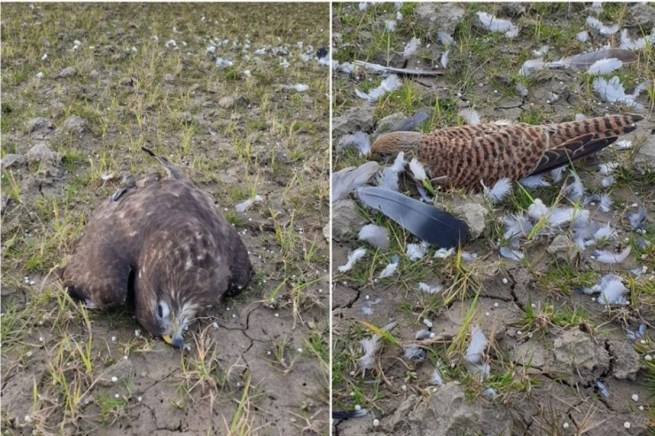
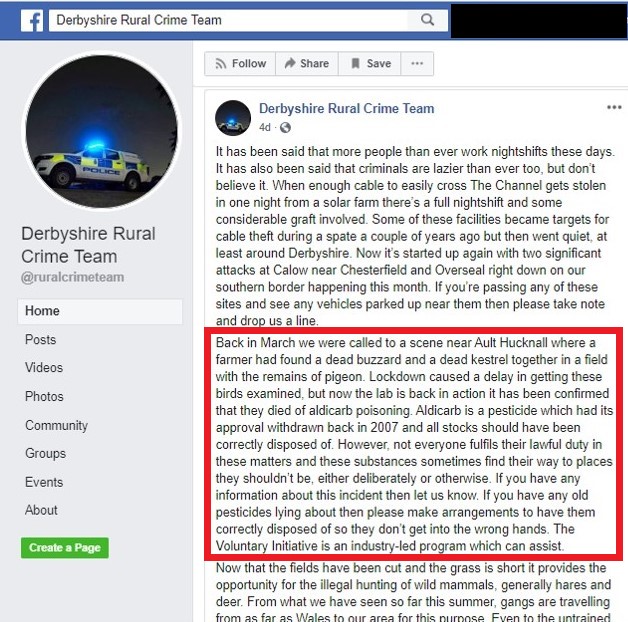
In March 2020, just after the start of lockdown, Derbyshire Constabulary reported the suspected poisoning of a kestrel and a buzzard, both found dead next to the remains of a pigeon at Ault Hucknall near Chesterfield (see here).
[Photo via Derbyshire Constabulary]
Samples were sent for toxicology analysis and last week the police received the findings. Both birds had been illegally poisoned with the banned pesticide Aldicarb.
This news was published on the Rural Crime Team’s Facebook page (see below). We haven’t been able to find any further news reports, for e.g. on the Derbyshire Constabulary website or in the local press.
These latest illegal poisonings are not the first in this area. A total of six buzzards were also illegally poisoned in neighbouring Glapwell between 2015-2016 (2 x buzzards, March 2015; 1 x buzzard & pheasant bait, February 2016; 3 x buzzards & pheasant bait, March 2016). Alphachloralose was the poison used in those cases.
[Some of the poisoned buzzards and a pheasant bait found at Glapwell in 2016, photos via RSPB]
There is a record of those poisonings in the RSPB’s 2016 BirdCrime report (here) and a short video, here:
It is quite clear that somebody in this area has access to banned poisons and is not afraid to set out poisonous baits that could kill anyone unfortunate to come in to contact with them, let alone wildlife and domestic animals and pets.
Let’s hope we see a continued publicity drive from Derbyshire Constabulary – these crimes warrant maximum awareness and exposure.
UPDATE 15th March 2022: Multi-agency searches in raptor poisoning hotspot in Derbyshire (here)
Joint press release from North Yorkshire Police and RSPB (24 July 2020)
APPEAL FOR INFORMATION AFTER ANALYSIS REVEALS BUZZARD POISONED
Buzzard found dead on moorland near Swainby, North Yorkshire
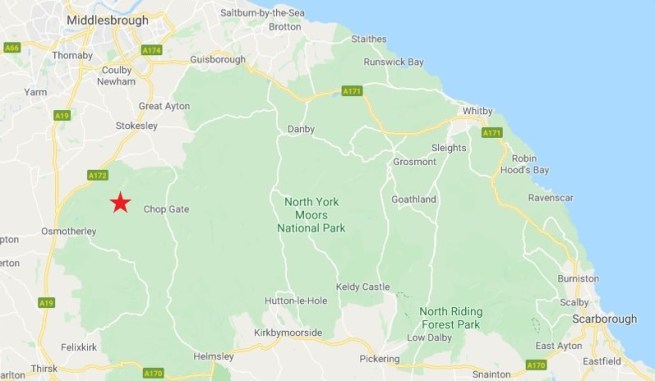
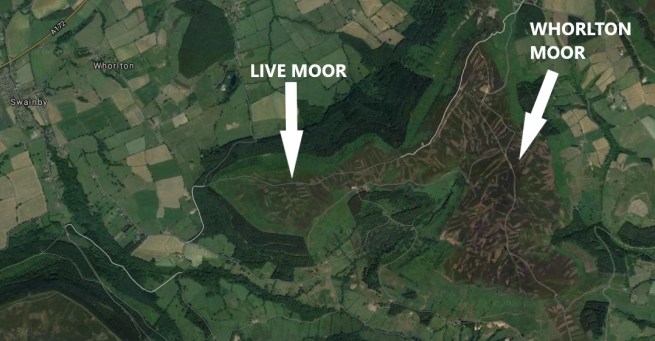
North Yorkshire Police and the RSPB are appealing for information after a dead buzzard was found on Live Moor close to the village of Swainby.
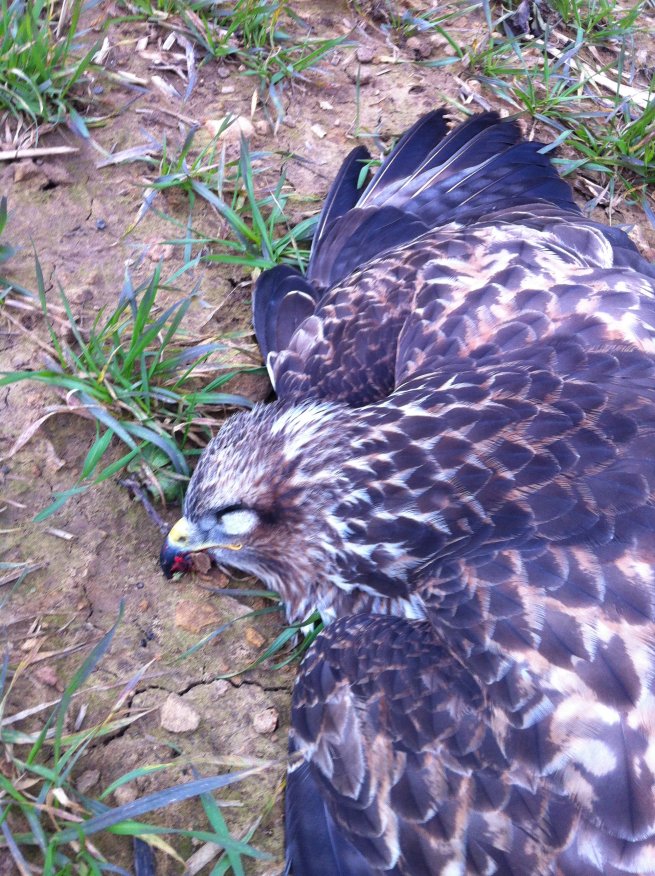
The bird was discovered by a member of the public on 20 March 2020 and reported to the RSPB before being removed. North Yorkshire Police submitted the buzzard for a post mortem examination which revealed an extremely high concentration of toxic chemical, Chloralose in the bird’s system. Given the buzzard was in good bodily condition and had no injuries, the analysis shows poisoning to be the cause of death.
[The poisoned buzzard. Photo by RSPB]
North Yorkshire Police Inspector, Matt Hagen, explains:
“A low percentage of chloralose was commonly used in rodenticides to kill mice but is only currently permitted for use indoors and at a small dose. As such, there is no way this buzzard could have come into contact with such a high concentration of this poison by accident and we believe someone deliberately set out to kill this bird by poisoning.
Unfortunately, this is the latest in a number of similar cases where birds of prey have been subjected to cruel and illegal persecution here in North Yorkshire. We are doing everything we can to try and find those responsible but we really need the public’s help as they are acting as our eyes and ears around the county. Anyone with information about this or any other incident of bird of prey persecution should contact the police on 101, we all have a part to play in putting an end to these unacceptable crimes.”
Howard Jones, RSPB Investigations Officer, said:
“Buzzards are a protected species yet continue to be relentlessly shot, trapped and poisoned in North Yorkshire. RSPB data shows that North Yorkshire is consistently the county with the highest number of crimes against birds of prey.
Alphachloralose is a commonly abused product in the illegal killing of birds of prey. The amount of it found in this bird was enough to kill a human child. People, pets and other wildlife are at risk from this kind of illegal behaviour, which is why we urge anyone who may have information about this incident to do the right thing and come forward.”
Anyone who has information which could assist with this investigation should contact North Yorkshire Police on 101 or if you wish to remain anonymous, you can call Crimestoppers on 0800 555 111. Quote reference: 12200116641.
ENDS
What this press release doesn’t say is that this illegally poisoned buzzard was found dead on a grouse moor inside the North York Moors National Park.
Nor does the press release explain the delay in publishing an appeal for information (corpse found 20 March, press release issued 24 July).
There are some individuals from the grouse shooting industry who are claiming on social media that this delayed reporting is a deliberate ploy to coincide with the run-up to the start of the grouse-shooting season on 12 August, and thus create bad publicity for the industry to ruin the ‘celebrations’. It’s a commonly-heard complaint and simply allows the persecution apologists to focus on anything other than the news that yet another bird of prey has been found illegally killed on yet another grouse moor.
Had they bothered to ask the police why there was such a long delay they might have understood that the toxicology labs were closed during lockdown and are now having to work through a significant backlog of cases, so confirmation of poisoning will take longer than usual.
It’s no surprise the grouse shooting industry wants to divert attention from this latest crime to be uncovered on a grouse moor inside this national park. It’s the third raptor persecution crime to be reported in the North York Moors National Park in recent months, following the discovery in April of five dead buzzards shoved in a hole on a grouse moor in Bransdale, four of which were later confirmed to have been shot (see here), and then last week’s news that three gamekeepers on the Queen’s grouse moor at Goathland had been suspended following a police investigation in to the trapping and alleged killing of a goshawk in May (see here).
The grouse shooting industry’s professed ‘zero tolerance for raptor persecution’ (see here) is as unconvincing now as it was when it was claimed last year, and the year before that, and the year before that, and the year before that, and the year before that, and the year before that, and the year before that, and the year before that, and the year before that, and the year before that, and the year before that, and the year before that……etc.
I don’t know what’s going on at Derbyshire Constabulary’s Rural Crime Team but someone needs to check that Amanda Anderson isn’t moonlighting.
You may recall a couple of weeks ago we blogged about an illegally poisoned buzzard that had been found dead in the Peak District National Park, next to an illegal poisoned bait (see here). The focus of the blog was the long delay from discovery (April 2019) to publicity (Jan 2020) and even then the publicity had come from the RSPB, not from the police.
[The illegally poisoned buzzard. Photo by Peak District Raptor Monitoring Group]
The story doesn’t end there.
On Friday (14th Feb), the following post appeared on Derbyshire Constabulary’s Rural Crime Team’s Facebook page:
Er….right oh.
The Peak District Raptor Monitoring Group has called out this nonsense with another blog and an open letter of complaint to the Derbyshire Police & Crime Commissioner – read it here.
Of particular note, this official toxicology report on the buzzard and the poisoned bait, written by Dr Ed Blane (National Coordinator for the independent Wildlife Incident Investigation Scheme, HM Inspector Health & Safety Executive) who writes:
“…..The evidence therefore suggests that the Buzzard died as the result of the deliberate and illegal use of a high concentration of chloralose on a partridge bait, rather than through secondary poisoning from a different legally applied source…..”
And yet Derbyshire Constabulary’s Rural Crime Team claims “There are too many unknown variables to conclusively say that the buzzard has been poisoned deliberately“.
And guess who’ll be using that ‘official police statement’ to play down the ongoing problem of illegal raptor persecution in the Peak District National Park?
Supt Nick Lyall – you need to be looking at this with some urgency.
UPDATE 23 February 2020: Derbyshire Police respond to criticism over poisoned buzzard investigation (here)
A buzzard has been found illegally poisoned in the Peak District National Park.
A poisoned bait (a red-legged partridge) was found close by.
Toxicology tests revealed both the buzzard and the partridge contained the pesticide Alphachloralose.
[The poisoned buzzard. Photo by Peak District Raptor Monitoring Group]
The thing is, this illegally poisoned buzzard wasn’t found in January, or December, or in any other recent month. It was discovered on 14th April 2019.
The police decided, for whatever reason, that it was best to keep quiet about this. There were no public appeals for information and no public warnings that a poisoner was actively placing baits containing dangerous, highly toxic chemicals out in the countryside. Baits that if touched by a child, adult or a dog could result in acute illness and even death.
Two weeks ago the RSPB issued a press statement about this poisoning crime that reads as follows:
BUZZARD POISONED IN PEAK DISTRICT NATIONAL PARK
22 January 2020
A protected bird of prey has been illegally poisoned in one of the UK’s worst raptor persecution blackspots.
In April 2019 a member of the public found a buzzard freshly dead in woodland near Tintwistle, just north of Valehouse Reservoir, in the Peak District National Park. Close by were the remains of a red-legged partridge.
A post-mortem and toxicology tests under taken by Natural England showed that the buzzard and partridge both contained the pesticide Alphachloralose.
Natural England concluded that ‘abuse of chloralose, using a bird bait, has occurred at this location and at least one buzzard has been poisoned’.
All birds of prey are protected by the Wildlife and Countryside Act 1981. To kill or injure one is a criminal offence and could result in an unlimited fine or up to six months in jail. Derbyshire Police were made aware at the time of the discovery and informed of the toxicology result in August.
Alphachloralose is one of the most commonly abused pesticides for illegally targeting birds of prey.
The northern Dark Peak has been the scene of many crimes involving the poisoning, trapping and shooting of birds of prey, making it one of the UK’s worst blackspots, according to the RSPB’s recent Birdcrime report. A scientific article, Raptor Persecution in the Peak District National Park, cemented the link between raptor persecution and land managed for driven grouse shooting in the Peak District National Park.
[Confirmed raptor persecution crimes in the Dark Peak area of the Peak District National Park, 2007-2019. Map produced by RSPB]
Howard Jones, Investigations Officer at the RSPB, said: “The relentless destruction of birds of prey in the Dark Peak needs to stop. This area has become a black hole for birds of prey like buzzards though this is exactly the habitat where they should be thriving. Deliberately poisoning birds is not only illegal but incredibly dangerous to other wildlife, not to mention people and pets. What if a dog or a child had found this and touched it? It doesn’t bear thinking about.”
If you have any information relating to this incident, call Derbyshire Police on 101.
If you find a wild bird of prey which you suspect has been illegally killed, contact RSPB investigations on 01767 680551 or fill in the online form.
ENDS
When you’ve read more of these types of press release than you care to remember, you get a feel for style and content. It seems quite apparent that this is not a joint press release between the RSPB and the police, as so many of them often are. There’s no quote from an investigating police officer, there’s no incident number, and there’s a pointed sentence that Derbyshire Police were informed of the incident in April and updated with the toxicology results in August.
And then there’s this recent blog about the poisoning incident from the Peak District Raptor Monitoring Group, which is a bit difficult to follow because it references unsighted material and various unnamed email correspondents. However, what does seem clear is that someone from the shooting industry is claiming that a police officer said this poisoning incident was suspicious but ‘definitely not illegal persecution’.
Let’s hope that isn’t what’s going on here, but nevertheless, there is absolutely no excuse for the police not to have warned the public about the presence of potentially lethal poisonous baits, at the time they were discovered, especially inside one of the country’s most visited National Parks.
UPDATE 16 February 2020: Poisoned buzzard, next to poisoned bait: circumstances ‘inconclusive’ says Derbyshire Constabulary! (here)
UPDATE 23 February 2020: Derbyshire Police respond to criticism over poisoned buzzard investigation (here)