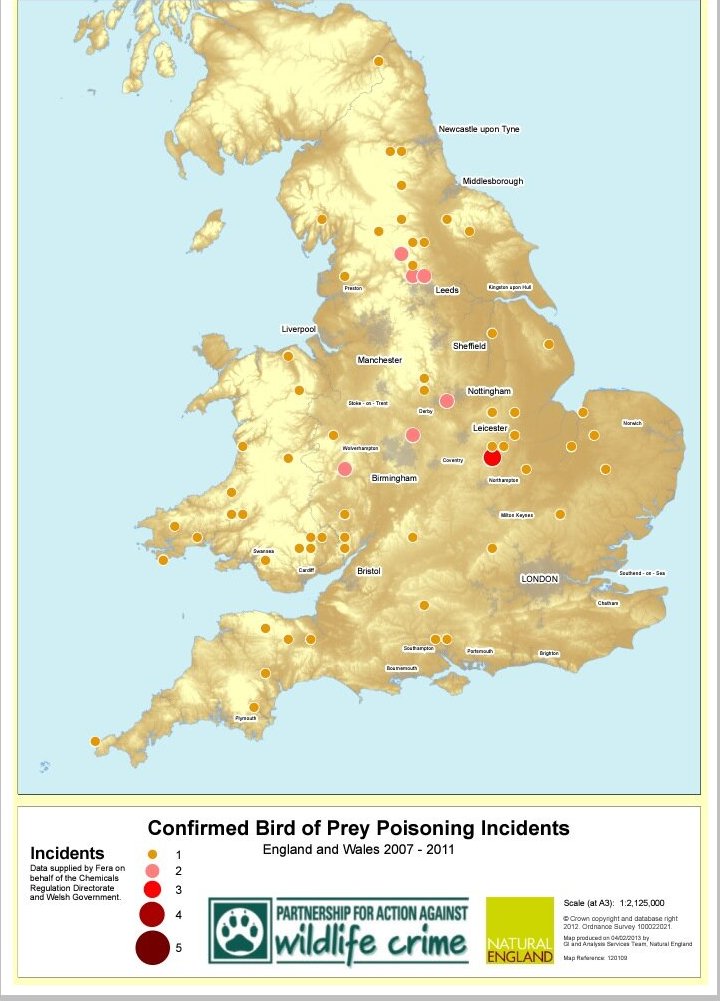
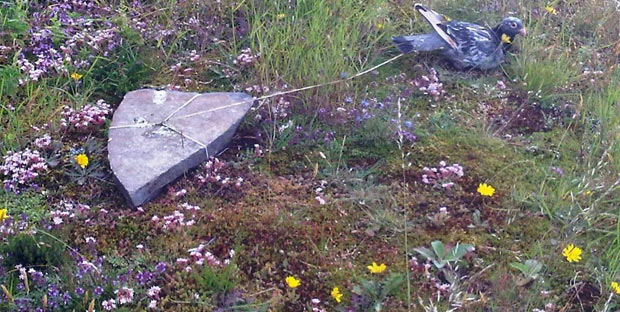
Police forces in England, Wales and Scotland have recently launched poster campaigns to raise awareness of crimes against birds of prey.
A couple of days ago, North Yorkshire Police announced their campaign against the illegal poisoning of raptors. They’ve produced a poster that will be distributed in rural areas including the Yorkshire Dales and the North York Moors; both of these areas are dominated by driven grouse moors and both areas are well known as raptor persecution hotspots. The posters will be displayed in National Park Centres and on parish council notice boards.

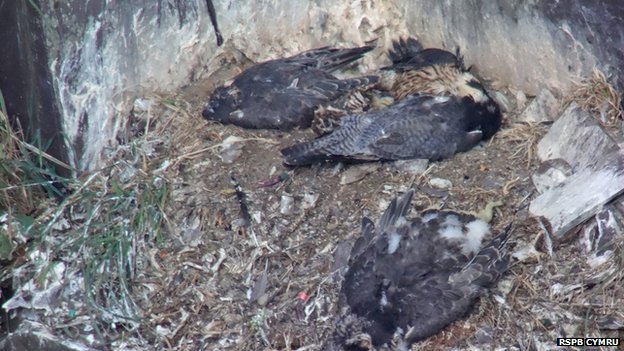
Earlier this month, North Wales Police launched a campaign called Operation Raptor, aimed at targeting raptor poisoners in their region. This follows the poisoning of five peregrines last year and a suspected buzzard poisoning incident this year. The main peregrine poisoning suspects in the region are usually pigeon fanciers/racers.
Police Scotland launched their wildlife crime campaign in March (in collaboration with PAW Scotland), which involves raising awareness of all six national wildlife crime priorities, including raptor persecution.
These publicity campaigns are good to see. Excellent, in fact. However, the most important facet of tackling wildlife crime is not raising awareness (as important as that is), but what the police actually do in response to a reported wildlife crime. A recently published report on wildlife crime enforcement in Scotland revealed a catalogue of failures, including poor follow-up investigations and sometimes no follow-up at all (see here).
We’re watching with interest to see just how long it takes Police Scotland to publicise a number of raptor persecution crimes that have taken place within the last 12 months, especially those involving the use of banned poisons that have killed raptors on or very close to sporting estates with long histories of such crimes.
 A dog has died after consuming a bait that had been laced with the banned pesticide, Aldicarb.
 The BBC is reporting the fatal shooting of a kestrel in Wrexham, although judging by the photograph it appears the victim was a sparrowhawk, not a kestrel.