Derbyshire Constabulary has today issued a press release appealing for information following the illegal killing of an Osprey (caught in a spring trap) and a buzzard (shot) that were discovered in the Peak District National Park last September. The RSPB is offering a £1,000 reward for information that leads to a conviction.
Here’s the press release:
Derbyshire Police and the RSPB are appealing for information following the illegal killing of two birds of prey near to Glossop, Derbyshire. A £1000 reward has been offered by the RSPB for information leading to a conviction.
On September 09, 2015, a dead osprey was found to the west of Derbyshire Level. A post mortem on the bird revealed that both its legs had been recently broken, injuries which were consistent with it being caught in a spring trap prior to its death. Ospreys are rare visitors to the Peak District and this one would have been on migration to West Africa.
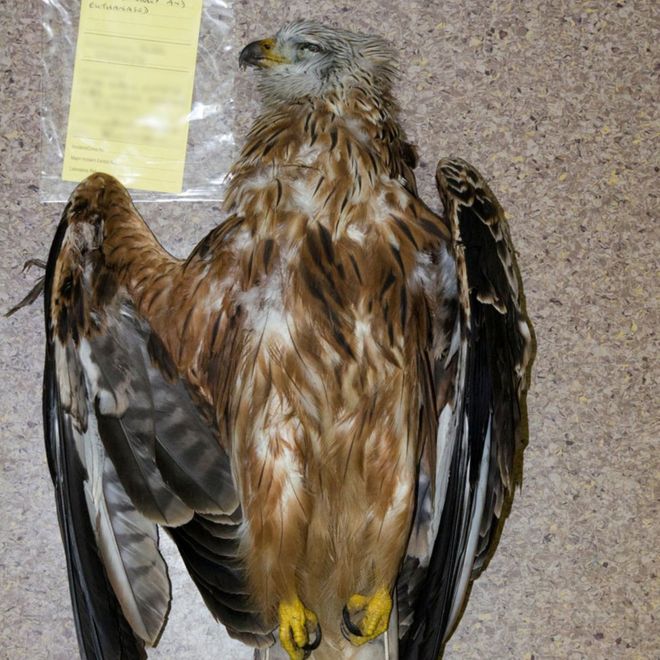
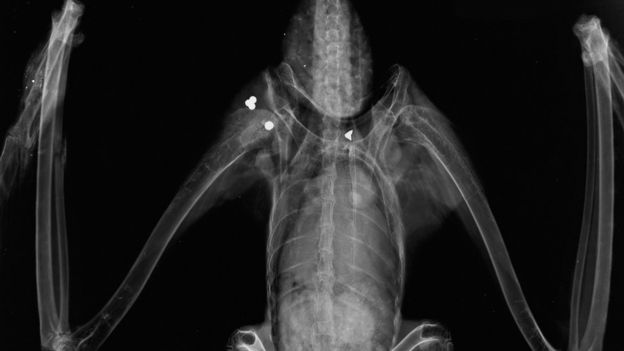
On September 30, a buzzard was found shot dead close to Hurst Reservoir, only a short distance from where the osprey was found. This follows the shooting of another buzzard in the same area in March 2014.
Sergeant Darren Belfield from Derbyshire police said: “I would appeal to anyone who might have any information as to who may be responsible for these cruel acts to contact the police on 101. The continued persecution of birds of prey in the Peak District is totally unacceptable. If you suspect someone of committing any crimes against wildlife, act now. Your call will be dealt with in confidence. If you don’t feel you can talk to the police, pass the information to us through Crimestoppers by ringing 0800 555 111.”
RSPB Investigations Officer Alan Firth said: “Yet again, we are seeing the senseless killing of fantastic birds of prey in the National Park.”
Last year, the RSPB published its annual Birdcrime Report 2014, which revealed Derbyshire as one of the worst places in the UK for bird of prey persecution. In 2014, the RSPB received 16 reports of bird of prey incidents in the county including a shot buzzard, a shot sparrowhawk and an illegally trapped goshawk.
END
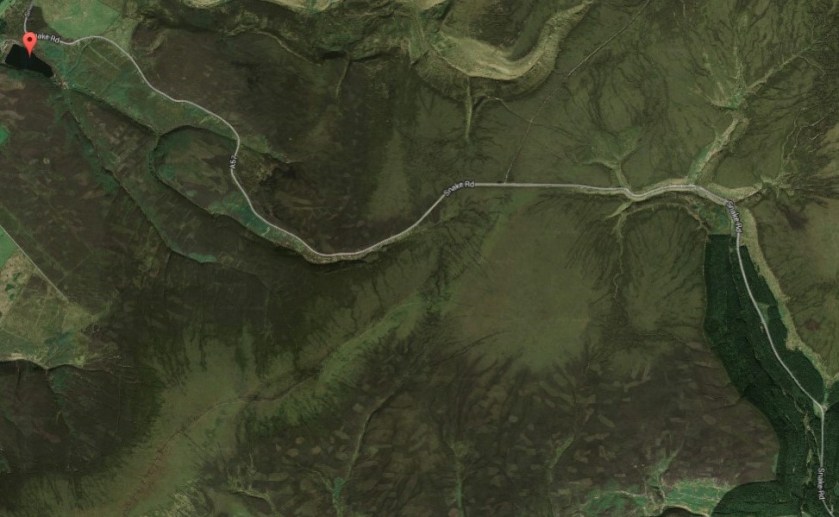
So these birds were found “close to Hurst Reservoir”. Have a look at this map and see what else is “close to Hurst Reservoir” (reservoir marked with the red pin). See those tell-tale rectangular strips of burnt heather to the south and south-east of the marker? Quelle surprise, it’s driven grouse moor country.
You may remember back in November we blogged about the failed ‘Bird of Prey Initiative’ in the Dark Peak region of this National Park. It was a five-year project aimed at restoring the populations of several raptor species in the area and involved various organisations: The Moorland Association, The National Trust, Natural England, Peak District National Park Authority, and the RSPB. None of the targets were met (see here). In response, the Moorland Association and the Peak District National Park Authority said they’d make ‘renewed commitment’ to protect raptors in the National Park (see here). Riiiiiight, that’s working well then.
Interestingly, the failed initiative was widely reported in the local press, including the Derbyshire Times, whose article on 26th November was entitled ‘Birds of prey killed and abused in Derbyshire’. In reponse to that article, Robert Benson, Chairman of the Moorland Association, penned the following letter:
“I would like to emphatically state in response to your story, ‘Birds of prey killed and abused in Derbyshire’, on November 26th, that one single bird of prey killed illegally is one too many.
However, the Moorland Association was heartened to see RSPB’s latest bird crime figures show a dramatic cut across the UK. Significant reductions in the illegal trapping of birds of prey represent a 78 per cent drop since 2013, with just four confirmed incidents last year.
Of the 19 prosecutions for wild bird offences, three involved gamekeepers, but none were employed on moorland managed for grouse shooting.
Our members spend £52.5 million a year maintaining and conserving habitats which benefit all moorland wildlife. This year, grouse moor managers in England were praised for their part in the most successful hen harrier breeding season for five years.
Many other threatened species, such as lapwing, curlew, and golden plover – in serious decline elsewhere – are doing well on managed moorland. Not birds of prey, but wild, endangered and important nonetheless.
Wildlife crime is being successfully tackled. We already have a robust wildlife licensing system which needs to be used fairly to manage conflict between rapidly increasing bird of prey populations and legitimate and beneficial land use“. Robert Benson, Chairman, Moorland Association.
END
So there we have it. According to Robert, everything’s just rosy, grouse moors are great, and there are too many raptors so gamekeepers should be given licences to kill them legally.
The thing is, Robert Benson is not telling the whole story. He’s right to say that there were four confirmed illegal trapping incidents recorded in 2014, but what he ‘forgot’ to mention was that those four incidents were just a fraction of the 478 incidents of illegal raptor persecution recorded in 2014, including 179 reports of illegal shooting and destruction (of which 46 raptors were confirmed victims) and a further 53 confirmed victims of illegal poisoning. Doesn’t sound quite so rosy now, does it, Robert? He also ‘forgot’ to mention that Derbyshire was the 4th worst region in the UK for raptor persecution crimes in 2014. Oh, and he also ‘forgot’ to mention the quote from the National Wildlife Crime Unit:
“Intelligence continues to indicate a strong association between raptor persecution and grouse moor management“.
One for you anagram fans: Moorland Association = A sad morons’ coalition.
Here are some photos of the latest victims (photos by RSPB)
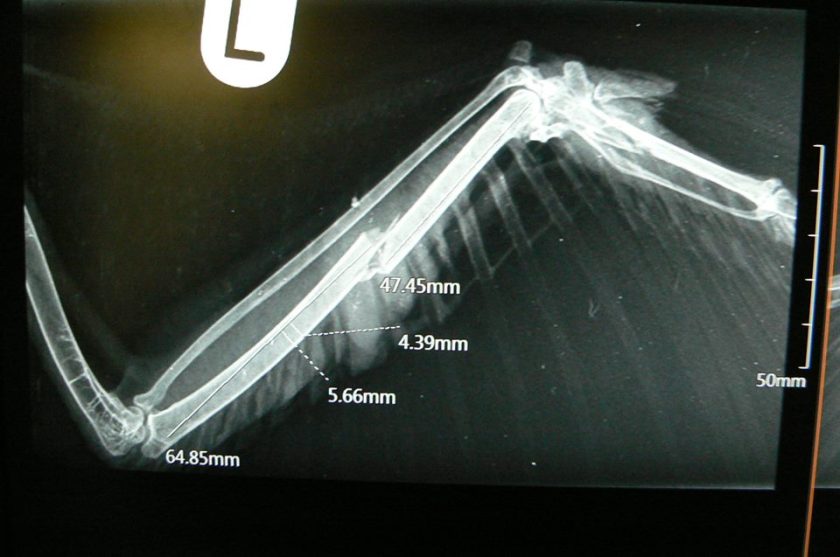
An x-ray of the shot buzzard:

The osprey alive, with two smashed up legs:

The osprey dead, with two smashed up legs:
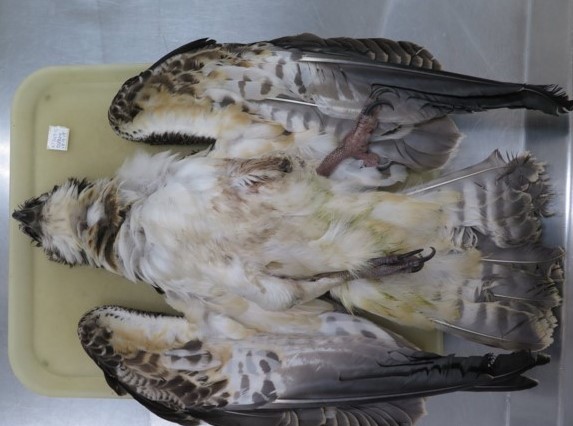
The osprey’s smashed up right leg:







 The reward for information leading to the arrest and conviction of the person(s) responsible for poisoning a peregrine at Clee Hill, Shropshire has been doubled.
 Raptor Persecution UK