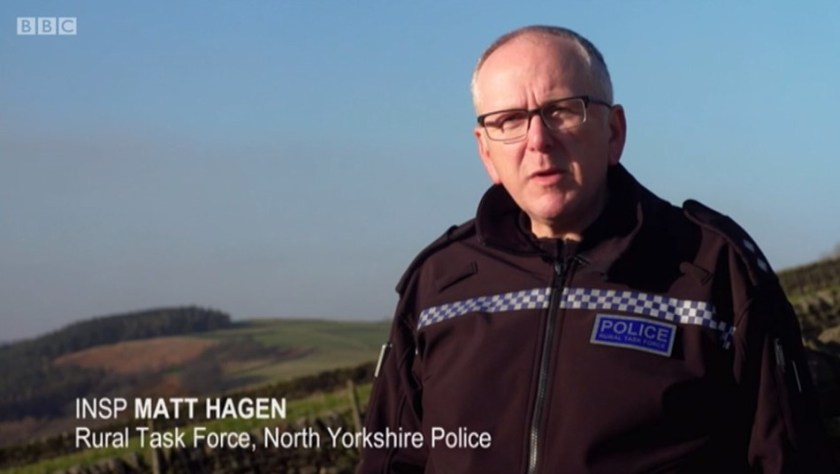
Press statement from North Yorkshire Police (4 March 2020)
APPEAL FOR INFORMATION AFTER HEN HARRIER SHOT NEAR KEASDEN
Police looking for witnesses or anyone who may have seen something suspicious
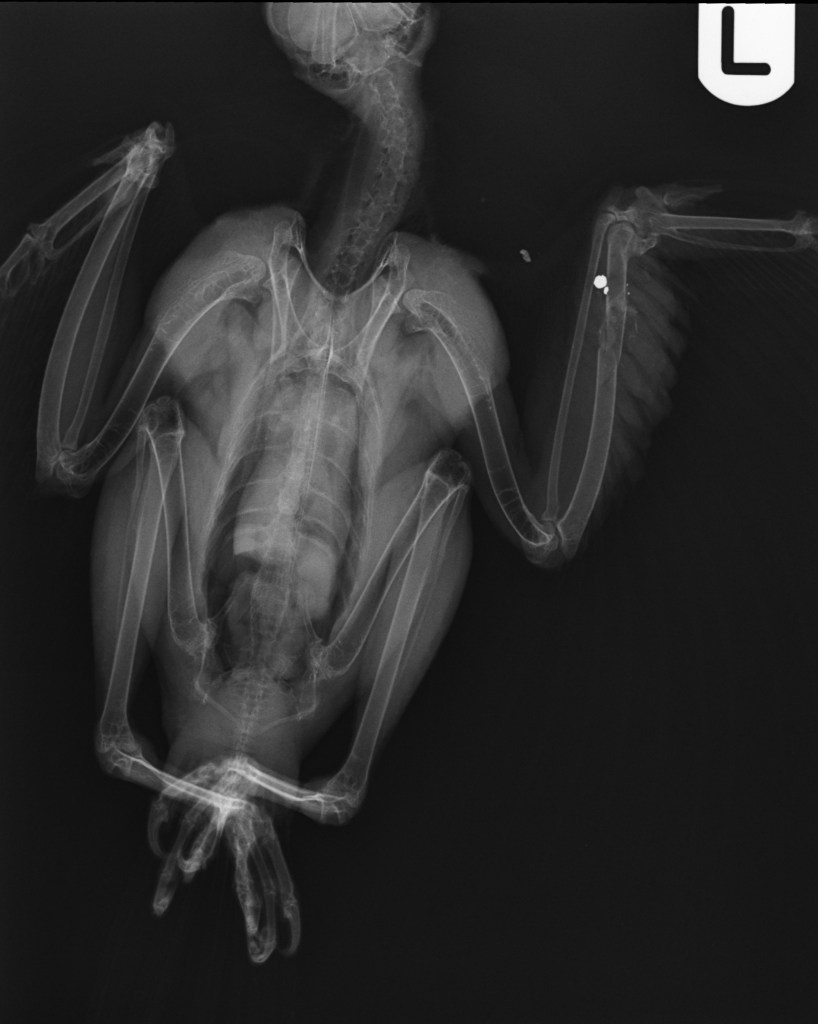
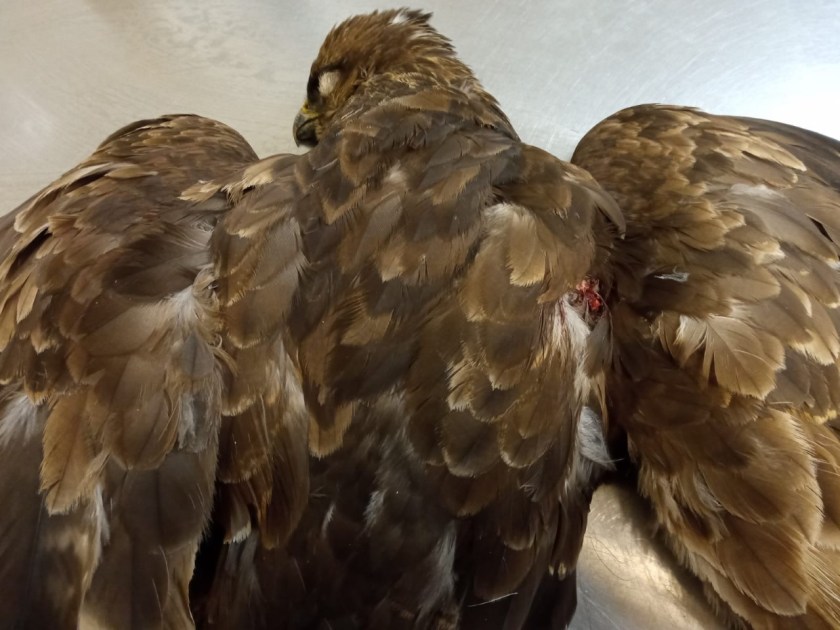
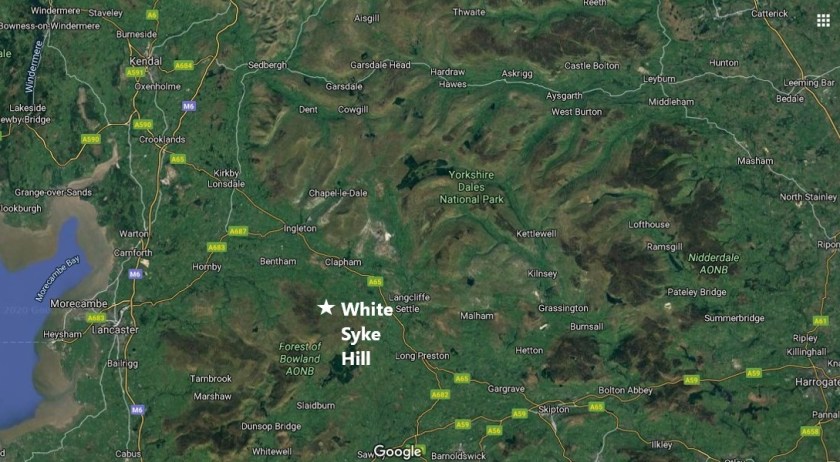
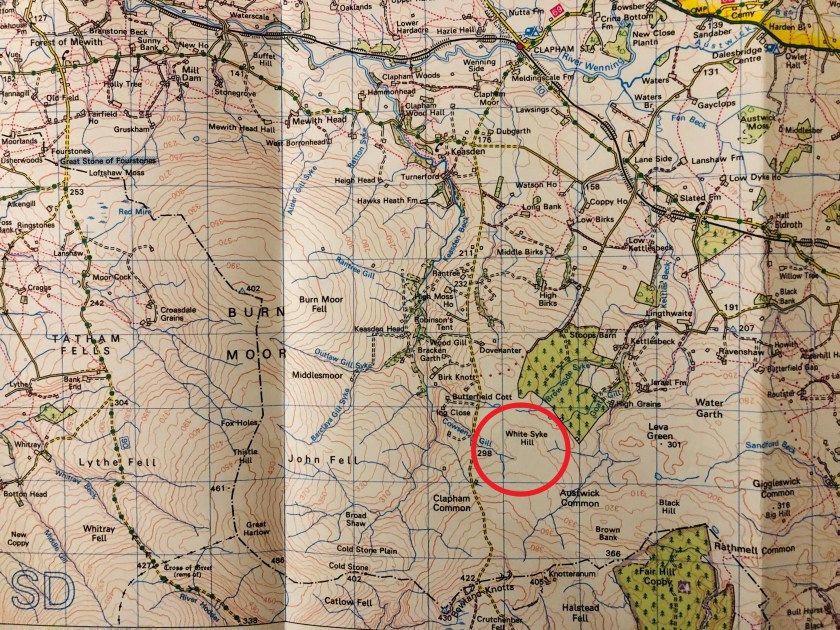
North Yorkshire Police is appealing for information after a hen harrier is believed to have been shot near White Syke Hill approximately 3km south east of the North Yorkshire village of Keasden.
A member of the public has witnessed an incident which they believed was the shooting of a male hen harrier.
The incident occurred on moorland near White Syke Hill at approximately 5.30pm on Friday 18 October 2019.
Officers have been conducting active enquiries and a man has been interviewed in connection with this investigation.
North Yorkshire Police is appealing for anyone with information about this incident or who may have seen anything in the area shortly before 5.30pm to please call 101 quoting reference number: 12190193431.
If you wish to remain anonymous, you can pass information to Crimestoppers on 0800 555 111.
ENDS (but see blog update at bottom of screen)
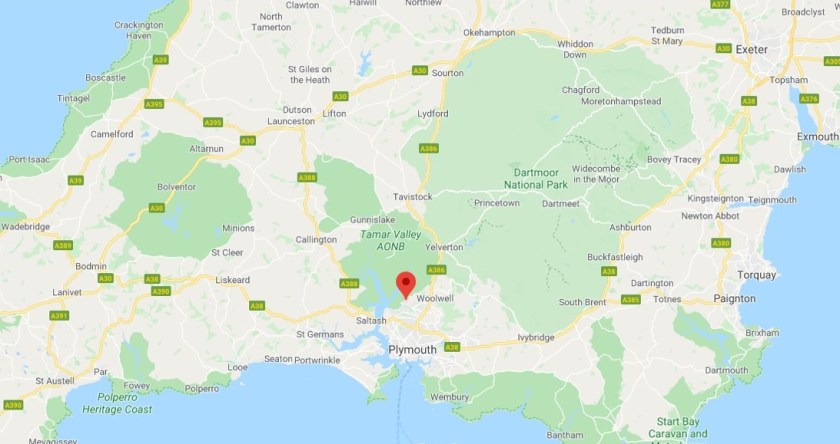
White Syke Hill is situated in the Forest of Bowland Area of Outstanding Natural Beauty (AONB), just over the border from the Yorkshire Dales National Park. And surprise surprise, there’s a driven grouse moor nearby.
It’s our understanding that there was a very quick initial police response to this reported shooting, with the police working closely with partner agencies, culminating with an interview of a potential suspect. It’s not clear why it’s taken five months for a public appeal for information to be made.
As a reminder that DEFRA’s seriously flawed Hen Harrier Action Plan is failing miserably, let’s add the shooting of this hen harrier to the ever-expanding list of hen harriers (at least 30 now) believed to have been illegally killed since 2018, the year when grouse shooting industry reps would have us believe that hen harriers were welcomed back on the grouse moors:
February 2018: Hen harrier Saorsa ‘disappeared’ in the Angus Glens in Scotland (here). The Scottish Gamekeepers Association later published inaccurate information claiming the bird had been re-sighted. The RSPB dismissed this as “completely false” (here).
5 February 2018: Hen harrier Marc ‘disappeared’ on a grouse moor in Durham (here)
9 February 2018: Hen harrier Aalin ‘disappeared’ on a grouse moor in Wales (here)
March 2018: Hen harrier Blue ‘disappeared’ in the Lake District National Park (here)
March 2018: Hen harrier Finn ‘disappeared’ near Moffat in Scotland (here)
18 April 2018: Hen harrier Lia ‘disappeared’ in Wales and her corpse was retrieved in a field in May 2018. Cause of death was unconfirmed but police treating death as suspicious (here)
8 August 2018: Hen harrier Hilma ‘disappeared’ on a grouse moor in Northumberland (here).
16 August 2018: Hen harrier Athena ‘disappeared’ on a grouse moor in Scotland (here)
26 August 2018: Hen Harrier Octavia ‘disappeared’ on a grouse moor in the Peak District National Park (here)
29 August 2018: Hen harrier Margot ‘disappeared’ on a grouse moor in Scotland (here)
29 August 2018: Hen Harrier Heulwen ‘disappeared’ on a grouse moor in Wales (here)
3 September 2018: Hen harrier Stelmaria ‘disappeared’ on a grouse moor in Scotland (here)
24 September 2018: Hen harrier Heather ‘disappeared’ on a grouse moor in Scotland (here)
2 October 2018: Hen harrier Mabel ‘disappeared’ on a grouse moor on the edge of the Yorkshire Dales National Park (here)
3 October 2018: Hen Harrier Thor ‘disappeared’ next to a grouse moor in Bowland, Lanacashire (here)
26 October 2018: Hen harrier Arthur ‘disappeared’ on a grouse moor in the North York Moors National Park (here)
10 November 2018: Hen harrier Rannoch ‘disappeared’ on a grouse moor in Scotland (here). Her corpse was found nearby in May 2019 – she’d been killed in an illegally-set spring trap (here).
14 November 2018: Hen harrier River ‘disappeared’ on a grouse moor in the Nidderdale AONB (here). Her corpse was found nearby in April 2019 – she’d been illegally shot (here).
16 January 2019: Hen harrier Vulcan ‘disappeared’ in Wiltshire close to Natural England’s proposed reintroduction site (here)
7 February 2019: Hen harrier Skylar ‘disappeared’ next to a grouse moor in South Lanarkshire (here)
22 April 2019: Hen harrier Marci ‘disappeared’ on a grouse moor in the Cairngorms National Park (here)
11 May 2019: A male hen harrier was caught in an illegally-set trap next to his nest on a grouse moor in South Lanarkshire. He didn’t survive (here)
7 June 2019: A hen harrier was found dead on a grouse moor in Scotland. A post mortem stated the bird had died as a result of ‘penetrating trauma’ injuries and that this bird had previously been shot (here)
11 September 2019: Hen harrier Romario ‘disappeared’ on a grouse moor in the Cairngorms National Park (here)
10 October 2019: Hen harrier Ada ‘disappeared’ on a grouse moor in the North Pennines AONB (here)
12 October 2019: Hen harrier Thistle ‘disappeared’ on a grouse moor in Sutherland (here)
18 October 2019: Member of the public reports the witnessed shooting of a male hen harrier on White Syke Hill in North Yorkshire (this post)
November 2019: Hen harrier Mary found illegally poisoned on a pheasant shoot in Ireland (here)
There are two more satellite-tagged hen harriers (Tony & Rain) that are reported either confirmed or suspected to have been illegally killed in the RSPB’s Hen Harrier LIFE Project Report but no further details are available.
And then there were last year’s brood meddled hen harrier chicks that have been reported ‘missing’ but as they’re carrying a new type of tag known to be unreliable it’s not known if they’ve been illegally killed or if they’re still ok. For the purposes of this mini-analysis we will discount these birds.
So that makes a total of at least 30 hen harriers that are known to have either ‘disappeared’ in suspicious circumstances or have been found illegally killed in the last two years. The DEFRA Hen Harrier Action Plan is certainly providing cover for the criminals – yep, carry on with the killing lads (and maybe lasses), we’ve got your backs.
UPDATE 12 March 2020: Hen harrier shot on grouse moor – North Yorkshire Police make an arrest (here)