Blog

Where’s the Scottish Government’s promised taskforce on increasing powers for SSPCA?

Ten years ago the Scottish Government was asked to consider extending the powers of the Scottish SPCA, to allow them to investigate a much wider remit of wildlife crime than at present, including raptor persecution.

Since then this issue has been kicked in to the long grass more times than is credible by a long line of six (yes, six!) Environment Ministers. For new blog readers please see the extraordinary timeline of events at the end of this blog.

[Buzzard caught inside a crow cage trap. It’s not illegal to trap buzzards in these traps but it becomes illegal if the trap isn’t checked by the operator at least once every 24hrs and the buzzard released immediately upon discovery. Under current legislation, if the buzzard is injured but still alive then the SSPCA can investigate. If the buzzard is dead (as a result of being caught and held illegally) the SSPCA do not currently have the power to investigate and would have to call the police. It’s simply bonkers. Photo by RSPB]

In June 2020, Environment Minister #6, Mairi Gougeon, committed to establishing a new ‘independent’ taskforce to consider, again, increased powers for the SSPCA (see here). This was in response to Mark Ruskell MSP withdrawing an amendment for increased SSPCA powers from the Animals & Wildlife Bill.

Mairi Gougeon stated that she expected the taskforce to convene in the summer (of 2020) and to ‘be in a position to conclude their review and submit a report of their recommendations before the end of the current Parliamentary session‘, as long as Covid and Brexit didn’t impact on this plan. [The dissolution of Parliament is scheduled for the 5th May 2021].

Since that announcement in June, nothing else has been heard on this issue.

Many thanks to Mark Ruskell MSP for submitting the following Parliamentary questions to find out the status of this taskforce, if it even exists:

For those new to this blog, here’s a quick recap of the timeline of events:

February 2011: Increased powers for the SSPCA was first suggested by former MSP Peter Peacock as an amendment during the Wildlife & Natural Environment (Scotland) Bill debates. The then Environment Minister Roseanna Cunningham rejected it as an amendment but suggested a public consultation was in order.

September 2011: Seven months later Elaine Murray MSP (Scottish Labour) lodged a parliamentary motion that further powers for the SSPCA should be considered.

November 2011: Elaine Murray MSP (Scottish Labour) formalised the question in a P&Q session and the next Environment Minister, Stewart Stevenson MSP, then promised that the consultation would happen ‘in the first half of 2012’.

September 2012: Nine months later and nothing had happened so we asked Paul Wheelhouse MSP, as the new Environment Minister, when the consultation would take place. The response, in October 2012, was:

The consultation has been delayed by resource pressures but will be brought forward in the near future”.

July 2013: Ten months later and still no sign so we asked the Environment Minister (still Paul Wheelhouse) again. In August 2013, this was the response:

We regret that resource pressures did further delay the public consultation on the extension of SSPCA powers. However, I can confirm that the consultation document will be published later this year”.

September 2013: At a meeting of the PAW Executive Group, Minister Wheelhouse said this:

The consultation on new powers for the SSPCA will be published in October 2013“.

January 2014: In response to one of our blog readers who wrote to the Minister (still Paul Wheelhouse) to ask why the consultation had not yet been published:

We very much regret that resource pressures have caused further delays to the consultation to gain views on the extension of SSPCA powers. It will be published in the near future“.

31 March 2014: Public consultation launched.

1 September 2014: Consultation closed.

26 October 2014: We published our analysis of the consultation responses here.

22 January 2015: Analysis of consultation responses published by Scottish Government. 233 responses (although 7,256 responses if online petition included – see here).

We were told a decision would come from the new Environment Minister, Dr Aileen McLeod MSP, “in due course”.

1 September 2015: One year after the consultation closed and still nothing.

25 February 2016: In response to a question posed by the Rural Affairs, Climate Change & Environment Committee, Environment Minister Dr Aileen McLeod said: “I have some further matters to clarify with the SSPCA, however I do hope to be able to report on the Scottish Government’s position on this issue shortly“.

May 2016: Dr Aileen McLeod fails to get re-elected and loses her position as Environment Minister. Roseanna Cunningham is promoted to a newly-created position of Cabinet Secretary for the Environment.

12 May 2016: Mark Ruskell MSP (Scottish Greens) submits the following Parliamentary question:

Question S5W-00030 – To ask the Scottish Government when it will announce its decision regarding extending the powers of the Scottish SPCA to tackle wildlife crime.

26 May 2016: Cabinet Secretary Roseanna Cunningham responds with this:

A decision on whether to extend the investigatory powers of the Scottish SPCA will be announced in due course.

1 September 2016: Two years after the consultation closed and still nothing.

9 January 2017: Mark Ruskell MSP (Scottish Greens) submits the following Parliamentary question:

Question S5W-05982 – To ask the Scottish Government by what date it will publish its response to the consultation on the extension of wildlife crime investigative powers for inspectors in the Scottish SPCA.

17 January 2017: Cabinet Secretary Roseanna Cunningham responds:

A decision on whether to extend the investigatory powers of the Scottish Society for the Prevention of Cruelty to Animals will be announced in the first half of 2017.

31 May 2017: Cabinet Secretary Roseanna Cunningham rejects an extension of powers for the SSPCA ‘based on legal advice’ and instead announces, as an alternative, a pilot scheme of Special Constables for the Cairngorms National Park (here). It later emerged in 2018 that this pilot scheme was also an alternative to the Government’s 2016 manifesto pledge to establish a Wildlife Crime Investigation Unit as part of Police Scotland – a pledge on which it had now reneged (see here).

November 2019: The pilot scheme of Special Constables in the Cairngorms National Park was an absolute failure as a grand total of zero wildlife crimes were recorded by the Special Constables but plenty were reported by others (see here).

June 2020: Mark Ruskell (Scottish Greens) proposed further powers for the SSPCA at Stage 2 of the Animals and Wildlife Bill. Environment Minister Mairi Gougeon persuaded him to withdraw the proposed amendment on the basis that she’d consider establishing a taskforce to convene ‘this summer’ to consider increased powers (see here).

8-year old schoolchildren congratulate Scottish Government on decision to licence grouse shooting

Some of you will no doubt remember / be aware of Sunnyside Primary School in Glasgow and its pupils’ involvement in conservation activities (e.g. see here for a previous blog on their response to the suspicious disappearance of golden eagle Fred in 2018).

These school kids are only too well aware of what happens to raptors on some driven grouse moors, as they had named and were following an RSPB satellite-tagged hen harrier (‘Thistle’) in 2019 that later disappeared in suspicious circumstances on a grouse moor in Sutherland (see here).

Well here they are again, just before Xmas, responding to the Scottish Government’s commitment to establishing a licensing scheme for grouse shooting after many, many years of procrastination.

Here are few of those drawings and letters:

If you want to find out more about Sunnyside Primary School and its brilliant kids, have a watch of this video that they made for Hen Harrier Day 2020:

Crowdfunder to protect Scotland’s beavers exceeds target

A short diversion from this blog’s theme, but an important one.

Press release from Trees for Life (6th January 2021)

Trees for Life crowdfunder to protect Scotland’s beavers raises £60,000

A crowdfunding appeal by Trees for Life to help protect Scotland’s endangered wild beavers has raised almost £60,000 – setting the scene for a court challenge to the Scottish Government’s beaver policy, which the charity says is causing needless loss of beavers’ lives.

[Photo by Scotland The Big Picture]

Trees for Life and legally specialist rewilding charity The Lifescape Project say the Government’s nature agency NatureScot is breaking the law by failing to make killing of beavers a last resort when the animals have unwanted impacts on agricultural land.

A month-long crowdfunder set out to raise at least £40,000 to cover the costs of a current judicial review of the Government’s approach. The legal challenge aims to ensure a safer future for beavers, which can be key allies in tackling the nature and climate emergencies.

The crowdfunder closed on 5 January, exceeding its target thanks to 1,500 supporters. Additional high-profile support came from television presenter and naturalist Chris Packham, whose campaigning conservation group Wild Justice donated £5,000. 

The support for our campaign to protect Scotland’s biodiversity-boosting, flood-preventing beavers has been amazing, and every donation is hugely appreciated. Public opinion clearly supports a more nature-friendly, climate-friendly and farmer-friendly approach to beaver management, said Steve Micklewright, Trees for Life’s Chief Executive.

Beavers’ dams create nature-rich and flood-reducing wetlands. When beavers sometimes also have unwanted local impacts on agricultural land, laws governing protected species require any intervention to have the least possible impact on their conservation. 

After the Scottish Government declared beavers a legally protected species in May 2019, those wanting to kill beavers or remove their dams or lodges must obtain a licence from NatureScot. Dozens of such licences have now been issued.

Because the Government says beavers cannot be relocated to new areas within Scotland – even though NatureScot has identified over 100,000 hectares of suitable habitat – the options for Tayside farmers whose crops are damaged by beavers are currently significantly limited.

A judicial review ruling in Trees for Life’s favour would ensure lethal control is a genuine last resort. Conservationists and others will be able to identify – with proper community engagement – suitable sites around Scotland to which beavers could be moved and be safe and welcome. 

This could also help prevent damage to farmland, and ensure farmers are less often put in the position of having to shoot popular and endangered animals.

Trees for Life is dedicated to rewilding the Scottish Highlands. See treesforlife.org.uk.

ENDS

Many thanks to the RPUK blog readers who supported this crowdfunder.

More pheasants shot & dumped – North Yorkshire & Berkshire

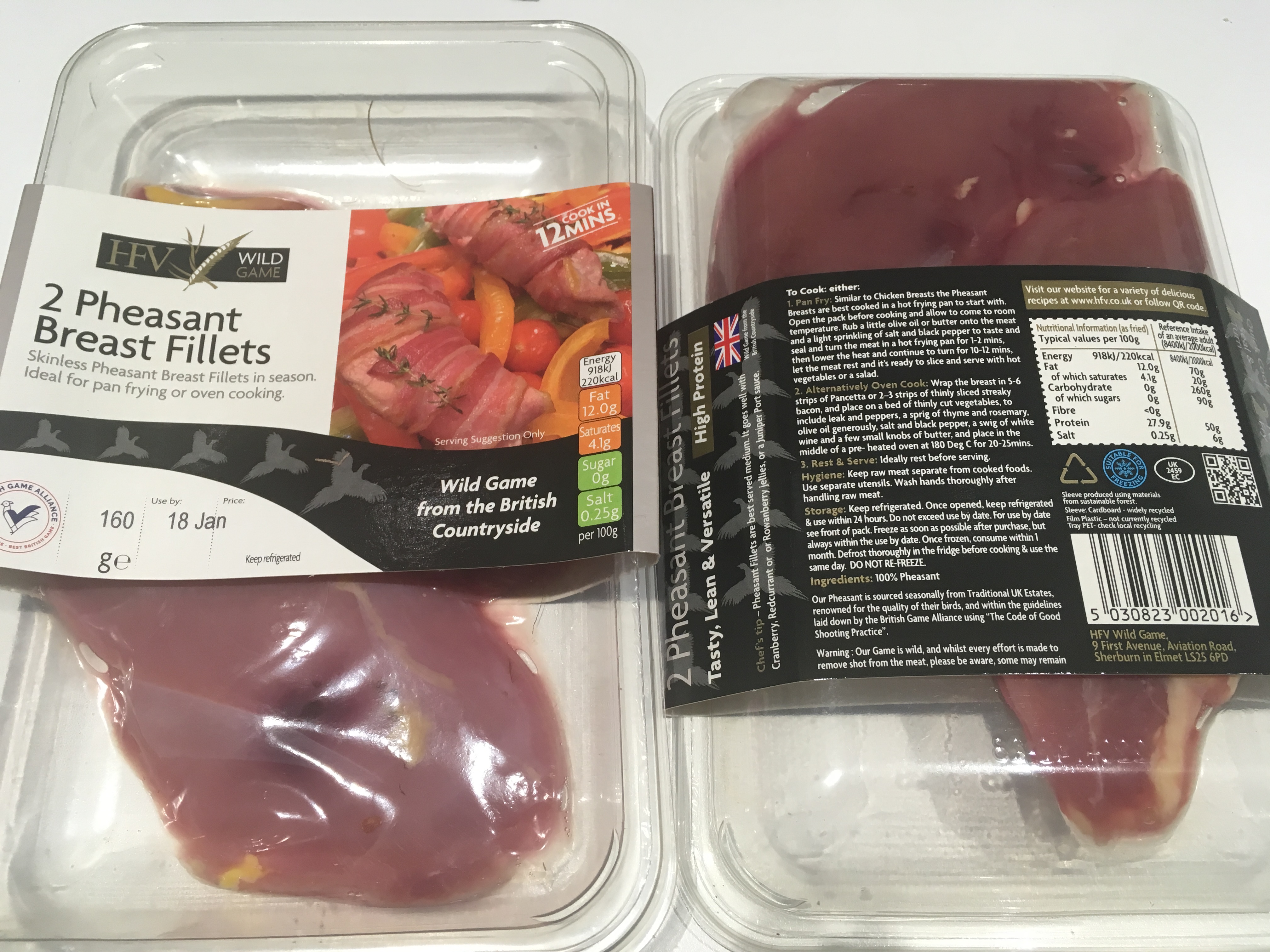
A flurry of reports over the Xmas period detailed how gamebirds had been shot and then dumped at a number of locations across the UK including inside the Peak District National Park (e.g. see here, here, here and here).

Well guess what? This obscene behaviour continues – here are some more examples.

Thanks to the blog reader who sent this photograph of a pile of dead birds, photographed on 27th December 2020, by the roadside in between a grouse moor and MOD land in Swaledale, North Yorkshire.

On Twitter there was another report, this time by an estate manager in Berkshire whose gamekeepers had alerted him to this:

And also on Twitter, in response to David Hill’s tweet, there was another report from North Yorkshire:

As I wrote last week, there are some sensible shooting folk on social media who are condemning this behaviour, and not just because it exposes shooting to bad publicity, and who are offering solutions (like licensing schemes that limit the number of birds released and require accountability for the number shot for example, and a suggestion that if shoots are ‘gifting’ the birds then the birds should be oven-ready) but there are still many others from within the industry who are either (a) denying it’s a widespread problem, (b) accusing ‘antis’ of trying to ‘set up’ shooting, and/or (c) slagging off anyone who dares to criticise, presumably in a futile bid to stop further criticism.

Unfortunately for the game shooting industry, this is an ongoing, criminal and widespread problem, much like illegal raptor persecution is, and it’s drawing even more attention to an industry already under intense pressure to clean up its act.

Previous examples include dumped gamebirds in Cheshire, Scottish borders (here), Norfolk (here), Perthshire (here), Berkshire (here), North York Moors National Park (here) and some more in North York Moors National Park (here) and even more in North Yorkshire (here), Co. Derry (here), West Yorkshire (here), and again in West Yorkshire (here), N Wales (here), mid-Wales (here), Leicestershire (here), Lincolnshire (here), Somerset (here), Derbyshire’s Peak District National Park (here) and Suffolk (here) and again in Suffolk (here).

And it’ll keep getting attention on this blog for as long as the gamebird shooting industry demands licences to kill protected birds of prey for the purpose of ‘saving’ gamebirds.

Some blogs of interest (2)

Some more blogs that you might find of interest:

Parkswatch Scotland: Three new year resolutions for Prince Charles in the Cairngorms (here)

Mark Avery: Thoughts on 2020 (1) – Driven Grouse Shooting (here)

Roy Dennis Wildlife Foundation: Bringing hope in troubled times (here)

Rob Sheldon: Sainsbury’s, obfuscation & toxic lead – day 35 (here)

Wild Justice: General Licences in general and our challenge to the NRW General Licences in particular (here)

Alick Simmons (guest blog for Mark Avery): Digging holes (here)

Guy Shrubsole: The climate sceptic’s grouse moor (here)

Jente Ottenburghs (guest blog for British Ornithologists’ Union): Soaring over Scotland (here)

Vulture Conservation Foundation: Bearded Vulture ‘Vigo’ is actually ‘Flysch’ from Haute Savoie (here)

Wild Justice: Gamekeeping gets a change of job description (here)

Buzzard with shotgun injuries found in localised persecution hotspot, East Yorkshire

In early December an injured buzzard was found struggling by a member of the public in Sproatley, East Yorkshire.

[All photos from Jean Thorpe]

An RSPCA tweet on 4th December said the buzzard had injuries ‘consistent with trapping’ and the bird was transferred to the expert care of Jean Thorpe at Ryedale for rehabilitation.

However, Jean examined the bird and didn’t believe its injuries were consistent with trapping, mainly because the scabbed injuries were restricted to the front of the bird’s shins and not the back of the legs. She also noticed a gangrenous talon and the rest of the foot was also badly infected.

Jean took the buzzard to a specialist avian vet and a decision was taken to euthanise the bird due to the extent of its injuries.

An x-ray revealed the bird had been shot with a shotgun but it’s not clear how old that injury was and whether it was connected to the foot injury.

The buzzard is being sent for a full post mortem and Humberside Police have been advised of the incident. If you have any information that could assist the investigation please contact the police on Tel 101 and ask for Police Wildlife Crime Officer Richard Fussey. It’s not known whether a crime reference number has been issued.

Interestingly, back in 2013 two buzzards were found shot and dumped in a ditch in Sproatley (see here). The RSPB offered a reward for information leading to a conviction but like most of these crimes, the perpetrator was never identified/prosecuted.

Buzzard shot & injured in County Kildare

Hot on the heels of a recent buzzard shooting reported in the Irish Republic just a couple of weeks ago (here), here’s another one.

The details are sketchy at the moment but this buzzard was found yesterday and is currently being cared for at the Kildare Animal Foundation Wildlife Unit.

It’s clear from the x-ray that someone shot this bird with a shotgun. The crime has been reported to the National Parks & Wildlife Service.

County Kildare sits in the middle of the league table for raptor persecution crimes recorded in the Irish Republic (see here).

Top ten most read RPUK blogs in 2020

Thanks for all your continued interest and support in 2020….it’s been another very busy year.

Here are the top ten most read RPUK blogs over the last 12 months:

  1. Satellite-tagged white-tailed eagle found poisoned on grouse moor in Cairngorms National Park (here)
  2. Golden eagle Tom disappears in suspicious circumstances on Scottish grouse moor (here)
  3. Missing eagle’s satellite tag found cut and wrapped in lead, dumped in river at Strathbraan (here)
  4. 45 hen harriers ‘missing’ or confirmed illegally killed since 2018 (here)
  5. The five brood meddled hen harriers from 2019 are all ‘missing’ (here)
  6. Scottish Government commits to develop immediate licensing scheme for driven grouse shooting (here)
  7. The eagle’s satellite tag found in the river: poetic injustice (here)
  8. Licensing scheme for release of pheasants and red-legged partridge in England following Wild Justice legal challenge (here)
  9. Post mortem reveals Welsh golden eagle had suffered gunshot injury (here)
  10. RSPB announces its ‘new’ policy on gamebird shooting (here)

More pheasants shot & dumped in Suffolk

Here’s the latest pile of dumped gamebirds – pheasants that had been shot then chucked over a wall by the side of the road and left to rot. These were photographed by blog reader Lauren Francis on Boxing Day.

The location this time: Barking Road, Willisham, Suffolk.

There are some decent shooting folk on social media who are condemning this obscene behaviour, and not just because it exposes shooting to bad publicity, and who are offering solutions (like licensing schemes that limit the number of birds released and require accountability for the number shot for example, and a suggestion that if shoots are ‘gifting’ the birds then the birds should be oven-ready) but there are still many others from within the industry who are either (a) denying it’s a widespread problem, (b) accusing ‘antis’ of trying to ‘set up’ shooting, and/or (c) slagging off anyone who dares to criticise, presumably in a futile bid to stop further criticism.

Unfortunately for the game shooting industry, this is an ongoing, criminal and widespread problem, much like illegal raptor persecution, and it’s drawing the wrong sort of attention.

Previous examples include dumped gamebirds in Cheshire, Scottish borders (here), Norfolk (here), Perthshire (here), Berkshire (here), North York Moors National Park (here) and some more in North Yorkshire (here) and even more in North Yorkshire (here), Co. Derry (here), West Yorkshire (here), and again in West Yorkshire (here), N Wales (here), mid-Wales (here), Leicestershire (here), Lincolnshire (here), Somerset (here), Derbyshire’s Peak District National Park (here) and Suffolk, again (here).

And it’ll keep getting attention on this blog for as long as the gamebird shooting industry demands licences to allow them to kill protected birds of prey for the purpose of ‘saving’ their gamebirds.

Hunting suspended for five years on Spanish estate after mass poisoning uncovered – prosecutions pending

Earlier this year the Spanish authorities raided a hunting estate in the province of Castilla y León after suspicions of illegal activity were raised.

The estate was being managed by a society of farmers and ranchers at the time, in an area designated as a Natura 2000 Special Protection Area (SPA) for birds.

The multi-agency search, which included the deployment of specialist poison-detection dogs, uncovered a pretty grim scene. This included the discovery of four Spanish imperial eagles, one Cinereous vulture, one buzzard, two red kites, one fox and one dog. Post mortems revealed they had been illegally poisoned and/or shot.

[Some of the victims found during the search]

It’s reported that almost all the victims had been hidden/buried, leading the authorities to state that they couldn’t be sure that all the victims had been found and that these ‘deliberate’ attempts to hide the corpses indicated that the poisoners/shooters were aware of the illegality.

The original news report can be read here (translated from Spanish) and there’s an easier translation to read via the Vulture Conservation Foundation website here.

What’s interesting in this case is the authorities’ decision to impose an immediate five-year hunting ban on the estate, before any prosecutions have taken place, ‘to facilitate the regeneration of the area’s wild fauna’.

We know, from a suite of prosecutions in recent years, that tackling the illegal poisoning of birds of prey is taken seriously in Spain with a multifaceted approach including the deployment of specialist poison detection dogs and investigators given the authority to conduct unannounced spot checks in areas of suspicion. In recent years successful prosecutions have resulted in massive fines, custodial sentences and extended hunting disqualifications for those convicted of laying poisoned baits (e.g. see hereherehereherehere and here).

In previous cases the hunting disqualifications appear to have been applied to the individuals convicted of placing poisoned baits, rather than to the land where the offences took place, but this may be because those convicted were the actual landowners. This current case may differ in that the estate is reported to be managed by a society as opposed to an individual.

Whatever the circumstances, the five-year hunting ban is a very welcome move and hopefully criminal prosecutions of the individuals involved will also follow.

Compare and contrast to the illegal poisoning of birds of prey over here, which continues mostly without consequence.

These are some of the cases of illegal raptor poisoning reported this year alone, many during lockdown, and none of them are heading towards a prosecution:

The illegal killing of a white-tailed eagle found on a grouse moor inside the Cairngorms National Park in Scotland (here), the mass poisoning of 23 buzzards in a field in Co Cork, Ireland (here), the poisoning of four peregrines on Guernsey in the Channel Islands (here), the poisoning of a family’s pet dog, believed to have consumed a poisoned bait intended for birds of prey in Nidderdale, North Yorkshire (here), the poisoning of a buzzard found dead on a grouse moor in the North York Moors National Park (here), the poisoning of a buzzard in Nidderdale, North Yorkshire (here), the poisoning of a buzzard and a kestrel in Derbyshire (here), the poisoning of three peregrines and a buzzard in Staffordshire (here), the poisoning of a peregrine in South Yorkshire (here), the poisoning of two peregrines in North Yorkshire (here), the poisoning of a red kite in North Yorkshire (here) and the poisoning of a red kite found dead on a grouse moor in Scotland (here).

There may well be further poisoning cases that haven’t yet been publicised.

Let’s hope Scottish Ministers are paying attention to the Spanish model as they prepare to draw up the details of the new licensing regime for driven grouse shooting (here).