In the last few minutes, the Scottish Parliament (with the exception of the Scottish Tories & Fergus Ewing of the SNP) has voted overwhelmingly in support of the Wildlife Management & Muirburn Bill!
Votes for = 85
Votes against = 30
No abstentions.
This new legislation will bring in a licensing scheme for grouse shooting, a licensing scheme for muirburn, a licensing scheme for wildlife traps, a ban on all snares and increased investigatory powers for the Scottish SPCA.
More soon…
BLOODY WELL DONE, EVERYONE!
UPDATE: Here is the official report of what was said in Parliament today and who voted for/against the Bill:
For anyone who still wants to pretend that the grouse shooting industry isn’t responsible for the systematic extermination of hen harriers on grouse moors across the UK, here’s the latest catalogue of crime that suggests otherwise.
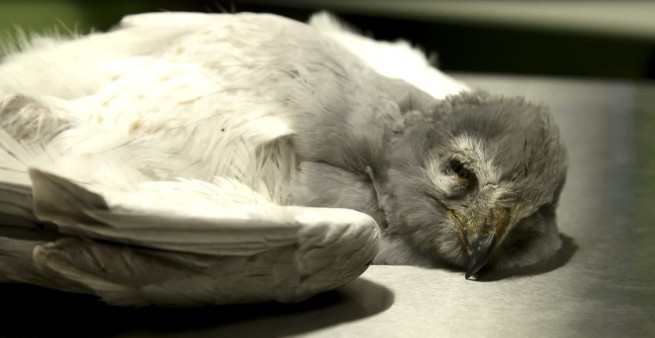
[This male hen harrier died in 2019 after his leg was almost severed in an illegally set trap that had been placed next to his nest on a Scottish grouse moor (see here). Photo by Ruth Tingay]
This is the blog I now publish after every reported killing or suspicious disappearance.
“They disappear in the same way political dissidents in authoritarian dictatorships have disappeared” (Stephen Barlow, 22 January 2021).
Today the list has been updated to include the most recently reported victim, a satellite-tagged hen harrier called ‘Shalimar’ that disappeared in suspicious circumstances on a grouse moor in the Angus Glens on 15 February 2024 (here).
I’ve been compiling this list only since 2018 because that is the year that the grouse shooting industry ‘leaders’ would have us believe that the criminal persecution of hen harriers had stopped and that these birds were being welcomed back on to the UK’s grouse moors (see here).
This assertion was made shortly before the publication of a devastating new scientific paper that demonstrated that 72% of satellite-tagged hen harriers were confirmed or considered likely to have been illegally killed, and this was ten times more likely to occur over areas of land managed for grouse shooting relative to other land uses (see here). Incidentally, a further scientific paper published in 2023 by scientists at the RSPB, utilising even more recent data, echoed these results – see here).
2018 was also the year that Natural England issued a licence to begin a hen harrier brood meddling trial on grouse moors in northern England. For new blog readers, hen harrier brood meddling is a conservation sham sanctioned by DEFRA as part of its ludicrous ‘Hen Harrier Action Plan‘ and carried out by Natural England (NE), in cahoots with the very industry responsible for the species’ catastrophic decline in England. For more background see here and for a critical evaluation of the trial after 5 years see this report by Wild Justice.
Brood meddling has been described as a sort of ‘gentleman’s agreement’ by commentator Stephen Welch:
“I don’t get it, I thought the idea of that scheme was some kind of trade off – a gentleman’s agreement that the birds would be left in peace if they were moved from grouse moors at a certain density. It seems that one party is not keeping their side of the bargain“.
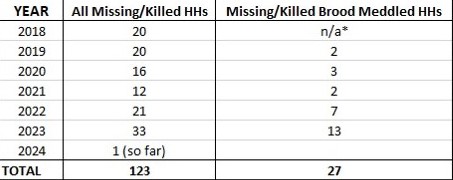
With at least 123 hen harriers gone since 2018, and 27 of those being brood meddled birds, there is no question that the grouse shooting industry is simply taking the piss. Meanwhile, Natural England pretends that ‘partnership working’ is the way to go and DEFRA Ministers remain silent.
*n/a – no hen harriers were brood meddled in 2018
‘Partnership working’ according to Natural England appears to include authorising the removal of hen harrier chicks from a grouse moor already under investigation by the police for suspected raptor persecution (here) and accepting a £75k ‘donation’ from representatives of the grouse shooting industry that prevents Natural England from criticising them or the sham brood meddling trial (see here). This is in addition to a £10k ‘donation’ that Natural England accepted, under the same terms, in 2021 (here).
Thankfully, the Scottish Government has finally decided to act by introducing a grouse moor licensing scheme under the Wildlife Management & Muirburn (Scotland) Bill. This new legislation, due to be voted on by the Scottish Parliament today, will mean that grouse shooting estates will have their licences suspended/revoked if, on the balance of probability, it is shown that any new raptor persecution crimes are linked with grouse moor management on that estate.
So here’s the latest gruesome list. Note that the majority of these birds (but not all) were fitted with satellite tags. How many more [untagged] harriers have been killed?
February 2018: Hen harrier Saorsa ‘disappeared’ in the Angus Glens in Scotland (here). The Scottish Gamekeepers Association later published wholly inaccurate information claiming the bird had been re-sighted. The RSPB dismissed this as “completely false” (here).
5 February 2018: Hen harrier Marc ‘disappeared’ on a grouse moor in Durham (here).
9 February 2018: Hen harrier Aalin ‘disappeared’ on a grouse moor in Wales (here).
March 2018: Hen harrier Blue ‘disappeared’ in the Lake District National Park (here).
March 2018: Hen harrier Finn ‘disappeared’ near Moffat in Scotland (here).
18 April 2018: Hen harrier Lia ‘disappeared’ in Wales and her corpse was retrieved in a field in May 2018. Cause of death was unconfirmed but police treating death as suspicious (here).
8 August 2018: Hen harrier Hilma ‘disappeared’ on a grouse moor in Northumberland (here).
16 August 2018: Hen harrier Athena ‘disappeared’ on a grouse moor in Scotland (here).
26 August 2018: Hen Harrier Octavia ‘disappeared’ on a grouse moor in the Peak District National Park (here).
29 August 2018: Hen harrier Margot ‘disappeared’ on a grouse moor in Scotland (here).
29 August 2018: Hen Harrier Heulwen ‘disappeared’ on a grouse moor in Wales (here).
3 September 2018: Hen harrier Stelmaria ‘disappeared’ on a grouse moor in Scotland (here).
24 September 2018: Hen harrier Heather ‘disappeared’ on a grouse moor in Scotland (here).
2 October 2018: Hen harrier Mabel ‘disappeared’ on a grouse moor on the edge of the Yorkshire Dales National Park (here).
3 October 2018: Hen Harrier Thor ‘disappeared’ next to a grouse moor in Bowland, Lanacashire (here).
23 October 2018: Hen harrier Tom ‘disappeared’ in South Wales (here).
26 October 2018: Hen harrier Arthur ‘disappeared’ on a grouse moor in the North York Moors National Park (here).
1 November 2018: Hen harrier Barney ‘disappeared’ on Bodmin Moor (here).
10 November 2018: Hen harrier Rannoch ‘disappeared’ on a grouse moor in Scotland (here). Her corpse was found nearby in May 2019 – she’d been killed in an illegally-set spring trap (here).
14 November 2018: Hen harrier River ‘disappeared’ on a grouse moor in the Nidderdale AONB (here). Her corpse was found nearby in April 2019 – she’d been illegally shot (here).
16 January 2019: Hen harrier Vulcan ‘disappeared’ in Wiltshire close to Natural England’s proposed reintroduction site (here).
28 January 2019: Hen harrier DeeCee ‘disappeared’ in Glen Esk, a grouse moor area of the Angus Glens (see here).
7 February 2019: Hen harrier Skylar ‘disappeared’ next to a grouse moor in South Lanarkshire (here).
22 April 2019: Hen harrier Marci ‘disappeared’ on a grouse moor in the Cairngorms National Park (here).
26 April 2019: Hen harrier Rain ‘disappeared’ on a grouse moor in Nairnshire (here).
11 May 2019: An untagged male hen harrier was caught in an illegally-set trap next to his nest on a grouse moor in South Lanarkshire. He didn’t survive (here).
7 June 2019: An untagged hen harrier was found dead on a grouse moor in Scotland. A post mortem stated the bird had died as a result of ‘penetrating trauma’ injuries and that this bird had previously been shot (here).
5 September 2019: Wildland Hen Harrier 1 ‘disappeared’ on a grouse moor nr Dalnaspidal on the edge of the Cairngorms National Park (here).
11 September 2019: Hen harrier Romario ‘disappeared’ on a grouse moor in the Cairngorms National Park (here).
14 September 2019: Hen harrier (Brood meddled in 2019, #183704) ‘disappeared’ in the North Pennines (here).
23 September 2019: Hen harrier (Brood meddled in 2019, #55149) ‘disappeared’ in North Pennines (here).
24 September 2019: Wildland Hen Harrier 2 ‘disappeared’ on a grouse moor at Invercauld in the Cairngorms National Park (here).
24 September 2019: Hen harrier Bronwyn ‘disappeared’ near a grouse moor in North Wales (here).
10 October 2019: Hen harrier Ada ‘disappeared’ on a grouse moor in the North Pennines AONB (here).
12 October 2019: Hen harrier Thistle ‘disappeared’ on a grouse moor in Sutherland (here).
18 October 2019: Member of the public reports the witnessed shooting of an untagged male hen harrier on White Syke Hill in North Yorkshire (here).
November 2019: Hen harrier Mary found illegally poisoned on a pheasant shoot in Ireland (here).
November 2019: Hen harrier Artemis ‘disappeared’ near Long Formacus in south Scotland (RSPB pers comm).
14 December 2019: Hen harrier Oscar ‘disappeared’ in Eskdalemuir, south Scotland (here).
December 2019: Hen harrier Ingmar ‘disappeared’ in the Strathbraan grouse moor area of Perthshire (RSPB pers comm).
January 2020: Members of the public report the witnessed shooting of a male hen harrier on Threshfield Moor in the Yorkshire Dales National Park (here).
23 March 2020: Hen harrier Rosie ‘disappeared’ at an undisclosed roost site in Northumberland (here).
1 April 2020: Hen harrier (Brood meddled in 2019, #183703) ‘disappeared’ in unnamed location, tag intermittent (here).
5 April 2020: Hen harrier Hoolie ‘disappeared’ on a grouse moor in the Cairngorms National Park (here)
8 April 2020: Hen harrier Marlin ‘disappeared’ on a grouse moor in the Cairngorms National Park (here).
19 May 2020: Hen harrier Fingal ‘disappeared’ on a grouse moor in the Lowther Hills, Scotland (here).
21 May 2020: Hen harrier (Brood meddled in 2019, #183701) ‘disappeared’ on a grouse moor in Cumbria shortly after returning from wintering in France (here).
27 May 2020: Hen harrier Silver ‘disappeared’ on a grouse moor on Leadhills Estate, Scotland (here).
2020: day/month unknown: Unnamed male hen harrier breeding on RSPB Geltsdale Reserve, Cumbria ‘disappeared’ while away hunting (here).
9 July 2020: Unnamed female hen harrier (#201118) ‘disappeared’ from an undisclosed site in Northumberland (here).
25 July 2020: Hen harrier Harriet ‘disappeared’ on a grouse moor in the Yorkshire Dales National Park (here).
14 August 2020: Hen harrier Solo ‘disappeared’ in confidential nest area in Lancashire (here).
7 September 2020: Hen harrier Dryad ‘disappeared’ on a grouse moor in the Yorkshire Dales National Park (here).
16 September 2020: Hen harrier Fortune ‘disappeared’ from an undisclosed roost site in Northumberland (here).
19 September 2020: Hen harrier Harold ‘disappeared’ on a grouse moor in the Yorkshire Dales National Park (here).
20 September 2020: Hen harrier (Brood meddled in 2020, #55152) ‘disappeared’ next to a grouse moor in North Yorkshire (here).
24 February 2021: Hen harrier Tarras ‘disappeared’ next to a grouse moor in Northumberland (here)
12th April 2021: Hen harrier Yarrow ‘disappeared’ near Stockton, County Durham (here).
18 May 2021: Adult male hen harrier ‘disappeared’ from its breeding attempt on RSPB Geltsdale Reserve, Cumbria whilst away hunting (here).
18 May 2021: Another adult male hen harrier ‘disappeared’ from its breeding attempt on RSPB Geltsdale Reserve, Cumbria whilst away hunting (here).
24 July 2021: Hen harrier Asta ‘disappeared’ at a ‘confidential site’ in the North Pennines (here). We learned 18 months later that her wings had been ripped off so her tag could be fitted to a crow in an attempt to cover up her death (here).
14th August 2021: Hen harrier Josephine ‘disappeared’ at a ‘confidential site’ in Northumberland (here).
17 September 2021: Hen harrier Reiver ‘disappeared’ in a grouse moor dominated region of Northumberland (here)
24 September 2021: Hen harrier (Brood meddled in 2021, R2-F-1-21) ‘disappeared’ in Northumberland (here).
15 November 2021: Hen harrier (brood meddled in 2020, #R2-F1-20) ‘disappeared’ at the edge of a grouse moor on Arkengarthdale Estate in the Yorkshire Dales National Park (here).
19 November 2021: Hen harrier Val ‘disappeared’ in the Lake District National Park in Cumbria (here).
19 November 2021: Hen harrier Percy ‘disappeared’ in Lothian, Scotland (here).
12 December 2021: Hen harrier Jasmine ‘disappeared’ on a grouse moor (High Rigg Moor on the Middlesmoor Estate) in the Nidderdale AONB in North Yorkshire (here).
9 January 2022: Hen harrier Ethel ‘disappeared’ in Northumberland (here).
26 January 2022: Hen harrier Amelia ‘disappeared’ in Bowland (here).
10 February 2022: An unnamed satellite-tagged hen harrier ‘disappeared’ in a grouse moor dominated area of the Peak District National Park (here). One year later it was revealed that the satellite tag/harness of this young male called ‘Anu’ had been deliberately cut off (see here).
12 April 2022: Hen harrier ‘Free’ (Tag ID 201121) ‘disappeared’ at a ‘confidential site’ in Cumbria (here). It later emerged he hadn’t disappeared, but his mutilated corpse was found on moorland in the Yorkshire Dales National Park. A post mortem revealed the cause of death was having his head twisted and pulled off. One leg had also been torn off whilst he was still alive (here).
April 2022: Hen harrier ‘Pegasus’ (tagged by the RSPB) ‘disappeared’ on a grouse moor at Birkdale in the Yorkshire Dales National Park (here).
May 2022: A male breeding hen harrier ‘disappeared’ from a National Trust-owned grouse moor in the Peak District National Park (here).
May 2022: Another breeding male hen harrier ‘disappeared’ from a National Trust-owned grouse moor in the Peak District National Park (here).
14 May 2022: Hen harrier ‘Harvey’ (Tag ID 213844) ‘disappeared’ from a ‘confidential site’ in the North Pennines (here).
20 June 2022: Hen harrier chick #1 stamped to death in nest on a grouse moor in the Yorkshire Dales National Park (here).
20 June 2022: Hen harrier chick #2 stamped to death in nest on a grouse moor in the Yorkshire Dales National Park (here).
20 June 2022: Hen harrier chick #3 stamped to death in nest on a grouse moor in the Yorkshire Dales National Park (here).
20 June 2022: Hen harrier chick #4 stamped to death in nest on a grouse moor in the Yorkshire Dales National Park (here).
17 August 2022: Hen harrier (brood meddled in 2022, #R1-M1-22) ‘disappeared’ on moorland in the Yorkshire Dales National Park (here).
September 2022: Hen harrier ‘Sullis’ (tagged by the RSPB) ‘disappeared’ on a grouse moor in Cumbria (here).
5 October 2022: Hen harrier (brood meddled in 2022, #R3-M2-22) ‘disappeared’ on moorland in the Yorkshire Dales National Park (here).
10 October 2022: Hen harrier ‘Sia’ ‘disappeared’ near Hamsterley Forest in the North Pennines (here).
October 2022: Hen harrier (brood meddled in 2021, #R1-F1-21) ‘disappeared’ in the North Sea off the North York Moors National Park (here).
December 2022: Hen harrier female (brood meddled in 2020, #R2-F2-20) ‘disappeared’ on moorland in Cumbria (here).
1 December 2022: Hen harrier male (brood meddled in 2021, #R1-M1-21) ‘disappeared’ on moorland in the Yorkshire Dales National Park (here).
14 December 2022: Hen harrier female (brood meddled in 2022, #R3-F1-22) ‘disappeared’ on moorland in the North Pennines AONB (here).
15 December 2022: Hen harrier female (brood meddled in 2022, #R2-F1-22) ‘disappeared’ on moorland in the Yorkshire Dales National Park (here).
30 March 2023: Hen harrier female (brood meddled in 2022, #R1-F3-22) ‘disappeared’ in Yorkshire (here). Notes from NE Sept 2023 spreadsheet update: “Final transmission location temporarily withheld at police request“.
1 April 2023: Hen harrier male (brood meddled in 2022, #R2-M1-22) ‘disappeared’ in Yorkshire (here). Notes from NE Sept 2023 spreadsheet update: “Final transmission location temporarily withheld at police request“.
April 2023: Hen harrier ‘Lagertha’ (tagged by RSPB) ‘disappeared’ in North Yorkshire (here).
April 2023: Hen harrier ‘Nicola’ (Tag ID 234078) ”disappeared’ in North Yorkshire (here).
April 2023: Untagged male hen harrier ‘disappeared’ from an active nest on RSPB Geltsdale Reserve in Cumbria (here).
April 2023: Another untagged male hen harrier ‘disappeared’ from an active nest on RSPB Geltsdale Reserve in Cumbria (here).
April 2023: Untagged male hen harrier ‘disappeared’ from an active nest in Durham (here).
4/5 May 2023: Satellite-tagged male hen harrier called ‘Rush’ ‘disappeared’ from a grouse moor in Bowland AONB in Lancashire (here).
9/10 May 2023: Hen harrier male called ‘Dagda’, tagged by the RSPB in Lancashire in June 2022 and who was breeding on the RSPB’s Geltsdale Reserve in 2023 until he ‘vanished’, only to be found dead on the neighbouring Knarsdale grouse moor in May 2023 – a post mortem revealed he had been shot (here).
17 May 2023: Satellite-tagged hen harrier called ‘Wayland’ ‘disappeared’ in the Clapham area of North Yorkshire, just north of the Bowland AONB (here).
31 May 2023: Hen harrier male (brood meddled in 2022, tag #213932, name: R2-M3-22) ‘disappeared’ in Northumberland (grid ref: NY765687) (here).
11 June 2023: Hen harrier male (brood meddled in 2021, tag #213922, name: R2-M1-21) ‘disappeared’ at a confidential site in the Yorkshire Dales National Park. Notes from the NE spreadsheet: “Final transmission location temporarily withheld at police request“ (here).
12 June 2023: Hen harrier male (brood meddled in 2020, tag #203004, name: R1-M2-20) ‘disappeared’ on a grouse moor in Co. Durham (grid ref: NY976322) (here).
6 July 2023: Satellite-tagged female hen harrier named ‘Rubi’ (tag #201124a) ‘disappeared’ on a grouse moor in Co. Durham (grid ref: NY911151) (here).
23 July 2023: Hen harrier female (brood meddled in 2023, tag #55154a, name: R1-F1-23) ‘disappeared’ on a grouse moor in Co. Durham (close to where ‘Rubi’ vanished), grid ref: NY910126 (here).
29 July 2023: Hen harrier female (brood meddled in 2020, tag #55144, name: R2-F2-20) ‘disappeared’ at a confidential site in the North Pennines. Notes from the NE spreadsheet: “Dead. Recovered – awaiting PM results. Final transmission location temporarily withheld at police request“ (here).
9 August 2023: Satellite-tagged hen harrier called ‘Martha’ ‘disappeared’ on a grouse moor (Westburnhope Moor) near Hexham in the North Pennines (here).
11 August 2023: Satellite-tagged hen harrier called ‘Selena’ ‘disappeared’ on a grouse moor (Mossdale Moor) in the Yorkshire Dales National Park (here).
11 August 2023: Hen harrier female (brood meddled in 2023, tag #201118a, name: R3-F1-23) ‘disappeared’ in Co. Durham (grid ref: NZ072136) (here).
15 August 2023: Satellite-tagged hen harrier called ‘Hepit’ ‘disappeared’ on a grouse moor (Birkdale Common) near Kirkby Stephen in the Yorkshire Dales National Park (here).
24 August 2023: Hen harrier female (brood meddled in 2023, tag #55155a, name: R1-F2-23) ‘disappeared’ at a confidential site in Northumberland. Notes from the NE spreadsheet: “Final transmission location temporarily withheld at police request“ (here).
August-Sept 2023: Satellite-tagged hen harrier called ‘Harmonia’ ‘disappeared’ in the Yorkshire Dales National Park (here).
September 2023: Hen harrier female ‘Saranyu’, tagged by the RSPB in Cumbria in June 2023, ‘disappeared’ in Durham in September 2023 (no further details available yet – just outline info provided in 2022 Birdcrime report) (here).
September 2023: Hen harrier female ‘Inger’, a female tagged by the RSPB in Perthshire in July 2022, ‘disappeared’ on a grouse moor in the Angus Glens in September 2023 (here).
15 September 2023: Hen harrier male called ‘Rhys’, tagged in Cumbria on 1st August 2023, ‘disappeared’ on a grouse moor in the Yorkshire Dales National Park. Grid ref: SD798896 (here).
24 September 2023: Hen harrier female (brood meddled in 2023, name: ‘R2-F2-23’) ‘disappeared’ in the North Pennines, grid ref: NY888062 (here).
25 September 2023: Hen harrier female (brood meddled in 2022, name: ‘R1-F4-22’) ‘disappeared’ on a grouse moor in the Yorkshire Dales National Park, grid ref: SE077699 (here).
26 September 2023: Hen harrier female called ‘Hope’, tagged in Cumbria on 21 July 2023, ‘disappeared’ next to a grouse moor in the Yorkshire Dales National Park, grid ref: SD801926 (here).
4 October 2023: Hen harrier male (brood meddled in 2020, name: ‘R1-M3-20’) ‘disappeared’ in Co Durham, grid ref: NY935192 (here).
4 October 2023: Hen harrier female (brood meddled in 2023, name: ‘R4-F1-23’) ‘disappeared’ on a grouse moor in the Yorkshire Dales National Park, grid ref: SE003981 (here).
14 October 2023: Hen harrier male called ‘Cillian’, tagged in Cumbria on 1 August 2023, ‘disappeared’ in south west Scotland, grid ref: NY051946 (here).
15 November 2023: Hen harrier female called ‘Hazel’, tagged in Cumbria on 21 July 2023, ‘disappeared’ on the Isle of Man, grid ref: SC251803 (here).
27 November 2023: Hen harrier female called ‘Gill’, tagged in Northumberland on 10 July 2023, ‘disappeared’ at a confidential location in Teeside (here).
15 February 2024: Hen harrier female called ‘Shalimar’, tagged on the National Trust for Scotland’s Mar Lodge estate in 2023, ‘disappeared’ in suspicious circumstances on a grouse moor in the notorious Angus Glens (here).
To be continued…….
Not one of these 123 incidents has resulted in an arrest, let alone a prosecution. I had thought that when we reached 30 dead/missing hen harriers then the authorities might pretend to be interested and at least say a few words about this national scandal. We’ve now reached ONE HUNDRED AND TWENTY THREE hen harriers, and still Govt ministers remain silent. They appear not to give a monkey’s. And yes, there are other things going on in the world, as always. That is not reason enough to ignore this blatant, brazen and systematic destruction of a supposedly protected species, being undertaken to satisfy the greed and bloodlust of a minority of society.
And let’s not forget the response from the Moorland Association Chair (and owner of Swinton Estate) Mark Cunliffe-Lister, who told BBC Radio 4 in August 2023 that, “Clearly any illegal [hen harrier] persecution is not happening” (here).
Nor should we forget the response from the Game and Wildlife Conservation Trust’s (GWCT) Director of Policy Dr Alistair Leake who wrote a letter to the Guardian newspaper in November 2023 stating that the hen harrier brood management [meddling] scheme “is surely a shining example of human / wildlife conflict resolution that would be the envy of other countries trying to find similar solutions“ (I kid you not – here).
33 hen harriers are known to have gone ‘missing’/been deliberately killed in 2023, making it the worst year for hen harrier persecution since brood meddling began in 2018.
On the day the Scottish Parliament is due to vote through new legislation intended to tackle the ongoing illegal persecution of birds of prey on grouse moors, we learn that yet another satellite-tagged hen harrier has ‘disappeared’ in suspicious circumstances, this time on a grouse moor in the notorious Angus Glens.
If there are any MSPs in the chamber this afternoon who are wavering about whether this new legislation is needed, this news will assure them that yes, it most certainly is.
Press release from RSPB (21 March 2024):
ANOTHER SATELLITE-TAGGED HEN HARRIER ‘SUSPIOUSLY DISAPPEARS’ IN THE ANGUS GLENS IN SCOTLAND
A young Hen Harrier fitted with a satellite-tag to monitor its movements ‘suspiciously disappeared’ in Glen Esk, in the Angus Glens in late February 2024.
This is the fourth sat-tagged Hen Harrier to have suspiciously disappeared in the area since 2017.
Hen Harriers are being persecuted across the UK with many confirmed incidents associated with land managed for gamebird shooting.
RSPB Scotland are appealing for information following the sudden, suspicious disappearance of a satellite-tagged Hen Harrier in Glen Esk in Angus.
The tag fitted to ‘Shalimar’ a young female Hen Harrier, which fledged from a nest on the National Trust for Scotland’s Mar Lodge Estate in Aberdeenshire last summer, was functioning as expected before data transmissions unexpectedly and suddenly stopped on 15 February.
Officers from the National Wildlife Crime Unit and Police Scotland, supported by the RSPB Investigations staff, carried out a search of the area where the bird last transmitted, but failed to find its body or tag.
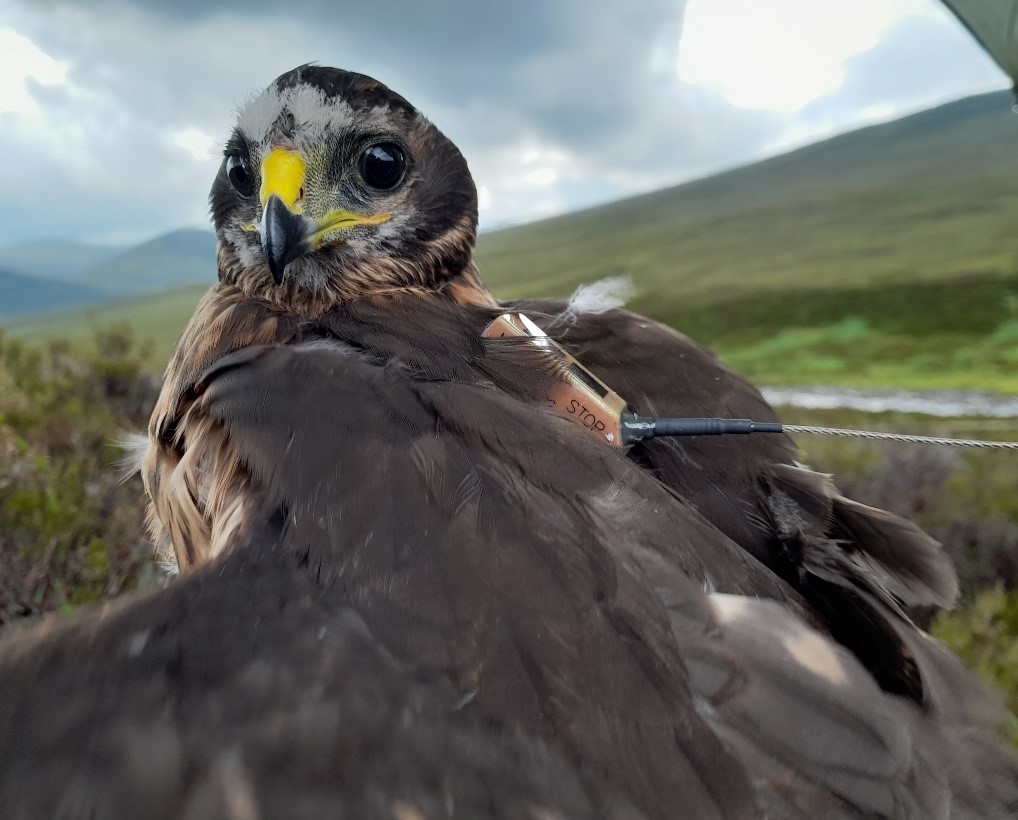
Hen harrier Shalimar being fitted with her satellite tag. Photo via RSPB
A large area of the Angus Glens is intensively managed for driven grouse shooting and is a notorious raptor persecution hotspot, with multiple confirmed incidents of poisoning, shooting and illegal trapping stretching back over the last 20 years. There have also been several previous incidents where satellite-tagged birds of prey have been killed or ‘suspiciously disappeared’ in the area. Since 2017, this has included four Hen Harriers, a Golden Eagle and a White-tailed Eagle.
Hen Harriers are one of the UK’s rarest birds of prey and, in terms of its population size, the most heavily persecuted species in the country. Several recent independent studies and evidence from historical and on-going criminal investigations have confirmed that the killing of this ‘Red Listed’ species is significantly linked to land managed for Red Grouse shooting and have revealed that the illegal killing of Hen Harriers associated with the grouse shooting industry is the primary constraint on their population.
Ian Thomson, RSPB Scotland’s Head of Investigations said: “The Scottish Parliament has recognised the ongoing link between crimes against birds of prey and the management of some grouse moors by its of passing of the Wildlife Management and Muirburn Bill earlier this week. In future, any landholding linked to wildlife crime faces a loss of its licence to shoot grouse. While these provisions have come just too late to prevent Shalimar becoming the latest Hen Harrier to likely disappear at the hands of criminals, we hope that the new legislation will help to consign raptor persecution to the history books in Scotland”.
The Mar Lodge Estate, near Braemar, is an important area for breeding Hen Harriers, largely as a result of effective habitat management and an overall commitment to conservation. Last year 32 Hen Harriers successfully fledged from nests on the estate, of which four were fitted with satellite-tags by RSPB.
The data received from these sat-tags provides information which allows conservationists to study the movements of these birds, including identifying roost sites, foraging areas and any migration patterns, whilst also helping to detect suspected incidents of persecution. If a tagged bird dies of natural causes, in the vast majority of cases the bird’s tag and its body can be recovered and submitted for post-mortem analysis.
Although in some areas Hen Harriers breeding numbers are improving their survival rate remains low. A paper published in 2023 highlighted that Hen Harrier persecution accounted for 27-43% of mortality of first-year birds, with the lifespan of Hen Harriers after fledging averaging 121 days.
23 Hen Harriers have been tagged at Mar Lodge since 2016. Almost 40% of these satellite-tagged birds have ‘suspiciously disappeared’.
Staff at Mar Lodge are saddened by the apparent loss of Shalimar and the other tagged-harriers that have fledged from the estate. A spokesperson said: “We hope some of the other chicks fledged last year have a more favourable future. Despite these losses we will continue our vital conservation work at Mar Lodge and other NTS properties doing what we can to ensure the survival and recovery of hen harriers and other raptor species.”
If you have information about anyone killing birds of prey which you wish to report please call the police on 101 and fill in the RSPB’s online reporting form here. If you would like to report anonymously, please call the RSPB’s confidential Raptor Crime Hotline on 0300 999 0101 or fill in our reporting form.
We would like to thank Mar Lodge Estate, the NWCU and Police Scotland for their support and positive partnership working.
ENDS
UPDATE 21 March: 123 hen harriers confirmed ‘missing’ or illegally killed in UK since 2018, most of them on or close to grouse moors (here)
It was a day of mixed emotions at the Scottish Parliament yesterday where some of us gathered to watch proceedings relating to the Wildlife Management & Muirburn Bill in what we thought would be it’s final day of scrutiny before being passed.
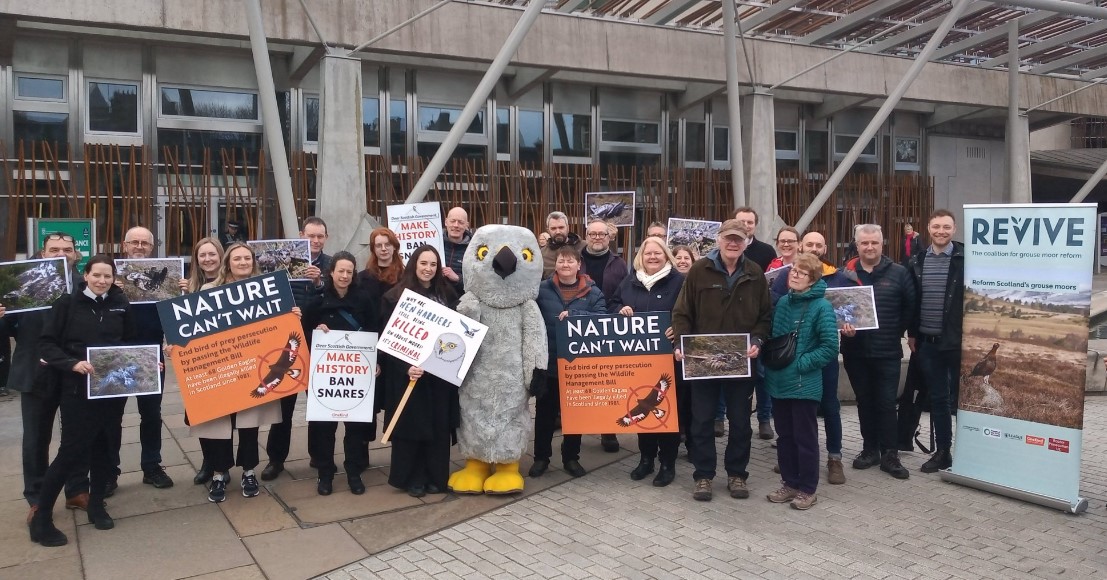
There was an air of excitement as we congregated outside before the debate started and two peregrines zooming around above the Parliament building was seen as a good omen.
Photo by Jason Rose
Once inside it soon became clear that the Parliament would, frustratingly, need additional time to complete its consideration of the Bill. Given that a decision had been made that all the lodged amendments for Stage 3 of the Bill would be heard, debated and voted upon, it inevitably turned into a marathon six hour session in the afternoon, not finishing until just after 8.30pm.
Many of the arguments put forward by the Conservatives in a desperate last-ditch effort to weaken the Bill were predictably ridiculous and a lot of it was just a rehash of the same old arguments that were heard during the various evidence sessions last summer and then again at Stage 2 a few weeks ago. It was tedious to have to listen to so much drivel all over again although it was appreciated as being a necessary part of the process so that the grouse shooting industry can’t later claim that the process had been unfairly cut short.
You can watch the archived video of proceedings here and you can read the transcript here:
If you want to enjoy a laugh-out-loud moment, I’d encourage you to turn to page 67 and read Conservative MSP Rachael Hamilton’s contribution on the subject of whether Red-legged partridges and Pheasants could be released on grouse moors to replace Red grouse as an alternative quarry species (spoiler alert – she doesn’t think it would happen, completely ignoring the clear evidence that it already is).
Minister Jim Fairlie’s response to Hamilton on page 71 is very encouraging. He indicates that if other gamebirds are released for shooting on grouse moors, where a licence for shooting Red grouse has already been refused, this could be viewed as an attempt to exploit a loophole and result in new, nationwide legislation that would impose a licensing regime on all gamebird shooting, not just on the shooting of Red grouse.
It’s disappointing that we now have to wait until Thursday (21 March) for the Scottish Parliament to vote for the final time and pass this Bill, although as someone told me yesterday, we’ve waited for so many years that another 48 hours isn’t going to make much difference.
The final (short) debate and subsequent vote has been scheduled for Thursday afternoon at around 3pm in the debating chamber. It’s not expected to take much longer than one hour. You’ll be able to watch proceedings live on Scottish Parliament TV.
Meanwhile, here’s a message from Chris Packham on the significance of this new legislation:
This Thursday @scotgov will be voting through sweeping reforms to driven grouse shooting – snares banned , licenses for moors , burning and wildlife traps and increased investigatory powers for @ScottishSPCA . . . they just couldn’t behave but now they will have to ! pic.twitter.com/0sDsElYDn1
The final stage (stage 3) of the Scottish Government’s Wildlife Management & Muirburn Bill begins in the main debating chamber at Holyrood in Edinburgh just after 2pm.
For new readers, this is proposed new legislation to regulate grouse shooting and its associated management practices by way of licensing schemes, introduced because of the continued illegal persecution of birds of prey on many Scottish grouse moors.
Entrance to Scottish Parliament. Photo: Ruth Tingay
A really good briefing document is available that explains what has happened to the Bill as it has progressed through Parliamentary scrutiny so far. It’s recommended reading for those who want to understand the Bill in more depth:
At the moment there’s much uncertainty about whether stage 3 will be completed today (as had been expected) or whether it will continue through to Thursday.
A lot of amendments have been lodged for Stage 3 and where typically only some would be selected by the Presiding Officer for stage 3 debate, there are rumours that ALL the amendments will be heard! My guess, and it is only a guess, is that this may well be to fend off any future legal action whereby certain organisations may claim that their amendments weren’t selected and it was all very unfair, prejudiced, a breach of their human rights etc etc. I’m sure you can imagine.
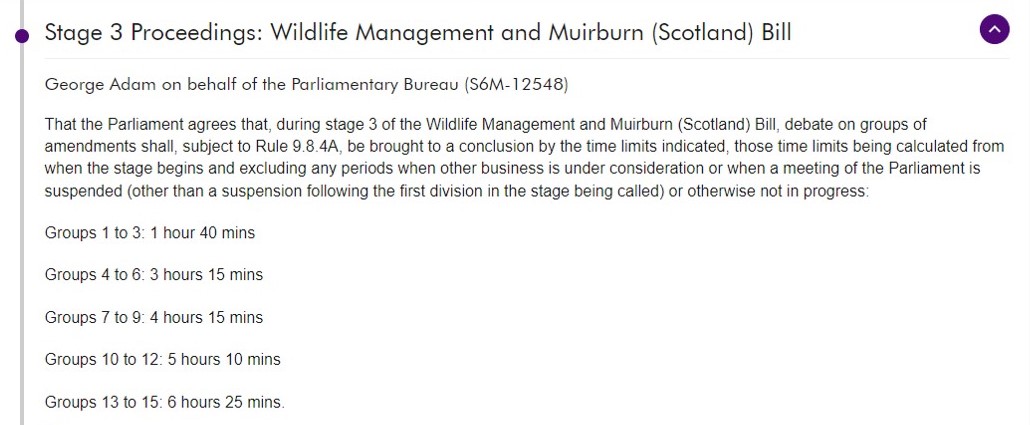
A Parliamentary motion will be heard just prior to the start to the debate this afternoon, as follows:
I think, given the length of the suggested time limits, this gives some indication that the rumours about all amendments being heard are probably accurate. It’s also indicative that proceedings will probably not conclude today (or if they do it’ll be really late into the evening) and may need to be carried forward to another day.
For those interested in the amendment timings/groupings, here is a useful summary:
I’m afraid much of the uncertainty will continue until Stage 3 proceedings begin this afternoon. You can watch live on Scottish Parliament TV (session starts at 2pm in the debating chamber) – watch here.
Essex Police are reporting the discovery of a sparrowhawk that was found shot in the Elder Street area of Uttlesford on Wednesday 13th March 2024.
The injured Sparrowhawk was taken to the South Essex Wildlife Hospital for treatment but it didn’t survive its injuries.
If anyone has any information about this crime please contact Essex Police on Tel 101, quoting incident ref 42/41024/24.
The county of Essex is becoming a real hotspot for bird of prey persecution.
Other raptor persecution crimes in recent years include the poisoning of two red kites reported in February 2024 (here), the suspected shooting of a peregrine in January 2024 (here), the shooting of a buzzard in December 2023 (here), the shooting of another buzzard in January 2023 (here), the shooting of a red kite in September 2022 (here), the shooting of another red kite in November 2021 (here), another red kite found dead in suspicious circumstances in November 2021 (here), the shooting of another three buzzards in 2020, one in Dec (here), one in September (here) and one in June (here), and the suspected shooting of a Hobby in August 2020 (here).
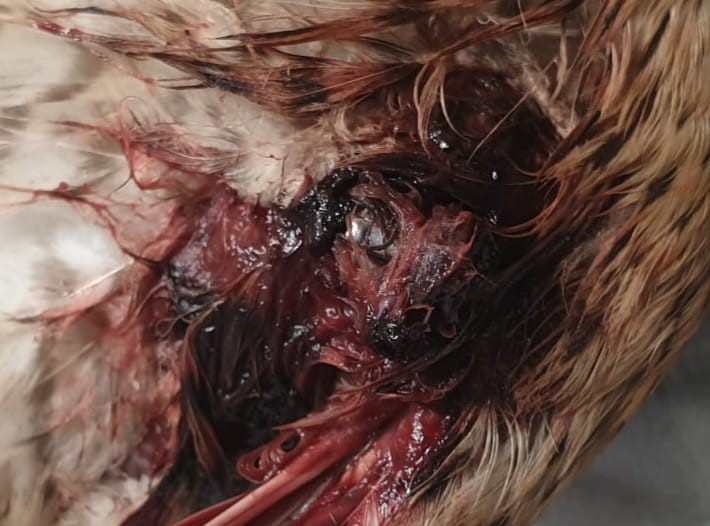
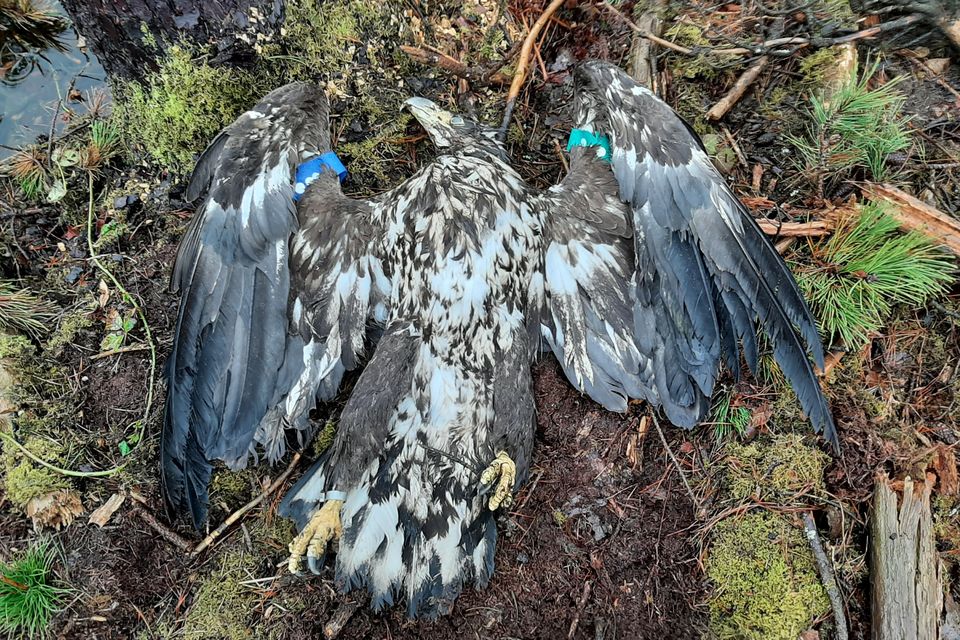
A young female white-tailed eagle has been found shot dead near Cranberry Lough in County Roscommon, Ireland.
She was part of the National Parks and Wildlife Service (NPWS) long-running reintroduction project and had been released at Lough Derg two years ago.
The corpse of the shot white-tailed eagle. Photo: NPWS
As part of the reintroduction project, the young eagles are fitted with satellite tags to monitor their movements. Information from this eagle’s tag suggest she was killed sometime between Monday evening and Tuesday morning on 11th/12th March 2024.
She’d been present in the area for the last few weeks, having previously travelled around the north and west of Ireland once she’d dispersed from Lough Derg almost a year ago.
Director General of the NPWS, Niall Ó Donnchú, said forensic examinations were being conducted which he hoped would provide more information about the weapon used to kill the eagle.
“I deplore this wanton act of violence against this beautiful and endangered bird. We’re asking for the public’s help in bringing the perpetrator of this heinous act of destruction to justice.”
Meanwhile, just over the border in Northern Ireland, the investigation is ongoing into the illegal poisoning of two white-tailed eagles, found dead last year on the only moor that’s managed for driven grouse shooting in NI (here).
Four years ago in February 2020, nine UK game-shooting organisations made a massive U-turn after years and years and years of defending the use of toxic lead ammunition, and said they wanted to drag the industry into the 21st Century by making a five-year voluntary transition away from lead ammunition (see here).
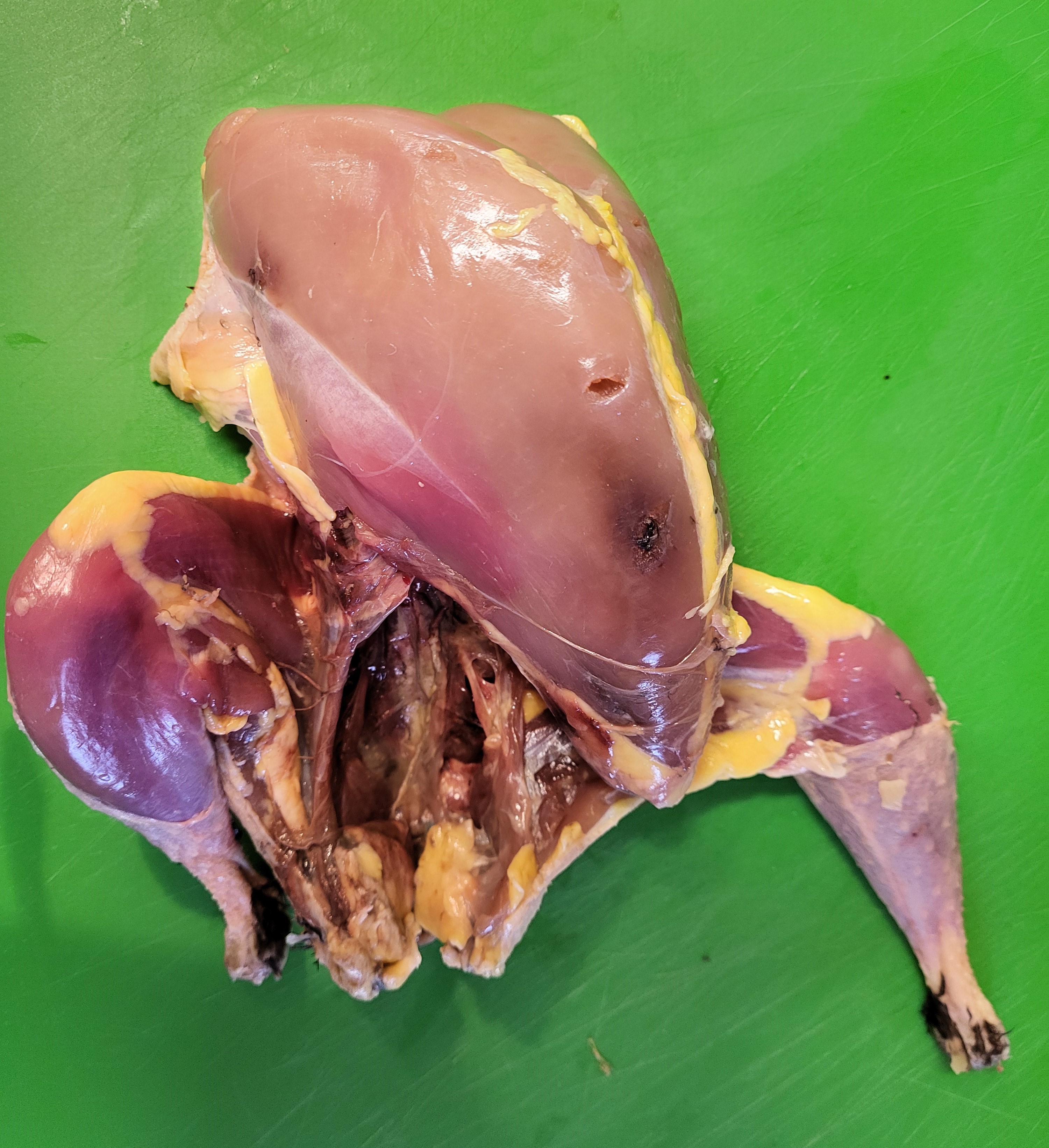
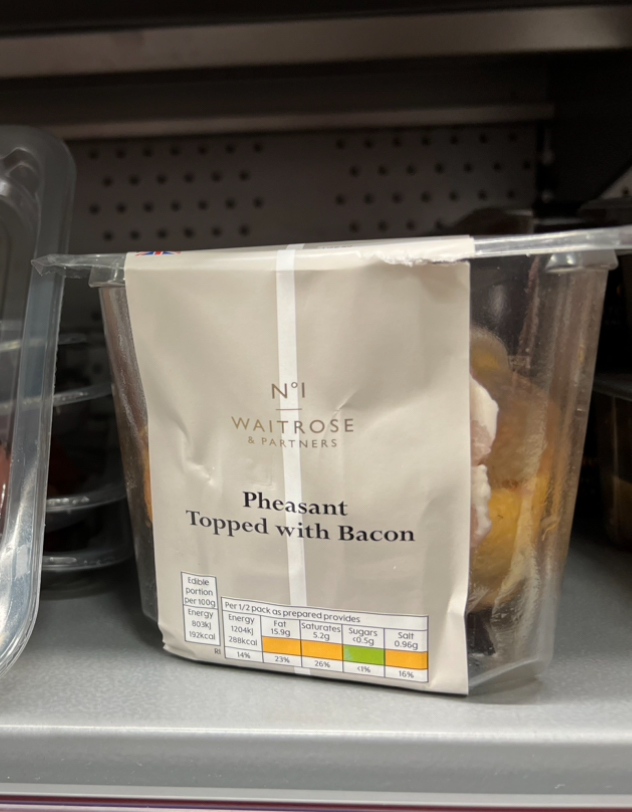
A pheasant bought from Waitrose in Jan 2024 containing toxic lead shot. Photo: Mike Price
A lot of us were sceptical because (a) we rarely trust anything the industry tells us; (b) previous ‘voluntary bans’ by the industry on a number of issues have been spectacularly unsuccessful (e.g. see here, here and here); (c) the ongoing failure of the shooting industry to comply with current regulations on many issues, including the use of lead ammunition over wetlands in England (here) and in Scotland (here), means there should be absolutely zero confidence in its ability and/or willingness to stick to any notional voluntary ban; (d) the Scottish Gamekeepers Association refused to sign up to the proposed five-year transition period because they believe there is insufficient evidence to support the claim that lead can have damaging impacts on humans, wildlife and the environment (here); and (e) in the very same year that nine shooting organisations committed to the five-year transition, BASC announced it was set to fight a proposed EU ban on the use of lead ammunition on wetlands (see here).
We were right to be sceptical.
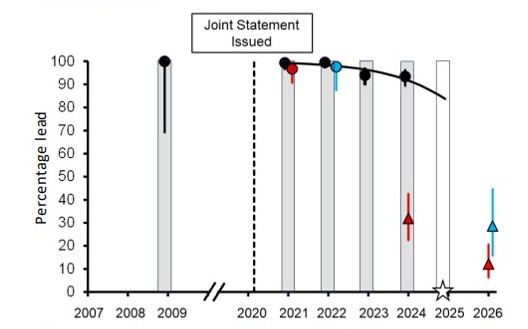
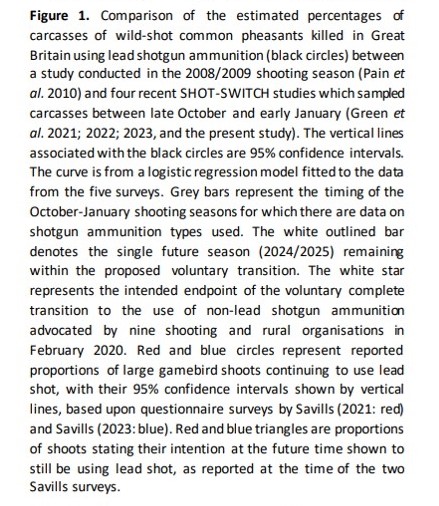
A Cambridge University-led research project called ‘SHOT-SWITCH‘ has been monitoring the progress (or not!) of this five-year voluntary transition by purchasing pheasants from supermarkets and other retailers across the UK each year and having them lab tested to determine whether they’ve been shot with toxic lead ammunition or with non-toxic ammunition.
The project is now in its fourth year. Reports on the project’s findings in the previous three years have been published in the well-regarded scientific journal Conservation Evidence:
2020/21 season results here – 99.4% of tested pheasants (n = 180) had been killed with lead ammunition.
2021/22 season results here – 99.5% of tested pheasants (n = 215) had been killed with lead ammunition.
2022/23 season results here – 94% of tested pheasants (n = 235) had been killed with lead ammunition.
Guess what? The 2023/24 season results have just been published and 93% of tested pheasants (n = 229) had been killed with lead ammunition.
It’s going well, isn’t it? In fact I’m sure I’ve read comments from the game shooting industry proclaiming ‘great progress’. Liars.
It’s interesting to see Waitrose re-stocking pheasants again this year. You might recall that twice before Waitrose has said it would no longer stock gamebirds shot with toxic lead ammunition, and twice it has been found to be doing exactly that after Wild Justice tested some of its products (see here).
This year Waitrose was very late to the game meat-selling party, only stocking its shelves in late January. And once again, according to the Shot-Switch results, Waitrose pheasants were found to contain lead shotgun pellets. What’ll be their excuse for the contamination this time? It’s just embarrassing that they can’t find a UK supplier of lead-free gamebirds, and even more embarrassing that they promote this stuff as part of the Waitrose No 1 “the very best” range. I’d hate to see their very worst range.
I note with amusement that Waitrose won Best Large Retailer of the Year at BASC’s Eat Game Awards last night. I don’t know what the judging criteria was but perhaps it included a willingness to sell game meat contaminated with poisonous lead shot whilst shouting very loudly in the other direction about toxic lead shot being unacceptable.
Waitrose selling pheasant as part of its No 1 “the very best” range in Jan 2024. Photo: Ruth Tingay
In addition to the Shot-Switch study, which examines the shot pellets found inside gamebird carcasses, over the last few years conservation campaign group Wild Justice has also been testing gamebird meat from supermarkets and other retailers to examine the level of lead found inside these birds (e.g. see here).
More samples were bought in the 2023/24 shooting season from a range of retailers and the results are expected in the next few weeks. Watch this space.
This post isn’t about raptor persecution per se, but it is about the mindset of the gamekeeping community, which is directly relevant to raptor persecution given that the majority of those convicted for killing birds of prey are from the gamekeeping industry.
For a very long time the Scottish Gamekeepers Association referred to its members as the ‘true custodians of the countryside‘ and even the ‘doctors and nurses of the countryside‘ (here). In recent years the terminology has been upgraded and now regularly references the SGA’s role in reaching ‘net zero’ and ‘biodiversity targets’. Unfortunately, the mindset of many in this industry hasn’t been upgraded to match the rhetoric, as will be so clearly demonstrated in the rest of this blog.
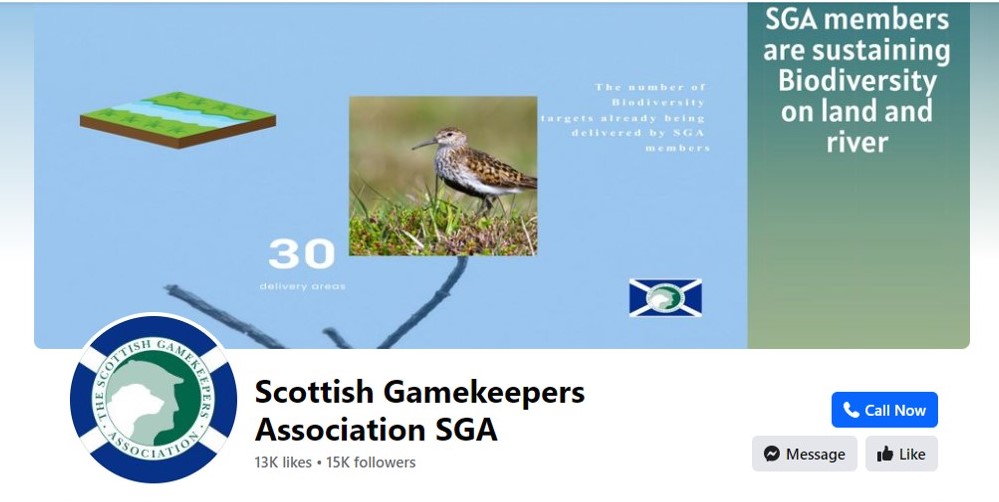
Like many organisations, the SGA engages with its members, followers and supporters on social media. Here is the SGA’s header on Facebook, claiming that “SGA members are sustaining Biodiversity on land and river“:
A couple of days ago the SGA posted a short video of a seal (I’m not sure whether its a Grey seal or a Common (Harbour) seal but no matter, both are protected species) in the River Dee and encouraged comments from its followers:
Just to be clear, it is an offence to kill either Grey or Common Seals without a licence. Under the Animals and Wildlife (Penalties, Protections and Powers) (Scotland) Act 2020, which amended the Marine Scotland Act (2010), the penalty for illegal seal shooting was increased to 12 months’ imprisonment/£40,000 fine or, on indictment, unlimited fine/5 years’ imprisonment. This legislation also removed the provision for licences to be issued to kill seals to protect fisheries.
With this information in mind, have a look at the following comments on the SGA’s post where contributors are openly calling for the illegal shooting of this seal:
With the notable exception of a couple of sensible voices, it’s a real eye opener to the appalling prevailing attitude towards (a) predators and (b) compliance with the law. Actually the intolerance towards predators is no surprise at all, but the stupidity of posting calls on a public forum to illegally shoot this seal is astonishing. I wonder how many of those inciting a wildlife crime are firearms/shotgun certificate holders?
They’d do well to heed the advice of the SGA’s legal advisor, David McKie, whose latest column in the SGA’s rag includes the recommendation to “Remember at all times be discreet in all your dealings, both private and public, particularly on social media!“.





 Raptor Persecution UK