Hen harrier ‘reintroduction’ to southern England: who’s funding it?

Yesterday we blogged (here) about the HH southern England ‘reintroduction’ project team and the proposed project timeline.

That project timeline, which was drafted in May 2016, made it clear that a funding bid was going to be made to the Heritage Lottery Fund (HLF). However, more recent documentation, released under FoI, suggests that an HLF bid may be trickier than the project team had first thought.

We know the project team was discussing a bid to the HLF right from the start. At a project team meeting in May 2016, Jeff Knott (RSPB) reported to the group that as far as the RSPB was concerned, there were no issues with the project team pursuing a separate LIFE bid for the southern reintroduction, but that extending the scope of the RSPB’s current HH LIFE project, or developing some other formal engagement between the two projects, was not possible.

In July 2016, Adrian Jowitt (Natural England) said that an HLF bid was the “preferred funding route”. However, by that time he’d also had discussions with Natural England’s external funding team to seek advice about the specific process and timescale needed for an HLF bid. He shared a document with the project team, summarising these discussions. That document can be downloaded here: natural-england-advice-on-hlf-application

This document provides the suggested timeline for an HLF bid, but what’s of more interest are the notes to the project team at the bottom of the document. Here’s what those notes say:

Because hen harriers are such a controversial subject HLF will be very wary of this bid. We will need to provide clear evidence that there is strong support from stakeholders for the project.”

AND

Our estimates of project cost [£500k] have so far focused on the ecological/practical elements. We need to consider the costs associated with the public engagement elements of the project – these may be quite considerable. Advice from the EF [external funding] team is that the total costs will be in excess of £2 million“.

Now, we know from the FoI material we’ve got, that there is mixed support for the project from various landowners / shoot managers in Wiltshire and Exmoor. It definitely can’t be described as being ‘strong support’ (more on that in another blog). Although, bear in mind that we are working from ‘old’ material – our FoI request covered documents from January 2016 to 28 November 2016. Things may well have moved on since then – we’ve submitted more FoI requests which may reveal that more landowners have since been talked around. We’ll see.

Anyway, back to the FoI material we do have – at a project team meeting in October 2016, the issue of funding was raised again. It would appear from what was discussed at that meeting that an HLF bid may no longer be the “preferred funding route”, perhaps because of the lack of support from certain landowners / shooters. Here’s what was said at that project team meeting in October:

A number of potential funding routes were discussed, including the possibility that some conservation trusts may be interested in funding this work. We agreed to postpone the decision on which funding route to pursue until the informal consultations were over and we had been able to fully gage the level of support‘.

As of November 2016, the likely success of an HLF bid looks decidedly ropey. We’ll see in due course if an HLF bid is still on the cards and if it is, many of us will be making contact with the HLF and asking the sort of questions that Mark Avery has suggested we ask (see his blog on this subject here).

Hen harrier ‘reintroduction’ to southern England: the project group & their timeline

Last week we blogged about the proposed ‘reintroduction’ of hen harriers to southern England (here), part of DEFRA’s Hen Harrier Inaction Plan.

In that blog we focused on the unpublished feasibility/scoping report that was being used to justify the project, and we highlighted various concerns about the scientific robustness of that report.

In this blog we’re discussing who’s in the project group and that group’s proposed timeline for project completion.

So, who’s in the project group? Through a series of FoIs, the following individuals/organisations have been identified:

Rob Cooke (Chair) from Natural England

Adrian Jowitt, Natural England

Ian Carter, Natural England (although Ian has since left NE and it looks like Richard Saunders has replaced him in this group)

Phillip Merricks, Hawk & Owl Trust

Jemima Parry-Jones, listed as both Hawk & Owl Trust and International Centre for Birds of Prey

Steve Redpath, Aberdeen University

Teresa Dent, GWCT

Jeff Knott, RSPB (although the RSPB withdrew support for DEFRA’s Inaction Plan in July 2016 so presumably Jeff is no longer involved with this group)

Christopher Price, Country Land & Business Assocation (CLA)

Alex Raeder, National Trust (was invited to join the group in September 2016)

In May 2016, the group produced a draft timeline for the reintroduction project. Here it is:

hh-southern-reintro-timeline

If you’re struggling to read the small font size, here is the draft timeline as a downloadable PDF: draft-hh-southern-reintro-timeline

As you can see, there’s a long way to go before any hen harriers might be released in southern England (first releases planned for 2020) and there are numerous hurdles for the project group to jump over before those releases can happen. The group has to identify suitable release sites, find some birds from donor countries, get local stakeholder support for this ‘reintroduction’, meet IUCN guidelines, and find some funding.

We’ll shortly be blogging about each of these topics, and some of what we’ve discovered through FoIs will blow your minds. Watch this space.

Notorious egg thief on the run

jeffrey-lendrumJeffrey Lendrum, a notorious international falcon egg thief, has gone on the run in Brazil and there are fears he may well turn up back in the UK this year to go after peregrine eggs.

In January 2016 Lendrum, 55, was sentenced to four and a half years in jail after being convicted of being in possession of rare falcon eggs at Sao Paulo airport, enroute from Chile to Dubai (see here). However, he had recently appealed his sentence and the Brazilian authorities released him on bail pending his appeal.

He has since disappeared.

Lendrum has a string of previous convictions for falcon egg smuggling, dating back as far as 1984 in Zimbabwe. In 2002 he was arrested in Canada for stealing peregrine and gyrfalcon eggs. In 2010 he was sentenced to 30 months imprisonment in the UK (reduced to 18 months on appeal) after being caught with 14 peregrine eggs at Birmingham Airport. He’d stolen them from nests in south Wales and was enroute to Dubai (see here).

If you’re involved with monitoring peregrine sites in the UK, keep an eye out for this face.

Ten bin bags of dead pheasants dumped under hedge in Norfolk

There’s an article on the Eastern Daily Press website today (here) about how ten black bin bags full of dead pheasants have been found dumped under a hedge on Persehall Manor Farm in Bunwell, Norfolk. The person who found them believes the birds had been shot.

Isn’t it wonderful that Natural England will now issue licences to kill buzzards (see here and here), in the name of ‘protecting’ pheasants, just so those pheasants can then be shot for fun and then dumped in bin bags to putrefy and rot. A great conservation story we can all be proud of.

It’s also worth repeating something we’ve mentioned before when another load of dumped pheasants had been found on a sporting estate in Scotland:

In a letter to the Daily Telegraph in November 2005 headed ‘Game birds for eating not dumping’, Tim Bonner of the Countryside Alliance said this:

Every bird shot in Britain goes into the food chain, whether into participants’ freezers, or through game dealers into an increasing number of supermarkets, butchers, pubs and restaurants“.

Update on the 3 shot buzzards in Somerset

Following on from today’s earlier blog about the three shot buzzards in Somerset (here), we’ve now been informed that one was shot in Somerset (Chedzoy) on New Year’s Day and died of its injuries and the other two were shot in separate incidents in Wales (locations unknown) and were transported to the RSPCA wildlife hospital in Somerset where they are undergoing treatment.

Thanks to the two blog readers who contacted us with updated info.

3 buzzards shot in separate incidents in Somerset

In the first few days of the New Year, three buzzards have been shot in separate incidents in Somerset.

Two are being treated at an RSPCA wildlife hospital but the third didn’t make it. Two men were seen shooting at this third buzzard near Chedzoy on New Year’s Day.

And this is an area where DEFRA/Natural England are planning to reintroduce hen harriers because persecution levels are considered low. Three shot birds in four days suggests otherwise.

UPDATE 17.30hrs here

Environment Committee to take evidence on annual Scottish wildlife crime report

wildlife-crime-review-2015Next week (Tuesday 10 January 2017, 9.30am) the Scottish Parliament’s Environment, Climate Change and Land Reform (ECCLR) Committee will hear evidence about the Government’s recent (2015) annual wildlife crime report.

In the past, this committee (the RACCE Committee as it was then called) has only taken evidence from Police Scotland, the Crown Office, and the Environment Minister. This year it is very encouraging to see that evidence will be heard from a wider range of stakeholders. That’s definitely progress and we applaud it.

The following are due to give evidence at next week’s hearing:

Session 1

Gary Aitken, Head of Wildlife & Environmental Crime Unit, COPFS

Assistant Chief Constable Steve Johnson & Detective Chief Superintendant Sean Scott, Police Scotland

Session 2

Eddie Palmer, Chair, Scottish Badgers

Andy Smith, Committee Member, Scottish Gamekeepers’ Association

Ian Thomson, Head of Investigations, RSPB Scotland

Peter Charleston, Conservation Wildlife Crime Officer, Bat Conservation Trust

This evidence hearing should be fascinating. You’ll remember we blogged recently about the Government’s latest wildlife crime report (here) and we were highly critical of it because, according to RSPB Scotland, a number of raptor persecution crimes had been withheld from the report. We argued that as these were confirmed crimes, and they took place over two years ago, there was simply no justification for keeping them a secret and that by withholding these data, it undermined all confidence in the report’s trend analyses and made the whole process of annual reporting nothing more than a meaningless charade. Let’s hope questions are raised about this issue on Tuesday.

You’ll also remember that we blogged about Scottish Badger’s recent complaints to the Justice Committee about how crimes against badgers were being under-recorded (see here). Scottish Badgers reported 160 confirmed badger crimes over  a period of one year, whereas Police Scotland recorded only seven crimes in the same period, and none of those proceeded to prosecution. Let’s hope this issue is also raised on Tuesday.

The ECCLR hearing will be available to watch live on Holyrood tv and we’ll post a link to it on Tuesday morning.

Electric pole shocker as buzzard deterrent is illegal

It’s been brought to our attention that the Raptor Politics website is advocating the use of something called an Electric Pole Shocker as a non-lethal method of deterring buzzards from perching around pheasant pens.

electric-pole-shocker

This device has previously been advertised for use in the USA and it’s apparent that the image and technical specifications above have simply been cut and pasted from this US website (see here).

Let’s just be clear. The use of this device in the UK would be an offence under the Wildlife & Countryside Act, section 5(1)(a): the use of “any electrical device for killing, stunning or frightening” would constitute an offence.

Hen harrier ‘reintroduction’ to southern England: the feasibility/scoping report

Back in November we blogged (here) about DEFRA’s proposed ‘reintroduction’ of hen harriers to southern England, which is part of DEFRA’s Hen Harrier InAction Plan.

We had received information, via an FoI request, that Natural England had identified two potential areas for the reintroduction – Exmoor and Wiltshire.

These two areas had been identified from a ‘project scoping’ (feasibility) report, dated 2012 and cited in DEFRA’s InAction Plan as being ‘unpublished’. We were very keen to see this scoping report and we’ve now got hold of a copy, via another FoI.

The report is called The Feasibility of Translocating Hen Harriers to Southern England, and Prioritisation of Potential Translocation Sites and Strategies. It is authored by D.J. Hodgson [Exeter University], W. Schuett [Exeter University], S.M. Redpath (Aberdeen University], S.C.F. Palmer [Aberdeen University], J.P. Heinonen [Aberdeen University], J.M.J. Travis [Aberdeen University] and R. Saunders [Natural England]. The report was written in 2012, was funded by Natural England, but for unknown reasons has never been published, which seems a bit odd for a report paid for with taxpayers’ money.

You can download it here: draft-hh-reintro-to-southern-england-feasibility-study

It makes for an interesting read. It identifies four potential release areas (Exmoor, Dartmoor, Dorset Heaths and Wiltshire), based on a series of ecological data, with the highest scoring areas being Exmoor & Wiltshire. There is also mention that Scottish birds would be the most suitable for a translocation to Exmoor (based on habitat similarities) whereas birds from the Continent would be more suitable for release in Wiltshire. (Remember, we already know that hen harriers that have been removed from grouse moors as part of the brood meddling scheme cannot be used for the southern England reintroduction project (see here) and so other donor populations need to be identified).

What is most surprising about this report is how dated the reference material is that has been used to justify the project’s feasibility, and, more pertinently, the apparent exclusion of more recent data that would throw a different light on the project’s feasibility, and we wonder whether that exclusion is deliberate. Let us explain….

The whole (presumed) premise of this project is to establish a self-sustaining population of hen harriers in southern England; a population that will be unaffected by the continued persecution of hen harriers on the grouse moors of northern England/Scotland. For this to be achievable, DEFRA/Natural England would need to be sure that the hen harriers released in southern England wouldn’t disperse to the grouse moor badlands in the north, where undoubtedly they’d be killed (illegally) and thus the southern reintroduction project would fail.

So in this feasibility report, the authors have discussed the natal dispersal of hen harriers (i.e. the distance dispersed from the natal nest to the nest of the first breeding attempt). It’s a reasonable subject to include, especially if, as in the case of this project, DEFRA/Natural England are trying to show that hen harriers will attempt to breed relatively close to any proposed release (substitute natal) site. The authors of this feasibility report have cited very short natal dispersal distances, based on the findings of Etheridge et al (1997), although they do acknowledge that there is limited evidence of greater natal dispersal distances based on more recent data. The Etheridge et al paper reported on fieldwork undertaken in Scotland between 1988 – 1995 and natal dispersal distances were assessed from wing tag re-sightings. None of the birds had been radio or satellite-tagged. Natal dispersal distances for males generally fell between 14-150km and for females, 9.5-51km. So, if you’re trying to argue that reintroduced hen harriers are likely to attempt to breed close to the release site, the Etheridge et al paper is a good one to cite.

However, since that 1997 paper was published, many, many more hen harriers have been radio and satellite-tagged (99 radio tagged 2002-2006; 47 satellite tagged 2007-2015 by Natural England according to Stephen Murphy’s presentation in Sheffield last Sept) but the RSPB has also been satellite tagging hen harriers in recent years so the totals will be higher. Natural England has yet to publish the full findings of the hen harrier tagging project (well, it’s only been 15 years since it started) but seeing as though one of the authors of the feasibility report is a Natural England employee (Richard Saunders), surely those more recent data should have been available to include in the feasibility report?

Now, it’s likely that there aren’t that many hen harriers that were radio or sat-tagged since 2002 that have survived for long enough to start a first breeding attempt, so there aren’t that many more recent data on natal dispersal that the authors could have used (there are a few birds that have survived for long enough, but not that many because most radio/sat tagged birds have been killed within the first year or so of leaving the nest (e.g. see here)).

But what we do know from the hen harriers tagged since 2002 is that juvenile dispersal  (i.e. the movements made by the young birds before they settle to breed), as opposed to natal dispersal, involves huge distances of hundreds of miles across large parts of the country, with some birds even dispersing to the Continent. It is these distances that need to be taken into account in the feasibility study, not just natal dispersal distances, because the chances are, any young birds released in to southern England will travel far and wide during the period of juvenile dispersal (probably to the grouse moors of northern England and Scotland) and so the probability of them still being alive to return to breed in southern England has to be seen as pretty slim, to say the least.

It’s all very well for the authors of the feasibility report to cite short natal dispersal distances, but to ignore the period of dispersal between fledging and first breeding attempt seems a fairly fundamental flaw, especially when the report authors have acknowledged throughout that persecution in the uplands continues to be a major issue. The authors did consider juvenile dispersal distances when they modeled population spread from southern England, but again, this was flawed because, if we’ve correctly understood the feasibility report, they only used dispersal distances from the Etheridge paper AND they assumed ‘no illegal activity’ in their modelling variables!

And it’s not just the information on dispersal that is so outdated in this feasibility report. The rest is pretty old too – the most recent reference cited in the reference list is from 2009. Sure, the feasibility report was written in 2012 but there are a lot more recent data they could have used, including the Hen Harrier Conservation Framework that was published in 2011. That Framework Report (written by Fielding et al) is the most comprehensive review on the ecological requirements and status of hen harriers (if you exclude the updated HH Framework Report that was submitted to SNH in 2013 but remains unpublished, four years on, because SNH wants to keep it a secret) so why weren’t the findings of the 2011 Framework Report incorporated in to this 2012 feasibility report?

It’s possible, of course, that we’ve misunderstood the feasibility report (and we’d be very keen to hear others opinions once you’ve had a chance to read it) but if we haven’t misunderstood it, and the feasibility report is flawed, then where does that leave DEFRA’s planned hen harrier reintroduction? It surely can’t proceed if the science used to justify the project’s feasibility is so flaky and unpublished?

We’ll be blogging more about the planned hen harrier reintroduction to southern England over the coming days, including further information about specific release sites, funding, and potential hen harrier donor populations that have been revealed via FoI.

Photo of satellite-tagged hen harrier Elwood, by Adam Fraser. Elwood ‘disappeared’ last year on a grouse moor in the Monadhliaths just a few weeks after fledging (see here).

Our year in review: July – December 2016

Our Year in Review: January – June 2016 can be found here.

Here’s part two.

JULY

An horrifically injured buzzard was found on a grouse moor in North Yorkshire (here). Illegally set traps were found on a grouse moor in the Cairngorms National Park, with a critically injured common gull found caught by its legs in two of them. We were able to establish that the grouse moor was part of the Invercauld Estate (see here and here). Invercauld Estate issued a bizarre statement, via GWCT, denying that any crime had taken place or if it had, it was probably the work of someone trying to discredit the grouse shooting industry (here). The Scottish Gamekeepers’ Association issued a statement saying they would launch their own investigation (here).

In the courts the vicarious liability prosecution against Andrew Duncan (Newlands Estate) was adjourned, again (here), as was the case against Scottish gamekeeper Stanley Gordon, accused of the alleged shooting of a hen harrier on Cabrach Estate in 2013 (here). Scottish gamekeeper Billy Dick’s appeal against his 2015 conviction for killing a buzzard was dismissed and his conviction upheld (here).

Hen harriers bred successfully on the Mar Lodge Estate in the Cairngorms National Park for the first time in decades (here) and some MSPs were taken for a ride up the Angus Glens (here) where presumably they weren’t shown how to light exploding banger ropes (here).

Glanusk Estate issued two statements (here and here) trying to downplay the mass poisoning of raptors that had taken place there in 2012/2013, and after a series of FoIs we learned that there would be no subsidy withdrawal by Rural Payments Wales as a result of this crime, the most significant wildlife poisoning incident ever recorded in Wales and the 2nd biggest recorded in the UK for 40 years (here).

Working with Chris Packham, Mark Avery and a crack film crew, we began to publish a series of videos aimed at educating the general public about driven grouse shooting. In the first video, Chris had a message for retailer Marks and Spencer about the unsustainability and toxicity of red grouse (here). The grouse-shooting industry reacted to this video with furious outrage (here, here) and accused Chris of ‘celebrity bullying’ and then set about on (another) campaign to have him removed from the BBC.

In Scotland the Scottish Raptor Study Group launched a petition calling for the Government to introduce a licensing scheme for all gamebird hunting (see here) and in England, the Government’s conservation agency Natural England issued a licence to a gamekeeper allowing him to kill buzzards to protect pheasants (here).

The RSPB grew a pair and announced the very welcome news that they were withdrawing their support for DEFRA’s Hen Harrier Inaction Plan due to the ongoing incidents of raptor persecution (see here). The grouse shooting industry reacted with comical aplomb (here).

North Yorkshire Police did the decent thing and admitted they’d made a mistake by not charging the pole-trapping gamekeeper from Mossdale Estate (see here). They said they’d used the wrong guidelines but had now revised their procedures.

We blogged about the Bowland Brewery in Lancashire, who were supporting the RSPB’s Hen Harrier conservation efforts but as a result had become the victims of a vile and vicious online hate campaign by some within the grouse shooting industry (see here). This backfired spectacularly when the general public, in support of the brewery, bought up ‘hen harrier’ beer by the caseload.

AUGUST

A buzzard was shot dead in Richmondshire, North Yorkshire (here), a buzzard was poisoned in Ayrshire (here), and satellite-tagged hen harrier ‘Elwood’ ‘disappeared’ on a grouse moor in the Monadhliaths just a few weeks after fledging (here).

The RSPB reported that 8 young satellite-tagged golden eagles had ‘disappeared’ in the Monadhliaths in the last five years, including three this year (see here). We updated our ongoing eagle death blog to: 40 eagles, 10 years, 0 prosecutions. In response to the news of these latest eight ‘missing’ golden eagles, Environment Cabinet Secretary Roseanna Cunningham ordered a review of all golden eagle satellite tag data to ‘look for patterns of suspicious activity’ (see here). This review was later upgraded to include data from hen harriers and red kites (here) following the ‘disappearance’ of hen harrier Elwood.

The grouse shooting industry tried to explain away these ‘disappearances’ with a number of desperately implausible excuses. First it was non-existent windfarms (here), then it was claimed ‘bird activists’ were responsible as part of a smear campaign against driven grouse shooting (here, here). But best of all was the claim by the Scottish Countryside Alliance of ‘faulty tags’. The SCA published a statement that claimed scientific research had shown that ‘tag failure rates could be as high as 49%’. We managed to track down this scientific research and discovered it referred to satellite tags that had been fitted to Olive Ridley turtles off the coast of India, where a saltwater switch was a known problem (see here).

In the courts a December trial date was eventually set (here) in the vicarious liability prosecution of Andrew Duncan (Newlands Estate). The case was continued against Scottish gamekeeper Stanley Gordon, accused of the alleged shooting of a hen harrier on Cabrach Estate in 2013 (here).

We were able to reveal the location of a coordinated hunt and shooting of a hen harrier in 2013 – turns out to have taken place in Glen Gairn, on the border between Invercauld and Dinnet Estates in the Cairngorms National Park (here), not a million miles away from where the illegal traps had been discovered at Invercauld earlier this summer. And on that subject, Police Scotland issued a vague statement about what had been found at Invercauld (here).

Hen Harrier Day took place for the third year running with events across the UK (here) and the following week, Mark Avery’s e-petition to ban driven grouse shooting passed 100,000 signatures (here), the amount needed to trigger a parliamentary debate at Westminster.

The harassment and intimidation campaign against one of our bloggers continued when her mobile number was published by someone in the grouse shooting industry, resulting in threatening text messages being sent in the middle of the night (here).

The Scottish petition calling on the Government to introduce a licensing scheme for gamebird hunting came to a close and was submitted to the Public Petitions Committee (here), and Marks and Spencer announced that they had abandoned grouse sales again (here).

After a series of FoIs, more detail emerged about the individual licences that SNH had issued to Raeshaw Estate to allow the estate gamekeepers to continue their trapping/killing activities as though the General Licence restriction order didn’t even exist (see here), and Natural England revealed that their licensing policies relied on a flawed assumption that gamekeepers don’t illegally kill raptors (here).

We lost a good friend, Richard Evans (here).

SEPTEMBER

A young peregrine was shot in Devon (here), 3 poisoned buzzards were found in Ireland (here), a peregrine was found shot shot next to a grouse moor in the Peak District National Park (here) and a shot marsh harrier was found next to a pheasant pen on the Sledmere Estate in East Yorkshire (here).

Young satellite-tagged hen harrier ‘Brian’ ‘disappeared’ in the Cairngorms National Park (here). The Environment Cabinet Secretary Roseanna Cunningham issued a bland holding statement in response, and the Cairngorms National Park Authority published a non-statement that wasn’t worth the paper it was written on (here).

We blogged about the long-term persecution of raptors in the Cairngorms National Park (here) and suggested ways of how to bring it to an end (here). The CNPA convener issued a statement of the bleedin’ obvious when he said ‘raptor persecution in the Cairngorms National Park was a PR disaster’ (here).

In the courts a December trial date was set for Scottish gamekeeper Stanley Gordon, accused of the alleged shooting of a hen harrier on Cabrach Estate in 2013 (here) and a November hearing date was set for Raeshaw Estate’s ongoing judicial review of SNH’s decision to impose a General Licence restriction (here).

A raptor conference took place in Sheffield with Angela Smith MP saying that illegal raptor persecution has to stop (here) and Philip Merricks of the Hawk & Owl Trust saying…..well, we’re not sure what he said (here).

Sticking with Philip Merricks, we had asked whether the HoT would remove itself from the hen harrier brood meddling plan in light of the pole-trapping crimes uncovered on Mossdale Estate – it turned out that the Hawk & Owl Trust’s ‘immoveable provisos’ were actually moveable after all (here). Rod Leslie, a prominent member of the HoT sent an open letter to Philip Merricks advising him to get his act together if he wanted to save the Trust’s reputation (here).

The Heads up for Hen Harriers charade continued (here) and we learned that tackling raptor persecution featured in the Scottish Government’s 2016-2017 work plan (here).

Compelling evidence on the reliability of satellite tags (94%!) was provided by a researcher involved with the long-term sat tagging of Montagu’s harriers (here).

The BBC stuck two fingers up to the nasty brigade when they ruled that Chris Packham’s involvement in the ban driven grouse shooting campaign had not breached any BBC regulations (here).

It emerged that the Royal family was using soldiers to work as private beaters on a driven grouse moor in the Cairngorms National Park (here) and after a series of FoIs, we discovered that Invercauld Estate had taken ‘action’ in relation to the illegally set traps that had been discovered on their grouse moor in the summer. However, the details of that ‘action’ were not made public – it was a closely guarded secret between Invercauld Estate, the Cairngorms National Park Authority and the Scottish Government (here).

We reached the two year anniversary of the Scottish Government’s consultation on increased powers for the SSPCA and still a decision hadn’t been made (here).

OCTOBER

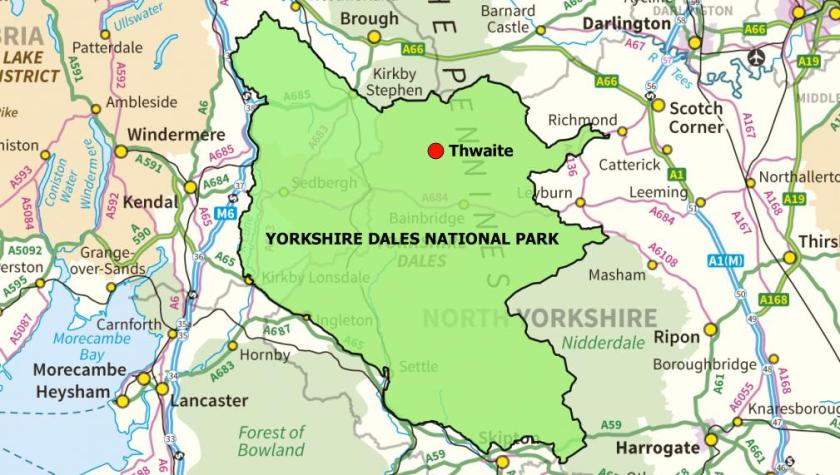
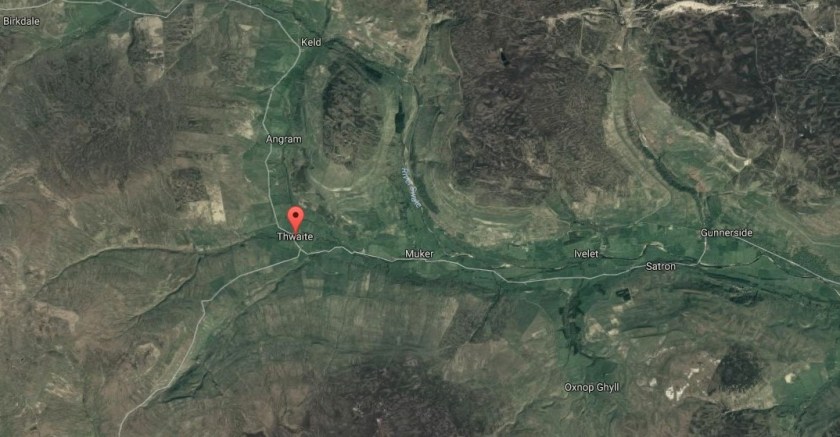
Satellite-tagged hen harrier ‘Rowan’ was found dead in suspicious circumstances in the Yorkshire Dales National Park (here), a buzzard was found with shotgun injuries near Thirsk, North Yorkshire (here), a peregrine was found shot dead in the Yorkshire Dales National Park (here) and a baited pole trap was found set next to a pheasant pen in Devon (here).

Satellite-tagged hen harrier ‘Hermione’ was found on Mull but the death was not thought to be suspicious (here).

There was extensive fire damage at Moy Estate after the heather had been treated to a ‘hair cut’ (here, here) and an investigation by Friends of the Earth revealed that driven grouse shooting was costing the taxpayer millions of pounds (here).

RSPB Scotland denounced SNH’s General Licence restriction on Raeshaw Estate as ‘farcical’ (here) and we exposed the partnership-working sham of SNH’s Heads up for Hen Harriers scheme (here).

Mossdale Estate in the Yorkshire Dales National Park came under fire from local residents (here).

A new report showed that the illegal persecution of red kites in northern Scotland was at the same level as it was 25 years ago (here) but another report suggested a bright future for white-tailed eagles in western Scotland (here).

Members of the Scottish Raptor Study Group gave compelling evidence on raptor persecution to the Public Petitions Committee at Holyrood (here) and we wrote a review blog about mountain hare massacres on Scottish grouse moors as charity OneKind announced a public protest would take place at Holyrood in November against mountain hare culling (here).

An evidence session on the issue of driven grouse shooting took place at Westminster (here, here) in preparation for the debate at the end of the month, and we also reviewed the written evidence that had been published in advance on the Parliamentary website (here).

Chris Packham received an Outstanding Achievement Award (a ‘Green Oscar’) at the 2016 Wildscreen Festival (here) and we paid tribute to Mark Avery on the eve of the Westminster debate on driven grouse shooting (here).

NOVEMBER

Satellite-tagged hen harrier ‘Tarras’ ‘disappeared’ in the Peak District National Park (here), Cumbria Police issued a vague statement saying that satellite-tagged hen harrier ‘Rowan’, whose body had been found in the Yorkshire Dales National Park last month, was ‘likely to have been shot’ (here). This is yet another cover up and we’ll be blogging about it in the New Year.

The shot marsh harrier that had been found next to a pheasant pen on the Sledmere Estate, East Yorkshire in September was successfully rehabbed and released back to the wild by Jean Thorpe (here).

In court the vicarious liability prosecution against Andrew Duncan (Newlands Estate) continued to drag on, with the December trial date now dumped and the case was continued (see here, here). The case was also continued against Scottish gamekeeper Stanley Gordon, accused of the alleged shooting of a hen harrier on Cabrach Estate in 2013 (here).

We blogged about the Westminster debate on grouse shooting which had descended in to a pantomime with more than its fair share of comedy villains (here) and contrasted the performance with a debate in Holyrood where a series of MSPs stood up to speak with sincerity about being Species Champions (here).

The results of the 2015 national golden eagle survey showed an increase in the overall population but it was revealed that the species is still ‘missing’ from many driven grouse moors in the Eastern Highlands (here).

The 2014 annual report on wildlife crime in Northern Ireland was published (here), as was an annual report on wildlife crime in Scotland, although raptor persecution data was deliberately withheld from the Scottish report, for unknown reasons (here).

Mull Eagle Watch won another award (here) and we were told that the Scottish Government’s commissioned review on gamebird hunting licensing systems in Europe would be published shortly (here).

More Parliamentary Questions on mountain hare culling were posed by another MSP from the Scottish Greens (Alison Johnstone), and the Cabinet Secretary responded by saying that ‘more evidence’ was required before mountain hare culls would be regulated (here).

Meanwhile, OneKind held a successful protest rally at Holyrood against mountain hare culling and we revealed that a Cairngorms National Park board member had told Scottish gamekeepers to literally ‘cover up’ dead mountain hares so that embarrassing photographs couldn’t find their way on to social media (here). This cover up was later denied, rather unconvincingly (here).

A series of FoIs revealed what DEFRA’s hen harrier brood meddling team had got planned (here, here, here, here) as well as a little bit about the proposed ‘reintroduction’ of hen harriers to southern England (here). We’ve since got some more FoI responses on this that we’ll blog about in the New Year.

DECEMBER

Satellite-tagged hen harrier ‘Beater’ was ‘lost, presumed dead (here).

An RSPB Investigations blog revealed that in 2015 a gamekeeper had been filmed with a poisons cache on the East Arkengarthdale Estate, next to the Yorkshire Dales National Park. The CPS had decided not to prosecute but North Yorkshire Police revoked his firearms certificates. The gamekeeper appealed this decision and the judge reinstated this man’s firearms, even though it was accepted in court that he had indeed been involved with the illegal poisons cache (here). We asked some questions of the grouse shooting community about this case (here) – yet to receive a response. We also asked some questions about a potential subsidy penalty for this estate (see here) – we’ll be following up on this in the New Year.

arken

Also in the courts this month, yet another trial date was set for Andrew Duncan (vicarious liability prosecution) – the third time a trial date has been set for this case. It is now due to take place in April 2017 (see here). Stanley Gordon’s trial date was also dumped – the case has been continued until Feb 2017 (here). And yet another trial date was set in the case against Angus Glens gamekeeper Craig Graham – now scheduled to take place in May 2017 (here).

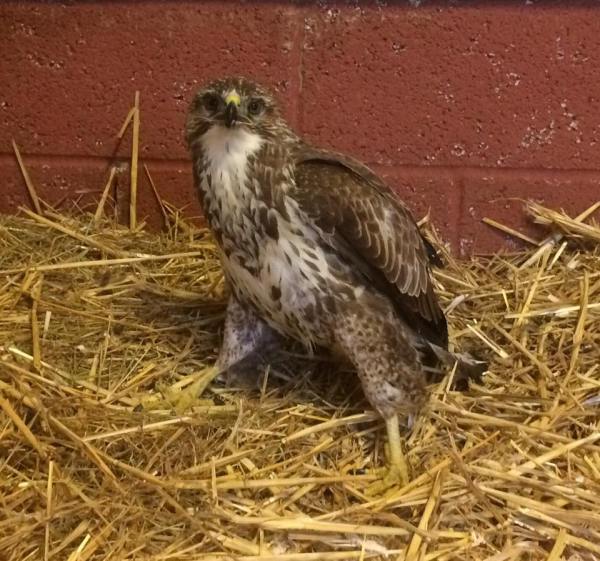
The buzzard that had been found in October with shotgun injuries near Thirsk, North Yorkshire, was successfully rehabbed and returned to the wild by Jean Thorpe (here).

We raised more questions about the Invercauld Estate illegal traps fiasco (here) – there appears to be something dodgy going on here and we intend to revisit this in the New Year.

RSPB Scotland denounced SNH’s general Licence system as a cover for the illegal destruction of birds of prey (here) and we learned that Scottish gamekeepers want to see white-tailed eagles, red kites, buzzards, sparrowhawks and ravens added to the list of species that can be killed under the remit of a General Licence (see here).

The Scottish Moorland Group and BASC ducked and dodged some awkward questions when they appeared in front of the Public Petitions Committee who are considering a petition to introduce licensing for gamebird hunting in Scotland (here).

We were told that giant buzzards are eating dogs in Tipperary (here) but even this unbelievable nonsense was eclipsed by the Gift of Grouse who claimed that ‘raptors are thriving on driven grouse moors (here). RSPB Scotland responded by dismissing it as ‘risible, make-believe tosh’ (here).

The Gift of Grouse propaganda machine was further exposed when a report was finally published about the breeding status of birds on Invermark Estate – it turned out that that the claims made by the Gift of Grouse weren’t true after all (see here) – who’d have guessed?

We published (much to the SGA’s annoyance) the minutes of a meeting between the Cairngorms National Park Authority and the Scottish Gamekeepers’ Association, which provide an endless source of entertainment (here).

The Scottish Justice Committee is examining the performance of the Crown Office & Procurator Fiscal Service and heard damning evidence from Scottish Environment LINK about questionable procedures (here).

Mark Avery won Birdwatch magazine’s Conservation Hero of the Year Award (here).

The Scottish Greens continued to ask excellent Parliamentary Questions when it was discovered that VisitScotland would be match funding a marketing campaign for Scottish country sports. Andy Wightman MSP asked whether public money would be given to landowners or managers where wildlife crime had been uncovered (here). We also raised the point that the partner agency in this scheme (Scottish Country Sports Tourism Group) was actively promoting a convicted wildlife criminal on its website and questioned why this group was afforded a Parliamentary reception (here).

It’s been an eventful year. Thanks for all your support!