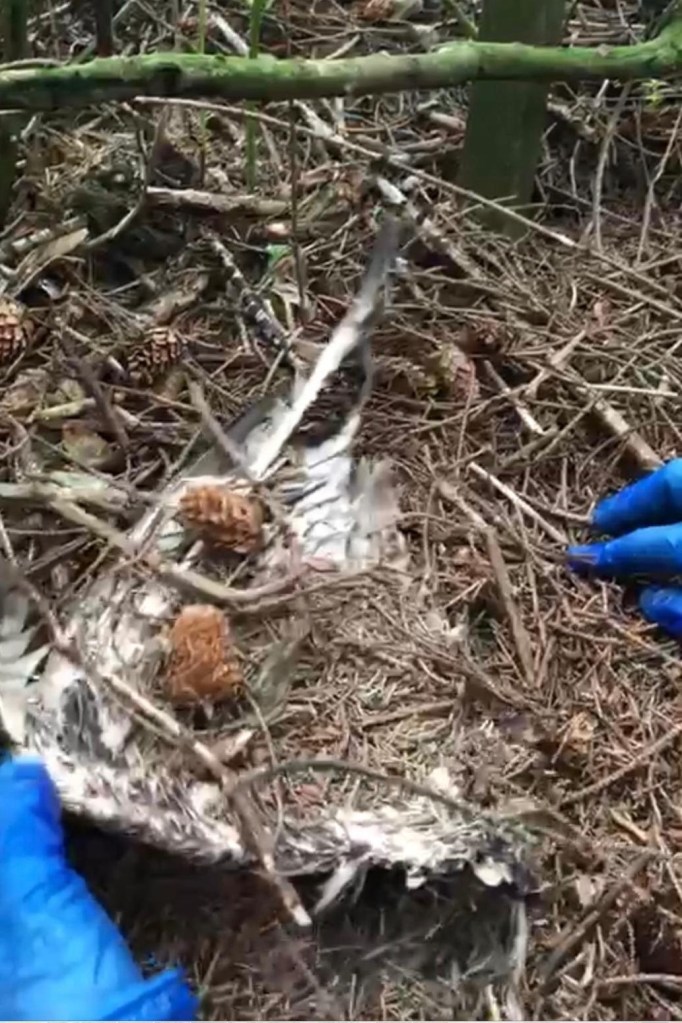
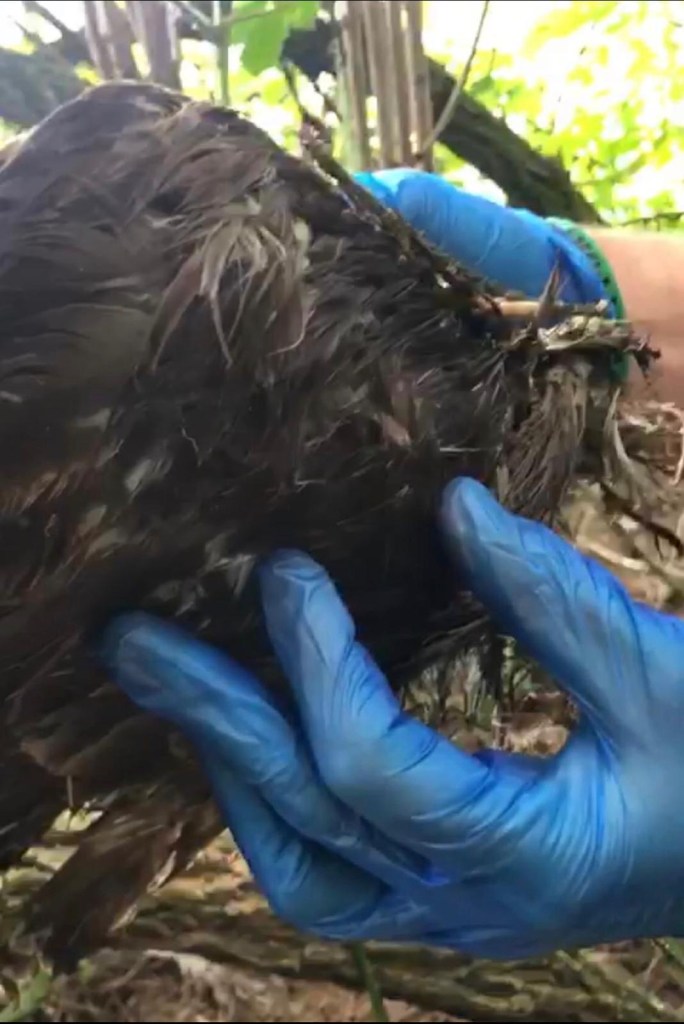
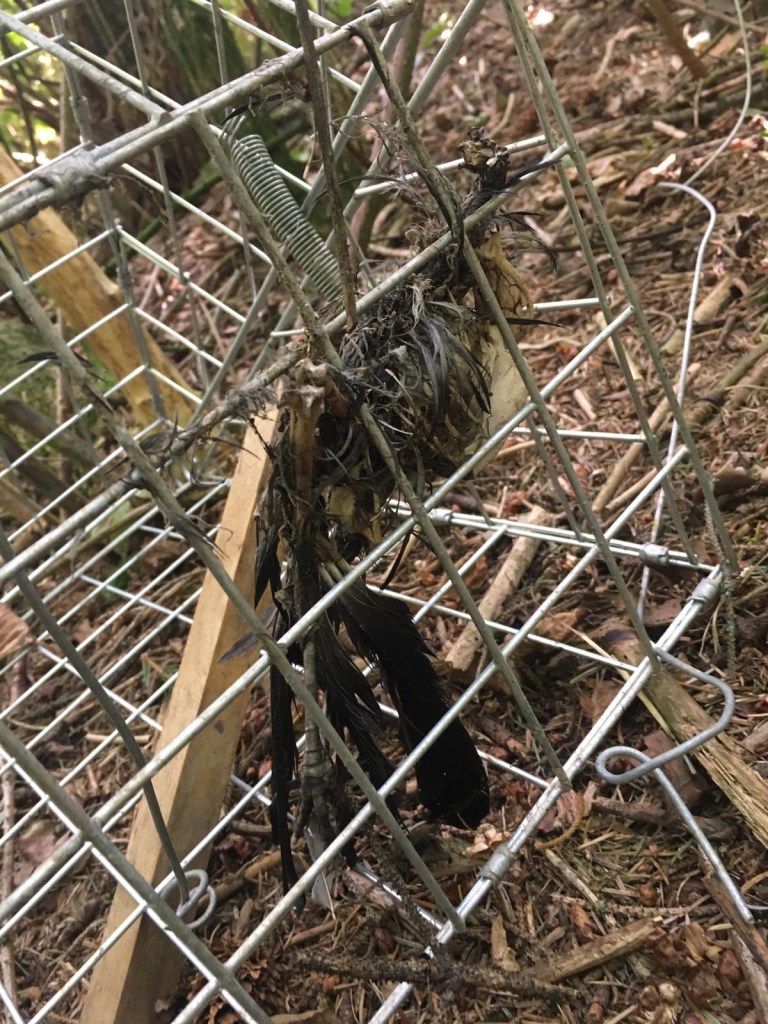
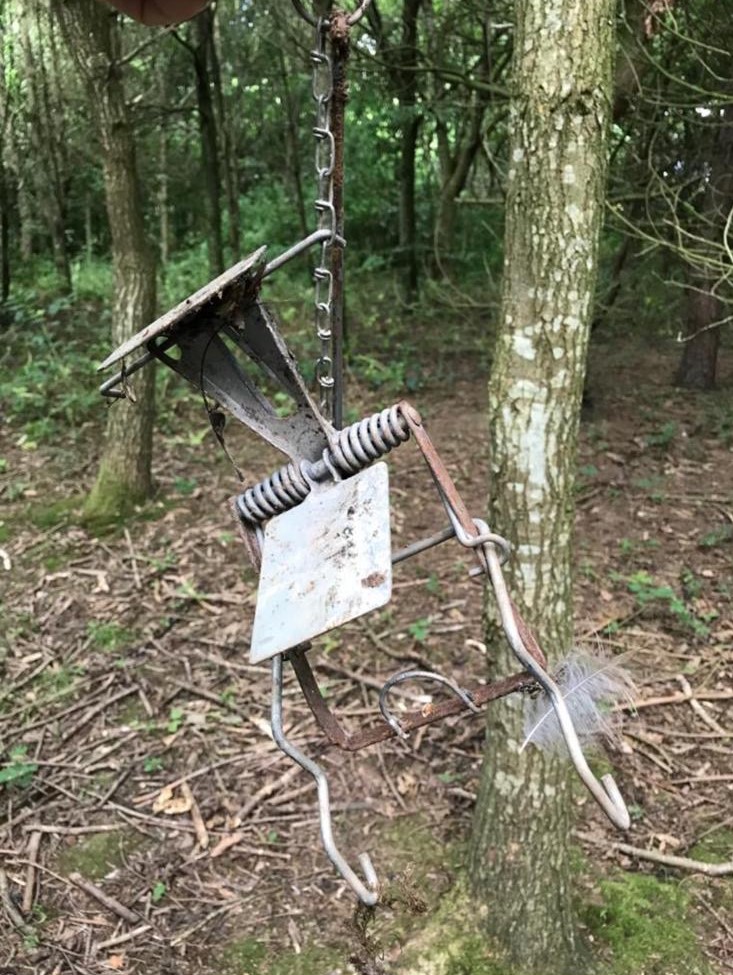
New report suggests up to quarter of a million animals killed in traps & snares on Scottish grouse moors each year

Press release from League Against Cruel Sports (Scotland), 13th August 2020

Shocking new statistics show up to 260,000 animals killed each year on Scottish shooting estates to increase the number of grouse to be shot for ‘sport’

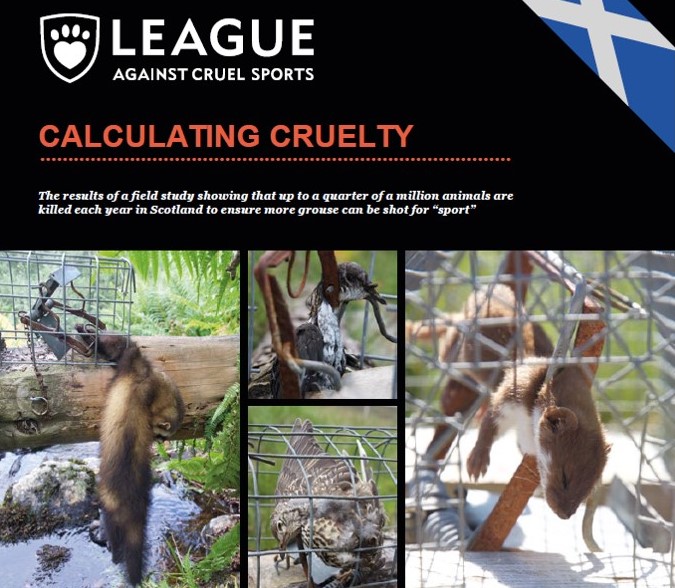
Charity publishes ‘Calculating Cruelty’, a field study of Scotland’s hidden shame

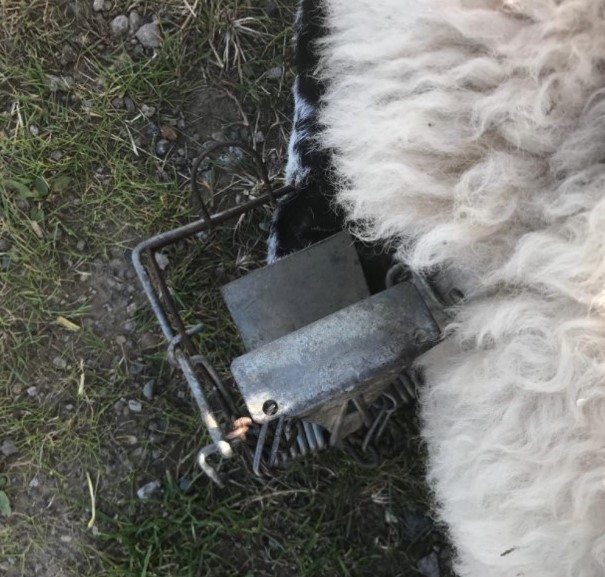
  • 57,000 killing devices deployed each day in Scotland representing the equivalent of over 10,000,000 active trapping and snaring days per year.
  • Up to a quarter of a million animals are killed each year in an attempt to totally eradicate foxes, stoats, weasels and crows to increase the number of grouse.
  • Nearly half of the animals killed are non target species such as hedgehogs, dippers and mistle thrush.

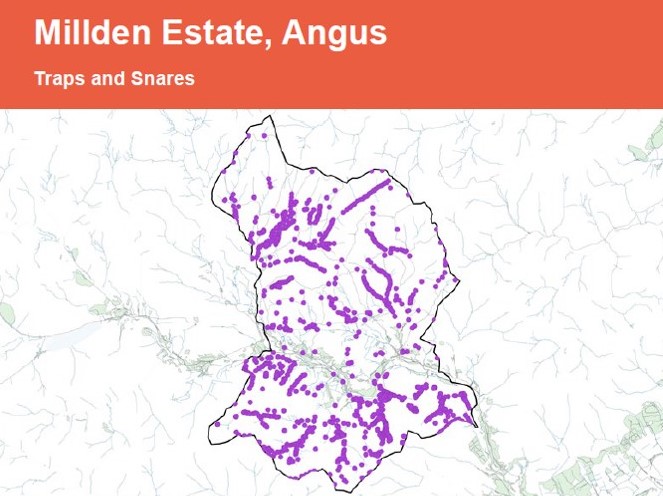
The League Against Cruel Sports Scotland has published the most comprehensive and robust field study of ground predator control on Scotland’s shooting estates. Over 15 months, an independent surveyor mapped the location and frequency of traps and snares set on seven shooting estates to calculate the true extent of animal killing as a result of predator control to sustain the driven grouse shooting industry.

Analysis of the survey data by a leading scientist concludes that up to a quarter of a million animals are killed every year to maintain high numbers of grouse for sport shooting, with nearly half of these non target species. The study also found that failure to comply with existing codes of practice is widespread on Scottish grouse moors, and that best practice guidelines produced by professional organisations that represent the shooting industry appear to serve little useful function.

Robbie Marsland, Director of the League Against Cruel Sports, Scotland said: “These figures have shocked and appalled us. This is the most comprehensive, quantitative study of predator control giving an illustration of the grim reality of Scotland’s grouse moors, where up to a quarter of a million animals are simply wiped out to ensure grouse numbers are kept artificially high.

Our report ‘Calculating Cruelty’ leaves us in absolutely no doubt that managing such large parts of Scottish moorland for an industry which makes a woefully low contribution to the economy is entirely misguided and outdated.

Between June 2018 and September 2019 a surveyor, with over 20 years experience of game management recorded the scale, distribution and use of legal grouse moor management equipment and practices. Using the Scottish right to responsible access, the estates were walked and all ground was viewed so that the items being specifically surveyed were likely to be found. All ground was covered at least once with all tracks and watercourses checked carefully. The estates surveyed were had various intensities of management practices, and included:

● Millden Estate, Angus

● Tillypronie Estate, Aberdeenshire

● Glenmazeran Estate, Inverness-shire

● Easter Clunes, Inverness-shire

● Kildrummy Estate, Aberdeenshire

● Invermark Estate, Angus

● Skibo Estate, Sutherland

The survey was carried out without the estates being notified so that the data were not biased by management practises changing as a result of the survey and no legally set trap or snare was interfered with in any way. This is the first time that such a widespread and detailed survey of estates has been undertaken.

The report published by the League, is part of a series of reports by the various partners of Revive, the coalition for grouse moor reform, a campaign group bringing together social justice, environmental and animal welfare organisations. Since its inception in 2018 Revive has shone the spotlight on the circle of destruction surrounding driven grouse moors, campaigning for their radical reform.

Robbie Marsland added: “The enormity of the figures produced by the data in this report is simply staggering. The League and our partners in Revive, the coalition for grouse moor reform think it is unconscionable to kill any animal, let alone up to a quarter of a million, to ensure that hundreds of thousands of grouse can then be shot for ‘sport’.

Driven grouse shooting is surrounded by a circle of destruction which is Scotland’s hidden shame. This cruelty and willful disregard for the environment and our wildlife needs to stop once and for all starting with a complete ban on all snares and traps.

ENDS

The League has published two new reports, ‘Calculating Cruelty’ and ‘Hanged by the Feet until Dead’, both of which can be downloaded below:

Calculating Cruelty

Hanged by the Feet until Dead

A copy of both reports has been sent to every MSP in the Scottish Parliament.

There is also a short video highlighting the key findings of this study:

38 Degrees has launched a new petition, ‘Stop grouse shooting’s war on wildlife‘ which can be signed HERE

There has been the usual criticism of these two reports by the game shooting industry although so far this criticism appears to be focused on personal and defamatory abuse of one of the report’s lead author Professor Stephen Harris rather than any criticism of substance about the reports’ actual findings. This is what we’ve all come to expect – anybody who dares try to shine a light on the murky practices of this industry immediately becomes a target and attempts are made to smear, distort, misrepresent and undermine that person’s professional and personal integrity.

Read the reports for yourselves, look at the eye-watering number of traps recorded on some of these estates and judge for yourselves whether this level of intensive and largely unsupervised slaughter of wildlife, to facilitate a ‘sport’, is acceptable in modern Scotland.

You’ll notice Millden Estate in the Angus Glens was one of the seven estates surveyed, and also reported as the most intensively-managed of all seven. That won’t be a surprise to many readers as this area has been accurately described by Chris Townsend as ‘savaged, stripped and blasted land’ (see here for some shocking photos).

Millden has featured on RPUK many times and readers may recall the most recent Millden blog – last October there was a huge multi-agency raid for suspected animal fighting and during that raid a number of dead raptors were also discovered and as a result a gamekeeper was suspended (see here, here and here).

We understand that cases are progressing on the animal fighting allegations as a result of the SSPCA investigation but it is not known whether any of the wildlife crime allegations are progressing – these are apparently being investigated by Police Scotland.

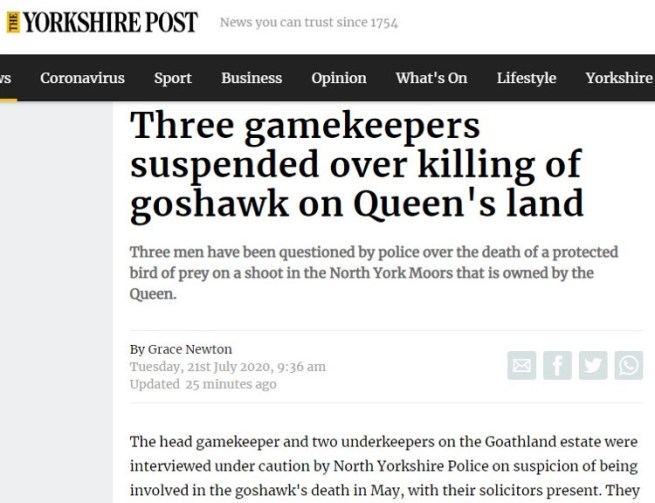
Three gamekeepers suspended from Queen’s grouse moor after wildlife crime investigation

Following the news that a goshawk was recently trapped and apparently killed by a masked individual on the Queen’s grouse moor in North Yorkshire (see here and here), the Yorkshire Post is claiming that three gamekeepers were suspended.

According to the article, the Head gamekeeper and two underkeepers were suspended after being interviewed by North Yorkshire Police in relation to the alleged killing of the goshawk. Two have since been reinstated while the third one has been allowed to resign, and apparently allowed to work his notice period before he went!

The police investigation continues as officers await forensic results from items seized during a search of the estate.

Full article in the Yorkshire Post available here

Wildlife killed in illegally-set trap and snares in south Scotland

Press release from Scottish SPCA (17 July 2020)

Scottish SPCA raise concerns after animals die suffering in illegal snares and traps

The Scottish SPCA is appealing for information after being alerted to deceased animals caught in illegal snares and traps over the last month.

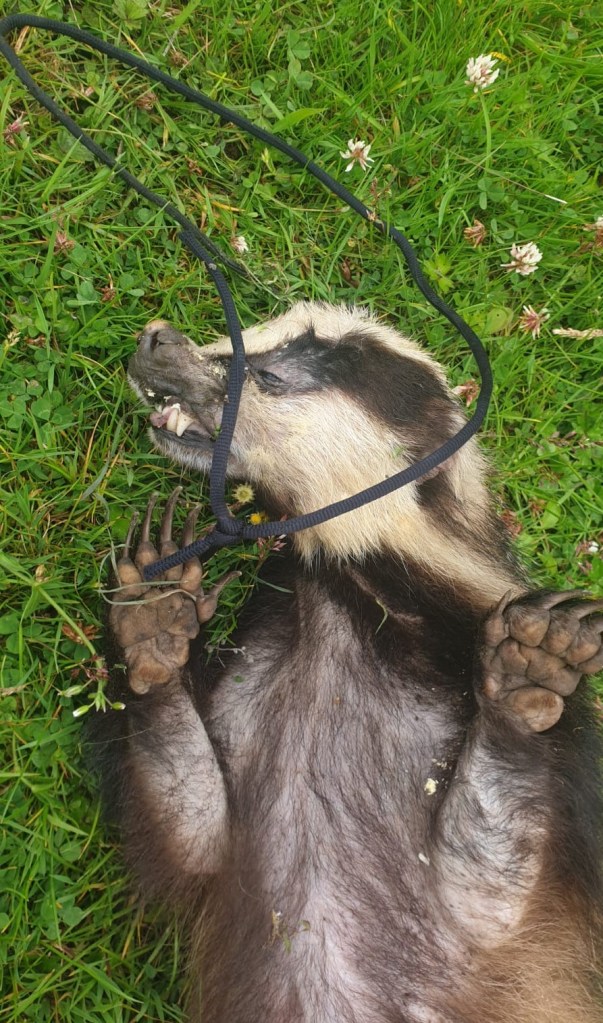
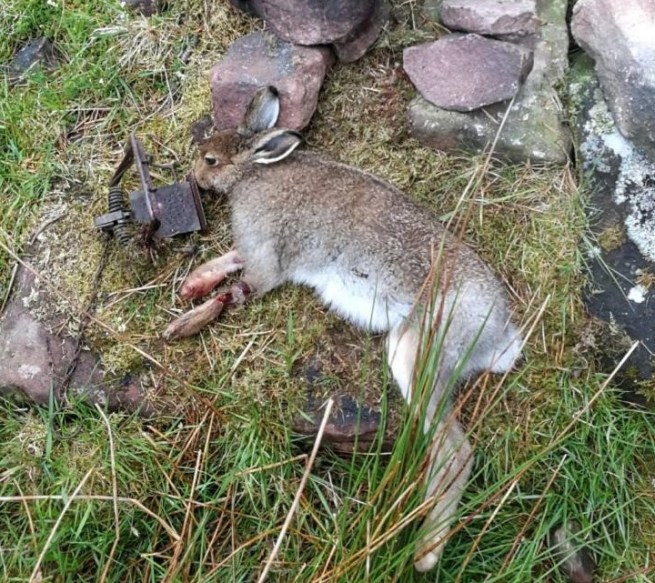
The Society’s special investigations unit was alerted to two incidents of badgers in illegal snares in North Lanarkshire since 5 July and a hare was discovered trapped in a spring trap in the Pentland Hills on 18 June.

From 2018 to 2019, the charity dealt with almost 60 incidents involving animals caught in snares and traps. The majority of these animals were dead on arrival.

Scotland’s animal welfare charity supports an outright ban on all snares due to the level of suffering an animal is caused.

The snares that killed the badgers were illegal as both had been set on a fence line. This is unlawful due to the risk of an animal trapped being wholly or partially suspended which can lead to severe unnecessary suffering. The snares also did not have a ‘stop’ which does not allow the device to tighten after a certain point. All snares are legally required to have an identification tag but this was absent on both devices. The snare in Motherwell was made out of nylon which is an illegal material for use in snares.

The hare was caught in an outdated spring trap which became illegal for use on non-target animals in April 2020. Trap operators should be aware of the recent change in legislation that dictates which traps are legal and which traps are no longer approved. This particular trap was unapproved and was not legal in the circumstances in which it was used.

Scottish SPCA special investigations inspector, who cannot be named due to undercover operations, said:

Snare and trap operators must check on the device every 24-hours and this was not the case in these incidents.

These animals were caused unimaginable physical and mental anguish being caught in these traps. The creatures will have experienced slow and agonising deaths. The level of suffering they would have felt is unimaginable.

The badger in Airdrie had been dead for two or three months and in Motherwell, the animal had been deceased for over 24 hours.

The badgers must have passed under the fence and become caught in the snare. One under its front legs and the other around its neck. Both animals must have panicked and this caused the snare to constrict them further and further.

The hare was found in the Pentland Hills near Balerno trapped by its front leg. By the time we found it, the leg had almost been severed due to the amount of struggle and fight put up by the animal.

These areas are popular with dog walkers so we would ask that anyone with pets in the areas are vigilant. Snares and traps are indiscriminate and domestic animals such as dogs and cats can also be caught in them. It is illegal for anyone to tamper with a legally set snare or trap so we would ask the public not to attempt this. If someone suspects a device is set illegally then they should contact us immediately.

We’ve been working closely with our partners at Police Scotland on these wildlife crimes and both agencies are keen to find those responsible.

We’d also like to thank the owners of the land in Airdrie, Premier Woodlands, who have been fully cooperative and are keen to find those responsible.

If anyone has any information on whoever may have set these snares or traps or if anyone finds what they believe to be an illegal item, we would urge them to phone our animal helpline immediately on 03000 999 999. All calls can be treated confidentially.”

ENDS

Queen’s North Yorkshire grouse moor named at centre of police investigation

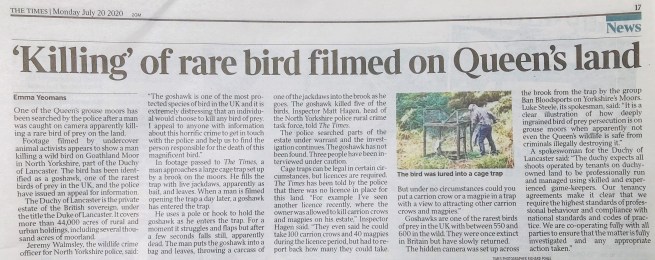
Further to last week’s news that North Yorkshire Police were appealing for information after the alleged killing of a goshawk that was caught inside a trap on a grouse moor in the North York Moors National Park (see here), the location has now been revealed to be one of the Queen’s grouse moors, part of the Duchy of Lancaster, according to an article in The Times today.

It’s reported that ‘the Duchy of Lancaster is the private estate of the British sovereign, under the title the Duke of Lancaster. It covers more than 44,000 acres of rural and urban holdings, including several thousand acres of moorland‘.

The video footage of the goshawk caught in the trap is described:

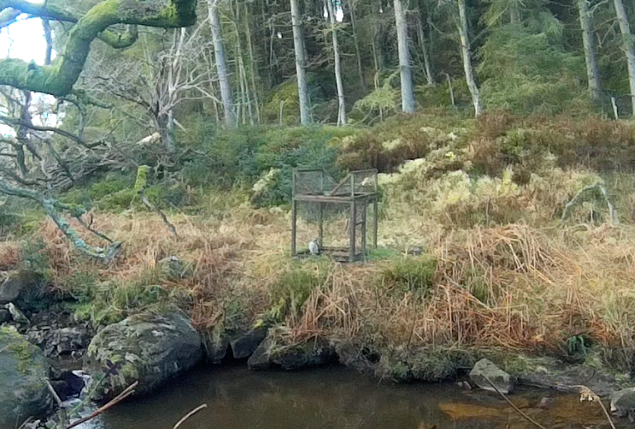
A man approaches a large cage trap set up by a brook on the moors. He fills the trap with live jackdaws, apparently as bait, and leaves. When a man is filmed opening the trap a day later, a goshawk has entered the trap.

He uses a pole or hook to hold the goshawk as he enters the trap. For a moment it struggles and flaps but after a few seconds falls still, apparently dead. The man puts the goshawk into a bag and leaves, throwing a carcass of one of the jackdaws into the brook as he goes. The goshawk killed five of the birds, Inspector Matt Hagen, head of North Yorkshire Police Rural Task Force told The Times.’

North Yorkshire Police have searched part of the estate under warrant and interviewed three individuals under caution. The investigation is ongoing.

We understand there is a sporting agent on this estate and it’s a name we’ve heard many times before.

This isn’t the first time that a royal estate has been at the centre of a police investigation about goshawks – see here for a very mysterious story from the Queen’s Sandringham Estate in Norfolk a couple of years ago.

Police appeal after goshawk killed on grouse-shooting estate in North York Moors National Park

Press release from North Yorkshire Police (15 July 2020)

Police appeal for information after goshawk killed near Goathland

North Yorkshire Police is appealing for information about an incident in which a goshawk appeared to be killed after becoming caught in a cage trap.

Video footage, which was passed on to North Yorkshire Police, shows the bird becoming caught in the trap in the early hours of 2 May 2020. Shortly afterwards, an individual with their face obscured is seen entering the trap and appears to deliberately kill the bird before removing the body in a bag.

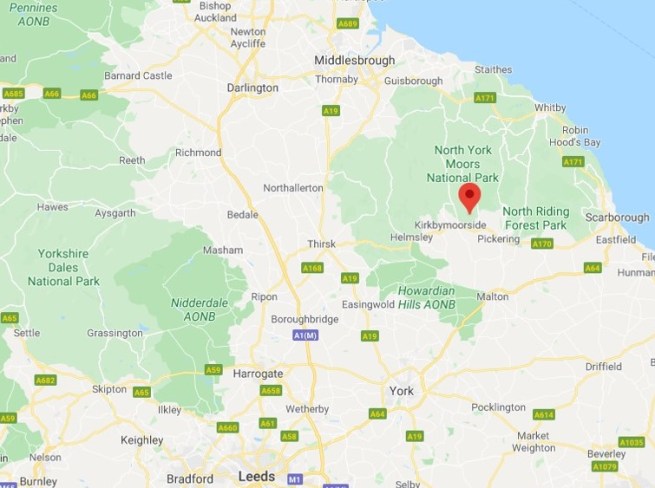
The trap was located on Howl Dale Moor near Goathland in the North York Moors National Park.

[The goshawk trapped inside the cage trap prior to being killed, photo via North Yorkshire Police]

North Yorkshire Police Wildlife Crime Officer, Jeremy Walmsley, is urging anyone with information to come forward:

The goshawk is one of the most protected species of bird in the UK and it is extremely distressing that an individual would choose to kill any bird of prey. I appeal to anyone with information about this horrific crime to get in touch with the police and help us to find the person responsible for the death of this magnificent bird.

We see far too many incidents of birds of prey killed or injured in North Yorkshire and as a police force we are doing all we can to put a stop to this inhumane and callous crime.”

Andy Wilson, Chief Executive of the North York Moors National Park Authority said:

We are deeply saddened to hear about this incident. Goshawks were persecuted to extinction in the UK in the late 19th century and, despite an improvement in numbers, persecution and habitat loss remain a constant threat to their survival.

Killing or injuring a bird of prey is illegal, cruel and must be prosecuted wherever possible. We are working alongside the police to support them in their investigations and we would strongly urge any witnesses or anyone who has any information to come forward. With your help the offender(s) can be brought to justice.”

A cage trap can be used to catch certain species of birds and is designed to trap birds alive and unharmed, in case of any non-target species becoming caught. Any non-target birds, such as birds of prey, should be released as soon as possible after being caught. Killing a bird of prey is an offence under the Wildlife and Countryside Act 1981.

If you have any information which could help this investigation, please call 101 quoting reference: 12200073462 or if you wish to remain anonymous contact Crimestoppers on 0800 555 111.

ENDS

UPDATE 20 July 2020: Queen’s grouse moor named at centre of wildlife crime investigation in North Yorkshire (here)

Yet another buzzard shot in North York Moors National Park

Press release from North Yorkshire Police (13 July 2020)

Appeal for information after buzzard found shot in Ryedale

Bird found seriously injured near Appleton-le-Moors

North Yorkshire Police is appealing for information after a female buzzard was discovered shot near Appleton le Moors on Sunday 5 July. The bird was found suffering multiple injuries in woods just off Hamley Lane, Appleton le Moors by a member of the public.

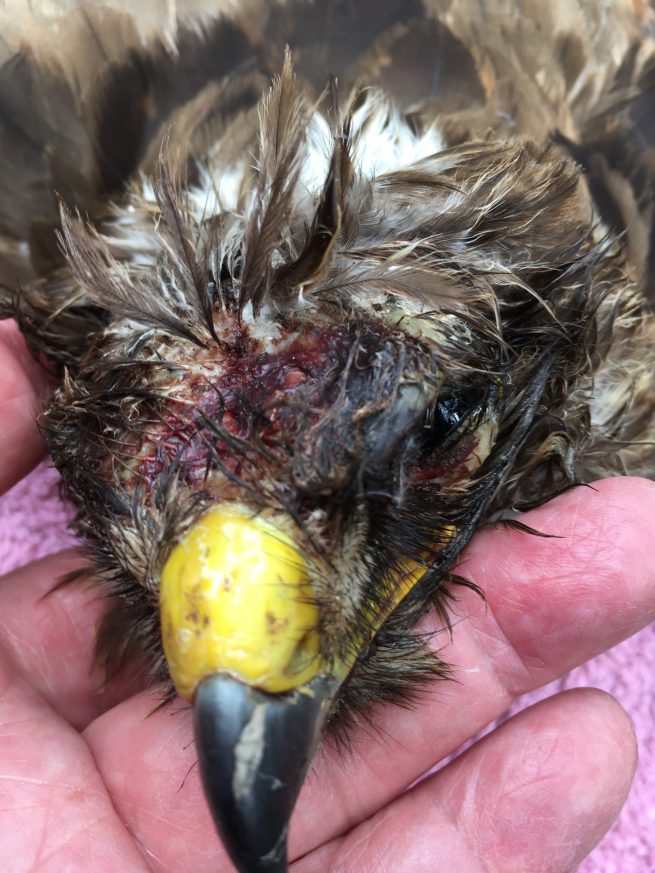
Although the buzzard received immediate veterinary treatment, she sadly did not survive given the seriousness of her injuries. A post mortem examination revealed she had suffered shot damage to her tail and wing feathers but also had leg and head wounds which may have been caused by becoming stuck in a cage trap.

Prior to her death, the female buzzard had been seen feeding two juveniles in the area and it is believed she was shot at some point between 6 – 9pm on Saturday 4 July 2020.

If you have any information which may help with this investigation, please call 101 quoting reference: 12200115223 or if you wish to remain anonymous you can call Crimestoppers on 0800 555 111.

North Yorkshire Police Wildlife Crime Officer, Jeremy Walmsley, said:

This is the latest in a very long line of raptor persecution incidents that have occurred in Ryedale over the last few months and it is completely unacceptable. Killing or injuring a bird of prey is not only illegal but cruel and callous.

We are doing everything we can to track down these offenders and I would urge anyone who can help with information about this incident or any other wildlife crime, to get in touch as soon as possible.”

Find out more about bird of prey persecution and how you can Recognise, Record and Report it.

ENDS

The lawless untouchables of North Yorkshire strike again. New blog readers may well wonder, with such a high incident rate, how this is allowed to continue. Everybody knows North Yorkshire is consistently rated as having the worst record for illegal raptor persecution in England, year after year after year and yet there are no consequences and no deterrents – the criminals are assured they won’t be caught and even if they are, their employer will likely stump up large sums of money to pay for the best legal representation available. Meanwhile, representative bodies all enjoy a seat at the table of the so-called ‘partnerships’ that are meant to be tackling these crimes. Nobody bats an eyelid when these crimes are reported – they happen with such frequency that we’re all accustomed to the headlines and numbed to the reality.

This latest victim comes soon after a Channel 4 News special report that highlighted the extent of raptor persecution in North Yorkshire, and particularly on grouse moors in the two national parks (Yorkshire Dales and North York Moors) as well as in the Nidderdale Area of Outstanding Natural Beauty (see here) where a senior police officer (Insp Matt Hagen) told news reporter Alex Thomson:

All the shooting investigations that we’ve got going on at the moment are involving gamekeepers on grouse moors“.

Alex Thomson: All of them?

Matt Hagen: All of them.

Alex Thomson: Every single one?

Matt Hagen: That’s right.

One of those recently highlighted incidents involved the discovery of five dead buzzards that had been hidden under a rock on a Bransdale grouse moor in the North York Moors National Park – post mortems revealed that four had been shot (see here). North Yorkshire Police interviewed eight people (presumably gamekeepers) under caution and enquiries continue.

This latest victim wasn’t found on a grouse moor and although the nearest one isn’t a million miles away it’s not known where she was shot, although the head injury is consistent with what you’d expect to see of a buzzard trying to escape from a trap. This injury looks remarkably similar to that suffered by another buzzard not too far away in 2017 (see here).

If you have any information about any of these incidents that could help North Yorkshire Police bring the armed and out of control criminals to court, please call 101 or Crimestoppers on 0800 555 111.

39 hen harriers ‘missing’ or confirmed killed since 2018

It’s getting to that time of year when the grouse shooting industry pumps out its patently misleading propaganda relating to hen harrier conservation in the UK. The aim is to hoodwink the public in to believing that the industry loves hen harriers and is doing all it can to protect and nurture the tiny remnant breeding population (but conveniently forgetting to mention that the breeding population is only in such dire straits because the grouse shooting industry has been ruthless in its maniacal intolerance of this supposedly protected species).

And the industry’s pursuit of the hen harrier is not simply ‘historical’ or indicative of past behaviour, as some would have us believe. It is on-going, it is current, and it is relentless.

To illustrate this fact, we intend to keep a running tally of all the hen harriers that we know (because most of these victims had been fitted with a satellite tag) to have either ‘disappeared’ in suspicious circumstances or have been confirmed as being illegally killed since 2018.

Why only since 2018 when we know that hen harriers have been a persecution target for years and years and years? Well, 2018 is the year that the grouse shooting industry ‘leaders’ would have us believe that the criminal persecution of hen harriers had stopped and that these birds were being welcomed back on to the UK’s grouse moors (see here).

This assertion was made shortly before the publication of a devastating new scientific paper that demonstrated that 72% of satellite-tagged Hen Harriers were confirmed or considered likely to have been illegally killed, and this was ten times more likely to occur over areas of land managed for grouse shooting relative to other land uses (see here).

We only started compiling this list of dead / missing hen harriers two weeks ago when we learned that all five of last year’s brood meddled hen harrier chicks were ‘missing’, presumed dead (see here). Having just learned yesterday that two more satellite-tagged hen harriers have ‘disappeared’ in suspicious circumstances on grouse moors in the Cairngorms National Park during the Coronvirus lockdown (see here), it’s time to update the death list, which now stands at 39. Nobody has been prosecuted for any of these cases. We have every expectation that this list will be updated again in the near future.

For now, here are the 39:

February 2018: Hen harrier Saorsa ‘disappeared’ in the Angus Glens in Scotland (here). The Scottish Gamekeepers Association later published wholly inaccurate information claiming the bird had been re-sighted. The RSPB dismissed this as “completely false” (here).

5 February 2018: Hen harrier Marc ‘disappeared’ on a grouse moor in Durham (here)

9 February 2018: Hen harrier Aalin ‘disappeared’ on a grouse moor in Wales (here)

March 2018: Hen harrier Blue ‘disappeared’ in the Lake District National Park (here)

March 2018: Hen harrier Finn ‘disappeared’ near Moffat in Scotland (here)

18 April 2018: Hen harrier Lia ‘disappeared’ in Wales and her corpse was retrieved in a field in May 2018. Cause of death was unconfirmed but police treating death as suspicious (here)

8 August 2018: Hen harrier Hilma ‘disappeared’ on a grouse moor in Northumberland (here).

16 August 2018: Hen harrier Athena ‘disappeared’ on a grouse moor in Scotland (here)

26 August 2018: Hen Harrier Octavia ‘disappeared’ on a grouse moor in the Peak District National Park (here)

29 August 2018: Hen harrier Margot ‘disappeared’ on a grouse moor in Scotland (here)

29 August 2018: Hen Harrier Heulwen ‘disappeared’ on a grouse moor in Wales (here)

3 September 2018: Hen harrier Stelmaria ‘disappeared’ on a grouse moor in Scotland (here)

24 September 2018: Hen harrier Heather ‘disappeared’ on a grouse moor in Scotland (here)

2 October 2018: Hen harrier Mabel ‘disappeared’ on a grouse moor on the edge of the Yorkshire Dales National Park (here)

3 October 2018: Hen Harrier Thor ‘disappeared’ next to a grouse moor in Bowland, Lanacashire (here)

26 October 2018: Hen harrier Arthur ‘disappeared’ on a grouse moor in the North York Moors National Park (here)

10 November 2018: Hen harrier Rannoch ‘disappeared’ on a grouse moor in Scotland (here). Her corpse was found nearby in May 2019 – she’d been killed in an illegally-set spring trap (here).

14 November 2018: Hen harrier River ‘disappeared’ on a grouse moor in the Nidderdale AONB (here). Her corpse was found nearby in April 2019 – she’d been illegally shot (here).

16 January 2019: Hen harrier Vulcan ‘disappeared’ in Wiltshire close to Natural England’s proposed reintroduction site (here)

7 February 2019: Hen harrier Skylar ‘disappeared’ next to a grouse moor in South Lanarkshire (here)

22 April 2019: Hen harrier Marci ‘disappeared’ on a grouse moor in the Cairngorms National Park (here)

11 May 2019: An untagged male hen harrier was caught in an illegally-set trap next to his nest on a grouse moor in South Lanarkshire. He didn’t survive (here)

7 June 2019: An untagged hen harrier was found dead on a grouse moor in Scotland. A post mortem stated the bird had died as a result of ‘penetrating trauma’ injuries and that this bird had previously been shot (here)

5 September 2019: Wildland Hen Harrier 1 ‘disappeared’ on a grouse moor nr Dalnaspidal on the edge of the Cairngorms National Park (here)

11 September 2019: Hen harrier Romario ‘disappeared’ on a grouse moor in the Cairngorms National Park (here)

14 September 2019: Hen harrier (Brood meddled in 2019, #183704) ‘disappeared’ in North Pennines (here)

23 September 2019: Hen harrier (Brood meddled in 2019, #55149) ‘disappeared’ in North Pennines (here)

24 September 2019: Wildland Hen Harrier 2 ‘disappeared’ on a grouse moor at Invercauld in the Cairngorms National Park (here)

10 October 2019: Hen harrier Ada ‘disappeared’ on a grouse moor in the North Pennines AONB (here)

12 October 2019: Hen harrier Thistle ‘disappeared’ on a grouse moor in Sutherland (here)

18 October 2019: Member of the public reports the witnessed shooting of an untagged male hen harrier on White Syke Hill in North Yorkshire (here)

November 2019: Hen harrier Mary found illegally poisoned on a pheasant shoot in Ireland (here)

January 2020: Members of the public report the witnessed shooting of a male hen harrier on Threshfield Moor in the Yorkshire Dales National Park (here)

1 April 2020: Hen harrier (Brood meddled in 2019, #183703) ‘disappeared’ in unnamed location, tag intermittent (here)

5 April 2020: Hen harrier Hoolie ‘disappeared’ on a grouse moor in the Cairngorms National Park (here)

8 April 2020: Hen harrier Marlin ‘disappeared’ on a grouse moor in the Cairngorms National Park (here)

21 May 2020: Hen harrier (Brood meddled in 2019, #183701) ‘disappeared’ on a grouse moor in Cumbria shortly after returning from wintering in France (here)

To be continued……..

Anybody still wondering why the grouse shooting industry wants us to stop fitting satellite tags?

Infamous Kildrummy Estate sold to new owners

The Kildrummy Estate in Aberdeenshire is infamous for a number of reasons.

Firstly, its gamekeeper became the UK’s first (and so far, the only gamekeeper) to receive a custodial sentence for raptor persecution in 2014 after his conviction on four counts, including the illegal killing of a trapped goshawk which he clubbed to death on the estate in 2012 (see here and here).

Secondly, a vicarious liability prosecution against the gamekeeper’s supervisor/employer wasn’t possible because the police were unable to establish the identity of the management hierarchy because the details of land ownership were concealed in an offshore holding (see here, here and here).

Today it’s been reported on various websites that Kildrummy Estate has been sold for a cool £11 million and the new owners, Americans Chris & Camille Bently, are described as being supporters of ‘animal rights’. For example, see this article on the Insider website, which incidentally also discusses the criminal conviction of the former Kildrummy estate gamekeeper but mistakenly reports he was sentenced to ‘four years for laying poisoned bait’ – that’s wishful thinking, it was only four months and we’re not aware of poisoned baits being laid on this estate.

Blog readers may be interested in reading the sales particulars for Kildrummy Estate, which provide a fascinating insight in to a location that has previously been shrouded in secrecy.

Download the sales document here: Kildrummy Estate sales particulars June 2020

Good luck to the Bentlys – let’s hope their vision for this estate is one centred on rewilding and conservation and not exploitation and criminality.

UPDATE: This blog post was picked up by The Herald 6 July 2020 here

37 hen harriers ‘missing’ or confirmed killed since 2018

It’s getting to that time of year when the grouse shooting industry pumps out its patently misleading propaganda relating to hen harrier conservation in the UK. The aim is to hoodwink the public in to believing that the industry loves hen harriers and is doing all it can to protect and nurture the tiny remnant breeding population (but conveniently forgetting to mention that the breeding population is only in such dire straits because the grouse shooting industry has been ruthless in its maniacal intolerance of this supposedly protected species).

And the industry’s pursuit of the hen harrier is not ‘historical’ or indicative of past behaviour, as some would have us believe. It is on-going, it is current, and it is relentless.

To illustrate this fact, we intend to keep a running tally of all the hen harriers that we know (because most of these victims had been fitted with a satellite tag) to have either ‘disappeared’ in suspicious circumstances or have been confirmed as being illegally killed since 2018.

Why only since 2018 when we know that hen harriers have been a persecution target for years and years and years? Well, 2018 is the year that the grouse shooting industry ‘leaders’ would have us believe that the criminal persecution of hen harriers had stopped and that these birds were being welcomed back on to the UK’s grouse moors (see here).

Having just learned that all five of last year’s brood meddled hen harrier chicks are now ‘missing’ and presumed dead (one, #55147, probably dead from natural causes during a sea crossing so is not classed as ‘suspicious’ but the other four ‘missing’ in highly suspicious circumstances in the UK’s uplands – see here), it’s time to update the death list, which currently stands at 37. We have every expectation that this list will be updated again in the near future.

For now, here are the 37:

February 2018: Hen harrier Saorsa ‘disappeared’ in the Angus Glens in Scotland (here). The Scottish Gamekeepers Association later published wholly inaccurate information claiming the bird had been re-sighted. The RSPB dismissed this as “completely false” (here).

5 February 2018: Hen harrier Marc ‘disappeared’ on a grouse moor in Durham (here)

9 February 2018: Hen harrier Aalin ‘disappeared’ on a grouse moor in Wales (here)

March 2018: Hen harrier Blue ‘disappeared’ in the Lake District National Park (here)

March 2018: Hen harrier Finn ‘disappeared’ near Moffat in Scotland (here)

18 April 2018: Hen harrier Lia ‘disappeared’ in Wales and her corpse was retrieved in a field in May 2018. Cause of death was unconfirmed but police treating death as suspicious (here)

8 August 2018: Hen harrier Hilma ‘disappeared’ on a grouse moor in Northumberland (here).

16 August 2018: Hen harrier Athena ‘disappeared’ on a grouse moor in Scotland (here)

26 August 2018: Hen Harrier Octavia ‘disappeared’ on a grouse moor in the Peak District National Park (here)

29 August 2018: Hen harrier Margot ‘disappeared’ on a grouse moor in Scotland (here)

29 August 2018: Hen Harrier Heulwen ‘disappeared’ on a grouse moor in Wales (here)

3 September 2018: Hen harrier Stelmaria ‘disappeared’ on a grouse moor in Scotland (here)

24 September 2018: Hen harrier Heather ‘disappeared’ on a grouse moor in Scotland (here)

2 October 2018: Hen harrier Mabel ‘disappeared’ on a grouse moor on the edge of the Yorkshire Dales National Park (here)

3 October 2018: Hen Harrier Thor ‘disappeared’ next to a grouse moor in Bowland, Lanacashire (here)

26 October 2018: Hen harrier Arthur ‘disappeared’ on a grouse moor in the North York Moors National Park (here)

10 November 2018: Hen harrier Rannoch ‘disappeared’ on a grouse moor in Scotland (here). Her corpse was found nearby in May 2019 – she’d been killed in an illegally-set spring trap (here).

14 November 2018: Hen harrier River ‘disappeared’ on a grouse moor in the Nidderdale AONB (here). Her corpse was found nearby in April 2019 – she’d been illegally shot (here).

16 January 2019: Hen harrier Vulcan ‘disappeared’ in Wiltshire close to Natural England’s proposed reintroduction site (here)

7 February 2019: Hen harrier Skylar ‘disappeared’ next to a grouse moor in South Lanarkshire (here)

22 April 2019: Hen harrier Marci ‘disappeared’ on a grouse moor in the Cairngorms National Park (here)

11 May 2019: An untagged male hen harrier was caught in an illegally-set trap next to his nest on a grouse moor in South Lanarkshire. He didn’t survive (here)

7 June 2019: An untagged hen harrier was found dead on a grouse moor in Scotland. A post mortem stated the bird had died as a result of ‘penetrating trauma’ injuries and that this bird had previously been shot (here)

5 September 2019: Wildland Hen Harrier 1 ‘disappeared’ on a grouse moor nr Dalnaspidal on the edge of the Cairngorms National Park (here)

11 September 2019: Hen harrier Romario ‘disappeared’ on a grouse moor in the Cairngorms National Park (here)

14 September 2019: Hen harrier (Brood meddled in 2019, #183704) ‘disappeared’ in North Pennines (here)

23 September 2019: Hen harrier (Brood meddled in 2019, #55149) ‘disappeared’ in North Pennines (here)

24 September 2019: Wildland Hen Harrier 2 ‘disappeared’ on a grouse moor at Invercauld in the Cairngorms National Park (here)

10 October 2019: Hen harrier Ada ‘disappeared’ on a grouse moor in the North Pennines AONB (here)

12 October 2019: Hen harrier Thistle ‘disappeared’ on a grouse moor in Sutherland (here)

18 October 2019: Member of the public reports the witnessed shooting of an untagged male hen harrier on White Syke Hill in North Yorkshire (here)

November 2019: Hen harrier Mary found illegally poisoned on a pheasant shoot in Ireland (here)

January 2020: Members of the public report the witnessed shooting of a male hen harrier on Threshfield Moor in the Yorkshire Dales National Park (here)

1 April 2020: Hen harrier (Brood meddled in 2019, #183703) ‘disappeared’ in unnamed location, tag intermittent (here)

21 May 2020: Hen harrier (Brood meddled in 2019, #183701) ‘disappeared’ on a grouse moor in Cumbria shortly after returning from wintering in France (here)

To be continued……..

Disgusting display of depravity on a Scottish game-shooting estate

Press release from Scottish animal welfare charity OneKind (29 May 2020)

Shocking footage shows pile of rotting animal carcasses set to lure animals into nearby traps

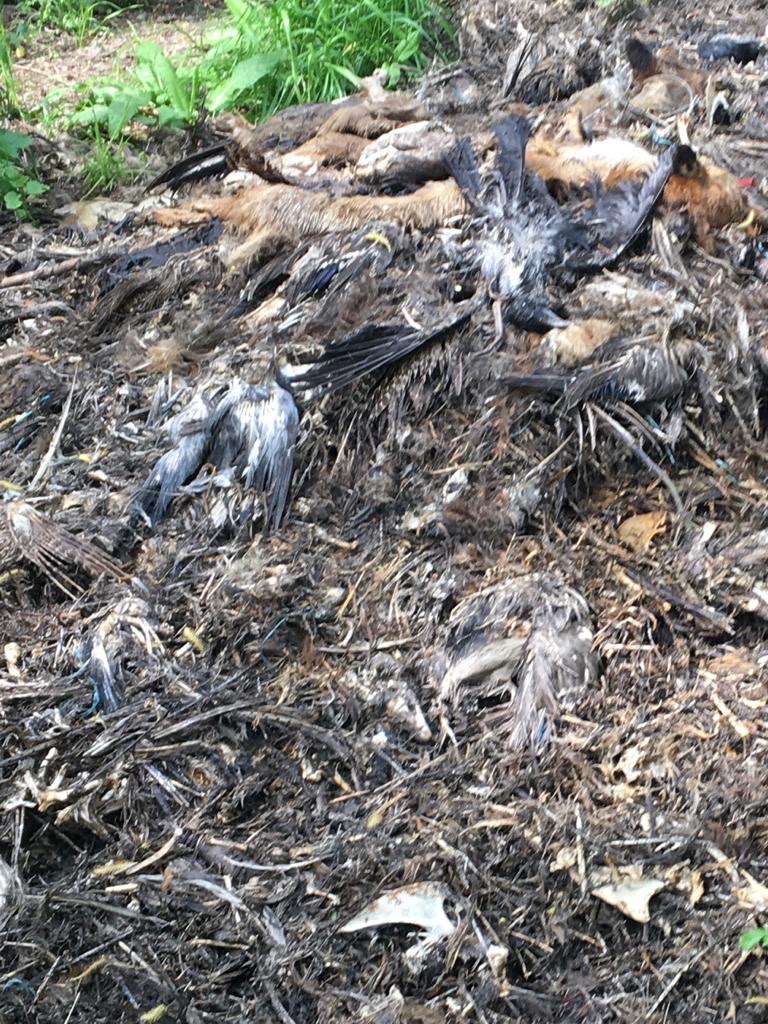
New footage passed through to leading animal welfare campaigns charity, OneKind, reveals snares set near a pile of rotting animal carcasses, apparently set by gamekeepers in Strathnairn, south of Inverness.

The footage can be viewed here

In order to maximise the number of red grouse and pheasants available for recreational shooting, gamekeepers target foxes. To lure foxes into snares, gamekeepers often lay snares around a ‘stink pit’: a place where the gamekeepers dump rotting animal carcasses. The smell of decomposing animals lures the foxes towards the dead animals, where they are then caught in the snares surrounding the pit.

The use of these stink pits is a fundamental part of intensive predator control on Scottish shooting estates.

OneKind’s Director Bob Elliot said:

The use of stink pits to lure animals into cruel snares, which inflict considerable mental and physical suffering upon the animals trapped in them, shows a fundamental lack of respect for Scotland’s wild and domestic animals.

Although snares are set to target predators to the red grouse, non-target species are often found among the animals dumped in stink pits, and during our work in the field we have discovered deer, geese, salmon and even cats in stink pits.

In this recent case, the animals discovered in the grotesque stink pit included rooks and fox cubs.  It’s a disgrace that this mass killing of rooks is still permitted and we were horrified to see that even young animals were treated as bait.  Some of the rooks appeared to be juveniles, hardly surprising given that this is the time when they emerge from their nests and perch on branches before fledging fully. The welfare issues of shooting rooks have not been fully researched but one can safely assume that they suffer.  Shooters seldom, if ever, use dogs to retrieve wounded birds and ensure they are despatched to put them out of their misery. Fox cubs are loved by so many of the Scottish public, and we know that the killing and dumping of them like this will be very upsetting to many.

We urge anyone out walking in Scotland to take photos and report any snares or snaring incidents through our dedicated snare awareness website, SnareWatch. We continue to raise awareness of the reality of snare use in our countryside, and the suffering these cruel traps inflict upon Scotland’s wild animals.

OneKind has long campaigned for a ban on stink pits and the sale, manufacture, possession and use of snares in Scotland and our petition for a review of snares and other traps is currently being considered by the Scottish Parliament. We have also produced a report, ‘Untold Suffering’, that details the scale and level of suffering inflicted on wild animals by these antiquated traps, highlighting why a ban is necessary.”

OneKind has notified Police Scotland about one snare photographed at the site, as it did not have a visible identification tag, which is a legal requirement. The question of whether stink pits are legal has been raised repeatedly by OneKind.

ENDS

Notes for Editors (from OneKind)

  • Rooks were removed from Scottish General Licence GL01 in April, as there is little evidence that they impact negatively on populations of wild birds of conservation concern. They remain listed on GL02 and may be controlled to protect livestock. Game birds are considered to be livestock while they are under human control in rearing pens.
  • Snaring is legal in Scotland subject to detailed regulations under sections 11A – 11F of the Wildlife and Countryside Act 1981, including a requirement for all snares to be tagged with an identification number to allow tracing of the operator. The tag must be displayed in a manner in which it will remain readable.
  • Stink pits have generally been regarded as exempt from animal by-product regulations but there is doubt about whether the animals’ bodies should be regarded as “bait” or “waste”, in which case other regulations would apply. Carcasses such as pheasants are not generally permitted to be dumped.  In June 2017, the Cabinet Secretary for Environment told the Scottish Parliament that she would ask the Scottish technical assessment group advising SNH on a review of snaring legislation to look at the use of stink pits as part of its consideration of the review’s recommendations. It is not known how far this has proceeded.