Over 600 attendees expected at REVIVE’s conference on Sunday – tickets still available

REVIVE, the coalition for grouse moor reform, is holding its annual conference this Sunday (12 November) at Perth Concert Hall.

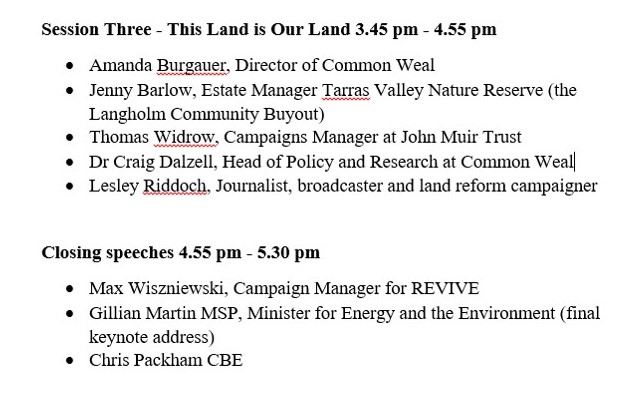
Hosted by Chris Packham, over 600 attendees have booked to hear from a wide range of expert speakers, including two Scottish Government Ministers (Lorna Slater MSP and Gillian Martin MSP).

The event really couldn’t be better timed as the Scottish Parliament prepares to debate the Wildlife Management & Muirburn (Scotland) Bill (known colloquially as the Grouse Moor Reform Bill) at Stage 1 of its passage through Parliament.

Here’s the REVIVE conference programme:

Tickets to attend are still available (sales close this Friday, 10 Nov), here.

I look forward to seeing some of you there!

Stakeholders to give evidence tomorrow on Scottish Government’s proposed snare ban & extended powers for SSPCA

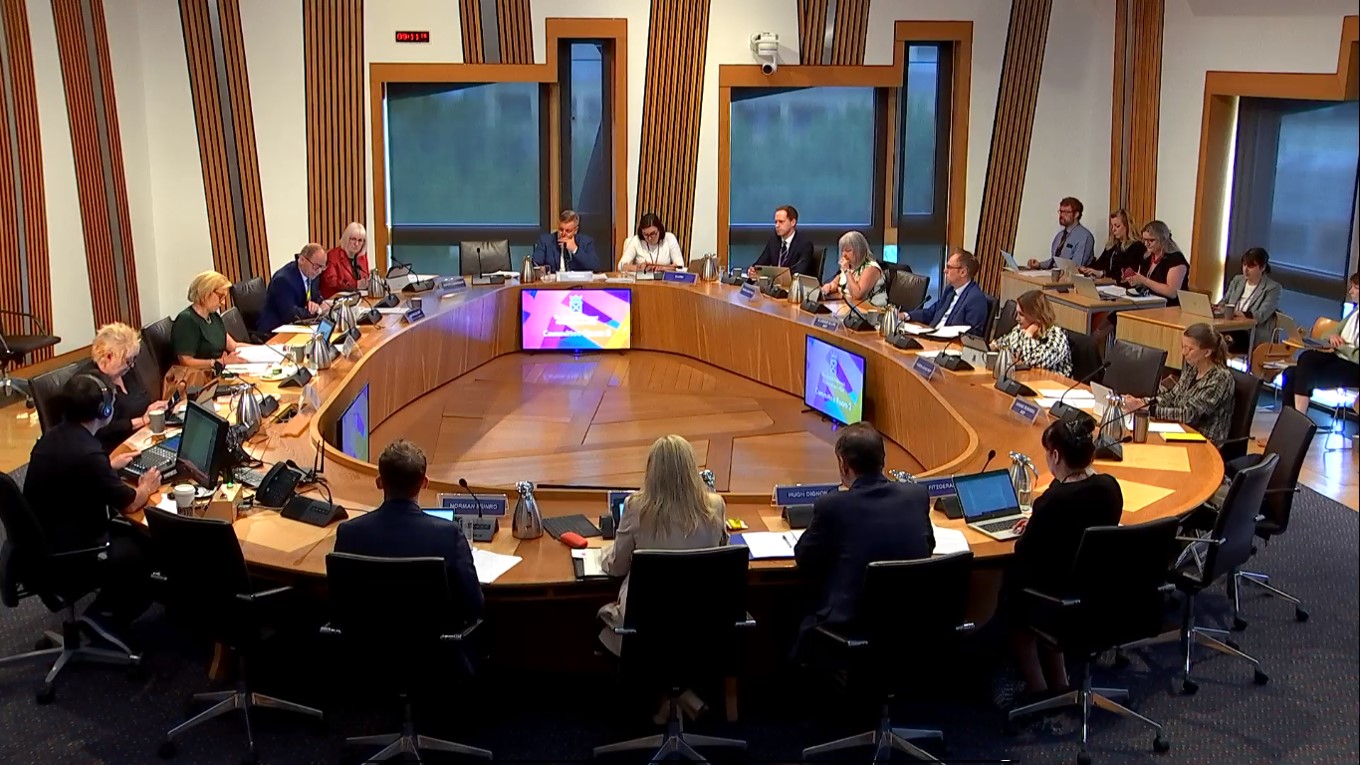
Tomorrow (Weds 8 November 2023) will see another evidence session in front of the Rural Affairs & Islands Committee on the Scottish Government’s proposed ban on all snares and a proposed extension of powers for the Scottish SPCA.

This is all part of the Committee’s scrutiny of the Wildlife Management & Muirburn (Scotland) Bill. For new blog readers, this is the Bill that has been introduced by the Scottish Government in response to the recommendations made in the 2019 Werritty Review and is designed to bring in licensing for grouse moor management and introduce measures to put an end to the illegal killing of birds of prey on grouse moors.

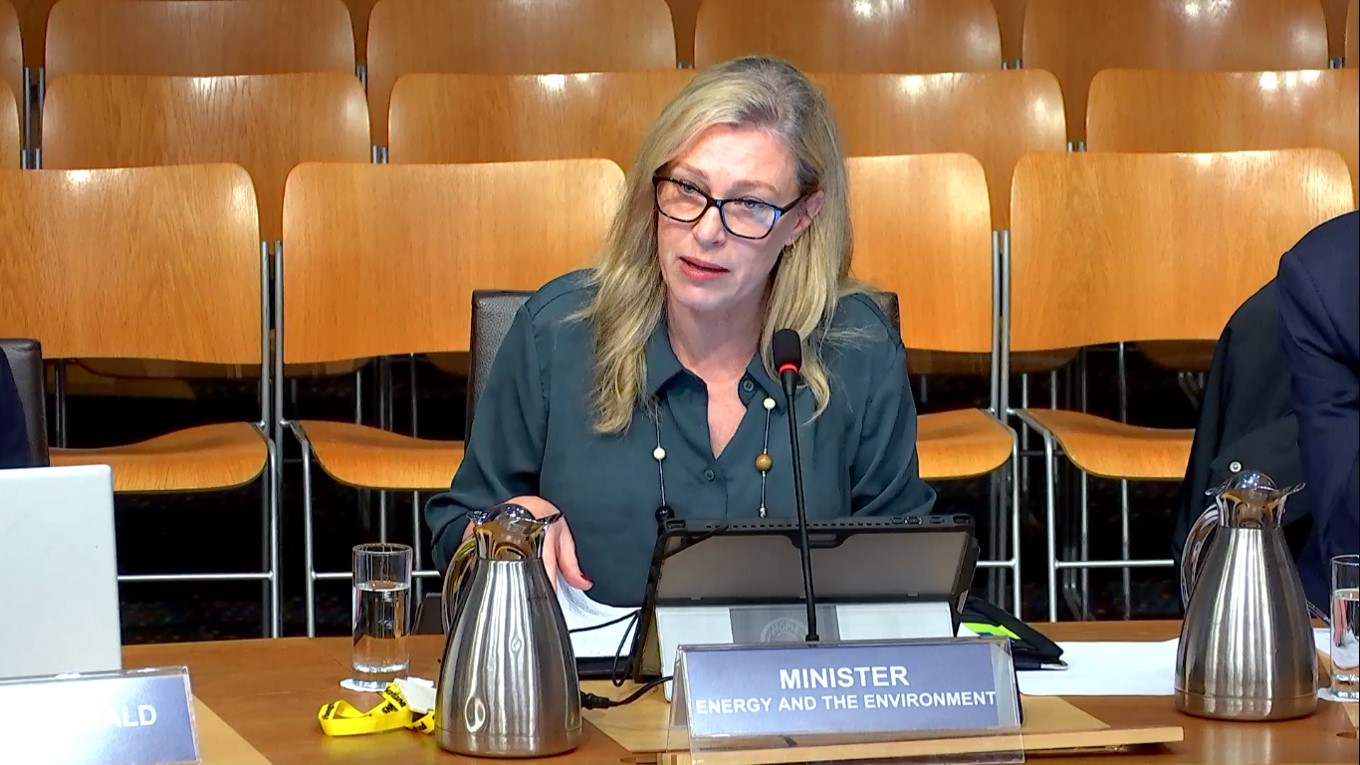
Last week the Committee heard evidence from Environment Minister Gillian Martin MSP. The video archive of that session can be seen here and the transcript can be read here.

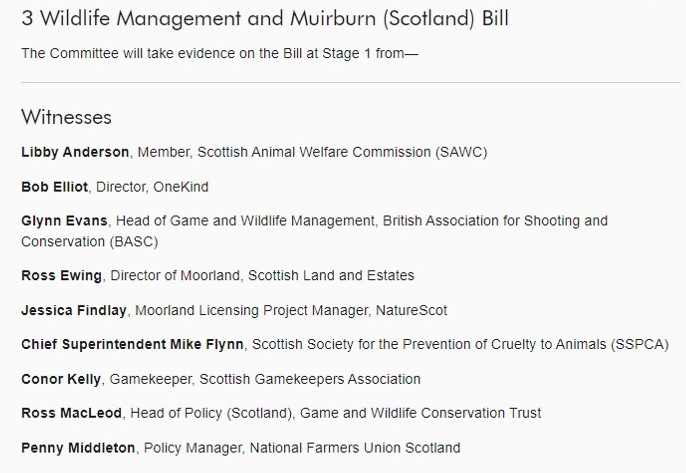
Tomorrow’s session will include evidence from various stakeholders, first on the issue of a snare ban, and then on increased SSPCA powers, as follows:

SNARING BAN panel:

INCREASED POWERS FOR SCOTTISH SPCA panel:

I think it’s fair to predict, given the participants listed for both panels, that there’ll be very little support for the proposed snare ban and for extended powers for the SSPCA, except from Libby Anderson, Bob Elliot, Mike Flynn and Ian Thomson.

We already know the position of each organisation on these issues because it’s been talked to death in previous evidence sessions held earlier this summer (and prior to that, multiple times over the last ten years as these topics have been raised again and again). For whatever reason, it’s been decided that the Committee needs to hear from everyone again, simply because the Scottish Government held yet another public consultation this year (which resulted in overwhelming public support for a ban on all snares and for increased powers for the SSPCA – see here).

This’ll just be yet another opportunity for the grouse shooting lobby to claim that rural Armageddon will befall the Scottish countryside if barbaric snares that cause animal suffering are banned and if the SSPCA are permitted to investigate the wildlife crimes that seem to happen on a lot of driven grouse moors.

You can watch proceedings live on Scottish Parliament TV (here) and there’ll be a video archive and a transcript available shortly afterwards.

The session begins at 9am on Wednesday morning although the Committee is dealing with two other items on the agenda before these panels start.

UPDATE: Video archive of the session available to watch HERE

UPDATE: Transcript of the evidence sessions available here (from p27):

UPDATE 9 November 2023: Scottish Environment Minister proposes full ban on all snares (here)

UPDATE 15 November 2023: Supplementary evidence on snares from Scottish Animal Welfare Committee (here)

Last ditch attempt by grouse moor lobby to water down Scottish Government’s proposed ban on snares

Yesterday, Scottish Environment Minister Gillian Martin MSP gave evidence to the Rural Affairs Committee on the Government’s proposed ban on snares and an extension of powers to the SSPCA as part of its Wildlife Management and Muirburn (Scotland) Bill (here).

The video recording is available to watch here and a transcript should be available in the next day or so. [Update: transcript now available at foot of this blog post]

It was an assured and confident performance by the Minister and I admired her patience in dealing with thinly-veiled, repeated attempts by some Committee members to portray the Government’s proposals as an ‘attack’ on the countryside, and especially on gamekeepers.

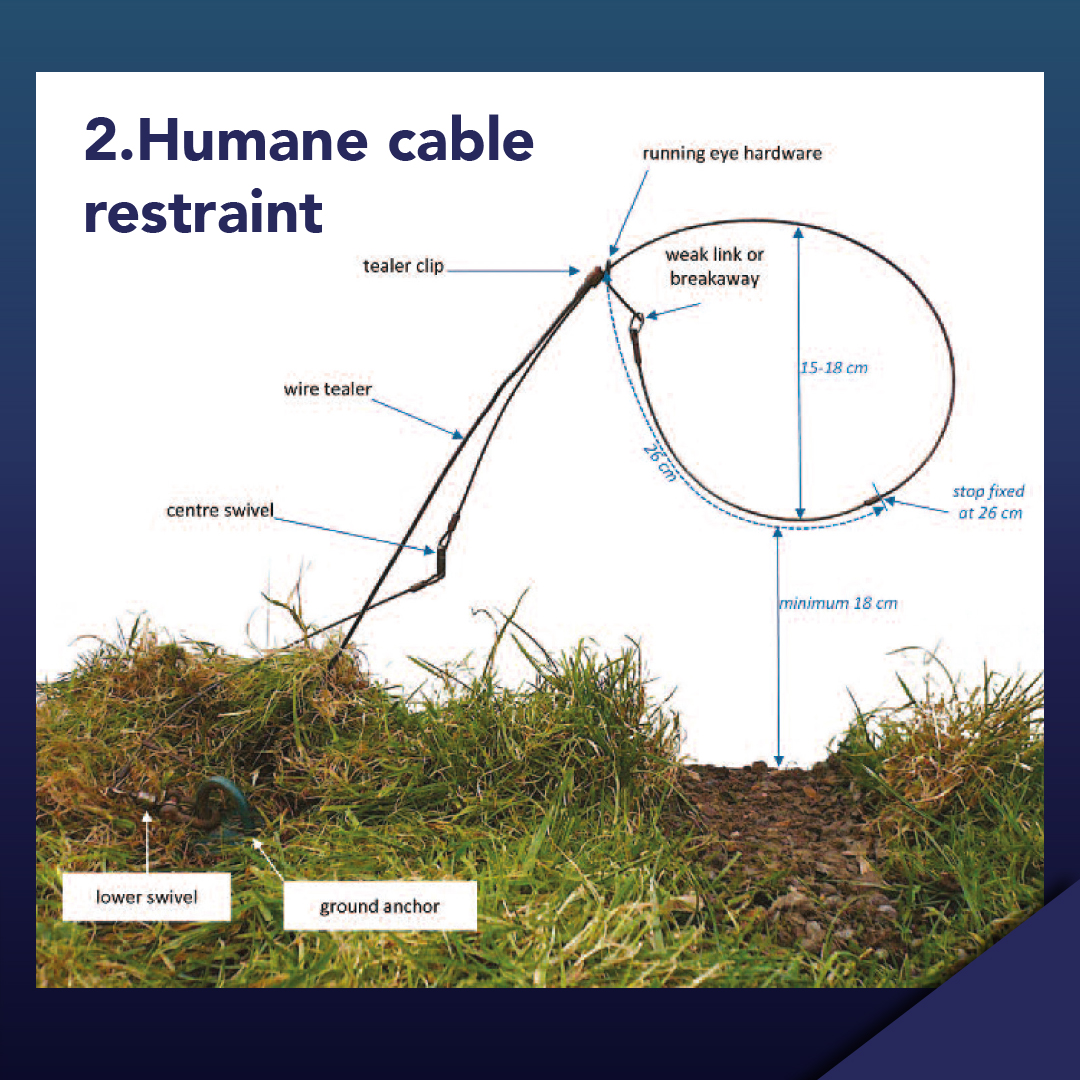
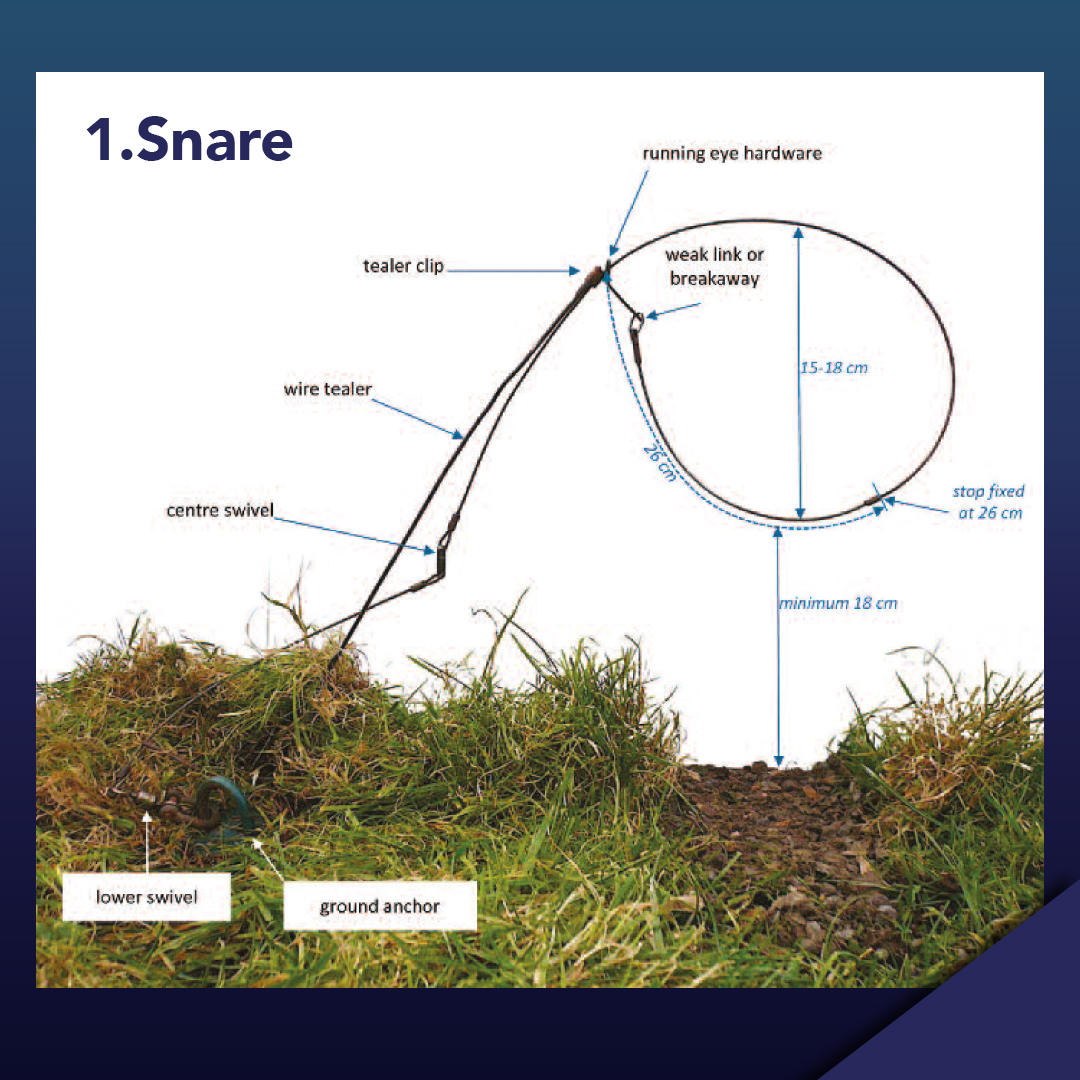
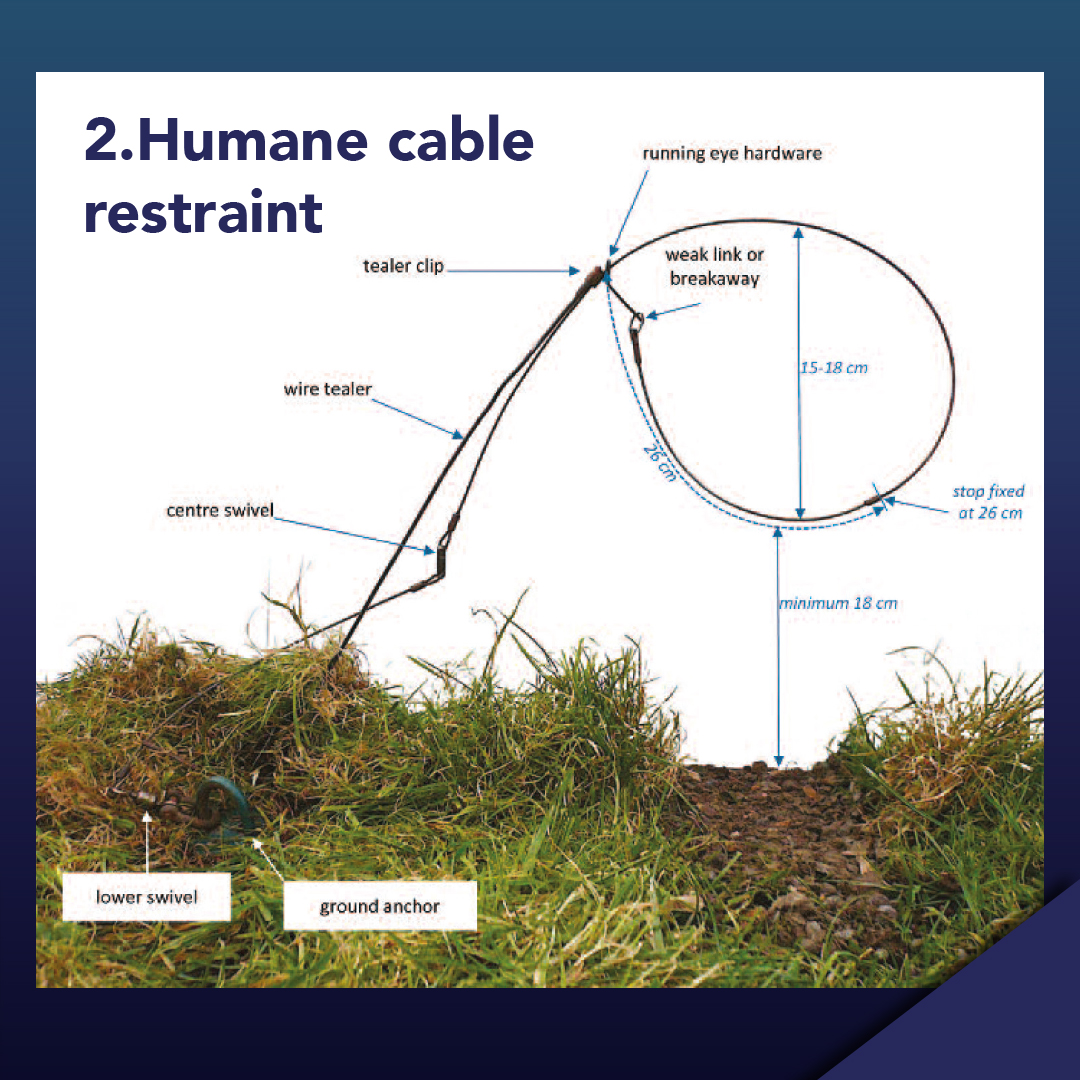
The Minister was clear – the use of snares, even those cynically re-named as ‘humane cable restraints’, is inherently cruel, no matter who is deploying the snare and no matter for what purpose.

It became apparent during the Minister’s evidence that following a meeting with stakeholders from the grouse moor management sector in September, they had wanted to propose an alternative to a complete ban on the use of snares and instead had ideas about a licensing scheme for their use. The Minister, in all fairness, invited them to submit their proposals in writing for her consideration.

The Minister told the Committee yesterday that she’d received the licensing proposal late on Monday evening (30 October 2023) and that she hadn’t yet had chance to review it but would do so this month, and in time for the Committee to consider her decision for their Stage 1 Report, which is due towards the end of November.

The snare-licensing proposal from the grouse moor lobby has now been published on the Rural Affairs Committee’s website, as follows:

What’s immediately apparent about the grouse moor managers’ proposed licensing scheme is that they pretend to be proposing “a narrow range of licensable purposes” [for the continued use of snares] but in fact what they propose is the continued use of snares for all the same purposes they currently use snares, i.e.

(i) preventing, or reducing the risk of, predation causing harm to wildlife or gamebirds,
(ii) preventing serious damage to livestock, foodstuffs for livestock, crops,
vegetables or fruit
;
(iii) preventing, or reducing the risk of, disease in people or animals;
(iv) conserving, restoring, enhancing or managing the natural environment; and
(v) for scientific, research or educational purposes.

Fundamentally, they have failed to grasp the underlying argument against the use of snares, and that is, as the Minister made clear yesterday, that they are inherently cruel, whether they’re called ‘snares’ or ‘humane cable restraints’ (see here). There’s nothing in the grouse moor managers’ proposed licensing scheme that will end the indiscriminate suffering of animals caught in a snare, and nothing in there that should change her mind against a total ban on the use of all snares with no exceptions, as the Welsh Government has recently enacted.

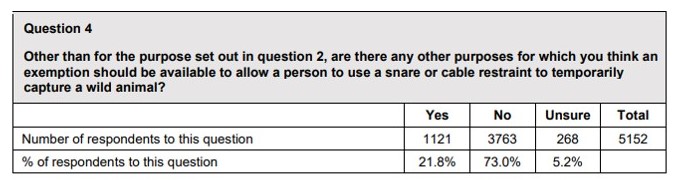
Given the preliminary analysis of the responses made to the Scottish Government’s recent public consultation on the use of snares, it is also very clear that the public supports a ban on the use of all snares and does not support any exceptions to the ban:

Importantly, the public consultation did not ask the specific question about whether a licensing scheme for the use of snares should be considered (although question 4 comes close and the public responded with a resounding 73% ‘no’) so if the Minister is minded to give any credence to the grouse moor managers’ proposed licensing scheme, I think the Government would be obliged to consult on that specific option.

Accepting a last-ditch attempt by the grouse moor managers to water down the Government’s proposed legislation, without providing an opportunity for the public to comment, would be wide open for a legal challenge and I dare say there’d be a number of organisations prepared to take up such a challenge.

UPDATE 4th November 2023: The transcript from the evidence session on 1st Nov is now available:

UPDATE 9 November 2023: Scottish Environment Minister proposes full ban on all snares (here)

Environment Minister to give evidence on snare ban & extending investigatory powers of SSPCA

Scottish Environment Minister Gillian Martin MSP will give evidence tomorrow morning (Wednesday 1 November 2023) to the Rural Affairs & Islands Committee as part of the Committee’s continued Stage 1 scrutiny of the Wildlife Management & Muirburn (Scotland) Bill.

For new blog readers, this is the Bill that has been introduced by the Scottish Government in response to the recommendations made in the 2019 Werritty Review and is designed to bring in licensing for grouse moor management and introduce measures to put an end to the illegal killing of birds of prey on grouse moors.

The Minister’s previous appearance before the Committee in June 2023

The Minister will be joined by some specialist civil servants from the Government’s Wildlife Management Unit who have been responsible for drafting this Bill.

The focus of tomorrow’s evidence session will be on the Government’s proposed ban on snares and on extending the investigatory powers of the Scottish SPCA.

A further evidence session will take place next week (Weds 8 November) where stakeholder groups will be providing evidence on these two issues. I’ll provide more detail about that nearer the time.

The Stage 1 debate, where the whole of the Scottish Parliament has an opportunity to discuss/accept/challenge the Committee’s Stage 1 report in the main Chamber, is scheduled for Wednesday 29 November 2023.

The clerks to the Rural Affairs Committee have prepared some helpful background notes to tomorrow’s meeting for those who may be new to the subject:

You may recall that the Scottish Government recently held (yet another!) public consultation on its proposal to ban snares and its proposal to extend the investigatory powers of the SSPCA. That consultation closed on 3 October 2023 and I know that many of you participated (thank you!).

In preparation for tomorrow’s hearing, the Environment Minister today wrote to the Rural Affairs Committee with a preliminary analysis of those 5,289 consultation responses.

The headline news from that analysis is that a significant majority of respondents support the Government’s proposals to ban snares and so called ‘humane cable restraints’ (70% in support, compared to just 29% against), and a significant majority of respondents support the Government’s proposals to extend the investigatory powers of the SSPCA (71% in support, compared to just 26% against).

Here is the Minister’s letter to the Committee:

Tomorrow’s hearing begins at 9am and can be watched live on Scottish Parliament TV (here). A video recording will also be available for those who can’t watch the live proceedings and of course there’ll be a transcript of the session which I’ll post here as soon as it becomes available (usually a couple of days afterwards).

UPDATE 2nd November 2023: Last ditch attempt by grouse moor lobby to water down Scottish Government’s proposed ban on snares (here)

UPDATE 4th November 2023: The transcript from the session is now available:

UPDATE 9 November 2023: Scottish Environment Minister proposes full ban on all snares (here)

Scottish Raptor Study Group holds Parliamentary reception to discuss details of grouse moor reform Bill

The Scottish Raptor Study Group (SRSG) was generously hosted at the Scottish Parliament earlier this week by John Mason MSP, for a drop-in reception to discuss the Wildlife Management and Muirburn (Scotland) Bill, which is currently at Stage One of its progress through Parliament.

SRSG Chair Keith Duncan and John Mason MSP. Photo: SRSG

For new blog readers, this is the Bill that has been introduced by the Scottish Government in response to the recommendations made in the 2019 Werritty Review and is designed to bring in licensing for grouse moor management and introduce measures (such as a revoked licence) to put an end to the illegal killing of birds of prey on grouse moors.

MSPs in attendance at the reception included Edward Mountain (Conservative), Findlay Carson (Conservative), Rachael Hamilton (Conservative), Colin Smyth (Labour), Rhoda Grant (Labour), Jim Fairlie (SNP), Bob Doris (SNP), Elena Whitham (SNP), John Mason (SNP) and Ariane Burgess (Green).

The SRSG viewed the event as a valuable and productive meeting, attracting cross-party MSPs and discussions focused on the following key themes:

  • The raptor persecution data that underpin the Scottish Government’s decision to bring in the Bill;
  • Whether or not the proposed licence period should be greater than one year;
  • Issues around white tailed sea eagles, ravens and sheep;
  • How the licensing regime should operate and the amount of administration involved;
  • How any revocation or suspension of a licence might happen and discussion of the existing General Licence restrictions and what evidence NatureScot would be looking for when considering a sanction on a grouse-shooting estate;
  • Concern around potentially vexatious claims;
  • In which specific areas birds of prey are being persecuted or ‘disappearing’ in suspicious circumstances;  
  • Change to burning dates (finishing earlier than the current regulations allow);  
  • And how the Bill is now encompassing more areas (i.e. SSPCA powers and snaring).
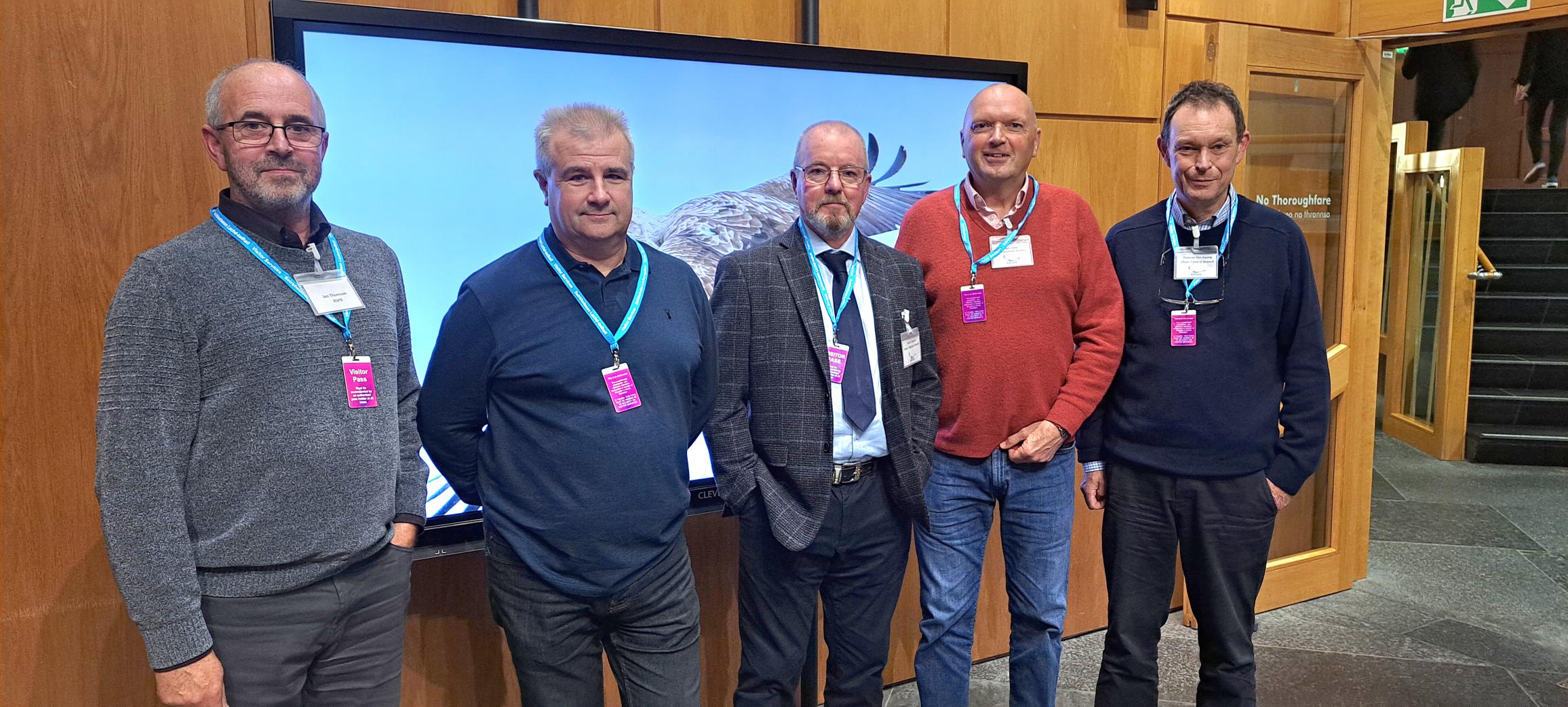
Ian Thomson, Kelvin Thomson, Keith Duncan, Logan Steele & Duncan Orr-Ewing. Photo: SRSG

The Scottish Raptor Study Group was represented by Kelvin Thomson (Advocacy Officer, SRSG), Keith Duncan (Chair, Highland Raptor Study Group & current Chair of the SRSG’s National Management Committee), Logan Steele (Communications Secretary, SRSG) and Duncan Orr-Ewing (Chair, Central Raptor Study Group). Also in the delegation was Ian Thomson, Head of Investigations at RSPB Scotland.

The Bill is currently still with the Rural Affairs & Islands Committee (and interesting that a number of Committee members attended this reception) as they continue to prepare their Stage One report, which will then be debated in Parliament.

The date of that Stage One debate keeps being put back, mainly to accommodate the most recent consultation (the latest in a long, long line!) on proposed new powers for the SSPCA and a proposed ban on snaring, which the Rural Affairs Committee would like to include in its report.

It is currently anticipated that the debate will take place in mid-late December, prior to the Xmas recess (which begins on 23 Dec 2023), but don’t hold your breath!

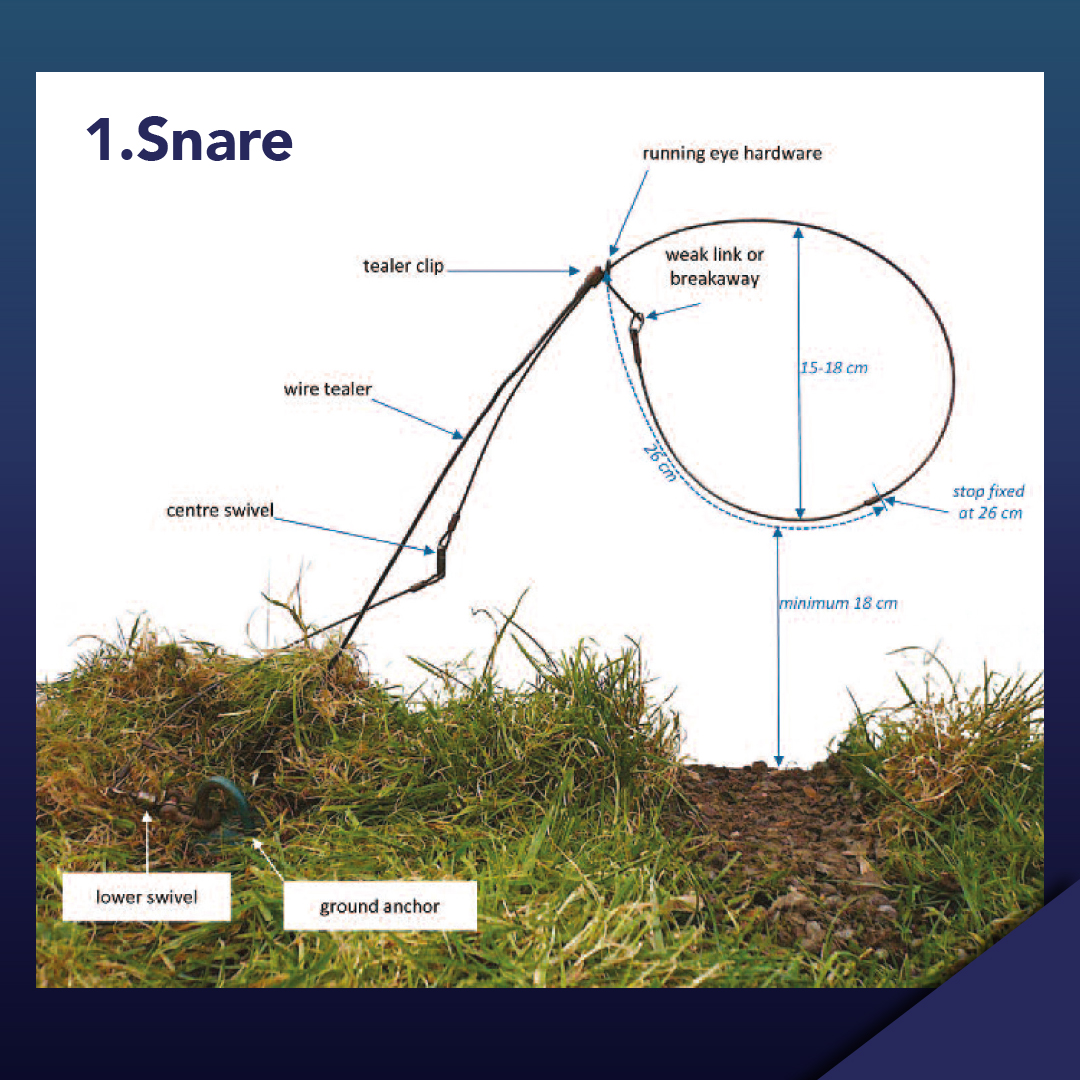
A ‘Humane cable restraint’ is still a snare, it’s just been rebranded to sound less archaic

Further to this morning’s blog warning that the Scottish Government might be hoodwinked into thinking a ‘humane cable restraint’ is different to a snare (here), I’d encourage you to read this brilliant briefing note written by Kirsty Jenkins, Policy Officer at OneKind, sent to the Rural Affairs Committee:

Kirsty reiterates the fact that the game shooting lobby has simply re-branded the term ‘snare’ as a ‘humane cable restraint’ and that there’s no difference between the two:

The letter from Scottish Land & Estates, signed by ‘150 land managers’ calling on the Environment Minister to retain the use of ‘humane cable restraints’ has also now been published:

Once again, the signatories to this letter, just as with the other recent SLE letter opposing grouse moor licensing plans, includes some ‘interesting’ names.

One of the signatories shares the same name as a gamekeeper who was convicted of raptor persecution offences several years ago. I imagine it’s simply coincidence and that these are two separate individuals because a convicted gamekeeper wouldn’t still be working in the game-shooting industry, given the industry’s proclaimed ‘zero tolerance’ stance on raptor persecution, right?

The letter also includes signatories from a number of gamekeepers from an estate in the Angus Glens where one of them was charged with alleged snaring offences several years ago after the discovery of a dead snared deer and two snared foxes -one dead from dehydration (suggesting the snare hadn’t been checked within the required 24hr time period) and another one with appalling injuries which had to be euthanised by an SSPCA inspector. For reasons that haven’t been disclosed (because they don’t have to), the Crown Office dropped the prosecution.

The letter also includes signatories from gamekeepers in the Southern Uplands Moorland Group – this is the region where gamekeeper Alan Wilson worked – Wilson was convicted in 2019 of nine wildlife offences, including the setting of 23 illegal snares (see here).

To be clear, I’m not contesting the right of gamekeepers to sign the letter to the Environment Minister – of course they have every right to do so and there is no suggestion that any of them are involved with unlawful snaring practices – but what I am doing is providing some important context for the benefit of the Minister and other decision makers about an industry that can’t be relied upon to self-regulate.

If you’re based in Scotland, I’d urge you to sign the e-action to the Environment Minister urging her to ban ALL snares, including those re-branded as ‘humane cable restraints’ – HERE.

Call for Scotland’s Environment Minister to ban all snares, including the cynically renamed ‘humane cable restraints’

Two leading animal welfare charities in Scotland are urging their supporters to contact Scotland’s Environment Minister, urging her to ban all snares, including the cynically renamed ‘humane cable restraints’.

Environment Minister Gillian Martin MSP is currently deliberating a complete ban on snares as part of the Government’s Wildlife Management and Muirburn (Scotland) Bill. A public consultation closed recently on the use of snares (see here) but campaigners fear that the Government is in danger ‘of being hoodwinked by a plot to simply rename snares as ‘humane restraint cables”.

This recent briefing note (here) from the charity Scottish Badgers to the Rural Affairs Committee eloquently explains the problem with so-called ‘humane restraint cables’ and why they should be banned. [Ed: update – this briefing note from OneKind is also excellent – read here]

Animal welfare charities The League Against Cruel Sports and OneKind, both members of REVIVE, the coalition for grouse moor reform, have set up an e-action for Scotland-based supporters to contact the Minister, urging her to ban all types of snares, including ‘humane restraint cables’.

We know that Scottish Land & Estates has sent a letter signed by ‘150 land managers’ to the Minister opposing a ban on snares and ‘humane cable restraints’ (although I’ve yet to see a copy of it – FoI response is pending) so here’s a chance to let the Minister hear from those who support a ban on ALL snares.

If you’re based in Scotland, please consider joining in with the e-action HERE

UPDATE 13.35hrs: A ‘Humane cable restraint’ is still a snare, it’s just been rebranded to sound less archaic (here)

Rural businesses’ letter to Environment Minister opposing grouse moor licensing plans – some ‘interesting’ signatories

Last month the media regurgitated a press release from Scottish Land & Estates (SLE) about how ‘400 rural businesses’ had written a letter to Environment Minister Gillian Martin to voice their opposition to the Scottish Government’s plans to introduce a licensing scheme for grouse shooting, as part of the Wildlife Management and Muirburn (Scotland) Bill.

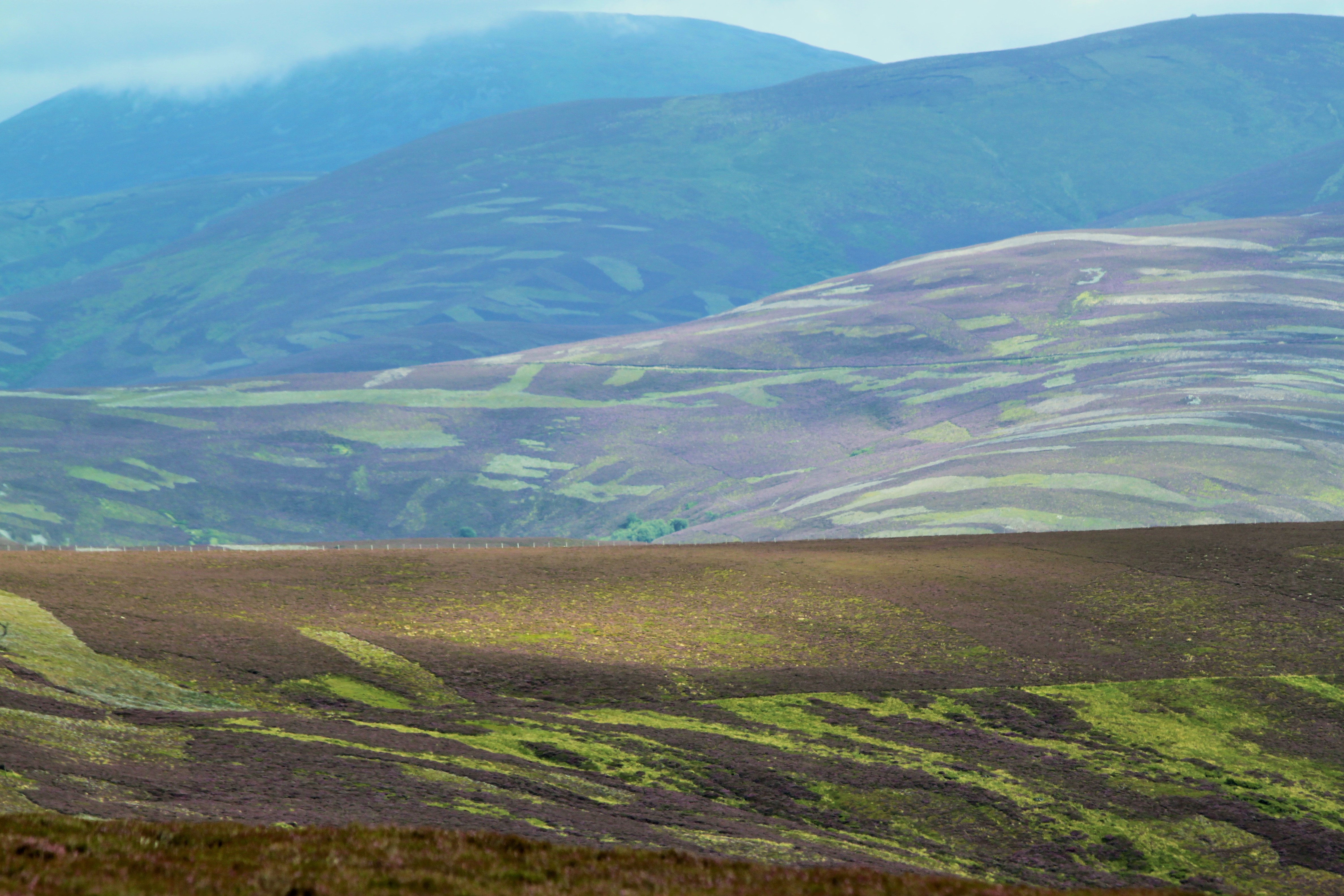
Grouse moor landscape, Cairngorms National Park. Photo: Ruth Tingay

I wrote at the time (here) how neither the letter, or its signatories, had been published and that I was keen to scrutinise it because the last time SLE pulled a publicity stunt like this (in 2010, under its former name of SRPBA), some of the 200 landowners / shooting estate owners who had written to the then Environment Minister expressing their condemnation of illegal raptor poisoning (here) had had recent raptor persecution incidents recorded on their estates and some of their employees even had criminal convictions for raptor persecution crimes (here).

So last month I submitted an FoI to the Scottish Government to ask for a copy of the latest letter and last week the letter, and its signatories, was published online as SLE had sent a copy of it to the Rural Affairs Committee who are currently scrutinising the Bill.

The letter itself offers nothing new – it is simply a repeat of the characteristically melodramatic points made by SLE during the Bill’s stage one evidence sessions, with claims that the proposed legislation “will lead to disastrous and irreversible implications for rural businesses and communities” and it makes a number of barely-veiled threats of legal action if the Bill goes ahead in its current state.

Here’s the letter and the signatories are included at the end; these are well worth a look:

There are around 80 sporting estates on the list, and although none of the estates that are currently serving General Licence restrictions for raptor persecution incidents are included, there are a few on the list who have recently served such restrictions (e.g. Edradynate Estate and Raeshaw Estate).

There are other estates listed where multiple alleged raptor persecution incidents have either occurred or been suspected but haven’t resulted in any prosecutions (e.g. Glenogil Estate, Cawdor Estate, and another one I’m not permitted to name, yet).

There are also a few sporting agents listed who I believe are linked to other estates that are either currently serving a General Licence restriction (e.g. Millden Estate) or have recently served a restriction (e.g. Leadhills Estate, which actually served two separate restrictions and yet remains a member of Scottish Land & Estates, despite SLE’s claim of having zero tolerance for raptor persecution).

The list also includes a number of businesses, some clearly legitimate but others that don’t appear to be registered at Companies House, which is interesting. To be fair they may just be sole traders so don’t have to register but how do we know they’re legitimate and not just a made-up ‘business’ for the purpose of populating this list?

I note that Rachael Hamilton MSP’s husband has signed on behalf of their business, the Buccleuch Arms – surely a conflict of interest given that Rachael serves on the Committee that is scrutinising the Bill and providing its recommendations to Parliament?

The inclusion of some other businesses just seems bizarre – for example, how will the introduction of a grouse moor licensing scheme ‘lead to disastrous and irreversible implications‘ for the Strathmore Rugby Club or Adventure Motorhome Hire?

It’s worth remembering at this point that the proposed Bill is simply a licensing scheme, not a ban on driven grouse shooting. The hysterical over-reaction of the grouse shooting industry and its mates to such a simple form of regulation is actually laughable – if the industry doesn’t think it can conform to such basic requirements, just like every other industry has to, then its practices are obviously unsustainable.

Speaking of which, I note that Scottish Land & Estates has just written another letter to Environment Minister Gillian Martin, this time signed by ‘150 land managers’ opposed to the proposed ban on snares and so-called ‘humane cable restraints’.

I’ve submitted another FoI to the Scottish Government to ask for a copy of that letter and its signatories…more on that in due course.

‘The rules protecting UK wildlife still allow horrifying practices’ – comment piece by former UK Deputy Chief Veterinary Officer Alick Simmons

New Scientist has just published a thought-provoking opinion piece (republished below), written by Alick Simmons (the former UK Deputy Chief Veterinary Officer) on the inadequacy of UK legislation that’s supposed to protect wildlife.

It’s hard to think of a more authentic, credible voice on this subject than Alick. He’s recently authored a highly-acclaimed book, Treated Like Animals – Improving the lives of the creatures we own, eat and use (2023 Pelagic Publishing), which can be found here.

Alick’s article in New Scientist is a short summary piece but a must-read for anyone wanting to counter the unsubstantiated claims of the game shooting industry that is so desperate to cling on to its medieval practices that it thinks a quick rebrand from ‘snares’ to ‘humane cable restraints’ is going to convince policymakers that everything’s just fine as it is.

Here’s the article:

If Alick’s article resonates and you feel you want to do something practical, you might want to fill in the Scottish Government’s consultation on the use of snares (as well as increased powers for the SSPCA), which closes tomorrow (Tues 3rd October 2023).

The Scottish Government is proposing to (a) prohibit the use of a snare or other type of cable restraint for the purpose of killing or trapping a wild animal; (b) prohibit the use of a snare or other type of cable restraint in any way that is likely to injure a wild animal and (c) provide Scottish SPCA inspectors who are acting under their existing powers under the 2006 Animal Welfare Act, with additional powers to search, examine and seize evidence in connection with specific offences under the Wildlife and Countryside Act 1981. This is all part of the Wildlife Management and Muirburn (Scotland) Bill which is currently making its way through Parliament.

REVIVE, the coalition for grouse moor reform, has provided a handy guide for consultation responses which you’ll find here.

‘Licensing is the least the brutal grouse shooting industry should expect’ – statement from REVIVE, the coalition for grouse moor reform

There’s been some media coverage today about how ‘nearly 400 rural businesses’ have written a letter to Environment Minister Gillian Martin about their ‘opposition’ to the Wildlife Management & Muirburn (Scotland) Bill currently making its way through Parliament – this is the Bill that intends to regulate grouse moor management and provide penalties for those who continue to break the law, e.g. by killing birds of prey and deliberately setting fire to heather on areas of deep peat.

The media coverage stems from a press release put out by Scottish Land & Estates (SLE), the grouse moor owners’ lobby group in Scotland. There’s a copy of that press release at the foot of this blog, although interestingly, I haven’t found a copy of the actual letter or the names of its nearly 400 signatories.

I’d really like to see it because the last time SLE pulled a publicity stunt like this (in 2010, under their former name of SRPBA), 200 landowners/shooting estate owners wrote to the then Environment Minister Roseanna Cunningham, expressing their condemnation of illegal raptor poisoning (here), in response to public concern about ongoing illegal raptor persecution. However, when the list of signatories was scrutinised, it turned out that raptor persecution incidents had been recorded on some of those signatories’ estates and some of their employees even had criminal convictions for raptor persecution crimes (here).

Indeed, 13 years later, one of the signatories of the 2010 letter (Invercauld Estate in the Cairngorms National Park) is currently serving a three-year sanction imposed by NatureScot following the discovery in 2021 of a poisoned golden eagle and poisoned baits on the estate (see here).

I think it’s important, for the sake of transparency, that the current list of signatories is scrutinised and that’s why I’ve lodged an FoI request today with the Scottish Government asking to see a copy of the letter and the signatories.

Meanwhile, REVIVE, the coalition for grouse moor reform, has responded to SLE’s latest PR stunt with the following statement, sent out to news editors this afternoon:

In the recent publicity about calls from ‘rural businesses’ (fewer than 400) for licencing of grouse moors to be watered down, the economic contribution of grouse shooting appears to be intentionally blown out of proportion. This letter organised by Scottish Land and Estates, the lobbying group for Scotland’s largest shooting estate owners, completely misjudges the mood of Scotland’s people towards their archaic activity – the harming of animals for sport shooting and the practices that sustain it.

The very fact that such a destructive land use which depends on the killing of hundreds of thousands of animals, the mass chemical medication of grouse and the burning of huge swathes of Scotland hasn’t even required a licence until now is almost beyond comprehension.

That Scottish Land and Estates and their contacts are trying to thwart a pragmatic and decades overdue Bill highlights their true intention: to halt any change at their expense that can make our country better. What’s more, their letter signatories don’t even register as half a percent of rural Scotland’s business base and, although we haven’t seen the list of signatures, will have a strong proportion of large landed interests signed up.

The economic contribution of grouse shooting is actually small, considering all the land it uses up, and is regularly conflated by the industry with all field sports activities in Scotland. Grouse shooting is estimated to add £23 Million (GVA) to the economy. If Scotland’s economy was the height of Ben Nevis, grouse shooting’s contribution would be the size of a bottle of Irn Bru. Outdoor tourism, excluding field sports, contributed over 50 times more to the economy than grouse shooting (over £1.2 Billion), the jobs in grouse shooting are dwarfed by forestry (commercial and otherwise) and wildlife tourism (shooting animals with cameras instead of guns).

Licencing is the least that this brutal industry should expect and the Scottish Government is wholly correct for pursuing it. Those who do not depend on its most unsustainable, and in some cases illegal, practices should have little to fear from it. Many believe of course that the most intensive driven grouse shooting estates depend on unsustainable practices. Perhaps this is why they are fighting so hard to stop any much needed progress.

Max Wiszniewski, Campaign Manager for REVIVE

ENDS

Here’s a copy of SLE’s press release:

11 September 2023

400 Rural Businesses Voice Opposition to Grouse Shooting Licensing Plans

Nearly 400 businesses have joined together to urge the Scottish Government to avoid a ‘disastrous and irreversible’ outcome for rural Scotland from its plans to licence grouse shooting.

Butchers, hotels, tradespeople, farms and upland estates are amongst those to have written to Environment Minister, Gillan Martin MSP, seeking changes to be made to the Wildlife Management and Muirburn (Scotland) Bill, currently at stage 1 in the Scottish Parliament.

The game and country sports sector is worth over £350m per year to the Scottish economy. Over 11,000 full time jobs are supported by sporting shooting, often in rural areas where alternative sources of employment are scarce.

The letter urges the government to amend punitive and flawed provisions within the draft Bill that would render any licensing scheme disproportionate and unworkable, ultimately disincentivising investment in nature conservation as well as local businesses and jobs.

The main areas of concern, which are described in the letter as “fatal flaws” that will create “a climate of business uncertainty, exacerbated by a total lack of procedural safeguards for licence holders”, are:

  • The proposed licence duration of only one year, which would provide no long-term business certainty while also creating an administrative burden for estates and the government’s nature body, NatureScot, who will be tasked with operating the licensing scheme;
  • The broad discretionary power of NatureScot to decide whether or not it is “appropriate” to grant a licence, again providing a complete deficit of certainty for business;
  • The power NatureScot would have to suspend licences – even when it is not satisfied that a relevant offence has been committed – which is described in the letter as being “wide open to exploitation” and something that “would inevitably be subject to legal challenge”;
  • The wide range of offences – not just raptor persecution – that could lead to a licence being modified, suspended or revoked, which is described in the letter as being “disproportionate, unreasonable, completely unsupported by empirical evidence and would inevitably be subject to legal challenge”.

Ross Ewing, Director of Moorland at Scottish Land & Estates, said: “If the proposed licensing scheme is introduced without amendments, then it would be disastrous – not only for moorland estates; but also for the broad range of businesses and communities that rely on them across rural Scotland.

“Scottish Government commissioned research has shown that, compared to other upland land uses, grouse shooting provides: the greatest number of jobs per hectare; the highest levels of local and regional spending; and the greatest levels of investment per hectare without public subsidy. The Scottish Government will jeopardise this if it does not bring forward amendments that will provide certainty to businesses and legal safeguards for licence holders. 

“We believe that – by working with us on the suggestions set out in this letter – the Scottish Government will be able to achieve its policy objective, without running the risk of fatally damaging a vital rural sector. We very much hope they will be willing to constructively engage.”

Mike Smith, owner of the Tay House which provides sporting accommodation in Dunkeld, said: “As the owner of a business with a significant reliance on visitors who come to Scotland to shoot grouse, I am alarmed by contents of the Wildlife Management and Muirburn Bill and the obvious adverse impact it will have on investment in moorland management for grouse shooting.

“Country sports are an integral part of the rural economy, and provide businesses like mine with a much needed boost beyond the conventional summer tourism season. To see the Scottish Government playing Russian roulette with rural businesses and livelihoods in this way is frankly unconscionable. It is not difficult to see why grouse moor owners are looking at licensing scheme with trepidation, especially when licences can be suspended without satisfying any burden of proof whatsoever. The scheme is ripe for vexatious influence.

“Government ministers must listen to the widespread concern of businesses that are the backbone of Scotland’s rural economy, and take urgent action to bring forward amendments that will make the scheme workable. Should they fail to do so, the consequences for businesses like mine would be disastrous.”

Graeme McNeil, owner of Graeme McNeil Decorating based in Brechin, said: “As a business owner who benefits from a significant amount of trade from estates in the Angus Glens, I cannot overstate how worried I am about the potential implications of this Bill.

“If the government introduce measures that will ultimately disincentivise investment in grouse shooting, the knock-on implications for businesses like mine could be huge. Many local businesses are reliant on estates that shoot grouse, and we all stand to be adversely impacted if the investment is in any way compromised.”

Mark Tyndall, owner of the Horseupcleugh Farm in the Lammermuirs, said: “There is deep-seated concern among rural farms and estates about the total lack of procedural safeguards within the Wildlife Management and Muirburn Bill, as well as the disproportionate nature of several provisions outlined in our letter.

“The Scottish Government must see that the Bill, in its present form, goes way further than is required to address the policy aim of reducing raptor persecution. Furthermore there are significant questions over whether the bill is compliant with the European Convention on Human Rights.

“We sincerely hope that the Scottish Government is willing to address the problems with this Bill and avoid protracted litigation, so that moorland management can continue to deliver biodiversity gains as well as a sustainable rural economy with unparalleled levels of employment and investment, all at virtually no cost to the public purse.”

ENDS

Some media reports today have included a statement of response from the Scottish Government, as follows:

A Scottish Government spokesperson said: “We recognise the valuable contribution that grouse shooting makes to our rural economy and the Wildlife Management and Muirburn Bill is not about preventing this activity.

“But it is clear that grouse moors must be managed in a sustainable and responsible way that minimises environmental impacts and helps to protect nature and wildlife.

“The provisions in the bill provide for a practical, proportionate and targeted licensing regime which will support those carrying out activities appropriately and in line with the law, and will have consequences for those that don’t.”

Nice try, grouse shooters, but it looks your days of unregulated, unsustainable, and in some cases, unlawful activity are numbered. Nobody believes the rhetoric anymore.

UPDATE 5th October 2023: Rural businesses’ letter to Environment Minister opposing grouse moor licensing plans – some ‘interesting’ signatories (here)