‘The rules protecting UK wildlife still allow horrifying practices’ – comment piece by former UK Deputy Chief Veterinary Officer Alick Simmons

New Scientist has just published a thought-provoking opinion piece (republished below), written by Alick Simmons (the former UK Deputy Chief Veterinary Officer) on the inadequacy of UK legislation that’s supposed to protect wildlife.

It’s hard to think of a more authentic, credible voice on this subject than Alick. He’s recently authored a highly-acclaimed book, Treated Like Animals – Improving the lives of the creatures we own, eat and use (2023 Pelagic Publishing), which can be found here.

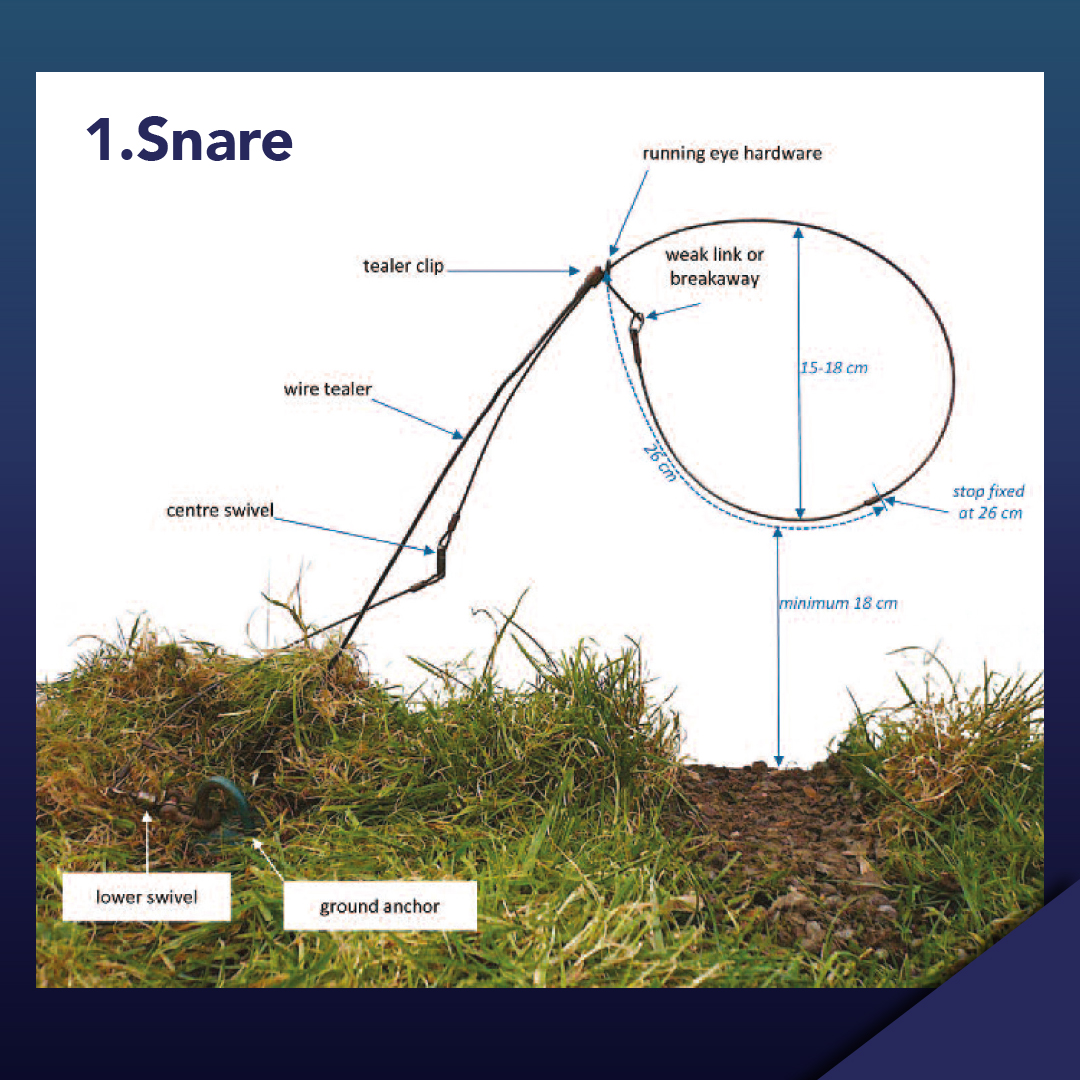
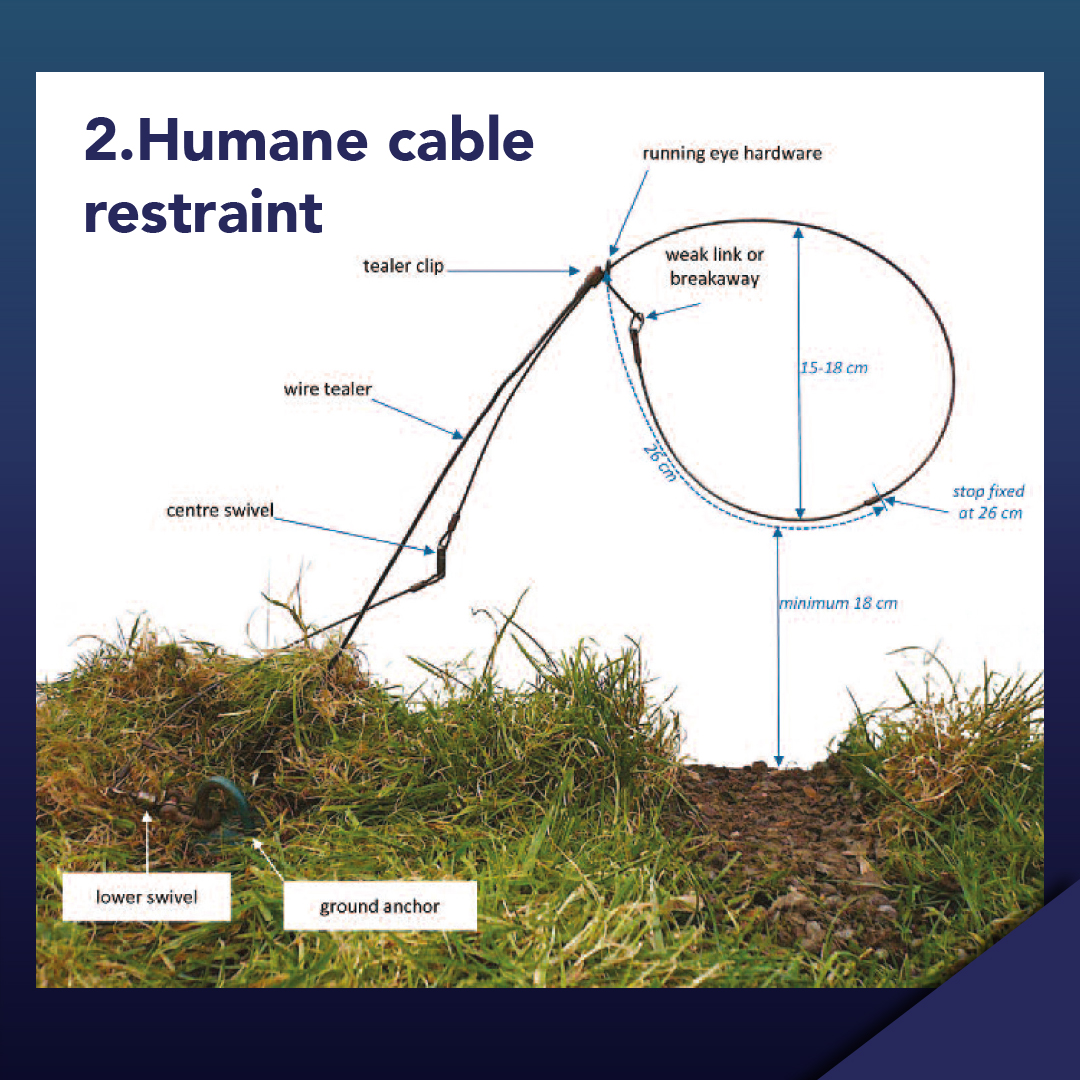
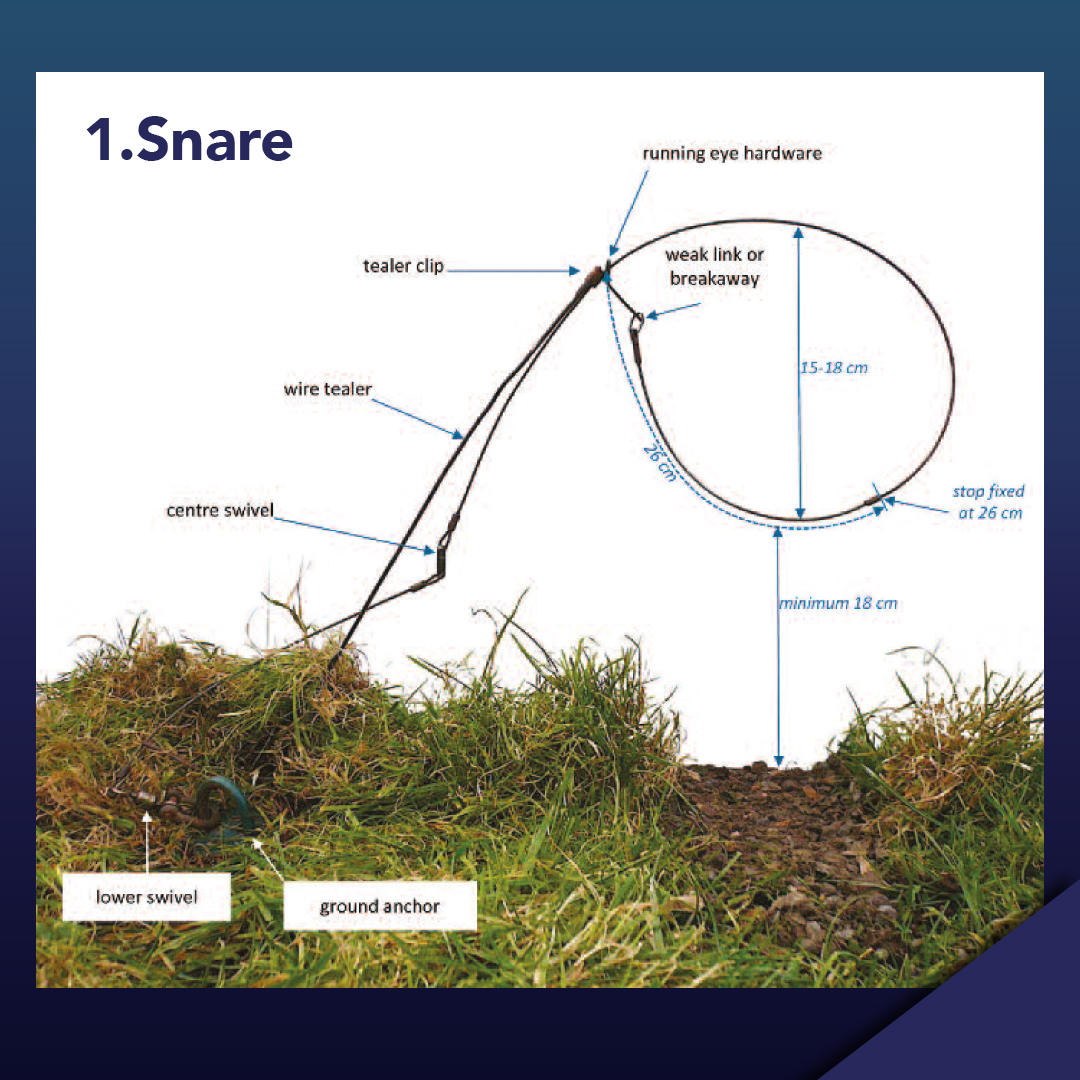
Alick’s article in New Scientist is a short summary piece but a must-read for anyone wanting to counter the unsubstantiated claims of the game shooting industry that is so desperate to cling on to its medieval practices that it thinks a quick rebrand from ‘snares’ to ‘humane cable restraints’ is going to convince policymakers that everything’s just fine as it is.

Here’s the article:

If Alick’s article resonates and you feel you want to do something practical, you might want to fill in the Scottish Government’s consultation on the use of snares (as well as increased powers for the SSPCA), which closes tomorrow (Tues 3rd October 2023).

The Scottish Government is proposing to (a) prohibit the use of a snare or other type of cable restraint for the purpose of killing or trapping a wild animal; (b) prohibit the use of a snare or other type of cable restraint in any way that is likely to injure a wild animal and (c) provide Scottish SPCA inspectors who are acting under their existing powers under the 2006 Animal Welfare Act, with additional powers to search, examine and seize evidence in connection with specific offences under the Wildlife and Countryside Act 1981. This is all part of the Wildlife Management and Muirburn (Scotland) Bill which is currently making its way through Parliament.

REVIVE, the coalition for grouse moor reform, has provided a handy guide for consultation responses which you’ll find here.

‘Licensing is the least the brutal grouse shooting industry should expect’ – statement from REVIVE, the coalition for grouse moor reform

There’s been some media coverage today about how ‘nearly 400 rural businesses’ have written a letter to Environment Minister Gillian Martin about their ‘opposition’ to the Wildlife Management & Muirburn (Scotland) Bill currently making its way through Parliament – this is the Bill that intends to regulate grouse moor management and provide penalties for those who continue to break the law, e.g. by killing birds of prey and deliberately setting fire to heather on areas of deep peat.

The media coverage stems from a press release put out by Scottish Land & Estates (SLE), the grouse moor owners’ lobby group in Scotland. There’s a copy of that press release at the foot of this blog, although interestingly, I haven’t found a copy of the actual letter or the names of its nearly 400 signatories.

I’d really like to see it because the last time SLE pulled a publicity stunt like this (in 2010, under their former name of SRPBA), 200 landowners/shooting estate owners wrote to the then Environment Minister Roseanna Cunningham, expressing their condemnation of illegal raptor poisoning (here), in response to public concern about ongoing illegal raptor persecution. However, when the list of signatories was scrutinised, it turned out that raptor persecution incidents had been recorded on some of those signatories’ estates and some of their employees even had criminal convictions for raptor persecution crimes (here).

Indeed, 13 years later, one of the signatories of the 2010 letter (Invercauld Estate in the Cairngorms National Park) is currently serving a three-year sanction imposed by NatureScot following the discovery in 2021 of a poisoned golden eagle and poisoned baits on the estate (see here).

I think it’s important, for the sake of transparency, that the current list of signatories is scrutinised and that’s why I’ve lodged an FoI request today with the Scottish Government asking to see a copy of the letter and the signatories.

Meanwhile, REVIVE, the coalition for grouse moor reform, has responded to SLE’s latest PR stunt with the following statement, sent out to news editors this afternoon:

In the recent publicity about calls from ‘rural businesses’ (fewer than 400) for licencing of grouse moors to be watered down, the economic contribution of grouse shooting appears to be intentionally blown out of proportion. This letter organised by Scottish Land and Estates, the lobbying group for Scotland’s largest shooting estate owners, completely misjudges the mood of Scotland’s people towards their archaic activity – the harming of animals for sport shooting and the practices that sustain it.

The very fact that such a destructive land use which depends on the killing of hundreds of thousands of animals, the mass chemical medication of grouse and the burning of huge swathes of Scotland hasn’t even required a licence until now is almost beyond comprehension.

That Scottish Land and Estates and their contacts are trying to thwart a pragmatic and decades overdue Bill highlights their true intention: to halt any change at their expense that can make our country better. What’s more, their letter signatories don’t even register as half a percent of rural Scotland’s business base and, although we haven’t seen the list of signatures, will have a strong proportion of large landed interests signed up.

The economic contribution of grouse shooting is actually small, considering all the land it uses up, and is regularly conflated by the industry with all field sports activities in Scotland. Grouse shooting is estimated to add £23 Million (GVA) to the economy. If Scotland’s economy was the height of Ben Nevis, grouse shooting’s contribution would be the size of a bottle of Irn Bru. Outdoor tourism, excluding field sports, contributed over 50 times more to the economy than grouse shooting (over £1.2 Billion), the jobs in grouse shooting are dwarfed by forestry (commercial and otherwise) and wildlife tourism (shooting animals with cameras instead of guns).

Licencing is the least that this brutal industry should expect and the Scottish Government is wholly correct for pursuing it. Those who do not depend on its most unsustainable, and in some cases illegal, practices should have little to fear from it. Many believe of course that the most intensive driven grouse shooting estates depend on unsustainable practices. Perhaps this is why they are fighting so hard to stop any much needed progress.

Max Wiszniewski, Campaign Manager for REVIVE

ENDS

Here’s a copy of SLE’s press release:

11 September 2023

400 Rural Businesses Voice Opposition to Grouse Shooting Licensing Plans

Nearly 400 businesses have joined together to urge the Scottish Government to avoid a ‘disastrous and irreversible’ outcome for rural Scotland from its plans to licence grouse shooting.

Butchers, hotels, tradespeople, farms and upland estates are amongst those to have written to Environment Minister, Gillan Martin MSP, seeking changes to be made to the Wildlife Management and Muirburn (Scotland) Bill, currently at stage 1 in the Scottish Parliament.

The game and country sports sector is worth over £350m per year to the Scottish economy. Over 11,000 full time jobs are supported by sporting shooting, often in rural areas where alternative sources of employment are scarce.

The letter urges the government to amend punitive and flawed provisions within the draft Bill that would render any licensing scheme disproportionate and unworkable, ultimately disincentivising investment in nature conservation as well as local businesses and jobs.

The main areas of concern, which are described in the letter as “fatal flaws” that will create “a climate of business uncertainty, exacerbated by a total lack of procedural safeguards for licence holders”, are:

  • The proposed licence duration of only one year, which would provide no long-term business certainty while also creating an administrative burden for estates and the government’s nature body, NatureScot, who will be tasked with operating the licensing scheme;
  • The broad discretionary power of NatureScot to decide whether or not it is “appropriate” to grant a licence, again providing a complete deficit of certainty for business;
  • The power NatureScot would have to suspend licences – even when it is not satisfied that a relevant offence has been committed – which is described in the letter as being “wide open to exploitation” and something that “would inevitably be subject to legal challenge”;
  • The wide range of offences – not just raptor persecution – that could lead to a licence being modified, suspended or revoked, which is described in the letter as being “disproportionate, unreasonable, completely unsupported by empirical evidence and would inevitably be subject to legal challenge”.

Ross Ewing, Director of Moorland at Scottish Land & Estates, said: “If the proposed licensing scheme is introduced without amendments, then it would be disastrous – not only for moorland estates; but also for the broad range of businesses and communities that rely on them across rural Scotland.

“Scottish Government commissioned research has shown that, compared to other upland land uses, grouse shooting provides: the greatest number of jobs per hectare; the highest levels of local and regional spending; and the greatest levels of investment per hectare without public subsidy. The Scottish Government will jeopardise this if it does not bring forward amendments that will provide certainty to businesses and legal safeguards for licence holders. 

“We believe that – by working with us on the suggestions set out in this letter – the Scottish Government will be able to achieve its policy objective, without running the risk of fatally damaging a vital rural sector. We very much hope they will be willing to constructively engage.”

Mike Smith, owner of the Tay House which provides sporting accommodation in Dunkeld, said: “As the owner of a business with a significant reliance on visitors who come to Scotland to shoot grouse, I am alarmed by contents of the Wildlife Management and Muirburn Bill and the obvious adverse impact it will have on investment in moorland management for grouse shooting.

“Country sports are an integral part of the rural economy, and provide businesses like mine with a much needed boost beyond the conventional summer tourism season. To see the Scottish Government playing Russian roulette with rural businesses and livelihoods in this way is frankly unconscionable. It is not difficult to see why grouse moor owners are looking at licensing scheme with trepidation, especially when licences can be suspended without satisfying any burden of proof whatsoever. The scheme is ripe for vexatious influence.

“Government ministers must listen to the widespread concern of businesses that are the backbone of Scotland’s rural economy, and take urgent action to bring forward amendments that will make the scheme workable. Should they fail to do so, the consequences for businesses like mine would be disastrous.”

Graeme McNeil, owner of Graeme McNeil Decorating based in Brechin, said: “As a business owner who benefits from a significant amount of trade from estates in the Angus Glens, I cannot overstate how worried I am about the potential implications of this Bill.

“If the government introduce measures that will ultimately disincentivise investment in grouse shooting, the knock-on implications for businesses like mine could be huge. Many local businesses are reliant on estates that shoot grouse, and we all stand to be adversely impacted if the investment is in any way compromised.”

Mark Tyndall, owner of the Horseupcleugh Farm in the Lammermuirs, said: “There is deep-seated concern among rural farms and estates about the total lack of procedural safeguards within the Wildlife Management and Muirburn Bill, as well as the disproportionate nature of several provisions outlined in our letter.

“The Scottish Government must see that the Bill, in its present form, goes way further than is required to address the policy aim of reducing raptor persecution. Furthermore there are significant questions over whether the bill is compliant with the European Convention on Human Rights.

“We sincerely hope that the Scottish Government is willing to address the problems with this Bill and avoid protracted litigation, so that moorland management can continue to deliver biodiversity gains as well as a sustainable rural economy with unparalleled levels of employment and investment, all at virtually no cost to the public purse.”

ENDS

Some media reports today have included a statement of response from the Scottish Government, as follows:

A Scottish Government spokesperson said: “We recognise the valuable contribution that grouse shooting makes to our rural economy and the Wildlife Management and Muirburn Bill is not about preventing this activity.

“But it is clear that grouse moors must be managed in a sustainable and responsible way that minimises environmental impacts and helps to protect nature and wildlife.

“The provisions in the bill provide for a practical, proportionate and targeted licensing regime which will support those carrying out activities appropriately and in line with the law, and will have consequences for those that don’t.”

Nice try, grouse shooters, but it looks your days of unregulated, unsustainable, and in some cases, unlawful activity are numbered. Nobody believes the rhetoric anymore.

UPDATE 5th October 2023: Rural businesses’ letter to Environment Minister opposing grouse moor licensing plans – some ‘interesting’ signatories (here)

New study shows significant unlawful behaviour by shotgun users in Scotland, illegally using toxic lead ammunition over wetlands 18 years after its use was banned

In news that will come as no surprise whatsoever, a new study has revealed that toxic lead ammunition is still being used widely to shoot birds in coastal intertidal and riparian habitats across Scotland, even though its use was banned in these habitats 18 years ago.

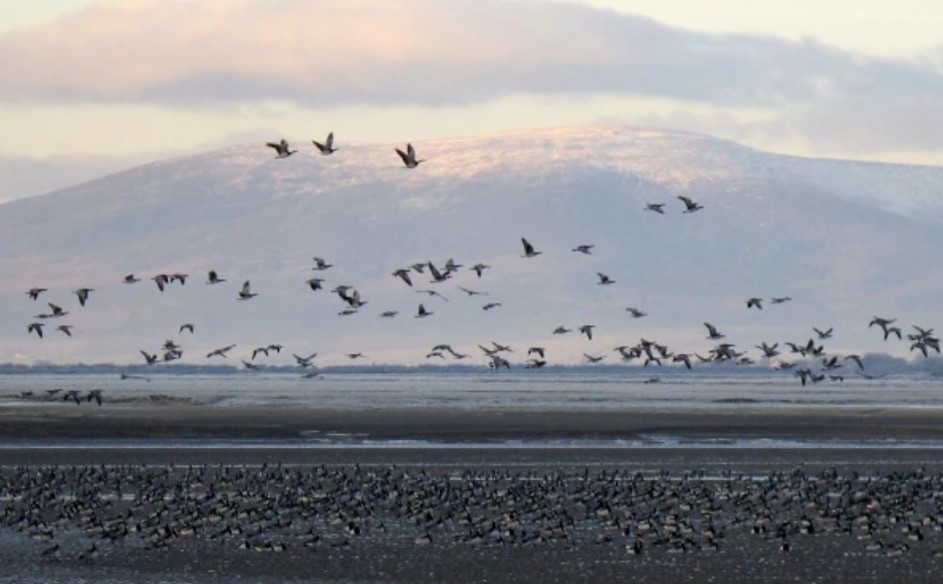
Photo: Brian Morrell, WWT

The new study, which has just been published in the journal Conservation Evidence, analysed discarded shotgun cartridges at various wetland locations and found that approximately half appeared to contain lead shot, which hasn’t been permitted for use over Scottish wetlands since 2005.

The ban on using lead shotgun ammunition over wetlands was introduced to try and reduce the amount of lead poisoning in wetland birds and the subsequent poisoning of predators that might scavenge the shot birds, particularly certain raptor species (e.g. see here and here).

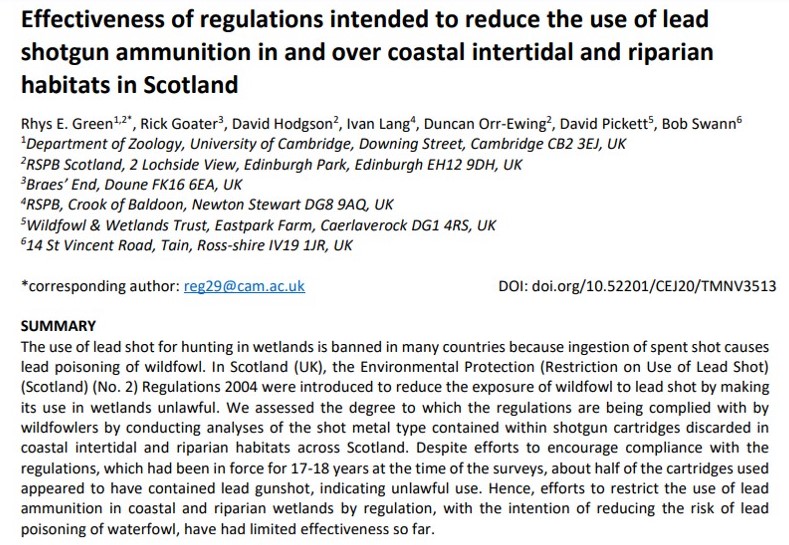
Here’s the summary of the study (full paper available at the foot of this blog):

Similar legislation (with slight variations) was introduced in England in 1999 after a voluntary ban on the use of lead shotgun ammunition over wetlands failed.

However, a number of studies since that new legislation was introduced (see here) have shown high levels of non-compliance with the law, for example 68% non-compliance in 2001-2002; 70% non-compliance with the law in 2008-2009 & 2009-2010; and 77-82% non-compliance with the law in 2013-2014.

Another study published in 2021 concluded that since the regulations were introduced in England in 1999, an estimated 13 million ducks have been shot illegally using lead shotgun ammunition, with an annual average of approximately 586,000 ducks, representing approximately 70% of the total ducks shot (see here).

Tellingly, this 2015 paper that included the findings of a questionnaire survey of shooters’ behaviour and attitudes revealed that one of the main reasons for non-compliance with the law was the shooters believed they “were not going to get caught” i.e. shooters knew that using lead ammunition would not involve penalties as the law is not enforced. This is a really common feature of wildlife crime in general, but particularly raptor persecution crimes, which I’ve written about before (e.g. here). It doesn’t matter how stiff the penalty is, if the offender thinks there’s little to no chance of being caught then it’s worth the risk of committing the crime.

The 13 million illegally shot ducks also provide an excellent example of why it’s idiotic to calculate the extent of a crime based on the number of convictions (as Professor Simon Denny tried to do in his recent ‘truly objective‘ claim that raptor persecution isn’t a widespread issue on grouse moors – see here). If we classify every one of those shot ducks as a separate crime, there has only ever been one successful prosecution out of a potential 13 million crimes (and that prosecution only happened because the offender shot a swan in front of witnesses, mistaking it for a goose whilst on a pheasant shoot in North Yorkshire). One conviction from 13 million crimes demonstrates quite clearly that a lack of prosecutions / convictions does not equate to a lack of crime!

It’s an important lesson for the Scottish Parliament as it considers the Wildlife Management and Muirburn (Scotland) Bill – if there is insufficient monitoring and enforcement accompanying the new legislation on grouse moor management practices, the offenders will continue to commit their crimes (i.e. killing birds of prey and lighting fires on deep peat) because they’ll know the chances of being caught are pretty slim.

The Westminster Government is currently considering a range of options for phasing out the use of lead ammunition (see here), after ignoring the overwhelming scientific evidence for years and instead choosing to support the shooting industry’s (then) refusal to get rid of toxic lead ammunition (e.g. see here and here).

Three years ago some (but not all) in the game-shooting industry realised the game was up and proclaimed a five-year voluntary phase-out of toxic lead ammunition (largely, I believe, because they didn’t want to have a ban enforced upon them). However, three years into that five-year phase out, things aren’t going too well (see here) and many UK supermarkets are still selling poisonous game meat to unsuspecting customers for both human consumption (here) and for pet food (here).

The HSE is due to report its recommendations about the use of toxic lead ammunition to Government by 6th November 2023. DEFRA Minister Richard Benyon told Green peer Natalie Bennett recently that the DEFRA Secretary of State ‘will be required to make a decision within three months of receipt of the opinions, with the consent of Welsh & Scottish Ministers‘ (see here).

Anything less than an immediate ban on the use of toxic lead ammunition for killing any species in any habitat (not just some species in some wetland habitats), will be challenged.

Here’s the full paper on the significant non-compliance of the law by shooters in Scotland, who are still using toxic lead shotgun ammunition to kill birds over wetlands, 18 years after it was banned. Well worth a read:

UPDATE 13th September 2023: Is DEFRA can-kicking the decision to phase out use of toxic lead ammunition by gamebird shooters? (here)

Scottish Parliamentary motion to celebrate the ‘Glorious 12th’ receives limited support

In the same week that the Scottish Greens branded the so-called Glorious 12th (the opening of the grouse-shooting season) as a ‘Festival of Violence’ (here), a Conservative MSP launched a Parliamentary motion to ‘celebrate the glorious 12th’.

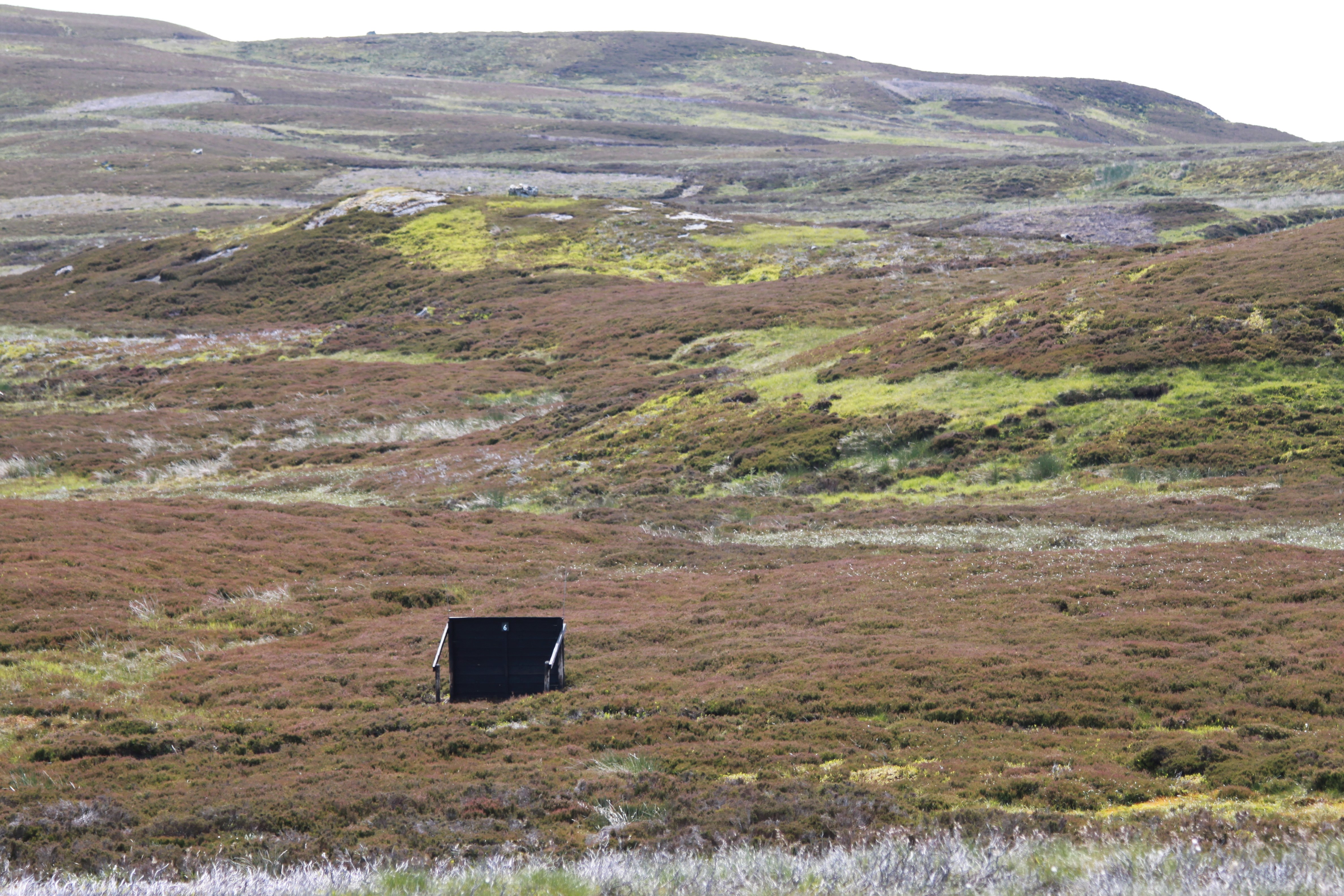
Grouse-shooting butt in Perthshire. Photo: Ruth Tingay

A Parliamentary motion is a simple way that MSPs can make statements to raise issues, recognise individuals, businesses etc and suggest topics for debate. MSPs from all parties can register their support for the motion.

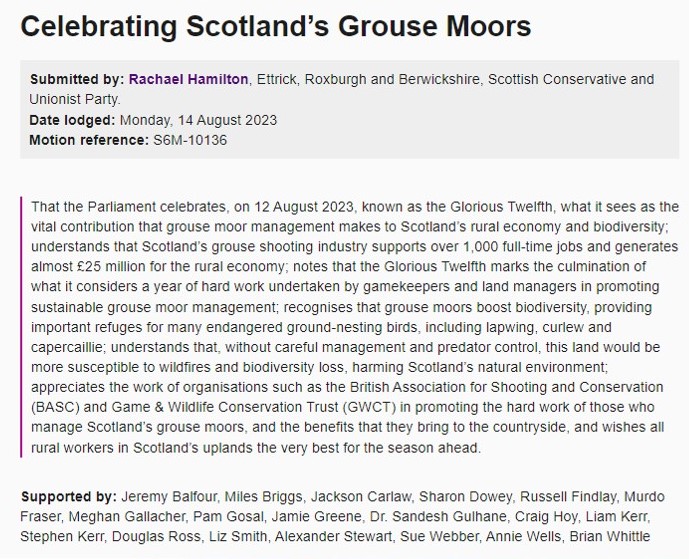
This particular motion was raised by Scottish Conservative MSP Rachael Hamilton:

The motion has received the support of 19 MSPs, all of them Conservatives, which is quite telling.

This is the third year in a row that a Conservative MSP has raised a motion asking the Parliament to ‘celebrate’ the grouse shooting industry, and it’s also the third year in a row that only Conservative MSPs have lent it their support (Rachael Hamilton’s motion in 2022 received the support of 21 fellow Conservatives and Jamie Halcrow Johnston’s motion in 2021 received the support of just 4 fellow Conservatives).

It’s hardly a surprise, and nor is it a surprise that Rachael Hamilton has led the call again this year. Her support of grouse moor management has been plain to see during the evidence sessions heard by the Rural Affairs & Islands Committee that’s currently scrutinising the Wildlife Management & Muirburn (Scotland) Bill at Stage 1 of its passage through Parliament (e.g. see here and here), and she’s a well known supporter (and apparent beneficiary of) blood sports (e.g. see here).

The Rural Affairs Committee will be considering a draft report of its scrutiny of the general principles (not the finer details) of the Bill when Parliament reconvenes in September (unfortunately this will apparently be undertaken in private, not public, meetings). The Committee’s report will then be used as the basis for a Stage 1 debate of the general principles of the Bill by the entire Parliament and this will be held in public. This is expected to happen in early October, before the Bill moves on to Stage 2, which is where it gets interesting as any member of the Scottish Parliament can then lodge proposed amendments to the Bill.

Grouse shooting industry’s claim of having ‘zero tolerance’ of raptor persecution is just not credible

I wrote an opinion piece for The National which was published yesterday (here) about the grouse shooting industry’s supposedly sincere claim of having ‘zero tolerance’ for the illegal killing of birds of prey.

It’s reproduced below:

It is widely acknowledged that the illegal killing of birds of prey has long been synonymous with driven grouse shooting in Scotland, even though raptors have had supposed legal protection for almost 70 years. Birds of prey such as buzzards, red kites, hen harriers and golden eagles are perceived to be a threat to red grouse and thus are ruthlessly shot, poisoned or trapped to protect the estates’ lucrative sporting interests.

Prosecutions are rare given the remoteness of the vast, privately-owned shooting estates where these crimes are committed; there are few witnesses and gamekeepers go to great lengths to hide the evidence, as demonstrated when a ‘missing’ golden eagle’s satellite tag was found wrapped in lead sheeting and dumped in a river, presumably in an attempt to block the transmitter.

The Scottish Government has tried various sanctions to address these crimes over the years, including the introduction in 2014 of General Licence restrictions, which are based on a civil burden of proof if there is insufficient evidence for a criminal prosecution. These restrictions don’t stop the sanctioned estates from shooting grouse but do partially limit their moorland management activities and were specifically designed to act as a ‘reputational driver’. Unfortunately they have been proven to be wholly ineffective.

In 2017 a scientific report into the fate of satellite-tracked golden eagles in Scotland highlighted the extent of the ongoing killing on some grouse moors (almost one third of 141 tracked eagles disappeared in suspicious circumstances, none of which resulted in a prosecution). In response, the Government commissioned a review (the Werritty Review) of the sustainability of grouse moor management, which led to the Government finally committing to introducing a full licensing scheme for grouse shooting in 2020. The threat of having an estate licence completely revoked if raptor persecution is detected may now act as a suitable deterrent, as long as the law is adequately enforced.

This long-awaited legislation is currently on passage through Parliament as the Wildlife Management and Muirburn (Scotland) Bill. Unsurprisingly, the grouse shooting lobby is working hard to influence proceedings and minimise the Bill’s impact, questioning its legality and proportionality, even making threats to take the Government to the European Court of Human Rights. Instead of welcoming legislation that should protect the innocent and rid the industry of those who continue to bring it into disrepute, industry representatives maintain that a voluntary approach is sufficient and deny that persecution is even an issue, despite the suspicious disappearance of at least 35 more satellite-tagged hen harriers and golden eagles since the 2017 report was published.

Grouse-shooting representatives maintain they have a ‘zero tolerance’ stance against illegal raptor persecution and argue that they can’t do anything more. But talk is cheap and this industry should be judged by its actions, not by superficial pronouncements from its leaders.

I would argue that there is much more the industry could, and should, be doing if it wants to be seen as a credible force for change.

For example, let’s look at the Moy Estate in Inverness-shire. Two estate gamekeepers have been convicted for raptor persecution offences here (one in 2011 and one in March this year) and the estate has been at the centre of multiple police investigations many times in between. Indeed, it is currently serving a three-year General Licence restriction imposed by NatureScot in 2022 on the basis of police evidence of wildlife crime against birds of prey, including the discovery of a poisoned red kite and various trapping offences.

Moy Estate is believed to be a member of the Scottish landowners’ lobby group, Scottish Land & Estates (SLE). Has SLE expelled the estate from its membership? If it hasn’t, why not? If it has, why hasn’t it done so publically?  

Why are SLE, the Scottish Gamekeepers Association and others from the shooting industry, still attending the Moy Country Fair held annually on the Moy Estate? Why hasn’t this estate been boycotted and blacklisted by industry representatives? Surely that would send a strong message of ‘zero tolerance’ for raptor persecution?

Screen grab from SLE website, August 2023

It’s not just Moy Estate, either. There are a number of other grouse-shooting estates, some very high profile and often described as ‘prestigious’ in the shooting press, that are also either currently, or have previously, served three-year General Licence restrictions.

How many of those estates and/or their sporting agents have been blacklisted by industry organisations? None of them, as far as I can see.

Zero tolerance should mean exactly that. Anything less simply isn’t credible.

Dr Ruth Tingay writes the Raptor Persecution UK blog and is a founder member of REVIVE, the coalition for grouse moor reform.

ENDS

Snares banned in Wales after historic parliamentary vote – Scotland next?

Press release from League Against Cruel Sports (27th June 2023):

CELEBRATIONS OUTSIDE THE SENEDD AS WALES BANS BRUTAL WILDLIFE TRAPS

Members of the Senedd joined animal welfare campaigners from the League Against Cruel Sports this evening to celebrate a historic vote to ban snares in Wales.

It followed the unanimous passing of the Agriculture (Wales) Bill in the Senedd earlier today which contained measures to outlaw these cruel and indiscriminate wildlife traps.

Will Morton, head of public affairs at the League Against Cruel Sports, said:

The Welsh Government deserves huge credit for banning snares, inherently inhumane traps, which are completely incompatible with high animal welfare standards.

Wales is leading the way in protecting wildlife from cruelty and we’re calling on the UK and Scottish Governments to follow their lead and ban these brutal devices.”

The attendees included 13 members of the Senedd as well as animal welfare campaigners from across Wales.

Up to 51,000 snares lie hidden in the countryside at any one time according to UK government figures. Defra figures

They are used predominantly by shooting industry gamekeepers on pheasant and partridge shoots to trap wildlife.

The same Defra research show almost three quarters of the animals caught are not the intended target species. So, this will include hares, badgers and people’s pets.

This snared badger found in Wales suffered for several days and had to be euthanised due to the extent of her injuries. Photo: RSPCA

Polling carried out by YouGov in Wales in January 2021 showed 78 per cent of the Welsh public wanted snares to be made illegal.

The ban will come into force two months after receiving royal assent so snares should become illegal in Wales later this year.

Will Morton added: “Today we are celebrating the move to end the cruelty inflicted on animals by the use of barbaric snares, something that will have the support of the vast majority of the Welsh people.

It’s a fantastic move for animal welfare and we look forward to snares being banned in the rest of the UK soon.”

ENDS

As many of you will know, the Scottish Government is currently considering a ban on snares as part of its Wildlife Management and Muirburn (Scotland) Bill.

In December 2022 the Scottish Animal Welfare Commission recommended that ‘the sale of snares and their use by both public and industry are banned in Scotland, on animal welfare grounds‘ (see here). As part of that report, evidence provided by the Scottish SPCA demonstrated that 75% of tagged snares were set illegally but even legally-set snares caused catastrophic injuries to both target and non-target species (see here).

In April 2023, Scottish charity OneKind published a new report also exposing the cruelty of snares and called for a complete ban (see here).

Some evidence on snaring has been heard by the Scottish Parliament’s Rural Affairs & Islands Committee as part of their Stage 1 scrutiny of the Wildlife Management & Muirburn (Scotland) Bill but the Government’s provisions won’t be heard until the Bill reaches Stage 2 in the autumn.

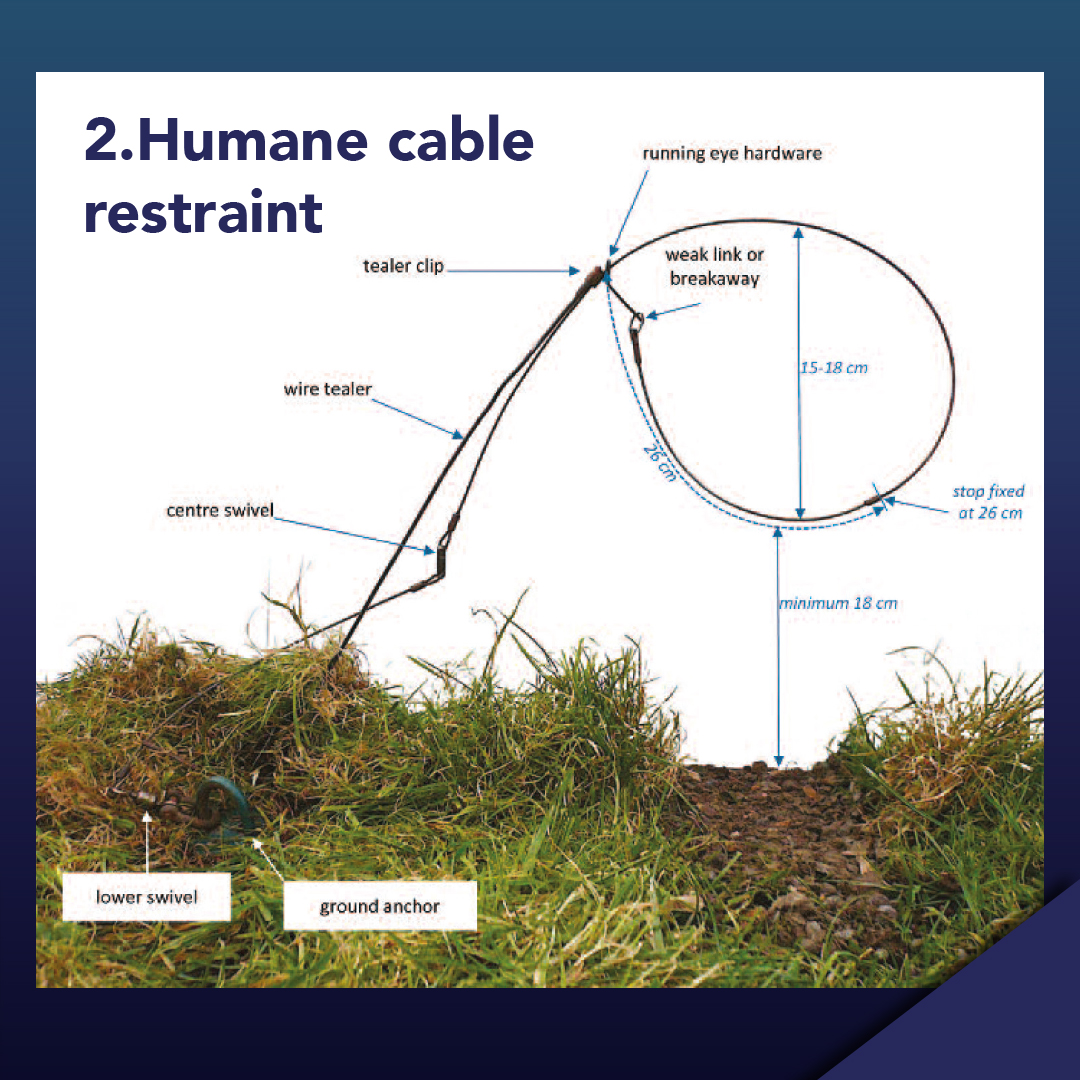
During the evidence session, discussion centred on a new type of snare, cynically called a ‘Humane Cable Restraint’. However, as OneKind’s Policy Officer, Kirsty Jenkins points out (here), “There is no design alteration or method of use that can make snares humane – the fundamentals of the method cause suffering“.

Chairman of the Scottish Gamekeepers Association (SGA), Alex Hogg, gave evidence at Stage 1 of the Bill and claimed that the new snare design is “almost like a dog collar” (see here), implying that its use doesn’t cause the snared animal any suffering.

Interestingly, he used a similar analogy in another Parliamentary committee evidence session back in 2010 when the Wildlife & Natural Environment (Scotland) Bill was under consideration, including an option to ban snaring. Here’s what he had to say about snaring then:

Those snares are set at certain times of the year to try to protect ground-nesting birds and lambs from foxes. Nine times out of 10, the animal will go into the snare in the hours of darkness. When it enters the snare, its instinct is to lie like a dog or hide, especially in the hours of darkness. When we check our snares first thing in the morning, which we normally do—we have a snaring round; we check the snares at daylight and onwards through to breakfast time—we will dispatch the animals that have been held in them. The snare must close to a certain tightness to be able to hold the animal. The old-fashioned snares locked, so the tighter they got, the more the animal was strangled. However, the snares that we now have are non-locking; they can slip back again. They will hold the animal in the same way as a choke lead on a dog that is pulling too hard” (see here).

Presumably these non-locking snares that Alex implied were virtually harmless are the same snares that the SGA are now calling to be phased out on welfare grounds?!

During the most recent evidence sessions scrutinising the Wildlife Management & Muirburn (Scotland) Bill, Alex Hogg also refers to the new, so-called Humane Cable Restraint (i.e. the ones that the Scottish Animal Welfare Commission recommends are banned) as follows:

The other important thing that I forgot to say was that scientists are using them. They are using them to catch foxes, tag them with radio collars then let them go. That proves to me that the fox has never been damaged” (see here).

I’ve heard this justification for snare use several times, and I’m aware that the GWCT has been using snares to trap foxes so that radio collars can be fitted before the fox is then released, but so far I’ve been unable to find any peer-reviewed scientific paper referring to the snaring method used. I’d be utterly amazed if the approved scientific method used by the GWCT involved leaving the snared fox for up to 24 hours before attending to it, as a gamekeeper is permitted. Any ethical committee overseeing this research method would undoubtedly raise an objection, so Alex’s comparison is somewhat disingenuous, in my opinion.

Final evidence session today on Wildlife & Muirburn (Scotland) Bill

As many of you know, the Scottish Parliament’s Rural Affairs & Islands Committee is currently taking evidence from stakeholders as part of the Committee’s Stage 1 scrutiny of the Wildlife & Muirburn (Scotland) Bill.

For new blog readers, this is the Bill that has been introduced by the Scottish Government in response to the recommendations made in the 2019 Werritty Review and is designed to bring in licensing for grouse moor management and introduce measures to put an end to the illegal killing of birds of prey on grouse moors.

Screen grab from the 3rd evidence session held on 21 June 2023 (via Scottish Parliament TV)

The first evidence session took place on 31st May 2023 and the Committee heard from members of the Scottish Government Bill Team, led by senior civil servant Hugh Dignon.

The second evidence session took place on 14th June 2023 and the Committee heard from members of the Werritty Review Group as well as a range of stakeholders discussing traps & increased powers for the SSPCA. It was a fascinating session and I’ve quite a lot to say about it but I don’t intend to comment until later.

The third evidence session took place on 21st June and the Committee heard from a range of stakeholders discussing grouse moor licensing and muirburn. Another interesting session that I’ll comment on in due course.

You can watch the third evidence session on Scottish Parliament TV (archived video here) and you can read the transcript here:

The fourth and final evidence session takes place today, starting at 08.30hrs in the Fairfax Somerville Room at Holyrood. The Rural Affairs Cabinet Secretary, Mairi Gougeon, was originally scheduled to give evidence but she has now been replaced by the newly-appointed Environment Minister, Gillian Martin. Talk about a baptism of fire!

As Gillian is relatively new (she’s only been in post for a few weeks) and this is a highly specialised and politicised issue that’s been raging for years, it’s no surprise to see her supported in this session by three civil servants who know this issue inside out (they drafted the Bill and appeared before the Committee in the first evidence session in May).

You can watch live on Scottish Parliament TV (here) or watch the video archive shortly afterwards via the same website. The official transcript will be available several days after the meeting and I’ll post it on this blog when it comes out.

UPDATE: You can watch the fourth evidence session on Scottish Parliament TV (archived video here) and you can read the transcript here:

Reaction to proposed new investigatory powers for Scottish SPCA to help tackle wildlife crime

Further to today’s excellent news (here) that the Scottish Government has (finally!) agreed to new proposed investigatory powers for the Scottish SPCA to help tackle wildlife crime, some of the early reactions are entirely predictable.

Those who are sick to the back teeth of the raptor killers getting away with it, as they have for decades, are delighted with the news. With more expert investigators on the ground, who knows, we may even finally see a conviction for those who continue to poison, trap and shoot the iconic golden eagle, which occurs disproportionately on land managed for driven grouse shooting.

Golden eagles. Photo: Chris Packham

Here’s the reaction to today’s news from the Scottish Greens:

SCOTTISH GREENS HAIL VITAL NEW SCOTTISH SPCA POWERS TO TACKLE WILDLIFE CRIME

The announcement that the Scottish Government will legislate to give additional powers to the Scottish Society for Prevention of Cruelty to Animals (Scottish SPCA) to investigate wildlife crime has been hailed by the Scottish Greens. 

The party’s nature spokesperson, Mark Ruskell MSP, called it “a massive step forward for animal welfare.”

The powers, which will be brought forward as part of the Wildlife Management and Muirburn (Scotland) Bill, will allow the Scottish SPCA to, in certain circumstances, search, examine and seize evidence in connection with specified wildlife crime offences.

Mr Ruskell said: “This is a massive step forward for animal welfare and the protection of the birds and animals that we all love. It is a change that the Scottish Greens and wildlife campaigners have long called for.

One of the main reasons wildlife crime is so rife is because the criminals know they can get away with it. These vital new powers will make them think again.

The Scottish SPCA does a fantastic job but, at present, it is not even allowed to gather evidence to prosecute wildlife crimes, even when they know about them. These powers will give them more bite and will greatly help the police in stopping those that would harm or kill our iconic species and wildlife. With these new powers, Scottish SPCA officers can help the police to build a case and catch perpetrators“.

ENDS

Here’s the reaction from RSPB Scotland:

We warmly welcome today’s announcement by the Scottish Government to extend the powers of Scottish SPCA Inspectors to allow them to search, examine and seize evidence in connection with specified wildlife crime offences as part of an investigation.

Our Head of Investigations in Scotland, Ian Thomson, had the following to say about the announcement: “We have been campaigning for this important measure for over a decade.

Until now, Scottish SPCA inspectors could investigate cases where animals were actively suffering, for example in an illegal trap, but they could not look for evidence of further identical traps where nothing had been caught, or where a victim had already been killed.

The closing of this loophole will be commended by all who want to see more resources devoted to tackling crimes against Scotland’s wildlife”.

ENDS

And in complete contrast, here’s the hilariously hysterical reaction from Scottish Land & Estates, the grouse moor owners’ lobby group, who must surely qualify for a Spitting the Dummy trophy by now:

Decision To Enhance SSPCA Powers Runs The Risk Of Hindering Wildlife Crime Prosecutions

A decision to extend the investigatory powers available to the SSPCA goes against the advice of an independent taskforce set up by the Scottish Government to examine the issue, Scottish Land & Estates said today.

The government said today that new powers will “allow the Scottish SPCA to in certain circumstances search, examine and seize evidence in connection with specified wildlife crime offences.”

The announcement comes just six days after a report from an independent taskforce examined three possible scenarios for future SSPCA powers and concluded that enhanced partnership working for the charity – rather than new investigatory powers – was the recommended route forward.

The taskforce recognised the difficulty in reconciling new investigatory powers with the SSPCA’s campaigning against legal land management practices including snaring and glue traps.

Crucially, the taskforce said that an extension of powers would be “fraught” and noted that Police Scotland raised extensive concerns about the proposals whilst the Crown Office highlighted the standards in evidence gathering, processing and reporting required.

Ross Ewing, Director of Moorland at Scottish Land & Estates, said:

The Scottish Government, not for the first time, has appointed an expert taskforce to examine an issue and take evidence from key stakeholders – and then chosen to disregard its recommendations.

We firmly support measures to address all forms of wildlife crime. It’s vital that those investigated have full trust in the impartiality of investigators. Where any form of search, examination or seizing of evidence is required, that should be the sole remit of Police Scotland.

If additional resource is needed to tackle this priority area, Police Scotland should be provided with that resource by the Scottish Government instead of powers being granted to a charity.

As the taskforce made clear in its report, there are substantial problems in allowing a campaigning organisation to hold key powers in investigating alleged criminality. The opposition of the SSPCA to legal land management tools such as snares is well known and surely calls into question their objectivity in any investigation.

The Scottish Government also states that SSPCA Inspectors will be required to undertake specified training prior to exercising new powers – but does not assert who will pay for this training.

Ultimately, SSPCA involvement could damage the likelihood of successful prosecutions where a crime has been committed if due process is not adhered to. This is a concern which Police Scotland raised in its evidence to the taskforce but is one that has been taken no notice of by the Scottish Government.

ENDS

I’d argue that it’s reactions like this that have led to the situation that the game-shooting industry finds itself in today. Everybody knows what goes on, everybody’s sick of it, and everybody (except those who might find themselves finally held to account) wants an end to it.

Essentially, the Scottish Government has, in my view, been forced to take this step due to a combination of (a) national (and international) embarrassment at its consistent failure to deal with the raptor-killing criminals, (b) constant denial of the bleedin’ obvious by the game-shooting industry leading to a complete loss of confidence by Govt Ministers, and (c) strong public opinion and pressure.

The so-called ‘concerns’ about the SSPCA’s professionalism are laughable, given that they’re already an official specialist reporting agency to the Crown Office so know all about ‘due process’, and through their skill, experience and expertise, routinely bring some of the most sadistic wildlife-abusers to justice, including badger baiters such as this depraved Millden Estate gamekeeper last year (here).

Increasing the SSPCA’s powers to enable them to investigate crimes relating to dead wildlife in addition to wildlife that’s still alive and suffering, should be such an obvious move that it should have happened years ago. The fact it’s taken this long to achieve even a small amount of progress is very telling indeed so kudos to Cabinet Secretary Mairi Gougeon, former Environment Minister Mairi McAllan, and current Environment Minister Gillian Martin for standing up to those who still think its 1898.

New Scottish Environment Minister’s responsibilities include wildlife management & wildlife crime

Earlier this month I blogged about the appointment of Gillian Martin MSP as the new Environment Minister in the Scottish Government, alongside her current role as Energy Minister (see here).

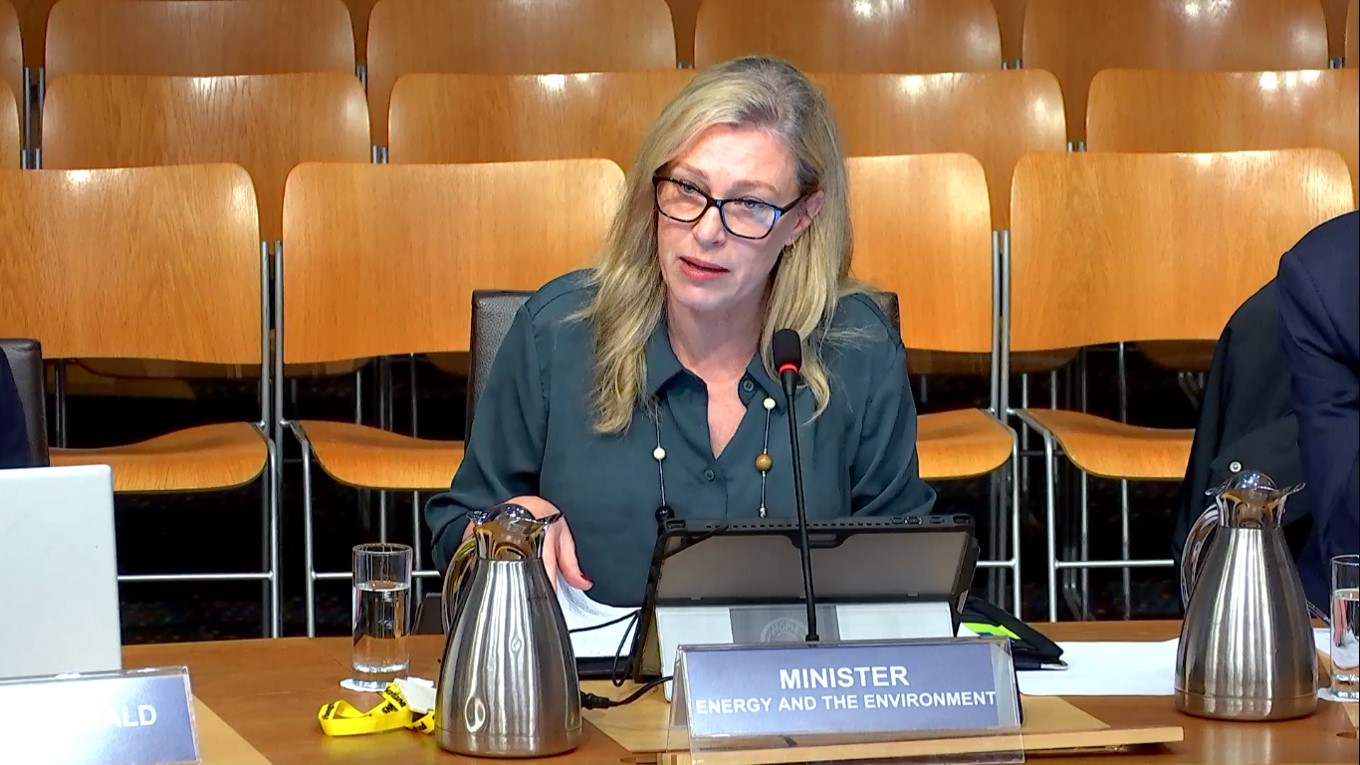
Environment & Energy Minister Gillian Martin in action at Holyrood last week (Scottish Parliament TV)

At the time of Gillian’s appointment her specific responsibilities under the ‘Environment’ remit had not yet been published, other than to say she would be supporting the Cabinet Secretary for Rural Affairs, Land Reform and Islands (Mairi Gougeon).

The full list of Gillian’s responsibilities has now been made public, and as expected, her new portfolio covers many issues relevant to us, including wildlife management and wildlife crime:

She’s going to be busy!

Environment Minister ‘open to ideas about closing loopholes’ that currently block SSPCA investigating some wildlife crimes

Further to the publication yesterday of the Scottish Government’s commissioned review on increased investigatory powers for the Scottish SPCA (here), this issue was raised in the Scottish Parliament yesterday during Portfolio Questions.

New Environment Minister Gillian Martin responded to questions as follows:

This is a fairly positive response from the Minister but yet again, we’re left waiting for a formal Government response to the review, even though in February we were told that the Government’s response would be published at the same time as the review (i.e. yesterday).

I don’t understand why we’ve had to wait eight months for this very short review to be published (it was submitted to Government in Oct 2022) if the Government hasn’t even managed to cobble together a formal response yet. What was the delay for? And given that the issue has been tabled during the recent evidence sessions during the Stage 1 scrutiny of the Wildlife & Muirburn (Scotland) Bill, wouldn’t it have been useful to have had this review available in time for discussions?

So now we wait again….more bloody can-kicking, 12 years on. It’s tedious and unimpressive governance. Nevertheless, kudos to Mark Ruskell MSP (Scottish Greens) who has been pushing on this issue for many years now.