A pre-trial case management hearing due to take place at Lincoln Magistrates’ Court on 29 January 2026 has been delayed.
Brian Chorlton, 87, of Morkery Lane, Castle Bytham, Lincolnshire, was summoned to court in April 2025 following reports that birds of prey were being poisoned in the Castle Bytham area.
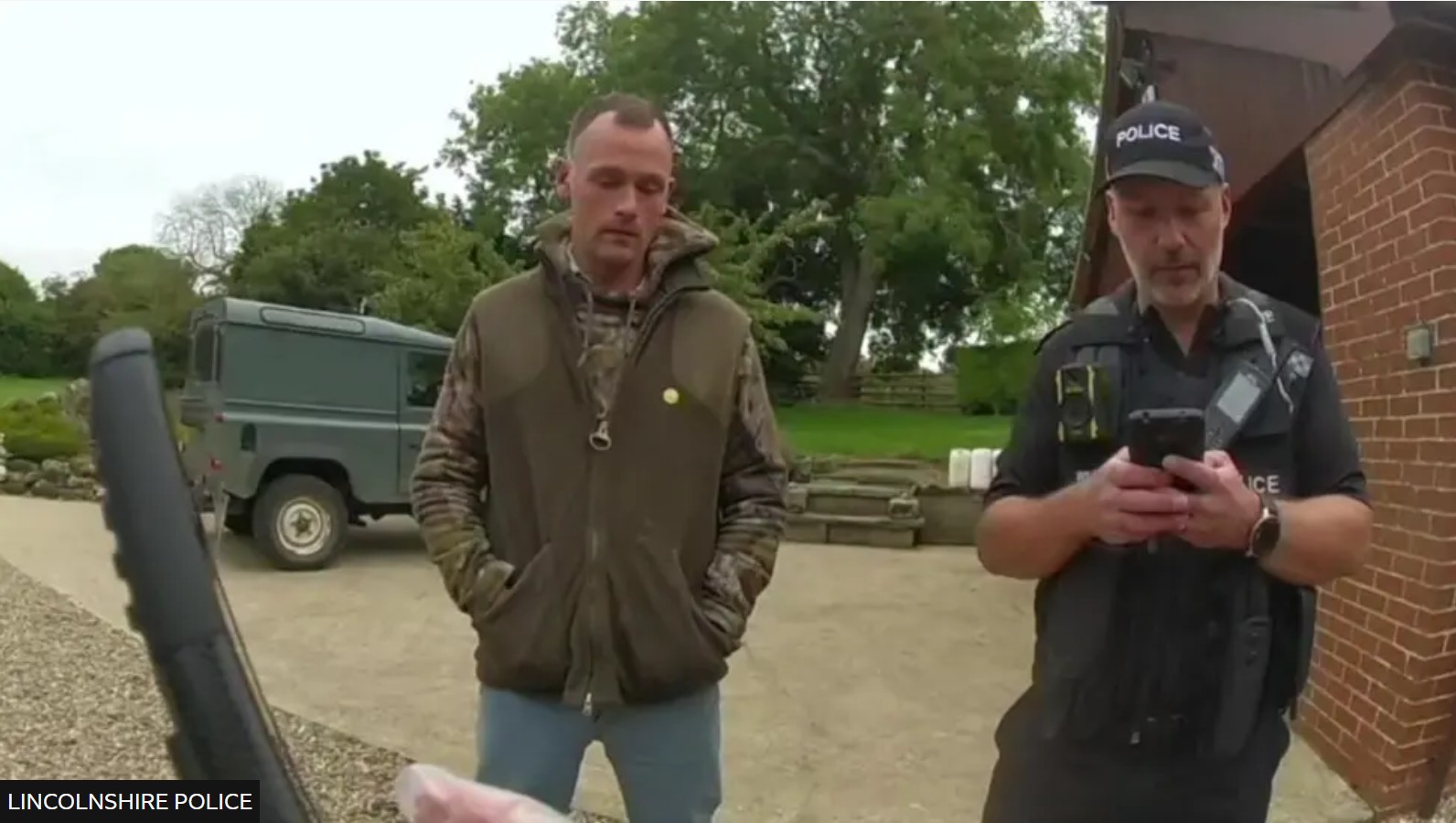
Photo by Ruth Tingay
In May 2025, Chorlton appeared at Lincoln Magistrates’ Court and pleaded not guilty to 11 charges relating to the unapproved or unlawful storage of the chemical Aldicarb, possession of a poisoner’s kit, and possession and use of four pole traps. The trial was set to take place in October 2025.
However, on 18 September 2025 a pre-trial case management hearing took place at Lincoln Magistrates’ Court where the defence submitted three separate legal arguments calling for the case to be dismissed.
The District Judge rejected all three legal arguments and the application to dismiss the case was rejected.
The District Judge said he intended for the trial to proceed in October but offered a further case management hearing, due to take place one week later, to allow the defence time to consider the ruling.
That second case management trial took place on 25 September 2025 and the defence announced its intention to apply to the High Court for Judicial Review of the judge’s earlier ruling.
This meant the October 2025 trial date was vacated and the judge ordered a further case management hearing for 29 January 2026 where the defence was expected to provide an update on its application for judicial review.
That case management hearing has now also been vacated as the defence is still waiting for a decision from the High Court on whether its application for judicial review can progress to a full hearing.
This could take some time.
NB: As criminal proceedings are still live, comments have been switched off.
The trial of an 87-year-old man, accused of multiple offences linked to alleged raptor persecution, has been put on hold after his defence lawyer told the court he intends to apply for Judicial Review of the judge’s ruling that the case should not be dropped.
Brian Chorlton, of Morkery Lane, Castle Bytham, Lincolnshire, was summoned to court in April 2025 following reports that birds of prey were being poisoned in the Castle Bytham area.
In May 2025, Chorlton appeared at Lincoln Magistrates’ Court and pleaded not guilty to 11 charges relating to the unapproved or unlawful storage of the chemical Aldicarb, possession of a poisoner’s kit, and possession and use of four pole traps. The trial was set to take place in October 2025.
However, on 18 September 2025 a case management hearing took place at Lincoln Magistrates’ Court where the defence submitted three separate legal arguments calling for the case to be dismissed. I won’t elaborate on those arguments at this stage but they are unusual, and are not related to the use of covert surveillance as is often the case.
The District Judge rejected all three legal arguments and the application to dismiss the case was rejected.
The District Judge said he intended for the trial to proceed in October but offered a further case management hearing, due to take place one week later, to allow the defence time to consider the ruling.
That second case management trial took place at Lincoln Magistrates’ Court yesterday (25 September 2025) and the defence announced its intention to apply to the High Court for Judicial Review of the judge’s earlier ruling.
This means the original trial date (October 2025) has now been vacated. There will be a further case management hearing in January 2026 for the defence to update the court on its application for Judicial Review.
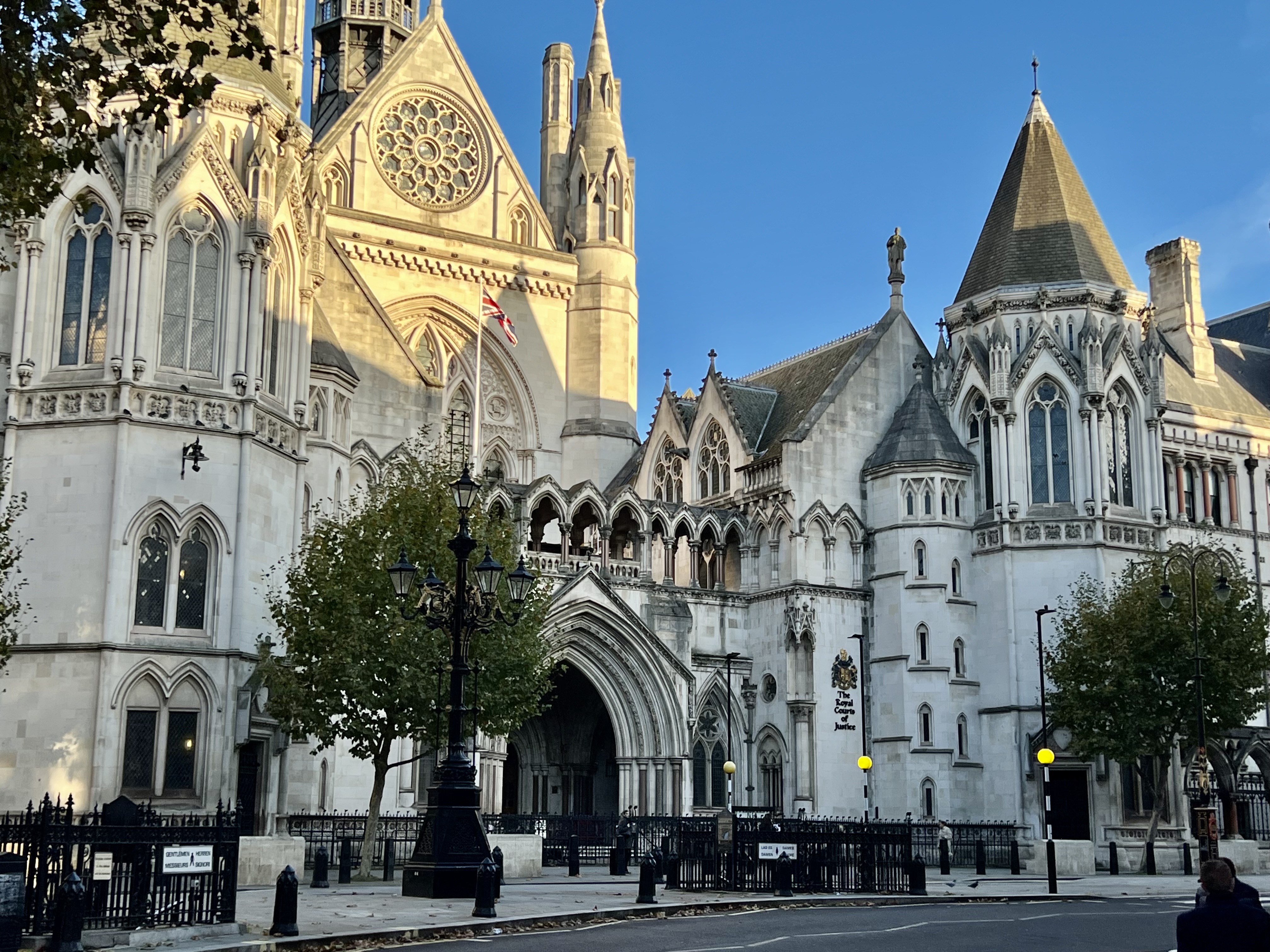
Royal Courts of Justice in London. Photo by Ruth Tingay
The application for Judicial Review is a process whereby the defence will be seeking permission from a High Court judge to proceed to a full Judicial Review. This typically takes between two to six months but can take longer, depending on the court’s schedule and the availability of a judge and also whether the judge wants an oral hearing or is satisfied with the written submissions on which to make a decision.
If permission is granted, the case will then move to a full Judicial Review and that can take up to a year before it’s heard, sometimes longer, and if the judge’s decision is reserved, there can then be a further wait, often months, waiting for the judgement to be delivered.
NB: As criminal proceedings are still live, comments have been switched off.
Brian Chorlton, aged 87, of Morkery Lane, Castle Bytham appeared at Lincoln Magistrates’ Court yesterday (8 May 2025) to answer 11 charges relating to the unapproved or unlawful storage of the chemical Aldicarb, possession of a poisoners kit, and possession and use of four pole traps.
These charges are a result of a police investigation in to reports that birds of prey were being poisoned in the Castle Bytham area.
Mr Chorlton pleaded not guilty to all 11 charges and this case will now proceed to trial, scheduled for October 2025.
NB: Comments are turned off as this case is live.
Photo by Ruth Tingay
UPDATE 26 September 2025: Trial of 87-year-old man accused of 11 offences relating to raptor persecution is put on hold as defence applies for Judicial Review of judge’s ruling (here)
Statement from Lincolnshire Police (18 April 2025)
SUMMONS TO COURT FOR BIRD OF PREY OFFENCES
Brian Chorlton, aged 87, of Morkery Lane, Castle Bytham has been summoned to court following reports that birds of prey were being poisoned in the Castle Bytham area.
He faces eleven charges relating to the unapproved or unlawful storage of the chemical Aldicarb, possession of a poisoners kit, possession and use of four pole traps.
He has been summoned to appear at Lincoln Magistrates’ Court on Thursday 8 May 2025.
ENDS
NB: Comments are turned off as this case is live.
UPDATE 9 May 2025: 87-year-old man pleads not guilty to 11 charges relating to alleged raptor persecution in Lincolnshire – case now goes to trial (here)
UPDATE 26 September 2025: Trial of 87-year-old man accused of 11 offences relating to raptor persecution is put on hold as defence applies for Judicial Review of judge’s ruling (here)
The number of outbreaks of Highly Pathogenic Avian Influenza is showing no sign of slowing down, with the latest flurry of cases reported in Yorkshire and County Durham.
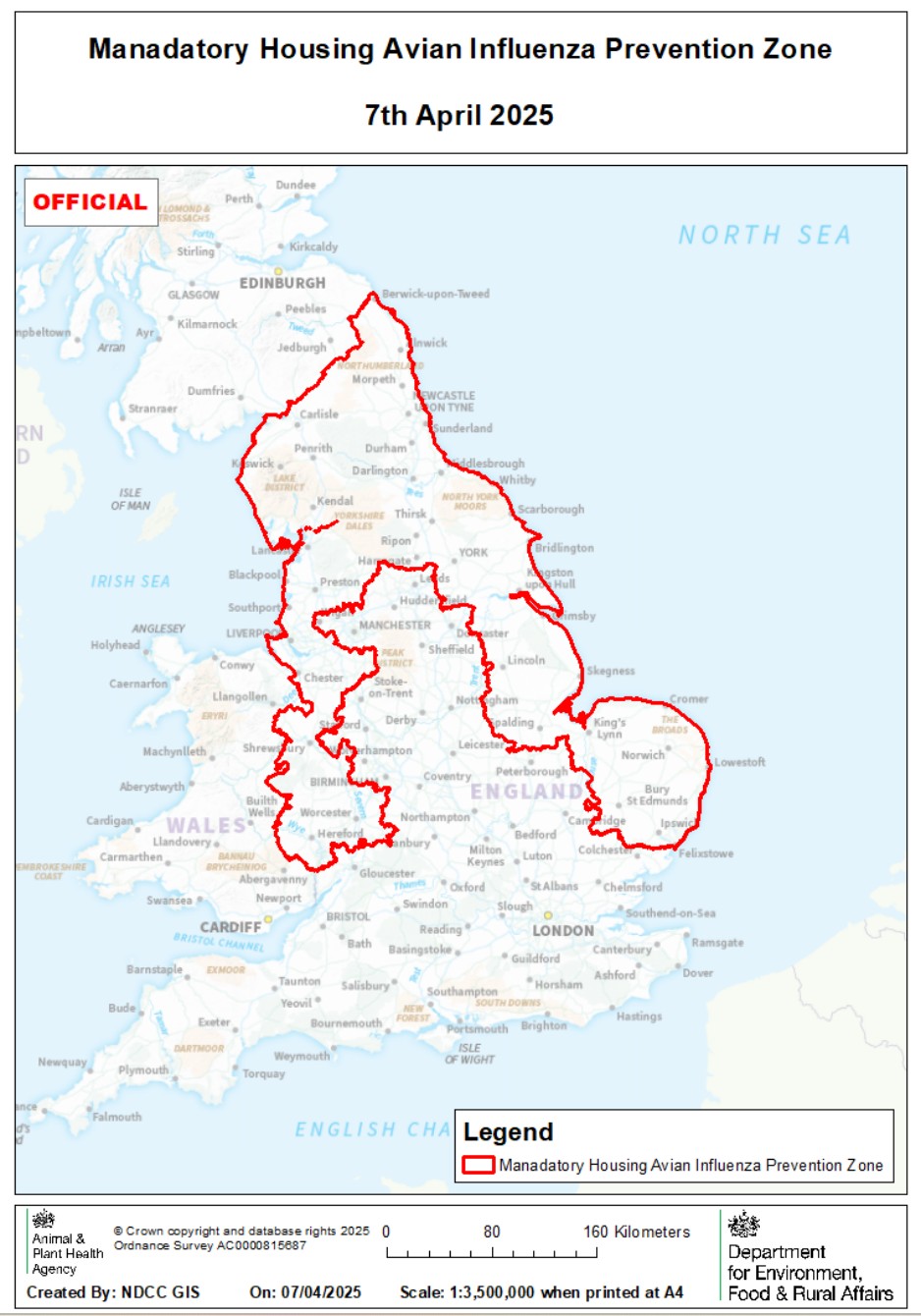
So much so that from today (7th April 2025), the regional Avian Influenza Prevention Zone (AIPZ) mandating enhanced biosecurity and housing for kept birds currently in force across Cheshire, City of Kingston Upon Hull, East Riding of Yorkshire, Herefordshire, Lancashire, Lincolnshire, Merseyside, Norfolk, North Yorkshire, Shropshire, Suffolk, Worcestershire and York has now been extended to cover the following counties:
Cumbria, County Durham, Northumberland, Tyneside.
One of the recent outbreaks reported in North Yorkshire caught my eye. Here’s the report of a case on 30 March 2025:
‘Highly Pathogenic Avian Influenza (HPAI) H5N1 was confirmed in commercial poultry and other captive birds at a premises near Pickering, Thirsk & Malton, North Yorkshire (AIV 2025/37).
‘A 3km protection zone and 10km surveillance zone have been declared around the premises. All affected birds on the premises will be humanely culled‘.
The grid reference given for the centre of the protection zone (i.e. the location of the H5N1 outbreak at the centre of the blue circle) is given as: SE7592387464.
This appears to be Westfield Farms, Cropton Lane, Pickering, just on the border of the North York Moors National Park.
Sound familiar?
In 2015 the owner of Westfield Farms, where pheasants, red-legged partridges and ducks are bred and reared to be sold for gamebird shooting was convicted of permitting the use of a pole trap at his game farm after the RSPB filmed him driving past and appearing to look in the direction of a pole trap set above a rearing pen.
Pole traps have been banned since 1904. It’s a barbaric way to kill any animal and causes horrendous suffering and distress, often over a period of many hours. A spring trap is placed on a post where a bird of prey is likely to perch. When the bird lands on the ‘plate’, the trap springs shut on the bird’s legs. When the bird tries to fly off, it ends up dangling upside down because the trap is attached to the post by a chain to prevent it from being carried away. The bird remains dangling, often with severe injuries, until its ultimate demise.
The game farm owner had denied any knowledge of the pole trap but after viewing the RSPB’s footage, magistrates said it was “inconceivable” that he wouldn’t have seen it. In addition to his conviction for permitting the use of a trap, two of his staff were cautioned by police after a total of five set pole traps were found at the game farm (see here).
North Yorkshire Police collecting one of five illegally-set pole traps at Westfield Farm. Photo: RSPB
However, the game farm owner’s conviction was quashed on appeal later that year after judges at York Crown Court declared that “the prosecution had failed to prove its case” (i.e. that the game farm owner had seen the illegal trap) – see here.
Sign at Cropton last week (supplied by RPUK blog reader). Spot the pheasant!
Further to the news about the conviction and sentencing of Lincolnshire farmer/gamekeeper John Bryant for multiple offences at Grange Farms, West Ashby in October 2022, relating to an investigation into the illegal persecution of birds of prey (see here, here and here), Lincolnshire Police’s Rural Crime Team has provided some information about the revocation of Bryant’s shotgun and firearms certificates.
Convicted farmer/gamekeeper John Bryant
“We have been asked about his firearms/shotgun certificates.
“As a direct result of this investigation. Both from matters revolving around the storage and security of firearms and ammunition along with this case being brought against him, his authority to possess firearms and shotguns was also withdrawn. In other words, Lincolnshire Police revoked those certificates so he could no longer possess licensable guns.
“This was contested at Lincoln Crown Court whereby his legal team failed to argue the case and judgement was held in support of the Police decision to revoke them.
“This should also stand as a warning to all certificate holders. One criminal act can easily lose you your right to possess firearms, but also the way you store/secure/keep those firearms can also have a huge detrimental impact on those certificates“.
It sounds then, that in addition to the charges against Bryant for the poison and trap offences, there was also an issue about the storage and security of his firearms and ammunition, although I haven’t seen any report of charges being brought against him for those alleged offences, just a revocation of his licences.
Given that the appeal hearing against his firearms and shotgun licence revocations was held at Lincoln Crown Court (date unknown), this probably accounts for at least some of the reported £100,000 costs incurred by Bryant for his defence, as mentioned in court during his sentencing hearing yesterday.
Looking at the account’s for Grange Farms (West Ashby) Ltd, held on Companies House website, which lists Bryant as one of several Directors (here), the family’s company can easily afford to cover Bryant’s own legal costs in addition to the fine and costs he received from the court (£7,449) from the company’s £1 million+ capital and reserves.
I do wonder about the firearms and shotgun revocations though. Can other family members, residing and/or working at the same property, hold their own certificates and thus legitimately keep firearms and shotguns on the premises? And if so, what measures are taken to ensure John Bryant doesn’t have access to them?
These are genuine questions. I’d welcome the opinion of any firearms experts who might be reading this.
Further to today’s earlier blog on the sentencing of Lincolnshire gamekeeper John Bryant who was found guilty of multiple crimes after a police investigation into the illegal killing of a red kite and two buzzards (see here), the RSPB Investigations Team has issued the following press release:
GAMEKEEPER ORDERED TO PAY OVER £7,000 AFTER BEING FOUND GUILTY OF POISON AND TRAP-RELATED OFFENCES
Numerous birds of prey had been poisoned in the Belchford area of Lincolnshire over a number of years, leading to a police investigation.
Police uncovered large quantities of banned poison and illegal traps on the gamebird shoot.
The RSPB is urging the government to introduce a licensing scheme for all gamebird shooting, with the sanction to remove licences to shoot if wildlife protection laws are broken, and to act as a meaningful deterrent to bird of prey crimes in particular.
After a two-day trial at Lincoln Magistrates’ Court, John Bryant (40), of West Ashby, Horncastle was found guilty on 7 March 2025 in relation to four offences. He was sentenced on 20 March 2025 and ordered to pay £7,449 in total – including £2112 in fines for the four offences, £4,492 in costs and a victim surcharge of £845. The court heard how a number of birds of prey were found poisoned in the Belchford area over several years, and how Lincolnshire Police then led a multi-agency search on a pheasant and partridge shoot at Grange Farms, West Ashby in October 2022 together with the RSPB, National Wildlife Crime Unit (NWCU) and Natural England.
This case is yet another example of why the RSPB is urging Westminster to introduce a system of licensing for gamebird shooting, to afford birds of prey better protection, and to follow Scotland’s lead on licensing all grouse shooting as a positive start.
Bryant, a gamekeeper and farmer, pleaded guilty to two offences relating to the illegal storage and usage of Alphachloralose. Alphachloralose can be legally used as a poison for rodents using products at 4% concentration or lower. However, during a search of his home, police found the poison illegally decanted into pots in the suspect’s vehicle and outbuilding. These two pots were tested under the WIIS (Wildlife Incident Investigations Scheme) run by Natural England, and found to contain banned and highly dangerous levels (85% and 88%) of the deadly substance. Alphachloralose remains one of the most common substances used for poisoning birds of prey.
Bryant was also found guilty of two offences relating to the possession of two pole traps, deemed as items capable of committing a wildlife offence. Police found unset spring traps (similar to a powerful mouse trap) hanging from wooden posts at two locations on land managed by Bryant. This set up is commonly recognized as a pole trap, used to catch and brutally injure birds of prey that perch on the post when hunting. Pole traps have been banned since 1904.
Forensic DNA analysis conducted by SASA (Science and Advice for Scottish Agriculture) found traces of Tawny Owl and wood pigeon DNA on one spring trap and the other spring trap tested positive for wood pigeon DNA. Bryant was found not guilty of setting any pole traps.
The District Judge said he found it unrealistic that Bryant would not have known the pole traps were on his land, which had been part of his defence.
Police also found four unset gin traps in an outbuilding belonging to the suspect. Forensic DNA analysis conducted by SASA found bird of prey DNA on three of the gin traps (a mechanical device, illegal in the UK since 1958, designed to catch an animal by the leg using spring-operated jaws). Two had Buzzard DNA on them, with a Sparrowhawk feather identified in the jaws of a third trap. Bryant was charged in relation to possession of the gin traps being items capable of committing a wildlife offence, but was found not guilty.
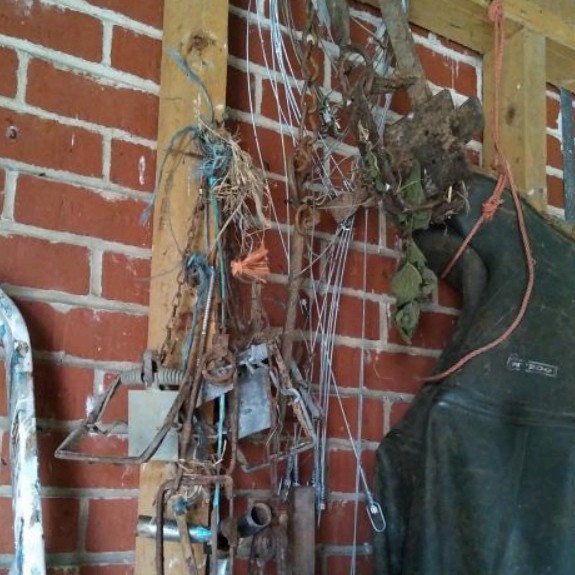
An assortment of traps found in Bryant’s garage. Photo: RSPB
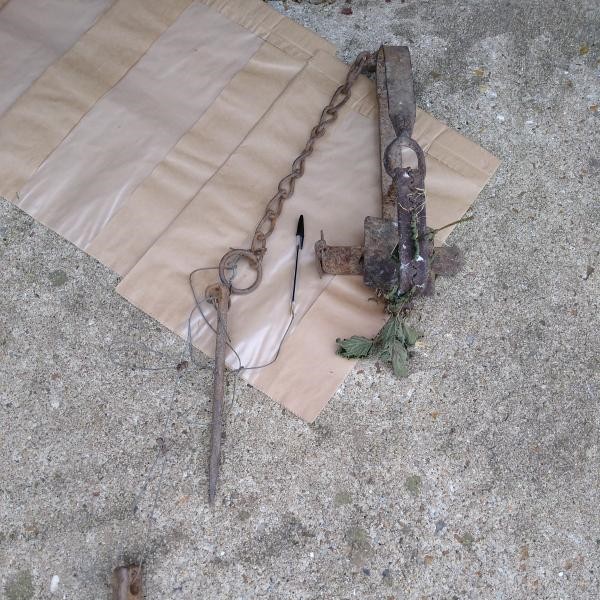
One of the gin traps with what look like relatively fresh nettles caught in the jaw. Photo: RSPB
Several birds of prey have been found poisoned in the Belchford area over a number of years. In 2022 a Buzzard was found poisoned by Alphachloralose. In 2020 another Buzzard was killed having ingested the banned insecticide Aldicarb, and in 2017 a Red Kite was killed by Alphachloralose. Bryant was not charged in relation to poisoning any of these birds.
It is illegal to intentionally kill, injure or take a wild bird in the UK under the Wildlife and Countryside Act 1981. Yet the persecution of raptors persists, particularly in connection with land managed for gamebird shooting. Of all individuals convicted of bird of prey persecution-related offences from 2009 to 2023, 68% have been gamekeepers.
Howard Jones, RSPB Senior Investigations Officer, said:
“This case highlights the immense value of police searches in relation to bird of prey persecution which clearly has been an issue in this area. This search found illegal poisons being used in a hugely dangerous manner, putting the public and wildlife at risk, along with a number of illegal traps.
“We are urging the UK Government to introduce a system of licensing for all gamebird shooting, whereby this licence to operate could be revoked if crimes against birds of prey are detected on an estate. This would set a better precedent and act as a greater deterrent to those tempted to commit these crimes. “We thank Lincolnshire Police, and in particular DC Aaron Flint, on an excellent investigation into this case, demonstrating the value in strong partnership working in tackling bird of prey persecution“.
DC Aaron Flint, Forces Wildlife Crime Officer at Lincolnshire Police, said:
“Unfortunately, this case is just one of a large number of bird of prey poisonings reported in Lincolnshire in recent years. However, the outcome demonstrates that Lincolnshire Police takes bird of prey persecution seriously. We thoroughly investigate any reports that relate to criminal activity around birds of prey. Our message is this: If you commit crimes against wildlife in Lincolnshire, we will identify you and you will be put before the courts.
“This investigation was made possible through close collaboration with multiple agencies, and I want to express my gratitude to the National Wildlife Crime Unit, the RSPB, Natural England, CPS and SASA for their invaluable support. The Forensic Analysis Fund also played a vital role in advancing this investigation“.
Chief Inspector Kevin Lacks-Kelly, Head of the UK National Wildlife Crime Unit:
“Thanks to the work of Police and Partners we have seen justice delivered. This conviction sends a strong message that bird of prey crime will not be tolerated, and you will feel the full force of the national policing capability. These offences are not only cruel, the undermine the conservation of our vulnerable wildlife. These birds should be free for us all to enjoy, not consigned to a police evidence bags.”
If you have information about anyone killing birds of prey which you wish to report anonymously, call the RSPB’s confidential Raptor Crime Hotline on 0300 999 0101.
ENDS
Well done to Lincolnshire Police Rural Crime Team and the partner agencies whose hard work resulted in Bryant’s conviction.
£7,000 is a relatively small fine given the seriousness of Bryant’s crimes, although when compared with some of the recent pathetic fines handed out by courts for wildlife crimes, this figure can be viewed as being substantial.
I’ve also been told by a blog reader who was observing proceedings in court, that it was mentioned that Bryant’s defence costs were £100,000. If that figure is accurate then he certainly has taken a big financial hit.
Earlier this month, following a trial at Lincolnshire Magistrates Court, gamekeeper John Bryant, 40, of West Ashby, Horncastle was found guilty of multiple offences following a police investigation into the illegal killing of a red kite and two buzzards over a five year period (see here).
Sentencing was deferred until this morning.
Lincolnshire Police have just issued the following statement:
MAN SENTENCED FOR POSSESSING DANGEROUS CHEMICALS AND BIRD TRAPS
A farmer and game keeper who used illegal traps and stored dangerous chemicals has been sentenced.
Police officers found the items after an investigation into the deaths of three birds of prey led them to the property of John Bryant from West Ashby in Horncastle.
The 40-year-old pleaded guilty to two charges and was found guilty of two more under the Wildlife and Countryside Act and Healthy and Safety Regulations when he appeared at Lincoln Magistrates’ Court earlier this month.
Investigators found the dead birds – a red kite and two buzzards – just north of West Ashby; forensic analysis determined they had been poisoned.
The findings led officers to execute a warrant and search Bryant’s land on 4 October 2022 where items were found which suggested he was targeting birds of prey using poison and traps.
Lincolnshire’s Rural Crime Action Team was joined by the Royal Society for the Protection of Birds, the National Wildlife Crime Unit, and Inspectors from Natural England to carry out the warrant.
A chemical identified as Alphachloralose – typically used to kill rodents and which is also one of the most common substances known to poison birds of prey – was discovered in a vehicle being used by Bryant with a second tub containing the same product later being found in his garage.
The chemical was highly concentrated with levels found to be over 80% meaning it is a banned and highly dangerous substance.
Illegal traps were also found in the search.
Two pole traps, which are specifically used to kill birds of prey, were recovered at the property at two pheasant release pens and found to contain tawny owl and pigeon DNA.
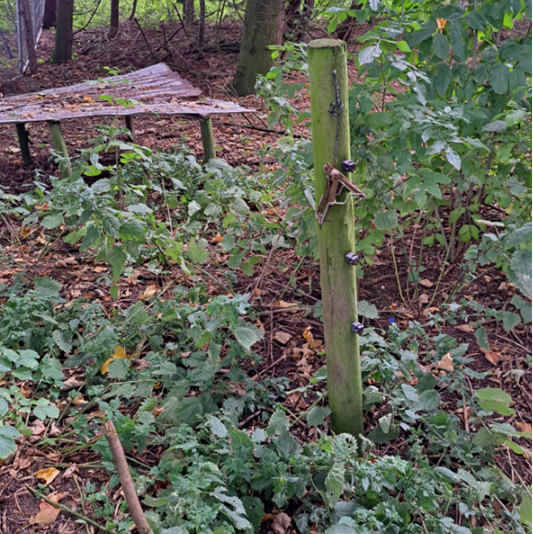
One of the illegal pole traps found at Bryant’s pheasant pen. These barbaric traps have been banned in the UK since 1904! Photo via Lincolnshire Police
Bryant pleaded guilty to two charges of storing Alpha Chloralose at his home and was found guilty of two charges of possessing a spring trap tethered to a pole. These relate to contravening Health and Safety Regulations and the Wildlife Countryside Act.
He was found not guilty of a further two counts of possessing Alpha Chloralose; two counts of using a spring trap tethered to a pole; and two counts of possessing gin traps.
Bryant was sentenced today and must pay fines of £2112, he must pay costs of £4492 and a victim surcharge of £845.
Due to his conviction, Bryant can no longer use a General Licence to carry out vermin control.
The sentence concludes a lengthy investigation that took years to bring to court and saw Lincolnshire Police work with a variety of partners to bring Bryant to justice.
It showcases the hard work, determination and tenacity of our Rural Crime Action Team and our commitment to protecting the county’s animals, not just its people.
DC Aaron Flint, Force Wildlife Crime Officer, Rural Crime Action Team, said:
“Unfortunately, this case is just one of many birds of prey poisonings reported in Lincolnshire in recent years. However, the outcome demonstrates that we and other agencies will take raptor persecution very seriously.
“We thoroughly investigate any reports that relate to criminal activity around birds of prey.Our message to anyone who unlawfully harms or kills our iconic wildlife is this; If you commit crimes against wildlife in Lincolnshire, we will identify you and you will be put before the courts where the evidence allows.
“This investigation was made possible through close collaboration with multiple agencies, and I want to express my gratitude to the National Wildlife Crime Unit, the Royal Society for the Protection of Birds, Natural England, and the Wildlife DNA Forensic unit at SASA for their invaluable support.
“The Forensic Analysis Fund also played a vital role in advancing this investigation and the Wildlife Specialist at the Crown Prosecution Service.”
Chief Inspector Kevin Lacks-Kelly, Head of the UK National Wildlife Crime Unit said:
“Thanks to the work of police and partners we have seen justice delivered. This conviction sends a strong message that bird of prey crime will not be tolerated, and you will feel the full force of the national policing capability.
“These offences are not only cruel, they undermine the conservation of our vulnerable wildlife. These birds should be free for us all to enjoy, not consigned to police evidence bags.”
Notes
Charges could not be brought under Section 1 of the Wildlife and Countryside Act 1981 in respect of the original three birds of prey as these are time-limited offences.
The Forensic Analysis Fund (FAF) offers financial support to police and customs officers seeking to carry out forensic analysis during a wildlife crime investigation -using funds donated from government departments and non-government organisations. For amounts up to £300 the scheme will cover full forensic costs. For amounts in excess of £300, the scheme will cover the initial £300 plus 50% of the remainder. The fund has been established to encourage the use of forensic techniques to help solve wildlife crimes and comes under the banner of the Partnership for Action against Wildlife Crime (PAW). Many wildlife cases which make use of forensic analysis would otherwise have failed to reach prosecution stage or be eliminated at an early stage. Founded in 2008, the scheme has already provided money to help support over 60 cases.
ENDS
UPDATE 18.20hrs: RSPB statement on conviction of Lincolnshire gamekeeper John Bryant (here)
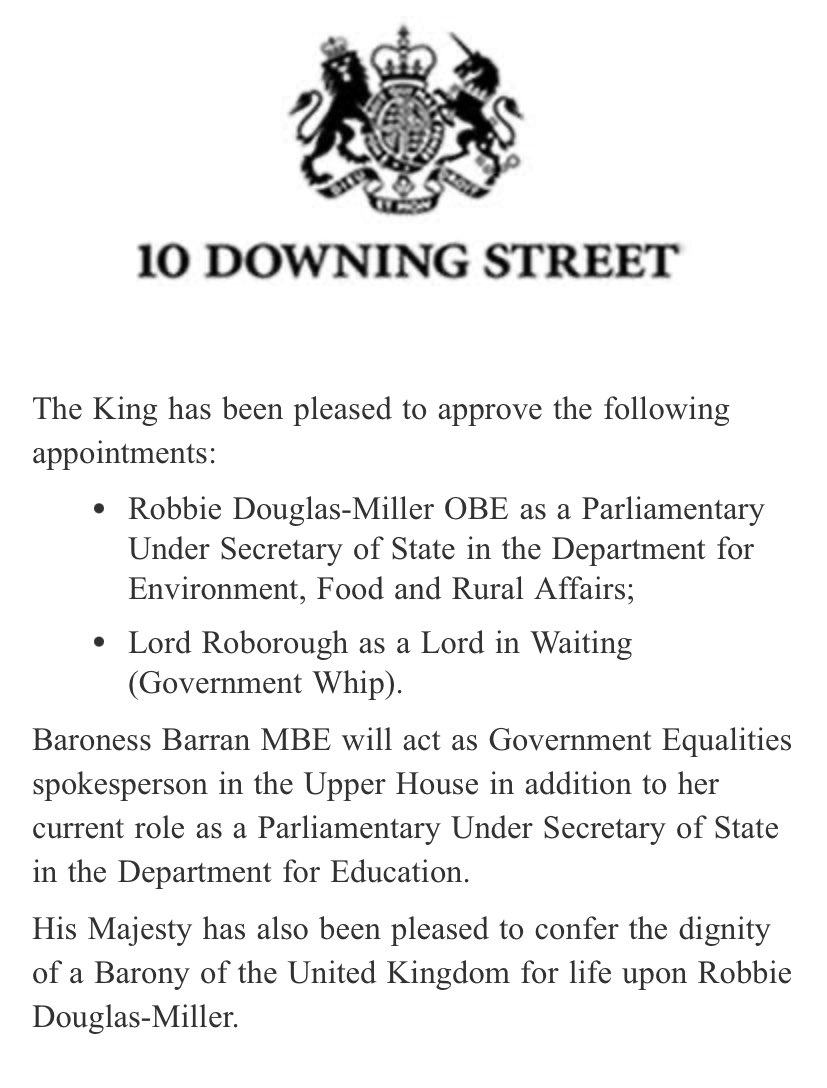
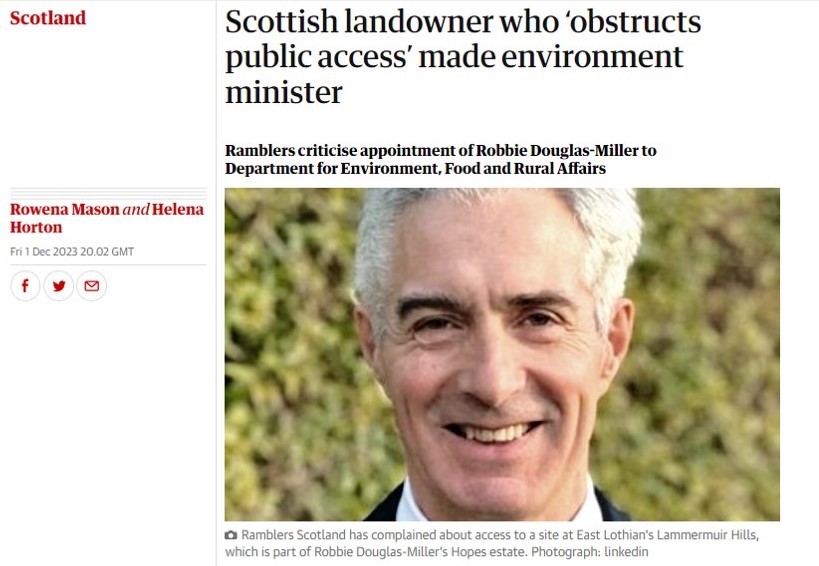
Yesterday it was announced that Robbie Douglas-Miller OBE has been appointed as a Parliamentary Under Secretary of State in the Department for Environment, Food and Rural Affairs (DEFRA).
Eh? So an unelected billionaire who likes to wear a crown has conferred a Barony on some other bloke which then allows that other unelected bloke to be given a Ministerial role in DEFRA, which has been approved by the unelected billionaire who likes to wear a crown, and we’re all supposed to accept this is a functional democracy? Good grief.
That new unelected DEFRA Environment Minister, Baron Douglas-Miller, is believed to be the same Robbie Douglas-Miller who just happens to be the sole director of Moorfoot Capital Management Ltd which owns a grouse moor (Hopes Estate) in the Lammermuirs in south Scotland. Along with Lord Benyon, that’ll now be two grouse moor-owning Environment Ministers in DEFRA.
Douglas-Miller has, according to this article in the Guardian, been accused of ‘obstructing public access‘ by ‘apparently making it difficult for walkers to access a site East Lothian’s Lammermuir Hills, which is part of his Hopes Estate‘.
It’s not the first time access issues have been raised at Hopes Estate. In 2017, fieldworkers from the Scottish Raptor Study Group published two scientific papers about their long-term monitoring of merlins on grouse moors in the Lammermuirs and how that came to an abrupt end in 2015 after they were suddenly refused vehicular access, having previously enjoyed a good cooperative relationship with landowners and gamekeepers for many years. They believed that the relationship breakdown was a result of them highlighting some of the intensification of management practices on those grouse moors. Their study area covered several estates including the Hopes Estate (see here and here).
It’s worth noting that none of these grouse moor management practices were unlawful (at the time), and indeed the fieldworkers did not find any evidence of illegal raptor persecution, but their criticism of the increased use of bridge (rail) traps that were catching / killing non-target species such as dippers, merlin and ring ouzels, and the killing of mountain hares that were then dumped in stink pits was an issue of concern to them.
The Hopes Estate had achieved accreditation in 2013/14 under the Wildlife Estates Scotland (WES) scheme, which is administered by landowners’ lobby group Scottish Land & Estates and was chaired for several years by Robbie Douglas-Miller.
Estates that are awarded accreditation under the WES scheme have to meet certain criteria, including:
Commitment to best practice
Adoption of game and wildlife management plans that underpin best practice
Maintaining species and habitats records
Conservation and collaborative work
Integration with other land management activities (such as farming, forestry and tourism)
Social, economic and cultural aspects (such as employment, community engagement and communications)
The WES scheme was first piloted in 2011 and was believed to be in response to MSP Peter Peacock’s call in 2010 for an estate licensing scheme to combat ongoing raptor persecution (see here). The scheme was then rolled out fully in 2013 but not without some healthy scepticism of it being a greenwashing exercise (see here).
Since then, in general, I think it’s probably been a good thing for estates to aspire to, although a number of estates in the WES scheme have had wildlife crime incidents recorded on their land, e.g. Invercauld Estate (see here and pay attention to the letter written by the estate to the then Environment Minister where the estate quoted its membership of the WES scheme as an example of its apparently good stewardship. Of course, this estate is now currently serving a three-year General Licence restriction after further evidence of wildlife crime was uncovered there, including what Police Scotland described as the ‘deliberate’ poisoning of a golden eagle – here).
In addition, the WES-accredited Newlands Estate in Dumfriesshire saw one of its gamekeepers convicted for killing a buzzard after he threw rocks at it before repeatedly stamping on it (see here and here). To be fair, when challenged about the estate’s WES accreditation in light of the gamekeeper’s conviction, WES stated that the estate’s accreditation had been ‘suspended’ (note, not revoked, see here) although for how long, who knows?
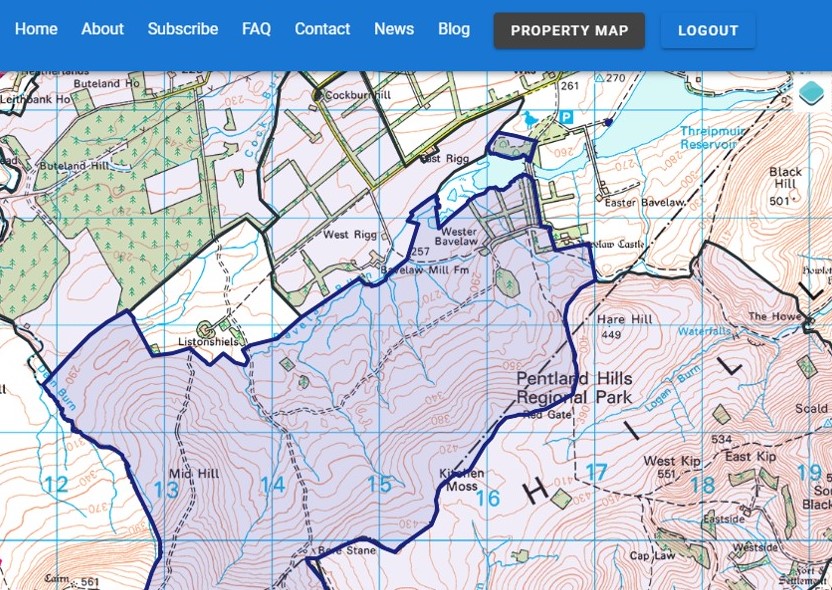
And just this week, another WES-accredited estate is at the centre of a police investigation after a dead peregrine was found in a baited illegal pole trap in the Pentlands (see here). The Police Scotland appeal for information stated that the dead peregrine ‘was found around 100 yards from a public path on the edge of a small woodland south of Wester Bavelaw on Thursday, 23 November, 2023′.
According to Andy Wightman’s Who Owns Scotland website this ‘small woodland south of Wester Bavelaw’ appears to be on the Bavelaw Estate:
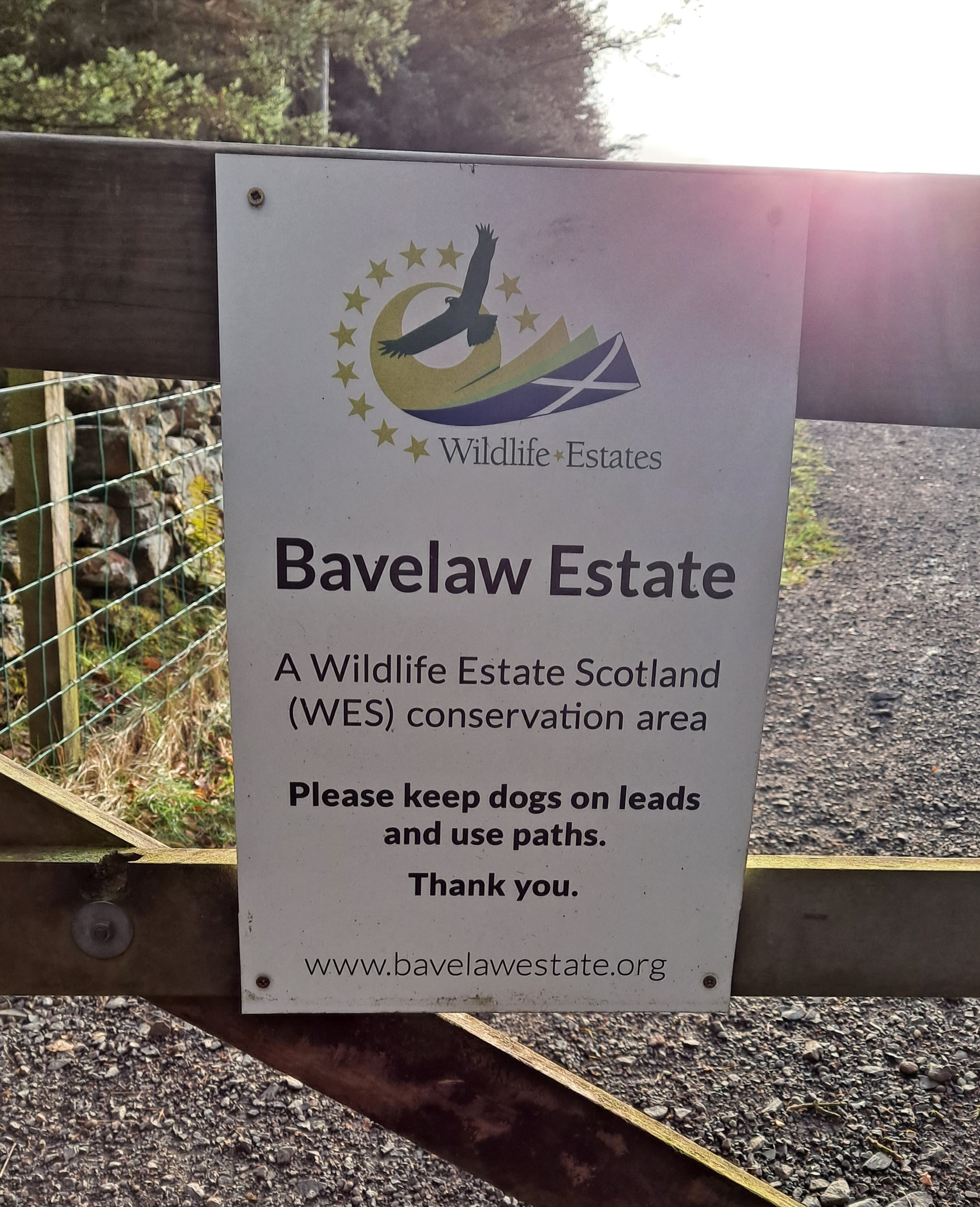
The Bavelaw Estate, according to its own website, is a WES-accredited estate and says this about it:
‘Over the last five years, The estate have enhanced habitat across the board, including planting over 50 ha of mixed native woodland, peatland restoration, the creation of wetland areas, including wader scrapes and ponds, restoration of riparian habitats and heather and bracken swiping as well as connecting wildlife corridors. Additionally, restoring 7,861 sq Km of public access paths.
The assessor was extremely impressed with the integrated management direction the Estate is taking and specifically referenced the undeniable passion and enthusiasm for nature that both the landowner and his employees have‘.
Photo by RPUK blog reader
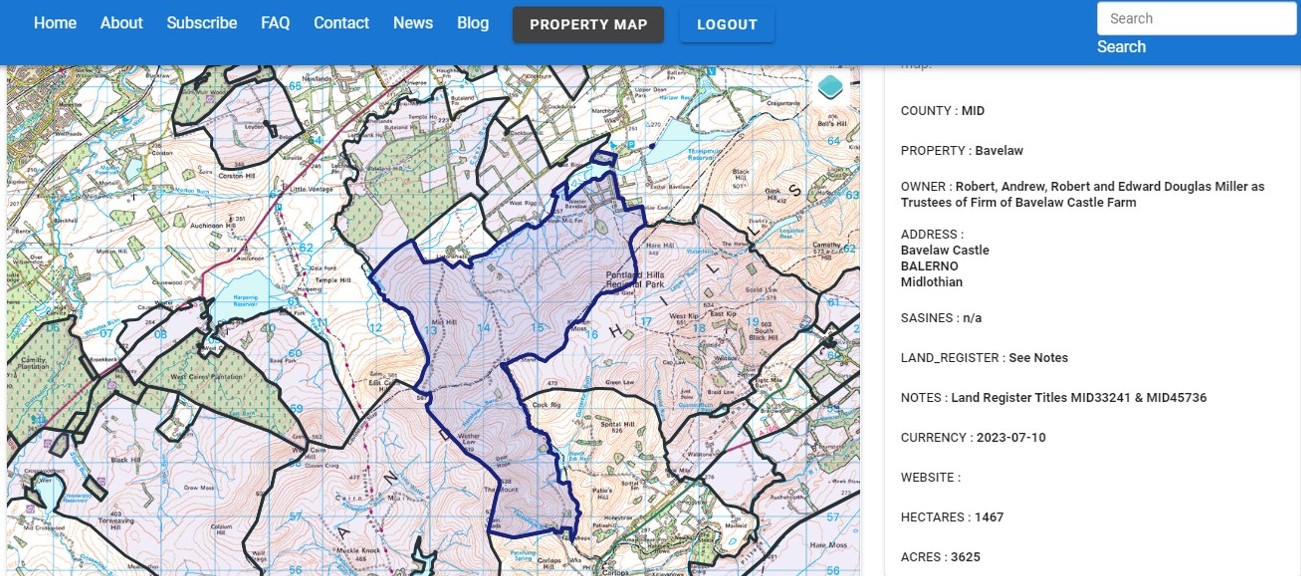
Interestingly, and again according to Andy Wightman’s Who Owns Scotland website (data collected 10 July 2023), Bavelaw Estate is owned by Robert, Andrew, Robert and Edward Douglas-Miller as Trustees of Firm of Bavelaw Castle Farm:
Now, to be absolutely clear and for the avoidance of doubt, there is no suggestion whatsoever that Robbie Douglas-Miller, or his relatives, or indeed anyone associated with Bavelaw Estate is responsible for, or had any knowledge of, the setting and baiting of that illegal pole trap that killed the peregrine. The police investigation is ongoing and we’ll just have to wait and see whether the police appeal for information brings forward any witnesses and whether the forensic analysis identifies a suspect.
I genuinely expect Robbie Douglas-Miller will have been as horrified as the rest of us and will be eager to know who set that illegal trap, and who might also be responsible for other incidents of raptor persecution / wildlife crime in the area, e.g. the illegally poisoned peregrine found about half a mile away in 2018 (here), the suspicious disappearance of golden eagle Fred a few kilometres away in 2018 (here) the merlin nest that was shot out in 2017 (here) and the raven shot on its nest in 2016 (here).
Nevertheless, it appears that a heinous wildlife crime has been detected on another WES-accredited estate, and that the apparent new DEFRA Environment Minister is a co-Trustee of the company that owns the estate.
As an aside, I was interested to see the game-shooting lobby was very quick to deny that the pole-trapped peregrine had anything to do with grouse shooting – indeed, MSP Rachael Hamilton even stated as much in the Chamber during Thursday’s parliamentary debate on the Wildlife Management Bill (“…there is clearly no link to a grouse moor management…“, here). How does she know?!
There is driven grouse shooting on neighbouring land to Bavelaw and Bavelaw was once a prominent grouse shooting estate itself (the lines of grouse butts are marked on the OS map) but it is believed that Bavelaw is currently managed as a sheep farm, although there is evidence that muirburn takes place but it doesn’t look like the intensive muirburn typically associated with a driven grouse moor:
Bavelaw Estate. Photo by RPUK blog reader
What’s really interesting then, is why the Bavelaw Estate was a signatory on a recent letter sent to Environment Minister Gillian Martin where nearly 400 rural businesses expressed their concern that a grouse moor licensing scheme would be detrimental to their interests (see here). You can’t have it both ways – either there’s a link to grouse shooting or there isn’t.
I really don’t know what to make of Robbie Douglas-Miller’s appointment as an Environment Minister in DEFRA. What can a prominent grouse moor owner, member of Scottish Land & Estates and a former GWCT Director bring to the policy table? Perhaps he’ll use his experience of chairing the WES scheme in Scotland to try and impart some sense to the appalling and unregulated mismanagement of England’s grouse moors? Although given SLE’s open-mouthed hysteria about the proposed grouse moor licensing scheme in Scotland, that doesn’t seem likely.
UPDATE 7th December 2023: More information emerges on new, unelected DEFRA minister (here)
Appeal after peregrine falcon found dead in a trap near Balerno, Edinburgh
Wildlife officers are appealing after a protected bird of prey was found dead in a trap near Balerno, Edinburgh.
The dead peregrine falcon was found around 100 yards from a public path on the edge of a small woodland south of Wester Bavelaw on Thursday, 23 November, 2023.
Wildlife Crime Officer, Detective Constable Daniel Crilley, said: “This protected bird was found in a baited pole trap that is illegal.
“Peregrine falcons are protected under the Wildlife and Countryside Act and forensic tests are being done as part of our ongoing enquiries to establish the full circumstances.
“We are asking anyone who saw anything suspicious in the area or who has information that could help pour investigation to get in touch.
“If you can help please contact us via 101, quoting incident number 1376 of Friday, 24 November, or make a call anonymously to Crimestoppers on 0800 555 111.”
ENDS
Well done Police Scotland for a speedy press release.
Pole traps, like this one photographed a few years ago on a grouse moor in the Yorkshire Dales National Park, have been illegal since 1904, and for very good reason.
Photo by RSPB Investigations
It’s a barbaric way to kill any animal and causes horrendous suffering and distress, often over a period of many hours. A spring trap is placed on a post where a bird of prey is likely to perch. When the bird lands on the ‘plate’, the trap springs shut on the bird’s legs. When the bird tries to fly off, it ends up dangling upside down because the trap is attached to the post to prevent it from being carried away. The bird remains dangling, often with severe injuries, until its ultimate demise.
Whoever set this trap, whether they were targeting a peregrine or something else, should be in jail. Anybody who is prepared to inflict this level of suffering to a living creature, let alone to a protected species, should not be at large in a civilised society.
The location of this awful crime is also of interest – just a couple of kilometres from where satellite-tagged golden eagle Fred ‘disappeared’ in 2018 (see here) before his tag (and maybe Fred) ended up in the North Sea. It’s also very close to the location of a poisoned peregrine found in the Pentlands in 2018 (here). It’s becoming quite the persecution hotspot.
It’s also yet another timely example for MSPs voting on the general principles of the Wildlife Management & Muirburn (Scotland) Bill in Parliament on Thursday. If this case, along with the recent suspicious disappearance of golden eagle Merrick, doesn’t help persuade MSPs that they’re being given the two-fingered salute, I don’t know what will.
UPDATE 2 December 2023: A Scottish grouse moor-owning Baron, an illegally pole-trapped peregrine and a Ministerial post in DEFRA (here)






 Raptor Persecution UK