“Risible, make-believe tosh”: RSPB responds to Gift of Grouse propaganda

RSPB Scotland has responded to the ridiculous claim (see here) made by the Gift of Grouse that raptors are ‘thriving’ on Scottish grouse moors. Here is the RSPB’s press release (reproduced below):

RSPB SCOTLAND RESPONDS TO GIFT OF GROUSE PRESS RELEASE

RSPB Scotland has dismissed a press release issued today by the “Gift of Grouse” campaign that attempts to draw a veil over the continued persecution of birds of prey on areas of land managed intensively for driven grouse shooting. The reports on which these assertions are based are not in the public domain, and therefore have not been subject to the usual levels of public scrutiny.
However, recent peer-reviewed scientific reports published in the last 12 months link sharp declines in nesting peregrines and hen harriers in NE Scotland to illegal killing; a recently-published SNH report shows that there has been no decline in the levels of persecution of red kites in north Scotland over 25 years; and, results of the 2015 golden eagle survey show that levels of home range occupancy by golden eagles is significantly below the national average in the eastern highlands, where grouse moor management is a dominant land use. In this part of eastern Scotland, prey availability is high, and golden eagles should be more numerous and more productive than almost anywhere else in the country.
There are also ongoing concerns about the regular “disappearance” of satellite-tagged birds of prey in grouse moor areas, to the extent that a review of these incidents has been commissioned by the Cabinet Secretary for the Environment, Climate Change and Land Reform, Roseanna Cunningham MSP.
Ian Thomson, RSPB Scotland’s Head of Investigations said: “The content of today’s statement from the Gift of Grouse campaign is pure, unadulterated propaganda from an industry that, quite rightly, is under increasing public scrutiny by the Scottish Parliament. Their claims have no supporting evidence, their methodology is not explained, and to suggest that incidental observations of raptors which may merely have been flying over an estate indicate a population that is “thriving” is clearly ludicrous.
It is astonishing that the Angus Glens area is being held up as an example of good practice, given the long absence of successfully-breeding raptors over much of this region, as well as its appalling recent history of illegal killing of protected species. Walkers in the area this spring were greeted by a plethora of gas guns, inflatable decoys and strings of fireworks scattered across the hills, all designed to scare off, rather than welcome, birds of prey!
ENDS
Good, strong stuff from RSPB Scotland.
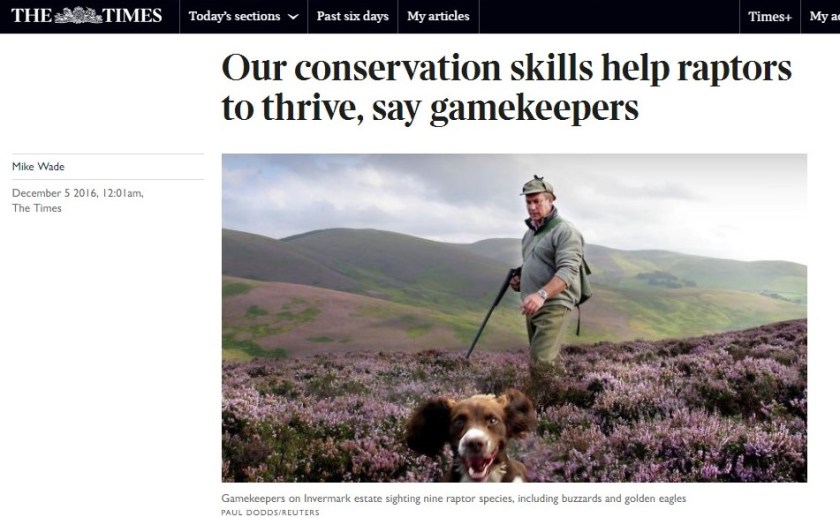
Earlier today The Times ran a story based on the Gift of Grouse propaganda entitled ‘Our conservation skills help raptors to thrive, say gamekeepers’. It includes an amusing quote from RSPB Scotland spokesman James Reynolds, who dismissed the report as “a pile of risible, make-believe tosh“. He added:
These claims by the grouse industry simply serve to show the pathological state of denial in which they are gripped. That they are prepared to pedal such nonsense, flying in the face of repeatedly proven facts and official surveys, shows the degree of desperation that they are prepared to go to in order to try and make this damaging industry respectable. Thankfully, the Scottish people aren’t so easily fooled by such contemptuous rubbish“.

Scottish landowners pretend that raptors are ‘thriving’ on driven grouse moors

Gift of GrouseWe’ve come to expect outlandish propaganda from the Gift of Grouse campaign group, designed to portray driven grouse moors as models of excellence for raptor conservation. But this time they’ve exceeded all expectation. Forget their usual unsubstantiated post-truth drivel, wholly disconnected to reality, because that’s got nothing on their latest effort, which takes the stretching of credibility to new depths.

The following press release from the Gift of Grouse is set to hit the headlines tomorrow:

ENCOURAGING NUMBERS OF BIRDS OF PREY SIGHTED ON SCOTTISH MOORLANDS

An increasing number of birds of prey are thriving on Scottish grouse moors due to gamekeepers’ conservation efforts.

More than 10 different raptor species including golden eagles, red kites and hen harriers have been identified on prominent grouse moors this year. They are among the 86 bird species that have been recorded on estates in the Angus Glens.

A snap shot from a range of estates across the Angus Glens Moorland Group highlighted encouraging evidence with gamekeepers on Invermark Estate in particular sighting nine raptor species including buzzards and golden eagles. Some of these are nesting and successfully breeding on the estate.

A number of other estates also reported healthy numbers with Ballogie Estate, Royal Deeside, revealing a total of 15 buzzards regularly hunting on the moor. Figures from the Speyside Moorland Group were equally as strong with 12 species of birds of prey recorded on Strathspey Estate alone. Atholl Estate in Perthshire are also monitoring 12 different raptor species.

Garry MacLennan, head gamekeeper on Invermark Estate, said: “Scottish grouse moors are far from being raptor deserts, as some opponents of shooting claim. We have monitored a growing number of buzzards, kestrels, golden eagles and white-tailed eagles. Keepers and estate managers do recognise there are some areas of the country where there are fewer raptor species but there is plenty of hard evidence to show that raptors are successfully nesting on grouse moors.”

The findings from Invermark are part of annual surveys undertaken using SNH guidelines.  These surveys were conducted by Taylor Wildlife, an ecological consultancy specialising in upland environments.

Richard Cooke, manager of Invermark Estate, said: “The survey is an extremely helpful way for us to monitor the biodiversity of the estate and which species are benefitting the most from our habitat management practices. Throughout the year we carry out rotational muirburn and control predation under the general licence, including foxes, stoats and other mustelids in particular.  This is to the benefit of many ground nesting birds and is reflected in the rich birdlife recorded by the annual audit.

The Tayside Moorland Group has also carried out species monitoring at a number of estates throughout the region with Glenturret Estate in Perthshire recording no less than 12 different raptor species hunting and nesting on the moorland this year. The estate tally included several breeding pairs of hen harriers, a nesting pair of peregrine fledging four chicks, short eared owls and numerous red kites.

Conservation training, conscientious moorland management and favourable weather conditions can all impact positively upon species numbers found on Scottish moorland.

Figures revealed in Wildlife Estates Scotland’s latest annual report show that 11 accredited estates reported the presence of golden eagles, with seven of these reporting 19 pairs. Eleven estates also recorded sightings of hen harriers with four reporting 18 breeding pairs. Buzzards were also reported on 20 estates, with a total estimated population of over 920 birds.

It was also recently revealed in a national survey that golden eagle numbers have surpassed 500 pairs giving them a ‘favourable conservation status’ in the UK. Eagles have made a home on several moorland estates across Scotland with Millden Estate, a member of the Angus Glens Moorland Group, recording a particularly high number of sightings.

Jason Clamp, head gamekeeper on Millden Estate, commented: “We are fortunate enough at Millden to have regular sightings of golden eagles. Seeing several of these magnificent birds on a daily basis has to be one of the highlights of my job. We are also very careful to leave a sustainable population of mountain hares for birds of prey, such as golden eagles, to hunt.

At Millden our team of gamekeepers has taken a proactive role in ensuring that we have a suitable breeding habitat for various birds of prey such the merlin, of which we currently have four nesting pairs. This has been brought about through controlled heather burning ‘muirburn’, which creates micro habitats suited to ground-nesting birds like the merlin.

We are delighted that the golden eagle, a species of conservation concern, amongst many other species, has found a safe and suitable environment in which to flourish in such impressive numbers, where careful moorland management has been imperative.”

ENDS

Wow! Where to start with this? It’s such ludicrously far-fetched bollocks it could have come straight from the mouths of gamekeepers and grouse moor managers. Oh, hang on…

Perhaps the idiots behind the Gift of Grouse campaign didn’t see the results of the latest national golden eagle survey, published just a few short weeks ago. You know, the survey that showed breeding golden eagles are still largely absent from driven grouse moors in the Eastern Highlands, just as they were in the last national survey conducted in 2003. Only 30% of known territories were occupied in this area – that’s a pathetic 34 out of 91 territories.

Perhaps the idiots behind the Gift of Grouse campaign didn’t see the results of the recent study on northern red kites, showing that illegal persecution on driven grouse moors in this region is just as bad now as it was in 1989.

Perhaps the idiots behind the Gift of Grouse campaign didn’t read the recent scientific paper showing hen harriers have suffered a ‘catastrophic decline’ on the driven grouse moors of NE Scotland.

Perhaps the idiots behind the Gift of Grouse campaign didn’t read the scientific paper showing peregrines continue to suffer a ‘long-term decline’ on the driven grouse moors of NE Scotland.

It’s all very well saying that raptors have been ‘sighted’ on grouse moors – of course they’ve been seen there – they are drawn to those areas precisely because of the absence of territorial breeding adults (as well as an abundant food supply). Nobody disputes that you can see raptors over these moors – the crucial distinction, which the Gift of Grouse idiots have carefully avoided, is how many raptors are breeding there? Remember, no breeding hen harriers in the Angus Glens for ten years!

It’s interesting that this press release refers to the grouse moors of the Angus Glens – a well known hotbed of illegal raptor persecution for over a decade. Here’s a map to illustrate the point:
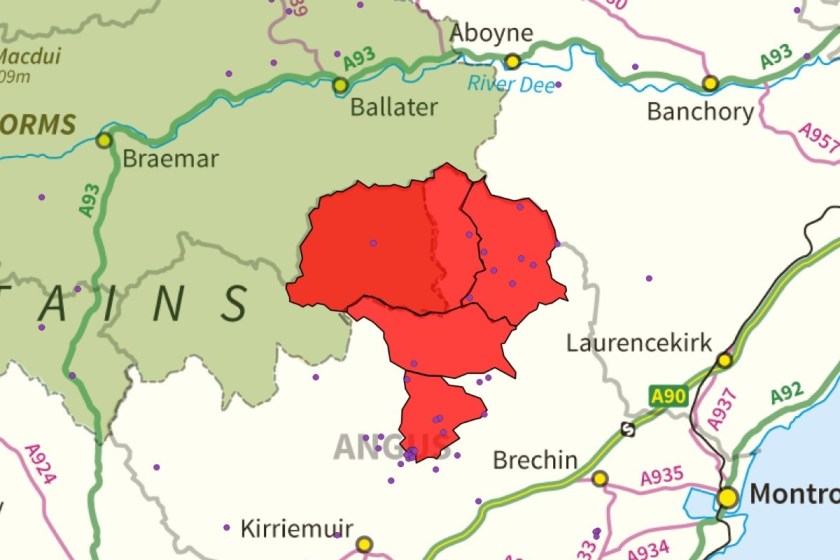
Four grouse moor estates are highlighted in red (Invermark, Millden, Hunthill, Glenogil [with thanks to Andy Wightman’s Who Owns Scotland website for estate boundaries]). You see those purple dots? They represent confirmed illegal raptor persecution crimes. Are we seriously being asked to believe that raptors are ‘thriving’ in this region?

It’s also interesting to note that the ‘data’ behind the Gift of Grouse propaganda come from an ‘annual audit’ carried out by Taylor Wildlife consultancy. We’ve blogged about this group before – these are the ‘experts’ who claimed to have recorded 81 species of birds ‘feeding or breeding’ on an Angus Glens grouse moor last year. The problem is, their survey methods didn’t adhere to the usual industry standard – rather than conduct their breeding bird survey between March and June, when you’re supposed to do it, they conducted their survey between June and August, which is, er, after the breeding season!

Will we get to see this year’s report to scrutinise the methods and results? Highly unlikely – we’re still waiting to see their 2015 report but apparently it’s a secret and we’re not allowed to read it. Can’t think why.

Also of note in this latest press release is the reference to Glenturret Estate in Perthshire, another well-known driven grouse moor. We’ve blogged about this estate before, when it was claimed that Hen Harrier Day protesters might ‘disturb’ hen harriers – a species that has consistently failed to breed successfully on this moor. This year, they are claiming to have ‘several breeding pairs of hen harriers’ amongst other species. That’s interesting, because according to monitoring data from the Scottish Raptor Study Group, there was only one hen harrier breeding attempt on Glenturret this year, and, as has so often happened here in recent years, the nest failed for ‘unknown reasons’. Unfortunately it’s not possible to work out why hen harriers keep failing here because the estate has apparently refused to allow nest cameras to be installed.

Glenturret used to have lots of successfully breeding raptors, but these days, not so much. They certainly don’t have breeding golden eagles anymore because the eagle’s eyrie was burnt out last year. Here’s a photograph of the cliff face, taken in April 2015 – note the blackened hillside. Spontaneously combusting eagle eyries are a common problem on some Scottish grouse moors. Either that or golden eagles need to learn to discard their fag butts with more care.

We’ll add updates to this blog tomorrow when we see which newspapers have swallowed the Gift of Grouse guff hook, line and sinker. We’ll be particularly interested to see whether SNH issues a statement to rebutt the claims being made – SNH has access to the actual raptor breeding data via the Scottish Raptor Monitoring Scheme – let’s see them put it good use.

UPDATE 5 December 2016: “Risible, make-believe tosh”: RSPB responds to Gift of Grouse propaganda (here).

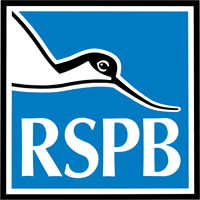
Peregrine shot dead in Yorkshire Dales National Park

A female peregrine has been found shot dead (5 October 2016) in Hebden, near Grassington in the Yorkshire Dales National Park.

No further details available.

If anyone has any information please contact PC Crossley at Skipton police station quoting incident #12160181442

shot-perg-grassington-2

shot-perg-grassington-1

Young peregrine shot in Devon

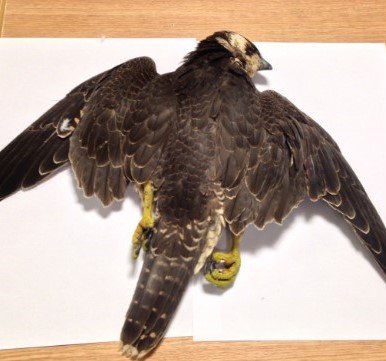
Devon & Cornwall Police are appealing for information after a peregrine was found shot in Ipplepen, south Devon, in August.

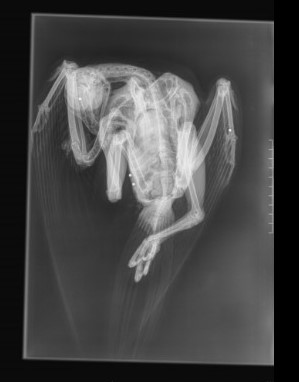
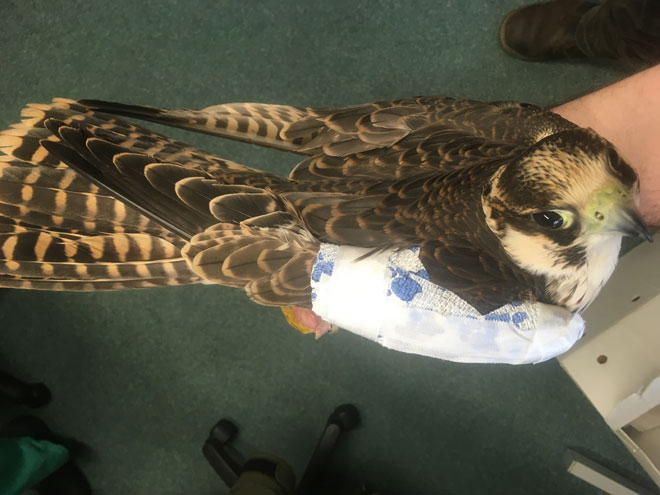
The young bird (hatched this year from a coastal site in Devon) was found with an injured wing on 23 August 2016. An x-ray revealed an air rifle pellet had caused fractures and the bird is currently in the care of a wildlife rehabilitator. Whether it recovers sufficiently to be released back to the wild remains to be seen.

devon-perg-1

devon-perg-2

This incident is now subject to a police investigation and Devon and Cornwall’s Police Wildlife Crime Officer Josh Marshall is appealing to anyone who can help to contact them with information that will assist in locating the offenders.

He said: ‘These types of investigation are incredibly hard to investigate as very often there are no witnesses or lines of enquiry. It is clear that someone in the local community will hold the key to what has taken place.

This Peregrine Falcon will have been shot by someone having a clear motive to destroy this rare bird of prey. The community in this area need to be aware of this incident and every effort should be made to bring the offender to justice.

Within the community of Ipplepen are extremely privileged to have such magnificent birds on doorstep. I am calling on those residents to stand up, come forward and report to me any concerns or suspicions they have around those that may be responsible for such an act.

The RSPB is offering a reward of £1000 for information leading to a conviction.

Tony Whitehead, speaking for the RSPB in the south west said: “We know that Devon has long been a bird of prey persecution black spot and the area where these birds were found has seen five such incidents over the past 25 years alone. We need to stop this.

Whatever drives a person to do this, it’s important to understand that killing birds of prey is not only barbaric, it is also against the law. This makes the perpetrators, however they seek to justify their behaviour, no more than common criminals and we’d expect them to be treated as such.

The incident at Ipplepen follows a long history of persecution within the local area. Nowhere else in Devon do birds of prey suffer as they do in the Teignbridge area”.

Confirmed poisoning incidents within the Teignbridge area over the last 25 years

1992 Two Peregrine Falcons located dead along with poisoned bait

2000 Peregrine Falcon located dead, poisoned

2005 Peregrine Falcon and poisoned bait found

2005 Live pigeon covered in poison left as bait for Peregrine Falcons

2011 Peregrine Falcon – poisoned

If you have any information that can help the police with their investigations of this crime, please contact 101@dc.police.uk or call 101, quoting reference CR/069253/16

Information can also be passed on anonymously via Crimestoppers on 0800 555 111.

devon-perg-3

Illegal raptor killing has to stop, says Angela Smith MP

Here’s another transcript from last week’s Sheffield conference on raptors. This time we feature the deeply personal yet unflinchingly resolute presentation given by Angela Smith MP (Labour, Penistone and Stocksbridge).

Angela is no stranger to the subject of illegal raptor killing on grouse moors. You may remember, way back in 2011, she tabled a Parliamentary question asking whether it was time for England to follow Scotland’s lead and introduce vicarious liability to deal with criminal gamekeepers. The response from Richard Benyon, the then DEFRA minister who also just happened to own a grouse moor, is now legendary (see here).

Here’s what Angela had to say in Sheffield (we’ve excluded some complimentary, but irrelevant here, introductory blurb):

Now I want to start with a comment about my own constituency. Although I’m a Sheffield/Barnsley MP I think that most people in the UK would think that makes me a very urban MP but I’m not. I represent the urban parts of Sheffield and also Barnsley, part of my constituency going right out in to the Peak District so it is actually very rural; 32% of the constituency is in the National Park.

And I’ve walked the hills in my area for many years, in fact going back well well before I became an MP and I love those moors with a passion. Langsett, Midhope and Broomhead, in fact I’ll be out on Langsett on Sunday morning, and it’s partly because I don’t come across, if you don’t mind me saying this, the lycra-clad brigade in large numbers, in that part of the peak. It’s truly a place where one can lose oneself and have a sense of being at one with nature.

But the simple and stark fact is that neither do I see hen harriers on those moors, or even peregrine falcons. I’ve seen just one peregrine falcon in fact in recent years and that was back in the summer of 2013, soaring over Broomhead Reservoir. In fact I think the only known site, I may be wrong on this, for peregrine falcons breeding near Sheffield is the city centre, and that, I think, is indicative of where we are. And it should concentrate our minds more than a little.

Grouse moors aplenty in my constituency, but no hen harriers. No stable populations of other birds of prey. That’s one of the reasons why I feel so passionately about this issue. Not only am I a member of the RSPB, and have been for a long time, but I also know there is something wrong with our moorland habitats. There is something essential missing; healthy populations of our wonderful raptors.

Now, I welcome this conference and hope that it can make a contribution to resolving the deeply embedded conflict that characterises the debate about how best to manage our moorlands. Because one thing I am certain of – for as long as this conflict remains unresolved, the number one loser is the hen harrier, which is in danger of disappearing altogether from our wonderful uplands if we do not sit up and get on with the job of sorting out this problem.

Over the next two days, you will hear a range of presentations from speakers with a wide range of perspectives and who represent different parts of the UK – Scotland, the Peak District and Bowland, for example. The discussions will be detailed and complex, and so they should be. This is not a black and white problem, easily resolved.

Let me just throw in a few, brief comments about what I see as the politics of this debate.

First of all, let’s remember politics is the art of the possible, someone should try telling that to my party, and it is always preferable to act on the basis of consensus and partnership. So, ideally, the best way forward, as far as our moorlands are concerned, would be to see all interested parties agreeing principles and working through differences to establish moorland management plans that balance sporting interests with the need to restore and maintain a healthy habitat, including of course stable and sustainable populations of raptors.

Such plans would vary, of course, because our uplands are themselves wonderfully diverse. The grouse moors in my constituency are part of our precious Peak District blanket bog and are badly degraded, in fact I think it’s amongst the most badly degraded in Europe. That does not mean other parts of our moorland landscape across the UK are the same. Each upland habitat needs its own plan, tailored to its own precious ecology.

But it has to be said that the chances of delivering success with this voluntary approach look increasingly remote. Despite the partnership work still ongoing in places like the Dark Peak, which I know you’re going to hear about later, the events of this summer suggest that relationships between the different parties involved are becoming even more difficult.

The withdrawal of the RSPB in particular from the Hen Harrier Action Plan is indicative and is a consequence of what the charity sees as a failure on the part of the landowners and the shooting interests to combat effectively the illegality that tarnishes the reputation of those who do want to enjoy their sport responsibly.

And for a politician this is very depressing news, for although there are legislative options available to us, the irony is that they become necessary or even more critically necessary at that point when conflict has deepened and become more firmly entrenched.

The first of these legislative options, banning driven grouse shooting, presents an apparently straight forward solution but runs the risk of alienating landowners, who in the final analysis maintain and manage our moorland areas and provide employment for many people living in rural areas. It may well also do little to prevent further persecution – there is no guarantee that making grouse shooting illegal will necessarily lead to a cessation of the illegal killing of birds of prey.

Licensing is the other option available. Now, I understand that for the grouse shooting community this is also an unpalatable option and in many ways I would join with those that say that a voluntary, partnership based approach is preferable.

But let me also say this – the licensing option has to remain on the table. If this conflict continues and if raptors continue to be persecuted, it will have to be considered. Politicians will not be able to stand aside and allow hen harriers, for instance, to disappear from our uplands altogether

Some of you may say, that’s an open invitation to charities like the RSPB in particular not to cooperate with a voluntary approach. But I say this in response. The challenge is clear now. For those who want a voluntary approach to work, and I still do, and I think most politicians would still prefer it, the precursor to progress is that the illegal killing has to stop. It just has to stop.

And, on that basis, all parties, including the RSPB, will have a duty to work together to find a way of delivering healthy, moorland habitats that can sustain the sport of shooting that so many people here today love so much.

So I, over the years, have followed this debate, it particularly impacts on my constituency, and I think we are rapidly getting to what, if you don’t mind me using a cliché, is the last chance saloon, and I think it’s critically important that we maintain every option and keep every option on the table. But as I said before, this killing has to stop.

Enjoy the conference; I can stay for only this morning, but I wish you every success in at least taking a few small steps in the right direction.

END

Ironically, just two days before she gave this presentation, a young peregrine was found critically injured next to a grouse moor in the Peak District National Park. It had been shot. It didn’t survive (see here).

Peregrine found shot next to grouse moor in Peak District National Park

On Tuesday 6 September 2016, a critically-injured peregrine was found by walkers on a road in the Goyt Valley in Derbyshire. It was in shock and unable to fly.

perg-goyt-copy

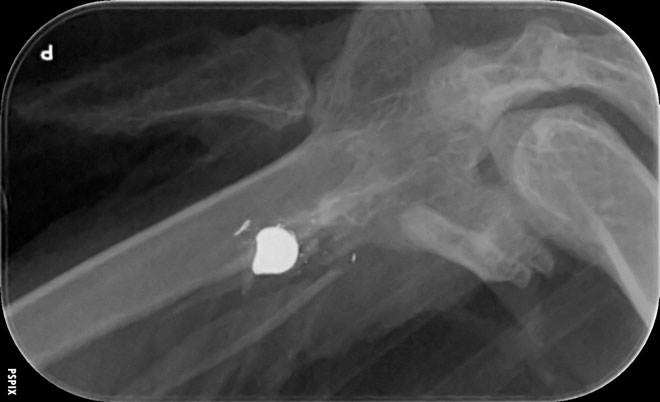
The juvenile peregrine was collected by volunteers from Raptor Rescue and held overnight. The following day it was taken to a vets in Ashbourne where it died from its injuries. An x-ray revealed the bird’s wing bones had been smashed to pieces with lead shot. The extent of its injuries suggest this bird wouldn’t have been able to fly far from where it had been shot.

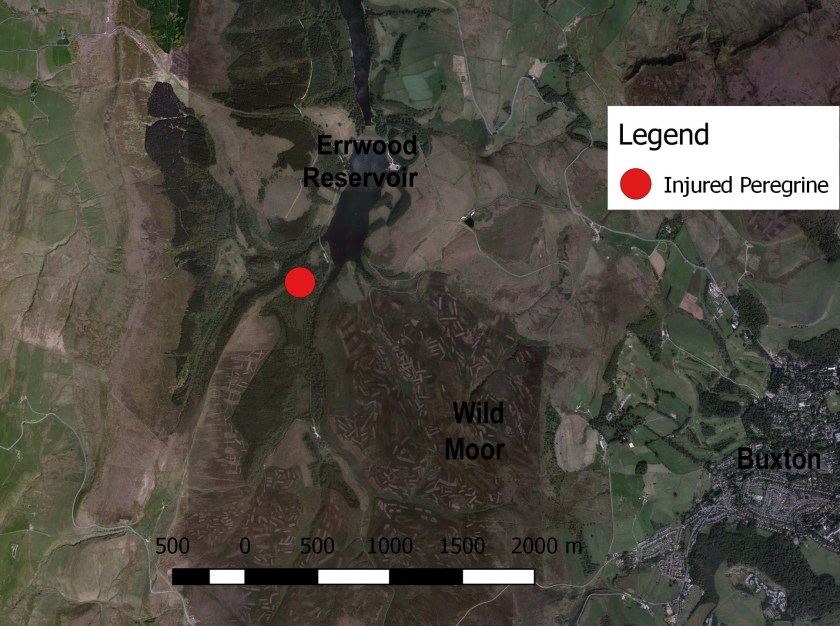
The Goyt Valley lies to the west of Buxton, within the Peak District National Park.

peregrine-goyt-overview-map

The Goyt Valley will be familiar to some blog readers as this was the venue for the Peak District’s 2015 Hen Harrier Day gathering, just half a mile to the south of where this peregrine was found near Errwood Reservoir. It’s interesting to note that the injured peregrine was found on the border of the Special Protection Area (SPA) boundary and also within the Site of Special Scientific Interest (SSSI) boundary. Oh, and look at the burnt strips of heather moorland to the south east of where the shot bird was found: Wild Moor is managed as a driven grouse moor. What an amazing coincidence.

goyt-peregrine-habitat-map-1

So here we are again, yet another raptor illegally killed within a National Park. And this National Park, the Peak District National Park, has, since 2011, been hosting a long-running Bird of Prey Initiative where ‘partners’ are supposed to have been ‘collaborating’ to increase bird of prey numbers. Five years in to the project we learned that none of the project targets had been met (see here) but that the Initiative was going to continue and extend from the Dark Peak to the South West Peak (which is where this bird was shot).

As Mark Avery commented at the time (here), “The response of the consortium is to keep pretending that everyone is on the same side and that chatting about things will bring an end to crime. It won’t“.

He was right. Raptor persecution within the Peak District National Park has continued, including the recent discovery of a spring-trapped osprey and a shot buzzard (see here), an armed man filmed sitting next to a decoy hen harrier (see here) and a suspected shot goshawk (see here).

Ironic, isn’t it, that while we were all sitting in a conference room in Sheffield at the weekend, at the edge of the Peak District National Park, listening to various speakers bleating on about ‘consensus’, ‘partnership working’ and ‘cooperation’ being the way forward, a few miles down the road the corpse of the latest victim was being shoved in a freezer, shot to pieces.

It is pitiful that this charade of ‘conflict resolution’ is allowed to continue when it is quite clear that some of the so-called ‘partners’ have no intention whatsoever of changing their criminal behaviour. They are out of control and the authorities seem unwilling, or unable, to stop them. Meaningful action against these criminals is being delayed by keeping everyone tied to the table in endless rounds of pointless talks. Enough.

The e-petition to ban driven grouse shooting has now amassed over 121,000 signatures and will result in a Westminster evidence session followed by a parliamentary debate. The petition closes in one week – if you haven’t already signed, please do so now and let your MP know that this issue is important to you. PLEASE SIGN HERE

UPDATE 14 Sept: Derbyshire Constabulary issues appeal for information here

UPDATE 15 Sept: BBC News runs the story here

Police Scotland investigate suspicious disappearance of two breeding peregrines

Police Scotland is investigating the suspicious disappearance of two female peregrines from active nests in Dumfries & Galloway.

Both nest sites, at Dalveen on the Queensberry Estate (part of the Buccleuch Estates), were being monitored by experts from the Dumfries & Galloway Raptor Study Group. Eggs had been laid at both sites and the breeding females ‘disappeared’ between 21 April and 20 May 2016.

Anyone with information is asked to contact Police Scotland at Sanquhar on 101.

Good to see Police Scotland issue an early appeal for information. Well done!

News article on ITV website here

Peregrine photo by Steve Waterhouse

Statement from Cairngorms National Park Authority re: shot goshawk

mon-15-june-copyGrant Moir, Chief Executive of the Cairngorms National Park Authority, has today issued a statement about the recent shooting of a goshawk (here) on land within the National Park:
We are incredibly frustrated to again be putting out a statement condemning the shooting of a raptor in the National Park. We must ensure such crimes become a thing of the past. We will be working with the new Minister for Environment to consider what else we can do in the National Park, building on public support for our wildlife and finding ways of getting more eyes and ears on the ground. We encourage anyone with information relating to this incident to contact the police by calling 101”.

The condemnation is good and is the least we should expect. However, the bit about “We will be working with the new Minister for Environment to consider what else we can do….” shows good intent, but in reality amounts to little more than a PR soundbite.

Remember the Cairngorms Nature action plan, aimed at restoring raptor populations & managing mountain hares for the benefit of golden eagles within the Cairngorms National Park (CNP), launched with great fanfare in May 2013 (see here)?

A resounding failure, as evidenced in May 2013 by the mysterious ‘disappearance’ of a young sat-tagged golden eagle on a CNP grouse moor (here); in May 2013 by the alleged ‘coordinated hunting’ and subsequent shooting of a hen harrier on a CNP grouse moor (here); in April 2014 by the mysterious ‘disappearance’ on a CNP grouse moor of East Scotland’s first fledged white-tailed eagle in ~200 years (here); in May 2014 by this video of masked armed gunmen attacking a goshawk nest within the CNP (here); in October 2015 by the publication of a scientific study documenting the long term decline of breeding peregrines on grouse moors in the eastern portion of the CNP (see here); in February 2016 by the publication of a scientific study documenting the catastrophic decline of breeding hen harriers in the eastern portion of the CNP (here); in March 2016 by the discovery of a dead hen harrier ‘Lad’, suspected shot, found on a grouse moor within the CNP (here); in March 2016 by the news that mountain hares were being massacred on grouse moors within the CNP (here); and again in March 2016 by news that further mountain hare massacres were taking place on grouse moors within the CNP (here); and now in May 2016 by the news that a goshawk was shot on an estate within the CNP (here).

And also remember, the CNPA has already met with the (now former) Environment Minister in January 2015 to discuss the issue of raptor persecution and moorland management within the NP – we blogged about that meeting here. The Environment Minister said afterwards that she ‘welcomed the positive collaboration shown between the CNPA and landowners and looked forward to seeing a real difference on the ground‘.

What is the point of the CNPA having further discussions with another naive Environment Minister? It’s utterly pointless. The grouse moor managers within the Cairngorms National Park are running rings around the Park Authority, and have been doing so for years: Golden eagles poisoned, golden eagles ‘disappearing’, white-tailed eagles ‘disappearing’, hen harriers being shot, breeding hen harriers in catastrophic decline, goshawks being shot, goshawk nests being attacked, breeding peregrines in long-term decline, mountain hares massacred. All within the Cairngorms National Park, the so-called ‘jewel’ of Scottish wildlife. It’s scandalous.

What we need, urgently, from the CNPA is action, not more hand-wringing and platitudes. For a start, the CNPA could be looking at the Sandford Principle (see here and here). There’s an excellent blog called Parks Watch Scotland that has also suggested some courses of action the CNPA could take: see here and here.

The CNPA CEO said today he was ‘incredibly frustrated’. We all are, but the difference is the CNPA has the power to do something about it.

Actually, we do have some power, albeit more indirect than the powers of the CNPA. We have the power to blog about the rampant and persistent persecution of wildlife within the National Park and by doing so, raise awareness amongst an unsuspecting general public of just what is happening to THEIR wildlife within the boundary of THEIR National Park. We’re pretty sure that as more people get to hear about it, the vast majority will be outraged and will join the call for further action to be taken against those grouse moor estates.

Please sign the petition and join 35,000+ calling for a parliamentary debate on the banning of driven grouse shooting: HERE

More raptor poisonings in Co Antrim, Northern Ireland

Peregrine GlenwherryLast month we blogged about a dead peregrine that had been found at a well known persecution hotspot on 11th April 2016 (see here). Laboratory tests have now confirmed this peregrine was poisoned with the banned pesticide Carbofuran.

A further two poisoned raptors have now been reported in Co Antrim: a buzzard found in woodland in Glenarm on 15th March 2016 (lab results confirm Carbofuran poisoning) and a second buzzard, also found near Glenarm on 29th March 2016 (lab tests confirm Alphachloralose poisoning).

Media coverage here, here, here.

Well done to PSNI Wildlife Liaison Officer Emma Meredith, who pressed for a quick turnaround on these lab results. This is a major step forward in the fight against raptor persecution in Northern Ireland, where previous lab results and subsequent police appeals have taken far, far too long (e.g. see here).

A further step forward in tackling raptor persecution in NI was announced in March (here) with the launch of a multi-agency initiative, Operation Raptor. With the news of these latest three poisoning victims, they’ve got their work cut out.

Pigeon racing man fined for storing banned poison Carbofuran

A Cumbrian man from the world of pigeon racing has been convicted for the illegal storage of the banned poison Carbofuran.

Keith Mingins, 58, of Main Street, Frizington, Cumbria, pled guilty at Workington Magistrates Court on 29th April 2016, following the discovery of Carbofuran at his pigeon lofts during a police raid in April 2015.

Mingin’s defence was that he had been given the poison by his father in law (who has since died), he didn’t know what it was but he used it anyway, to poison rats, apparently.

He was fined £300 for the illegal storage and ordered to pay costs and a victim surcharge amounting to £115.

Article in North West Evening Mail here.

It’s an interesting one. We wonder what triggered the police raid in the first place? (They would have to have grounds to justify a search of his premises, they can’t just turn up on a whim). And how many times have we heard the defence that someone who was in possession of a banned poison had been given it by someone who had since died? And just how plausible is it that someone gives you a poison, you don’t bother to find out what it is, but decide to use it all the same?

The pathetic fine makes us wonder whether the court received any background information about Carbofuran (banned 15 years ago in 2001) and how it is still commonly used to poison birds of prey and how some pigeon racing men are known to target birds of prey? We are in no way suggesting that’s what Keith Mingins did, but a wider perspective in these cases should help inform the magistrate prior to sentencing.

Frizington has been a hotspot for the attempted poisoning of peregrines over the years. At least twice in 2009, and also in previous years, live pigeons smeared with banned poisons (Carbofuran and Aldicarb) have been found tethered at a quarry (a known peregrine breeding site) at Rowrah, Frizington (see here). In 2010 a peregrine was found dead in ‘suspicious circumstances’ at an allotment in Frizington, although the cause of death is not known (see here).

Let’s hope the publicity of Keith Mingins’ conviction (if not his lame punishment) for storing a banned poison will act as a deterrent for anyone else in the area who may have some Carbofuran or another banned poison stashed away and who may be thinking about using it.

Well done to Cumbria Police, NWCU and Natural England for a successful prosecution.