Derbyshire police respond to criticism over poisoned buzzard investigation

In early February we blogged about an illegally poisoned buzzard that had been found dead in the Peak District National Park, next to an illegal poisoned bait (see here). The focus of the blog was the long delay from discovery (April 2019) to publicity (Jan 2020) and even then the publicity had come from the RSPB, not from the police.

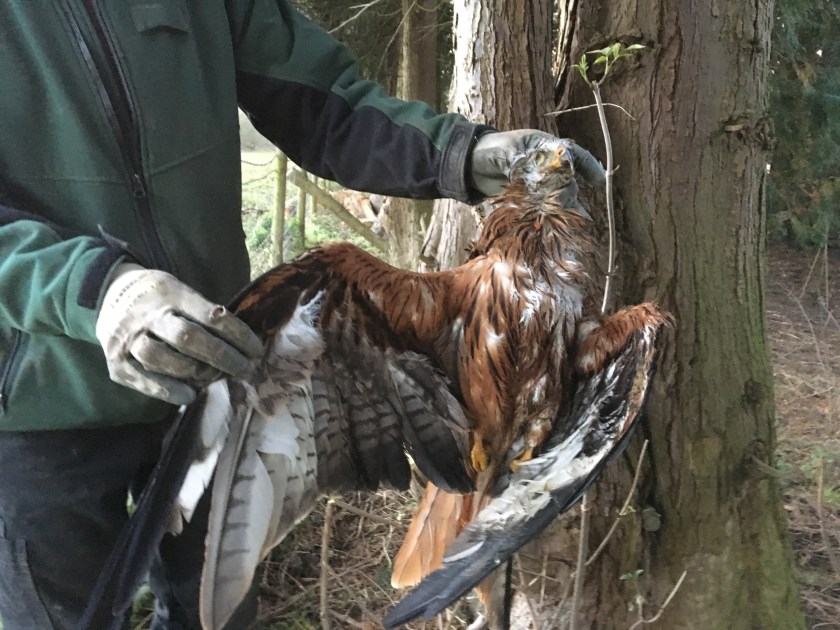
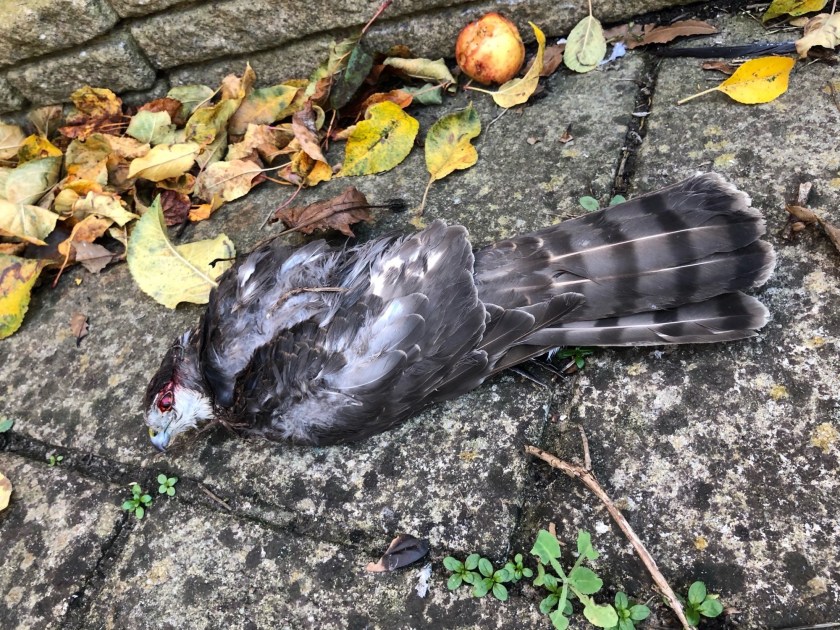
[The illegally poisoned buzzard. Photo by Peak District Raptor Monitoring Group]

We then wrote a follow-up blog last week (here) after Derbyshire Constabulary had claimed, with straight faces, that the discovery of the poisoned buzzard next to the poisoned bait was ‘inconclusive’, even though the official toxicology examination had concluded that,

The evidence therefore suggests that the Buzzard died as the result of the deliberate and illegal use of a high concentration of chloralose on a partridge bait, rather than through secondary poisoning from a different legally applied source…..”.

Derbyshire Constabulary came in for some well-earned criticism and have now responded with the following post on Facebook:

First the good points. This post is more conciliatory and far less antagonistic than recent posts on Derbyshire’s Rural Crime Team’s Facebook page. That’s a smart move. It’s also helpful to explain to the public the high workload demands, the large geographic area and the small size of the team. Like most police forces, they’re up against budget cuts and lack of resources. It’s good for the public to be reminded of these things to help manage expectations.

It’s also good to hear that the new civilian coordinator has been invited to join the Raptor Persecution Priority Delivery Group (RPPDG) and that he’s working with partner agencies, including the RSPB’s Investigations Team, to develop a standard operating procedure investigation guide. Although it’s hard to believe that such an SOP doesn’t already exist, especially in a county that has such a long running history of bird of prey persecution in association with driven grouse shooting.

However, this ‘update’ from the Rural Crime Team doesn’t address the initial issue at all – that is, what appears to be a fundamental cock-up in to the investigation of a dead poisoned buzzard that was found next to a poisoned bait. There’s no acknowledgement that there has been a cock-up, certainly no apology, and no indication that anything further will be done.

Police Supt Nick Lyall, who Chairs the national Raptor Persecution Priority Delivery Group has been made aware of this case and he’s looking in to it:


2018 worst year in more than a decade for illegal raptor persecution in England

Yesterday the RSPB published more data on its Raptor Persecution Map Hub, which now includes 12 years worth of searchable incidents. You can read about it here on the RSPB Investigations Team’s blog.

Coinciding with this release was a piece on the BBC’s Six O’Clock News followed up with a feature on BBC North West’s Inside Out programme.

The Inside Out programme is available to watch on iPlayer here for the next 29 days.

The feature runs for about ten minutes and includes interviews with the RSPB’s Investigations Team, North Yorkshire Police’s award-winning Wildlife Crime Officer Sgt Stu Grainger, and the Moorland Association’s top contortionist Amanda Anderson.

To be honest there’s nothing new here at all – it’s a well-rehearsed pantomime with claims made by the RSPB (based on evidential data) and counter-claims from the grouse shooting industry (pretending everything’s fine) but nevertheless, still well worth the airplay on national news that undoubtedly will have reached some people who’d previously been unaware of the level of criminality on many of the grouse moors of northern England.

The journalist, Gareth Barlow, did a reasonable job although just lacked the killer questions that would have exposed the Moorland Association’s nonsense with ease. For example, he picked up that 2018 was the worst year for recorded raptor persecution crimes in over a decade but he let Amanda Anderson get away with some snakeish slithering around the facts, as follows:

Gareth Barlow:A study from last year of data trackers showed that hen harriers are ten times more likely to die or disappear over land associated with grouse moors. How do you react to that data?”

Amanda Anderson:The study of tagged birds up to 2017 raises considerable issues. But actually since then 2018 saw 34 fledged hen harrier chicks in England and last year a record-breaking 47 chicks fledged, mostly from grouse moors“.

Let’s just analyse Amanda’s response. A casual and uninformed listener might think that, based on what she said, the grouse shooting industry has cleaned up its act since 2017, with ‘record-breaking’ [ahem] numbers of chicks fledging and everything’s fine now, nothing to see here, move along, gamekeepers love hen harriers too and the killing has stopped. But what happens to those ‘record-breaking’ number of fledged hen harriers once they leave the nest?

What Amanda ‘forgot’ to mention was the long list of satellite-tagged hen harriers that have either vanished in suspicious circumstances or been found illegally shot or trapped or poisoned, mostly on or close to land managed for game bird shooting, since 2018 (and since DEFRA’s so-called Hen Harrier Action Plan was enacted):

February 2018: Hen harrier Saorsa ‘disappeared’ in the Angus Glens in Scotland (here). The Scottish Gamekeepers Association later published false information claiming the bird had been re-sighted. The RSPB dismissed this as “completely false” (here).

5 February 2018: Hen harrier Marc ‘disappeared’ on a grouse moor in Durham (here)

9 February 2018: Hen harrier Aalin ‘disappeared’ on a grouse moor in Wales (here)

March 2018: Hen harrier Blue ‘disappeared’ in the Lake District National Park (here)

March 2018: Hen harrier Finn ‘disappeared’ near Moffat in Scotland (here)

18 April 2018: Hen harrier Lia ‘disappeared’ in Wales and her corpse was retrieved in a field in May 2018. Cause of death was unconfirmed but police treating death as suspicious (here)

8 August 2018: Hen harrier Hilma ‘disappeared’ on a grouse moor in Northumberland (here).

16 August 2018: Hen harrier Athena ‘disappeared’ on a grouse moor in Scotland (here)

26 August 2018: Hen Harrier Octavia ‘disappeared’ on a grouse moor in the Peak District National Park (here)

29 August 2018: Hen harrier Margot ‘disappeared’ on a grouse moor in Scotland (here)

29 August 2018: Hen Harrier Heulwen ‘disappeared’ on a grouse moor in Wales (here)

3 September 2018: Hen harrier Stelmaria ‘disappeared’ on a grouse moor in Scotland (here)

24 September 2018: Hen harrier Heather ‘disappeared’ on a grouse moor in Scotland (here)

2 October 2018: Hen harrier Mabel ‘disappeared’ on a grouse moor on the edge of the Yorkshire Dales National Park (here)

3 October 2018: Hen Harrier Thor ‘disappeared’ next to a grouse moor in Bowland, Lanacashire (here)

26 October 2018: Hen harrier Arthur ‘disappeared’ on a grouse moor in the North York Moors National Park (here)

10 November 2018: Hen harrier Rannoch ‘disappeared’ on a grouse moor in Scotland (here). Her corpse was found nearby in May 2019 – she’d been killed in an illegally-set spring trap (here).

14 November 2018: Hen harrier River ‘disappeared’ on a grouse moor in the Nidderdale AONB (here). Her corpse was found nearby in April 2019 – she’d been illegally shot (here).

16 January 2019: Hen harrier Vulcan ‘disappeared’ in Wiltshire close to Natural England’s proposed reintroduction site (here)

7 February 2019: Hen harrier Skylar ‘disappeared’ next to a grouse moor in South Lanarkshire (here)

22 April 2019: Hen harrier Marci ‘disappeared’ on a grouse moor in the Cairngorms National Park (here)

11 May 2019: A male hen harrier was caught in an illegally-set trap next to his nest on a grouse moor in South Lanarkshire. He didn’t survive (here)

7 June 2019: A hen harrier was found dead on a grouse moor in Scotland. A post mortem stated the bird had died as a result of ‘penetrating trauma’ injuries and that this bird had previously been shot (here)

11 September 2019: Hen harrier Romario ‘disappeared’ on a grouse moor in the Cairngorms National Park (here)

10 October 2019: Hen harrier Ada ‘disappeared’ on a grouse moor in the North Pennines AONB (here)

12 October 2019: Hen harrier Thistle ‘disappeared’ on a grouse moor in Sutherland (here)

November 2019: Hen harrier Mary found illegally poisoned on a pheasant shoot in Ireland (here)

There are two more satellite-tagged hen harriers (Tony & Rain) that are reported either confirmed or suspected to have been illegally killed in the RSPB’s Hen Harrier LIFE Project Report but no further details are available.

And then there were last year’s brood meddled hen harrier chicks that have been reported ‘missing’ but as they’re carrying a new type of tag known to be unreliable it’s not known if they’ve been bumped off or if they’re still ok. For the purposes of this mini-analysis we will discount these birds.

So that makes a total of at least 29 hen harriers that are known to have either ‘disappeared’ in suspicious circumstances or have been found illegally killed in the last two years, during the period that Amanda Anderson was suggesting the killing had stopped.

That’s a lot of incidents for Amanda to ‘forget’ to mention, isn’t it?

And we’re supposed to trust the Moorland Association when it claims to have ‘zero tolerance’ for raptor persecution!

Poisoned buzzard, next to poisoned bait: circumstances ‘inconclusive’ says Derbyshire Constabulary!

I don’t know what’s going on at Derbyshire Constabulary’s Rural Crime Team but someone needs to check that Amanda Anderson isn’t moonlighting.

You may recall a couple of weeks ago we blogged about an illegally poisoned buzzard that had been found dead in the Peak District National Park, next to an illegal poisoned bait (see here). The focus of the blog was the long delay from discovery (April 2019) to publicity (Jan 2020) and even then the publicity had come from the RSPB, not from the police.

[The illegally poisoned buzzard. Photo by Peak District Raptor Monitoring Group]

The story doesn’t end there.

On Friday (14th Feb), the following post appeared on Derbyshire Constabulary’s Rural Crime Team’s Facebook page:

Er….right oh.

The Peak District Raptor Monitoring Group has called out this nonsense with another blog and an open letter of complaint to the Derbyshire Police & Crime Commissioner – read it here.

Of particular note, this official toxicology report on the buzzard and the poisoned bait, written by Dr Ed Blane (National Coordinator for the independent Wildlife Incident Investigation Scheme, HM Inspector Health & Safety Executive) who writes:

“…..The evidence therefore suggests that the Buzzard died as the result of the deliberate and illegal use of a high concentration of chloralose on a partridge bait, rather than through secondary poisoning from a different legally applied source…..

And yet Derbyshire Constabulary’s Rural Crime Team claims “There are too many unknown variables to conclusively say that the buzzard has been poisoned deliberately“.

And guess who’ll be using that ‘official police statement’ to play down the ongoing problem of illegal raptor persecution in the Peak District National Park?

Supt Nick Lyall – you need to be looking at this with some urgency.

UPDATE 23 February 2020: Derbyshire Police respond to criticism over poisoned buzzard investigation (here)

Buzzard illegally poisoned in Peak District National Park

A buzzard has been found illegally poisoned in the Peak District National Park.

A poisoned bait (a red-legged partridge) was found close by.

Toxicology tests revealed both the buzzard and the partridge contained the pesticide Alphachloralose.

[The poisoned buzzard. Photo by Peak District Raptor Monitoring Group]

The thing is, this illegally poisoned buzzard wasn’t found in January, or December, or in any other recent month. It was discovered on 14th April 2019.

The police decided, for whatever reason, that it was best to keep quiet about this. There were no public appeals for information and no public warnings that a poisoner was actively placing baits containing dangerous, highly toxic chemicals out in the countryside. Baits that if touched by a child, adult or a dog could result in acute illness and even death.

Two weeks ago the RSPB issued a press statement about this poisoning crime that reads as follows:

BUZZARD POISONED IN PEAK DISTRICT NATIONAL PARK

22 January 2020

A protected bird of prey has been illegally poisoned in one of the UK’s worst raptor persecution blackspots.

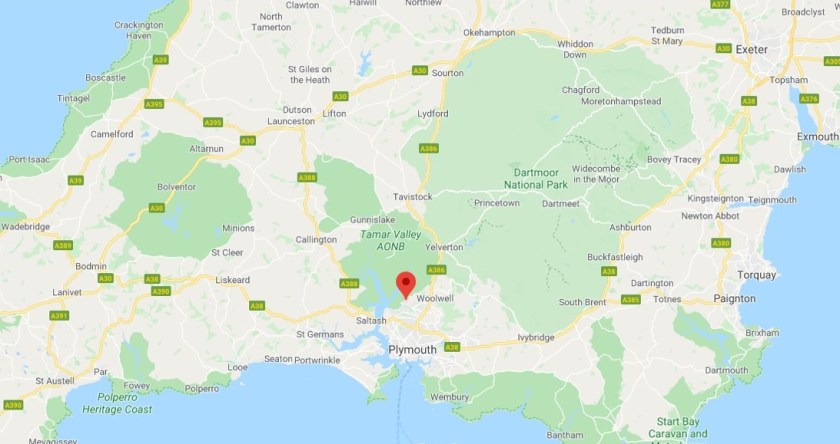
In April 2019 a member of the public found a buzzard freshly dead in woodland near Tintwistle, just north of Valehouse Reservoir, in the Peak District National Park. Close by were the remains of a red-legged partridge.

A post-mortem and toxicology tests under taken by Natural England showed that the buzzard and partridge both contained the pesticide Alphachloralose.

Natural England concluded that ā€˜abuse of chloralose, using a bird bait, has occurred at this location and at least one buzzard has been poisoned’.

All birds of prey are protected by the Wildlife and Countryside Act 1981. To kill or injure one is a criminal offence and could result in an unlimited fine or up to six months in jail. Derbyshire Police were made aware at the time of the discovery and informed of the toxicology result in August.

Alphachloralose is one of the most commonly abused pesticides for illegally targeting birds of prey.

The northern Dark Peak has been the scene of many crimes involving the poisoning, trapping and shooting of birds of prey, making it one of the UK’s worst blackspots, according to the RSPB’s recent Birdcrime report. AĀ scientific article,Ā Raptor Persecution in the Peak District National Park, cemented the link between raptor persecution and land managed for driven grouse shooting in the Peak District National Park.

[Confirmed raptor persecution crimes in the Dark Peak area of the Peak District National Park, 2007-2019. Map produced by RSPB]

Howard Jones, Investigations Officer at the RSPB, said: ā€œThe relentless destruction of birds of prey in the Dark Peak needs to stop. This area has become a black hole for birds of prey like buzzards though this is exactly the habitat where they should be thriving. Deliberately poisoning birds is not only illegal but incredibly dangerous to other wildlife, not to mention people and pets. What if a dog or a child had found this and touched it? It doesn’t bear thinking about.ā€

If you have any information relating to this incident, call Derbyshire Police on 101.

If you find a wild bird of prey which you suspect has been illegally killed, contact RSPB investigations on 01767 680551 or fill in the online form.

ENDS

When you’ve read more of these types of press release than you care to remember, you get a feel for style and content. It seems quite apparent that this is not a joint press release between the RSPB and the police, as so many of them often are. There’s no quote from an investigating police officer, there’s no incident number, and there’s a pointed sentence that Derbyshire Police were informed of the incident in April and updated with the toxicology results in August.

And then there’s this recent blog about the poisoning incident from the Peak District Raptor Monitoring Group, which is a bit difficult to follow because it references unsighted material and various unnamed email correspondents. However, what does seem clear is that someone from the shooting industry is claiming that a police officer said this poisoning incident was suspicious but ‘definitely not illegal persecution’.

Er…..right.

Haven’t we been in this position before, where it looked like deliberate attempts were being made to suppress confirmed raptor crimes in the Peak District National Park?

Let’s hope that isn’t what’s going on here, but nevertheless, there is absolutely no excuse for the police not to have warned the public about the presence of potentially lethal poisonous baits, at the time they were discovered, especially inside one of the country’s most visited National Parks.

UPDATE 16 February 2020: Poisoned buzzard, next to poisoned bait: circumstances ‘inconclusive’ says Derbyshire Constabulary! (here)

UPDATE 23 February 2020: Derbyshire Police respond to criticism over poisoned buzzard investigation (here)

Shot buzzard found in Peak District National Park

A critically injured buzzard was found at Rushup Edge, near Mam Tor in the Peak District National Park on 13th January 2020.

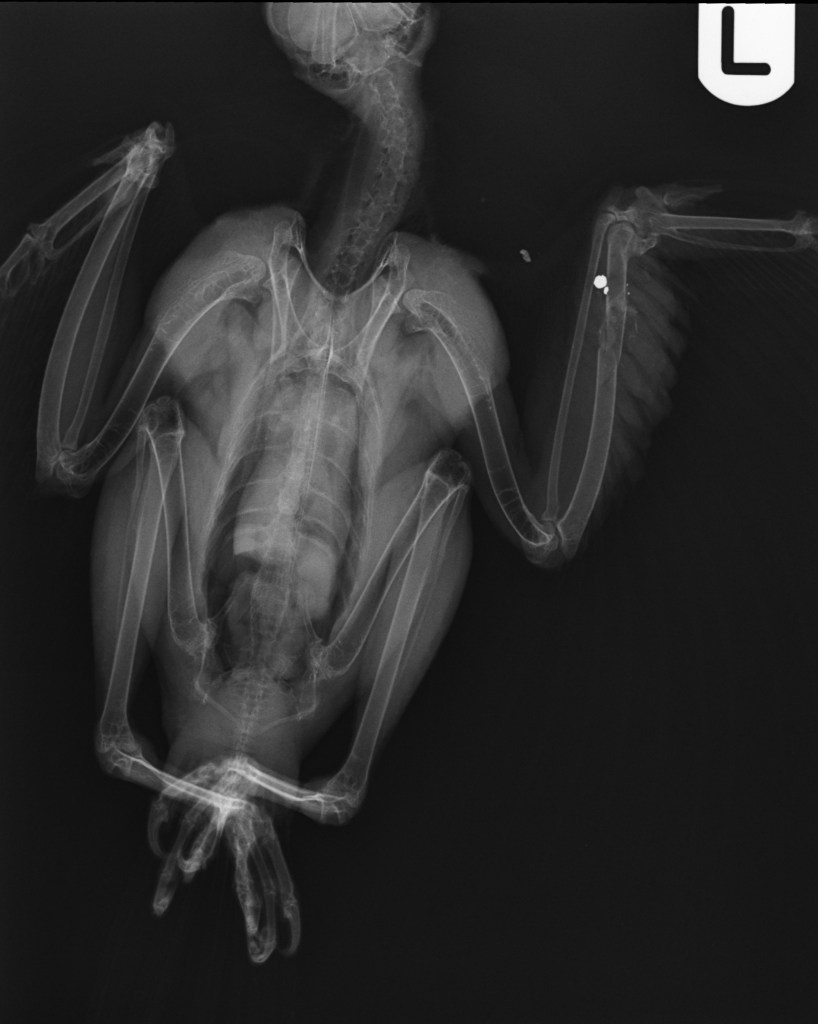
A veterinary examination revealed shot in the body and a broken wing. Unfortunately due to the extent of its injuries the buzzard had to be euthanised.

Derbyshire Police’s Rural Crime Team issued this appeal for information on Facebook yesterday:

Without any further detail (like seeing an x-ray) it’s not possible to gauge the extent of the buzzard’s injuries and thus estimate how far it might have been able to fly before becoming grounded. However, with a broken wing it’s probably safe to assume that it didn’t fly very far from the area where it was found:

It should be shocking that a protected species has been found illegally shot inside a protected area (a National Park). However, this is the UK, where birds of prey are routinely targeted and killed inside National Parks, and especially inside this one – the Peak District National Park is a notorious hotspot for illegal raptor persecution.

On and on it goes.

Buzzard found shot in Northumberland

An injured buzzard was found by a member of the public near Acklington, Northumberland on 4 January 2020. It was grounded by the entrance to the Rigg & Furrow Brewery at Acklington Park Farm.

It was transferred to Blyth Wildlife Rescue where x-rays revealed shotgun pellets in both wings. The location of the shooting is unknown.

[Photos via Jane Hardy]

The buzzard is still undergoing treatment and assessment at the rescue centre.


Kestrel found shot in Huddersfield

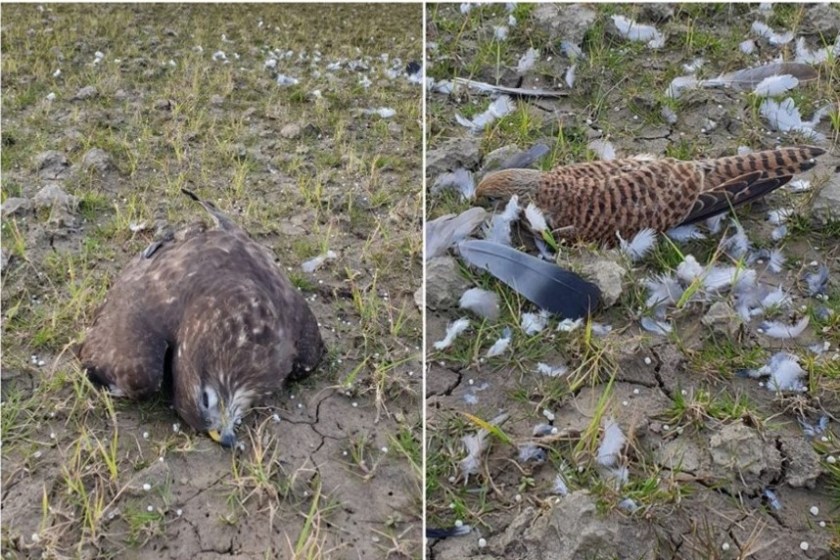
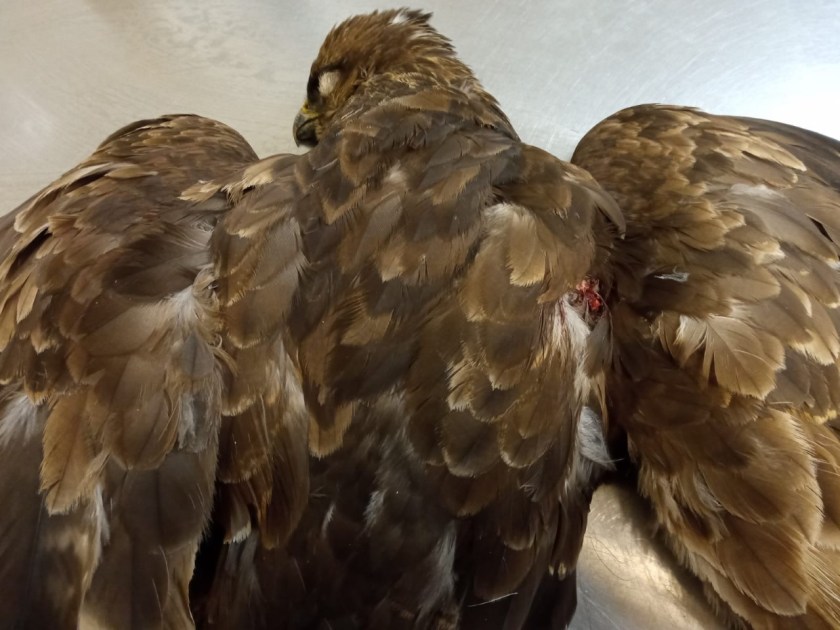
A kestrel was found shot in the Hade Edge area of Huddersfield, Yorkshire on Saturday 18th January 2020. It has been rescued and is currently undergoing treatment at Meltham Wildlife Rescue.

[Photos from West Yorkshire Police Wildlife Crime Officer PC Newsome, on Twitter as @WYP_CNewsome]

Well done to this police wildlife crime officer for getting the news out so quickly. Anyone with information is asked to contact the Police on Tel 101 and quote reference #13200032608.

You have to wonder what sort of moron takes a shot at a kestrel. Sadly it’s not the first – see here, here, here, here and here and it most definitely won’t be the last.

Poisoned red kite in Nidderdale: two local businesses put up a reward

Following the news last week that yet another red kite had been found poisoned in Nidderdale (see here), the Northern England Raptor Forum (NERF) has published a statement.

It’s well worth a read, here.

[A poisoned red kite]

A selected quote from the NERF statement:

‘The population of Pateley Bridge and surrounding area is less than 3,000 people. Whoever put the poisoned bait out in the open countryside and killed the Red Kite is most likely to live locally, shop locally, use the local pub and may have children or grand-children in the local school. In short if you live in the Pateley Bridge area the person indiscriminately putting poisoned baits out in your countryside, putting your life, the life of your pets and local wildlife at risk is your neighbour.

In addition to the physical threats posed by the use of dangerous poison there is also the reputational damage caused to this Area of Outstanding Natural Beauty and local businesses. This potential reputational damage was recognised by Pateley Bridge businessman Keith Tordoff in 2017 when he and a fellow businessman, jointly offered a reward for information following the unlawful killing of another Red Kite. On that occasion the bird was shot near Greenhow‘.

[Photo by Ruth Tingay]

A few days ago RPUK was contacted by a local businessman from Pateley Bridge who has once again put up a £1,000 reward for information leading to the arrest of the suspected poisoner(s). The businessman prefers to stay anonymous at this point for fear of retribution but he told us that another local businessman has also agreed to put up a £1,000 reward if the information received leads to a conviction. There may well be other members of the local community stepping forward. The businessmen have been in contact with the RSPB and North Yorkshire Police to facilitate the reward process.

Ongoing concern about the level of wildlife crime in Nidderdale has been raised by residents and visitors alike for a number of years, particularly on the extent of illegal raptor persecution and such is the strength of feeling that the Nidderdale AONB Partnership has now included a specific objective on raptor conservation in its AONB Management Plan. As part of this work, an evidence report was published in September 2019 which placed grouse moor management firmly in the frame.

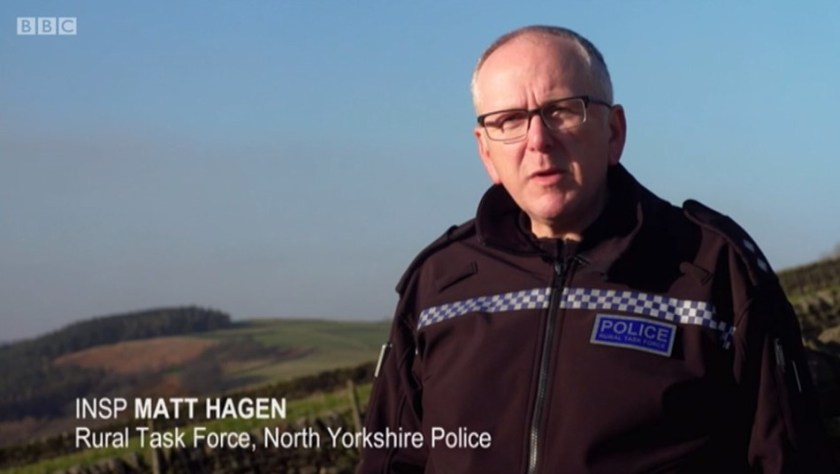
Incidentally, those of you who read last week’s report on this latest poisoned red kite will know that there was an inexplicable eight-month delay between the discovery of the poisoned red kite and a police appeal for information. It was the latest in a number of cases (as yet unpublished) in North Yorkshire that have caused raised eyebrows, not least because of the previous exemplary efforts (e.g. here) of the North Yorkshire Police Rural Task Force, a team which includes some of the UK’s most dedicated and knowledgeable police officers tackling raptor persecution crimes through Operation Owl.

Last weekend at the annual Wildlife Crime Enforcers Conference we were able to have some full and frank discussions about recent events, including the delayed appeal for information about this poisoned red kite, with some senior members of North Yorkshire Police. The response was impressive, the explanations plausible (it would be inappropriate to provide detail here), the admission of mistakes made admirable, and the determination and commitment to target the offenders was unquestionable.

We look forward to being able to report some more success stories from the UK’s worst raptor persecution hotspot.

Yet another red kite found illegally poisoned in Nidderdale AONB

Press release from RSPB (28 November 2019)

Red Kite poisoned in Nidderdale

North Yorkshire Police and the RSPB are appealing for information after a protected red kite was found poisoned in an area of North Yorkshire with the worst record for the illegal killing of birds of prey in England.

A member of the public found the bird dead under a tree in Blazefield, just outside Pateley Bridge, Nidderdale in March 2019. North Yorkshire Police submitted the bird to be tested for poison, and results show the bird tested positive for the insecticide bendiocarb. This is one of the top five most commonly abused substances involved in raptor poisoning cases. It is also extremely toxic to people and pets.

Killing a bird of prey is illegal under the Wildlife and Countryside Act 1981. Anyone found responsible for this bird’s death faces an unlimited fine and/or up to six months in jail. The police are now appealing for information.Ā 

[A dead red kite]

[Blazefield, sandwiched between some of the most notorious wildlife-killing grouse moors in the UK]

Howard Jones, RSPB Investigations Officer, said:Ā ā€œPoison baits deliberately placed out in the open, where anyone could find them, puts people, pets and wildlife in danger. Based on government toxicology data, from 2009 to 2018 the RSPB recorded an astonishing 369 incidents of the illegal use of pesticides to kill or target birds of prey. Bendiocarb, a very toxic insecticide, is something we come across again and again being used for this purpose.ā€

According to data collated by the RSPB, the Nidderdale area – which is dominated by extensiveĀ driven grouse shooting – is the worst black spot for raptor persecution crimes in England, clocking up more incidents in the last seven years than anywhere else.

In September 2019, the Nidderdale AONB published their ā€˜bird of prey evidence report’ which highlighted the impact of illegal persecution upon the protected landscape’s birds of prey. The report stated that ā€˜The spread of red kites into the AONB is being restricted by illegal persecution’.

In August 2019, North Yorkshire Police appealed for information after a red kite was found shot and also poisoned in Wath, near Harrogate, within the Nidderdale AONB. This bird contained two pieces of shot, one of which was from an older injury which it had survived, indicating it had been shot on two occasions. But it was also found to contain a cocktail of highly toxic pesticides, and this was deemed the ultimate cause of death.

And in April 2019, a satellite-tagged hen harrier namedĀ River was found dead on Nidderdale’s Swinton Estate, following a search by North Yorkshire Police and RSPB Investigations. She too had been illegally shot.

Howard Jones added: ā€œNidderdale has become a death zone for birds of prey. Our message to the community is this: If you enjoy spending time in the countryside, please be vigilant. Report anything suspicious. If you have information about someone killing birds of prey, please speak out. This is happening on your doorstep, to your wildlife. Let’s make it known that this barbaric, relentless destruction of wildlife is not something North Yorkshire will tolerate.

ā€œFinally, if you are being instructed to kill birds of prey, please do not break the law on someone else’s behalf. Call our confidential hotline on 0300 999 0101.ā€

ENDS

Eight months for this appeal for information to emerge? That’s pathetic. Let’s hope there was at least a local appeal for information – a spokesperson from North Yorkshire Police is quoted in this article in today’s Yorkshire Post saying “Despite extensive investigations……” so perhaps this included warnings to the local community that some criminal psychopath had been laying out deadly poisons in the area. Also interesting to note that the Yorkshire Post article says the banned poison Isophenphos was also detected in the kite’s carcass.

Regular readers of this blog will be only too aware of Nidderdale AONB’s reputation as a massive wildlife crime scene. We’ve blogged about it many, many times including the poisoning and shooting of red kites,Ā hen harriers,Ā buzzards,Ā marsh harriersĀ on Nidderdale grouse moors (as reported by the AONB partnership in September 2019). We’ve also seen how the local community is turning against the criminals in their midst which is hardly surprising when according to the Chair of the Nidderdale AONBĀ these crimes are ā€œstarting to have a damaging effect on tourism businessesā€.Ā 

[Photo by Ruth Tingay]

Here’s a map we produced a while ago showing the boundary of the Nidderdale AONB (yellow line), illegally killed red kites (red dots), missing satellite-tagged hen harriers (orange stars), shot hen harrier Bowland Betty (red star), shot hen harrier River (red triangle, which we now know should be closer to the red star on the Swinton Estate).

UPDATE 3 December 2019: Poisoned red kite in Nidderdale – two local businesses put up a reward (here)

Hen harrier Ada ‘disappears’ on grouse moor in North Pennines AONB

Joint press release from Northumbria Police and RSPB (27 November 2019)

Hen Harrier Ada Disappears

Today, Northumbria Police and the RSPBĀ have issued an appeal for information following the sudden disappearance of yet another satellite tagged hen harrier, a female bird known as Ada.

[Hen Harrier Ada being satellite tagged in the summer. Photo from RSPB]

Ada hatched on a nest on the Scottish borders this summer (2019). She was fitted with a lightweight satellite tag as part of the RSPB’sĀ Hen Harrier LIFE project, to learn more about the journeys made by these rare birds of prey and the survival challenges they face.

Ada was the first of the chicks tagged this summer to leave her nest and proved to be naturally adventurous. After fledging she flew north, spending some time on a disused golf course near Dunbar, then she headed south to the North Pennines. On the morning of 10 October 2019 she sent her last transmission from an area of grouse moor east of Allendale, Northumberland. Her tag showed no signs of malfunction and there were several satellites passing over, so it was expected to continue to provide data. RSPB staff wereĀ in the area at the timeĀ the tag would have transmitted, but neither the bird nor her tagĀ could be found nor haveĀ been heard from since.

Her disappearance is being treated as suspicious and was reported to the police.

All birds of prey are protected by the Wildlife and Countryside Act 1981. To kill or injure one is a criminal offence and could result in an unlimited fine or up to six months in jail. Yet the evidence shows hen harriers continue to be killed, or disappear in suspicious circumstances, particularly on or near land managed for driven grouse shooting.

Scientific research published in March 2019 showed that 72% of the satellite tagged hen harriers in their study were killed or very likely to have been killed on British grouse moors, and that hen harriers were 10 times more likely to die or disappear over areas of grouse moor relative to other land uses.

Dr Cathleen Thomas, Senior Project Manager for the Hen Harrier LIFE project, said:

ā€œOver 30 chicks were tagged this summer and we’ve watched with interest as they’ve grown up and flown around the country. We’re absolutely gutted that Ada has disappeared in suspicious circumstances at just a few months’ old.ā€

Emma Marsh, Director for RSPB England, said:

ā€œHen harriers have become a rare breeding bird across the UK mainly due to illegal persecution by humans. In England, the last population survey recorded only four territorial pairs, despite scientific studies showing enough food and habitat to support over 320 pairs. Our own tagging work has shown that survival of young birds post-fledging is very low. This won’t change until something is done about illegal persecution. The Government’s own data has highlighted a loss of 72% of their tagged birds in suspicious circumstances, and we are calling on them to take vital measures to address this appalling situation.ā€

The RSPB is calling for the Government to introduce of a system of licensing for driven grouse moors, whereby this license to operate could be taken away should illegal activity be uncovered. We believe that this approach will act as a far greater deterrent than current legislation.

If you have any information relating to this incident, call Northumbria police on 101.

If you find a wild bird of prey which you suspect has been illegally killed, contact RSPB investigations on 01767 680551 or fill in theĀ online form.

ENDS

It looks like Ada has vanished in the North Pennines Area of Outstanding Natural Beauty (AONB):

The tag Ada was carrying is believed to be the same make and model as the other tags deployed by the RSPB on hen harriers (the tag with a known reliability rate of 94%). Technical failures are possible (of course) but are rare (6%), and according to this researchtag failures have always been preceded by irregular transmission periods and, most importantly, a drop in battery voltage (another parameter monitored by the transmitter). This makes it relatively straightforward to distinguish between a likely mortality event and a likely transmitter failure”.

The hen harrier tags deployed by the RSPB are completely different to the new and untested tags that were deployed by Natural England on some of this year’s brood meddled hen harriers; tags that are known to have a high failure rate.