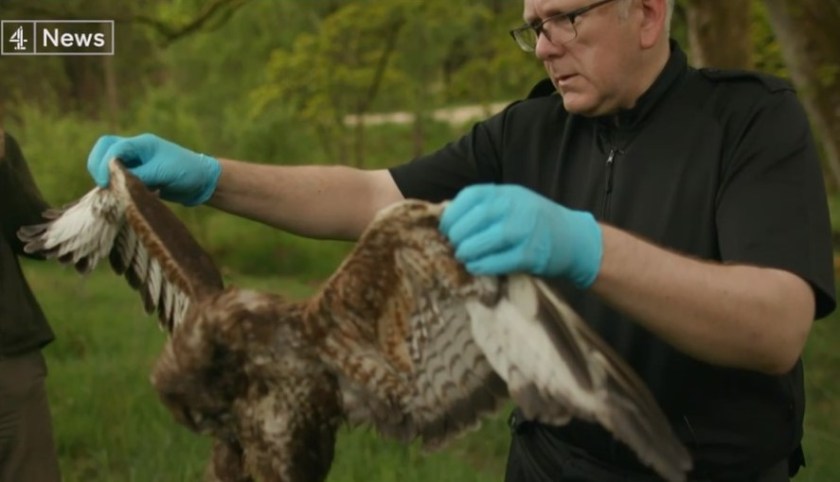
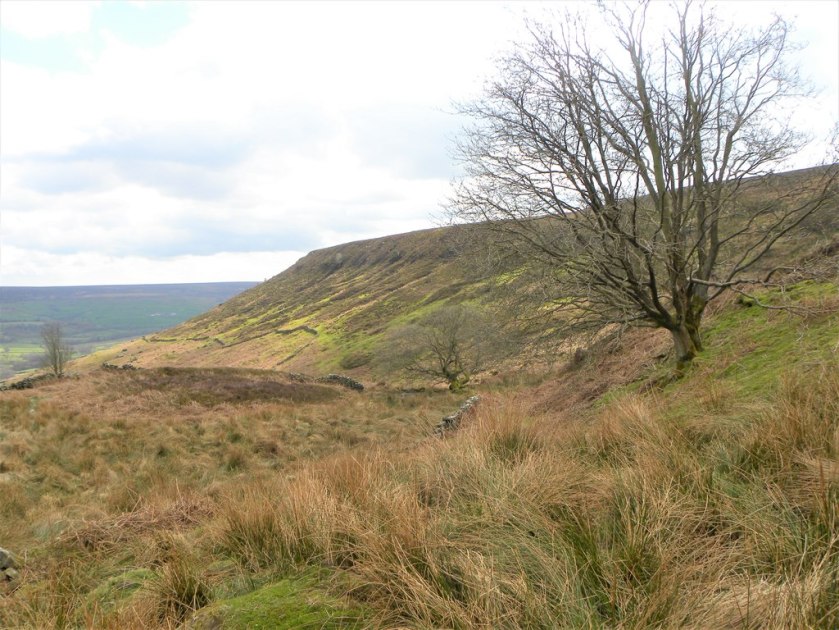
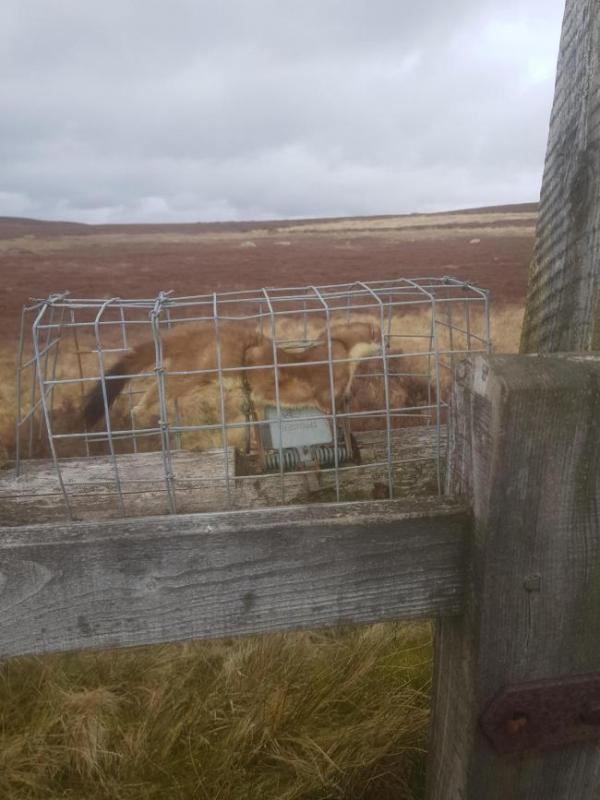
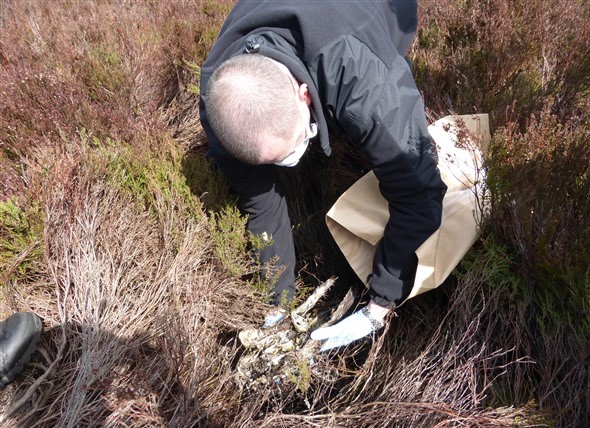
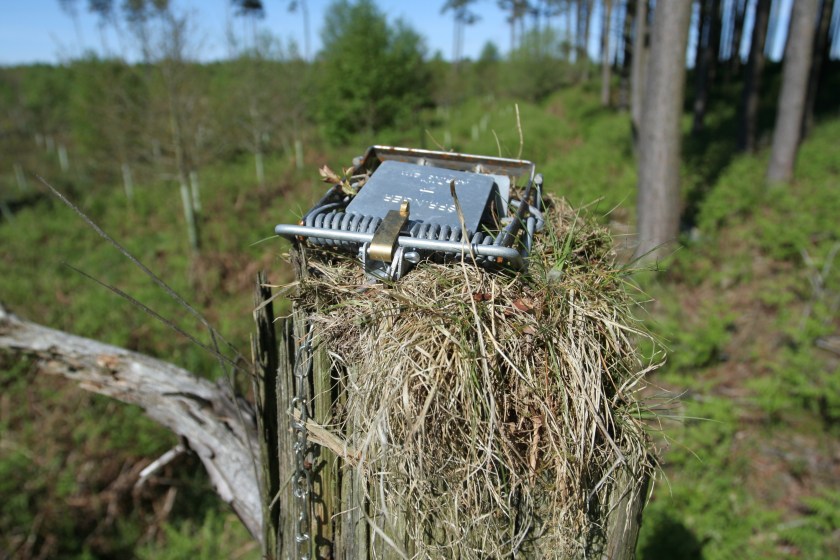
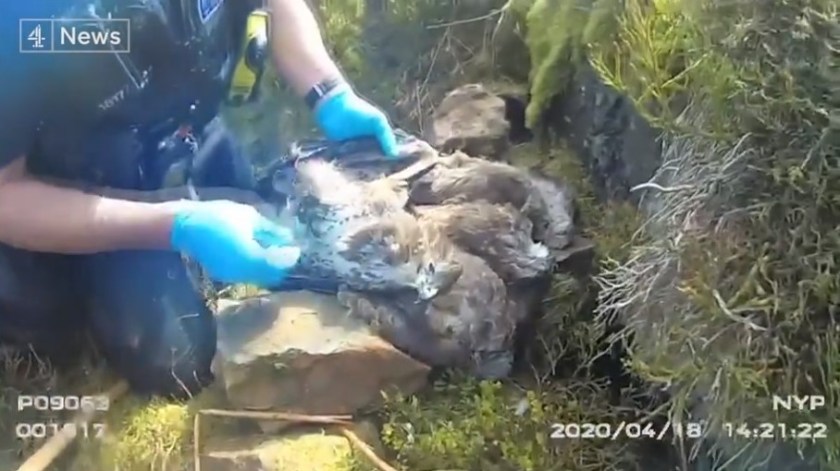
Last Friday afternoon, North Yorkshire Police appealed for information in relation to an ongoing investigation involving the discovery of five dead buzzards that had been shoved in a hole under a rock on an unnamed grouse shooting estate in Bransdale in the North York Moors National Park. X-rays have so far revealed that four of those five buzzards had been shot (see here).
[Police body camera footage captures the moment five dead buzzards are pulled from a hole where they’d been concealed on a grouse shooting estate in Bransdale, North York Moors National Park]
North Yorkshire Police has since released x-rays of three of those shot buzzards:

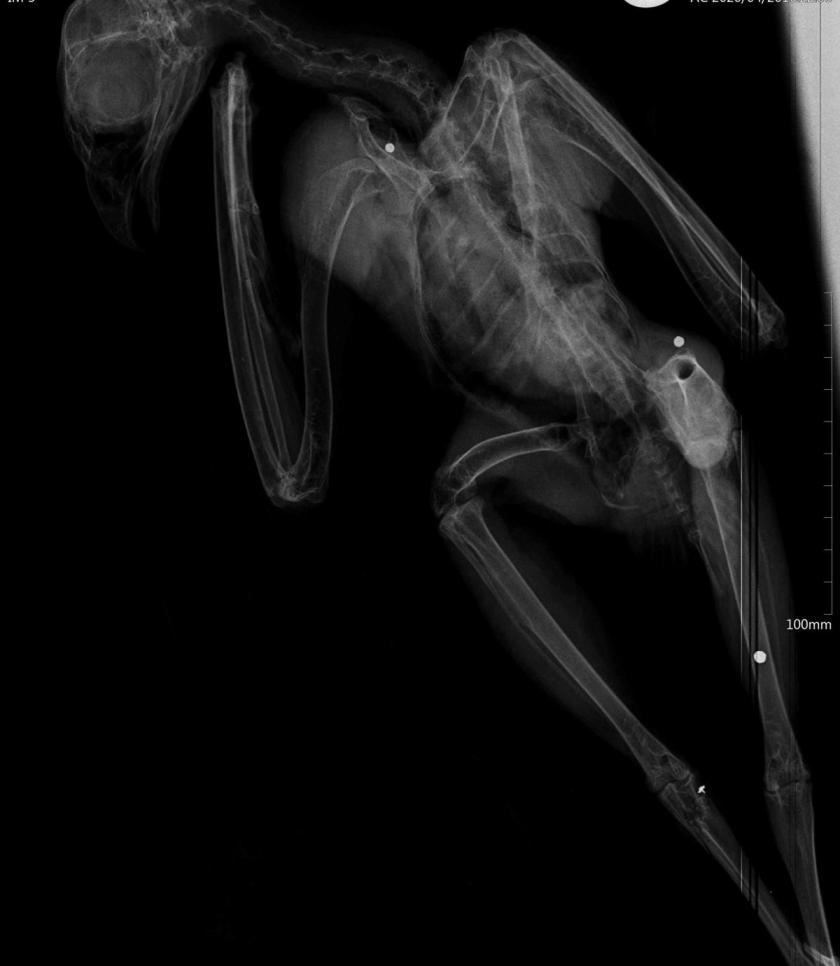
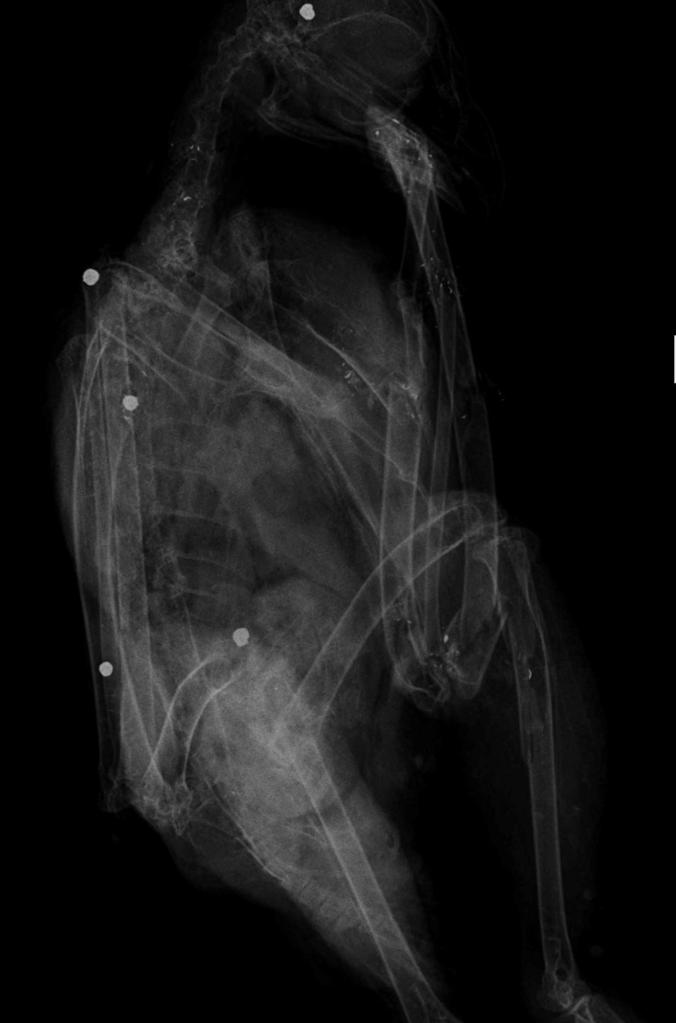
In relation to this incident and other ongoing investigations into raptor persecution, Inspector Matt Hagen from North Yorkshire Police’s Rural Crime Team told Channel 4 News, “All the shooting investigations that we’ve got going on at the moment are involving gamekeepers on grouse moors” (see here).
Given the game-shooting industry’s claims of a ‘zero tolerance’ stance to illegal raptor persecution (see here), you’d think this would be the perfect opportunity for the grouse shooting industry to offer its full support to the police investigation and encourage its members to step forward with information, especially if there was concern about dangerous unidentified armed criminals, killing protected species and running amok in a National Park, right?
Well apparently not. Having looked at the websites of the industry’s ‘leading’ organisations this morning, here’s what they’ve had to say about this latest crime:
Moorland Association: nothing
BASC: nothing
Countryside Alliance: nothing
National Gamekeepers Organisation: nothing
GWCT: nothing
Impressive, eh?
There is one group from the industry, however, who seems to have plenty to say, and it’s quite extraordinary.
The North Yorkshire Moors Moorland Organisation (NYMMO) is an apparently grassroots umbrella organisation that represents grouse moor gamekeepers in the North York Moors. It’s one of a number of regional moorland groups in the UK, established a few years ago as part of what looks like a propaganda exercise to promote grouse moor management in a favourable light. The NYMMO website doesn’t have a list of grouse-shooting estates on which its members work but we do know it has members that work in Bransdale (more on this in a future blog).
Here’s what the NYMMO posted on its social media channels on Sunday, in response to the news that five dead buzzards, four of which are confirmed as being shot, were discovered concealed in a hole on an unnamed Bransdale grouse shooting estate:
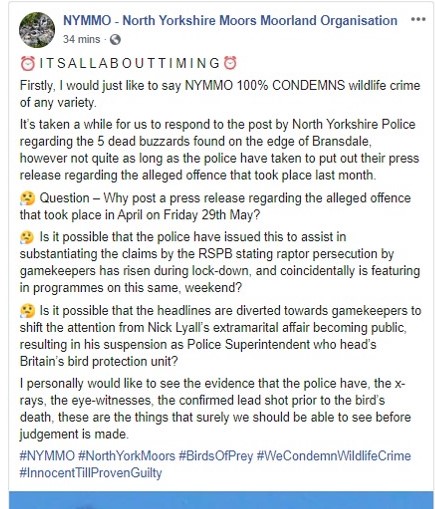
Does this strike anyone as evidence of an industry exhibiting ‘zero tolerance’ of raptor persecution? You can bet that some of those ‘leading’ organisations will be raging at the NYMMO for posting such an incredibly stupid and revealing statement in response to what is an horrific wildlife crime, especially as a number of those ‘leading’ organisations have a close and supportive relationship with the NYMMO. Although at least one BASC staff member (Gary Dockerty, BASC Upland Officer) has ‘liked’ this post on Facebook.
More on the NYMMO shortly….