Sparrowhawk shot in Devon

The RSPB and Devon & Cornwall Police are appealing for information after a sparrowhawk was shot in Devon.

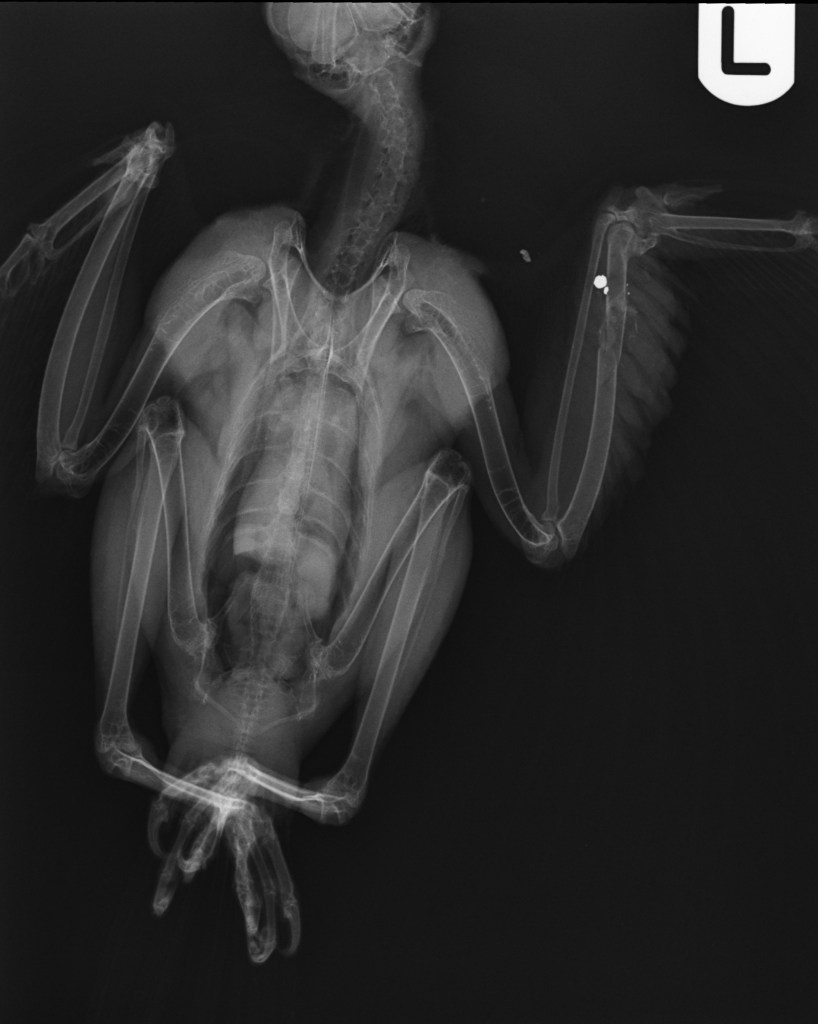
[An x-ray of the shot sparrowhawk, by Westmoor Veterinary Hospital]

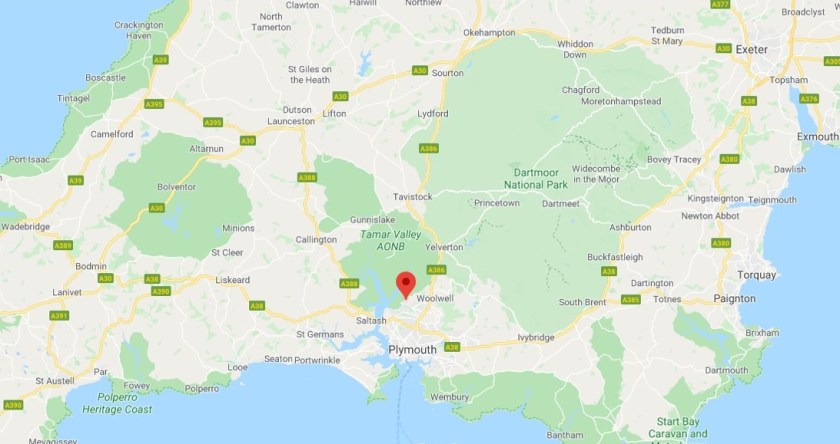
Map showing Tamar Foliot, near Plymouth, Devon:

From an RSPB press release issued 9 March 2020:

Devon and Cornwall Police and the RSPB are appealing for information after a protected sparrowhawk was found illegally shot near Plymouth.

The female bird was discovered alive but injured in a paddock in Tamerton Foliot, Plymouth. Seeing it was unable to fly, the finder recovered the bird and contacted the police on 2 February 2020.

The bird was x-rayed by Westmoor Veterinary Hospital in Tavistock and found to contain a shotgun pellet in its wing.

Emily Roisetter, a veterinary nurse, said: “On examination one of our vets could feel an unusual lump in its wing, which lead us to be suspicious that a pellet was present, and this was confirmed with the x-rays.”

The bird is currently being cared for at a wildlife centre.

Investigating Officer Sergeant Northmore, of the Crownhill Neighbourhood Team, said: “We would like to hear from anyone who was in the area at the time and saw or heard anything which could have been related to this incident, or has any information they think could be useful, to contact us.

If you have any information relating to this incident, call Devon and Cornwall Police on 101 or fill in the RSPB’s confidential online reporting form here

ENDS


Buzzard shot in Worcestershire

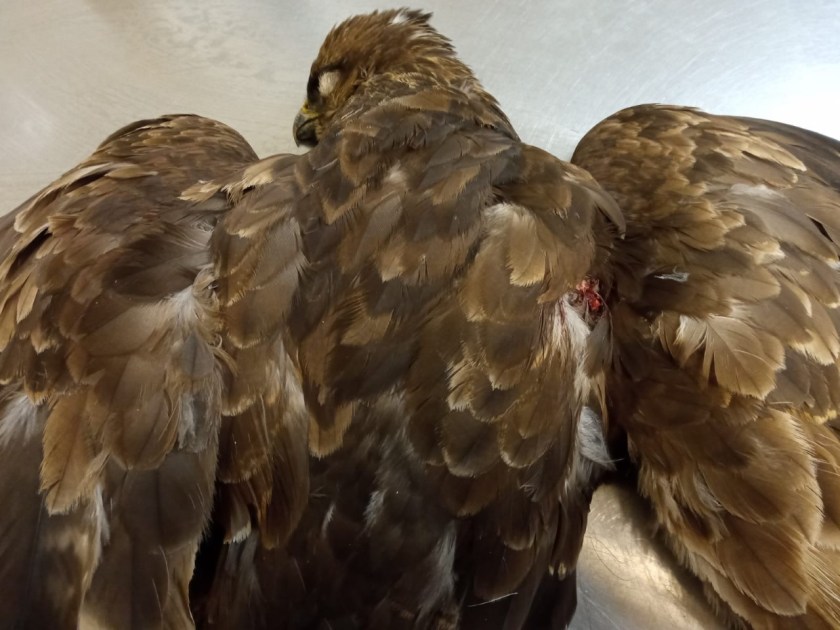
The RSPB and West Mercia Police are appealing for information after a buzzard was shot in Worcestershire.

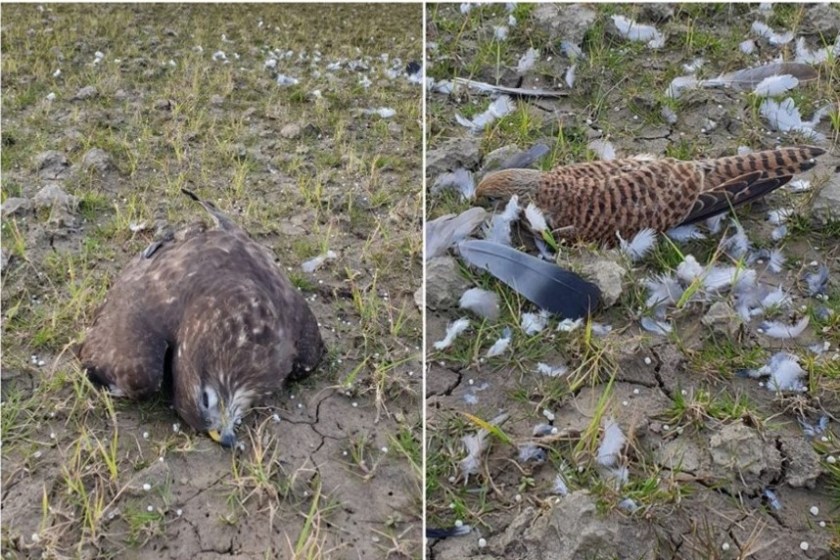
[The shot buzzard. Photo from RSPB]

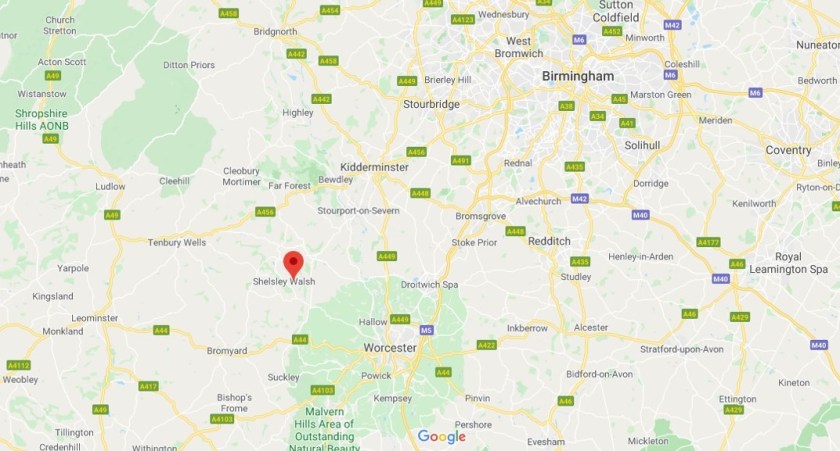
Map showing Shelsey Beauchamp, Worcestershire:

From an RSPB press release issued 6 March 2020:

On 20 January 2020, eyewitnesses saw a buzzard being shot from a light-coloured [blue] van near Shelsley Beauchamp, Worcestershire. The bird was brought to Vale Wildlife Centre but due to an irreparable broken wing the bird had to put the bird to sleep.

Unfortunately no further details are provided.

If anyone has any information about this wildlife crime please contact West Mercia Police on 101 or fill in the RSPB’s confidential online reporting form here


Red kite found shot in Herefordshire

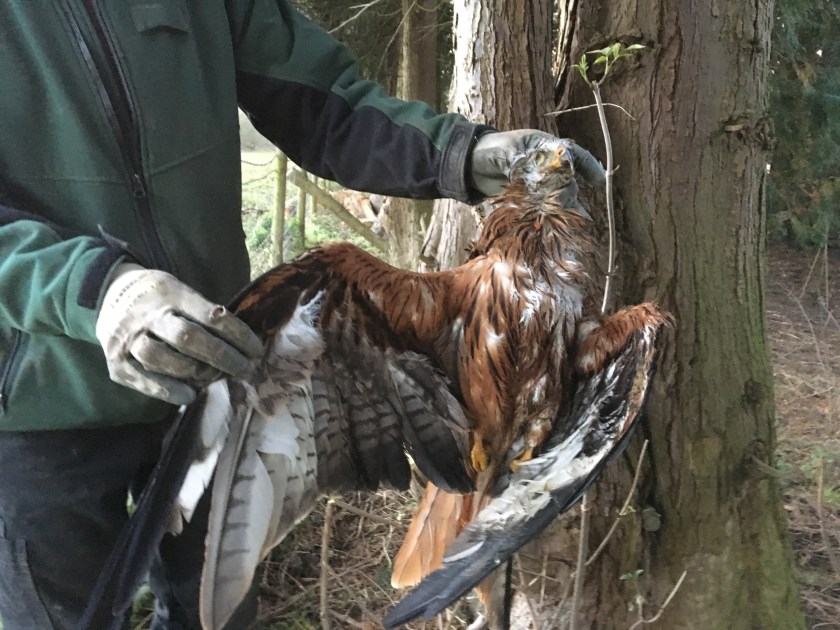
The RSPB and West Mercia Police are appealing for information after a dead red kite was discovered in Herefordshire on New Years Eve.

[The shot red kite. Photo from RSPB]

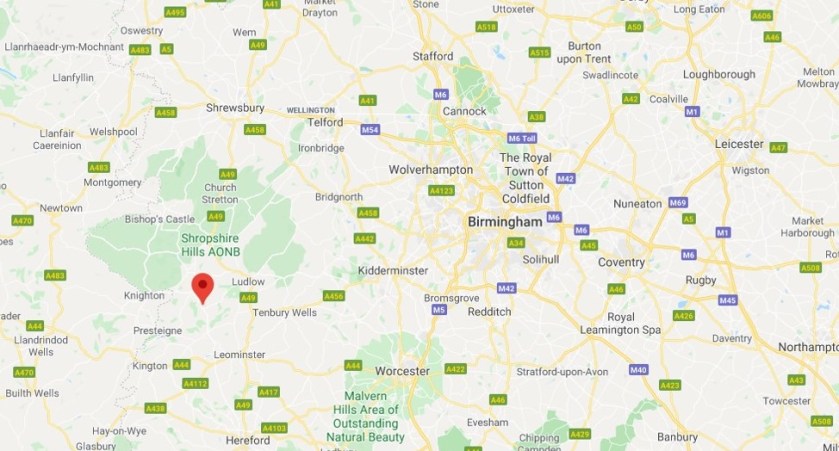
[Wigmore, Herefordshire]

From an RSPB press release, issued 6 March 2020:

A red kite was found dead in a field in Wigmore, Herefordshire on New Years Eve 2019 by a member of the public. The RSPB and West Mercia Police were notified. When the police collected the bird, they noticed a large hole in the bird’s body.

The RSPB arranged for a post-mortem of the bird, and the results concluded that it had been shot, and that ‘shooting with a single projectile is by far the most likely cause’ of death. Witnesses also confirmed they had heard shooting in the area the day before.

ENDS

If anyone has any further information please contact West Mercia Police on 101 or fill in the RSPB’s confidential online reporting form here

[The shot red kite, photo from RSPB]

Hen harrier shot in North Yorkshire – police appeal for info 5 months later

Press statement from North Yorkshire Police (4 March 2020)

APPEAL FOR INFORMATION AFTER HEN HARRIER SHOT NEAR KEASDEN

Police looking for witnesses or anyone who may have seen something suspicious

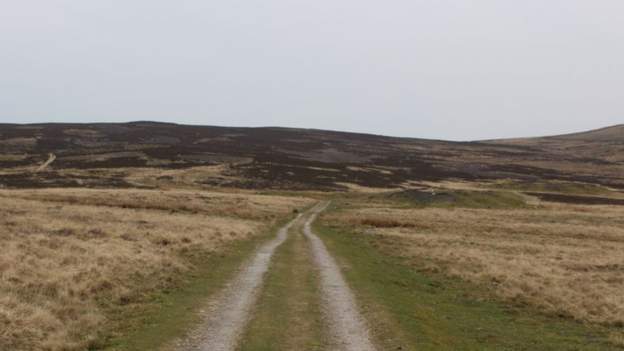
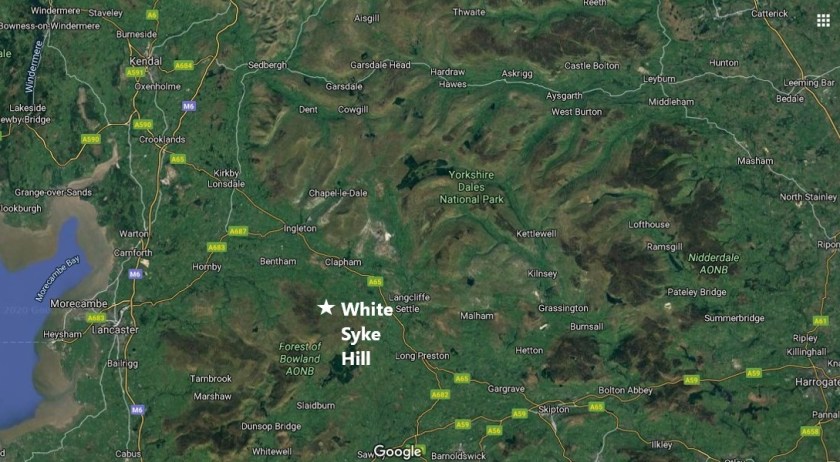
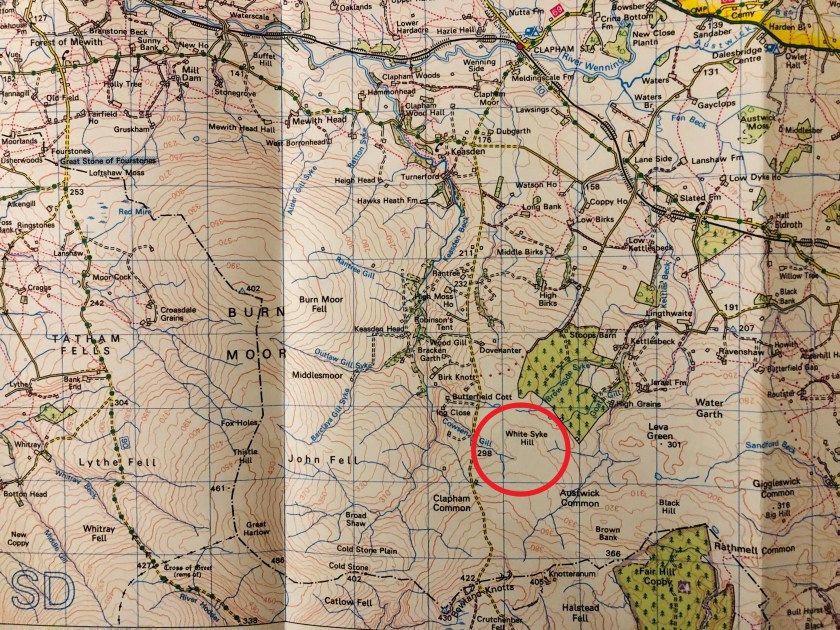
North Yorkshire Police is appealing for information after a hen harrier is believed to have been shot near White Syke Hill approximately 3km south east of  the North Yorkshire village of Keasden.

A member of the public has witnessed an incident which they believed was the shooting of a male hen harrier.

The incident occurred on moorland near White Syke Hill at approximately 5.30pm on Friday 18 October 2019.

Officers have been conducting active enquiries and a man has been interviewed in connection with this investigation.

North Yorkshire Police is appealing for anyone with information about this incident or who may have seen anything in the area shortly before 5.30pm to please call 101 quoting reference number: 12190193431.

If you wish to remain anonymous, you can pass information to Crimestoppers on 0800 555 111.

ENDS (but see blog update at bottom of screen)

White Syke Hill is situated in the Forest of Bowland Area of Outstanding Natural Beauty (AONB), just over the border from the Yorkshire Dales National Park. And surprise surprise, there’s a driven grouse moor nearby.

It’s our understanding that there was a very quick initial police response to this reported shooting, with the police working closely with partner agencies, culminating with an interview of a potential suspect. It’s not clear why it’s taken five months for a public appeal for information to be made.

As a reminder that DEFRA’s seriously flawed Hen Harrier Action Plan is failing miserably, let’s add the shooting of this hen harrier to the ever-expanding list of hen harriers (at least 30 now) believed to have been illegally killed since 2018, the year when grouse shooting industry reps would have us believe that hen harriers were welcomed back on the grouse moors:

February 2018: Hen harrier Saorsa ‘disappeared’ in the Angus Glens in Scotland (here). The Scottish Gamekeepers Association later published inaccurate information claiming the bird had been re-sighted. The RSPB dismissed this as “completely false” (here).

5 February 2018: Hen harrier Marc ‘disappeared’ on a grouse moor in Durham (here)

9 February 2018: Hen harrier Aalin ‘disappeared’ on a grouse moor in Wales (here)

March 2018: Hen harrier Blue ‘disappeared’ in the Lake District National Park (here)

March 2018: Hen harrier Finn ‘disappeared’ near Moffat in Scotland (here)

18 April 2018: Hen harrier Lia ‘disappeared’ in Wales and her corpse was retrieved in a field in May 2018. Cause of death was unconfirmed but police treating death as suspicious (here)

8 August 2018: Hen harrier Hilma ‘disappeared’ on a grouse moor in Northumberland (here).

16 August 2018: Hen harrier Athena ‘disappeared’ on a grouse moor in Scotland (here)

26 August 2018: Hen Harrier Octavia ‘disappeared’ on a grouse moor in the Peak District National Park (here)

29 August 2018: Hen harrier Margot ‘disappeared’ on a grouse moor in Scotland (here)

29 August 2018: Hen Harrier Heulwen ‘disappeared’ on a grouse moor in Wales (here)

3 September 2018: Hen harrier Stelmaria ‘disappeared’ on a grouse moor in Scotland (here)

24 September 2018: Hen harrier Heather ‘disappeared’ on a grouse moor in Scotland (here)

2 October 2018: Hen harrier Mabel ‘disappeared’ on a grouse moor on the edge of the Yorkshire Dales National Park (here)

3 October 2018: Hen Harrier Thor ‘disappeared’ next to a grouse moor in Bowland, Lanacashire (here)

26 October 2018: Hen harrier Arthur ‘disappeared’ on a grouse moor in the North York Moors National Park (here)

10 November 2018: Hen harrier Rannoch ‘disappeared’ on a grouse moor in Scotland (here). Her corpse was found nearby in May 2019 – she’d been killed in an illegally-set spring trap (here).

14 November 2018: Hen harrier River ‘disappeared’ on a grouse moor in the Nidderdale AONB (here). Her corpse was found nearby in April 2019 – she’d been illegally shot (here).

16 January 2019: Hen harrier Vulcan ‘disappeared’ in Wiltshire close to Natural England’s proposed reintroduction site (here)

7 February 2019: Hen harrier Skylar ‘disappeared’ next to a grouse moor in South Lanarkshire (here)

22 April 2019: Hen harrier Marci ‘disappeared’ on a grouse moor in the Cairngorms National Park (here)

11 May 2019: A male hen harrier was caught in an illegally-set trap next to his nest on a grouse moor in South Lanarkshire. He didn’t survive (here)

7 June 2019: A hen harrier was found dead on a grouse moor in Scotland. A post mortem stated the bird had died as a result of ‘penetrating trauma’ injuries and that this bird had previously been shot (here)

11 September 2019: Hen harrier Romario ‘disappeared’ on a grouse moor in the Cairngorms National Park (here)

10 October 2019: Hen harrier Ada ‘disappeared’ on a grouse moor in the North Pennines AONB (here)

12 October 2019: Hen harrier Thistle ‘disappeared’ on a grouse moor in Sutherland (here)

18 October 2019: Member of the public reports the witnessed shooting of a male hen harrier on White Syke Hill in North Yorkshire (this post)

November 2019: Hen harrier Mary found illegally poisoned on a pheasant shoot in Ireland (here)

There are two more satellite-tagged hen harriers (Tony & Rain) that are reported either confirmed or suspected to have been illegally killed in the RSPB’s Hen Harrier LIFE Project Report but no further details are available.

And then there were last year’s brood meddled hen harrier chicks that have been reported ‘missing’ but as they’re carrying a new type of tag known to be unreliable it’s not known if they’ve been illegally killed or if they’re still ok. For the purposes of this mini-analysis we will discount these birds.

So that makes a total of at least 30 hen harriers that are known to have either ‘disappeared’ in suspicious circumstances or have been found illegally killed in the last two years. The DEFRA Hen Harrier Action Plan is certainly providing cover for the criminals – yep, carry on with the killing lads (and maybe lasses), we’ve got your backs.

UPDATE 12 March 2020: Hen harrier shot on grouse moor – North Yorkshire Police make an arrest (here)

Another pigeon fancier convicted for killing a sparrowhawk

Last week we blogged about pigeon fancier Duncan Cowan who was convicted for shooting a sparrowhawk in Stirlingshire and was fined a pathetic £450 (see here). Incidentally, there’s more to that story, coming soon.

Today, another pigeon fancier at the other end of the country has also been convicted of killing a sparrowhawk, this time with a catapult in his neighbour’s garden. Yovanis Cruz pleaded guilty at Portsmouth Magistrates Court and was fined £653 plus £85 costs plus £63 victim surcharge (£801 in total).

[The sparrowhawk victim. Photo via RSPB]

We await further details on this case. [See blog update below]

Unlike Scotland, where increased penalties for wildlife crime are about to be enacted via the Animals and Wildlife (Penalties, Protections & Powers) (Scotland) Bill which is currently at Stage 1 of parliamentary scrutiny, there are no plans by the Westminster Government to consider an increase in penalties for wildlife crime.

After gamekeepers, pigeon fanciers accounted for a significant proportion of all those convicted for raptor persecution crimes between 1990 – 2018, according to RSPB data (BirdCrime Report 2018).

UPDATE 19.15hrs: The RSPB has now published a press statement about this case (here)


Derbyshire police respond to criticism over poisoned buzzard investigation

In early February we blogged about an illegally poisoned buzzard that had been found dead in the Peak District National Park, next to an illegal poisoned bait (see here). The focus of the blog was the long delay from discovery (April 2019) to publicity (Jan 2020) and even then the publicity had come from the RSPB, not from the police.

[The illegally poisoned buzzard. Photo by Peak District Raptor Monitoring Group]

We then wrote a follow-up blog last week (here) after Derbyshire Constabulary had claimed, with straight faces, that the discovery of the poisoned buzzard next to the poisoned bait was ‘inconclusive’, even though the official toxicology examination had concluded that,

The evidence therefore suggests that the Buzzard died as the result of the deliberate and illegal use of a high concentration of chloralose on a partridge bait, rather than through secondary poisoning from a different legally applied source…..”.

Derbyshire Constabulary came in for some well-earned criticism and have now responded with the following post on Facebook:

First the good points. This post is more conciliatory and far less antagonistic than recent posts on Derbyshire’s Rural Crime Team’s Facebook page. That’s a smart move. It’s also helpful to explain to the public the high workload demands, the large geographic area and the small size of the team. Like most police forces, they’re up against budget cuts and lack of resources. It’s good for the public to be reminded of these things to help manage expectations.

It’s also good to hear that the new civilian coordinator has been invited to join the Raptor Persecution Priority Delivery Group (RPPDG) and that he’s working with partner agencies, including the RSPB’s Investigations Team, to develop a standard operating procedure investigation guide. Although it’s hard to believe that such an SOP doesn’t already exist, especially in a county that has such a long running history of bird of prey persecution in association with driven grouse shooting.

However, this ‘update’ from the Rural Crime Team doesn’t address the initial issue at all – that is, what appears to be a fundamental cock-up in to the investigation of a dead poisoned buzzard that was found next to a poisoned bait. There’s no acknowledgement that there has been a cock-up, certainly no apology, and no indication that anything further will be done.

Police Supt Nick Lyall, who Chairs the national Raptor Persecution Priority Delivery Group has been made aware of this case and he’s looking in to it:


2018 worst year in more than a decade for illegal raptor persecution in England

Yesterday the RSPB published more data on its Raptor Persecution Map Hub, which now includes 12 years worth of searchable incidents. You can read about it here on the RSPB Investigations Team’s blog.

Coinciding with this release was a piece on the BBC’s Six O’Clock News followed up with a feature on BBC North West’s Inside Out programme.

The Inside Out programme is available to watch on iPlayer here for the next 29 days.

The feature runs for about ten minutes and includes interviews with the RSPB’s Investigations Team, North Yorkshire Police’s award-winning Wildlife Crime Officer Sgt Stu Grainger, and the Moorland Association’s top contortionist Amanda Anderson.

To be honest there’s nothing new here at all – it’s a well-rehearsed pantomime with claims made by the RSPB (based on evidential data) and counter-claims from the grouse shooting industry (pretending everything’s fine) but nevertheless, still well worth the airplay on national news that undoubtedly will have reached some people who’d previously been unaware of the level of criminality on many of the grouse moors of northern England.

The journalist, Gareth Barlow, did a reasonable job although just lacked the killer questions that would have exposed the Moorland Association’s nonsense with ease. For example, he picked up that 2018 was the worst year for recorded raptor persecution crimes in over a decade but he let Amanda Anderson get away with some snakeish slithering around the facts, as follows:

Gareth Barlow:A study from last year of data trackers showed that hen harriers are ten times more likely to die or disappear over land associated with grouse moors. How do you react to that data?”

Amanda Anderson:The study of tagged birds up to 2017 raises considerable issues. But actually since then 2018 saw 34 fledged hen harrier chicks in England and last year a record-breaking 47 chicks fledged, mostly from grouse moors“.

Let’s just analyse Amanda’s response. A casual and uninformed listener might think that, based on what she said, the grouse shooting industry has cleaned up its act since 2017, with ‘record-breaking’ [ahem] numbers of chicks fledging and everything’s fine now, nothing to see here, move along, gamekeepers love hen harriers too and the killing has stopped. But what happens to those ‘record-breaking’ number of fledged hen harriers once they leave the nest?

What Amanda ‘forgot’ to mention was the long list of satellite-tagged hen harriers that have either vanished in suspicious circumstances or been found illegally shot or trapped or poisoned, mostly on or close to land managed for game bird shooting, since 2018 (and since DEFRA’s so-called Hen Harrier Action Plan was enacted):

February 2018: Hen harrier Saorsa ‘disappeared’ in the Angus Glens in Scotland (here). The Scottish Gamekeepers Association later published false information claiming the bird had been re-sighted. The RSPB dismissed this as “completely false” (here).

5 February 2018: Hen harrier Marc ‘disappeared’ on a grouse moor in Durham (here)

9 February 2018: Hen harrier Aalin ‘disappeared’ on a grouse moor in Wales (here)

March 2018: Hen harrier Blue ‘disappeared’ in the Lake District National Park (here)

March 2018: Hen harrier Finn ‘disappeared’ near Moffat in Scotland (here)

18 April 2018: Hen harrier Lia ‘disappeared’ in Wales and her corpse was retrieved in a field in May 2018. Cause of death was unconfirmed but police treating death as suspicious (here)

8 August 2018: Hen harrier Hilma ‘disappeared’ on a grouse moor in Northumberland (here).

16 August 2018: Hen harrier Athena ‘disappeared’ on a grouse moor in Scotland (here)

26 August 2018: Hen Harrier Octavia ‘disappeared’ on a grouse moor in the Peak District National Park (here)

29 August 2018: Hen harrier Margot ‘disappeared’ on a grouse moor in Scotland (here)

29 August 2018: Hen Harrier Heulwen ‘disappeared’ on a grouse moor in Wales (here)

3 September 2018: Hen harrier Stelmaria ‘disappeared’ on a grouse moor in Scotland (here)

24 September 2018: Hen harrier Heather ‘disappeared’ on a grouse moor in Scotland (here)

2 October 2018: Hen harrier Mabel ‘disappeared’ on a grouse moor on the edge of the Yorkshire Dales National Park (here)

3 October 2018: Hen Harrier Thor ‘disappeared’ next to a grouse moor in Bowland, Lanacashire (here)

26 October 2018: Hen harrier Arthur ‘disappeared’ on a grouse moor in the North York Moors National Park (here)

10 November 2018: Hen harrier Rannoch ‘disappeared’ on a grouse moor in Scotland (here). Her corpse was found nearby in May 2019 – she’d been killed in an illegally-set spring trap (here).

14 November 2018: Hen harrier River ‘disappeared’ on a grouse moor in the Nidderdale AONB (here). Her corpse was found nearby in April 2019 – she’d been illegally shot (here).

16 January 2019: Hen harrier Vulcan ‘disappeared’ in Wiltshire close to Natural England’s proposed reintroduction site (here)

7 February 2019: Hen harrier Skylar ‘disappeared’ next to a grouse moor in South Lanarkshire (here)

22 April 2019: Hen harrier Marci ‘disappeared’ on a grouse moor in the Cairngorms National Park (here)

11 May 2019: A male hen harrier was caught in an illegally-set trap next to his nest on a grouse moor in South Lanarkshire. He didn’t survive (here)

7 June 2019: A hen harrier was found dead on a grouse moor in Scotland. A post mortem stated the bird had died as a result of ‘penetrating trauma’ injuries and that this bird had previously been shot (here)

11 September 2019: Hen harrier Romario ‘disappeared’ on a grouse moor in the Cairngorms National Park (here)

10 October 2019: Hen harrier Ada ‘disappeared’ on a grouse moor in the North Pennines AONB (here)

12 October 2019: Hen harrier Thistle ‘disappeared’ on a grouse moor in Sutherland (here)

November 2019: Hen harrier Mary found illegally poisoned on a pheasant shoot in Ireland (here)

There are two more satellite-tagged hen harriers (Tony & Rain) that are reported either confirmed or suspected to have been illegally killed in the RSPB’s Hen Harrier LIFE Project Report but no further details are available.

And then there were last year’s brood meddled hen harrier chicks that have been reported ‘missing’ but as they’re carrying a new type of tag known to be unreliable it’s not known if they’ve been bumped off or if they’re still ok. For the purposes of this mini-analysis we will discount these birds.

So that makes a total of at least 29 hen harriers that are known to have either ‘disappeared’ in suspicious circumstances or have been found illegally killed in the last two years, during the period that Amanda Anderson was suggesting the killing had stopped.

That’s a lot of incidents for Amanda to ‘forget’ to mention, isn’t it?

And we’re supposed to trust the Moorland Association when it claims to have ‘zero tolerance’ for raptor persecution!

Poisoned buzzard, next to poisoned bait: circumstances ‘inconclusive’ says Derbyshire Constabulary!

I don’t know what’s going on at Derbyshire Constabulary’s Rural Crime Team but someone needs to check that Amanda Anderson isn’t moonlighting.

You may recall a couple of weeks ago we blogged about an illegally poisoned buzzard that had been found dead in the Peak District National Park, next to an illegal poisoned bait (see here). The focus of the blog was the long delay from discovery (April 2019) to publicity (Jan 2020) and even then the publicity had come from the RSPB, not from the police.

[The illegally poisoned buzzard. Photo by Peak District Raptor Monitoring Group]

The story doesn’t end there.

On Friday (14th Feb), the following post appeared on Derbyshire Constabulary’s Rural Crime Team’s Facebook page:

Er….right oh.

The Peak District Raptor Monitoring Group has called out this nonsense with another blog and an open letter of complaint to the Derbyshire Police & Crime Commissioner – read it here.

Of particular note, this official toxicology report on the buzzard and the poisoned bait, written by Dr Ed Blane (National Coordinator for the independent Wildlife Incident Investigation Scheme, HM Inspector Health & Safety Executive) who writes:

“…..The evidence therefore suggests that the Buzzard died as the result of the deliberate and illegal use of a high concentration of chloralose on a partridge bait, rather than through secondary poisoning from a different legally applied source…..

And yet Derbyshire Constabulary’s Rural Crime Team claims “There are too many unknown variables to conclusively say that the buzzard has been poisoned deliberately“.

And guess who’ll be using that ‘official police statement’ to play down the ongoing problem of illegal raptor persecution in the Peak District National Park?

Supt Nick Lyall – you need to be looking at this with some urgency.

UPDATE 23 February 2020: Derbyshire Police respond to criticism over poisoned buzzard investigation (here)

Buzzard illegally poisoned in Peak District National Park

A buzzard has been found illegally poisoned in the Peak District National Park.

A poisoned bait (a red-legged partridge) was found close by.

Toxicology tests revealed both the buzzard and the partridge contained the pesticide Alphachloralose.

[The poisoned buzzard. Photo by Peak District Raptor Monitoring Group]

The thing is, this illegally poisoned buzzard wasn’t found in January, or December, or in any other recent month. It was discovered on 14th April 2019.

The police decided, for whatever reason, that it was best to keep quiet about this. There were no public appeals for information and no public warnings that a poisoner was actively placing baits containing dangerous, highly toxic chemicals out in the countryside. Baits that if touched by a child, adult or a dog could result in acute illness and even death.

Two weeks ago the RSPB issued a press statement about this poisoning crime that reads as follows:

BUZZARD POISONED IN PEAK DISTRICT NATIONAL PARK

22 January 2020

A protected bird of prey has been illegally poisoned in one of the UK’s worst raptor persecution blackspots.

In April 2019 a member of the public found a buzzard freshly dead in woodland near Tintwistle, just north of Valehouse Reservoir, in the Peak District National Park. Close by were the remains of a red-legged partridge.

A post-mortem and toxicology tests under taken by Natural England showed that the buzzard and partridge both contained the pesticide Alphachloralose.

Natural England concluded that ‘abuse of chloralose, using a bird bait, has occurred at this location and at least one buzzard has been poisoned’.

All birds of prey are protected by the Wildlife and Countryside Act 1981. To kill or injure one is a criminal offence and could result in an unlimited fine or up to six months in jail. Derbyshire Police were made aware at the time of the discovery and informed of the toxicology result in August.

Alphachloralose is one of the most commonly abused pesticides for illegally targeting birds of prey.

The northern Dark Peak has been the scene of many crimes involving the poisoning, trapping and shooting of birds of prey, making it one of the UK’s worst blackspots, according to the RSPB’s recent Birdcrime report. A scientific article, Raptor Persecution in the Peak District National Park, cemented the link between raptor persecution and land managed for driven grouse shooting in the Peak District National Park.

[Confirmed raptor persecution crimes in the Dark Peak area of the Peak District National Park, 2007-2019. Map produced by RSPB]

Howard Jones, Investigations Officer at the RSPB, said: “The relentless destruction of birds of prey in the Dark Peak needs to stop. This area has become a black hole for birds of prey like buzzards though this is exactly the habitat where they should be thriving. Deliberately poisoning birds is not only illegal but incredibly dangerous to other wildlife, not to mention people and pets. What if a dog or a child had found this and touched it? It doesn’t bear thinking about.”

If you have any information relating to this incident, call Derbyshire Police on 101.

If you find a wild bird of prey which you suspect has been illegally killed, contact RSPB investigations on 01767 680551 or fill in the online form.

ENDS

When you’ve read more of these types of press release than you care to remember, you get a feel for style and content. It seems quite apparent that this is not a joint press release between the RSPB and the police, as so many of them often are. There’s no quote from an investigating police officer, there’s no incident number, and there’s a pointed sentence that Derbyshire Police were informed of the incident in April and updated with the toxicology results in August.

And then there’s this recent blog about the poisoning incident from the Peak District Raptor Monitoring Group, which is a bit difficult to follow because it references unsighted material and various unnamed email correspondents. However, what does seem clear is that someone from the shooting industry is claiming that a police officer said this poisoning incident was suspicious but ‘definitely not illegal persecution’.

Er…..right.

Haven’t we been in this position before, where it looked like deliberate attempts were being made to suppress confirmed raptor crimes in the Peak District National Park?

Let’s hope that isn’t what’s going on here, but nevertheless, there is absolutely no excuse for the police not to have warned the public about the presence of potentially lethal poisonous baits, at the time they were discovered, especially inside one of the country’s most visited National Parks.

UPDATE 16 February 2020: Poisoned buzzard, next to poisoned bait: circumstances ‘inconclusive’ says Derbyshire Constabulary! (here)

UPDATE 23 February 2020: Derbyshire Police respond to criticism over poisoned buzzard investigation (here)

Shot buzzard found in Peak District National Park

A critically injured buzzard was found at Rushup Edge, near Mam Tor in the Peak District National Park on 13th January 2020.

A veterinary examination revealed shot in the body and a broken wing. Unfortunately due to the extent of its injuries the buzzard had to be euthanised.

Derbyshire Police’s Rural Crime Team issued this appeal for information on Facebook yesterday:

Without any further detail (like seeing an x-ray) it’s not possible to gauge the extent of the buzzard’s injuries and thus estimate how far it might have been able to fly before becoming grounded. However, with a broken wing it’s probably safe to assume that it didn’t fly very far from the area where it was found:

It should be shocking that a protected species has been found illegally shot inside a protected area (a National Park). However, this is the UK, where birds of prey are routinely targeted and killed inside National Parks, and especially inside this one – the Peak District National Park is a notorious hotspot for illegal raptor persecution.

On and on it goes.