Gamekeeper filmed shooting 2 buzzards on grouse moor in Yorkshire Dales National Park

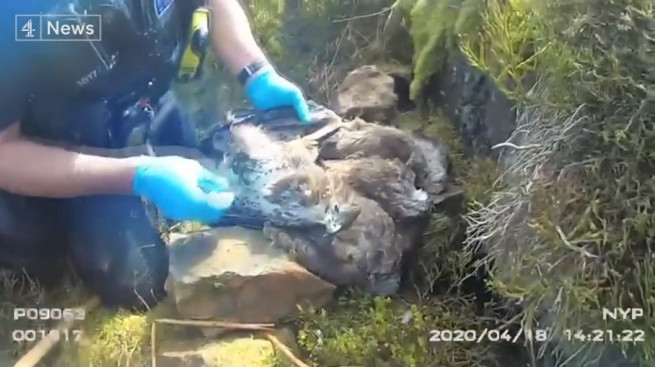
The RSPB Investigations Team has published a blog this morning, detailing their undercover work filming a gamekeeper on a grouse moor in the Yorkshire Dales National Park, who used a tethered eagle owl to draw in two buzzards close enough for them to be shot.

The blog, authored by RSPB Investigations Officer Howard Jones, describes the circumstances of the crimes, which include the obvious ones of shooting two protected buzzards but also the use of a tethered decoy (in this case, the eagle owl). Howard and his colleague Jack were filming through a telescope from approx 5km away and witnessed a gamekeeper drive across the grouse moor with the eagle owl, tether the owl to a post close to a grouse butt while he lay in wait close by with his gun.

[Screen grabs from the RSPB’s video]

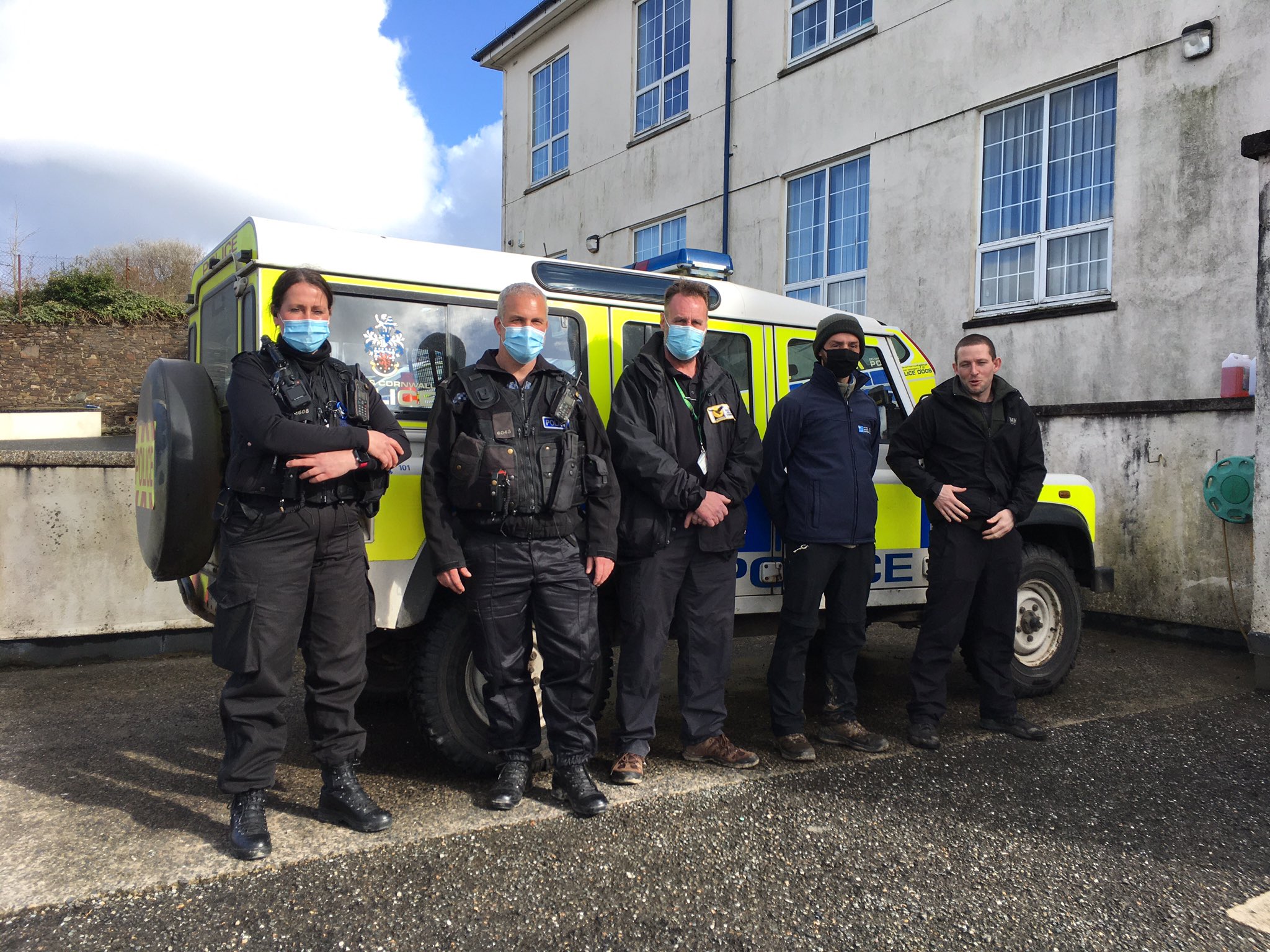
Unfortunately, once again, despite a police investigation this case will not result in a prosecution because the identity of the gamekeeper committing the crimes could not be verified. However, importantly, Inspector Matt Hagen of North Yorkshire Police is quoted as follows:

We conducted a search warrant and interviewed an individual in relation to this incident. Ultimately, however, the identity of the suspect on the film could not be proved, and it was not possible to bring about a prosecution. However this does not mean the event didn’t happen. We know that a gamekeeper on a grouse moor has been shooting buzzards, using a live eagle owl decoy to bring those buzzards into a position where they could be shot. We urge the public to report incidents like this to the police, and to come forward if they have information about this or any other incident involving the illegal killing of birds of prey“.

You can read the blog here

You can watch the RSPB’s video here:

The Yorkshire Dales National Park has been a known raptor persecution hotspot for many, many years, with wildlife crimes disproportionately taking place on the Park’s driven grouse moors. These crimes have been raised as a concern by both residents and visitors alike (see here).

The National Park Authority has its hands tied behind its back to some extent because these crimes are taking place on privately-owned grouse moors, but the Authority can’t be accused of ignoring the issue, e.g. see here for some of the work it’s been doing.

So how about the grouse shooting industry? What are they doing, exactly, to tackle these ongoing crimes?

The name of the estate in this latest case hasn’t been published, presumably to protect the identity of any other gamekeeper not directly involved, but the estate manager and owner will be well aware of this police investigation. Will they sack this gamekeeper?

What about the Moorland Association? As members of the Raptor Persecution Priority Delivery Group (RPPDG), I’d expect the MA to be informed and for them to take action against the estate if it turns out to be one of their members.

Other RPPDG members include BASC and the National Gamekeepers Organisation – what action will they take if this gamekeeper is one of their members?

And the Yorkshire Dales Moorland Group, representing estates and gamekeepers in the region – what action will they take?

Where’s the evidence of the so-called ‘zero tolerance’ to raptor persecution, so loudly paraded in January 2020?

There is no evidence of there being zero tolerance because it’s a total sham. Some gamekeepers continue to break the law, in broad daylight, because they know the chances of getting caught are minimal and even when they are caught the industry in which they work will close ranks, call ‘foul’ on the RSPB and carry on as normal.

I haven’t seen any evidence, since the industry’s purported ‘zero tolerance’ announcement, that serious efforts are being made to oust the criminals within. Which is why these crimes continue, week after week after week.

Well done to the RSPB and North Yorkshire Police for their work on this case.

UPDATE 12th March 2021: ‘Zero tolerance’ for raptor persecution? They’re fooling no-one (here)

UK wildlife crime legislation & enforcement to be assessed (again)

Press release from DEFRA (2nd March 2021)

Assessment launches to appraise UK wildlife and forest crime legislation and enforcement

New toolkit launched to assess the way we tackle wildlife crime in the UK

A UN backed assessment of UK wildlife and forest crime legislation and enforcement has launched today, using the United Nations Office on Drugs and Crime (UNODC) International Consortium on Combating Wildlife Crime (ICCWC) toolkit.

The toolkit will review wildlife crime policing structures, including the National Wildlife Crime Unit (NWCU) and UK Border Force and efficacy of prosecutions. The toolkit consists of five parts: legislation; enforcement; judiciary and prosecution; drivers and prevention. To date, the toolkit has been implemented in 15 countries. The UK will be the first G20 country to have invited this assessment.

This assessment will comprise a comprehensive analysis of the strengths and weaknesses of our preventive and criminal justice responses, which are crucial to curtailing wildlife and forest crime nationally and internationally.

[51 hen harriers have been confirmed illegally killed or have disappeared in suspicious circumstances, mostly on or close to driven grouse moors, since 2018. There hasn’t been a single prosecution for any of them]

Originally developed in 2012, the Wildlife and Forest Crime Analytic Toolkit was created by the UNODC, in partnership with the UK and other members of ICCWC. The assessments in the UK will run until August this year.

Speaking at the launch today, Environment Minister, Minister Pow, said:

We have made tremendous progress tackling wildlife crime in this country, but we know there is more to do.

We requested this assessment to help build on our progress and will look closely at the recommendations, working with key stakeholder groups to inform a cross-government response.

Together we can reduce these horrific crimes for the benefit of our biodiversity, our precious habitats and our rural communities for generations to come“.

Chief Inspector Kevin Kelly, Head of the UK National Wildlife Crime Unit, said:

I have been immersed in Policing wildlife crime for the entirety of my Police service and I am delighted to see the ICCWC Tool kit coming to Policing UK. This will shine a much needed spotlight on Wildlife Crime and raise the importance of it in the wider Policing picture, as Wildlife Crime often feeds into more serious and organised crime types.

It will be a pleasure for the NWCU to work with colleagues to ensure the success of the tool kit. It’s vitally important that we continue to celebrate our success and highlight the importance of fighting Wildlife Crime. But I welcome the opportunity to reflect on our practices and look to become better and more efficient“.

Since 2016, Defra and the Home Office have jointly committed £300,000 a year to funding the UK National Wildlife Crime Unit (NWCU). The unit plays a valuable role in detecting and preventing wildlife crime by monitoring and gathering intelligence on illegal activities, undertaking analysis and directly assisting law enforcers with their investigations.

The past few years have seen successful launches of police operations such as Operation Galileo, an anti-hare coursing campaign led by Lincolnshire police force and Operation Owl, led by North Yorkshire Police, which aims to raise awareness of raptor persecution amongst the wider public and police officers.

The NWCU is one part of the UK’s network fighting wildlife crime, Police customs officers and other enforcers carry also out vital work on the ground.

In addition, the UK Border Force continues to make successful seizures and work with international partners to ensure illegal wildlife trade products do not enter the market.

Last year, as part of operation Thunder 2020, UK Border Force worked with fellow enforcement agencies across 105 countries to tackle the global illegal wildlife trade. With other targeted operations also taking place throughout the year including checks on exports to South East Asia for movements of illegal ivory, Border Force made 490 seizures of illegally trafficked live specimens or derivative products at numerous UK Border control areas from Grangemouth in Scotland to Southampton port.

There are now over 770 wildlife crime officers in England and Wales and 133 covering Scotland. These officers are specially trained to conduct and support investigations into wildlife crimes.

The UK’s participation in this will help inform recommendations on improving the prevention and enforcement of domestic and international wildlife crime in the UK and will reaffirm our global leadership role in tackling wildlife crime.

ENDS

So Environment Minister Rebecca Pow thinks, ‘We have made tremendous progress tackling wildlife crime in this country….’? Not on tackling raptor persecution, we haven’t. It’s still rampant and the criminals are still escaping justice. What’s tremendous and progressive about that?

Some might argue that this is a good reason for a review of legislation and enforcement, and to some extent that’s fair comment. However, reviews on this topic have been undertaken before, conclusions are drawn, everyone agrees we must improve but then nothing happens and we end up having another review several years later to make everyone think the Government cares about tackling wildlife crime.

Perhaps this review will be different. It’s using a novel approach (a United Nations toolkit). But do we really need it? I’d argue no. We already know full well who is committing the majority of raptor persecution crimes, we know where they’re committing those crimes and we know why they’re committing those crimes.

We don’t need another review, we just need effective enforcement instead of the regulatory authority accepting money with gagging orders attached, from the very industry responsible for these crimes.

Peregrine found poisoned on grouse moor in Peak District National Park

Press release from RSPB (2nd March 2021)

Peregrine poisoned in Peak District National Park

A peregrine falcon, which was found dead on a driven grouse moor in the Upper Derwent Valley, has just been confirmed as illegally poisoned following official toxicology analysis – adding to the growing list of protected birds of prey illegally killed during 2020’s spring lockdown – many of which were in the Peak District National Park.

The adult male bird was found dead, on top of the remains of a wood pigeon, on 31 May 2020 by a fell runner on National Trust land. This was close to a known nest site which, like several other sites in the Dark Peak, has a long history of poor breeding success.

[The poisoned peregrine, photo by the Peak District Raptor Monitoring Group]

It was reported to Derbyshire Police, who recovered the carcass assisted by raptor workers, and the body was submitted for government toxicology testing. The results have just been published and confirm that the peregrine was illegally poisoned with the toxic insecticide bendiocarb: a substance we know is illegally used to kill birds of prey.

Mark Thomas, Head of RSPB Investigations, said: “This latest incident adds to an appallingly long and growing list of crimes against birds of prey which took place during the first national Covid lockdown in 2020. At the time, the RSPB was working flat-out with police to investigate a high volume of incidents, the details of which are now beginning to emerge.

It is clear that certain criminals took lockdown as an excuse to ramp up their efforts to kill birds of prey, wilfully ignoring lockdown and the laws which protect these birds.

Time and again, we are seeing birds of prey shot, trapped or poisoned on grouse moors. The link between illegal killing of peregrines and other raptor species and driven grouse shooting has never been clearer, and we urge the UK government to implement a licensing system for grouse moors in England, as is proposed in Scotland. Law-abiding estates would have nothing to fear from this, and it would act as a greater deterrent, keeping birds safe, in the sky, for all to enjoy.”

Peer reviewed studies, crime data and court convictions show that raptor persecution is more concentrated on and near driven grouse moors, where birds of prey are seen by some as a threat to commercially managed red grouse stocks. In fact, a recent paper statistically linked crimes against birds of prey in the Peak District National Park with land managed for Driven Grouse Shooting.

It is believed that the wood pigeon was a poison bait, laid deliberately with the intention of killing any bird of prey or raven which fed on it.

Steve Downing, Chair of the Northern England Raptor Forum, said: “Incidents like this are sadly not uncommon in the Dark Peak, where peregrine populations have crashed in recent years. What’s more, a poison bait like this, on open-access land, could easily be picked up by someone’s dog with disastrous consequences.”

Jon Stewart, National Trust General Manager, said: “We protect and care for places so nature and people can thrive. In a year when three pairs of peregrine successfully raised young on Trust land in the Dark Peak, half of all successful pairs on the Peak District moors, we were very upset to hear of this incident.

We continue to work closely with the RSPB, police and statutory agencies to take action to combat wildlife crime. We urge anyone with relevant information about this incident to contact the police and help end the illegal persecution of birds of prey.’’

All birds of prey are protected by the Wildlife and Countryside Act 1981. To intentionally kill or injure one is a criminal offence and could result in an unlimited fine or up to six months in jail.

If you have any information relating to this incident, call Derbyshire Police on 101.

If you find a wild bird of prey which you suspect has been illegally killed, contact RSPB Investigations on crime@rspb.org.uk or fill in the online form: www.rspb.org.uk/birds-and-wildlife/advice/wild-bird-crime-report-form/

If you know of someone killing birds of prey, please don’t stay silent: call the confidential Raptor Crime Hotline on 0300 999 0101.

ENDS

This latest crime should come as no surprise whatsoever to anyone even vaguely familiar with the Dark Peak area of the Peak District National Park. Dominated by driven grouse moors, this Park is notorious for raptor persecution and has been for decades, particularly impacting on goshawk and peregrine populations (e.g. see here), despite all the years of so-called ‘partnership’ efforts that have led to…..well, nothing but more of the same.

What is disappointing is that the poisoned bait and the dead peregrine were found on National Trust land – the NT has worked hard in the Park to restore raptor populations, even booting off a prominent sporting tenant three years ago (see here).

The press release is interesting, though. Once again, Derbyshire Police are conspicuously absent, the RSPB has had to lead on the publicity, and once again there has been a ridiculously long time lag between the commission of the crime and the publicising of it. There was a similar case in Derbyshire not so very long ago (see here) when this police force said that the circumstances of a poisoned buzzard being found dead next to a poisoned bait were ‘inconclusive’!

The 10-month time delay in publicising this latest poisoning case is very poor. The peregrine was found poisoned in May 2020 and the public isn’t made aware until March 2021? Now, we all know that Covid has had an impact on laboratory work and that’s unavoidable but I don’t believe for one second that it has taken the WIIS lab this long to produce the results. I think there’s more to it than that and I just wonder whether Derbyshire Police have played a role in the delay.

Something isn’t right and it needs sorting out, pronto.

UPDATE 11.30hrs: Mark Thomas, Head of RSPB Investigations has just tweeted:

The falcon was found on top of a plucked Wood Pigeon on National Trust land. Despite the investigation being closed, Derbyshire Police declined the opportunity to put this release out, we feel it is critical that the public are made aware due to the risk to them and their dogs‘.

I’ve asked Derbyshire Police’s Rural Crime Team, and the Chief Constable, why they refused to publicise this crime. Not only are there obvious public safety concerns but wildlife crime is supposed to be national wildlife crime priority.

Responses awaited.

Trial date set as man pleads not guilty to theft of peregrine eggs in Peak District National Park

A trial date has been set after a 60-year-old man pleaded not guilty yesterday to charges relating to the alleged theft of peregrine eggs in the Peak District National Park in Derbyshire last spring (see here).

Proceedings were brought following an investigation by Derbyshire Constabulary, supported by video evidence provided by the RSPB.

A trial date has been set for 28th July 2021.

NB: As this is a live case comments won’t be published until criminal proceedings have ended, thanks.

Buzzard shot & critically injured in Bedfordshire

Here is yet another grisly account of a buzzard being illegally shot in the UK, just four days after the last one was reported.

That one was in Cambridgeshire, this one was in neighbouring Bedfordshire.

According to social media reports by South Essex Wildlife Hospital, an injured buzzard was brought to them by an RSPCA inspector after being picked up at an undisclosed location in Bedford on Friday 5th February 2021.

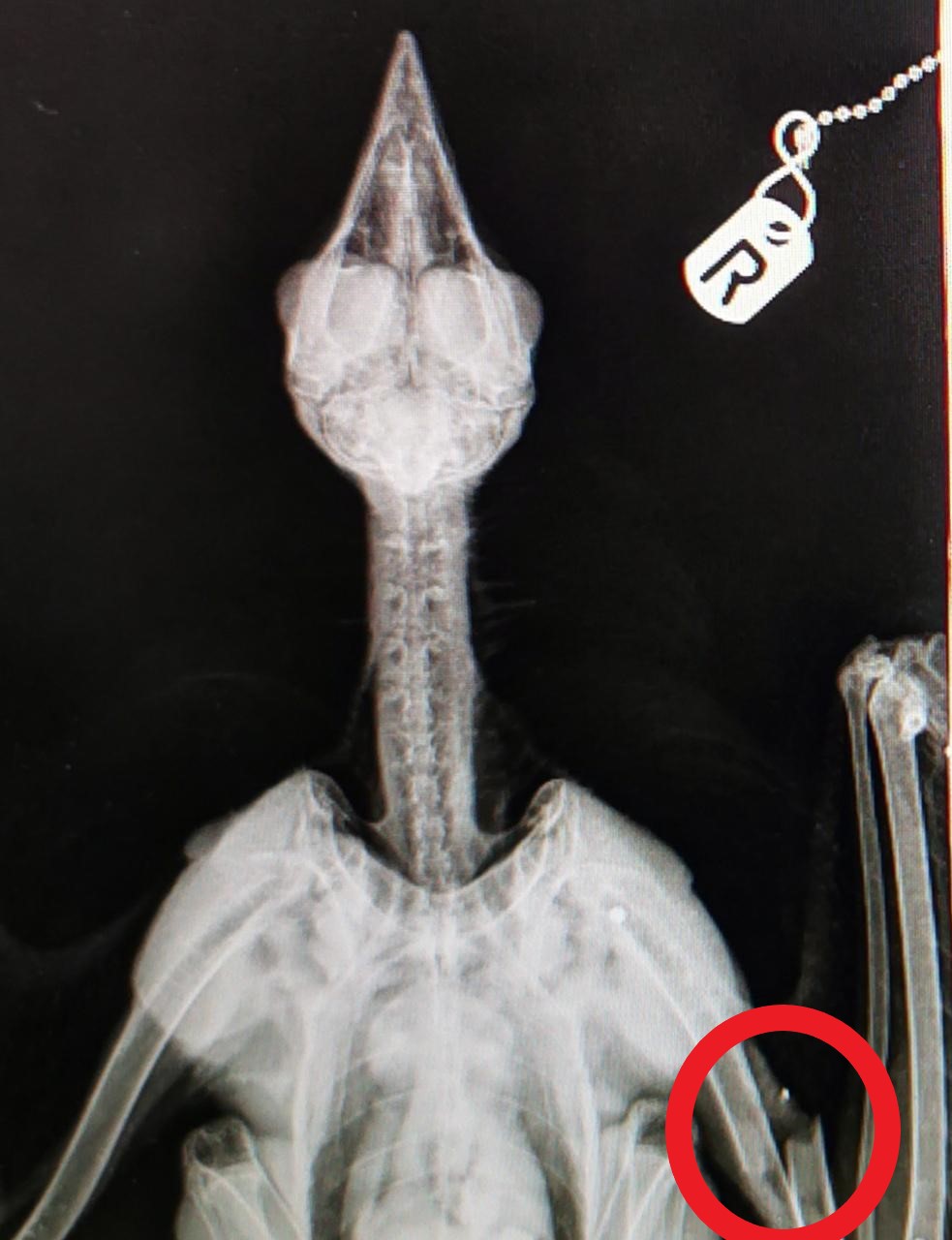
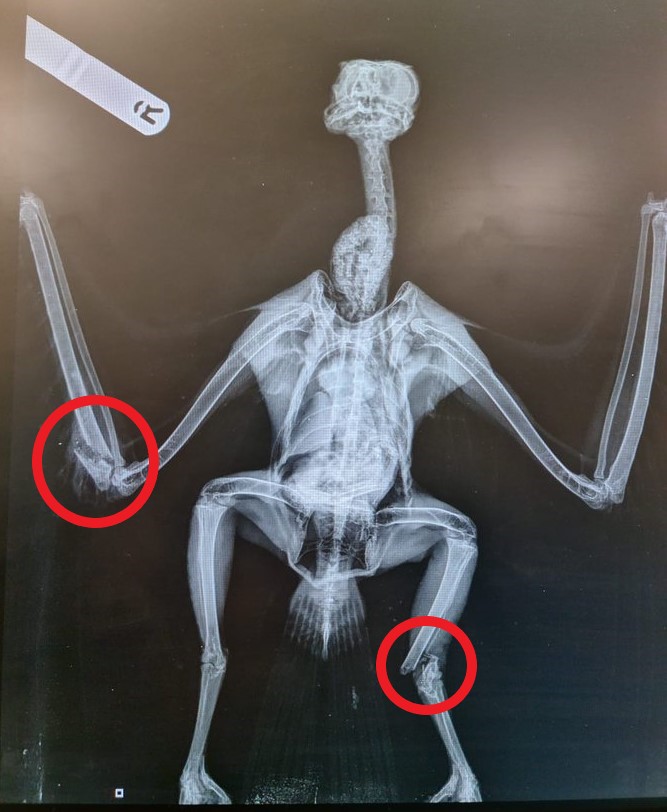
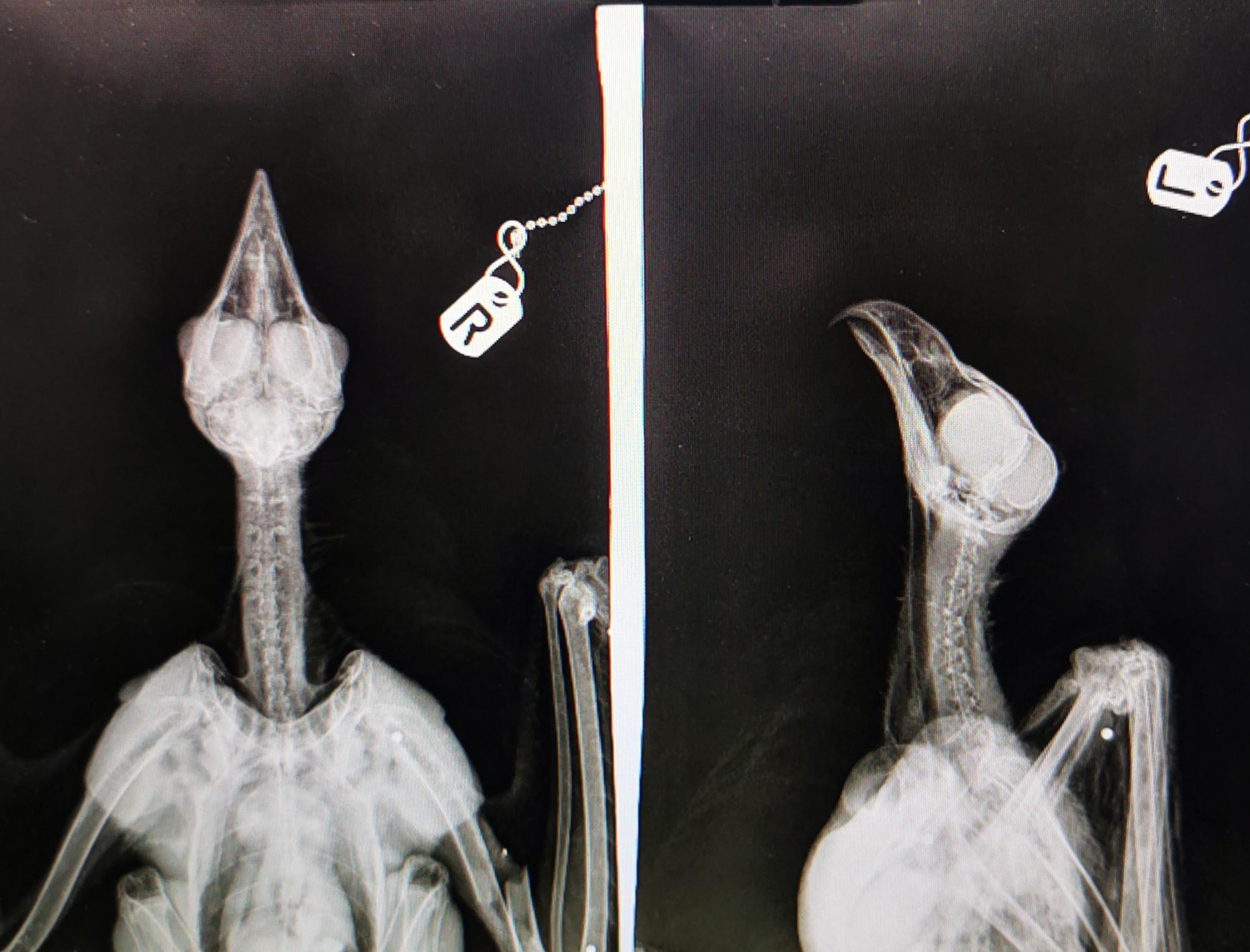
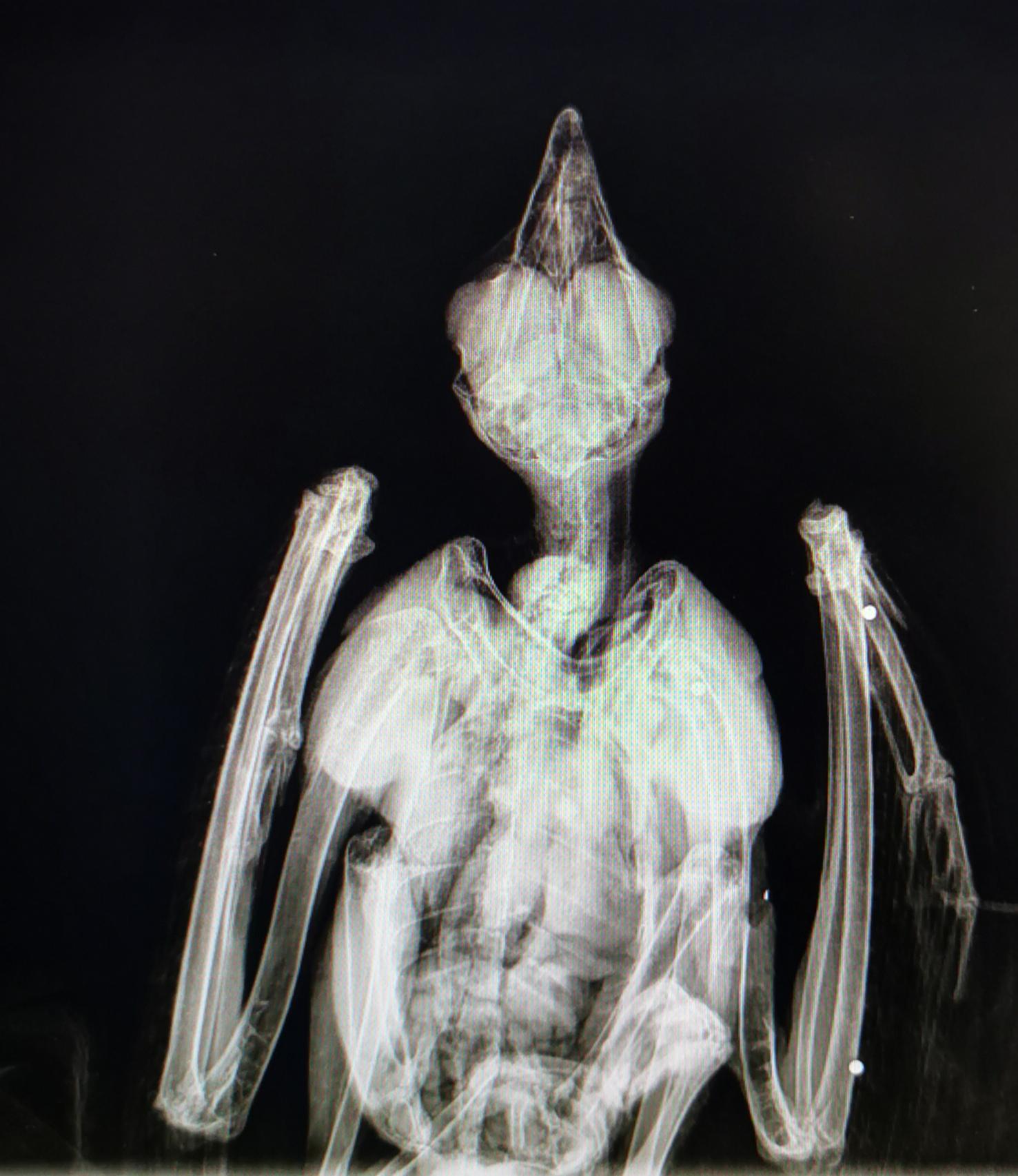
The vet diagnosed a fractured humerus and looking at the x-ray it looks like an air gun pellet has caused a catastrophic injury (photos by South Essex Wildlife Hospital, injury site on x-ray highlighted by RPUK).

I’m no vet but looking at its appalling injury it’s hard to see how this bird could have flown any distance from the location where it was shot.

According to the reports, the vet consulted with a specialist raptor vet in the US and it was concluded the damage was irreparable so a decision was made to euthanise the buzzard to prevent further suffering.

Apparently the RSPCA are making enquiries.

If you have any information about this crime please contact the RSPCA (0300-1234-999) or Bedfordshire Police (101) or the RSPB Investigations Team (01767-689551).

Alternatively, please call Crimestoppers anonymously on 0800 – 555111.

On-going hen harrier persecution raised in House of Lords

I’d wager that the subject of the illegal killing of hen harriers on driven grouse moors has been discussed many times in the House of Lords, probably on the terrace bar and probably accompanied by some hearty back-slapping, sniggering and cheering.

[Photo by Ruth Tingay]

Fortunately, the hen harrier does have some friends in high places, not least long-time supporter and Life Peer Natalie Bennett (Green party), who tabled the following written question on 21st January 2021 after learning that yet another satellite-tagged hen harrier had ‘vanished’ in suspicious circumstances (see here).

From Hansard: UIN HL12411, Baroness Bennett of Manor Castle –

To ask Her Majesty’s Government what plans they have to prevent the killing of satellite-tagged hen harriers.

Answered 4th February 2021 by Lord Goldsmith of Richmond Park, The Minister of State, Department for Environment, Food and Rural Affairs

All wild birds are protected under the Wildlife and Countryside Act 1981, which provides a powerful framework for the conservation of wild birds, their eggs, nests and habitats. The Government is committed to ensuring the protection afforded to wild birds of prey is effectively enforced. There are strong penalties for offenders, including imprisonment.

We are also committed to securing the long-term future of the hen harrier as a breeding bird in England. The Hen Harrier Action Plan sets out what will be done to increase hen harrier populations in England and includes measures to stop illegal persecution. The long-term plan was published in January 2016 and we believe that it remains the best way to safeguard the hen harrier in England. A copy of the plan is attached.

Raptor persecution is one of six national wildlife crime priorities. Each wildlife crime priority has a delivery group to consider what action should be taken and develop a plan to prevent crime, gather intelligence on offences and enforce against it. The Raptor Persecution Priority Delivery Group focuses on the golden eagle, goshawk, hen harrier, peregrine and white-tailed eagle. The National Wildlife Crime Unit, which is part funded by Defra, monitors and gathers intelligence on illegal activities affecting birds of prey and provides assistance to police forces when required.

So, five years on from the launch of DEFRA’s heavily criticised Hen Harrier Action Plan, which would be better re-named the Hen Harrier Persecution Plan, and with an embarrassing amount of evidence to demonstrate that the illegal killing of hen harriers is still rampant, this response from Zac Goldsmith is pathetically lame.

The evidence that hen harrier persecution continues relentlessly includes the devastating results of a peer-reviewed scientific study, based on Natural England’s own data and published in a high-ranking journal, demonstrating that at least 72% of satellite-tagged hen harriers are presumed illegally killed on grouse moors (see here).

There’s also the rather inconvenient tally of 51 hen harriers confirmed illegally killed or reported ‘missing’ in suspicious circumstances since 2018, when grouse moor owners pretended they’d be more tolerant of the species (here) and then the admission just a few days ago from Natural England’s Chair that “continuing illegal persecution [of hen harriers] is preventing the recovery we need to see” (here).

This issue is one of the most pressing wildlife conservation issues in the UK, and yet DEFRA has nothing more to offer than, ‘We believe the Hen Harrier Action Plan remains the best way to safeguard the hen harrier in England‘.

For how many more years is DEFRA going to hide behind it’s obviously-failing action plan? It’s been five years, and counting.

Here’s a more realistic view of the Hen Harrier Action Plan, from blog reader Dr Gerard Hobley.

Enough said.

Police appeal after buzzard shot dead in Cambridgeshire

Press release from Cambridge Constabulary (4th February 2021)

Buzzard found shot in Horseheath

Police are appealing for information after a buzzard was found dead in Horseheath.

A member of the public found the bird of prey in a wooded area while on a walk on 29 January.

Cambridgeshire Constabulary’s Rural Crime Action Team (RCAT) are now working with the RSPB to find those responsible after it was discovered it had shot gun pellets in its body and wings.

PC Alun Bradshaw from the RCAT said: “Someone has deliberately shot this bird and we urge anyone with information to contact us.

All birds of prey are protected by law. If you notice a dead or injured bird of prey in suspicious circumstances, please notify us and the RSPB.”

RSPB Assistant Investigations Officer, Tom Grose, added: “Many of us will have enjoyed watching buzzards lately on our daily walks. They are a natural part of our countryside and a sign of a healthy ecosystem. Buzzards and other birds of prey are protected by law, yet all too often we received reports of them being illegally shot, trapped and poisoned.

At a time when the natural work and its wildlife are increasingly under threat, we all have an important role to play. If you have any information which may help this investigation, please come forward.”

Anyone with information is asked to contact us online via our web chat or call 101 quoting incident 239 of 30 January.

ENDS

Wildlife crime on grouse moors in the Peak District National Park – an illustrated talk by Bob Berzins

Bob Berzins is a conservation campaigner who has spent a number of years highlighting the ecological damage caused by grouse-shooting interests on the moors of the Peak District National Park (e.g. see guest blogs he’s written for Mark Avery here, here, here, here, here, here, here and here).

Regular blog readers will be well aware that the Peak District National Park has been identified as a hotbed of illegal raptor persecution for many years (e.g. see here) and this reputation continued, in and around this National Park (!) even when the country was in lockdown last spring (see here).

[A shot buzzard found critically injured at Rushup Edge, near Mam Tor in the Peak District National Park on 13th January 2020. It had to be euthanised. Photo via Derbyshire Constabulary]

Bob’s willingness to speak out about his findings on these Peak District grouse moors has led to him being targeted, like so many of us, by a campaign of harassment and intimidation from members of the grouse shooting industry, presumably in an attempt to silence him.

It’s a measure of the man that he hasn’t quietly slinked off, even in the face of the most malicious abuse, but has instead stood his ground and continued to share his experience and knowledge.

A few days ago he gave an illustrated presentation (online, of course) to the Sheffield Green Party. His talk was entitled ‘Wildlife Crime in the Peak District’ and it’s now available to watch on YouTube:

51 hen harriers confirmed illegally killed or ‘missing’ since 2018

For anyone who still wants to pretend that the grouse shooting industry isn’t responsible for the systematic extermination of hen harriers on grouse moors across the UK, here’s the latest catalogue of crime that suggests otherwise.

[This male hen harrier died in 2019 after his leg was almost severed in an illegally set trap that had been placed next to his nest on a Scottish grouse moor (see here). Photo by Ruth Tingay]

Ten days ago this list totalled 48 hen harriers, all either confirmed to have been illegally killed or to have ‘disappeared’, most of them on or next to driven grouse moors.

They disappear in the same way political dissidents in authoritarian dictatorships have disappeared” (Stephen Barlow, 22 January 2021).

Today the list has been updated to include some others whose reported disappearances in 2020 have been confirmed, including Bronwyn (here) and Rosie (here), bringing the current running total to 51 hen harriers.

This disgraceful catalogue will continue to grow – I know of at least one more on-going police investigation which has yet to be publicised and I suspect there’s one other, although I’m still waiting for clarification on that one.

I’ve been compiling this list only since 2018 because that is the year that the grouse shooting industry ‘leaders’ would have us believe that the criminal persecution of hen harriers had stopped and that these birds were being welcomed back on to the UK’s grouse moors (see here).

This assertion was made shortly before the publication of a devastating new scientific paper that demonstrated that 72% of satellite-tagged hen harriers were confirmed or considered likely to have been illegally killed, and this was ten times more likely to occur over areas of land managed for grouse shooting relative to other land uses (see here).

2018 was also the year that Natural England issued itself with a licence to begin a hen harrier brood meddling trial on grouse moors in northern England. For new blog readers, hen harrier brood meddling is a conservation sham sanctioned by DEFRA as part of its ludicrous ‘Hen Harrier Action Plan‘ and carried out by Natural England (NE), in cahoots with the very industry responsible for the species’ catastrophic decline in England. For more background see here.

Brood meddling has been described as a sort of ‘gentleman’s agreement’ by commentator Stephen Welch:

I don’t get it, I thought the idea of that scheme was some kind of trade off – a gentleman’s agreement that the birds would be left in peace if they were moved from grouse moors at a certain density. It seems that one party is not keeping their side of the bargain“.

With 51 hen harriers gone since 2018, I think it’s fair to say that the grouse shooting industry is simply taking the piss. Meanwhile, Natural England pretends that ‘partnership working’ is the way to go.

‘Partnership working’ appears to include authorising the removal of hen harrier chicks from a grouse moor already under investigation by the police for suspected raptor persecution (here) and accepting a £10K bung from representatives of the grouse shooting industry that prevents Natural England from criticising them (see here).

[Cartoon by Gill Lewis]

So here’s the latest gruesome list:

February 2018: Hen harrier Saorsa ‘disappeared’ in the Angus Glens in Scotland (here). The Scottish Gamekeepers Association later published wholly inaccurate information claiming the bird had been re-sighted. The RSPB dismissed this as “completely false” (here).

5 February 2018: Hen harrier Marc ‘disappeared’ on a grouse moor in Durham (here)

9 February 2018: Hen harrier Aalin ‘disappeared’ on a grouse moor in Wales (here)

March 2018: Hen harrier Blue ‘disappeared’ in the Lake District National Park (here)

March 2018: Hen harrier Finn ‘disappeared’ near Moffat in Scotland (here)

18 April 2018: Hen harrier Lia ‘disappeared’ in Wales and her corpse was retrieved in a field in May 2018. Cause of death was unconfirmed but police treating death as suspicious (here)

8 August 2018: Hen harrier Hilma ‘disappeared’ on a grouse moor in Northumberland (here).

16 August 2018: Hen harrier Athena ‘disappeared’ on a grouse moor in Scotland (here)

26 August 2018: Hen Harrier Octavia ‘disappeared’ on a grouse moor in the Peak District National Park (here)

29 August 2018: Hen harrier Margot ‘disappeared’ on a grouse moor in Scotland (here)

29 August 2018: Hen Harrier Heulwen ‘disappeared’ on a grouse moor in Wales (here)

3 September 2018: Hen harrier Stelmaria ‘disappeared’ on a grouse moor in Scotland (here)

24 September 2018: Hen harrier Heather ‘disappeared’ on a grouse moor in Scotland (here)

2 October 2018: Hen harrier Mabel ‘disappeared’ on a grouse moor on the edge of the Yorkshire Dales National Park (here)

3 October 2018: Hen Harrier Thor ‘disappeared’ next to a grouse moor in Bowland, Lanacashire (here)

23 October 2018: Hen harrier Tom ‘disappeared’ in South Wales (here)

26 October 2018: Hen harrier Arthur ‘disappeared’ on a grouse moor in the North York Moors National Park (here)

1 November 2018: Hen harrier Barney ‘disappeared’ on Bodmin Moor (here)

10 November 2018: Hen harrier Rannoch ‘disappeared’ on a grouse moor in Scotland (here). Her corpse was found nearby in May 2019 – she’d been killed in an illegally-set spring trap (here).

14 November 2018: Hen harrier River ‘disappeared’ on a grouse moor in the Nidderdale AONB (here). Her corpse was found nearby in April 2019 – she’d been illegally shot (here).

16 January 2019: Hen harrier Vulcan ‘disappeared’ in Wiltshire close to Natural England’s proposed reintroduction site (here)

7 February 2019: Hen harrier Skylar ‘disappeared’ next to a grouse moor in South Lanarkshire (here)

22 April 2019: Hen harrier Marci ‘disappeared’ on a grouse moor in the Cairngorms National Park (here)

26 April 2019: Hen harrier Rain ‘disappeared’ on a grouse moor in Nairnshire (here)

11 May 2019: An untagged male hen harrier was caught in an illegally-set trap next to his nest on a grouse moor in South Lanarkshire. He didn’t survive (here)

7 June 2019: An untagged hen harrier was found dead on a grouse moor in Scotland. A post mortem stated the bird had died as a result of ‘penetrating trauma’ injuries and that this bird had previously been shot (here)

5 September 2019: Wildland Hen Harrier 1 ‘disappeared’ on a grouse moor nr Dalnaspidal on the edge of the Cairngorms National Park (here)

11 September 2019: Hen harrier Romario ‘disappeared’ on a grouse moor in the Cairngorms National Park (here)

14 September 2019: Hen harrier (Brood meddled in 2019, #183704) ‘disappeared’ in North Pennines (here)

23 September 2019: Hen harrier (Brood meddled in 2019, #55149) ‘disappeared’ in North Pennines (here)

24 September 2019: Wildland Hen Harrier 2 ‘disappeared’ on a grouse moor at Invercauld in the Cairngorms National Park (here)

24 September 2019: Hen harrier Bronwyn ‘disappeared’ near a grouse moor in North Wales (here)

10 October 2019: Hen harrier Ada ‘disappeared’ on a grouse moor in the North Pennines AONB (here)

12 October 2019: Hen harrier Thistle ‘disappeared’ on a grouse moor in Sutherland (here)

18 October 2019: Member of the public reports the witnessed shooting of an untagged male hen harrier on White Syke Hill in North Yorkshire (here)

November 2019: Hen harrier Mary found illegally poisoned on a pheasant shoot in Ireland (here)

January 2020: Members of the public report the witnessed shooting of a male hen harrier on Threshfield Moor in the Yorkshire Dales National Park (here)

23 March 2020: Hen harrier Rosie ‘disappeared’ at an undisclosed roost site in Northumberland (here)

1 April 2020: Hen harrier (Brood meddled in 2019, #183703) ‘disappeared’ in unnamed location, tag intermittent (here)

5 April 2020: Hen harrier Hoolie ‘disappeared’ on a grouse moor in the Cairngorms National Park (here)

8 April 2020: Hen harrier Marlin ‘disappeared’ on a grouse moor in the Cairngorms National Park (here)

19 May 2020: Hen harrier Fingal ‘disappeared’ on a grouse moor in the Lowther Hills, Scotland (here)

21 May 2020: Hen harrier (Brood meddled in 2019, #183701) ‘disappeared’ on a grouse moor in Cumbria shortly after returning from wintering in France (here)

27 May 2020: Hen harrier Silver ‘disappeared’ on a grouse moor on Leadhills Estate, Scotland (here)

9 July 2020: Unnamed female hen harrier (#201118) ‘disappeared’ from an undisclosed site in Northumberland (here).

25 July 2020: Hen harrier Harriet ‘disappeared’ on a grouse moor in the Yorkshire Dales National Park (here)

14 August 2020: Hen harrier Solo ‘disappeared’ in confidential nest area in Lancashire (here)

7 September 2020: Hen harrier Dryad ‘disappeared’ on a grouse moor in the Yorkshire Dales National Park (here)

16 September 2020: Hen harrier Fortune ‘disappeared’ from an undisclosed roost site in Northumberland (here)

19 September 2020: Hen harrier Harold ‘disappeared’ on a grouse moor in the Yorkshire Dales National Park (here)

20 September 2020: Hen harrier (Brood meddled in 2020, #55152) ‘disappeared’ next to a grouse moor in North Yorkshire (here)

To be continued……..

Anybody still wondering why the grouse shooting industry wants conservationists to stop fitting satellite tags?

Satellite-tagged hen harrier Rosie ‘disappears’ at roost site in Northumberland

Nine days ago I blogged about the suspicious disappearance of a satellite-tagged hen harrier called ‘Fortune’ who had vanished from an undisclosed roost site in Northumberland in September 2020 (see here).

Well guess what? Another one has gone, also from an undisclosed roost site in Northumberland.

This one was called ‘Rosie’, who was tagged (#57278) at a nest site (Northumberland 1) in July 2019 and the tag’s last known fix was 23 March 2020, also in Northumberland. Natural England has this marked in its database as ‘Missing fate unknown. At roost (site confidential)‘.

[Hen harrier Rosie when she was being tagged. Photo by Natural England]

Some of you may remember Rosie. She was previously reported as ‘missing’ in October 2019 (here) but then was reported to be alive and well later in the month (see here and here) and just wearing one of those Lotek tags whose limited functionality has proven to be problematic for tracking hen harriers (e.g. see here). I think it’s reasonable to assume that, ten months on and as there still hasn’t been a signal from her tag, then this is likely to be more than a tag reliability issue this time.

To be fair to Natural England, Rosie’s suspicious disappearance in March 2020 was not concealed – it was included in Natural England’s September 2020 tagged birds update but I didn’t spot it until now. Although perhaps if Natural England had bothered to publicise her suspicious disappearance at the time….

So, along with missing tagged hen harrier Fortune, that’s two gone at an undisclosed roost site in Northumberland this year. Whether that’s the same roost site only Natural England knows. Why can’t the roost sites be numbered, like the nest sites are, to disguise the actual location for security reasons but at least indicate positional proximity?

BASC’s £10K bung to Natural England to help fund winter roost monitoring doesn’t seem to be working very well, does it?

Rosie will now be added to the list of confirmed illegally killed/missing suspected killed hen harriers in the UK since 2018 – the running total is currently 50 but there’s more to come….standby.