Whernside Estate retains membership of Moorland Association

Following on from yesterday’s news that gamekeeper Timothy Cowin had been convicted for shooting and then sadistically stamping to death two protected short-eared owls on a grouse moor on the Whernside Estate in the Yorkshire Dales National Park (see here), public anger has been justifiably prominent.

Many have commented on Cowin’s pathetic sentence (a £1,210 fine) but there has also been considerable commentary on social media about why the landowner hasn’t also been prosecuted.

If these crimes had taken place in Scotland, there would have been an opportunity to prosecute the landowner and/or shooting agent for alleged vicarious liability, following the introduction of the WANE Act 2011. Although in Scotland a prosecution may not have followed automatically, especially if the landowner and/or agent was able to show due diligence, or if the landowner couldn’t be identified, or if the prosecutors deemed it wasn’t in the public interest to proceed. Since the legislation was enacted on 1 January 2012, six and a half years ago, there have only been two successful prosecutions for vicarious liability in relation to raptor persecution (here and here); two others have failed (here and here) and others simply haven’t been considered for reasons that haven’t been made clear to us (e.g. see here).

However, as Whernside Estate is in the Yorkshire Dales National Park, not in Scotland, there is no hope that a prosecution for alleged vicarious liability will follow in this case.

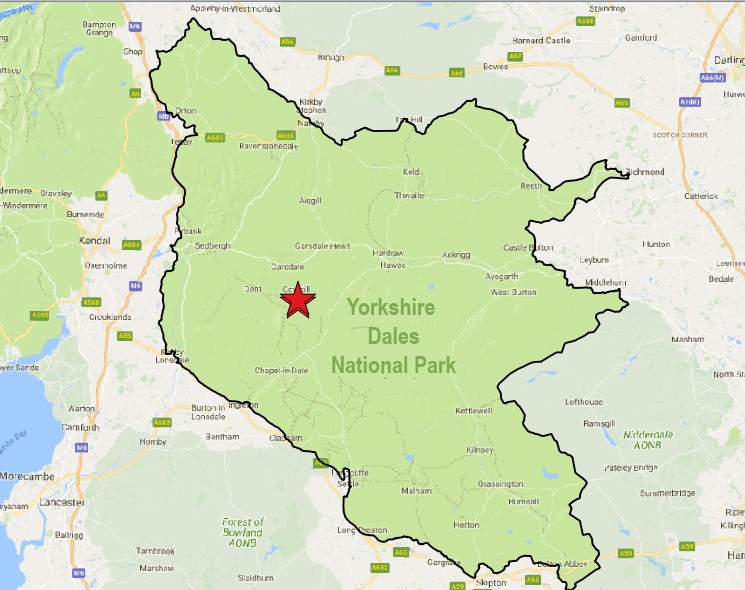
[RPUK Map showing location of Whernside Estate, which is located in the county of Cumbria but also lies within the boundary of the Yorkshire Dales National Park]
So with no prospect of a further prosecution, the least that could be expected would be for the grouse moor owners’ lobby group, the Moorland Association, to expel the Whernside Estate from the ranks of its membership, right?

Well, no. The Moorland Association has done the exact opposite and has instead chosen to publish a statement in support of Whernside Estate and confirmed the estate’s continued membership in the Moorland Association:

Amanda Anderson’s justification for not expelling Whernside Estate rests with the Moorland Association’s “satisfaction” that the estate had taken “all appropriate measures” to ensure its staff acted within the law and this included written correspondence between the estate and gamekeeper Cowin. Without seeing this correspondence it’s impossible to know whether this evidence would have been sufficient to meet the standards of due diligence required as a defence against vicarious liability in Scotland. It’s our understanding that in Scotland, this correspondence may not be enough to demonstrate due diligence, and other measures may also be required such as the landowner and/or agent undertaking spot checks on their employees and having a written record of those checks.

It’s fairly apparent from the detail we do know about Cowin’s case that had adequate spot checks been undertaken, questions would have been raised about Cowin being in possession of a plastic peregrine decoy, and importantly, his possession of a calling device that had been loaded with the calls of several raptor species, presumably to be used to entice raptors, perhaps towards a plastic decoy, where they could then be shot at close range.

Unfortunately we’ll never get to hear about the details of the estate’s claimed supervision of Cowin because, as there’s no provision for a potential prosecution for alleged vicarious liability in relation to raptor persecution in England, the estate doesn’t have to present this information to the authorities for scrutiny. We only have the word of the Moorland Association, which, of course, has a long track record of denying the bleedin’ obvious.

But let’s take the word of the Moorland Association, and the Whernside Estate, at face value and assume that Cowin’s crimes were as abhorrent to them as they are to the rest of us. That leads to a very interesting question. Two questions, in fact.

Firstly, no matter what claims the Moorland Association makes in all these so-called ‘partnership’ meetings trying to combat illegal raptor persecution, the Moorland Association, and its members, have absolutely no control or influence over gamekeepers working on grouse moors. Cowin is a perfect example of this. If, as the MA and the Whernside Estate claims, Cowin had undergone training, refresher training, and had signed an employment contract undertaking to work within the law, he STILL went on to commit these crimes. So what, exactly, is the point of the Moorland Association attending these ‘partnership’ meetings if it can’t offer any guarantees that gamekeepers won’t kill raptors on grouse moors?

[Gamekeeper Cowin, leaving Whernside Moor after shooting and stamping on two short-eared owls and hiding their corpses. Photo by Guy Shorrock]

Secondly, if the Whernside Estate was “dismayed” at Cowin’s actions of shooting and then stamping on those two short-eared owls, and being in possession of a calling device with raptor calls loaded on to it, did the Whernside Estate pay for Cowin’s legal representation?

Cowin’s solicitor was Michael Kenyon. Mr Kenyon was unlikely to have been a random duty solicitor called in to the police station to represent Cowin when he was questioned and later charged. Mr Kenyon is a well known figure in the game shooting world and is considered a ‘leading expert’ in firearms law and wildlife crime and once served as the legal advisor to the National Gamekeepers’ Organisation (see here) so it seems likely that he was chosen specifically to defend Cowin based on his expertise.

We had thought that perhaps Cowin’s legal representation costs had been covered by his presumed membership of the National Gamekeepers’ Organisation, especially given Mr Kenyon’s links, but according to a tweet from the NGO this morning, Cowin “was not and never has been a member of the NGO“. So it would seem unlikely the NGO paid.

Did Cowin himself pay for Mr Kenyon’s legal services? Perhaps, but this seems unlikely given what the court heard yesterday about Cowin’s financial means.

Was Cowin a member of another ‘professional’ group whose membership dues include the cost of legal representation if faced with a prosecution in relation to gamekeeping activities? We don’t know.

Did the Whernside Estate pay for Cowin’s legal representation? We don’t know that either, but we do know that somebody accompanied Cowin to several court appearances and although we cannot identify that person, it was suggested to us that it was Cowin’s boss. It may well have been, as he was certainly chatty with Mr Kenyon, heard discussing the number of grouse available to shoot on Mossdale Estate (remember them?), but equally as plausible is an explanation that it may have been a member of Cowin’s family attending court to support him.

Unfortunately we’ll never get to find out who paid for Cowin’s defence.

We were also interested in what the other ‘countryside’ organisations had to say about Cowin’s conviction. Would they all be condemning his actions and saluting the efforts of the RSPB et al in securing a successful outcome? Here’s what we found, at the time of writing this blog:

GWCT – silence

BASC – silence

NGO – silence, apart from responding to a tweet to confirm Cowin was never a member.

Countryside Alliance – silence on Cowin’s conviction but leading with the news that the prosecution of three hunting group members for alleged hunting and wildlife crime offences had been dropped, and focusing on the “wasted public resources” by “animal rights extremists” in bringing this case to trial. Interesting – we could argue the same point about the amount of wasted public resources spent in Cowin’s case as it was dragged around five different courts in NW England before his eventual guilty plea.

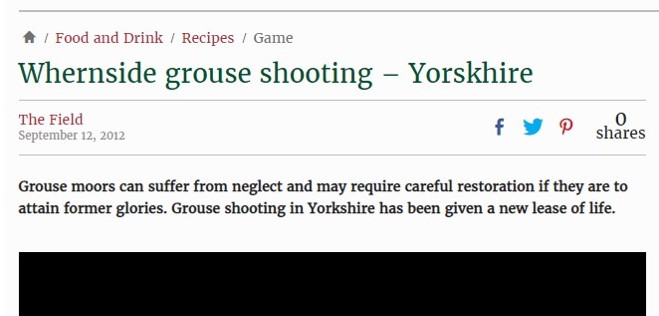
During our searches for commentary from the grouse shooting industry we did stumble across an article about grouse shooting on Whernside Estate that had been published in The Field magazine in 2012. Strangely, the article seems to have been removed from The Field’s website archives but fortunately we were able to find a cached version elsewhere. It makes for an interesting read, especially the bit about Headkeeper Tim Cowin working as a joiner!
UPDATE 31 August 2018: Whernside Estate: more reaction to gamekeeper’s conviction for shooting owls (here)

Gamekeeper convicted for killing two short-eared owls on grouse moor in Yorkshire Dales National Park

A gamekeeper was convicted at Lancaster Magistrates Court this morning for the killing of two short-eared owls on a grouse moor in the Yorkshire Dales National Park.

Timothy David Cowin, 44, pleaded guilty to shooting the owls on the Whernside Estate in Cumbria (inside the Yorkshire Dales National Park boundary) and to being in possession of a calling device that held the calls of several raptor species.

[Gamekeeper Cowin trying to leave the moor after shooting two short-eared owls. Photo by Guy Shorrock, RSPB]

His sentence? A pathetic £1,210, broken down as £400 for killing each short-eared owl, £200 for possessing the calling device, £170 costs and a £40 victim surcharge. The court heard that Cowin was suspended by the Whernside Estate pending the prosecution but then he later resigned and now apparently works as a joiner in Sedburgh.

Cowin committed these offences in April 2017 and was witnessed doing so by three members of the RSPB’s Investigations Team who just happened to be on the moor. The crimes were videoed (from a distance), and Cowin was observed shooting the owls, then stamping on them, and then disposing of the bodies – one hidden inside a stone wall and one stamped in to the peat. The quick-thinking RSPB team called the police, carried on filming, and one of them made his presence known to Cowin as Cowin tried to leave the moor, resulting in a chase across the hills before the police arrived to arrest him and retrieve the corpses.

For full details, have a read of this RSPB blog here.

And then watch this remarkable RSPB video:

We’ve blogged about this case previously (here), as it’s been dragged around five courts in north west England over a six-month period. At several stages it looked as though it was going to be abandoned on a legal technicality (paperwork issues this time, instead of contesting the admissibility of video evidence), as we’ve seen so often with other cases in recent years, and it is testament to the dedication of all those involved in the prosecution (RSPB, North Yorkshire Police Rural Taskforce, and the Crown Prosecution Service, who all put in extra hours) that it stayed on track and resulted in a conviction.

Of course it wouldn’t have got to court in the first place if it hadn’t been for the RSPB’s Investigations Team being on that grouse moor to install a covert camera for what had looked to them like previous suspicious activity. But just being there wouldn’t have been enough. The team was also skilled enough to recognise what Cowin was up to, quick-witted enough to film him, sharp enough to call the Police as the crime was in progress, and fit enough to chase Cowin across the moor when he was trying to escape. Added to their outstanding efforts was the swift response from North Yorkshire Police to get up to the grouse moor in time to arrest him. And then the dedicated, committed efforts of both the RSPB and the police to return early the next day to search for the second owl corpse before Cowin had an opportunity to get back on the moor and remove the evidence. In court, CPS prosecutor Rachel Parker was forensic in rebutting the attempts by the defence solicitor to have the case thrown out.

The actions of all involved in this successful prosecution were exemplary. Will the grouse shooting industry praise their efforts and encourage them to continue routing out the criminal gamekeepers known to be routinely committing these offences?

Unlikely.

We’ll no doubt hear the disingenuous bleating of the Moorland Association, GWCT, National Gamekeepers Organisation, Countryside Alliance etc, all condemning wildlife crime before swiftly returning to their usual criticism of the RSPB and its efforts to fight the continuing illegal persecution of raptors on driven grouse moors.

There are plenty more ‘Cowins’ out there, and despite the efforts of the grouse shooting industry to deny the extent of these crimes and pay for expensive lawyers to defend the criminals responsible, the public is becoming increasingly aware of how big a problem this is, through the efforts of the RSPB and its genuine conservation partners.

Today’s verdict doesn’t help those two short-eared owls; it’s too late for them, but Cowin’s conviction is yet another nail in the coffin of the driven grouse shooting industry. Kudos to all involved.

UPDATE 29 August 2018: Whernside Estate retains membership of Moorland Association (here)

UPDATE 31 August 2018: Whernside Estate: more reaction to gamekeeper’s conviction for shooting owls (here)

[PC Carr retrieving the pitiful corpse of the second short-eared owl that had been shot then stamped in to the ground. Photo by Guy Shorrock]

Two men charged in connection with wildlife crime investigation in Scottish Borders

A month ago we blogged about a Scottish gamekeeper who had been charged for a series of wildlife crime offences alleged to have taken place in the Scottish Borders (see here).

This morning Police Scotland has issued an official press statement in relation to this case, as follows:

Men charged in connection with wildlife crime investigation, Scottish Borders

Two men have been charged following an investigation into wildlife crime offences committed at a rural estate in the Scottish Borders.

The pair aged 59 and 57 are scheduled to appear in court at a later date.

END

It’s short on detail but it’s very good to see this case progressing.

Thanks to the person from the Police Scotland media team for alerting us to this news.

SNH wilfully blind to threat of persecution of golden eagles in south Scotland

The project to translocate golden eagles from the Scottish Highlands to south Scotland has finally got underway this year, with news out today that three eagles have been successfully released this year.

There’s an article about it on BBC Scotland (here) including some video footage.

Unbelievably, Professor Des Thompson, Principal Advisor for Biodiversity and Science at SNH, is quoted in both in the video and in the article as follows:

This is the icon of wild Scotland. We are on the threshold of giving something very exciting back to the south of Scotland. Scotland has just over 500 pairs, just two to four breeding pairs in the south of Scotland where they are really struggling.

Young golden eagles are heavily persecuted. A third of them have been killed either through shooting or poisoning.

Down here in the south of Scotland we’ve been able to reassure ourselves persecution is not an issue. It’s just a small fragmented population that needs this helping hand from us. We have been overwhelmed by the support we are getting from landowners and we are reassured these birds are going to be welcome“.

Did he actually just say that? “We’ve been able to reassure ourselves persecution is not an issue“. What, you mean in the same way that SNH reassured itself that the scientific justification for the Strahbraan raven cull was sound?

You couldn’t make this up. Has he switched jobs and is now representing Scottish Land & Estates? He might as well be as this is exactly the line they were trying to spin several years ago (see here).

The south of Scotland is well known for the illegal persecution of raptors, including golden eagles. Only this year a young satellite-tagged golden eagle (Fred) ‘disappeared’ in the Pentland Hills in highly suspicious circumstances (here) in an area where previously a merlin nest had been shot out and breeding ravens had also ‘disappeared’.

[Golden eagle Fred, by Ruth Tingay]

Then there’s Raeshaw Estate, currently operating under a General Licence restriction and an Individual Licence restriction, due to evidence of alleged ongoing raptor persecution (here); there’s a forthcoming prosecution of a gamekeeper in the Borders for a long list of alleged wildlife crime (here); there’s the land managed for driven grouse shooting in South Lanarkshire (close to the golden eagle translocation area) where over 50 confirmed reported incidents of dead raptors and poisoned baits have been recorded since 2003, including a shot golden eagle in 2012 (it didn’t survive, here), the reported shooting of a short-eared owl in 2017 (here), the reported shooting of a hen harrier in 2017 (here), and the reported shooting of a buzzard in 2018 (here); and then there’s been at least four raptor poisonings in south Scotland this year alone (here).

But don’t worry, folks, despite all evidence to the contrary, Professor Thompson is “reassured” that raptor persecution won’t be an issue for these young golden eagles.

Here’s a map from the 2008 Golden Eagle Conservation Framework showing the conservation status of golden eagles in Scotland (red = unfavourable conservation status), overlaid with ten years of raptor persecution data (all species, 2005-2015) gleaned from ‘official’ persecution maps. It doesn’t include data from the last three years. Does it look to you like raptor persecution isn’t an issue in southern Scotland?

We’ve blogged about the South Scotland Golden Eagle Project several times over the years (e.g. here, here, here) and we still have mixed feelings about it. On the one hand the south Scotland golden eagle population is in dire straits, and has been for some time, and urgently needs a boost. Translocating eagles from other parts of the Scottish range seems a decent strategy.

However, fundamental to translocation and reintroduction projects is the need to identify and resolve the underlying cause(s) of the species’ decline in that area. The authorities have not come anywhere near to resolving this issue, either in south Scotland or beyond. The chances remain high that these young eagles will be killed. Having said that, they’re just as likely to be illegally killed further north in Scotland so in that sense, moving them a few hundred km south probably won’t make much difference to their chance of being illegally killed.

At least these three young eagles have been satellite-tagged so their movements can be followed. The question is, if/when each eagle goes off the radar in suspicious circumstances, who will decide whether this news is suppressed or publicised?

We’ll be taking a close interest.

Farmer guilty of recklessly disturbing Lake District ospreys

A farmer has been convicted of recklessly disturbing a pair of breeding ospreys at Bassenthwaite, in the Lake District, in June last year.

Paul Barnes, 58, of Brook Cottage, Keswick, was today found guilty after a three-day trial at Workington Magistrates. The court heard how he had taken a group of children in his tractor and trailer close to the site, without a Schedule 1 disturbance licence, causing the birds to leave their nest.

He was fined £300 with £2,000 costs.

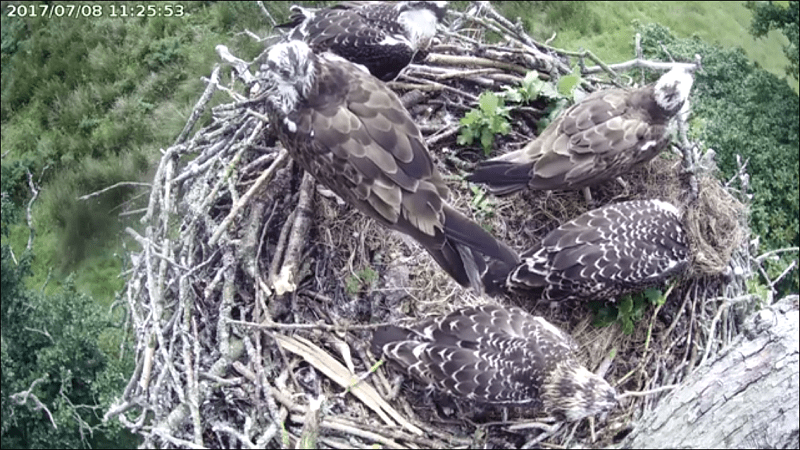
[Photo of the Bassenthwaite osprey pair with their offspring in 2017, photo by The Lake District Osprey Project]

The Lake District Osprey Project, a partnership between the Forestry Commission, the RSPB and the Lake District National Park Authority, aims to ensure the continued success of breeding ospreys at Bassenthwaite. Since the birds returned in 2001, ospreys have raised over 30 chicks and delighted over a million visitors there.

Like all wild birds, ospreys are protected by law under the Wildlife and Countryside Act 1981 and it is a criminal offence to harm or disturb them during the nesting period. Anyone found to have done so faces an unlimited fine and/or up to six months in jail.

There are 21 breeding pairs in England, and are worth £2million per year to the Cumbrian economy.

Annabel Rushton from the Lake District Osprey Project said: “A huge effort has been made to bring the osprey back to Cumbria and here at The Lake District Osprey Project. Local staff and volunteers have worked tirelessly to ensure the birds can nest in safety, while enabling visitors to be inspired by these wonderful birds from the designated public viewpoints at Dodd Wood and Whinlatter. Barnes acted recklessly by running his own tours which did not follow the correct protocol and resulted in the disturbance of the Bassenthwaite pair of ospreys, which could have been detrimental to their breeding success.

We would like to thank Cumbria Police for their support and diligent work in this case.”

PC Sarah Rolland of Cumbria Police said: “Laws are in place to protect all species of birds and, without these laws and their enforcement, these birds will be put at great risk. The osprey is a rare bird in the UK and therefore has a high level of legal protection under Schedule 1 of the Wildlife and Countryside Act 1981. A disturbance like this during the nesting period could be detrimental to their breeding success and their very existence within the UK.

In this instance, there was a clear offence of disturbing a Schedule 1 bird, whilst having young in the nest during the nesting period. This was fully investigated resulting in a charge following a CPS charging decision.

We hope that today’s result will serve to highlight the importance of adhering to these laws and serve as a warning to others that there will be consequences if the laws are ignored or willfully broken in relation to wildlife crime.”

Lake District Osprey Project website here

UPDATE 26 March 2019: Lake District farmer’s osprey ‘disturbance’ conviction is quashed (here)

Scottish gamekeeper charged with wildlife crime offences

Over the last few days we’ve been hearing from various sources about a long list of charges made against a gamekeeper from an estate in the Scottish Borders, in relation to alleged wildlife crimes.

This afternoon we contacted Police Scotland for details and confirmation. A spokeswoman responded very quickly (thanks!) and told us this:

A 59-year-old man has been charged in connection with wildlife crime offences at a rural estate in the Scottish Borders. A report will be submitted to the Procurator Fiscal and he is expected to appear in court at a later date”.

Good. We look forward to the details being published in full.

Salisbury peregrine ‘Peter’ – shot last year, Dad this year

A good news story!

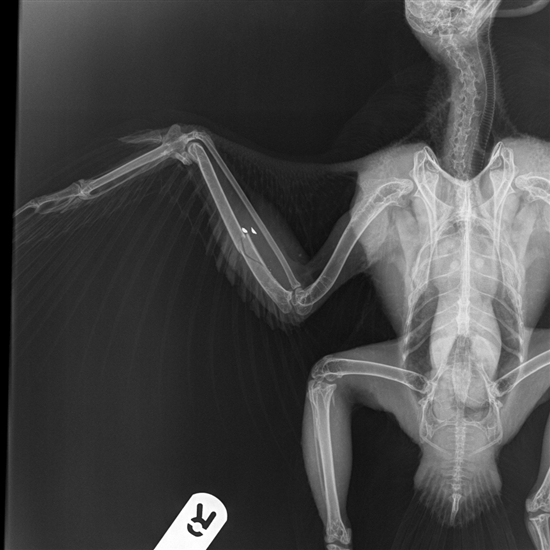
Last year we blogged about a peregrine that had been found shot in Hampshire. His colour ring (Blue GX) identified him as ‘Peter’, one of the chicks that successfully fledged from Salisbury Cathedral in 2014. He’d suffered a fractured wing from the gunshot fragments.

Peter spent a few months in the care of the Hawk Conservancy Trust in Andover where he received specialist veterinary attention and rehabilitation that allowed him to be released back to the wild several months later (see here).

[Photo of Peter’s release by James Fisher]

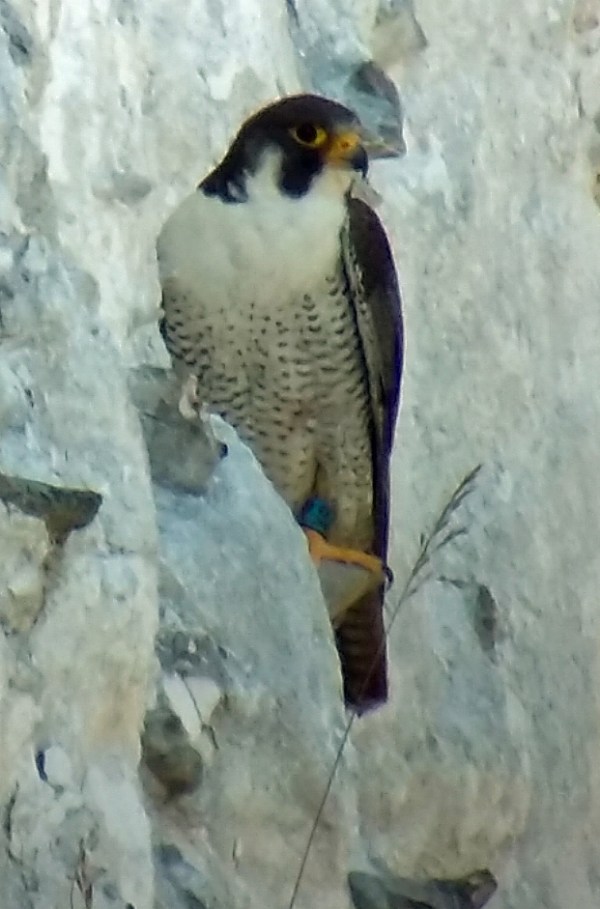
This year, thanks to his colour ring, Peter has been recorded nesting at a quarry in Hampshire. This breeding attempt has resulted in two successfully fledged chicks. Full details here on the Salisbury Cathedral website.

What a fantastic outcome for all those involved with his rescue and rehabilitation. Well done and thank you!

[Digiscoped photo of Peter at the quarry, by Keith Betton]

Case against grouse moor gamekeeper Timothy Cowin: part 3

Criminal proceedings continued on Friday (11 May 2018) against grouse moor gamekeeper Timothy Cowin, who is accused of a series of alleged wildlife crimes, including the shooting of two short-eared owls in April 2017 at Whernside, Cumbria in the Yorkshire Dales National Park. It is further alleged he was in possession of items (a shotgun and an electronic calling device) capable of being used to kill wild birds.

Following a farcical hearing at Preston Magistrates Court in March 2018 (see here), the case was due to be heard last Friday but it was adjourned, again, at the request of the defence.

The next hearing is scheduled for July 2018.

For legal reasons, we won’t be accepting any comments on this post.


Three dogs & two buzzards die after being ‘deliberately poisoned’ in Perthshire

BBC News article (8 May 2018):

DOGS AND BUZZARDS DIE AFTER BEING DELIBERATELY POISONED

Police in Highland Perthshire are appealing for information after three working dogs and two buzzards were deliberately poisoned.

The incidents took place between October 2017 and April this year in and around the Edradynate and Pitnacree Estates area.

The poisons used to kill the dogs and birds are banned in the UK.

[Photo of a poisoned buzzard found in the area in 2015, by RPUK]

A Police Scotland spokesman said the animals’ owners were “understandably upset” at the loss of their dogs.

He said: “Once again, we also find ourselves investigating the illegal killing of raptors and this is extremely disappointing.

We have searched the areas and our investigations to date would suggest that there is not a wider threat to public safety.

However, all members of the public in the area are asked to remain vigilant and report any suspicious behaviour, especially during the hours of darkness.”

ENDS

Hmm. Edradynate Estate has been at the centre of investigations for alleged wildlife crime for a very, very long time. It’s well worth reading an earlier summary we wrote (here) which includes some fascinating commentary about the estate by former RSPB Investigator Dave Dick, who claimed as far back as 2004 that the estate was “among the worst in Scotland for wildlife crime“, and commentary by former Police Wildlife Crime Officer Alan Stewart, who said in 2005, “Edraynate Estate has probably the worst record in Scotland for poisoning incidents, going back more than a decade“. The details involve a disturbingly high number of poisoned birds and poisoned baits that were found over the years, as well as a number of dropped prosecution cases (nobody has ever been convicted for any of the alleged offences). The summary also includes information about links between the estate and the Scottish Gamekeepers’ Association.

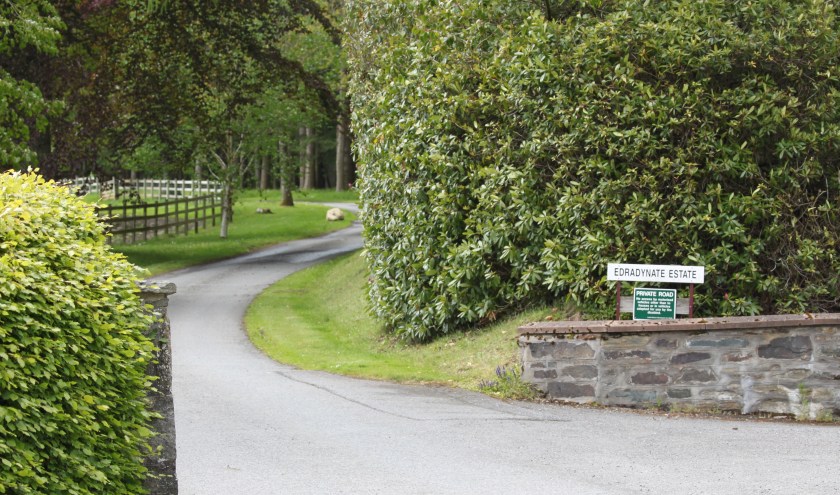
[Edradynate Estate, photo by RPUK]

More recently, in March 2015 two dead buzzards were found near to the estate. Toxicology tests revealed they’d been poisoned with a banned substance (although the name wasn’t revealed). A police raid of the estate uncovered a third dead buzzard. A thorough police investigation followed but in May 2017 the Crown Office rejected a plea from Police Scotland to bring proceedings against an estate gamekeeper (see here). The Crown Office has so far not provided a clear explanation for this decision.

However, in September 2017 SNH imposed a three-year General Licence restriction on Edradynate Estate, presumably in response to the alleged buzzard poisonings in 2015 (see here). Some felt sympathy for the new gamekeeper who would now be subjected to these restrictions even though he’d only just begun his employment following the ‘retirement’ of the previous Head gamekeeper in February 2017.

And talking of that previous Head gamekeeper, you may remember last year he was charged with a number of offences including the alleged malicious damage of crops on Edradynate in April 2017 (it is claimed he poisoned them by spraying with an unknown substance, causing them to rot and perish) and the alleged theft of a thermal imaging spotting scope (see here). This resulted in some court proceedings that were mysteriously shrouded in secrecy (here).

Presumably he has pleaded not guilty as we now know a trial will take place at Perth Sheriff Court on 11 June 2018 for alleged ‘malicious mischief’.

Red kite found poisoned in North Yorkshire (yes, another one)

Press release from North Yorkshire Police (2 May 2018):

WILDLIFE POISONING WARNING AFTER RED KITE FOUND DEAD NEAR KNARESBOROUGH

Police are appealing for information after receiving confirmation that a red kite, found dead near Knaresborough in December 2017, had been poisoned with a pesticide.

The discovery has prompted a warning from North Yorkshire Police – as part of the force’s Operation Owl campaign – about the cruel, illegal and dangerous practice of lacing animal carcasses with poison to kill other wildlife.

The dead kite was found by a member of the public just outside the village of Ferrensby between Knaresborough and Boroughbridge in North Yorkshire. The bird was in good physical condition and there was no evidence to indicate the cause of death. The finder was concerned that the bird may have been killed illegally, and reported it to the police.

Specialist wildlife crime officers at North Yorkshire Police had the bird x-rayed and this ruled out any cause of death due to physical injury. The police then arranged with Natural England for the bird to be sent away for a post mortem and toxicology tests.

The results showed the bird had significant amounts of chloralose, a pesticide, in its kidney – and it was concluded that this was the cause of death. The post mortem could not identify the nature of the kite’s last meal. The bird would have succumbed within a few minutes of consuming the poison. The location where the kite picked up the poison is not known.

Officers need to hear from anyone who has any information about the illegal use of pesticides to poison birds of prey in North Yorkshire. The practice of lacing animal carcasses with poison to kill other wildlife is both cruel and illegal. It is also poses a serious risk to members of the public and their children or pets if they come into contact with them.

Operation Owl is an ongoing initiative by North Yorkshire Police, the RSPB and the RSPCA, together with the North York Moors and Yorkshire Dales National Parks, the Nidderdale Moorland Group, and others, to reduce the number of illegal attacks on birds of prey. As part of the operation, police carry out surveillance checks on known raptor persecution hot-spots at random times to disrupt offender activity. Officers are also calling on the public to be the ‘eyes and ears’ of the police when out in the countryside.

Sergeant Kevin Kelly, of North Yorkshire Police’s Rural Taskforce, said:North Yorkshire’s wonderful countryside is host to many specially-protected birds of prey, including red kites. It is completely unacceptable that people think they can ignore the law and subject these birds to poisonings and other forms of persecution without consequence.

Like other forms of rural crime, raptor persecution is not a problem that the police can tackle alone. If everyone keeps their eyes open for illegal traps and poisoned bait, it will be a massive boost to our surveillance operation. Operation Owl is a real opportunity to reduce the number of wild birds that suffer and die unnecessarily, and send a clear message to offenders that we will not tolerate this crime in our countryside.”

Howard Jones, RSPB Investigations Officer, said:We are deeply saddened to hear of another illegally poisoned red kite in North Yorkshire. Although the re-introduction of this species into the region has been a conservation success, there continues to be an unacceptable level of persecution towards these majestic birds. Kites are struggling to expand their range into upland areas such as the Yorkshire Dales and, in this case, it is clear that they are not safe in other areas of the county either. We will continue to work closely with North Yorkshire Police and Yorkshire Red Kites to tackle the issue of illegal killing.”

Doug Simpson, Yorkshire Red Kites Co-ordinator, said:I am particularly concerned about this case, it being the first recorded kite death from illegal poisoning in this particular area. It is yet another instance of a red kite persecution victim having been found by someone out walking in the countryside, 22 of our 42 confirmed illegally killed or injured kites having been found in this way.”

Anyone with any information about this incident is asked to call North Yorkshire Police on 101, choose option 1 and be ready to quote reference 12170217776.

Alternatively email bill.hickson@northyorkshire.pnn.police.uk If you wish to remain anonymous, call the RSPB’s confidential Raptor Crime Hotline for free on 0300 999 0101.

ENDS