Two gamekeepers are due to appear at Norwich Magistrates Court next week charged with a number of alleged offences relating to a police investigation that centred on William van Cutsem’s Hilborough Estate in Norfolk last year.
A police search of the estate took place in April 2022 after a group called the Hunt Investigation Team, describing itself as ‘anti bloodsports’, said it had recorded covert video footage of a masked man with a goshawk inside what was considered to be an illegally-set trap on the estate. The masked man removed the goshawk and walked away from the trap. The goshawk’s fate was unknown.
Details of the charges have not yet been publicised and as this will be the first hearing in this case, the two gamekeepers have not yet entered a plea. Hopefully details will become clearer after the first hearing.
PLEASE NOTE: As this is now a live prosecution blog comments will not be accepted until criminal proceedings have concluded. Thanks for your understanding.
Previous blogs on this case can be found here:
8th May 2022: Van Cutsem’s Hilborough Estate in Norfolk at centre of police investigation into alleged raptor persecution (here)
10th May 2022: Illegally-set trap found on van Cutsem’s Hilborough Estate in Norfolk (here)
11th May 2022: Police confirm bird of prey was caught in illegally-set trap on van Cutsem’s Hilborough Estate in Norfolk (here)
12th May 2022: Covert footage published showing masked man with trapped goshawk on van Cutsem’s Hilborough Estate (here)
16th May 2022: Mail on Sunday blames ‘vigilantes’ for police investigation into alleged wildlife crime on van Cutsem’s estate (here)
12th August 2022: GWCT disregards police investigation into alleged wildlife crime on van Cutsem’s Norfolk estate (here)
The conservation campaign group Wild Justice is seeking the public’s help to uncover information about the release of pheasants and red-legged partridges on or close to protected sites in Norfolk and Suffolk, apparently against the official advice of Natural England but potentially sanctioned by DEFRA Ministers.
Wild Justice has been informed by several anonymous sources that the licensing process for the release of non-native gamebirds on or near to Special Protection Areas (SPAs) isn’t quite as we expect it to be (see Wild Justice blog, here).
It’s alleged that DEFRA Ministers may, in some cases, be either ignoring and/or over-ruling the official advice of the statutory conservation agency, Natural England, not to release gamebirds in specific areas, and instead they may be taking advice from a mystery committee in DEFRA, which probably includes members of the game shooting industry, to override Natural England’s advice and permit the release of gamebirds in these areas.
According to Wild Justice, the licensing process may look something like this:
Wild Justice is attempting to get to the bottom of what’s going on via a series of Environmental Information Requests to Natural England and DEFRA but predictably these have been met with the usual delaying tactics and in some cases, refusals. It will clearly take time to get the information required to fully evaluate what’s going on.
So in the meantime, Wild Justice is asking the public for help with information about potential gamebird releases in two specific areas in Norfolk and Suffolk – the Deben Estuary Special Protection Area, where Natural England refused permission for gamebird releases (see here for information requested by Wild Justice about this site) and the Breckland Special Protection Area, where Natural England permitted gamebird releases but delayed the permitted release dates (see here for information requested by Wild Justice about this site).
If you live locally to these two SPAs and know of any pheasant or red-legged partridge releases there, this season, in or very close to the SPAs (as shown on the maps in the WJ blog links, above), or if you know that gamebird shooting is occurring on these sites this year, then please let Wild Justice know.
Wild Justice can be contacted at: admin@wildjustice.org.uk and all correspondence will be treated in strict confidence.
A Leicestershire man has been convicted for the possession of protected wildlife that was discovered in his freezer during a joint police and trading standards raid in April 2023.
Kelvin Birtles of Saffron Road, Wigston, pleaded guilty to three offences – the possession of two dead badgers (in breach of the Protection of Badgers Act), the possession of two dead otters (in breach of the Wildlife & Countryside Act) and the possession of nine dead birds including three buzzards, four tawny owls, one barn owl and one swan.
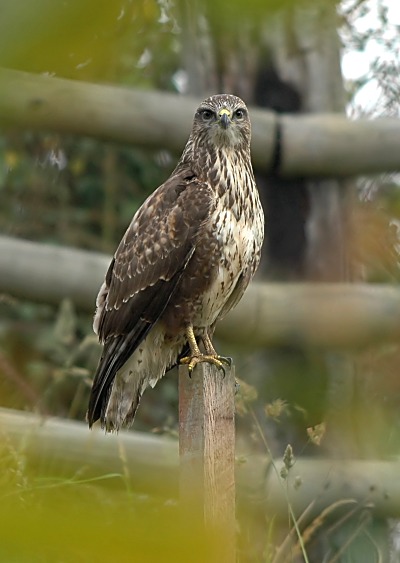
Buzzard photo: Steve Robinson
The body parts of other animals were also found during the raid, including llamas, piglets, a pheasant and a horse, although as these are not protected species, their possession isn’t an offence.
Birtles had claimed all the animals were roadkill and that he hadn’t killed them himself. Even if that’s true, possession of protected species is still an offence.
District Judge Jonathan Straw ordered a probation report and deferred sentencing until 15th November.
UPDATE 30 December 2023: Leicestershire man receives 12 month community order for illegal possession of dead protected species, including 8 raptors (here)
Two days ago I wrote about a buzzard that had been shot and critically injured in the North York Moors National Park – the latest in a long line of victims in that grouse moor-dominated landscape (see here).
The buzzard was found with shotgun injuries. Photo: North Yorkshire Police
As ever, it was left to wildlife rehabilitator Jean Thorpe and veterinary experts at Battle Flatts Veterinary Clinic to pick up the pieces and attempt to save its life.
Unfortunately, despite their best efforts, the buzzard didn’t make it. Jean posted the following poignant message on social media yesterday:
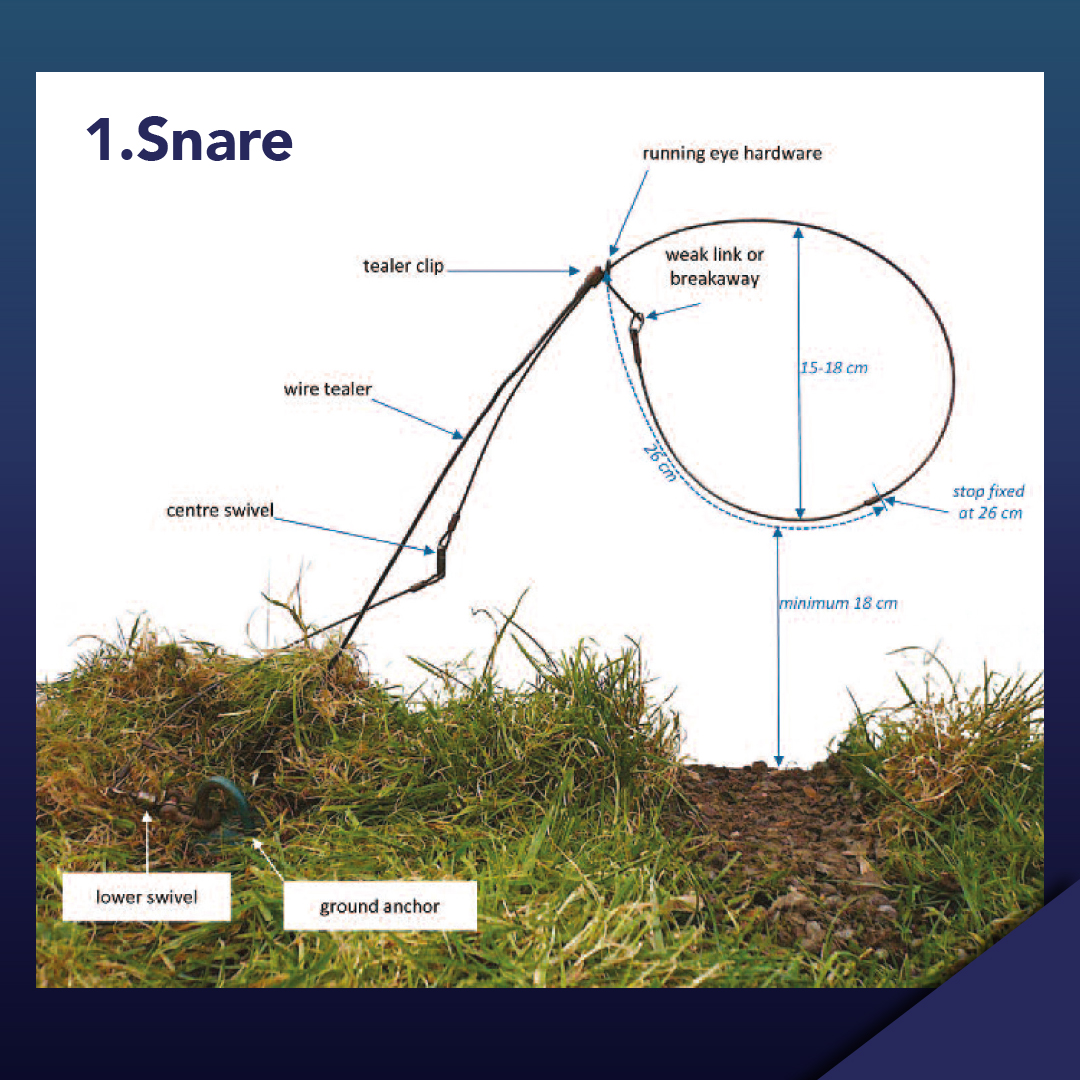
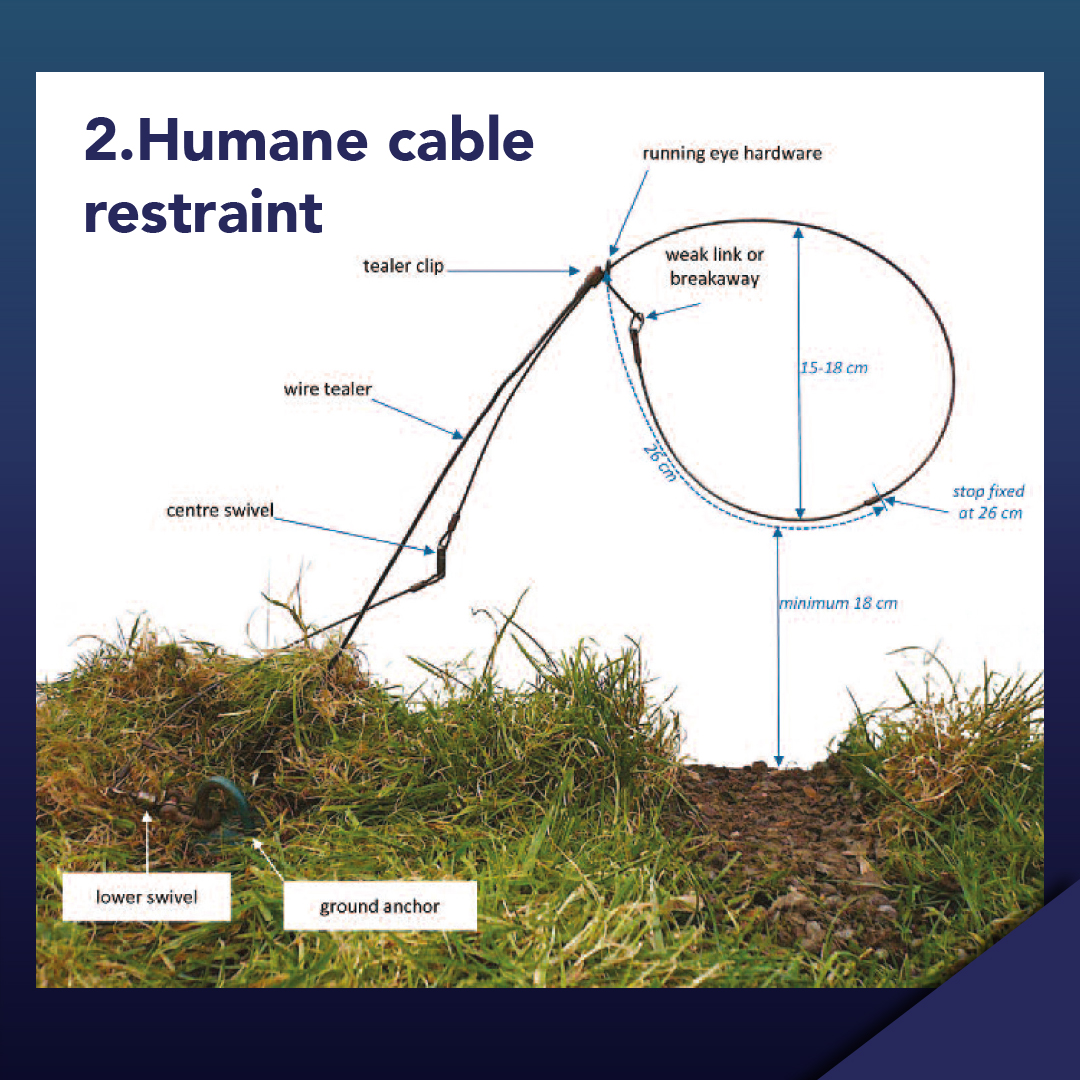
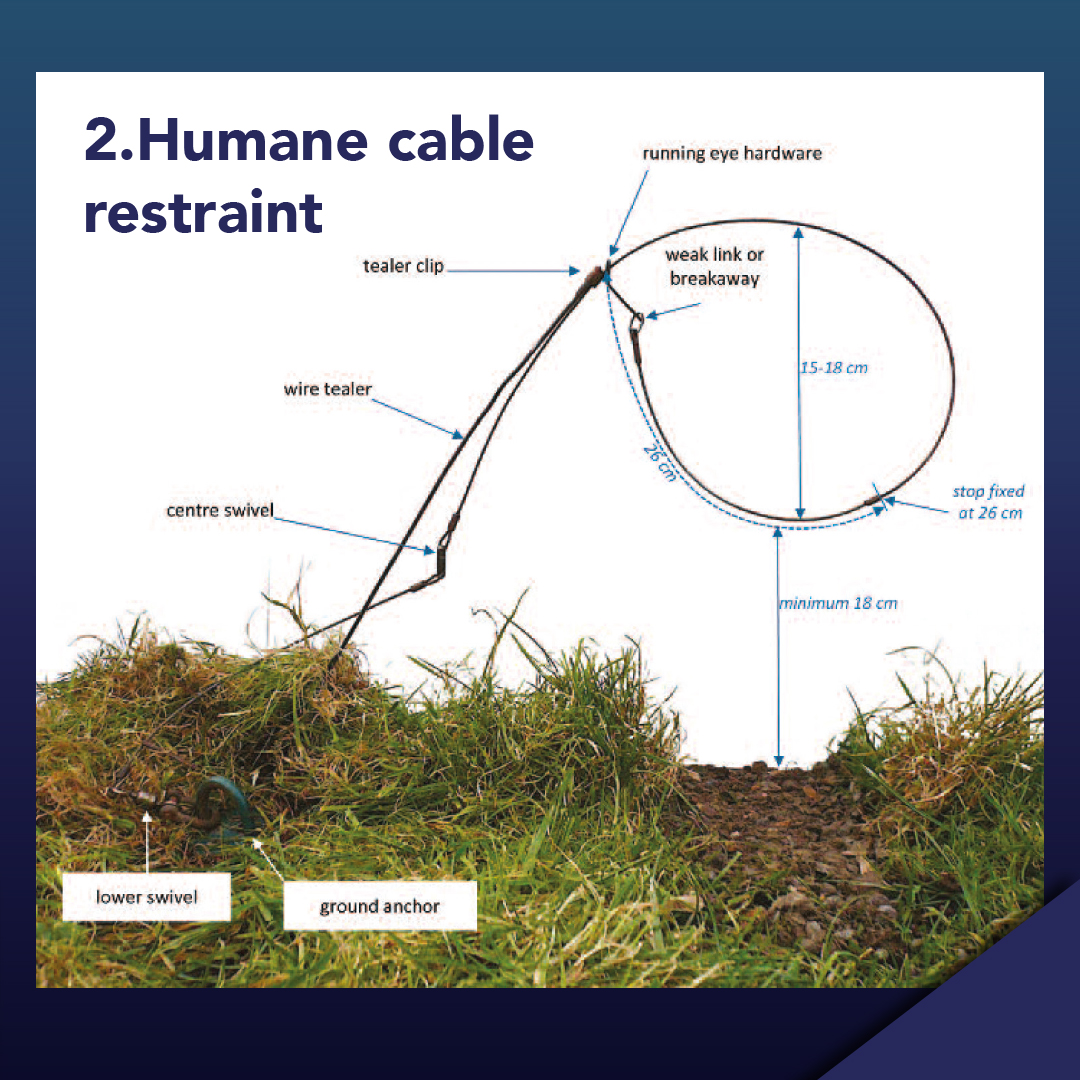
Further to this morning’s blog warning that the Scottish Government might be hoodwinked into thinking a ‘humane cable restraint’ is different to a snare (here), I’d encourage you to read this brilliant briefing note written by Kirsty Jenkins, Policy Officer at OneKind, sent to the Rural Affairs Committee:
Kirsty reiterates the fact that the game shooting lobby has simply re-branded the term ‘snare’ as a ‘humane cable restraint’ and that there’s no difference between the two:
The letter from Scottish Land & Estates, signed by ‘150 land managers’ calling on the Environment Minister to retain the use of ‘humane cable restraints’ has also now been published:
One of the signatories shares the same name as a gamekeeper who was convicted of raptor persecution offences several years ago. I imagine it’s simply coincidence and that these are two separate individuals because a convicted gamekeeper wouldn’t still be working in the game-shooting industry, given the industry’s proclaimed ‘zero tolerance’ stance on raptor persecution, right?
The letter also includes signatories from a number of gamekeepers from an estate in the Angus Glens where one of them was charged with alleged snaring offences several years ago after the discovery of a dead snared deer and two snared foxes -one dead from dehydration (suggesting the snare hadn’t been checked within the required 24hr time period) and another one with appalling injuries which had to be euthanised by an SSPCA inspector. For reasons that haven’t been disclosed (because they don’t have to), the Crown Office dropped the prosecution.
The letter also includes signatories from gamekeepers in the Southern Uplands Moorland Group – this is the region where gamekeeper Alan Wilson worked – Wilson was convicted in 2019 of nine wildlife offences, including the setting of 23 illegal snares (see here).
To be clear, I’m not contesting the right of gamekeepers to sign the letter to the Environment Minister – of course they have every right to do so and there is no suggestion that any of them are involved with unlawful snaring practices – but what I am doing is providing some important context for the benefit of the Minister and other decision makers about an industry that can’t be relied upon to self-regulate.
If you’re based in Scotland, I’d urge you to sign the e-action to the Environment Minister urging her to ban ALL snares, including those re-branded as ‘humane cable restraints’ – HERE.
Two leading animal welfare charities in Scotland are urging their supporters to contact Scotland’s Environment Minister, urging her to ban all snares, including the cynically renamed ‘humane cable restraints’.
Environment Minister Gillian Martin MSP is currently deliberating a complete ban on snares as part of the Government’s Wildlife Management and Muirburn (Scotland) Bill. A public consultation closed recently on the use of snares (see here) but campaigners fear that the Government is in danger ‘of being hoodwinked by a plot to simply rename snares as ‘humane restraint cables”.
This recent briefing note (here) from the charity Scottish Badgers to the Rural Affairs Committee eloquently explains the problem with so-called ‘humane restraint cables’ and why they should be banned. [Ed: update – this briefing note from OneKind is also excellent – read here]
Animal welfare charities The League Against Cruel Sports and OneKind, both members of REVIVE, the coalition for grouse moor reform, have set up an e-action for Scotland-based supporters to contact the Minister, urging her to ban all types of snares, including ‘humane restraint cables’.
We know that Scottish Land & Estates has sent a letter signed by ‘150 land managers’ to the Minister opposing a ban on snares and ‘humane cable restraints’ (although I’ve yet to see a copy of it – FoI response is pending) so here’s a chance to let the Minister hear from those who support a ban on ALL snares.
If you’re based in Scotland, please consider joining in with the e-action HERE
UPDATE 13.35hrs: A ‘Humane cable restraint’ is still a snare, it’s just been rebranded to sound less archaic (here)
Yet another bird of prey has been found shot in the North York Moors National Park and is currently ‘fighting for its life’.
The buzzard was found with shotgun injuries. Photo: North Yorkshire Police
North Yorkshire Police (Ryedale) issued the following statement on Facebook at the weekend:
‘We are again appealing for witnesses after this poor buzzard was found fighting for it’s life at the top of Daleside Road in Rosedale. X-rays revealed that it had been shot, but fortunately it survived the trauma and is currently receiving intensive veterinary care.
PC Jez Walmsley of the Helmsley and Kirkbymoorside safer neighbourhood team stated “This is the third buzzard in the last four months that has been shot or died in suspicious circumstances in the Rosedale area”. I would appeal to anyone who has any information about who is persecuting these magnificent birds to come forward. Please email me Jeremy.Walmsley@northyorkshire.police.co.uk’
I’m not sure about this being ‘the third shot buzzard in the last four months’ – if that’s the case then it’s in addition to two shot red kites found in the area in June 2023 (see here and here). I haven’t seen any media about two shot buzzards found in the last four months so I suspect PC Walmsley may be confusing the two shot red kites for buzzards. If that’s not the case, then five shot birds of prey have been found in this grouse moor-dominated area of the North York Moors National Park.
Either way, it’s clear that this so-called National Park, like so many others in the UK, is still not a safe haven for birds of prey.
UPDATE 11 October 2023: Buzzard shot in North York Moors National Park didn’t survive its injuries (here)
Last month the media regurgitated a press release from Scottish Land & Estates (SLE) about how ‘400 rural businesses’ had written a letter to Environment Minister Gillian Martin to voice their opposition to the Scottish Government’s plans to introduce a licensing scheme for grouse shooting, as part of the Wildlife Management and Muirburn (Scotland) Bill.
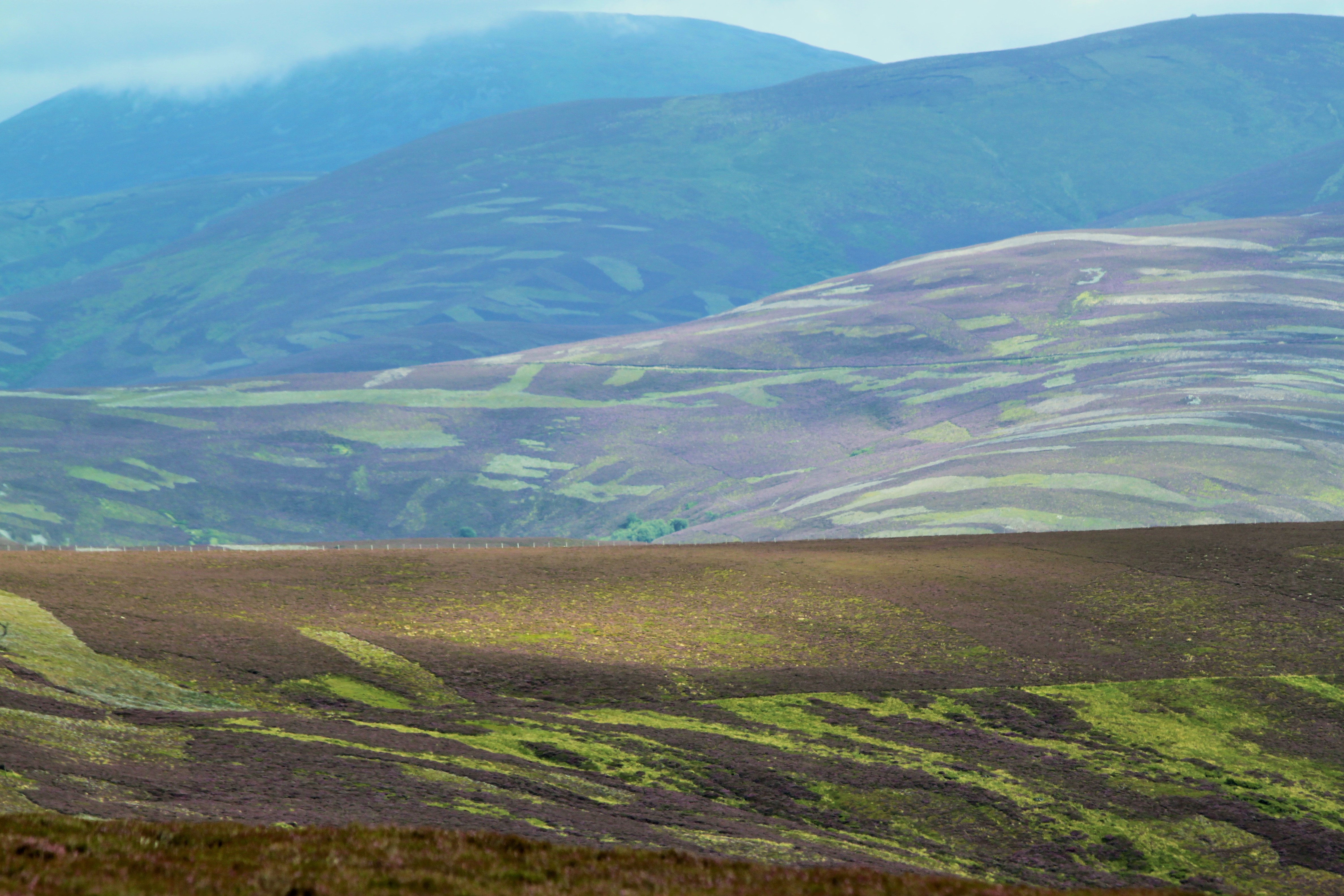
Grouse moor landscape, Cairngorms National Park. Photo: Ruth Tingay
I wrote at the time (here) how neither the letter, or its signatories, had been published and that I was keen to scrutinise it because the last time SLE pulled a publicity stunt like this (in 2010, under its former name of SRPBA), some of the 200 landowners / shooting estate owners who had written to the then Environment Minister expressing their condemnation of illegal raptor poisoning (here) had had recent raptor persecution incidents recorded on their estates and some of their employees even had criminal convictions for raptor persecution crimes (here).
So last month I submitted an FoI to the Scottish Government to ask for a copy of the latest letter and last week the letter, and its signatories, was published online as SLE had sent a copy of it to the Rural Affairs Committee who are currently scrutinising the Bill.
The letter itself offers nothing new – it is simply a repeat of the characteristically melodramatic points made by SLE during the Bill’s stage one evidence sessions, with claims that the proposed legislation “will lead to disastrous and irreversible implications for rural businesses and communities” and it makes a number of barely-veiled threats of legal action if the Bill goes ahead in its current state.
Here’s the letter and the signatories are included at the end; these are well worth a look:
There are around 80 sporting estates on the list, and although none of the estates that are currently serving General Licence restrictions for raptor persecution incidents are included, there are a few on the list who have recently served such restrictions (e.g. Edradynate Estate and Raeshaw Estate).
There are other estates listed where multiple alleged raptor persecution incidents have either occurred or been suspected but haven’t resulted in any prosecutions (e.g. Glenogil Estate, Cawdor Estate, and another one I’m not permitted to name, yet).
There are also a few sporting agents listed who I believe are linked to other estates that are either currently serving a General Licence restriction (e.g. Millden Estate) or have recently served a restriction (e.g. Leadhills Estate, which actually served two separate restrictions and yet remains a member of Scottish Land & Estates, despite SLE’s claim of having zero tolerance for raptor persecution).
The list also includes a number of businesses, some clearly legitimate but others that don’t appear to be registered at Companies House, which is interesting. To be fair they may just be sole traders so don’t have to register but how do we know they’re legitimate and not just a made-up ‘business’ for the purpose of populating this list?
I note that Rachael Hamilton MSP’s husband has signed on behalf of their business, the Buccleuch Arms – surely a conflict of interest given that Rachael serves on the Committee that is scrutinising the Bill and providing its recommendations to Parliament?
The inclusion of some other businesses just seems bizarre – for example, how will the introduction of a grouse moor licensing scheme ‘lead to disastrous and irreversible implications‘ for the Strathmore Rugby Club or Adventure Motorhome Hire?
It’s worth remembering at this point that the proposed Bill is simply a licensing scheme, not a ban on driven grouse shooting. The hysterical over-reaction of the grouse shooting industry and its mates to such a simple form of regulation is actually laughable – if the industry doesn’t think it can conform to such basic requirements, just like every other industry has to, then its practices are obviously unsustainable.
Speaking of which, I note that Scottish Land & Estates has just written another letter to Environment Minister Gillian Martin, this time signed by ‘150 land managers’ opposed to the proposed ban on snares and so-called ‘humane cable restraints’.
I’ve submitted another FoI to the Scottish Government to ask for a copy of that letter and its signatories…more on that in due course.
Last month I wrote (here) about how the DEFRA Secretary of State, Therese Coffey, is preparing to make a decision about the phasing out of toxic lead ammunition by gamebird shooters; a welcome move after years and years of the Westminster Government ignoring the scientific evidence about the poisonous effects of toxic lead ammunition on wildlife, the environment and human health.
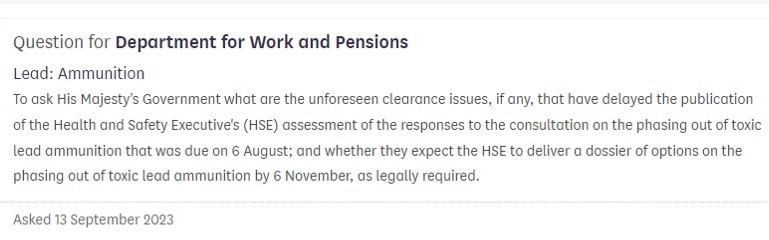
However, I also wrote how the Health & Safety Executive (HSE) was due to publish an opinion report for the Minister on 6th August 2023, along with establishing a 60-day public consultation on its findings, which HSE was legally obliged to report by 6 November 2023. But in August, HSE told stakeholders (shooters and conservation organisations) in confidence that publication had been delayed by ‘unforeseen clearance issues‘, which meant that the opinion report was no longer deliverable by 6th November 2023.
Green Party Peer Natalie Bennett read the blog piece and subsequently lodged a Parliamentary question about what, exactly, those ‘unforeseen clearance issues‘ were that were holding up the decision-making process:
On 27th September 2023, Viscount Younger of Leckie, the Parliamentary Under Secretary of State at the Department for Work & Pensions (Minister for Lords) responded with this:
So the delay was confirmed, but the Minister was unable/chose not to explain what the ‘unforeseen clearance issues‘ were and instead quite blatantly skirted around the question, which just makes me even more suspicious of what’s going on behind the scenes.
I’ve also since been told that HSE contacted the stakeholders again once this written answer had been published, to repeat the fact that ‘clearance issues‘ were the reason for the delay but didn’t elaborate about what those ‘clearance issues‘ were.
The delayed/revised delivery date has yet to be announced.
It’s worth remembering that the DEFRA Secretary of State (currently Therese Coffey) is legally required to make a decision on the phasing out of toxic lead ammunition within three months of receiving the opinion report from HSE.
New Scientist has just published a thought-provoking opinion piece (republished below), written by Alick Simmons (the former UK Deputy Chief Veterinary Officer) on the inadequacy of UK legislation that’s supposed to protect wildlife.
It’s hard to think of a more authentic, credible voice on this subject than Alick. He’s recently authored a highly-acclaimed book, Treated Like Animals – Improving the lives of the creatures we own, eat and use (2023 Pelagic Publishing), which can be found here.
Alick’s article in New Scientist is a short summary piece but a must-read for anyone wanting to counter the unsubstantiated claims of the game shooting industry that is so desperate to cling on to its medieval practices that it thinks a quick rebrand from ‘snares’ to ‘humane cable restraints’ is going to convince policymakers that everything’s just fine as it is.
If Alick’s article resonates and you feel you want to do something practical, you might want to fill in the Scottish Government’s consultation on the use of snares (as well as increased powers for the SSPCA), which closes tomorrow (Tues 3rd October 2023).
The Scottish Government is proposing to (a) prohibit the use of a snare or other type of cable restraint for the purpose of killing or trapping a wild animal; (b) prohibit the use of a snare or other type of cable restraint in any way that is likely to injure a wild animal and (c) provide Scottish SPCA inspectors who are acting under their existing powers under the 2006 Animal Welfare Act, with additional powers to search, examine and seize evidence in connection with specific offences under the Wildlife and Countryside Act 1981. This is all part of the Wildlife Management and Muirburn (Scotland) Bill which is currently making its way through Parliament.
REVIVE, the coalition for grouse moor reform, has provided a handy guide for consultation responses which you’ll find here.










 Raptor Persecution UK