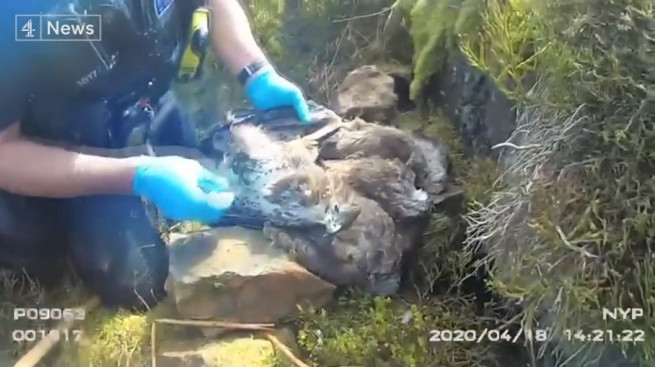
Police confirm banned poison Carbofuran found on Leadhills Estate, again

Police Scotland have confirmed the discovery of the banned poison Carbofuran on Leadhills Estate, a grouse-shooting estate in South Lanarkshire that has been at the centre of police wildlife crime investigations at least 70 times since the early 2000s.

The highly dangerous poison, which even in tiny amounts can kill humans and animals, was discovered in July 2020. Police Scotland have told the Daily Record:

We are aware of this incident and did investigate.

Forensics identified the substance as carbofuran, an illegal pesticide the use of which has been banned since 1991.

It is extremely concerning that this substance was found in a location which is accessible to the public. Anyone with further information about this incident should contact Police Scotland on 101.”

According to the Daily Record, ‘further enquiries were stopped after officers found no evidence to link the poison to any person or persons’.

There isn’t any explanation provided for why the public weren’t alerted to this discovery sooner.

As regular blog readers will know, Leadhills Estate is currently serving a three-year General Licence restriction, imposed in November 2019 following ‘clear evidence from Police Scotland that wildlife crimes had been committed on this estate’ (see herehere, and here). We know via FoI that one of the contributing factors to the decision to pull the GL was the discovery of the banned pesticide Carbosulfan in May 2019 (see here).

[Chris Packham holds a dead hen harrier whose leg was caught in an illegally-set trap on Leadhills Estate in May 2019. Photo by Ruth Tingay]

Since the General Licence restriction was imposed in late 2019, further alleged offences have been reported at Leadhills and are the subject of ongoing police investigations (see here) including the alleged shooting of a(nother) short-eared owl by a masked gunman on a quad bike as witnessed by a local resident and his eight year old son (see here).

And now the discovery of another batch of banned poison.

According to NatureScot’s Framework for GL Restrictions, ‘Individual restrictions will apply for a period of 3 years, but may be extended if evidence of further offences is obtained during this period’.

Let’s see whether NatureScot sees fit to extend the General Licence restriction at Leadhills Estate.

Petitions of interest to be heard next week at Scottish Parliament

A number of petitions, some of which have been live for several years and are of significant interest, will be considered next week at the Scottish Parliament.

The cross-party Environment, Climate Change, and Land Reform Committee (ECCLR) will be reviewing the status of these petitions that had previously been forwarded by the Petitions Committee. As we edge towards the end of the Parliamentary session, it may well be that the ECCLR Committee is trying to clear the decks – one of these petitions has been live since 2013!

Here’s the list:

PE1750: Independent monitoring of satellite tags fitted to raptors (submitted by Scottish Gamekeepers Association)

PE1755: Ban all single use plastics across Scotland (submitted by Stephen Henry)

PE1758: End greyhound racing in Scotland (submitted by Scotland Against Greyhound Racing)

PE1751: Create no wild camp zones in Scotland (submitted by Kirsteen Currie)

PE1762: End the killing of Wildlife on grouse moors and elsewhere in Scotland (submitted by OneKind)

PE1815: Translocate protected beavers to reduce licensed killing (submitted by Trees for Life)

PE1490: Control of wild goose numbers (submitted by Scottish Crofting Federation)

PE1615: State regulated licensing system for gamebird hunting (submitted by Scottish Raptor Study Group)

PE1664: Greater protection for mountain hares (submitted by OneKind)

PE1636: Require single use drinks cups to be biodegradable (submitted by Michael Traill)

PE1705: Wildlife crime – penalties and investigation (submitted by Alex Milne)

Certainly, some of these petitions could now be considered obsolete because progress has since been made, undoubtedly helped along by the petition itself. One of the petitions – the SGA’s embarrassingly ill-informed one about the monitoring of satellite tags fitted to raptors, will be discussed on here in the coming days.

The ECCLR Committee will meet on Tuesday 23rd February 2021 and I’ll add a video link here for those who wish to watch live proceedings. The official transcript will also be posted here when it becomes available.

UPDATE: The documents for the meeting on Tues 23rd February have now been published and are available to download here:

UPDATE 21st February 2021: Summary of petitions under consideration by Scottish Parliament’s Environment Committee on Tuesday (here)

UPDATE 22nd February 2021: Scottish gamekeepers’ petition calling for independent monitoring of raptor satellite tags is ‘fact-free nonsense’ (here)

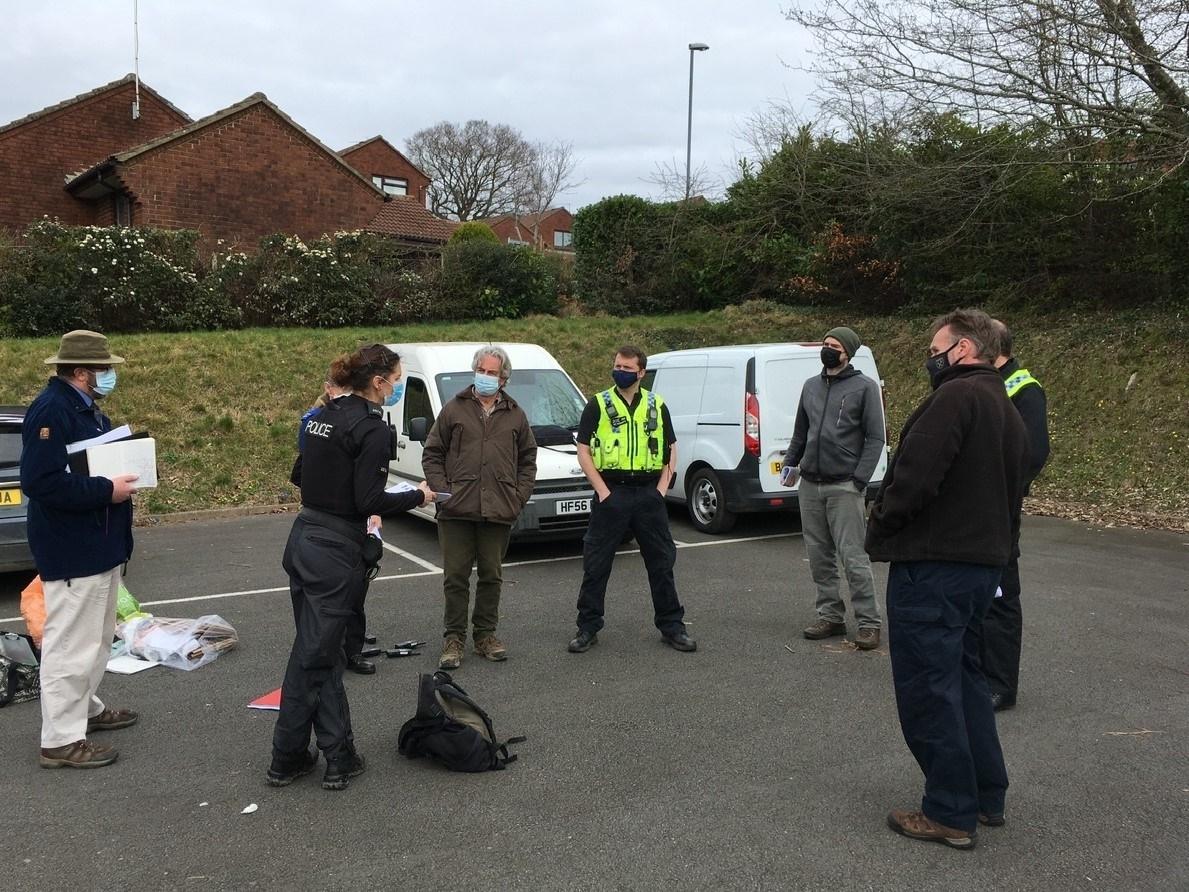
Senior police officer required to chair Raptor Persecution Priority Delivery Group (RPPDG)

The National Wildlife Crime Unit (NWCU) is recruiting for a senior police officer to Chair the Raptor Persecution Priority Delivery Group (RPPDG).

This is a poisoned chalice if ever there was one.

There are Priority Delivery Groups for the various National Wildlife Crime Priorities (e.g. raptor persecution, badger persecution, bat persecution, CITES, Freshwater pearl mussels, cyber-enabled wildlife crime and poaching) and the purpose of these delivery groups is ‘to progress the priority in relation to prevention, intelligence and enforcement’ (see here).

Some of these delivery groups are being quite effective – and that’s probably because all the members of the group share the same objective. For example, the badger persecution delivery group probably doesn’t have badger baiters sitting around the table ‘contributing’ to discussions about enforcement plans. And I’ll bet the CITES group doesn’t have international ivory traffickers in its membership, nor hare coursers in the poaching group.

But the raptor persecution group? Well, along with the likes of the RSPB and the Northern England Raptor Forum, the membership of this group also includes organisations like the Moorland Association, Countryside Alliance, BASC and the National Gamekeepers, some of whose members have been/are still under police investigation for alleged raptor persecution crimes. There are clear conflicts of interest and they don’t all share the same objective, no matter how hard some of the groups might pretend.

The RPPDG is, in my opinion, a partnership sham, designed to look as though efforts are being made to effectively tackle illegal raptor persecution in England and Wales. It’s been in existence since 2011 and the ‘delivery’ results speak for themselves – so far it has achieved absolutely sod all in terms of contributing towards the conservation of raptors in the UK and instead has frustrated the efforts of those organisations who are genuinely trying to stamp out persecution (e.g. see here).

Whoever takes on this role needs to be up for change. And that’s presumably why the NWCU is seeking a high-ranking officer for the position (Chief Inspector or Superintendent level). These groups need to be held to account and when they don’t deliver, or when they deliberately obstruct progress, they should be booted out.

Good luck to whoever gets the post.

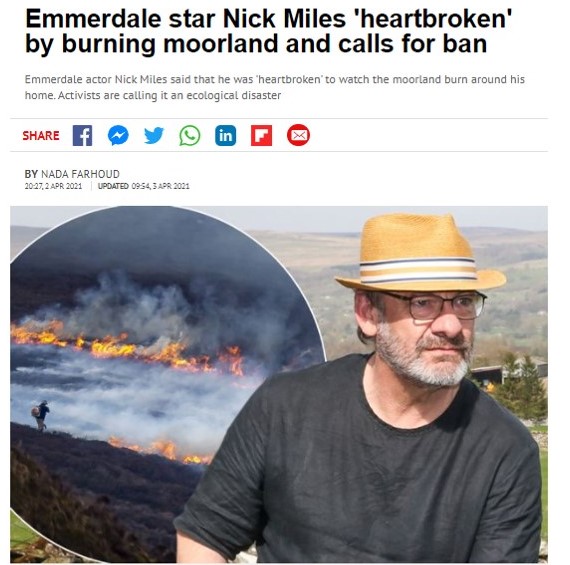
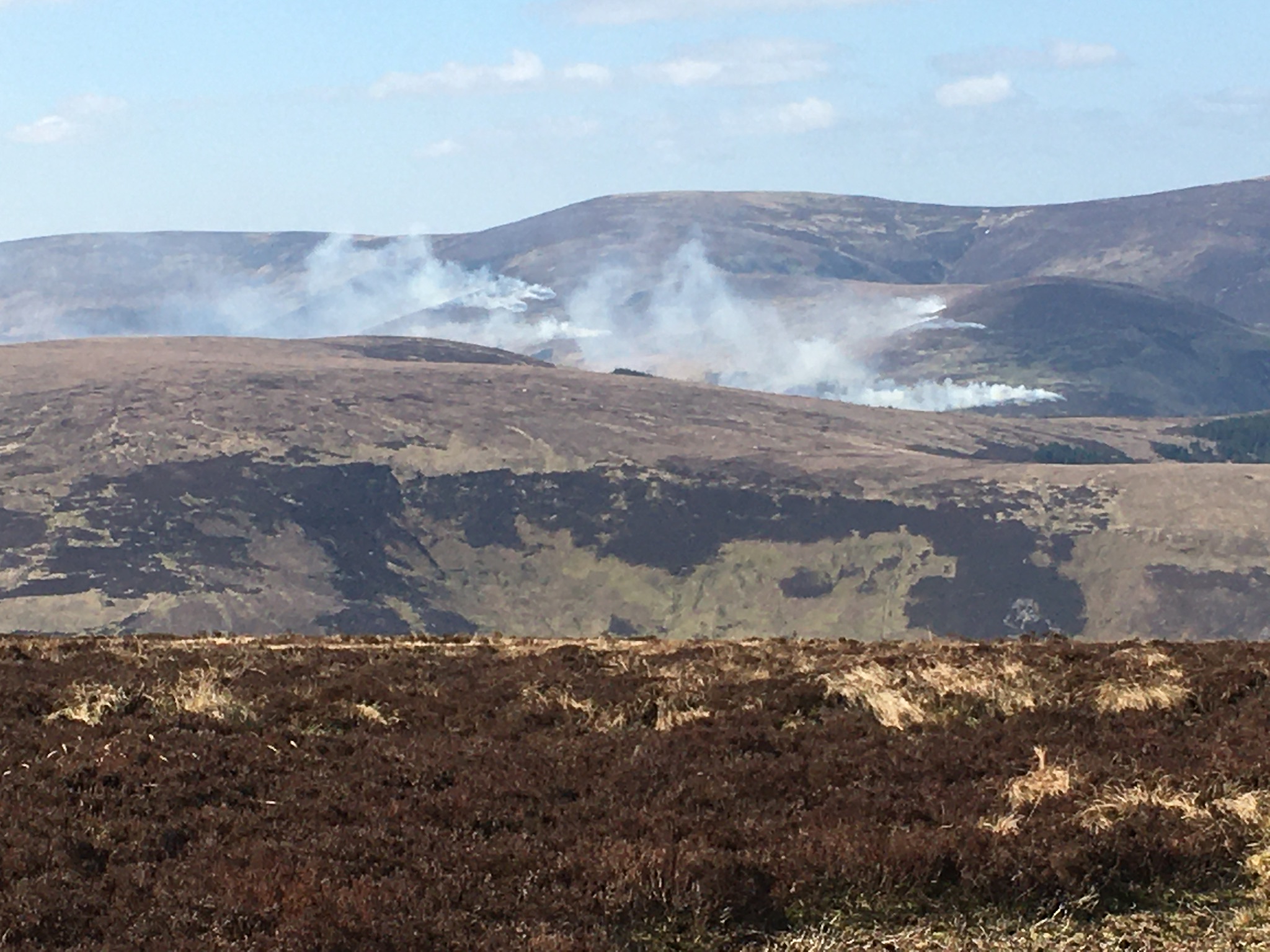
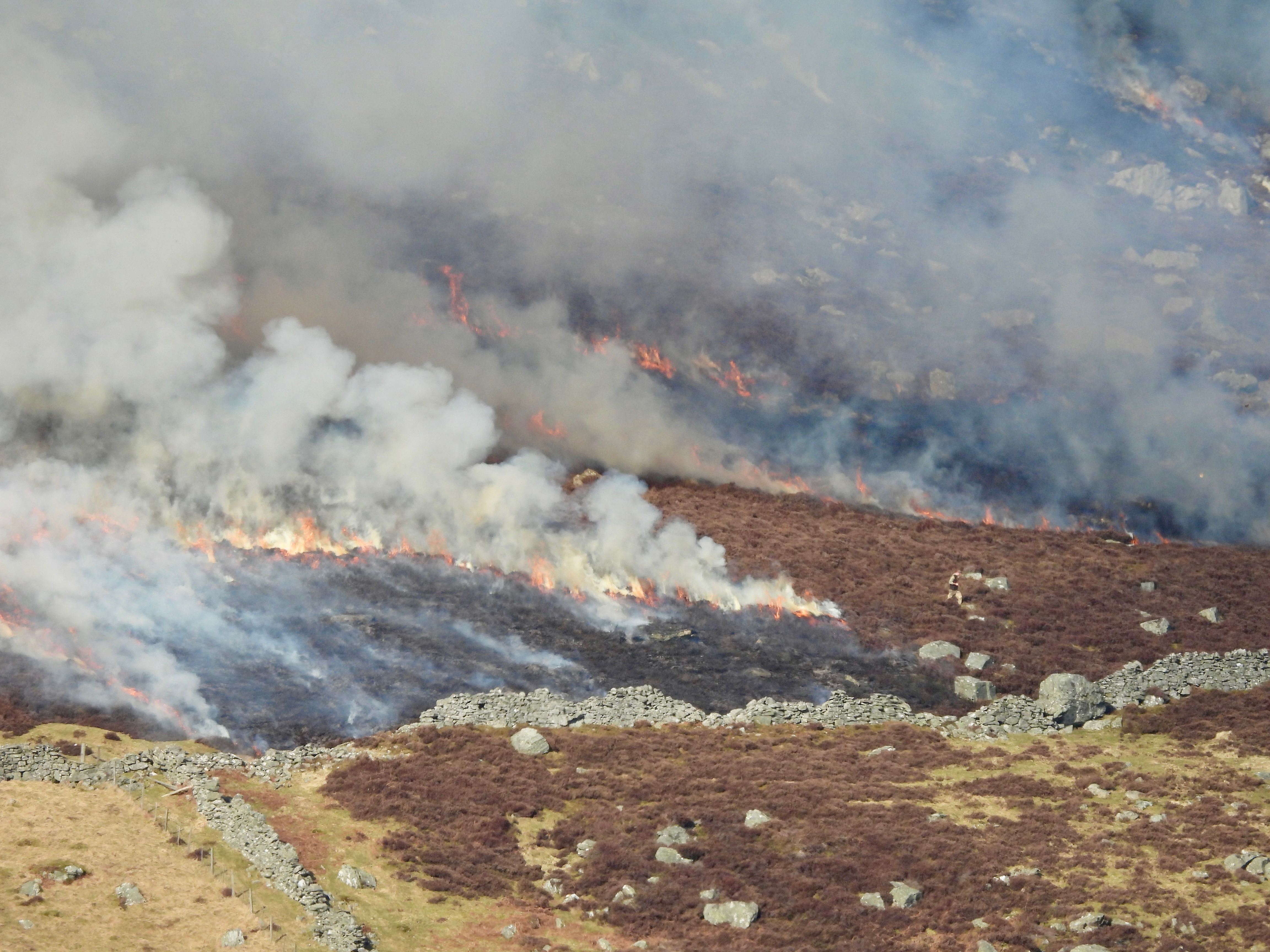
Environmental groups urge Govt to extend ban on moorland burning

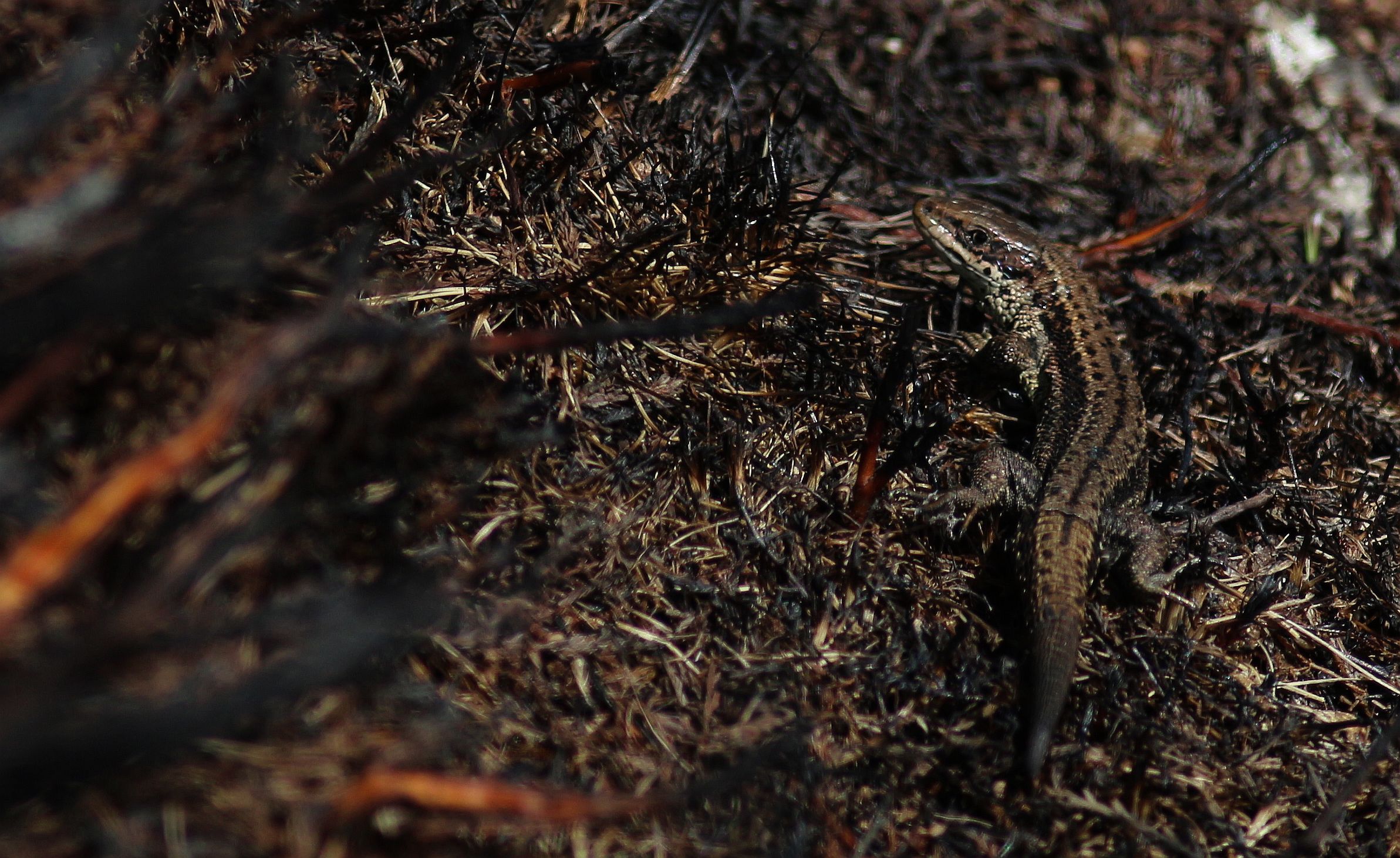
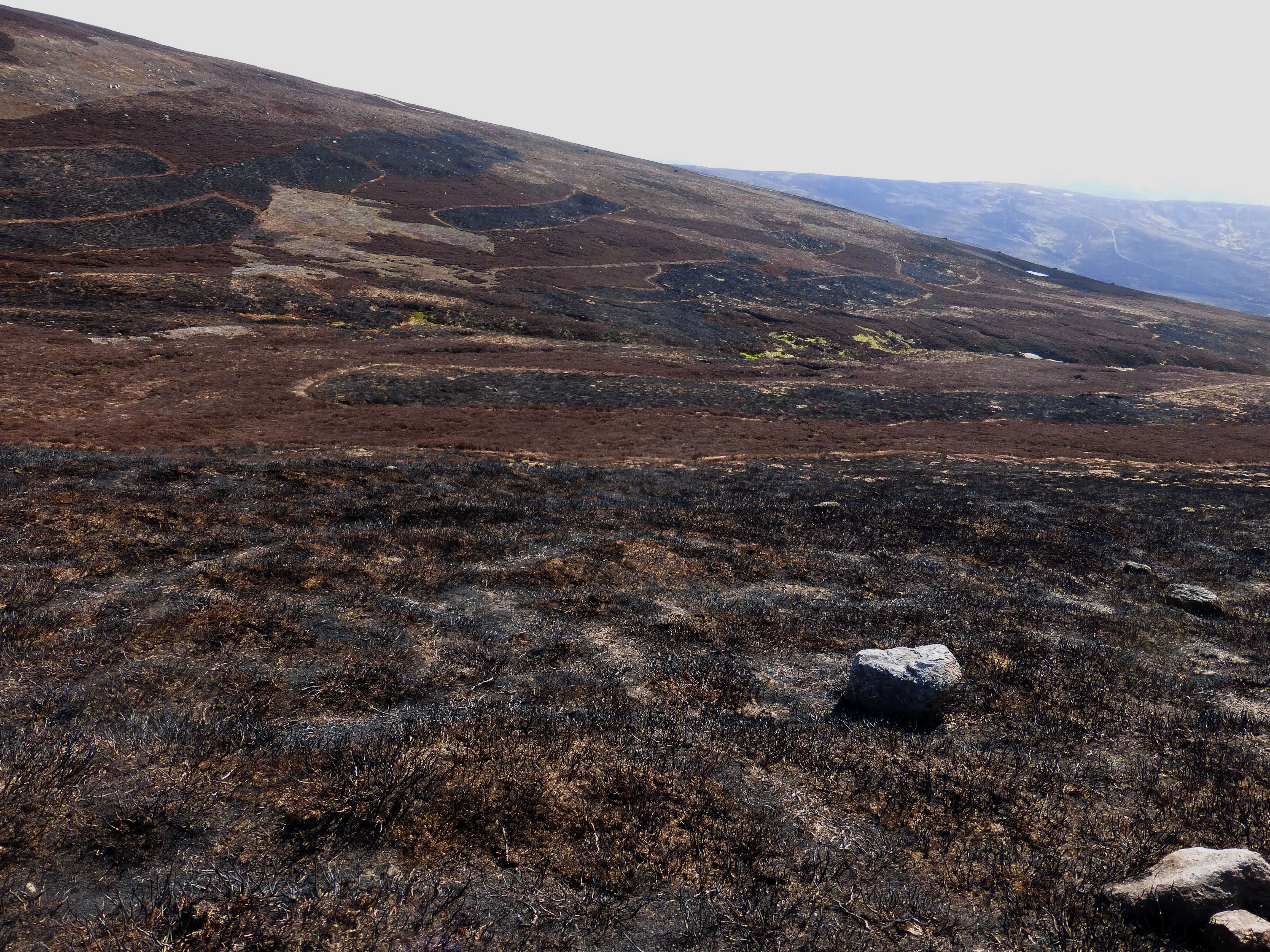
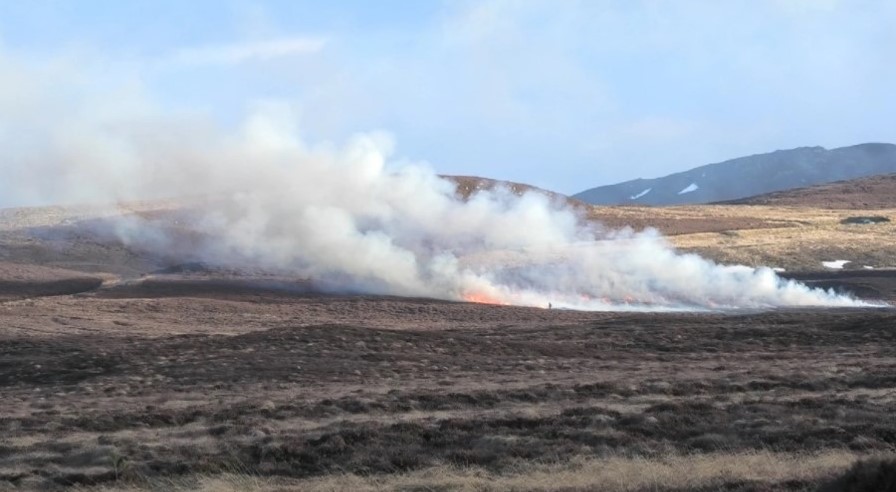
At the end of January, DEFRA published a long-awaited statement on its proposal to ban burning on moorland (see here), although the proposal was heavily criticised as not going far enough and analysis by Guy Shrubsole demonstrated that many grouse moors would be exempt from the ban (see here).

[Photo by Tim Melling]

Today, the heads of 18 environmental groups have signed a letter to DEFRA Secretary of State George Eustice, urging him to extend the ban to make it more meaningful:

There is good coverage of this in today’s iNews (here) where a DEFRA spokesperson said the Government will set out further actions on England’s peatlands later this year.

Wild Justice testing Sainsbury’s gamebird meat for toxic lead ammunition

Last October Sainsbury’s started to sell gamebirds from a supplier in North Yorkshire, but has repeatedly refused to address customers’ concerns about the provenance of those pheasants and partridges, i.e. on which estates were they shot and what are those estates’ environmental credentials?

Sainsbury’s also claims, apparently without testing, that the gamebird meat it’s selling does not contain toxic lead ammunition (see previous blogs here, here and here).

[Photos by Dr Rob Sheldon]

Since then others have continued to press Sainsbury’s for information about whether these products contain poisonous lead ammunition but Sainsbury’s has continued to dodge the questions, instead directing customers to its supplier in North Yorkshire, who so far has ignored all requests for information (e.g. see Rob Sheldon’s blog here).

Wild Justice has lost patience with Sainsbury’s and is paying to have the products independently tested at a specialist laboratory. The results may show that this gamebird meat does not contain toxic lead ammunition, in which case great! At least everyone will know with certainty and transparency, instead of having to reply upon the crossing of fingers and hoping for the best.

For more details, please visit the Wild Justice blog here

Scottish Government bemused by gamekeepers’ planned protest

Last November, the Scottish Government finally reached the end of its tether with the criminality and environmental damage associated with driven grouse shooting and announced its intention to bring in a licensing scheme for grouse shooting estates (see here).

In response, the Scottish Gamekeepers Association (SGA) went in to an enraged meltdown and announced its members would hold a protest (or at least localised protests as Covid restrictions prevented a gathering at Holyrood), although it wasn’t clear what, exactly, they would be protesting about – they just seemed furious about the idea of a scheme that would mean a licence could be withdrawn if criminal activities were detected – (see here).

Since we’re all in another period of lockdown, even localised protests are out of the question and so now the SGA is planning an online protest instead. An article in yesterday’s Sunday Times revealed more details:

The online protest is set for 19th March 2021 and it seems the SGA is trying to drum up support from various industries, to come under the banner of a ‘Rural Workers’ Protest’. Look out for the hashtag #RWP21 on social media.

According to this article, the reasons for protesting include what the SGA calls ‘anti-rural measures pursued by the SNP and the Green Party’, and claims that the sector ‘has not had a fair deal from this parliament’.

Interestingly, amongst all the reasons given by the SGA for wanting to protest, grouse moor licensing does not feature explicitly in this article. The nearest the SGA gets is to complain about the Government’s alleged ‘unwillingness to manage or address predation’ and ‘curbs on muirburn’.

In response, the Scottish Government is reported to have said that it ‘did not recognise the claims being made’. In addition, Mark Ruskell MSP from the Scottish Greens said:

Many more rural jobs could be created if we banned the cruel practice of grouse shooting and used the land in other ways, to restore our forests and peatlands to tackle the climate emergency“.

Scottish grouse moor owners want options for ‘managing too many birds of prey’

According to Tim (Kim) Baynes, Director of landowners’ lobby group Scottish Land & Estates, there is “very little evidence” of ongoing raptor persecution in Scotland.

It’s a bare-faced denial that Baynes and his grouse shooting pals have been making for years e.g. see here, here, here, here, here, here, here, here, here, here and here in the face of overwhelming evidence to the contrary. Deny everything, carry on and hope that nobody checks the actual facts, eh?

This most recent denial came in a podcast for Living Planet, a programme on the German International English Language Service, of all places! The seven minute programme also features Ian Thomson (RSPB Scotland) and Logan Steele (Scottish Raptor Study Group) talking about satellite-tagged golden eagles that suddenly ‘vanish’ from Scottish grouse moors and how last year the tag of one of those missing eagles was found with cut straps, wrapped in lead sheeting (to block the tag’s signal) and dumped in a river (see here); a clear indication of the lengths the eagle-killers will go to cover up their crimes.

As well as denying the extent of ongoing raptor persecution, Baynes was asked about grouse moor licensing, due to be introduced by the Scottish Government because, er, last year Ministers accepted the indisputable evidence of ongoing raptor persecution on some driven grouse moors.

Here’s what he said:

There needs to be a balanced approach to it, so if you have too many birds of prey there has to be some mechanism for managing them, to keep them in balance with the prey species. And that’s what we’re asking Government to address“.

Now, some might argue that this is not anything we need worry about because the probability of having “too many” (whatever that means) birds of prey on some driven grouse moors seems quite unlikely given the long-term absence of breeding species like hen harrier, golden eagle and peregrine on many of these moors, as a direct result of on-going persecution.

However, having seen how DEFRA and Natural England define a ‘high density’ population (two hen harrier nests within 10km of one another!) for the purposes of the insane hen harrier brood meddling trial, and knowing that Scottish Land & Estates has expressed an interest in having a hen harrier brood meddling scheme in Scotland (more on that shortly), we should all be alert to the very high probability that grouse shooting reps will be lobbying the Scottish Government hard when consultations open for views on what the grouse moor licensing scheme should look like.

To listen to the short podcast click here

Some blogs of interest (3)

Some more blogs that you might find of interest:

Parkswatch Scotland: A stinking hole near the heart of the Cairngorms National Park (here)

Rob Sheldon: Sainsbury’s, obfuscation and toxic lead: Day 74 (here)

League Against Cruel Sports: Director of MFHA charged over webinar (here)

Mark Avery: No peregrines taken for ‘falconry’ this year – NE say (here)

Birds of Poole Harbour: Rutland and Poole: two of a kind (here)

Vulture Conservation Foundation: Bolivia has 35 less Andean Condors following suspected mass poisoning incident (here)

Rob Sheldon: Pheasants and parakeets: compare and contrast (here)

BirdGuides: Isle of Wight eagle heads home after 17-month adventure (here)

Wild Justice: We write to DEFRA on their consultation failure (here)

Wild Justice’s 2nd birthday!

Wild Justice celebrates its second birthday today!

Many thanks to the readers of this blog who have supported WJ – work is already underway on several new projects. Please visit the Wild Justice blog for news of these (see here).

There’s an article about WJ’s second birthday in The Guardian (here)

Informant receives 5,000 euro payout for clue on mass poisoning of buzzards

In December 2019, a total of 23 buzzards were reported to have been illegally poisoned with the banned pesticide Carbofuran in a single incident in Co. Cork, Ireland.

This news wasn’t made public until May 2020 when the Irish Raptor Study Group partnered with Birdwatch Ireland to issue a joint statement criticising the lack of enforcement measures to deal with the continued illegal persecution of birds of prey (see here).

This shocking mass poisoning crime prompted calls in the Irish parliament for an investigation (see here) and calls for the establishment of a special police unit to focus on tackling wildlife crime (here).

Later in the year a local animal welfare charity ‘The Amica Projects’ put up a reward of 5,000 Euros for information about who was responsible for poisoning the buzzards and it placed a full page advert in the Southern Star newspaper appealing for whistle blowers to get in touch (see here).

Now six months on, an article by journalist Kieran O’Mahony published in the Southern Star yesterday says that The Amica Projects has now confirmed it has paid the 5K Euros reward for a tip-off that it had received.

From the article:

We are delighted to report that a number of people came forward with information about this and actually some other cases too,’ said a spokesperson.

Some of these reports were highly specific and highly credible and we’ve passed the most useful and relevant to the gardaí [the police] and to the National Parks and Wildlife Service, who are responsible for prosecutions of this type“.

According to The Amica Projects – which was founded in 2019 and addresses animal welfare problems in Ireland – both entities shared the view that the information was credible and actionable.

This was a senseless attack on the buzzards, which are fully protected in Ireland under the EU Birds Directive, and under the National Wildlife Act of 1976. What’s more, the poison carbofuran has been banned in Ireland for over a decade and even the possession of the poison is an offence.”

The charity also said that it is entirely prepared to repeat the reward initiative should the need arise.

This should serve as notice to bird-poisoners that they are being observed, and that most of the general public finds their actions abhorrent. No poisoner is safe and the penalties are significant“.

ENDS