The RSPB has announced it is to call for further regulation of gamebird shooting and wants better enforcement of existing rules.
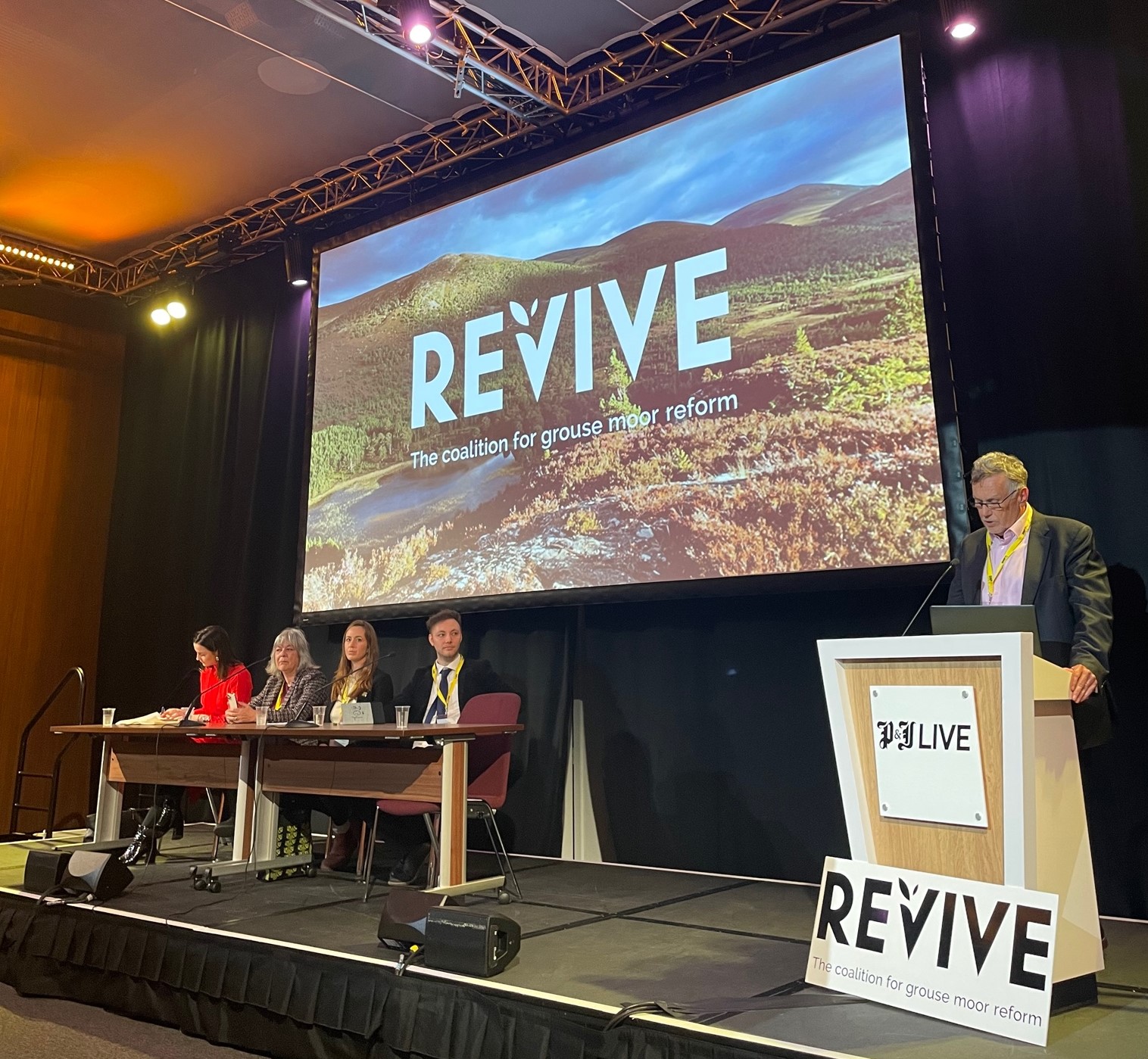
The announcement was made at its AGM on 15th October 2022 and follows on from an internal review process first initiated in October 2019 (e.g. see here, here, here and here).
The ‘announcement’ itself has all been a bit strange. A few days prior to the AGM, Beccy Speight, the RSPB’s Chief Executive, sent emails to a wide number of ‘stakeholders’ in both the conservation and shooting sectors, giving them a heads-up about the imminent announcement. Here’s what she said:
I just wanted to bring you up to speed on an announcement we will be making at our AGM later this week.
As you know, in 2020 the RSPB set out that in the current nature crisis, it is imperative to reduce the negative impacts of the release of non-native gamebirds . And, given the urgency of the crisis, we said we would call for stronger regulation if there was no significant progress, initially within 18 months, and latterly by October 2022.
Having now completed this assessment, we have seen little progress (albeit that gamebird numbers released this year have gone down due to avian flu and resultant problems importing birds from France). There is a high degree of agreement between shooting and conservation organisations on what would constitute sustainable practices, but overall, there is a lack of evidence to show that this guidance is being followed and hence a lack of evidence for a reduction in negative impacts from gamebird releases.
Our concern is about large-scale shoots, and not small-scale farm shoots, where there is often a net benefit for native wildlife.
Given this lack of progress towards a more sustainable gamebird shooting industry over decades and minimal signs of positive change for the future,we have concluded that further regulation and better enforcement of existing rules will be required to deliver the changes necessary in the face of a nature and climate crisis.
This view is reinforced by evidence from other sectors on the widespread failure of voluntary approaches to deliver positive environmental change and is in line with the recommendations of a recent UN report, which recommended enhanced powers for authorities to use revokable licences for gamebird shooting where raptor persecution occurs. While there is still work to do on the detail of how additional regulation and enforcement can be used most effectively to deliver the changes we need to see, the direction of travel is clear.
This change in our policy will be announced at our 2022 AGM this Saturday, but we wanted to ensure you had advance sight of the announcement.
With all good wishes,
Beccy
‘Someone’ from the shooting industry leaked the content of this email prior to the AGM, resulting in the publication of a vicious misrepresentation of the RSPB’s position on a number of pro-shooting websites.
The rest of us waited for the announcement at the AGM and then anticipated that the RSPB would issue a formal public statement on which we could base our commentary.
However, that statement hasn’t been issued. Don’t ask me why – I don’t understand why such a big position change by the RSPB has been handled in such a low key way, especially as this is a subject on which the RSPB has been criticised in the past, with many in the conservation sector frustrated at what has been widely perceived as a lack of RSPB backbone.
Anyway, the mystery of the RSPB’s publicity machine aside, I’m delighted to see the RSPB finally reach a decision on this issue and look forward to hearing further details, i.e. what new regulations it thinks are needed (it has alluded in the past to licensing) and what measures it thinks will be effective to increase the enforcement of current regulations.
Predictably, the gamebird shooting industry has over-reacted to the RSPB’s new position and two organisations (BASC here and the National Gamekeepers Organisation here) have called it an ‘attack’ on shooting and gamekeeping, with BASC even laughingly claiming the RSPB’s three-year review ‘is not based on evidence’.
On the contrary, it’s based on very carefully (and cautiously) assessed evidence, as you’d expect from the RSPB.
Blog readers are encouraged to watch this video from Jeff Knott (in his new position of RSPB Director of Policy and Advocacy), annoyingly tucked away on an obscure YouTube channel instead of being given some serious prominence by the RSPB’s PR machine.
Jeff’s commentary is measured, well-balanced and provides a coherent explanation about why the RSPB has beefed up its position on the regulation of gamebird shooting: