
The ongoing use of toxic lead ammunition in the UK is no laughing matter. This stuff should have been banned years ago when Governments were first made aware of lead’s toxic effect on our environment, our wildlife, and our people.
But no, even though most of the previously significant sources of lead in the environment (e.g. lead-based paint and leaded petrol) were eliminated decades ago due to their known damaging effects, the use of toxic lead ammunition for gamebird shooting has been allowed to continue, largely thanks to selfish, idiotic shooting organisations campaigning for the right to use toxic lead and sod the consequences to the environment, wildlife and human health.
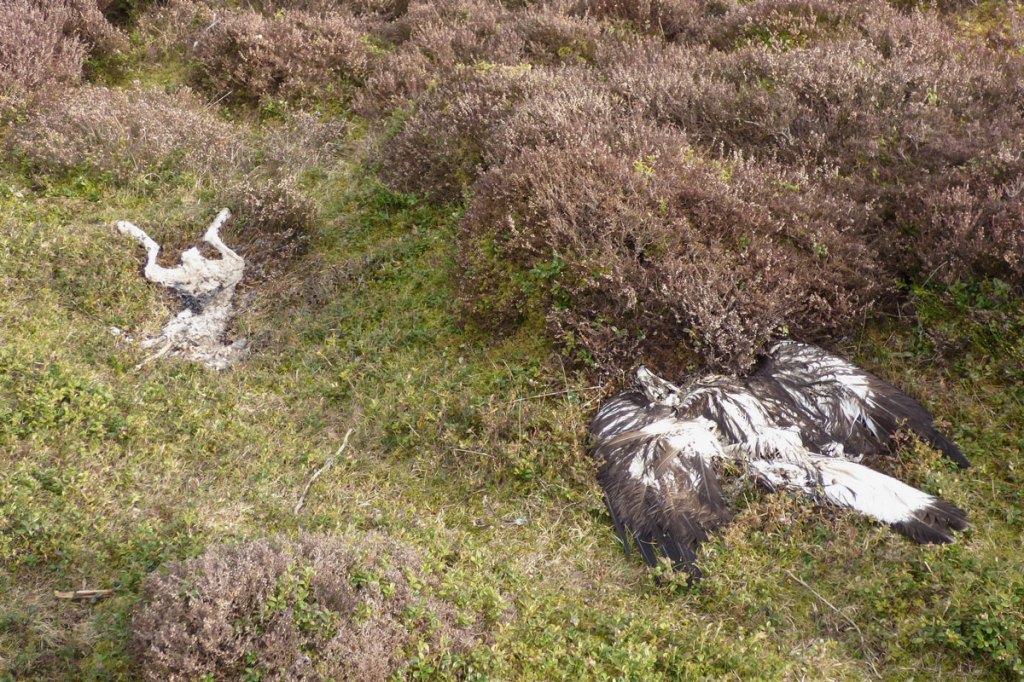
[US Fish & Wildlife Service researchers examining 58 dead Bald Eagles in 2012. 60% had detectable concentrations of lead. 38% had lethal lead concentrations. Photo by USFWS]

There are various restrictions/bans in Scotland, England and Wales introduced between 1999-2004 on the use of lead ammunition over wetlands, but research has demonstrated that that has largely been ignored by a significant number of shooters:
It’s also worth mentioning for new blog readers that UK gamebird meat is still exempt from testing for poisonous lead whereas every other type of meat destined for the human food chain is not. It’s scandalous. (E.g. see here).
In 2020, after seeing the writing on the wall in parts of the US and Europe where more progressive, enlightened Governments have made huge strides to get rid of toxic lead ammo, nine of the UK’s shooting organisations, including the National Gamekeepers Organisation, suddenly made a massive U-turn and announced they were introducing a ‘five year voluntary transition away from toxic lead shot’. Many of us believed it was simply a propaganda ploy to fool the Government and the public that the shooting industry was finally taking responsibility for its filthy, damaging activities.
So far, two years into the so-called ‘transition’ they’ve made no progress whatsoever in moving away from the use of toxic lead shot (see here and here).
Notably, the dinosaurs at the Scottish Gamekeepers Association refused to sign up because they didn’t think there was sufficient evidence to support a move away from the use of toxic lead ammunition (yes, really).
Earlier this year, the main shooting organisations’ fear became reality when the Westminster Government, with support from the Scottish and Welsh Governments, finally agreed to consider a lead ammunition ban in ALL environments (not just wetlands) (see here).
As part of this process, last month a dossier was published by the UK Health & Safety Executive showing that the damaging effects of toxic lead ammo ‘are not adequately controlled‘ [more like, are not controlled at all!] and the authors set out a framework for a ban. The dossier/report is lengthy and detailed but the evidence is clear:
A six-month public consultation on the terms of the proposed ban is now underway, due to close on 6th November 2022 (see here). The consultation is based on the recommendations of the review and covers issues such as:
- a ban on the sale of lead shot
- a ban on the use of all types of lead ammunition for live quarry shooting including lead shot, shotgun slugs, lead bullets and airgun pellets
- a ban on the use of lead shot for outdoor target shooting with possible exemptions for licensed athletes at licensed ranges with appropriate environmental protection measures
- a ban on the use of lead bullets for outdoor target shooting with possible exemptions for shooting at licensed ranges with appropriate environmental protection measures
- mandatory labelling of the packaging of lead ammunition regarding the hazards and risks of lead.
Proposed transition periods for each of the restrictions vary, and range from 18 months to five years.
You’d think that shouldn’t cause the shooting organisations any concerns at all, especially as they’re already two and a half years in to their own five-year voluntary transition away from lead ammo, right?
But look at this full-page advert by the National Gamekeepers Organisation published in this week’s Shooting Times. It’s almost like they’re trying to ‘out dinosaur’ the Scottish Gamekeepers Association, and that takes some doing!








 Raptor Persecution UK