Not just any red grouse…part 2

Last week we blogged about the news that Marks & Spencer was planning on selling red grouse at two of its flagship stores in London (see here). Naturally, given our interest in the management of grouse moors and the widespread illegal persecution of raptors that is associated with a lot of them, we wanted to know if M&S could reassure their customers that they were sourcing their red grouse from  suppliers who didn’t illegally kill wildlife to increase their grouse stock. This seemed a perfectly reasonable question, especially as we learned that the grouse moors in question included some in Yorkshire, a county with one of the worst records for raptor persecution in the whole country.

We (and many of you, thank you!) emailed Executive Director of Food at M&S, Steve Rowe, to ask him some questions.

It turned out that Mr Rowe was away until 27th August, but a response was received from Mike Rogers from the Executive Office. Here’s what he said:

Thank you for emailing Steve Rowe to share your concerns about the introduction of grouse into some of our stores. As a member of his personal team, I’m replying on his behalf.

We have the highest standards of animal welfare and only source from suppliers we know and trust. Our game range is sourced from well-managed estates across the UK stretching from Nottinghamshire to the Scottish borders, with the majority of product coming from Yorkshire and Northumberland.

Game is one of the most animal welfare friendly meats you can eat as it is totally free range – the birds live totally in the wild and in their natural habitats. It is also a very sustainable option and good estate management and conservation intended for game shooting actually stops deforestation, and encourages the protection of the countryside.

There are no breeding pairs of hen harriers on the grouse moors we take from and there are severe penalties for anyone that interferes with Hen Harriers – this is actively enforced not just for Hen Harriers but all species of raptors.

I appreciate you taking the time to get in touch with us to raise your concerns about the sale of grouse in our stores. I hope my email has helped to reassure you of how seriously we take our commitments to the environment and ethical sourcing.

Kind regards

Mike Rogers

Executive Office

Your M&S Customer Service

Clearly Mr Rogers didn’t have a scoobies what he was talking about and was just regurgitating some inaccurate and frankly absurd propaganda probably fed to him by someone with a vested interest in selling red grouse.

We wrote back to Mr Rogers, pointed out the flaws in his statement and asked again if he would please name the actual grouse moors from where the M&S red grouse were being sourced. A very reasonable question, you’d think, given M&S’s stated policies on ethical food sourcing, including their ‘Named Farmer’ scheme, designed to provide traceability to secure consumer confidence.

m&s_0This is the message that came back, this time from Stephen Duxbury in the Executive Office:

Thank you for your email. I hope you don’t mind me responding on Mike’s behalf.

I’d like to reiterate that we are working with only the most sustainable and well-managed estates, and do not work with any suppliers that interfere with Hen Harriers. We take issues regarding animal welfare very seriously, as evidenced in our Plan A programme. You can read more about our Plan A at http://plana.marksandspencer.com/?intid=gft_plana.

I’m afraid I am unable to give you specific details of our suppliers, as this is commercially sensitive information.

We are unable to comment further on this matter at this time, but I hope you will not interpret this for a lack of interest from M&S. We are closely monitoring this matter and will continue to review the situation. This will enable us to guarantee our suppliers are meeting our exacting ethical standards.

Thank you again for your email.

Kind regards
Stephen Duxbury
Executive Office

So, M&S are apparently ‘not working with any suppliers that interefere with hen harriers’. How can they be so sure? Did they have a conversation with their suppliers? Did it go something like this? –

M&S: Are you involved in the illegal persecution of hen harriers on your grouse moor?

Red grouse supplier: No.

Genius. Of course nobody in their right mind is going to admit to any involvement in any criminal activity. Did M&S do anything else to ensure that their suppliers are not engaged in the criminal persecution of wildlife? We think their customers have a right to know. We would also like to know why M&S think revealing the name of the grouse moors is too ‘commercially sensitive’ and yet with other meat products they’re prepared to name the actual farmer!

There are plenty of other questions to ask them, too. Mark Avery has a cracking blog on the M&S scandal today, with further questions about legal predator control and lead poisoning (see here).

M&S have done their best to shut down this conversation (see the last paragraph in the above letter) but that just ain’t going to happen. Steve Rowe (or his colleagues) have one last chance to answer our questions (namely, from which grouse moors are they sourcing their red grouse and what assessment have they used to determine whether the illegal persecution of raptors is carried out on those moors?) before we take the next step.

What will be the next step? The Trading Standards Office. We think the TSO will be very interested in the claims M&S are making about this product, particularly under the terms of the Trade Descriptions Act. It wouldn’t be the first time that M&S have found themselves under investigation by the TSO – in 2005 they were fined £10,000 + costs for making misleading claims about some of their products (see here). And just today, Tesco has been fined a whopping £300,000 + costs for misleading its customers over strawberries (see here).

Please join us in emailing Steve Rowe today and give him (or his colleagues) 7 days to answer these questions fully or else they can do their explaining to Trading Standards. Email: steve.rowe@marks-and-spencer.com

Peregrine shot, barn owl chick stolen, hen harriers remembered

It’s been quite a day. The so-called ‘Glorious 12th’ has been taken back by the conservationists and re-named Hen Harrier Day, in an inspired move by Alan Tilmouth (read his blog entry here).

Although he only came up with the idea yesterday, Twitter has been alive today with hundreds of people using the #henharrier tag to celebrate these spectacular birds and to express their anger at the virtual extermination of the species on grouse moors across England. Unsurprisingly, the game-shooting organisations were conspicuously absent.

Mark Avery also came up with a plan to help hen harriers. He’s called it BanGS – see here.

Meanwhile, news came through that police in Bolton are appealing for information after an injured and distressed peregrine was found by the side of a road. It had been shot. Full details here.

Elsewhere, the Suffolk Wildlife Trust is appealing for information after a barn owl chick was stolen from the Carlton Marshes Nature Reserve last night. Information here.

In other news, we’ve been having a look at some VERY interesting literature – a copy of the Leadhills Estate gamebook (don’t ask how we got hold of it!!) – which very helpfully documents annual counts of killed ‘vermin’ over a considerable number of decades. ‘Vermin’ in Leadhills-speak includes hawks, badgers, otters, cats and ravens amongst others. It’s fascinating. We’ll be writing more on this in due course…

Leadhills game book vermin lists

Hen harriers in England are fucked

RSPB press release here

If you’re offended by the title of this post then you really shouldn’t be here. Try getting offended by the news that there wasn’t one single successful hen harrier nest in England this year. Now THAT’s worthy of your outrage.

Here is some more media coverage from this morning:

BBC News here and good interview with RSPB’s Jeff Knott on BBC here.

The Guardian here, where the Moorland Association blames ‘the long cold winter’ for breeding failure!

The RSPB’s Skydancer blog here, where a fieldworker tells the story of one of the failed nests.

And then there’s a classic statement from the National Gamekeepers’ Organisation here, who accuse the RSPB of timing their press release to coincide with the start of the grouse-shooting season. Er, did they miss all the propaganda put out by the game-shooting industry this week about how good grouse-shooting is for conservation?? See here. They also suggest that hen harriers are doing well in the grouse moor stronghold [stranglehold] of Scotland! 505 territorial pairs in a country that has the capacity to support 1467-1790 pairs isn’t a very good example to show how great grouse moors are for hen harriers, especially when HHs are absent from large swathes of grouse moor in the Eastern Highlands and Southern Uplands!

Grouse-shooting propaganda rises as the 12th approaches

You don’t need to look at your calendar to know that the 12th August is approaching; the rise in grouse-shooting propaganda tells you that the opening of the grouse-shooting season is almost here.

There have been several comical articles in recent days, including this one (titled ‘Grouse shooting praised for environmental work’), this one (titled ‘Benefits of managing Scotland’s natural assets’) and this one (titled ‘Grouse shooting season to be the most glorious for years’).

Each of these articles talks about how great grouse moors are for ‘rare wildlife’ and uses waders as the reference point. This isn’t rocket science – of course ground-nesting birds will benefit if their predators are systematically eradicated. Unsurprisingly, none of the articles mention the other ‘rare wildlife’ that certainly doesn’t thrive on intensively driven grouse moors – birds of prey.

There is though, one exception. A press release put out by the GWCT yesterday (see here) actually acknowledges that illegal persecution on grouse moors has had an impact on the hen harrier. They’re not kidding! Breeding hen harriers have been virtually driven to extinction in England. Last year there was one solitary breeding pair. This year….well, we don’t know yet. We haven’t heard of any breeding pairs in England although that’s not to say there haven’t been any – it’s possible that there may have been one or two and the nests have been kept top secret to protect them. No doubt we’ll hear more later in the year. But one thing’s for sure – there certainly haven’t been 300+ breeding pairs – this is the estimated population size that could be supported in England if the illegal persecution on grouse moors was stopped.

As for Scotland, well, hen harriers are doing better here than they are in England, but then that’s not difficult. A total of 505 territorial pairs were recorded during the last census (2010), more than a 20% decline from the previous survey done in 2004. Scientific studies suggest there is the potential for between 1467 – 1790 pairs if they were just left alone. They are absent from large swathes of, er, grouse moors, in eastern and southern Scotland.

It’s good to see GWCT publicly acknowledge the occurrence and extent of illegal persecution on grouse moors – it’s the first step in addressing the issue. Incredibly, a lot of their mates in the grouse-shooting world still refuse to admit it. As long as that denial continues, there is no hope for turning around the fortunes of this severely threatened bird.

Cllr John Sheahan in radio interview

Limerick Council leader John Sheahan was interviewed on the radio last Friday (2nd August) about his comments calling for ‘open season’ on the hen harrier (see here, here and here for background).

The interview took place on RTE Radio’s ‘Mooney Goes Wild’ programme. The first half of the programme is devoted to an interview with Dr Allan Mee of the Golden Eagle Trust, discussing the recent successful fledging of the Mountshannon white-tailed eagle chicks. Sheahan is interviewed in the second half of the programme, along with Allan Mee, who challenges Sheahan’s comments.

You can listen to the podcast here (in the section dated Friday 2nd August).

Moy game fair: carry on regardless

The Moy Game Fair starts today. On the Moy Estate.

Moy is quite the venue. In 2010, the following was found there:

  • A dead red kite in the back of a gamekeeper’s vehicle. It had two broken legs and had died as a result of a blow to the head (see photo).
  • The remains of a further two dead red kites.
  • A red kite’s severed leg, along with wing tags that had been fitted to a sateliite-tracked red kite, hidden in holes covered with moss.
  • Six illegal baited spring traps set in the open.
  • A trapped hen harrier caught in an illegally set spring trap.
  • A poisoned bait.
  • Four leg rings previously fitted to golden eagle chicks found in the possession of a gamekeeper.

In May 2011, gamekeeper James Rolfe was convicted for possession of the dead red kite found in the back of his vehicle. He was fined £1,500. No charges were brought against anyone for any of the other offences.

If you’re heading to the Moy Game Fair, keep an eye out for ‘missing’ red kites. In May 2011, a satellite-tracked red kite ‘disappeared’ there. In August 2011, another red kite ‘disappeared’ there.

Ironically, representatives from the game-shooting industry will all be there, telling visitors how great their industry is for nature conservation. So much for strong leadership and zero tolerance (see here).

Talking of venue choice……..take a look at this! A government-approved GWCT training course being held at the one and only Glenogil Estate!

The photograph below shows the dead red kite with two broken legs and severe head injuries, lying in the back of a gamekeeper’s vehicle.

Moy kite 2a

Langholm harriers 2013: sat-tag movement maps now online

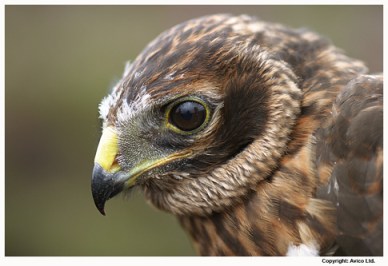
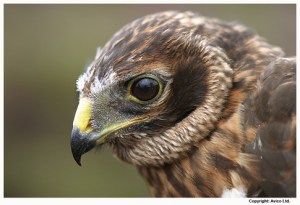
Hen-Harrier-1 avico ltdFour of the ten hen harriers that hatched at Langholm this year have been sat-tagged and their movement maps are now available online.

The four tagged birds are three females (Grainne, Miranda and Hattie) and one male (Blue).

It’s hard to be optimistic about their chances of survival as they disperse away from the Langholm moor and head towards the badlands, north and south, especially as the start of the grouse-shooting season approaches on the InGlorious 12th August.

Thanks to Dr Cat Barlow of the ‘Making the Most of Moorlands Project’ in Langholm, we’ll be able to follow their progress. Let’s hope they make it past October this year.

Follow the birds here

Cllr Sheahan unrepentant according to Sunday Times article

Continuing the story about Limerick Council leader John Sheahan’s call for an ‘open season’ on hen harriers (see here, here and here), the following article has appeared in today’s Sunday Times (thank you to the contributor who sent us the copy). 

Open Season Sunday Times 28072013[1]a

Here is a transcript:

Conservation groups in Ireland and Britain have called for a councillor’s resignation after he asked for open season to be declared on hen harriers, a rare bird of prey.

John Sheahan, the newly elected cathaoirleach of Limerick County Council, made the remark in an interview with the Limerick Leader newspaper where he was commenting on the restrictions placed on landowners in Special Protection Areas (SPA).

He said the October budget should be the deadline for the government to address this issue “and if nothing happens by then ‘open season’ should be declared on the hen harrier”.

Following the remarks, Jimmy Deenihan, the minister for arts and heritage, wrote a letter to the councillor, which he received on Friday. Deenihan said Sheahan’s “comments in the media recently were extremely unfortunate as they may be construed as an incitement for people to break the law and harm these birds”.

The hen harrier is one of Europe’s rarest birds of prey. The letter declares that anyone who harms these birds or deliberately destroys their breeding or nesting habitats will be liable to prosecution. The minister continued that it would be “useful” if Sheahan could publicly clarify that he did not condone any such activity.

The councillor told The Sunday Times that he owns SPA land near Glin in Co Limerick. He said that this issue was a personal concern to him but that he was speaking as a public representative.

Sheahan said that the bulk of responses he had received following his remarks came from overseas. He said he understands the reaction of conservation groups but “they need to understand that it’s a two-way street and that we all have to live together”.

The Raptor Persecution Scotland blog published the article with Sheahan’s comments on its website and called for his resignation. The bloggers said they were astonished by the councillor’s remarks.

Sheahan sent a statement to everyone who contacted him saying he did not intend to imply that the bird of prey be hunted down. He said his comment was meant to be seen in the context of his political battle with the Irish government about landowners living in protected areas.

His response did not impress the Scottish group. “Somebody with such a disgraceful attitude to wildlife and to the law that protects that wildlife should not be in a position of power and influence”, it responded.

An online petition calling for the councillor’s resignation has received more than 1,100 signatures to date. People from countries as far away as Brazil and South Africa have added their names to the appeal.

Sheahan, however, does not regard the issue as a resigning matter. “I possibly upset a lot of people in relation to the hen harrier. It was a remark made in frustration rather than anything else”.

He said people in west Limerick were “at their wits’ end” dealing with marginal land that is difficult to farm at the best of times. “What they are looking for is a certain plan to be put in place to shore up the losses they are incurring from being designated as a particular area for the hen harrier”.

Sheahan is also a member of the Irish delegation on an environmental commission in the EU which represents local and regional government in the EU’s policy formation and decision-making processes. He denied his remarks were inappropriate given this role. He said: “I represent Ireland on the committee of regions and I think I do a good job there”.

Conn Flynn, development officer at the Irish Wildlife Trust, said that he was appalled at the comments. “It is disturbing that individuals with that mind-set are representing Ireland on a European level”.

The Trust which has also called for Sheahan’s resignation, is concerned about the impact of his statement. “When you say ‘open season’ when representing the public, it is completely and utterly irresponsible”, added Flynn.

John Lusby, raptor conservation officer at BirdWatch Ireland, said that predators such as the hen harriers were vital for a well-functioning ecosystem. “Without them, the ecosystem wouldn’t be in balance. They play an essential role in our countryside”, he said.

The government designated six upland areas as special protection areas following a 2007 finding by the EU Court of Justice. It said that Ireland failed to protect certain birds of prey, including the hen harrier, in line with obligations under the Birds Directive.

If you haven’t already done so, please consider signing the petition calling for Sheahan’s resignation: http://www.thepetitionsite.com/takeaction/358/804/673/

Cllr Sheahan’s response

Further to our earlier posts about Limerick Council leader John Sheahan calling for an ‘open season’ on hen harriers (see here, here and here), this is his response:

Reply to “OPEN SEASON “remark

Dear Sirs,

I wish to thank you for writing to me to express your views in relation to an article that appeared recently in the Limerick Leader newspaper.

In the article in question I made reference to “OPEN SEASON” on the hen harrier if certain changes were not made.  This remark infers that I advocate that this bird of prey be hunted similar to wild game that is hunted at certain times of the year. This inference was entirely unintended and I apologise for any upset my comment may have caused. I wish to clarify that my comment was meant in the context of my political battle with the Irish Government to seek a proper plan whereby the landowners and particularly, the farmers are not out of pocket by a designation that hamstrings them from earning their livelihood. This, unfortunately, is the case at present.  

I refer in my article to a situation whereby I believe all can co-exist. I ask would you seek to be compensated if your Government or local council made changes that devalued your property or adversely affected your ability to make a livelihood.  The records show that the overwhelming majority of landowners do not receive any compensation. When the SPA designation was introduced it was done in tandem with a compensation package to accommodate landowners. However, the scheme was axed in the very early stages leaving farmers out of pocket and their livelihoods threatened.

I hope I have provided you with some idea of the level of frustration experienced by landowners in the affected areas. I would ask you, in the best interests of the Hen Harrier, to support me and lobby the Government and the powers that be in Europe for a properly managed and adequately funded plan of conservation so we, all as creatures of this world, can live in harmony.

Yours faithfully,

John  Sheahan

Care about hen harriers? Then please sign this….

http://www.thepetitionsite.com/takeaction/358/804/673/