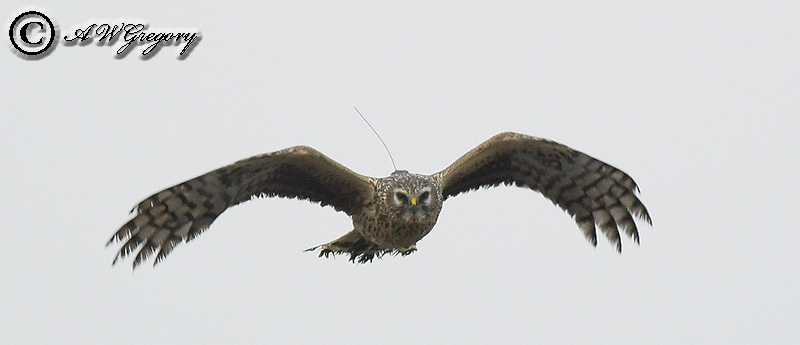
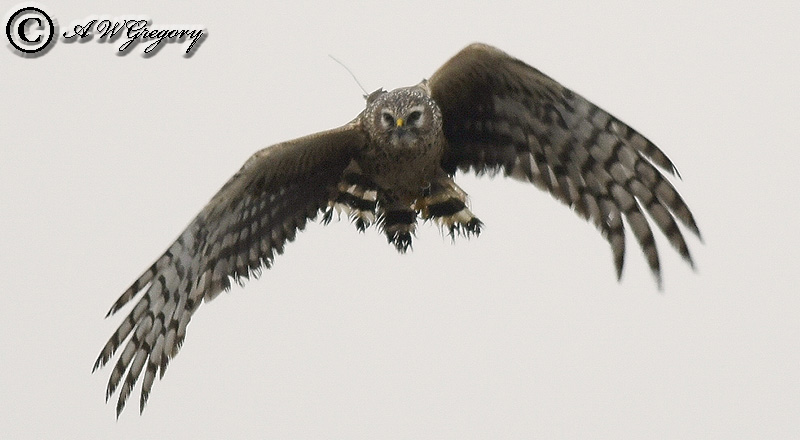
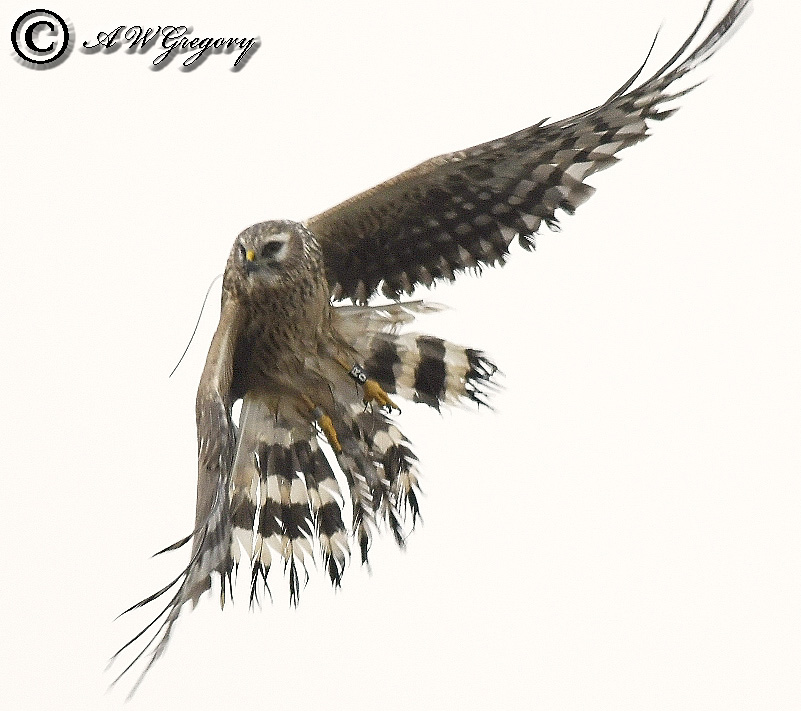
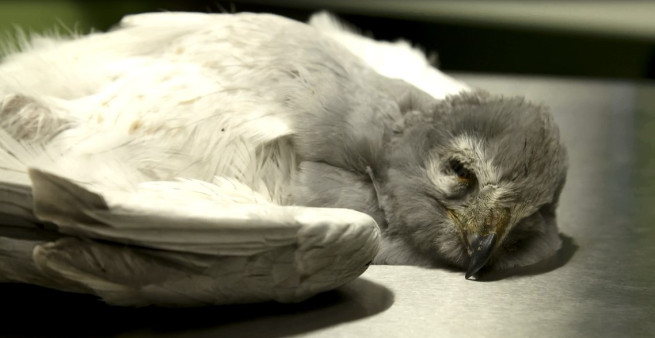
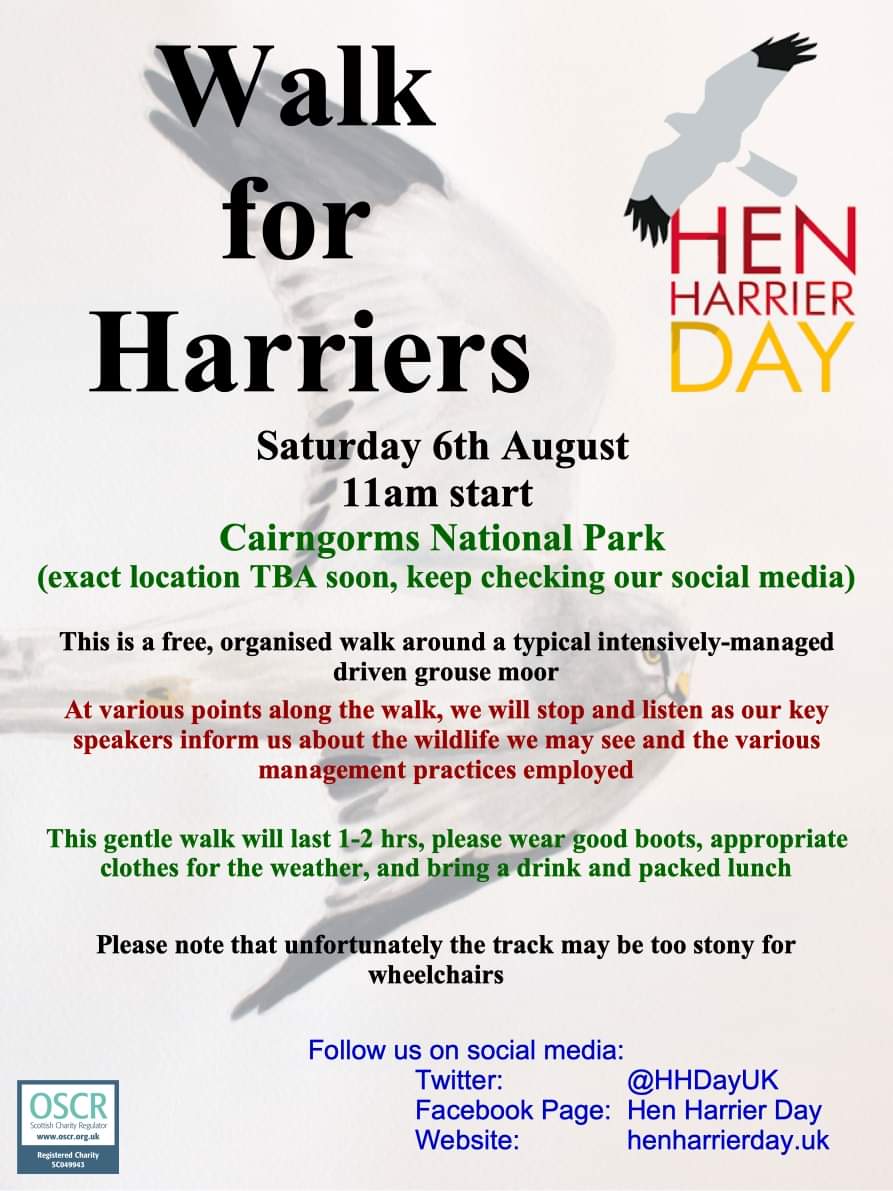
EVENT: Walk for Harriers, Cairngorms National Park, 6th August 2022

Hen Harrier Fest – this Sunday!

Hen Harrier Fest takes place this Sunday (24th July 2022) at Adlington Hall & Gardens in Cheshire.

Over 1,400 people have registered to attend – I hope to see many of this blog’s readers there!

Registration is still open – you’ll find all the information you need about the event on the Wild Justice website here.

Donations urged to ‘help make history happen’ as South Scotland’s biggest community buyout battles odds in final fortnight

Press release from the Langholm Initiative (20th July 2022)

Donations urged to ‘help make history happen’ as South Scotland’s biggest community buyout battles odds in final fortnight

Now or never for one of UK’s largest community-led nature projects

People are being urged to keep donating to a public crowdfunder and major donors are being asked to step up as South Scotland’s biggest community buyout battles the odds to tackle a £400,000 shortfall in its final two weeks.

The town of Langholm in Dumfries and Galloway has until 31 July to raise £2.2m to purchase 5,300 acres of Langholm Moor from Buccleuch.

Success would double the size of the community-owned Tarras Valley Nature Reserve – helping to tackle the nature and climate emergencies while boosting community regeneration.

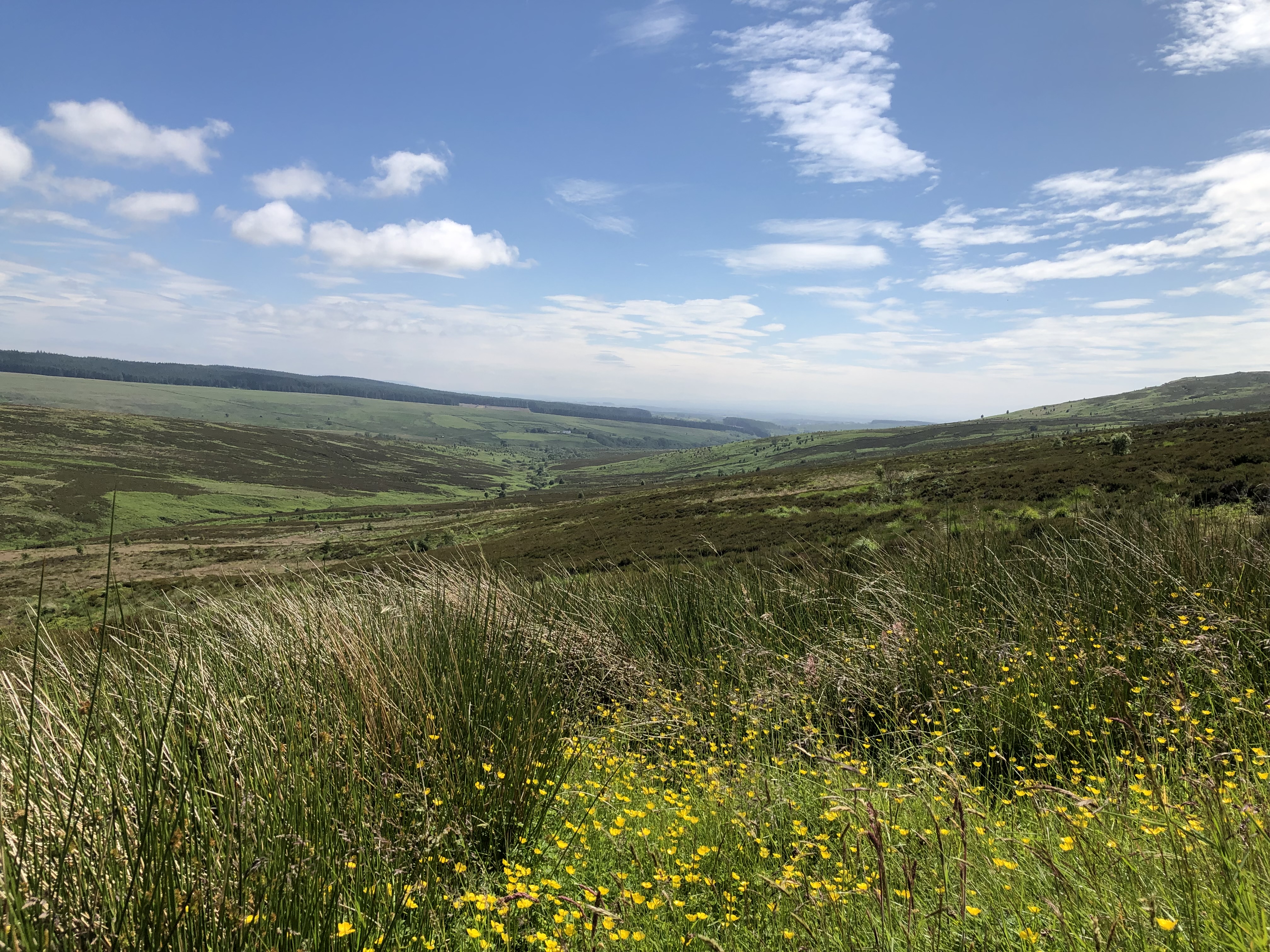
[Tarras Valley Nature Reserve, being transformed from a privately-owned grouse moor. Photo by Ruth Tingay]

In recent days, the public crowdfunder – which has attracted support from thousands of people worldwide – has surged past its £200,000 target, thanks to an influx of donations. But the public is being encouraged to keep donating as the ambitious buyout, led by the local Langholm Initiative charity, goes down to the wire.

We need one last big push to help make history happen and get us over the line. We are urging major donors to come forward, and asking people to keep donating to our crowdfunder. Every pound gets us one step closer,” said Jenny Barlow, Tarras Valley Nature Reserve’s Estate Manager.

This is a once-in-a-lifetime opportunity to purchase this land for people and planet. It really is now or never for one of the UK’s largest community-led nature recovery projects to double its scale.

Last month, the Scottish Land Fund awarded the Langholm Initiative charity £1 million towards the buyout, while the public crowdfunder raised its target from £150,000 to £200,000 towards the purchase – both of which have given significant boosts to the fundraising campaign. The crowdfunder can be supported at bit.ly/LangholmMoorAppeal.

The Tarras Valley Nature Reserve was established last year, following the successful first stage of the community buyout. This saw the community defy the odds to raise £3.8 million to buy 5,200 acres and six residential properties from Buccleuch in March 2021.

On the reserve, globally important peatlands and ancient woods are being restored, native woodlands established, and a haven ensured for wildlife including hen harrier, short-eared owl and merlin.

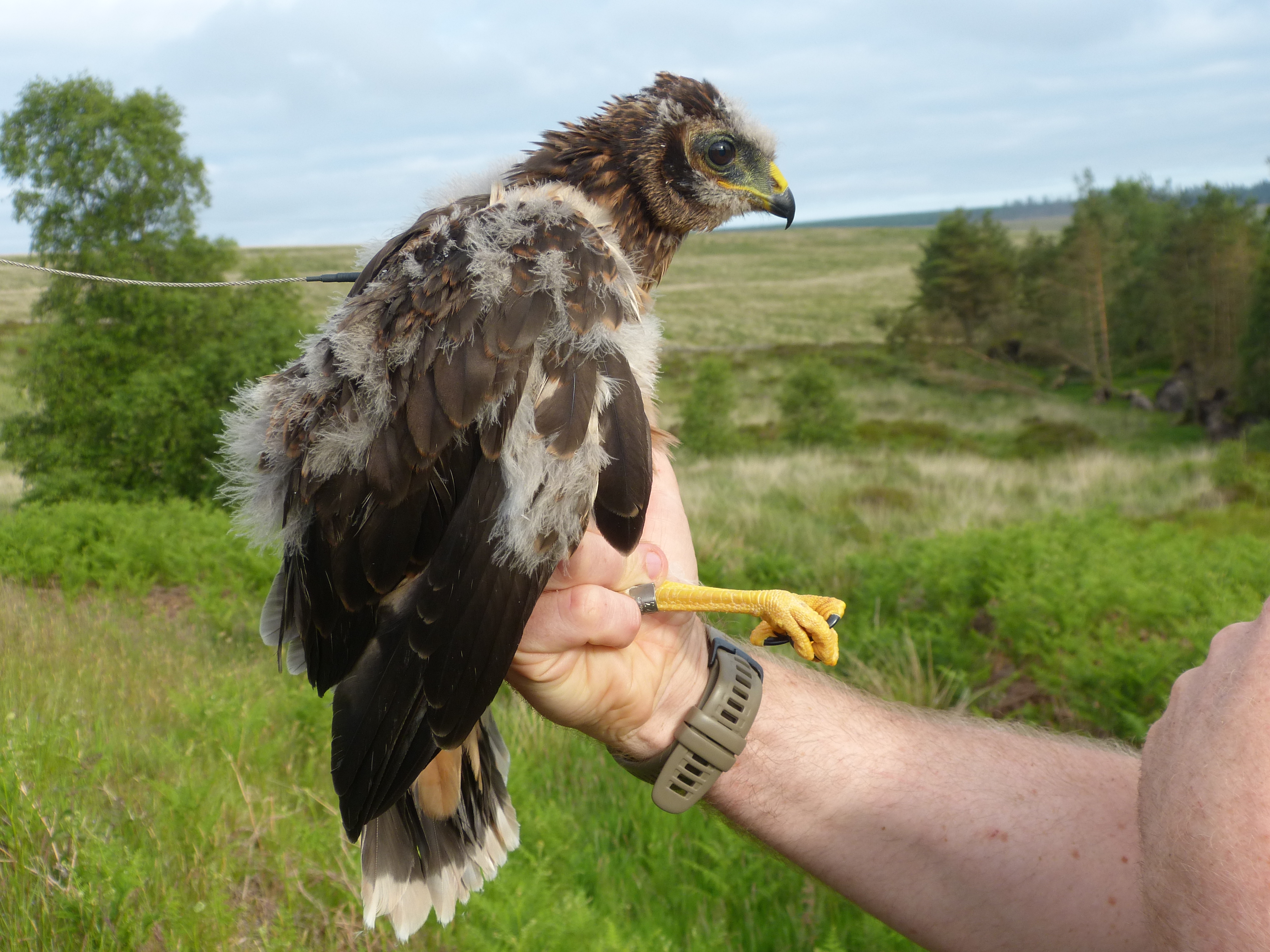
[Thirteen hen harrier chicks fledged successfully on the moor this year. Two have been fitted with satellite tags by the RSPB thanks to a crowdfunding effort by the charity Hen Harrier Action]

Community regeneration and creating new jobs through a nature-based approach is a central aim of the project. Langholm was once a thriving textile centre, but the industry has declined in recent years.

Leading charities backing the buyout include Borders Forest Trust, John Muir Trust, Rewilding Britain, RSPB Scotland, Scottish Wildlife Trust, Trees for Life, and the Woodland Trust. Buccleuch has supported the community bid, agreeing with The Langholm Initiative a fixed purchase price in 2019 and extending fundraising deadlines. 

ENDS

Investigative journalists discover more evidence of alleged raptor persecution on Queen’s Sandringham Estate

Investigative journalists from The Guardian newspaper have uncovered more evidence of alleged raptor persecution crimes, not previously reported, at the Queen’s Sandringham Estate in Norfolk.

They’ve also uncovered documents which reveal that the police have to seek the Queen’s permission before they are allowed to enter the estate and search for evidence if alleged wildlife crimes are suspected / have been reported.

Long-term blog readers will know that this royal estate has been at the centre of a number of police investigations into alleged raptor persecution, (e.g. see herehereherehere, here), including the most notorious incident back in 2007 where witnesses observed two hen harriers being shot over Dersingham Bog at the same time that Prince Harry, his mate William van Cutsem (whose Hilborough Estate is currently under police investigation for alleged raptor persecution), and an estate gamekeeper were out duck-shooting. No-one was charged, as with all the other reported incidents except one in 2005, where an estate gamekeeper was convicted for pole-trapping a tawny owl next to a pheasant pen (see here, page 3).

However, it now appears that at least two other raptor persecution incidents on the estate have been kept under wraps for years – a poisoned red kite found in 2006 and a dead Marsh harrier (cause of death not given) found on the estate border in 2007 – according to documents published on Friday by The Guardian – the article is well worth a read, here.

Why has it taken 16 years for these raptor persecution incidents to become public knowledge? And given the timings, wouldn’t it have been pertinent for them to have been in the public domain at the time that Prince Harry, his ‘high society’ mate van Cutsem, along with an estate gamekeeper, were all under police investigation into the alleged shooting of two hen harriers in 2007?

It’s no wonder ‘nothing was found’ during the police investigation into those alleged shootings, given that the police weren’t allowed on site until the following morning.

And surprise, surprise, none of the investigating authorities want to comment on any of these latest revelations. Too scared and too obsequious.

There is a follow-up article in today’s Guardian (here), including quotes from me about these very shady processes that amount to what I would call a massive cover-up.

Well done to journalists Sev Carrell, Rob Evans and David Pegg for having the balls to challenge this nonsense.

Wild Justice invites you to Hen Harrier Fest, 24 July 2022

Hen Harrier Fest takes place in just under three weeks time on Sunday 24th July at Adlington Hall & Gardens, Cheshire.

To register for this free event, please visit Wild Justice’s Hen Harrier Fest webpage (here) and keep an eye on it as more detail will be uploaded soon!

General Licence restriction imposed on Moy, a grouse-shooting estate, after discovery of poisoned red kite

Press release from NatureScot, 21st June 2022:

General Licence restricted on Highland estate

NatureScot has restricted the use of General Licences on Moy Estate for three years

The decision was made on the basis of evidence provided by Police Scotland of wildlife crime against birds.

This evidence included a poisoned red kite found on the estate in 2020, and incidents in relation to trapping offences.

[Red kite. Photographer unknown]

Donald Fraser, NatureScot’s Head of Wildlife Management, said: “We consider the information from Police Scotland provides robust evidence that wild birds have been killed or taken or there has been intention to do so illegally on this land.

“Because of this, and the risk of more wildlife crimes taking place, we have suspended the use of general licences on this property for three years until June 2025. They may still apply for individual licences, but these will be closely monitored.

“NatureScot is committed to using all the tools we have available to tackle wildlife crime. This measure will help to protect wild birds in the area, while still allowing necessary land management activities to take place, although under tighter supervision.

“We believe this is a proportionate response to protect wild birds in the area and prevent further wildlife crime. We will continue to work closely with Police Scotland and consider information they provide on cases which may warrant restricting general licences.”

General licences allow landowners or land managers to carry out control of common species of wild birds, such as crows and magpies, to protect crops or livestock, without the need to apply for an individual licence.

In addition to this restriction, there are currently three other restrictions in place on Invercauld Estate in the Cairngorms National Park, Lochan Estate in Perthshire and Leadhills Estate in South Lanarkshire.

ENDS

The restriction notice reads as follows:

In line with NatureScot’s published General Licence restrictions: Framework for Implementing Restrictions we hereby give notice that a restriction has been applied to the land outlined in red overleaf. This restriction prohibits the use of General Licences 01, 02 and 03 on that land between 21st June 2022 and 21st June 2025.

Please note that this restriction does not imply responsibility for the commission of crimes on any individuals.

This one has been a long time coming. Moy is one of those estates where if its name comes up in conversation amongst raptor conservationists in Scotland, eyes tend to roll and knowing looks are exchanged. It has been identified as a raptor persecution hotspot for many, many years.

Here is a map we created way back in 2016 to highlight the extent of raptor persecution crimes in former Cabinet Secretary Fergus Ewing’s constituency (given his strong support of the Scottish Gamekeepers Association) and this shows the concentration of incidents on and close to Moy Estate:

Here is a selection of examples, but this is by no means an exhaustive list:

Moy Estate was raided by police in 2010 after the discovery of poisoned bait and dead raptors and illegally set traps. A gamekeeper was later convicted of possession of a red kite after its bloodied corpse was found in the back of his vehicle. It had two broken legs, consistent with being caught in spring traps, and a head injury. A bloodied shinty stick was also found in the back of the vehicle. Notably, the gamekeeper wasn’t convicted for killing the kite, just for having possession of it. Nobody was charged with killing this kite.

These baited traps were discovered on the moor (the illegally-set spring traps were originally disguised under moss, removed here for evidential purposes). No charges were brought.

The remains of two further red kites were discovered on the moor, including a severed red kite leg and some wing tags that had previously been fitted to a kite, all found buried in holes under some moss. No charges were brought.

A jar in one of the gamekeeper’s houses contained the leg rings of four young golden eagles – nobody could account for how they had ended up inside that jar. Perhaps he’d found them whilst ‘metal detecting at his uncle’s farm’ like gamekeeper Archie Watson, who recently gave this implausible explanation to the court for how he’d come to possess BTO leg rings from a buzzard and a red kite attached to his keyring.

This male hen harrier was found caught by its leg in an illegally-set spring trap on Moy Estate in 2010. No charges were brought. It survived after being rescued by raptor workers from the Scottish Raptor Study Group.

In May 2011 a satellite-tracked red kite ‘disappeared’ on Moy, and another one ‘disappeared’ in August 2011.

In 2016 Police Scotland issued an appeal for information following the discovery of disturbed and abandoned buzzard and goshawk nests in the Moy Forest. One goshawk and four buzzard nests were abandoned in suspicious circumstances, with some evidence of illegal disturbance. These nests were being monitored by staff from Forestry Enterprise Scotland (see here). No charges were brought.

In 2017 masked gunmen were caught on camera at a goshawk nest in Moy Forest. A few days later the nest and a clutch of four eggs was found abandoned (see here). No charges were brought.

In 2018 Police Scotland issued an appeal for information after a buzzard was found caught in an illegal pole trap in the Moy area (see here). No charges were brought.

In 2020 a poisoned red kite was found dead, containing traces of a banned pesticide, leading to a police appeal for information (here).

In 2021 an individual was charged with the alleged killing of a bird of prey in this area. This case is believed to be progressing through the courts so I can’t comment further at this stage.

Of course, a General Licence restriction doesn’t amount to much of a sanction in real terms, as I’ve discussed on this blog endless times before (e.g. see here). However, it’s currently the only tool available to the authorities until we finally see the introduction of the promised grouse moor licensing scheme by the Scottish Government. Had that scheme been in place already, we’d hopefully have seen the removal of Moy Estate’s licence to shoot for a number of years, if not permanently.

Meanwhile, what will be really interesting to see is whether the Moy Game Fair goes ahead this year, given that the shooting organisations have all claimed to have a ‘zero tolerance’ approach to raptor persecution. I don’t think the likes of Scottish Land & Estates, Fergus Ewing MSP and the Scottish Gamekeepers Association can expect anything other than high-level criticism if they attend this event on an estate that has now been sanctioned for wildlife crimes by the statutory nature conservation advisor, based on evidence provided by Police Scotland. Mind you, the conviction of a gamekeeper on Moy Estate in 2011 didn’t stop them attending (see here and here).

UPDATE 14th July 2022: Scottish Gamekeepers Association plans award ceremony at disgraced Moy Estate (here)

UPDATE 6th August 2022: Fergus Ewing MSP & his shooting industry pals disregard sanctions imposed on Moy Estate for wildlife crime (here)

UPDATE 22nd August 2022: Moy Estate loses appeal against General Licence restriction imposed for wildlife crime (here)

£1 million award ‘major game-changer’ for South Scotland’s biggest community buy-out at Langholm

Press release from the Langholm Initiative (9th June 2022):

£1 million award ‘major-game-changer’ for South Scotland’s biggest community buy-out

The Scottish Land Fund has awarded the Langholm Initiative charity £1 million in a “major game-changer” for South Scotland’s biggest ever community buyout.

The town of Langholm in Dumfries and Galloway aims to raise £2.2m by July to purchase 5,300 acres of Langholm Moor from Buccleuch, and so double the size of the new community-owned Tarras Valley Nature Reserve.

[Tarras Valley Nature Reserve. Photo by Ruth Tingay]

Success would allow the community to put into action ambitious plans for tackling the nature and climate emergencies while boosting community regeneration.

With the clock seriously ticking if we are to achieve this once-in-a-lifetime community purchase, this award from the Scottish Land Fund is a major game-changer. It has really turned the tide in our favour, and we are hugely grateful,” said Jenny Barlow, Tarras Valley Nature Reserve’s Estate Manager.

Thanks to other generous donations, including from thousands of people from all over the world to our public crowdfunder, we are now just £450,000 shy of reaching our overall target. We’re going to work tirelessly to make this happen.” 

A new stretch target of £200,000 for the buyout’s public crowdfunder has now been set, after donations recently surged past its initial target of raising £150,000 towards the purchase. The crowdfunder can be supported at bit.ly/LangholmMoorAppeal.

The ambitious scale of the buyout has meant that it has at times seemed at risk. Last month an agreement was reached between the community and Buccleuch to extend the purchase deadline by two months until 31 July, to allow more time to raise funds from major donors.

The Tarras Valley Nature Reserve was established last year, following the successful first stage of the community buyout. This saw the community defy the odds to raise £3.8 million to buy 5,200 acres and six residential properties from Buccleuchin March 2021.

On the reserve, globally important peatlands and ancient woods are being restored, native woodlands established, and a haven ensured for wildlife including hen harrier, short-eared owl and merlin.

[Short-eared owl photographed at Tarras Valley Nature Reserve by John Wright]

Community regeneration and creating new jobs through a nature-based approach is a central aim of the project. Langholm was once a thriving textile centre, but the industry has declined in recent years.

Leading charities backing the buyout include Borders Forest Trust, John Muir Trust, Rewilding Britain, RSPB Scotland, Scottish Wildlife Trust, Trees for Life, and the Woodland Trust.

ENDS

Big decisions for National Trust’s policy on grouse moors in Peak District National Park after latest loss of hen harriers

Earlier this month the Peak District Raptor Monitoring Group (PDMG) announced the suspicious disappearance of two male hen harriers, and the subsequent failure of two hen harrier nests each containing five eggs (see here).

[One of the abandoned hen harrier nests. Photo by PDRMG]

Both nests were situated on a grouse moor owned by the National Trust and leased to a tenant. The grouse moor isn’t currently being used for driven grouse shooting (the tenant is believed to be focusing his energy on another moor that he owns) but the nests were close to the National Trust’s boundary and the moor is adjacent to other, privately-owned and intensively managed driven grouse moors, many that have been at the centre of other raptor persecution investigations for a number of years in what is a well-known raptor persecution hotspot (e.g. see here).

The Peak District National Park Authority has issued a statement in response to this latest incident:

Responding to reports of the failure of two hen harrier nests following the disappearance of male hen harriers thought to be supporting the nests in the area, the Peak District National Park Authority said:

“We share the immense frustration and disappointment of the National Trust and all those involved in monitoring our birds of prey, that the opportunity for not one, but two potentially viable nests for the iconic hen harrier has been lost again in the Peak District this year. This is a species which is emblematic of our uplands and where their haunting and often enigmatic presence should be welcomed.

“The fact that successful nesting attempts for the hen harrier in the Peak District remains firmly in single figures across almost two decades, demonstrates the significant challenge that remains for all those working to see their return in a long-term and sustainable way – addressing both conservation needs and the potential impact of wildlife crime.

“We understand a police investigation is ongoing into the matter and stand ready to provide any support to this”‘.

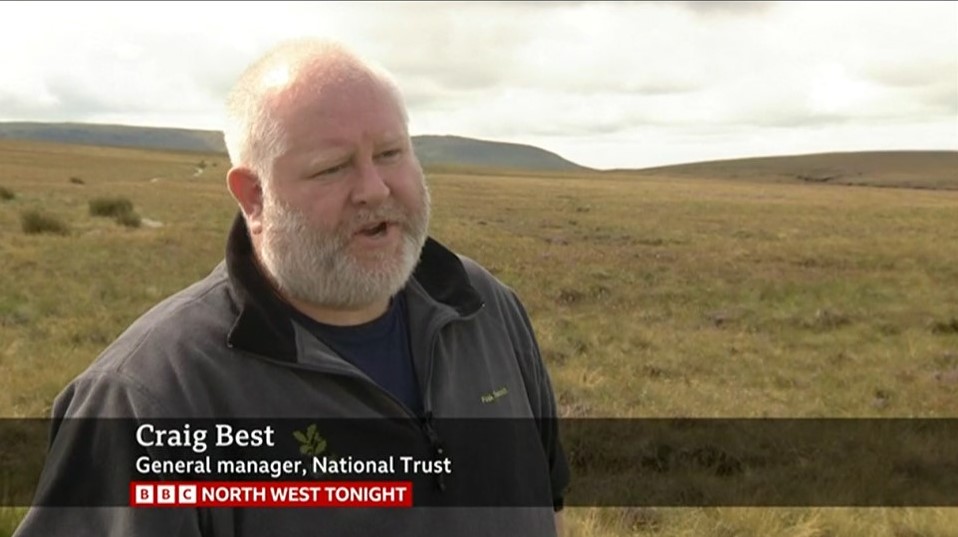
The National Trust has a new General Manager in the Peak District, Craig Best, and his reaction to the suspicious disappearances of the two harriers was as follows:

It’s deeply concerning to learn of the disappearance of two male hen harriers from the High Peak and subsequent abandoning of nests by the females. While the circumstances around this incident are not yet clear, it is indefensible that these beautiful birds still face persecution. The incident has been reported to the police and we’re working closely with statutory agencies and the RSPB to find out what happened.

We want to see a landscape that is full of wildlife, including birds of prey, and we work hard with a range of expert partners to create the right conditions for these species to thrive. Over the past few years we have seen several instances of successful hen harrier breeding in the Peak District“.

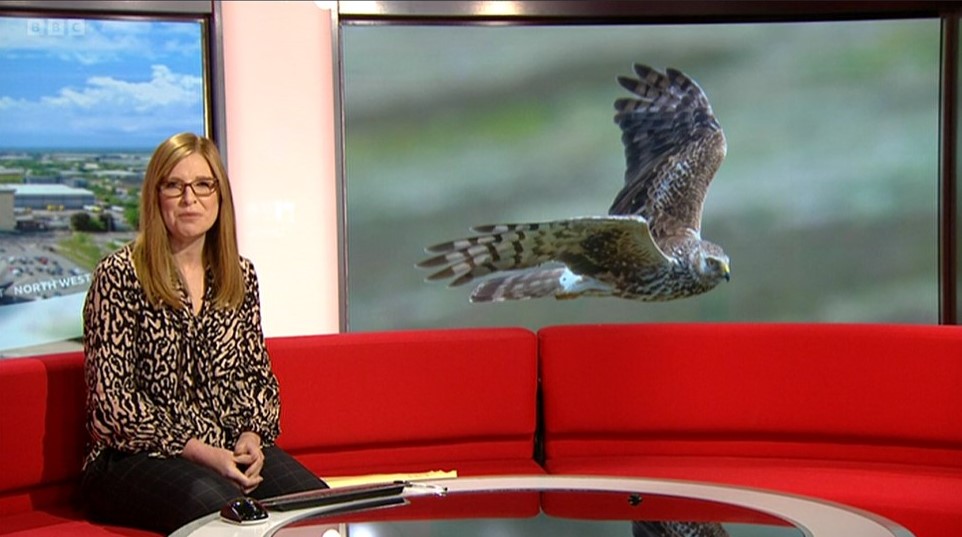
The disappearances attracted a lot of media attention, some of it accurate, some of it not so much, but it made local and national news and I was pleased to see that a couple of them had picked up on the fact that now 70 hen harriers are confirmed missing or illegally killed in the UK since 2018. Here’s some of the coverage in Sheffield Star, BBC News, and The Times, reproduced below:

There was also a feature on the BBC’s East Midlands Regional News, where BBC journalist Simon Hare interviewed Mike Price from the PDRMG – you can watch the video here:

The loss of two more hen harriers and their nests sparked a number of calls for the National Trust to ban driven grouse shooting on its land. I think that’s because many people assumed the harriers had been killed on the grouse moor where they were attempting to breed. The NT faced similar calls for a ban in 2016 when I posted footage of an armed gamekeeper who had been filmed crouching in the heather next to a decoy hen harrier on another NT-owned grouse moor in the Peak District National Park, presumably trying to entice a harrier to come in close so he could shoot it (see here).

That footage was so disturbing and the public reaction to it so strong, it prompted the National Trust to pull the shooting lease early and replace the shooting tenant with someone more conservation-focused, in what was a significant response at that time although some campaigners saw it as a lost opportunity to remove driven grouse shooting altogether (see here).

Since then, the NT has modified its tenancy agreements (e.g. see here), at least one new tenant has been and gone, and at least one current tenant is hosting a number of successfully breeding raptor species whilst moderately managing a driven grouse shoot (far less grouse shot last year compared to the thousands shot on some of the more intensively-managed moors). It has been reported recently that the NT has agreed to introduce even more modifications on its moors such as the removal of medicated grit, burning restrictions and the removal of traps and snares, although I haven’t yet seen a formal statement on this from the National Trust.

Some may argue that banning driven grouse shooting entirely from National Trust land is the only way forward, but some local raptor workers suggest the situation is a bit more nuanced than that and that just banning it on NT moors could actually lead to an increase in raptor persecution. They argue that as long as the NT has raptor-friendly shooting tenants, those tenants’ gamekeepers are acting as a sort of shield against gamekeepers from neighbouring, privately-owned estates from entering NT land and killing whatever they want. Of course, that doesn’t stop the raptors being killed if they fly from NT land on to neighbouring private estates to hunt, which is what many suspect has happened with these latest two ‘disappearances’.

It seems to me that the Peak District National Park Authority should be the organisation banning driven grouse shooting across the entire National Park. That would seem to be a far more effective prospect than a piecemeal approach by the National Trust, at least in terms of tackling the rampant raptor persecution taking place inside this National Park.

That’s not to say that the National Trust shouldn’t be banning driven grouse shooting, though. As we know, raptor persecution is only one of many environmentally-damaging issues associated with driven grouse shooting – burning, widespread and unregulated use of an environmentally toxic veterinary drug (medicated grit), and the lawful killing of thousands of native animals (e.g. foxes, stoats, weasels, corvids etc) to name just a few, all to create an artificial environment to maximise the production of red grouse for paying guests to shoot in the face for a bit of a laugh. That the NT still supports this management in what are supposed to be enlightened times, is quite remarkable.

However, if the National Trust has recently changed its policy, as has been reported, this could effectively lead to an end of driven grouse shooting on NT land without a formal ‘ban’ having to be introduced. But where will that leave the raptors trying to nest on NT land, still surrounded by privately-owned intensively-managed driven grouse moors?

Interesting times ahead in the Peak District National Park.

Skydancer Day – Saturday 14th May 2022

‘Skydancer Day’, the brainchild of the charity Hen Harrier Action, is an online annual event designed to celebrate and raise awareness of hen harriers as a springtime alternative to the annual Hen Harrier Day, held in August.

This year, Skydancer Day will take place on Saturday (14th May 2022) from 10.30am and can either be watched live on Hen Harrier Action’s YouTube channel (here) or you can watch the recorded video any time after the event.

Hosted this year by talented young presenters Megan McCubbin and Indy Greene, there’s a pretty good line up, including a revealing interview between Scottish Environment Minister Mairi McAllan and Max Wiszniewski from REVIVE, the coalition for grouse moor reform.

70 hen harriers confirmed ‘missing’ or illegally killed since 2018, most of them on or close to UK grouse moors

For anyone who still wants to pretend that the grouse shooting industry isn’t responsible for the systematic extermination of hen harriers on grouse moors across the UK, here’s the latest catalogue of crime that suggests otherwise.

[This male hen harrier died in 2019 after his leg was almost severed in an illegally set trap that had been placed next to his nest on a Scottish grouse moor (see here). Photo by Ruth Tingay]

This is the blog I now publish after every reported killing or suspicious disappearance.

They disappear in the same way political dissidents in authoritarian dictatorships have disappeared” (Stephen Barlow, 22 January 2021).

Today the list has been updated to include the two most recently reported victims, two male hen harriers that ‘disappeared’ from a National Trust-owned grouse moor in the Peak District National Park earlier this month after their females had laid eggs (see here).

I’ve been compiling this list only since 2018 because that is the year that the grouse shooting industry ‘leaders’ would have us believe that the criminal persecution of hen harriers had stopped and that these birds were being welcomed back on to the UK’s grouse moors (see here).

This assertion was made shortly before the publication of a devastating new scientific paper that demonstrated that 72% of satellite-tagged hen harriers were confirmed or considered likely to have been illegally killed, and this was ten times more likely to occur over areas of land managed for grouse shooting relative to other land uses (see here).

2018 was also the year that Natural England issued a licence to begin a hen harrier brood meddling trial on grouse moors in northern England. For new blog readers, hen harrier brood meddling is a conservation sham sanctioned by DEFRA as part of its ludicrous ‘Hen Harrier Action Plan‘ and carried out by Natural England (NE), in cahoots with the very industry responsible for the species’ catastrophic decline in England. For more background see here.

Brood meddling has been described as a sort of ‘gentleman’s agreement’ by commentator Stephen Welch:

I don’t get it, I thought the idea of that scheme was some kind of trade off – a gentleman’s agreement that the birds would be left in peace if they were moved from grouse moors at a certain density. It seems that one party is not keeping their side of the bargain“.

With at least 70 hen harriers gone since 2018, I think it’s fair to say that the grouse shooting industry is simply taking the piss. Meanwhile, Natural England pretends that ‘partnership working’ is the way to go and DEFRA Ministers remain silent.

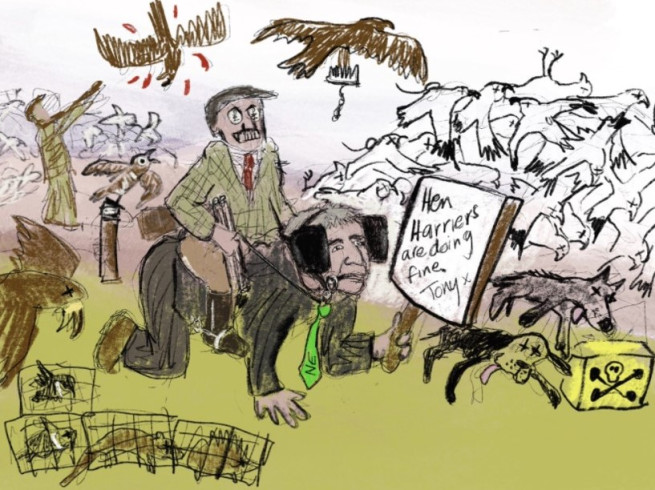
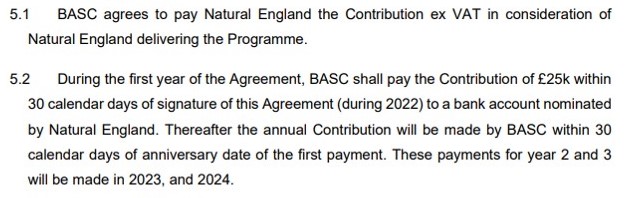
‘Partnership working’ according to Natural England appears to include authorising the removal of hen harrier chicks from a grouse moor already under investigation by the police for suspected raptor persecution (here) and accepting a £10K bung from representatives of the grouse shooting industry that prevents Natural England from criticising them or the sham brood meddling trial (see here).

[Cartoon by Gill Lewis]

So here’s the latest gruesome list. Note that the majority of these birds (but not all) were fitted with satellite tags. How many more [untagged] harriers have been killed?

February 2018: Hen harrier Saorsa ‘disappeared’ in the Angus Glens in Scotland (here). The Scottish Gamekeepers Association later published wholly inaccurate information claiming the bird had been re-sighted. The RSPB dismissed this as “completely false” (here).

5 February 2018: Hen harrier Marc ‘disappeared’ on a grouse moor in Durham (here)

9 February 2018: Hen harrier Aalin ‘disappeared’ on a grouse moor in Wales (here)

March 2018: Hen harrier Blue ‘disappeared’ in the Lake District National Park (here)

March 2018: Hen harrier Finn ‘disappeared’ near Moffat in Scotland (here)

18 April 2018: Hen harrier Lia ‘disappeared’ in Wales and her corpse was retrieved in a field in May 2018. Cause of death was unconfirmed but police treating death as suspicious (here)

8 August 2018: Hen harrier Hilma ‘disappeared’ on a grouse moor in Northumberland (here).

16 August 2018: Hen harrier Athena ‘disappeared’ on a grouse moor in Scotland (here)

26 August 2018: Hen Harrier Octavia ‘disappeared’ on a grouse moor in the Peak District National Park (here)

29 August 2018: Hen harrier Margot ‘disappeared’ on a grouse moor in Scotland (here)

29 August 2018: Hen Harrier Heulwen ‘disappeared’ on a grouse moor in Wales (here)

3 September 2018: Hen harrier Stelmaria ‘disappeared’ on a grouse moor in Scotland (here)

24 September 2018: Hen harrier Heather ‘disappeared’ on a grouse moor in Scotland (here)

2 October 2018: Hen harrier Mabel ‘disappeared’ on a grouse moor on the edge of the Yorkshire Dales National Park (here)

3 October 2018: Hen Harrier Thor ‘disappeared’ next to a grouse moor in Bowland, Lanacashire (here)

23 October 2018: Hen harrier Tom ‘disappeared’ in South Wales (here)

26 October 2018: Hen harrier Arthur ‘disappeared’ on a grouse moor in the North York Moors National Park (here)

1 November 2018: Hen harrier Barney ‘disappeared’ on Bodmin Moor (here)

10 November 2018: Hen harrier Rannoch ‘disappeared’ on a grouse moor in Scotland (here). Her corpse was found nearby in May 2019 – she’d been killed in an illegally-set spring trap (here).

14 November 2018: Hen harrier River ‘disappeared’ on a grouse moor in the Nidderdale AONB (here). Her corpse was found nearby in April 2019 – she’d been illegally shot (here).

16 January 2019: Hen harrier Vulcan ‘disappeared’ in Wiltshire close to Natural England’s proposed reintroduction site (here)

7 February 2019: Hen harrier Skylar ‘disappeared’ next to a grouse moor in South Lanarkshire (here)

22 April 2019: Hen harrier Marci ‘disappeared’ on a grouse moor in the Cairngorms National Park (here)

26 April 2019: Hen harrier Rain ‘disappeared’ on a grouse moor in Nairnshire (here)

11 May 2019: An untagged male hen harrier was caught in an illegally-set trap next to his nest on a grouse moor in South Lanarkshire. He didn’t survive (here)

7 June 2019: An untagged hen harrier was found dead on a grouse moor in Scotland. A post mortem stated the bird had died as a result of ‘penetrating trauma’ injuries and that this bird had previously been shot (here)

5 September 2019: Wildland Hen Harrier 1 ‘disappeared’ on a grouse moor nr Dalnaspidal on the edge of the Cairngorms National Park (here)

11 September 2019: Hen harrier Romario ‘disappeared’ on a grouse moor in the Cairngorms National Park (here)

14 September 2019: Hen harrier (Brood meddled in 2019, #183704) ‘disappeared’ in the North Pennines (here)

23 September 2019: Hen harrier (Brood meddled in 2019, #55149) ‘disappeared’ in North Pennines (here)

24 September 2019: Wildland Hen Harrier 2 ‘disappeared’ on a grouse moor at Invercauld in the Cairngorms National Park (here)

24 September 2019: Hen harrier Bronwyn ‘disappeared’ near a grouse moor in North Wales (here)

10 October 2019: Hen harrier Ada ‘disappeared’ on a grouse moor in the North Pennines AONB (here)

12 October 2019: Hen harrier Thistle ‘disappeared’ on a grouse moor in Sutherland (here)

18 October 2019: Member of the public reports the witnessed shooting of an untagged male hen harrier on White Syke Hill in North Yorkshire (here)

November 2019: Hen harrier Mary found illegally poisoned on a pheasant shoot in Ireland (here)

14 December 2019: Hen harrier Oscar ‘disappeared’ in Eskdalemuir, south Scotland (here)

January 2020: Members of the public report the witnessed shooting of a male hen harrier on Threshfield Moor in the Yorkshire Dales National Park (here)

23 March 2020: Hen harrier Rosie ‘disappeared’ at an undisclosed roost site in Northumberland (here)

1 April 2020: Hen harrier (Brood meddled in 2019, #183703) ‘disappeared’ in unnamed location, tag intermittent (here)

5 April 2020: Hen harrier Hoolie ‘disappeared’ on a grouse moor in the Cairngorms National Park (here)

8 April 2020: Hen harrier Marlin ‘disappeared’ on a grouse moor in the Cairngorms National Park (here)

19 May 2020: Hen harrier Fingal ‘disappeared’ on a grouse moor in the Lowther Hills, Scotland (here)

21 May 2020: Hen harrier (Brood meddled in 2019, #183701) ‘disappeared’ on a grouse moor in Cumbria shortly after returning from wintering in France (here)

27 May 2020: Hen harrier Silver ‘disappeared’ on a grouse moor on Leadhills Estate, Scotland (here)

day/month unknown: Unnamed male hen harrier breeding on RSPB Geltsdale Reserve, Cumbria ‘disappeared’ while away hunting (here)

9 July 2020: Unnamed female hen harrier (#201118) ‘disappeared’ from an undisclosed site in Northumberland (here).

25 July 2020: Hen harrier Harriet ‘disappeared’ on a grouse moor in the Yorkshire Dales National Park (here)

14 August 2020: Hen harrier Solo ‘disappeared’ in confidential nest area in Lancashire (here)

7 September 2020: Hen harrier Dryad ‘disappeared’ on a grouse moor in the Yorkshire Dales National Park (here)

16 September 2020: Hen harrier Fortune ‘disappeared’ from an undisclosed roost site in Northumberland (here)

19 September 2020: Hen harrier Harold ‘disappeared’ on a grouse moor in the Yorkshire Dales National Park (here)

20 September 2020: Hen harrier (Brood meddled in 2020, #55152) ‘disappeared’ next to a grouse moor in North Yorkshire (here)

24 February 2021: Hen harrier Tarras ‘disappeared’ next to a grouse moor in Northumberland (here)

12th April 2021: Hen harrier Yarrow ‘disappeared’ near Stockton, County Durham (here)

18 May 2021: Adult male hen harrier ‘disappeared’ from its breeding attempt on RSPB Geltsdale Reserve, Cumbria whilst away hunting (here)

18 May 2021: Another adult male hen harrier ‘disappeared’ from its breeding attempt on RSPB Geltsdale Reserve, Cumbria whilst away hunting (here)

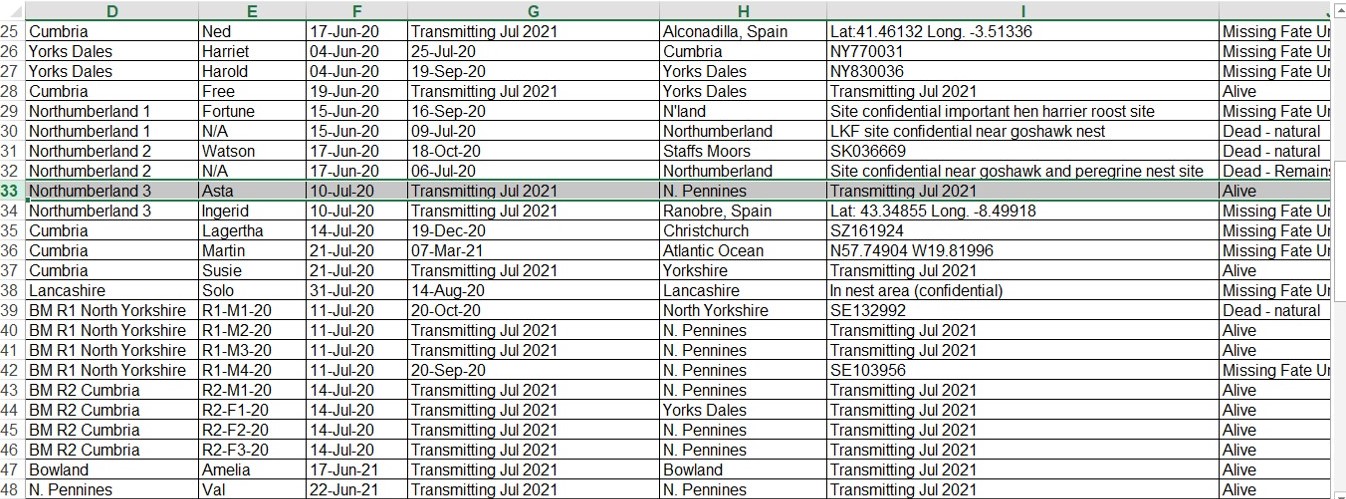
24 July 2021: Hen harrier Asta ‘disappeared’ at a ‘confidential site’ in the North Pennines (here)

14th August 2021: Hen harrier Josephine ‘disappeared’ at a ‘confidential site’ in Northumberland (here)

17 September 2021: Hen harrier Reiver ‘disappeared’ in a grouse moor dominated region of Northumberland (here)

24 September 2021: Hen harrier (Brood meddled in 2021, R2-F-1-21) ‘disappeared’ in Northumberland (here)

15 November 2021: Hen harrier (brood meddled in 2020, #R2-F1-20) ‘disappeared’ at the edge of a grouse moor on Arkengarthdale Estate in the Yorkshire Dales National Park (here)

19 November 2021: Hen harrier Val ‘disappeared’ in the Lake District National Park in Cumbria (here)

19 November 2021: Hen harrier Percy ‘disappeared’ in Lothian, Scotland (here)

12 December 2021: Hen harrier Jasmine ‘disappeared’ on a grouse moor (High Rigg Moor on the Middlesmoor Estate) in the Nidderdale AONB in North Yorkshire (here)

9 January 2022: Hen harrier Ethel ‘disappeared’ in Northumberland (here)

26 January 2022: Hen harrier Amelia ‘disappeared’ in Bowland (here)

10 February 2022: An unnamed satellite-tagged hen harrier ‘disappeared’ in a grouse moor dominated area of the Peak District National Park (here)

May 2022: Two hen harriers ‘disappeared’ from a National Trust-owned grouse moor in the Peak District National Park (here)

To be continued……..

Not one of these 70 incidents has resulted in an arrest, let alone a prosecution. I had thought that when we reached 30 dead/missing hen harriers then the authorities might pretend to be interested and at least say a few words about this national scandal. We’ve now reached SEVENTY hen harriers, and still Govt ministers remain silent. They appear not to give a monkey’s. And yes, there are other things going on in the world, as always. That is not reason enough to ignore this blatant, brazen and systematic destruction of a supposedly protected species, being undertaken to satisfy the greed and bloodlust of a minority of society.

Please consider sending a copy of this list of dead/missing hen harriers to your elected representative. Ask them for their opinion, tell them your opinion, and demand action (politely please). We know where these crimes are happening and we know why they’re happening. The Government’s own data, published three years ago, have provided very clear evidence (see here). MPs need to know how many of us care about this issue and how we will not be fobbed off by disingenuous platitudes from DEFRA Ministers (e.g. see hereherehere and here for repeated recent examples of this).

Not sure who is your MP? Click here to find out.

Don’t be put off by thinking, ‘Well my MP is a grouse shooter, he/she won’t bother responding so why should I bother?’. Do not give these politicians an easy option out. As your elected representative they have a duty to listen to, and respond to, constituents’ concerns, whether they agree with them or not.

If you use social media, please share this post.

If you fancy scribbling a few sentences to your local newspaper or even a national one, please do.

Please talk to friends, family and colleagues about these 70 birds. They will be horrified about what’s being allowed to go on.

We MUST increase public awareness. It’s up to all of us.

Thank you