The National Trust’s (NT) grouse shooting policy in the Peak District National Park has featured a few times on this blog, most notably in 2016 when the National Trust terminated a grouse shooting lease four years before it was due to expire on the Hope Woodlands and Park Hall estates following allegations of illegal raptor persecution (here).
In a direct response to this event, in 2017 the NT modified its grouse shooting tenancy agreements (here) and brought in three new tenants under new, five-year leases.
In 2022, following the ‘disappearance’ of a breeding pair of hen harriers on a National Trust-leased moor in the Peak District (here), the NT came under more public pressure to stop leasing its moors to grouse-shooting tenants.
In 2023 it terminated another grouse shooting lease at Park Hall following more allegations of wildlife crime and announced that no further grouse shooting leases would be issued on this particular NT moor and that it would now be re-wilded (here).
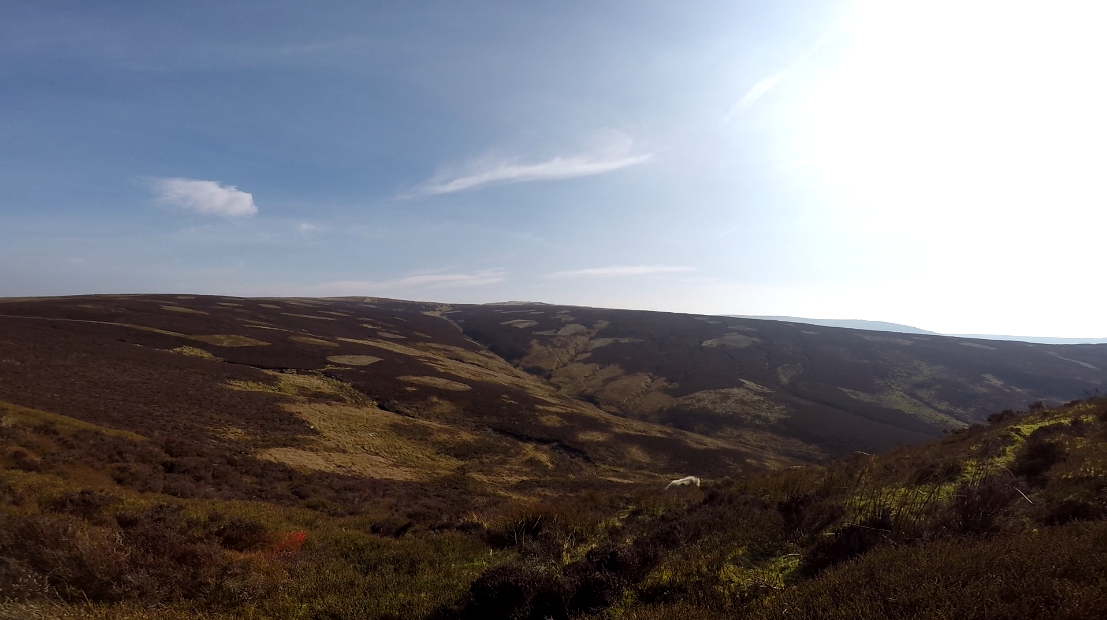
Moorland on the NT’s Park Hall Estate in the Peak District. Photo: RPUK
In November 2023 I attended the Northern England Raptor Forum’s (NERF) annual conference in Barnsley.
One of the presenters was Craig Best, the National Trust’s recently-appointed Peak District General Manager. Prior to taking this post in the Peak District, Craig had spent many years developing and overseeing the delivery of large scale moorland restoration and natural flood management on National Trust moorland in West Yorkshire. If you have an opportunity to hear him speak about his work, I recommend you do so. He’s knowledgeable, thoughtful and passionate about nature restoration.
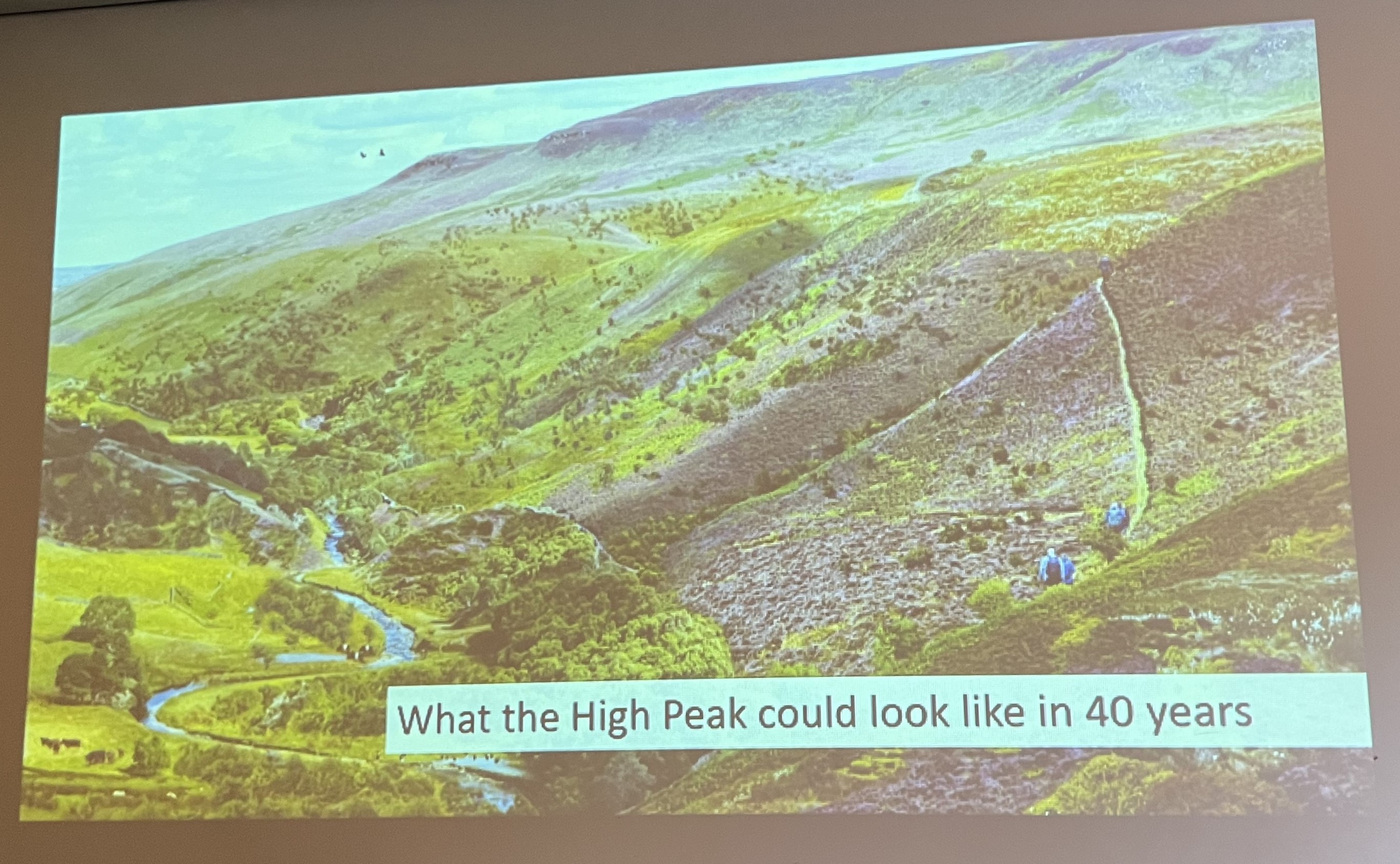
At the NERF conference, Craig spoke about the National Trust’s vision for its Peak District moorlands and he alluded to various new elements of the NT’s game shooting policy.
A slide from Craig Best’s NERF presentation. Photo: Ruth Tingay
I contacted the National Trust afterwards and asked if it had any written documents I could read about this new game shooting policy. Nick Collinson, the NT’s National Manager on Wildlife Management was kind enough to send me the following summary:
‘We facilitate a range of recreational activities on our land, and we recognise that for some people, shooting is an important part of rural heritage and the rural economy. It has a long history as a recreational activity in the countryside. We also appreciate that there are a range of views on game shooting, and we regularly engage with different groups and individuals who have an interest in the topic. In developing our approach we have spoken to both shooting and nature conservation organisations.
We will continue to consider the leasing of game shooting rights (red grouse, pheasant, red-legged partridge, and limited wildfowling, only), but only where the activity is compatible with our aims for the land, for restoring nature (e.g. we do not permit burning of moorland vegetation on peat soils), and for local access. We will therefore now only consider leases for low intensity shoots with low numbers of birds, which in many places should negate the need for predator control to sustain high numbers of game birds. All shoots must comply with the terms of their lease, the Code of Good Shooting Practice, and the law, and to support this, all shoots will be required to develop a Shoot Plan which will set out, and work through, shoot and National Trust objectives.
We have a set of strict criteria that game shooting leases must adhere to. This includes the location of release pens, which must not impact priority habitats including ancient woods, the use of lead ammunition and medicated grit, which we will no longer permit, and requirements to ensure shoots do not hinder people’s access to our places. Moreover, we do not permit any shooting of red-listed birds of conservation concern and will only permit limited wildfowling of green and amber-listed birds on a species-by-species basis where statutory agency evidence confirms this is not damaging to local populations. We remain totally opposed to the illegal persecution of birds of prey and all other wildlife crimes and take action to combat these criminal practices, working closely with our partners in the Police, statutory agencies, and the RSPB, to report and convict those who commit these offences.
We will implement these changes when shoot leases come up for renewal, or sooner if break-clauses in agreements allow. Our approach will be kept under constant review, as will any position we might take on licencing of grouse shooting in the uplands‘.
I think this is a sensible and measured step forward by the National Trust. This new policy will effectively put an end to intensively-managed driven grouse shooting on National Trust moors, without actually banning it, and turns the focus back to nature-based, regenerative and sustainable management instead. No more burning on peat soils, no medicated grit, no lead ammunition, limited predator control and no more measuring ‘success’ by the number of birds shot in a day/season.
It doesn’t remove the threat to wildlife (especially raptors) from neighbouring, privately-owned grouse moors but it sets a new standard for grouse moor management and its effects will be interesting to monitor.
Personally I think this model is the only hope the grouse shooting industry has of staying alive and if these or similar practices aren’t quickly adopted more widely then the industry is doomed. I think the driven grouse shooting industry recognises this too, hence its hysteria over proposed regulations to reform grouse shooting in Scotland. The days of intensive and unsustainable driven grouse shooting are numbered, and they know it.
I’m also pleased to see that the National Trust’s new policy extends to all gamebird shooting, including pheasants, red-legged partridges and woodcock and isn’t just limited to driven grouse shooting. Bravo.
This policy shift will undoubtedly put the National Trust in the firing line of the game shooting industry – indeed, I’ve already read one ‘article’ attempting to undermine Craig Best’s professional reputation and expertise in a nasty, vindictive attack. It’s what they do.
I applaud Craig’s efforts on this issue, and those of the wider National Trust management team. Ten years ago to expect this level of progress would have been unthinkable.
The RSPB is recruiting a Hen Harrier nest monitoring officer for this year’s breeding season in the Forest of Bowland, Lancashire, as follows:
Reference:
NOV20232757
Application expiry date:
23:59, Wed, 31st Jan 2024
Location:
Forest of Bowland
Salary:
£21,255.00 – £22,818.00 Pro Rata
Benefits:
Pension, Life Assurance and Annual Leave
Duration:
4 months
This is an exciting opportunity to join the RSPB’s conservation team in the Forest of Bowland, Lancashire, and help with monitoring and protecting nesting hen harriers, one of England’s rarest and most threatened bird species. This is a fixed-term position for 4 months, starting in April.
What’s the role about?
We are looking for an enthusiastic nest monitoring officer to join the RSPB’s conservation team in the Forest of Bowland, where the RSPB is working in partnership with United Utilities to monitor and protect upland breeding raptors.
You will be monitoring hen harrier nesting attempts and help to protect them from disturbance by recreational activities where necessary, ensuring that all work is carried out in a safe manner which minimises disturbance to the birds. You may also be asked to assist with diversionary feeding of hen harrier broods and the monitoring of other upland breeding raptors such as merlin, peregrine, and short-eared owl.
Work will require long and unsociable hours in remote areas, often in adverse weather conditions. The nest monitoring officers will need to work closely with other RSPB staff, volunteers, farming and shooting tenants, as well as engage with members of the general public.
This post offers a wonderful opportunity to watch hen harriers from when they are settling to nest all the way through to when their young have successfully fledged. The Forest of Bowland is one of the most exciting areas in England for upland wildlife, and the calls and songs of ring ouzels, cuckoos, whinchats and curlews will be a frequent background to the focus of your work. This is a unique opportunity to play a part in helping one of England’s rarest and most threatened bird species nest successfully!
If required, we may be able to provide shared accommodation off-site.
Please note that this is a casual contract offer (zero hour contract). Although we approximate that this role will require 37.5 hours per week, this might vary depending on the existence of hen harrier nests!
What we need from you
Essential skills, knowledge and experience:
• Good identification skills of uplands birds and experience of monitoring birds, particularly birds of prey. You should have experience of observing and interpreting bird behaviour. • Experience of working to protect threatened species, particularly birds of prey, and knowledge of the threats that hen harriers and other birds of prey face. • Experience navigating in the British uplands using a map/compass/GPS (hill skills), a sufficient level of fitness, and the ability and willingness to spend whole days working alone in remote upland areas on difficult terrain. • Ability to be diplomatic and polite, and to remain composed and make sensible decisions in difficult situations. • Ability and willingness to work flexible hours, including early mornings, evenings and weekends, as required. • Ability to accurately record data in the field and ensure secure data handling and storage. • Full driving licence and access to a vehicle as you will be traveling to remote locations with no public transport.
This is a zero hour contract for 4 months, hours can be flexible per week depending on demands during the breeding season.
The RSPB reserves the right to extend or make this role permanent without further advertising dependent on business needs at the end of the contract term.
We are looking to conduct interviews for this position from 12 February 2024. For all application/role enquiries please contact – Sonja Ludwig (Species and Habitats Officer – Bowland) sonja.ludwig@rspb.org.uk.
For anyone who still wants to pretend that the grouse shooting industry isn’t responsible for the systematic extermination of hen harriers on grouse moors across the UK, here’s the latest catalogue of crime that suggests otherwise.
[This male hen harrier died in 2019 after his leg was almost severed in an illegally set trap that had been placed next to his nest on a Scottish grouse moor (see here). Photo by Ruth Tingay]
This is the blog I now publish after every reported killing or suspicious disappearance.
“They disappear in the same way political dissidents in authoritarian dictatorships have disappeared” (Stephen Barlow, 22 January 2021).
Today the list has been updated to include the three most recently reported victims: ‘Dagda’ found shot dead on Knarsdale grouse moor in May 2023; ‘Saranyu’ who ‘disappeared’ in Durham in September 2023 (no further details available yet from the RSPB), and ‘Inger’ who ‘disappeared’ on a grouse moor in the Angus Glens in September 2023.
I’ve been compiling this list only since 2018 because that is the year that the grouse shooting industry ‘leaders’ would have us believe that the criminal persecution of hen harriers had stopped and that these birds were being welcomed back on to the UK’s grouse moors (see here).
This assertion was made shortly before the publication of a devastating new scientific paper that demonstrated that 72% of satellite-tagged hen harriers were confirmed or considered likely to have been illegally killed, and this was ten times more likely to occur over areas of land managed for grouse shooting relative to other land uses (see here). Incidentally, a further scientific paper published in 2023 by scientists at the RSPB, utilising even more recent data, echoed these results – see here).
2018 was also the year that Natural England issued a licence to begin a hen harrier brood meddling trial on grouse moors in northern England. For new blog readers, hen harrier brood meddling is a conservation sham sanctioned by DEFRA as part of its ludicrous ‘Hen Harrier Action Plan‘ and carried out by Natural England (NE), in cahoots with the very industry responsible for the species’ catastrophic decline in England. For more background see here and for a critical evaluation of the trial after 5 years see this report by Wild Justice.
Brood meddling has been described as a sort of ‘gentleman’s agreement’ by commentator Stephen Welch:
“I don’t get it, I thought the idea of that scheme was some kind of trade off – a gentleman’s agreement that the birds would be left in peace if they were moved from grouse moors at a certain density. It seems that one party is not keeping their side of the bargain“.
With at least 113 hen harriers gone since 2018, there is no question that the grouse shooting industry is simply taking the piss. Meanwhile, Natural England pretends that ‘partnership working’ is the way to go and DEFRA Ministers remain silent.
Data compiled by RPUK. *No hen harriers brood meddled in 2018
‘Partnership working’ according to Natural England appears to include authorising the removal of hen harrier chicks from a grouse moor already under investigation by the police for suspected raptor persecution (here) and accepting a £75k ‘donation’ from representatives of the grouse shooting industry that prevents Natural England from criticising them or the sham brood meddling trial (see here). This is in addition to a £10k ‘donation’ that Natural England accepted, under the same terms, in 2021 (here).
So here’s the latest gruesome list. Note that the majority of these birds (but not all) were fitted with satellite tags. How many more [untagged] harriers have been killed?
February 2018: Hen harrier Saorsa ‘disappeared’ in the Angus Glens in Scotland (here). The Scottish Gamekeepers Association later published wholly inaccurate information claiming the bird had been re-sighted. The RSPB dismissed this as “completely false” (here).
5 February 2018: Hen harrier Marc ‘disappeared’ on a grouse moor in Durham (here).
9 February 2018: Hen harrier Aalin ‘disappeared’ on a grouse moor in Wales (here).
March 2018: Hen harrier Blue ‘disappeared’ in the Lake District National Park (here).
March 2018: Hen harrier Finn ‘disappeared’ near Moffat in Scotland (here).
18 April 2018: Hen harrier Lia ‘disappeared’ in Wales and her corpse was retrieved in a field in May 2018. Cause of death was unconfirmed but police treating death as suspicious (here).
8 August 2018: Hen harrier Hilma ‘disappeared’ on a grouse moor in Northumberland (here).
16 August 2018: Hen harrier Athena ‘disappeared’ on a grouse moor in Scotland (here).
26 August 2018: Hen Harrier Octavia ‘disappeared’ on a grouse moor in the Peak District National Park (here).
29 August 2018: Hen harrier Margot ‘disappeared’ on a grouse moor in Scotland (here).
29 August 2018: Hen Harrier Heulwen ‘disappeared’ on a grouse moor in Wales (here).
3 September 2018: Hen harrier Stelmaria ‘disappeared’ on a grouse moor in Scotland (here).
24 September 2018: Hen harrier Heather ‘disappeared’ on a grouse moor in Scotland (here).
2 October 2018: Hen harrier Mabel ‘disappeared’ on a grouse moor on the edge of the Yorkshire Dales National Park (here).
3 October 2018: Hen Harrier Thor ‘disappeared’ next to a grouse moor in Bowland, Lanacashire (here).
23 October 2018: Hen harrier Tom ‘disappeared’ in South Wales (here).
26 October 2018: Hen harrier Arthur ‘disappeared’ on a grouse moor in the North York Moors National Park (here).
1 November 2018: Hen harrier Barney ‘disappeared’ on Bodmin Moor (here).
10 November 2018: Hen harrier Rannoch ‘disappeared’ on a grouse moor in Scotland (here). Her corpse was found nearby in May 2019 – she’d been killed in an illegally-set spring trap (here).
14 November 2018: Hen harrier River ‘disappeared’ on a grouse moor in the Nidderdale AONB (here). Her corpse was found nearby in April 2019 – she’d been illegally shot (here).
16 January 2019: Hen harrier Vulcan ‘disappeared’ in Wiltshire close to Natural England’s proposed reintroduction site (here).
28 January 2019: Hen harrier DeeCee ‘disappeared’ in Glen Esk, a grouse moor area of the Angus Glens (see here).
7 February 2019: Hen harrier Skylar ‘disappeared’ next to a grouse moor in South Lanarkshire (here).
22 April 2019: Hen harrier Marci ‘disappeared’ on a grouse moor in the Cairngorms National Park (here).
26 April 2019: Hen harrier Rain ‘disappeared’ on a grouse moor in Nairnshire (here).
11 May 2019: An untagged male hen harrier was caught in an illegally-set trap next to his nest on a grouse moor in South Lanarkshire. He didn’t survive (here).
7 June 2019: An untagged hen harrier was found dead on a grouse moor in Scotland. A post mortem stated the bird had died as a result of ‘penetrating trauma’ injuries and that this bird had previously been shot (here).
5 September 2019: Wildland Hen Harrier 1 ‘disappeared’ on a grouse moor nr Dalnaspidal on the edge of the Cairngorms National Park (here).
11 September 2019: Hen harrier Romario ‘disappeared’ on a grouse moor in the Cairngorms National Park (here).
14 September 2019: Hen harrier (Brood meddled in 2019, #183704) ‘disappeared’ in the North Pennines (here).
23 September 2019: Hen harrier (Brood meddled in 2019, #55149) ‘disappeared’ in North Pennines (here).
24 September 2019: Wildland Hen Harrier 2 ‘disappeared’ on a grouse moor at Invercauld in the Cairngorms National Park (here).
24 September 2019: Hen harrier Bronwyn ‘disappeared’ near a grouse moor in North Wales (here).
10 October 2019: Hen harrier Ada ‘disappeared’ on a grouse moor in the North Pennines AONB (here).
12 October 2019: Hen harrier Thistle ‘disappeared’ on a grouse moor in Sutherland (here).
18 October 2019: Member of the public reports the witnessed shooting of an untagged male hen harrier on White Syke Hill in North Yorkshire (here).
November 2019: Hen harrier Mary found illegally poisoned on a pheasant shoot in Ireland (here).
November 2019: Hen harrier Artemis ‘disappeared’ near Long Formacus in south Scotland (RSPB pers comm).
14 December 2019: Hen harrier Oscar ‘disappeared’ in Eskdalemuir, south Scotland (here).
December 2019: Hen harrier Ingmar ‘disappeared’ in the Strathbraan grouse moor area of Perthshire (RSPB pers comm).
January 2020: Members of the public report the witnessed shooting of a male hen harrier on Threshfield Moor in the Yorkshire Dales National Park (here).
23 March 2020: Hen harrier Rosie ‘disappeared’ at an undisclosed roost site in Northumberland (here).
1 April 2020: Hen harrier (Brood meddled in 2019, #183703) ‘disappeared’ in unnamed location, tag intermittent (here).
5 April 2020: Hen harrier Hoolie ‘disappeared’ on a grouse moor in the Cairngorms National Park (here)
8 April 2020: Hen harrier Marlin ‘disappeared’ on a grouse moor in the Cairngorms National Park (here).
19 May 2020: Hen harrier Fingal ‘disappeared’ on a grouse moor in the Lowther Hills, Scotland (here).
21 May 2020: Hen harrier (Brood meddled in 2019, #183701) ‘disappeared’ on a grouse moor in Cumbria shortly after returning from wintering in France (here).
27 May 2020: Hen harrier Silver ‘disappeared’ on a grouse moor on Leadhills Estate, Scotland (here).
2020: day/month unknown: Unnamed male hen harrier breeding on RSPB Geltsdale Reserve, Cumbria ‘disappeared’ while away hunting (here).
9 July 2020: Unnamed female hen harrier (#201118) ‘disappeared’ from an undisclosed site in Northumberland (here).
25 July 2020: Hen harrier Harriet ‘disappeared’ on a grouse moor in the Yorkshire Dales National Park (here).
14 August 2020: Hen harrier Solo ‘disappeared’ in confidential nest area in Lancashire (here).
7 September 2020: Hen harrier Dryad ‘disappeared’ on a grouse moor in the Yorkshire Dales National Park (here).
16 September 2020: Hen harrier Fortune ‘disappeared’ from an undisclosed roost site in Northumberland (here).
19 September 2020: Hen harrier Harold ‘disappeared’ on a grouse moor in the Yorkshire Dales National Park (here).
20 September 2020: Hen harrier (Brood meddled in 2020, #55152) ‘disappeared’ next to a grouse moor in North Yorkshire (here).
24 February 2021: Hen harrier Tarras ‘disappeared’ next to a grouse moor in Northumberland (here)
12th April 2021: Hen harrier Yarrow ‘disappeared’ near Stockton, County Durham (here).
18 May 2021: Adult male hen harrier ‘disappeared’ from its breeding attempt on RSPB Geltsdale Reserve, Cumbria whilst away hunting (here).
18 May 2021: Another adult male hen harrier ‘disappeared’ from its breeding attempt on RSPB Geltsdale Reserve, Cumbria whilst away hunting (here).
24 July 2021: Hen harrier Asta ‘disappeared’ at a ‘confidential site’ in the North Pennines (here). We learned 18 months later that her wings had been ripped off so her tag could be fitted to a crow in an attempt to cover up her death (here).
14th August 2021: Hen harrier Josephine ‘disappeared’ at a ‘confidential site’ in Northumberland (here).
17 September 2021: Hen harrier Reiver ‘disappeared’ in a grouse moor dominated region of Northumberland (here)
24 September 2021: Hen harrier (Brood meddled in 2021, R2-F-1-21) ‘disappeared’ in Northumberland (here).
15 November 2021: Hen harrier (brood meddled in 2020, #R2-F1-20) ‘disappeared’ at the edge of a grouse moor on Arkengarthdale Estate in the Yorkshire Dales National Park (here).
19 November 2021: Hen harrier Val ‘disappeared’ in the Lake District National Park in Cumbria (here).
19 November 2021: Hen harrier Percy ‘disappeared’ in Lothian, Scotland (here).
12 December 2021: Hen harrier Jasmine ‘disappeared’ on a grouse moor (High Rigg Moor on the Middlesmoor Estate) in the Nidderdale AONB in North Yorkshire (here).
9 January 2022: Hen harrier Ethel ‘disappeared’ in Northumberland (here).
26 January 2022: Hen harrier Amelia ‘disappeared’ in Bowland (here).
10 February 2022: An unnamed satellite-tagged hen harrier ‘disappeared’ in a grouse moor dominated area of the Peak District National Park (here). One year later it was revealed that the satellite tag/harness of this young male called ‘Anu’ had been deliberately cut off (see here).
12 April 2022: Hen harrier ‘Free’ (Tag ID 201121) ‘disappeared’ at a ‘confidential site’ in Cumbria (here). It later emerged he hadn’t disappeared, but his mutilated corpse was found on moorland in the Yorkshire Dales National Park. A post mortem revealed the cause of death was having his head twisted and pulled off. One leg had also been torn off whilst he was still alive (here).
April 2022: Hen harrier ‘Pegasus’ (tagged by the RSPB) ‘disappeared’ on a grouse moor at Birkdale in the Yorkshire Dales National Park (here).
May 2022: A male breeding hen harrier ‘disappeared’ from a National Trust-owned grouse moor in the Peak District National Park (here).
May 2022: Another breeding male hen harrier ‘disappeared’ from a National Trust-owned grouse moor in the Peak District National Park (here).
14 May 2022: Hen harrier ‘Harvey’ (Tag ID 213844) ‘disappeared’ from a ‘confidential site’ in the North Pennines (here).
20 June 2022: Hen harrier chick #1 stamped to death in nest on a grouse moor in the Yorkshire Dales National Park (here).
20 June 2022: Hen harrier chick #2 stamped to death in nest on a grouse moor in the Yorkshire Dales National Park (here).
20 June 2022: Hen harrier chick #3 stamped to death in nest on a grouse moor in the Yorkshire Dales National Park (here).
20 June 2022: Hen harrier chick #4 stamped to death in nest on a grouse moor in the Yorkshire Dales National Park (here).
17 August 2022: Hen harrier (brood meddled in 2022, #R1-M1-22) ‘disappeared’ on moorland in the Yorkshire Dales National Park (here).
September 2022: Hen harrier ‘Sullis’ (tagged by the RSPB) ‘disappeared’ on a grouse moor in Cumbria (here).
5 October 2022: Hen harrier (brood meddled in 2022, #R3-M2-22) ‘disappeared’ on moorland in the Yorkshire Dales National Park (here).
10 October 2022: Hen harrier ‘Sia’ ‘disappeared’ near Hamsterley Forest in the North Pennines (here).
October 2022: Hen harrier (brood meddled in 2021, #R1-F1-21) ‘disappeared’ in the North Sea off the North York Moors National Park (here).
December 2022: Hen harrier female (brood meddled in 2020, #R2-F2-20) ‘disappeared’ on moorland in Cumbria (here).
1 December 2022: Hen harrier male (brood meddled in 2021, #R1-M1-21) ‘disappeared’ on moorland in the Yorkshire Dales National Park (here).
14 December 2022: Hen harrier female (brood meddled in 2022, #R3-F1-22) ‘disappeared’ on moorland in the North Pennines AONB (here).
15 December 2022: Hen harrier female (brood meddled in 2022, #R2-F1-22) ‘disappeared’ on moorland in the Yorkshire Dales National Park (here).
30 March 2023: Hen harrier female (brood meddled in 2022, #R1-F3-22) ‘disappeared’ in Yorkshire (here). Notes from NE Sept 2023 spreadsheet update: “Final transmission location temporarily withheld at police request“.
1 April 2023: Hen harrier male (brood meddled in 2022, #R2-M1-22) ‘disappeared’ in Yorkshire (here). Notes from NE Sept 2023 spreadsheet update: “Final transmission location temporarily withheld at police request“.
April 2023: Hen harrier ‘Lagertha’ (tagged by RSPB) ‘disappeared’ in North Yorkshire (here).
April 2023: Hen harrier ‘Nicola’ (Tag ID 234078) ”disappeared’ in North Yorkshire (here).
April 2023: Untagged male hen harrier ‘disappeared’ from an active nest on RSPB Geltsdale Reserve in Cumbria (here).
April 2023: Another untagged male hen harrier ‘disappeared’ from an active nest on RSPB Geltsdale Reserve in Cumbria (here).
April 2023: Untagged male hen harrier ‘disappeared’ from an active nest in Durham (here).
4/5 May 2023: Satellite-tagged male hen harrier called ‘Rush’ ‘disappeared’ from a grouse moor in Bowland AONB in Lancashire (here).
17 May 2023: Satellite-tagged hen harrier called ‘Wayland’ ‘disappeared’ in the Clapham area of North Yorkshire, just north of the Bowland AONB (here).
31 May 2023: Hen harrier male (brood meddled in 2022, tag #213932, name: R2-M3-22) ‘disappeared’ in Northumberland (grid ref: NY765687) (here).
xx May 2023: Hen harrier male called ‘Dagda’, tagged by the RSPB in Lancashire in June 2022 and who was breeding on the RSPB’s Geltsdale Reserve in 2023 until he ‘vanished’, only to be found dead on the neighbouring Knarsdale grouse moor in May 2023 – a post mortem revealed he had been shot (here).
11 June 2023: Hen harrier male (brood meddled in 2021, tag #213922, name: R2-M1-21) ‘disappeared’ at a confidential site in the Yorkshire Dales National Park. Notes from the NE spreadsheet: “Final transmission location temporarily withheld at police request“ (here).
12 June 2023: Hen harrier male (brood meddled in 2020, tag #203004, name: R1-M2-20) ‘disappeared’ on a grouse moor in Co. Durham (grid ref: NY976322) (here).
6 July 2023: Satellite-tagged female hen harrier named ‘Rubi’ (tag #201124a) ‘disappeared’ on a grouse moor in Co. Durham (grid ref: NY911151) (here).
23 July 2023: Hen harrier female (brood meddled in 2023, tag #55154a, name: R1-F1-23) ‘disappeared’ on a grouse moor in Co. Durham (close to where ‘Rubi’ vanished), grid ref: NY910126 (here).
29 July 2023: Hen harrier female (brood meddled in 2020, tag #55144, name: R2-F2-20) ‘disappeared’ at a confidential site in the North Pennines. Notes from the NE spreadsheet: “Dead. Recovered – awaiting PM results. Final transmission location temporarily withheld at police request“ (here).
9 August 2023: Satellite-tagged hen harrier called ‘Martha’ ‘disappeared’ on a grouse moor (Westburnhope Moor) near Hexham in the North Pennines (here).
11 August 2023: Satellite-tagged hen harrier called ‘Selena’ ‘disappeared’ on a grouse moor (Mossdale Moor) in the Yorkshire Dales National Park (here).
11 August 2023: Hen harrier female (brood meddled in 2023, tag #201118a, name: R3-F1-23) ‘disappeared’ in Co. Durham (grid ref: NZ072136) (here).
15 August 2023: Satellite-tagged hen harrier called ‘Hepit’ ‘disappeared’ on a grouse moor (Birkdale Common) near Kirkby Stephen in the Yorkshire Dales National Park (here).
24 August 2023: Hen harrier female (brood meddled in 2023, tag #55155a, name: R1-F2-23) ‘disappeared’ at a confidential site in Northumberland. Notes from the NE spreadsheet: “Final transmission location temporarily withheld at police request“ (here).
August-Sept 2023: Satellite-tagged hen harrier called ‘Harmonia’ ‘disappeared’ in the Yorkshire Dales National Park (here).
September 2023: Hen harrier female ‘Saranyu’, tagged by the RSPB in Cumbria in June 2023, ‘disappeared’ in Durham in September 2023 (no further details available yet – just outline info provided in 2022 Birdcrime report) (here).
September 2023: Hen harrier female ‘Inger’, a female tagged by the RSPB in Perthshire in July 2022, ‘disappeared’ on a grouse moor in the Angus Glens in September 2023 (here).
To be continued…….
Not one of these 113 incidents has resulted in an arrest, let alone a prosecution. I had thought that when we reached 30 dead/missing hen harriers then the authorities might pretend to be interested and at least say a few words about this national scandal. We’ve now reached ONE HUNDRED AND THIRTEEN hen harriers, and still Govt ministers remain silent. They appear not to give a monkey’s. And yes, there are other things going on in the world, as always. That is not reason enough to ignore this blatant, brazen and systematic destruction of a supposedly protected species, being undertaken to satisfy the greed and bloodlust of a minority of society.
And let’s not forget the response from the Moorland Association Chair (and owner of Swinton Estate) Mark Cunliffe-Lister, who told BBC Radio 4 last month that, “Clearly any illegal [hen harrier] persecution is not happening” (here).
With 24 hen harriers known to be ‘missing’/killed so far in 2023, this has already been the worst year for hen harrier persecution since brood meddling began in 2018. The persecution figure is expected to rise further when Natural England decides to publish its hen harrier persecution data from October, November and December 2023, probably in the new year (see here).
2023 has been the worst year for the illegal killing of hen harriers on grouse moors since the ludicrous DEFRA / Natural England hen harrier brood meddling trial was given the green light in 2018.
Photo by Pete Morris/RSPB Images
By September this year, the number of confirmed ‘missing’/dead hen harriers in 2023 stood at 21 birds. However, the RSPB’s annual Birdcrime Report, which was published a couple of weeks ago (here), included previously withheld information about three more satellite-tagged hen harriers that have gone this year:
Hen harrier Saranyu, a female tagged by the RSPB in Cumbria in June 2023, who ‘disappeared’ in Durham in September 2023 (no further details available yet).
Hen harrier Inger, a female tagged by the RSPB in Perthshire in July 2022, who ‘disappeared’ on a grouse moor in the Angus Glens in September 2023 (here).
Hen harrier Dagda, a male tagged by the RSPB in Lancashire in June 2022 and who was breeding on the RSPB’s Geltsdale Reserve in 2023 until he ‘vanished’, only to be found dead on the neighbouring Knarsdale grouse moor in May 2023 – a post mortem revealed he had been shot (here).
So that takes this year’s total (so far) to 24 ‘missing’/dead hen harriers and this number is expected to rise as I understand there are other incidents that haven’t yet been publicised. This is the highest number of (known) persecuted hen harriers in six years and includes nine of Natural England’s brood meddled harriers:
*No brood meddling took place in 2018, the year Natural England issued the first licence
Do these disgraceful figures indicate to you that Natural England’s brood meddling scheme is working? (Remember, one of the objectives of this ‘trial’ is to test whether grouse moor managers would stop illegally killing hen harriers if nestlings were removed from grouse moors, under licence, reared in captivity and released elsewhere).
If you listen to the spin of the grouse shooting industry, the brood meddling trial is being declared a pure and unmitigated triumph for hen harriers. The Moorland Association (Natural England’s main ‘partner’ in the trial which brings with it a level of perceived credibility to those who don’t know any better) issued a press release in mid- November to announce that the (short term) survival rate of brood meddled hen harriers was greater than the (short term) survival rate of un-meddled harriers, but conveniently forgot to mention the persecution figures and that 56% of all the brood meddled chicks had since ‘disappeared’ / been illegally killed (see here). The Moorland Association’s horseshit propaganda was recently regurgitated in the national press, including the Daily Mail (obvs) and as far as I can see, Natural England did nothing to challenge the narrative.
The chairman of the Moorland Association even told BBC Radio 4 in August this year that, “Clearly, any illegal [hen harrier] persecution is not happening” (here) when clearly, it so obviously is.
Then in late November, Dr Alistair Leake, GWCT’s Director of Policy wrote a letter to the Guardian (and a copy was posted on GWCT’s website) stating that the hen harrier brood management [meddling] scheme “is surely a shining example of human / wildlife conflict resolution that would be the envy of other countries trying to find similar solutions“.
It is quite obvious to anyone with functioning eyesight that not only has the illegal killing of hen harriers continued since the brood meddling trial began, but that the extent of the (known) killing has got worse.
The hen harrier killers are now so brazen and out of control that they don’t even care if they take out brood meddled harriers – birds that they initially mostly left alone in the early years of the trial.
They can afford to be so audacious about their crimes because they know that (a) they’re NEVER caught, (b) never prosecuted, (c) never convicted, (d) the grouse shooting industry’s representative bodies will shamelessly deny the criminality even exists and (e) the industry will still get a brood meddling licence from Natural England to keep the harriers off their grouse moors, even in Special Protection Areas specifically designated to protect hen harriers, because Natural England doesn’t have the balls to call them out and won’t pull the plug on the trial because it doesn’t want to lose face and admit it’s been taken for a mug for all these years.
It’ll be interesting to see Natural England’s next update on the fates of its tagged hen harriers (last update was September 2023 – next one will be due in the new year) to see what this year’s final tally of hen harrier killing has been and whether that figure, the highest in the six years since brood meddling began, will influence Natural England’s decision to continue with its brood meddling licence in 2024.
The charity Hen Harrier Action has launched a Christmas fundraising appeal to raise money for at least four more satellite tags to be fitted to young hen harriers in spring 2024.
Here are a few words from Hen Harrier Action about this fundraising appeal:
The latest RSPB Birdcrime Report documents the continuing relentless persecution of Hen Harriers and other birds of prey in the UK. As the Report notes, ‘despite being fully protected by law and a UK Red Listed species, they are being persecuted on a relentless scale’.
Between January 2022 and October 2023, 39 Hen Harriers are suspected or proven to have been persecuted across the UK. And the report tells us that this number is likely to rise, as some known incidents cannot be disclosed yet as they form part of on-going investigations.
As a rare protected species with an estimated fewer than 600 breeding pairs in the whole of the UK, this chronic level of persecution, if it continues, will severely hamper the chance of any recovery for this charismatic raptor.
In response, Hen Harrier Action has launched a Christmas Appeal on GoFundMe to raise money to fund the satellite tagging and monitoring of young Hen Harrier chicks next Spring.
We’ve set an ambitious target of raising enough money to fund four satellite tags, likely to cost around £12,000. The tagging and monitoring will be undertaken by the RSPB.
There’s more information here, and the fundraising page for donations is here.
Press release from Yorkshire Dales National Park Authority (1st December 2023)
Reaction to the RSPB Birdcrime Report
The RSPB recently published its latest ‘Birdcrime’ report.
David Butterworth, Chief Executive Officer of the Yorkshire Dales National Park Authority, said: “It is yet again hugely embarrassing that this part of the country has been shamed as being the worst for proven and suspected bird of prey persecution in the UK.
“An end to the illegal killing of birds cannot come soon enough. Some of the instances of criminality this year beggar belief. The stamping to death of 4 young Harrier chicks and one Harrier having its head pulled from its body while still alive. Truly shocking levels of depravity.
Hen harrier ‘Free’, found on moorland in the Yorkshire Dales National Park and whose post mortem revealed that the cause of death was the head being twisted and pulled off while the body was held tightly. His leg had also been ripped off whilst he was alive. Photo by Natural England via RSPB’s 2022 Birdcrime report.
“It’s all the more galling because there are signs of positive change. Some local land managers are doing great work to conserve birds of prey in the National Park.
“We are currently preparing a new evidence report on bird of prey populations in the National Park on behalf of the Yorkshire Dales Bird of Prey Partnership. We hope this report will be published in the coming weeks. Sadly all of this will count for little whilst the persecution of Birds of Prey continues“.
ENDS
Bravo, David Butterworth, for this very public and unequivocal condemnation of the ongoing raptor persecution in this so-called National Park.
But isn’t it time the pretend Yorkshire Dales Bird of Prey ‘Partnership’ was closed down? The RSPB has already left because it recognised the futility of trying to ‘partner’ with the likes of the Moorland Association – how much more time, money and effort is going to be pumped into this pseudo-union, whilst the crimes against birds of prey just carry on and on and on?
Partnerships and coalitions only work when objectives are shared. In the case of the Yorkshire Dales Bird of Prey ‘Partnership’, the Chair of the Moorland Association doesn’t even accept that hen harrier persecution is happening (see here), let alone that it’s an issue that needs to be addressed. What’s the point of continuing this ‘partnership’ charade?
As an aside, the RSPB’s 2022 Birdcrime report was published ten days ago and it contains a lot of material that I want to blog about. I’ve been distracted by events in Scotland (more golden eagle persecution, more peregrine persecution, and a landmark vote by the Scottish Parliament to agree to the general principles of a grouse moor licensing scheme) but I haven’t forgotten about the Birdcrime report and will come back to it shortly….
The Scottish Parliament’s Stage 1 debate of the Wildlife Management and Muirburn (Scotland) Bill will take place in the Chamber this Thursday, 30 November 2023, from 2.30pm.
This debate provides all MSPs with the opportunity to discuss the general principles of the Bill and vote to either throw it out or allow it to proceed to Stage 2, which is when the finer details would be debated and amended.
The Stage 1 debate follows the publication last week of the Stage 1 scrutiny report written by the Rural Affairs & Islands Committee which has been taking evidence for the last six months.
Lobbying of MSPs continues apace, from both conservationists and from the grouse-shooting industry. I read the other day a quote from BASC Scotland Director Peter Clark, who wrote that BASC was urging MSPs, “…to work with us to make the enormous yet vital changes to the Bill to avert the decimation of the rural economy, biodiversity and conservation“.
Quite how a licensing scheme designed to regulate a supposedly lawful industry will ‘decimate the rural economy, biodiversity and conservation’ is anyone’s guess. It’s almost as if Peter thinks the industry is so reliant on criminality that it can’t possibly function under a licensing framework and will thus collapse.
This level of hysterical fearmongering is nothing new. Here’s an excerpt from a blog I wrote three years ago when a similar outcry was heard from the grouse-shooting sector in response to the announcement that the Scottish Government intended to introduce a grouse shooting licence scheme:
This hysterical scaremongering about so-called threats to the rural economy from the introduction of a grouse moor licensing scheme is nothing new from this lot (e.g. see here, here, here and here for previous histrionics).
Nor is it the first time we’ve heard the claim that any sort of enforced regulation will ‘threaten’ or ‘damage’ the rural economy.
When the Land Reform Bill was being debated [in 2003] the Scottish Landowners Federation (which later re-branded to call itself the Scottish Rural Property & Business Association (SRPBA) and then re-branded again to its current name of Scottish Land & Estates) warned that the legislation would do irreversible damage to rural economies and they threatened to block the legislation at the European Court of Human Rights (see here).
Scottish Land & Estates also bleated about further land reform measures [in 2015] when the Scottish Government proposed removing the two-decades-old exemption from business rates enjoyed by shooting estates. SLE claimed that, “We believe that there would be a negative impact on rural jobs, tourism and land management” (see here).
And then there was more bleating when the Scottish Government brought in vicarious liability to tackle the continued illegal persecution of birds of prey. David Johnstone, the then Chair of Scottish Land & Estates claimed this would introduce another layer of bureaucracy “When the Government should be doing what it can to help landowners and the rural economy” (see here).
Has the rural economy fallen flat on its arse as a result of these measures? Not according to the grouse shooting industry, which is still declaring itself indispensable to the Scottish economy (a claim strongly contested by others, e.g. see here).
As has been said before on this blog, the grouse shooting industry should be thanking its lucky stars that a licensing scheme is all it’s getting. The case for a ban on driven grouse shooting has been made many times over.
There are those of us who don’t believe for one second that a licensing scheme will be effectively enforced, although we’ll do our bloody level best to ensure it is enforced when breaches have been detected and are fully evidenced. And if/when the licensing scheme is shown to be failing, there’s only one place left to go.
It seems to me that the grouse shooting industry should be welcoming a licensing scheme, which should protect those who are complying with the law and remove those who are not. Gosh, a world where there are consequences for criminality. Imagine that! Is that really what this backlash is all about?
Meanwhile, lobbyists from the conservation sector will this week be reminding MSPs that even in the midst of all this political scrutiny and threat, there are still some in the grouse-shooting industry that simply refuse to stop killing birds of prey, as evidenced in last week’s RSPB Birdcrime report where we learned that as recently as July this year yet another satellite-tagged golden eagle ‘vanished’ in suspicious circumstances on a grouse moor in the Monadhliaths and as recently as September this year yet another satellite-tagged hen harrier ‘vanished’ on a grouse moor in the Angus Glens.
These are in addition to the suspicious disappearances of a further 35 satellite-tagged birds of prey on Scotland’s grouse moors between 2017-2022, including including 8 golden eagles, 21 hen harriers and 5 white-tailed eagles (here).
The time for pretending that this is all ‘historical’ and no longer an issue is well and truly over and I hope that the Scottish Parliament finally makes a stand on Thursday.
Proceedings in the main Chamber can be watched live on Scottish Parliament TV from 2.30pm on Thursday, here.
Further to the RSPB press release accompanying the publication of the RSPB’s latest Birdcrime report this morning (here), RSPB Scotland has issued a separate press release.
It reveals the suspicious disappearance of a satellite-tagged golden eagle on an unnamed grouse moor in Inverness-shire in July this year and the suspicious disappearance of a satellite-tagged hen harrier on an unnamed grouse moor in the Angus Glens in September this year.
A young golden eagle in Scotland. Photo: Ruth Tingay
Both of these areas have long been identified as raptor persecution hotspots. I’ll come back to this news shortly.
Here is a copy of RSPB Scotland’s press release:
Charity asks MSPs to support grouse moor licensing legislation as news emerges of further “suspicious disappearances” of protected raptors.
RSPB Scotland is urging Members of the Scottish Parliament to support new legislation to regulate grouse shooting after a new report was published by the RSPB today. The 2022 Birdcrime report highlights the continued illegal killing of Scotland’s birds of prey and the ongoing link between these crimes and land being managed intensively for driven grouse shooting.
In 2022, there were 61 confirmed bird of prey persecution incidents across the UK. As well as incidents for Scotland, the report revealed that 35 satellite-tagged birds of prey suspiciously disappeared on Scotland’s grouse moors from 2017 to 2022, including 8 Golden Eagles, 21 Hen Harriers and 5 White-tailed Eagles.
Duncan Orr-Ewing, RSPB Scotland’s Head of Species and Land Management said: “Despite welcome improvements to legislation from successive Scottish Governments and very good partnership-working between Police Scotland, the National Wildlife Crime Unit, the Scottish SPCA and RSPB Investigations staff in following up incidents, clearly these actions have not been enough to protect our precious birds of prey.
“These crimes have continued for decades, because the chances of being caught are tiny, and even in the rare instances when the links to individuals or landholdings have been clear, sanctions imposed have proven to have had little effect in stopping criminal activity in many cases.
“A meaningful deterrent in the form of licensing of grouse shooting is now urgently required, including the sanction to stop or suspend grouse shooting if links between land management activities and raptor crimes are confirmed by Police Scotland and NatureScot. We are calling on our all MSPs to support the Wildlife Management and Muirburn Bill proposals now passing through the Scottish Parliament”.
The Scottish Government’s sharp focus on taking further action to stop raptor crimes began in 2016, when RSPB Scotland raised concerns about the suspicious disappearance, over several years, of multiple satellite-tagged Golden Eagles on grouse moors in the northern Monadhliath, in Inverness-shire. An independent Grouse Moor Management Group report (the “Werritty Review”) was subsequently commissioned by the Scottish Government, which confirmed that these birds were being systematically killed on some grouse moors.
Ian Thomson, RSPB Scotland’s Head of Investigations said: “As members of the Scottish Parliament prepare to debate the Wildlife Management and Muirburn Bill at Holyrood next week, they will be very concerned to hear that in late July this year, yet another satellite-tagged Golden Eagle vanished, in identical suspicious circumstances to its many predecessors, in this same intensively managed area of grouse moors in Inverness-shire.”
Just a few weeks later, in early September, a tagged Hen Harrier similarly disappeared, and is also presumed killed, in the Angus Glens, another area where some estates have a long history of confirmed raptor persecution incidents.
Ian Thomson continued: “This new legislation makes the undertaking of raptor persecution a significant business risk that, at last, will be a meaningful deterrent. Some criminals operating on Scotland’s grouse moors still think they are above the law. We hope the Scottish Parliament will show them that they are not by enacting this new legislation before the start of the grouse shooting season in August 2024”.
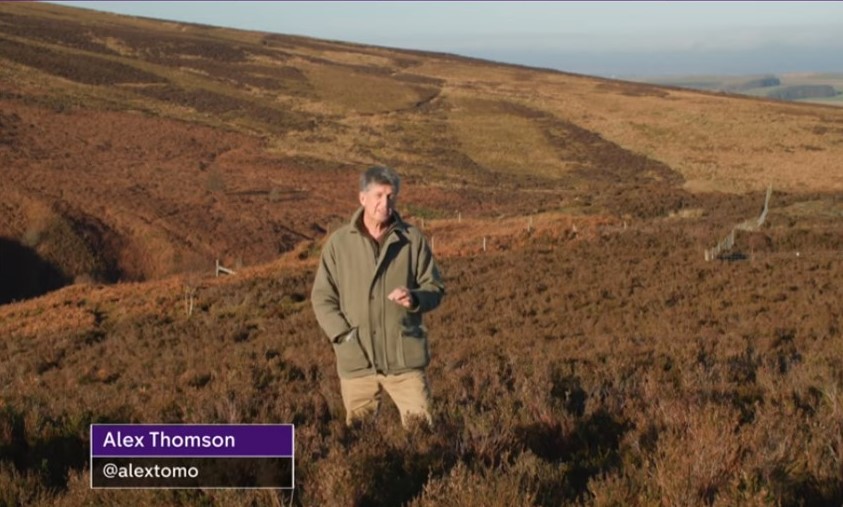
Channel 4 News aired an exclusive seven-minute report this evening about raptor persecution on gamebird shooting estates across the UK.
Fronted by Chief Correspondent Alex Thomson, this was a pre-cursor to the publication tomorrow of the RSPB’s latest Birdcrime report (2022) and the film featured two case studies that are included in that report – the illegal shooting of a hen harrier found dead on the Knarsdale Estate in Northumberland earlier this year, and the illegal poisoning of a red kite and a white-tailed eagle found on a pheasant shoot in West Sussex in October 2021. A beater’s gundog also died from the same poison, on the same estate, within a few days.
I’ll be writing in detail about both these cases and others, once Birdcrime has been published. There’s a lot to say.
In the meantime, I thoroughly recommend you watch the Channel 4 report here:
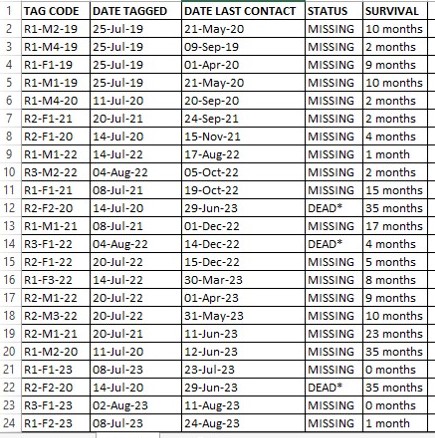
A staggering 56% of all satellite-tagged hen harriers that have been brood meddled since 2019 are ‘missing’ in suspicious circumstances / have been illegally killed.
Of the 41 brood meddled hen harriers, 23 are ‘missing’ / dead, according to data held by Natural England (data from September 2023 onwards not yet available):
DEAD* = body recovered, awaiting formal post mortem results, under active police investigation
I’m publishing these results in response to an astonishing piece published today by the Moorland Association that claims that the [short-term] survival rate of brood meddled hen harriers is almost double that of un-meddled hen harriers.
The Moorland Association hasn’t provided the data it used to reach its conclusion but given the appallingly high level of continued illegal killing of hen harriers on driven grouse moors (110 missing/dead since 2018) it seems like a desperate but futile attempt to portray the grouse shooting industry as the hen harrier’s best friend. I’m afraid that fictional tale has long been blown out of the water.
I note also that the Moorland Association doesn’t mention the extent of the ongoing persecution of hen harriers on grouse moors but that’s hardly a surprise given that the Moorland Association Chairman recently told BBC Radio 4, “Clearly, any illegal [hen harrier] persecution is not happening” (here).
Why Natural England continues to view the grouse shooting industry as a ‘partner’ when that industry so blatantly ignores/denies what’s so obviously going on is beyond me, I’m afraid, although the £75,000 ‘donation’ received by NE might have something to do with it.
This latest publicity ruse by the Moorland Association is pathetic but predictable. I suspect they know what news is brewing in the background and are trying to get some favourable media coverage before that all breaks…






 Raptor Persecution UK