 Well finally, on behalf of the Scottish Government, SASA (Science and Advice for Scottish Agriculture) has published the poisoning figures from the second quarter of 2011 (covering the period from April to June), and guess what? More raptors were illegally poisoned during this period. Seems a bit of a coincidence that these figures have been published four months late and on the very day that people were encouraged to make a Freedom of Information request to SASA to obtain the 2011 poisoning data. Nevertheless, the publication of these data is still welcome and provides us with cold hard facts about the continuing illegal poisoning of our native species.
The latest report shows that there were three confirmed ‘abuse’ incidents during this period, including:
April 2011: 1 x buzzard poisoned by Aldicarb & Carbofuran (Highland region)
May 2011: 1 x raven poisoned by Carbofuran (Dumfries & Galloway)
May 2011: 1 x red kite poisoned by Bendiocarb & Carbofuran (Highland)
All three incidents are reported to be the subject of on-going police investigations. How many of these were reported in the media at the time of the incidents? These latest figures can now be added to the figures from the first quarter (Jan – Mar 2011 – see here) to show that in the first half of this year the following have been confirmed poisoned by illegal pesticides:
4 x buzzards; 1 x golden eagle; 2 x red kites; 2 x peregrines; 1 x raven.
And of course these are only the ones that have been discovered. And the figures do not include all the other incidents of non-poisoning persecution reported this year (e.g. shot goshawks here, shot peregrine here), nor the suspected poisoning incidents that were not included in the earlier SASA report (see here), nor the birds reported to have been poisoned since June (e.g. see here). It is clear that the widespread problem of illegal raptor persecution still exists, despite the (now apparently premature) comments from the game-shooting industry that this criminal behaviour has been eradicated. It clearly hasn’t been eradicated, but have the numbers dropped? Given the chronic delays in reporting these incidents in the media, we’ll have to wait for the next two SASA reports before that assessment can be made.
I wonder how long will we have to wait until the figures from the 3rd quarter (July – Sept) are released? If their publication is as late as this current one, we can expect to see them in four months time (February 2012). Perhaps that FoI request is still worth pursuing after all..
Latest SASA figures available for download here.

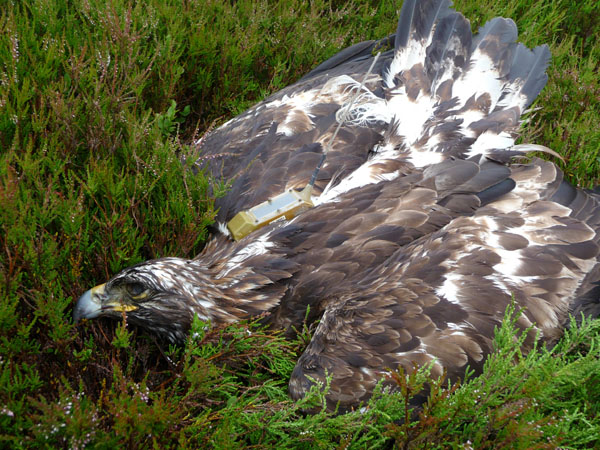 An article in today’s Telegraph reports that Millden Estate, where golden eagle ‘Alma’ was found poisoned in 2009, is no longer up for sale. The estate, owned by investment banker Richard Hanson, was reportedly put on the market earlier this year (see here and here). According to the Telegraph, Hanson has now changed his mind after more than 5,000 brace of grouse (10,000 birds) were shot there this season.
 Earlier this year, a subsidised pesticide and biocide disposal scheme was set up for a three month period (Jan-Mar), so that gamekeepers, farmers, pest controllers etc could safely and cheaply get rid of certain redundant and/or illegal substances. The scheme was organised by the bafflingly-named Project SOE (Security in the Operational Environment) and was supported by government funding, which allowed collection and disposal for the bargain rate of £20 per application.
 Glen Esk is, of course, where golden eagle ‘Alma’ was found poisoned two years ago (see
 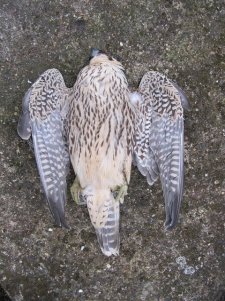 The BBC News website is running a story today about another poisoned peregrine. The young bird was apparently discovered three months ago at Whitecleaves Quarry near Buckfastleigh in Devon. The toxicology results, which have only just been released, indicate the bird was poisoned with the banned pesticides Carbofuran and Aldicarb.
 Millden Estate near Brechin, Angus has been put up for sale with a whopping £17.5 million price tag. If the estate is sold as a whole (as opposed to up to 13 Lots), it will become the most expensive Scottish country estate ever sold on the open market, according to Scotland on Sunday.
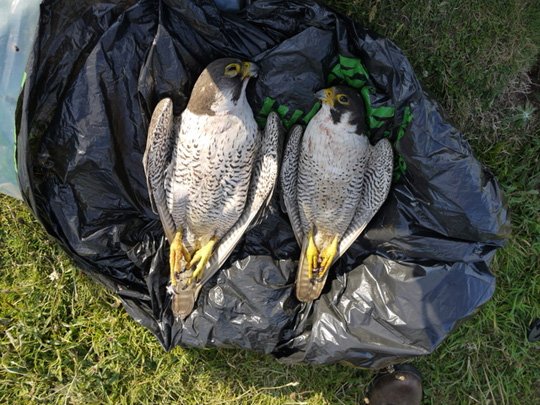 Devon & Cornwall Police, along with the RSPB, have just announced that two peregrines that were found dead on 21 July this year had been poisoned by the banned pesticide Carbofuran. The RSPB is offering a reward of £1000 for information leading to a conviction.
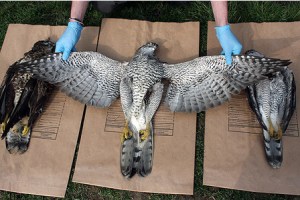 The RSPB has put up a reward of £1,000 for information about the deaths of four goshawks and one buzzard which have been found poisoned in Devon. They were discovered in Forestry Commission woods near to Exeter and had been poisoned with the bannned pesticide Carbofuran.
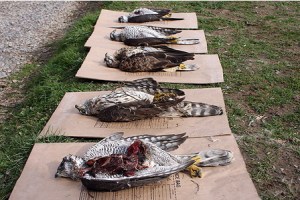 Anyone with information about these crimes is urged to call Crimestoppers, in confidence, on: 0800-555-111, or email Devon & Cornwall Police Wildlife Crime Officer P.C. Josh Marshall directly:
  Raptor Persecution UK