
David Matthews, a gamekeeper with 50 years experience, has been convicted at Wrexham Magistrates Court for poison offences uncovered on the McAlpine Estate in Llanarmon Dyffryn Ceiriog, North Wales, where he has worked for 25 years.
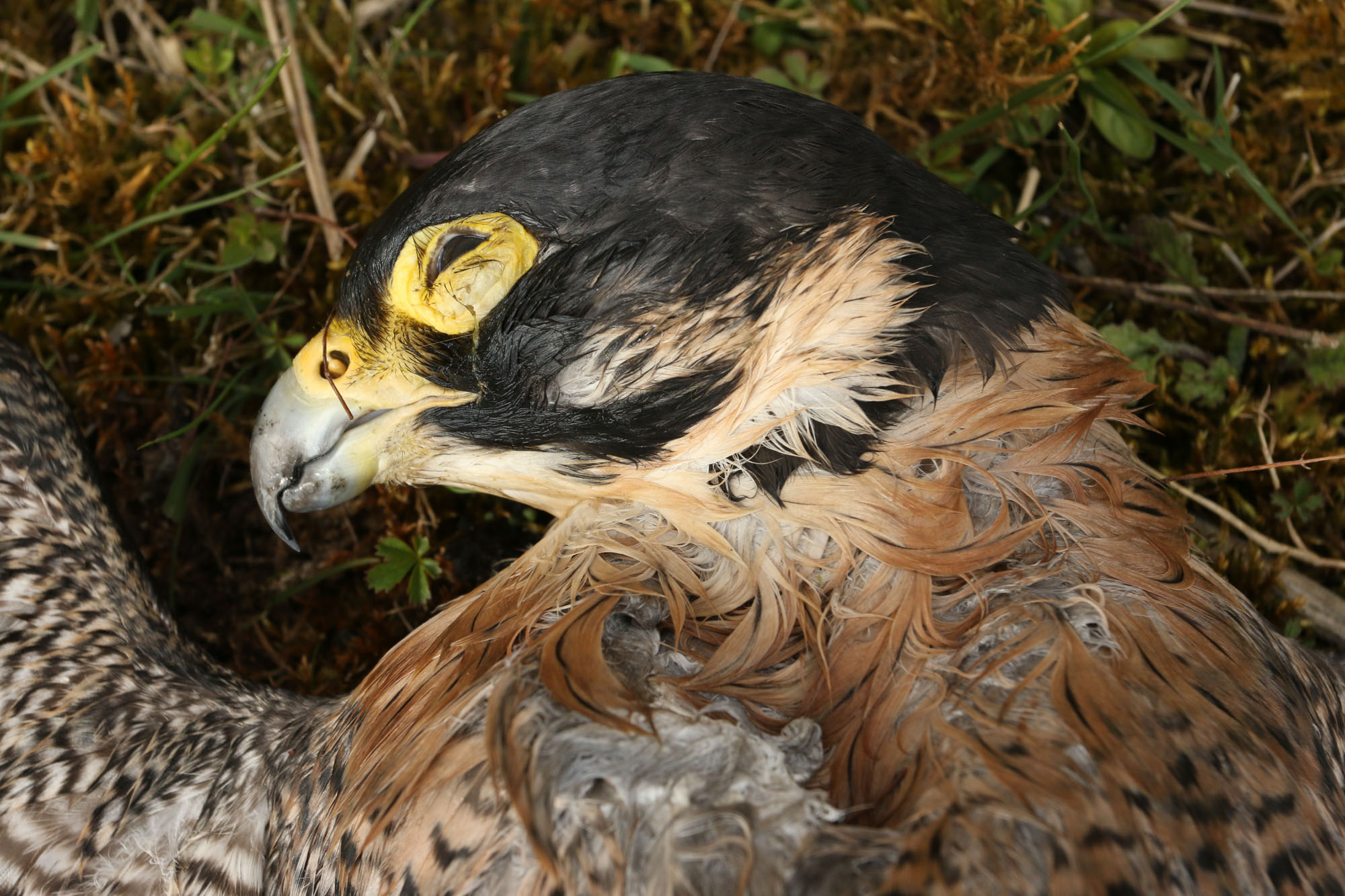
In February 2021 a dead red kite was found on the estate by a member of the public and a later toxicology analysis revealed it had been poisoned with Bendiocarb.
[The poisoned red kite. Photo by RSPB]

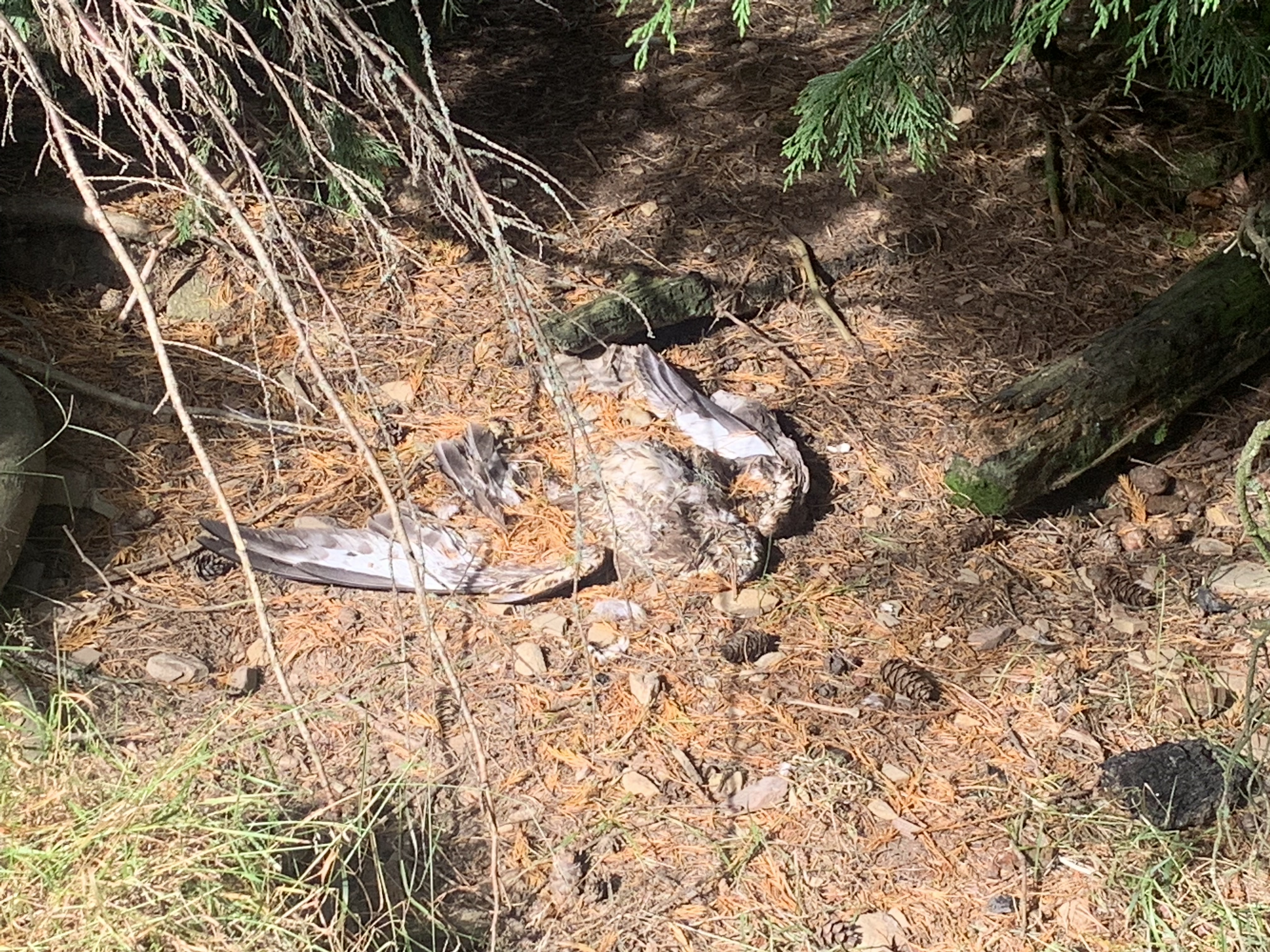
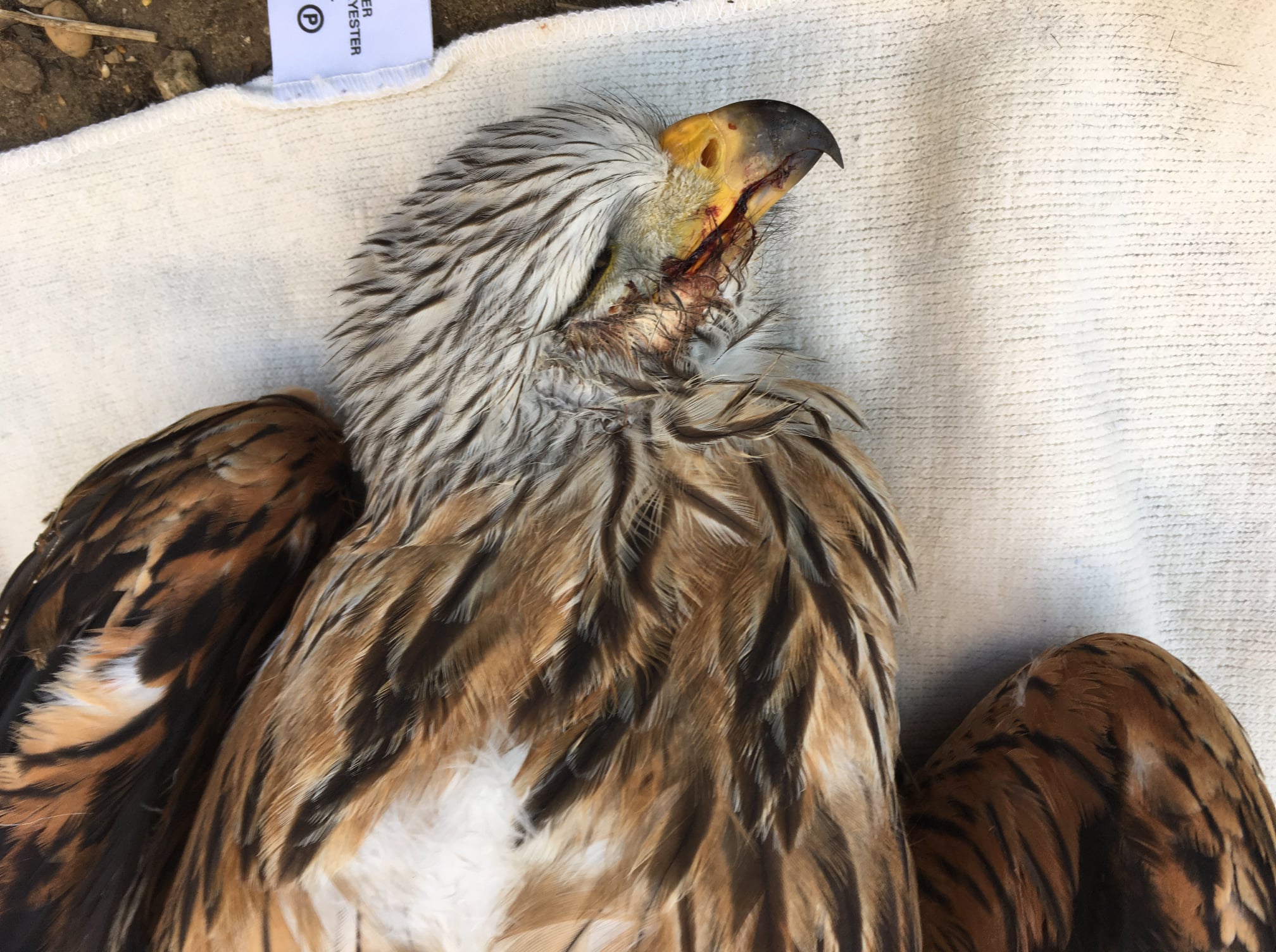
When RSPB Investigations Officers subsequently visited the McAlpine Estate they found a dead buzzard inside a pheasant release pen. When the body was x-rayed, a piece of shot could be seen lodged in the bird’s skull.
[The shot buzzard found inside the pheasant release pen. Photo by RSPB]
A multi-agency search in October 2021 by North Wales Police, the Welsh Government, RSPB and the National Wildlife Crime Unit uncovered an unlocked barn containing 18 highly toxic products, including Cymag which has been banned since 2004. They also found the remains of a pheasant, inside a game bag on a bonfire site inside a pheasant release pen. The pheasant tested positive for Bendiocarb. Another dead buzzard was too badly decomposed to be tested.
Gamekeeper Matthews pleaded guilty to one charge relating to the possession of unauthorised pesticides. He received a total fine of £219.
You can read the full details of this case on the RSPB’s blog here.
In that blog, the RSPB state, ‘It remains unknown who killed the buzzard and the kite‘.
I’m pretty sure that the RSPB investigators, just like the rest of us, have a pretty good idea who might have been responsible but presumably there was insufficient evidence to charge anyone. Such is the nature of this game that it would be libellous to suggest a suspect.
It seems odd to me, though, that a gamekeeper who had worked on the estate for 25 years wouldn’t have noticed someone laying poisoned baits, placing the bait inside a game bag and leaving it on a bonfire site inside a pheasant release pen, and shooting dead a buzzard and leaving its corpse inside a pheasant release pen.
His £219 fine makes a total mockery of the system. Had this case been in Scotland, the fine for possessing an unauthorised poison would now be £40,000. That’s a serious deterrent.
£219 is not.
This is the reality and I’ll be reminding DEFRA Minister Lord Benyon of this the next time he repeats the Westminister Government’s tediously predictable claim that raptor-killing criminals face ‘significant sanctions…including an unlimited fine and/or a six month custodial sentence‘ (e.g. see this from Environment Minister Rebecca Pow in September 2021, and this from Richard Benyon in February 2022, and this from Rebecca Pow in February 2022, and this from Richard Benyon in April 2022).
Matthews is the 7th gamekeeper to be convicted in seven months across England, Scotland and Wales. There are still multiple cases pending court in the coming months. Clear evidence then that the game-shooting industry’s supposed ‘zero tolerance’ policy towards raptor persecution is simply just rhetoric and that the Government’s so-called ‘significant sanctions’ are complete bollocks.
The other convicted gamekeepers in recent months are:
Gamekeeper Shane Leech who was convicted in November 2021 for firearms and pesticides offences after the discovery of a poisoned buzzard found close to pheasant-rearing pens in Lakenheath, Suffolk (here);
Gamekeeper Peter Givens who was convicted in November 2021 for causing the death of a goshawk and a barn owl which starved to death in an illegally-operated trap on the Cathpair Estate in the Scottish Borders (here);
Gamekeeper Hilton Prest who was convicted in December 2021 for causing a sparrowhawk to starve to death in an illegally-operated trap in Cheshire (here);
Gamekeeper John Orrey who was convicted in January 2022 for battering to death two buzzards he’d caught in a cage trap on a pheasant shoot in Nottinghamshire (here);
Gamekeeper Rhys Davies from the Millden Estate in the Angus Glens, Scotland, who was convicted in May 2022 for animal cruelty relating to badger baiting (he’ll be sentenced at the end of June – here);
Gamekeeper Archie Watson who was convicted in June 2022 for raptor persecution and firearms offences after he was filmed throwing 8 dead raptors down a well on a pheasant-shoot in Wiltshire (here).
Well done to the multi-agency search team involved in bringing David Matthews to court.




 Raptor Persecution UK