 The following internal email was written by Rob Cooke (Natural England Director) on 6 February 2017:
Hen Harriers
Hen harriers (HHs) are having a rough time in England. Although juvenile birds have a high natural mortality there is plenty to suggest that illegal persecution is ongoing, either through shooting or disturbance. The level of persecution is such that it is undoubtedly having an impact on the conservation status of the species in England. Amongst a diet usually dominated by meadow pipits and voles can be red grouse, which is where the problem arises. As a semi-colonial nester HHs can predate high numbers of grouse which can bring them into conflict with grouse shooting.
In early 2016 Defra published the Joint Action Plan to increase the English hen harrier population. The two new elements proposed a southern reintroduction and trialling a brood management scheme; Natural England chairs sub-groups on both. Brood management is the most controversial element. Notwithstanding that, establishing a separate southern population has attracted criticism, even from some of those who purport to want to see more HHs, presumably as they fear that it will divert attention from persecution in the uplands. The notion that anyone wanting to see more HHs can argue against a reintroduction is I’m afraid beyond me (and as I type this I can see a red kite gliding by overhead).
Put simply brood management (BM) is removing eggs/chicks from vulnerable nests, rearing them in captivity and releasing them back into the uplands. Of course if there was no persecution threat the nests wouldn’t be vulnerable (to human persecution at any rate) and therein lies the rub. Those opposed to BM say it effectively condones persecution, and actually more effort should be put into stopping that. I agree with that, but in practice despite the collective efforts of us, the police, RSPB and others it has not proved possible to stop persecution. Radio tagged birds disappear, and even when recovered proving who fired the shot is very difficult in large remote upland areas. There is an argument being made that driven grouse shooting should be banned (rejected recently by parliament), and the RSPB’s approach is that there should be greater regulation of shooting. Effective regulation requires effective enforcement, and in Scotland where there is a stronger regulatory framework (incl vicarious liability and SNH’s power to remove General Licences) they still have a significant ongoing HH and raptor persecution issues.
The rationale behind BM is that if upland managers have a way of managing the density HHs (so that any impact on grouse is sustainable) then there will not be a ‘need’ to persecute the birds. Whether this is the case or not time will tell (it is a trial after all), but we need to give it a go, since there is no Plan B on the table. Undertaking BM does not mean that anyone will put any less effort into enforcement, and there will continue to be tagging and rigorous protection of nest sites, where Stephen Murphy and his network of dedicated volunteers do wonders. Since all the birds will be returned to the uplands there should be no impact on the population (and possibly even, more chicks will survive to adulthood than would otherwise have been the case as nests do suffer natural predation). It goes without saying that the trial will be subject to full veterinary, statutory assessment and licensing processes. BM would not require the removal of all birds from grouse moors, but would kick in when a published density threshold was reached.
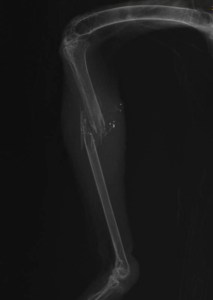 Recent events have resulted in a large number of FoI requests and fair bit of resultant commentary on raptor blogs. Much of this is commentators adding up 2 and 2 and coming to 5. In particular the huge amount of space devoted to whether NE ‘watered down’ a media release concerning Rowan’s post-mortem to say ‘likely to have been shot’, as opposed to ‘shot’. The simple truth is that the post-mortem did not say definitively that the bird was shot so nor did we (or the RSPB either – ‘injuries consistent with being shot’). That prosaic point aside what is really disappointing is that this focus detracts from the spotlight which needs to be shone on the continuing plight of HHs and work underway to change that. The lurid accusation that NE is in some way colluding with those responsible for hen harrier persecution is simply absurd.
Natural England leads much of this work and criticism is par for the course; constructive criticism is good and keeps us on our toes, but it is disappointing that much destructive criticism comes from the ‘wildlife sector’; rather darkly I wonder whether those who are responsible for persecution are sitting back smugly watching this internecine bickering. The bottom line is that there are a number of people working extremely hard to improve the status of HHs in England. We are all working to our strengths and membership organisations need to be able to take their members with them, to persuade them and win their support; hard line approaches can lead to alienation. I believe in the sincerity of those involved in the plan, even if we might have differing motivations, but no one is blind to the challenges; persecution still happens and it needs to stop. If this plan does not deliver then we will need to look at other approaches.
But ‘How’ is the question? Simple enforcement is not enough so we need to adopt other approaches as well. After all, our experience over the last 15 years or so is that even reducing persecution is much easier said than done. There has been progress of sorts to date; the issue is very much in the public eye, we have the Moorland Association and other representative bodies openly condemning raptor persecution, we have tackling wildlife crime as a Govt priority and we have a Govt published plan. The proof of course will be in the eating; it won’t be easy but we do need to give it a try.
We need to be robust in our objective of restoring HHs to favourable conservation status in England, and not be distracted by those who, from whatever perspective, would derail us.
ENDS
There’s so much that could be discussed /debated /argued about the content of this email that we’d be here all day, so for brevity we just wanted to focus on two aspects.
First, the statement: “I believe in the sincerity of those involved in the plan“.
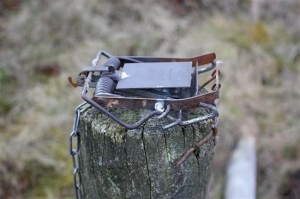 On what basis does he believe in this supposed sincerity? The plan was launched over a year ago in January 2016, with the ‘partners’ supposedly all signed up. Since then we’ve seen an armed man sitting next to a decoy hen harrier on a grouse moor in the Peak District National Park; a gamekeeper caught on film setting three illegal pole traps on a grouse moor in the Yorkshire Dales National Park; an endless number of raptor shootings, trappings and poisonings across England, many on or next to a grouse moor; an increase in the number of reported gas guns and banger ropes being deployed on grouse moors to deter breeding hen harriers; only three hen harrier nests in England (where there could be 330) and not one of them was on a grouse moor; and eight satellite tagged hen harrier fledglings from the 2016 season have already either ‘disappeared’ in the uplands or have been confirmed shot.
We haven’t seen any evidence whatsoever that the grouse shooting industry is sincere about stopping raptor persecution.
Secondly, we wanted to highlight Rob’s penultimate paragraph, because it really beggars belief. According to Rob, ‘there has been progress of sorts to date’ and he defines this ‘progress’ as follows:
- The issue is very much in the public eye. Well yes, it is, but that is no thanks to Natural England or their friends in the grouse shooting industry. Public awareness of hen harrier persecution has been increased thanks to (a) the RSPB’s Hen Harrier Life Project and (b) a hell of a lot of effort by grassroots campaigners, notably Mark Avery with his book Inglorious and his three petitions to ban driven grouse shooting, Chris Packham, LUSH, hundreds of people getting involved in BAWC’s Hen Harrier Day events across the UK for the last three years, and thousands of ordinary people using social media to great effect, day in, day out.
- We have the Moorland Association and other representative bodies openly condemning raptor persecution. What we actually have is the Moorland Association and other representative bodies consistently denying that raptor persecution is a big problem; consistent attacks on the RSPB, particularly from the You Forgot the Birds propaganda machine, which is funded by the grouse shooting industry; consistent personal attacks on high profile campaigners; consistent attempts to discredit RSPB persecution data, and a consistent refusal to condemn confirmed raptor persecution crimes unless pushed hard by campaigners, and even then a response is rarely forthcoming (see yesterday’s blog about the poisons cache on East Arkengarthdale Estate as a classic example).
- We have tackling wildlife crime as a Govt priority. Do we? Is there any evidence of this?
- We have a Govt published plan. We do indeed, and it has been repeatedly and deservedly criticised by conservationists. As Mark Avery often says, it is not an action plan for hen harriers, it is an action plan for grouse moor owners.
Sorry Rob, but if you think the grouse shooting industry is going to stop killing hen harriers (or any other raptors) any time soon, based on the ‘evidence’ you’ve provided, then you’re delusional.

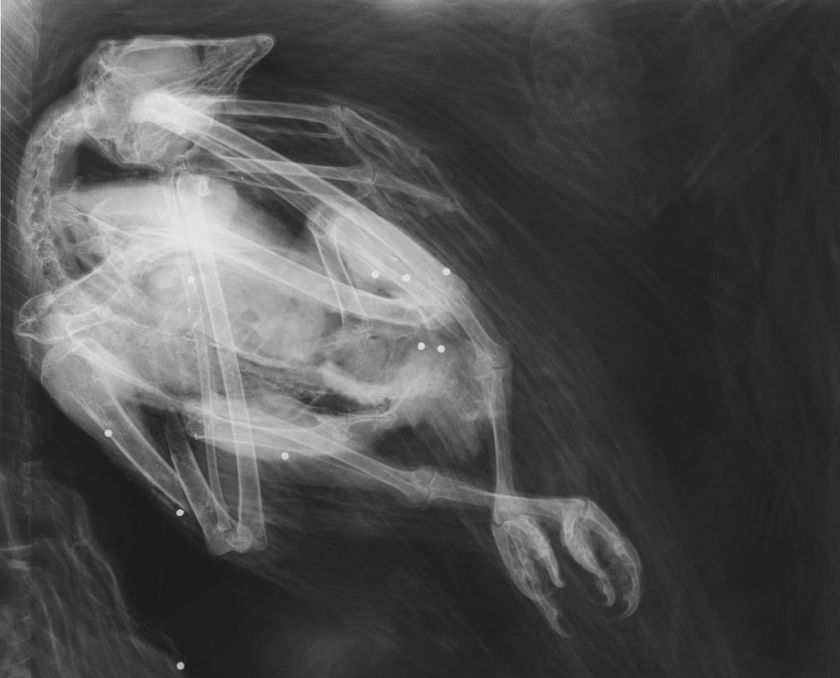
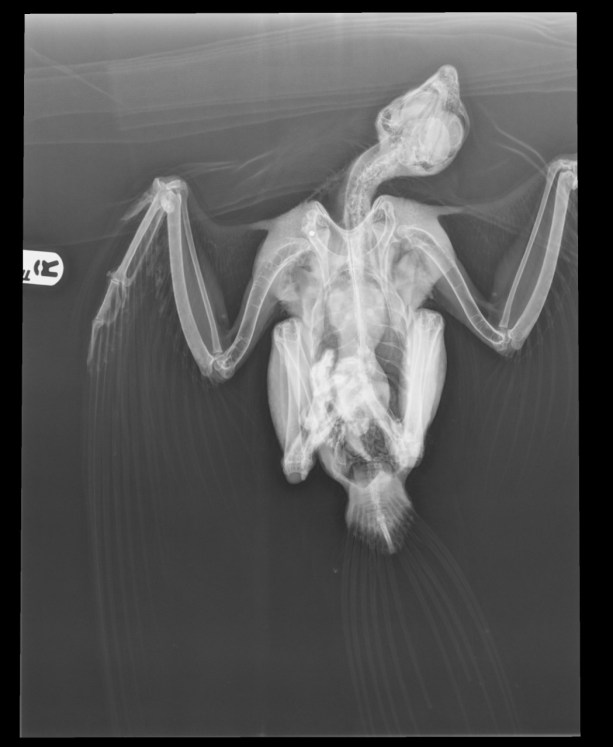

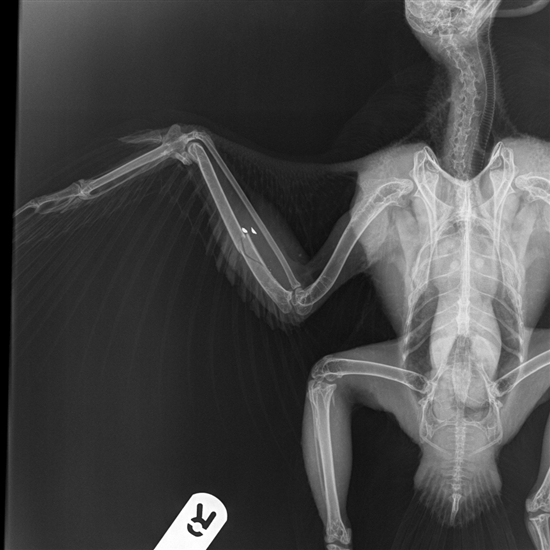


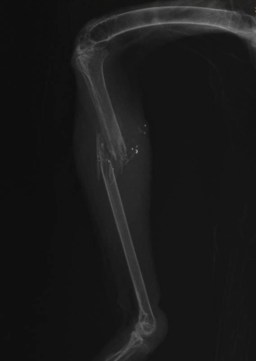
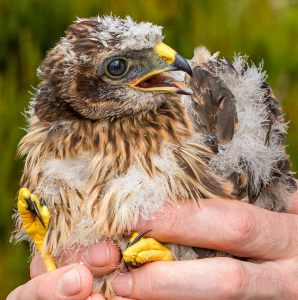 In the latest edition of the RSPB’s Legal Eagle newsletter (
 Indeed, when challenged about the lack of transparency, the Hawk & Owl Trust conjured up this statement: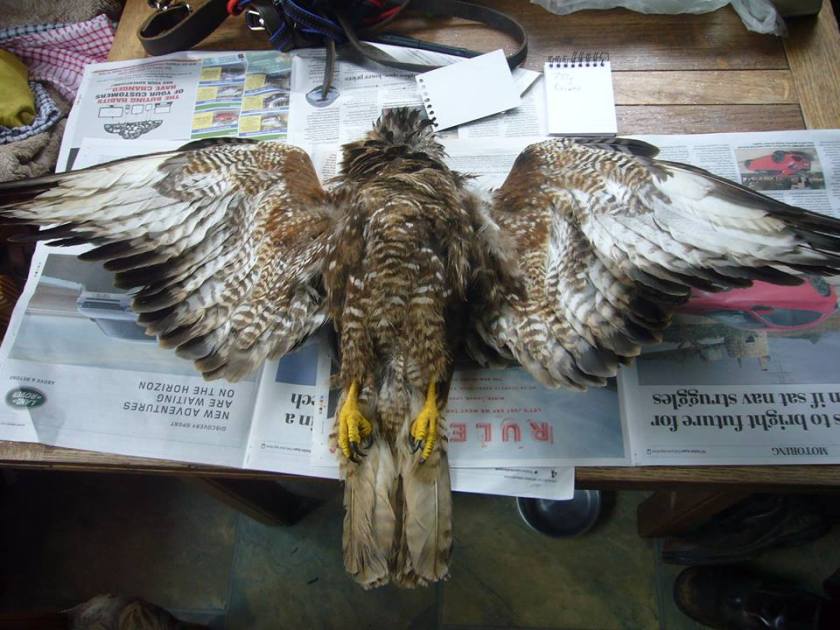
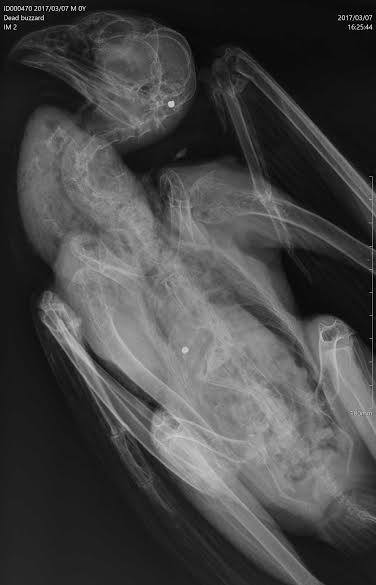
 North Yorkshire Police have issued the following press release:
 Raptor Persecution UK