There was a feature on illegal raptor persecution in the Peak District National Park on the BBC’s Sunday Politics (East Midlands) programme a couple of days ago.
You can watch it on BBC iPlayer here (starts at 21:02; ends at 25:05; available for 27 days).
The film began with an interview with Tim Birch from Derbyshire Wildlife Trust, who explained that illegal raptor persecution in the Dark Peak area of the National Park is particularly bad, affecting hen harriers, goshawks and peregrines. The Derbyshire Wildlife Trust is calling for stronger enforcement action on the criminals responsible and for the introduction of vicarious liability, to hold the landowners to account.
The presenter then spoke about the recent scientific paper on hen harrier satellite data, published a couple of weeks ago. She said:
“When it comes to hen harriers a recent study by Natural England found they were ten times more likely to die if they were near or on land used for shooting. Now this study concluded that illegal persecution is having a major impact on the conservation of these birds. But not everyone agrees with the data. Duncan Thomas represents the shooting community and believes questions need to be raised“.
The camera then cut to Duncan Thomas, ex-police wildlife crime cop in the Forest of Bowland and currently the British Association for Shooting & Conservation’s (BASC) northern director. Here’s how the interview went:
Duncan Thomas: “You know, what we have to be really careful of is the data that’s coming from these tagging programmes and who controls that data. I’d like to see much more transparency in the whole tagging process for the benefit of everybody“.
Interviewer: “These wildlife charities say that there is a direct connection when it comes to the decline in birds of prey populations here in the Peak District and illegal persecution“.
Duncan Thomas: “There is a tiny amount of persecution occurring and what we have to do is to work closely with our conservation partners to eradicate that. BASC and the other shooting organisations have a zero tolerance for wildlife crime. Any body committing any crime will be expelled from the organisations, the police will remove their firearms and shotgun certificates and they won’t be able to work, you know. There is a zero tolerance for it. You know, let’s work together and take this issue forward“.
[Duncan Thomas, struggling to understand the definition of “tiny”]

Given the extensive catalogue of evidence that demonstrates the appalling level of wildlife crime in the Peak District National Park, Duncan Thomas’ refusal to acknowledge it just makes him, and BASC, look ridiculous.
That evidence dates back at least 20 years and resulted in two damning summary reports published by the RSPB: Peak Malpractice (here) and then Peak Malpractice update (here).
Then came the Peak District National Park Bird of Prey Initiative in 2011, a so-called ‘partnership’ aimed at restoring raptor populations in the Dark Peak part of the Park. This Initiative has failed to deliver on every single target since then (see here and here) and is barely hanging by a thread (here).
Then last year a scientific paper published in the journal British Birds comprehensively linked the illegal killing of raptors with areas of land managed for driven grouse shooting in the National Park (see here). Here is a map from that paper showing the number of raptor persecution incidents against the backdrop of grouse moors (burned heather).
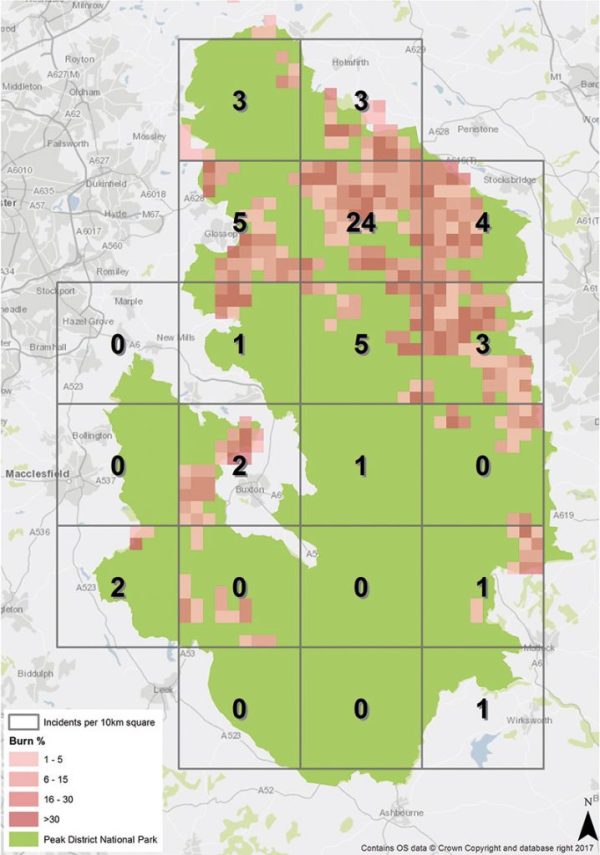
To suggest that the scale of raptor persecution in the Peak District is a “tiny amount“, even though it’s been shown repeatedly, for many years, to be having population-level effects on hen harriers, goshawks and peregrines, is either fatuously ignorant or wilfully blind.
Instead of acknowledging these widespread crimes, Duncan Thomas instead focused on trying to undermine the hen harrier satellite tag data which were collected by a Government agency, analysed by international scientists and published in an exceptionally high quality journal!
And it’s simply not true that the shooting organisations operate a zero tolerance policy for wildlife crime. If only they did, this issue would be resolved very quickly! For example, not one of them published a statement to condemn the shooting of Marsh harriers at a nest on Denton Moor nor issue an appeal for information to identify the armed men dressed as gamekeepers (here).
Instead, what we see repeatedly are shooting organisation representatives sneering and ridiculing the RSPB when covert video evidence has been ruled inadmissible in prosecutions for alleged raptor crime (Duncan Thomas has a track record of this – e.g. here), we see high-end barristers (often of QC status) brought in to defend the accused (who pays the legal fees, because they’ll be beyond the gamekeeper’s pocket?), and instead of expulsions from shooting organisations following a successful conviction we see statements of support (e.g. here).
On top of all that, we understand that BASC is accepting funds from several people who are also involved in the management of a number of estates notorious for both confirmed and alleged wildlife crimes. We’ll be exploring that relationship, also shared with GWCT, in another blog.
Does any of that look like zero tolerance to you?
Oh, and Duncan, about your idea of “working together“. That won’t happen when BASC and its fellow raptor persecution apologists boycott a meeting designed to, er, work together to tackle illegal raptor persecution.
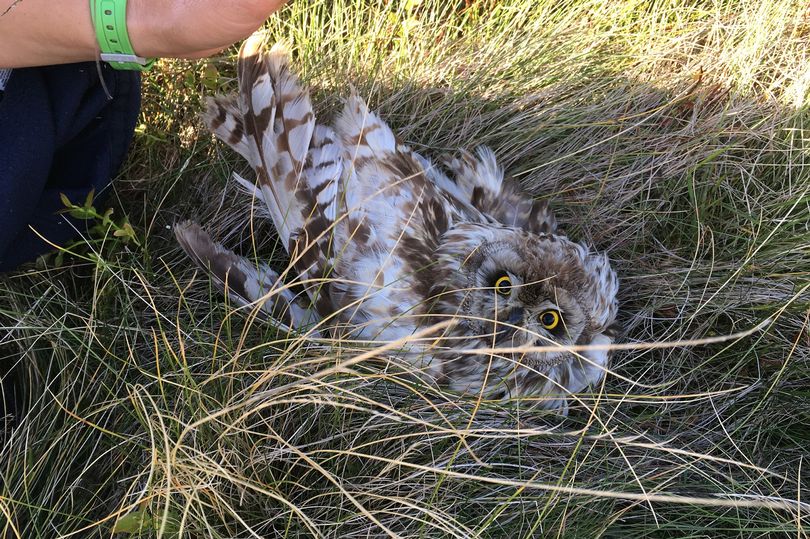
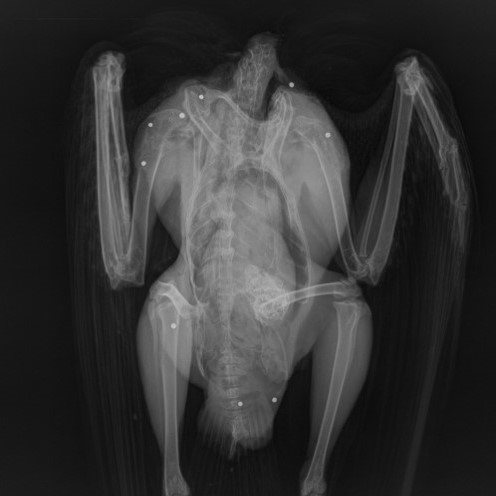
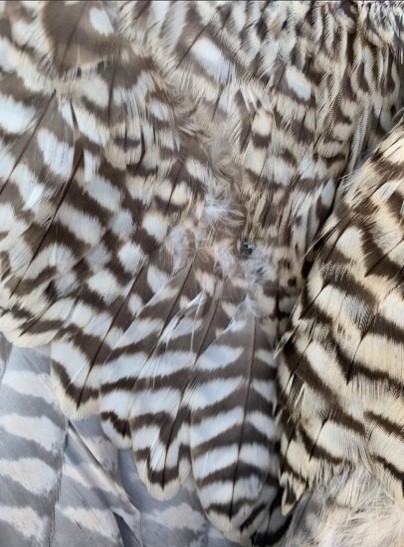
[Photo of a short-eared owl that was found shot in the Peak District National Park last year. A shot tawny owl was found stuffed in a drystone wall not far away. Photo via RSPB]









 Raptor Persecution UK