Conservation campaign group Wild Justice is hosting a new event this year, Hen Harrier Fest, on Sunday 24th July 2022 at a very special venue in Cheshire.
Further details to follow so for now, please save the date!


Conservation campaign group Wild Justice is hosting a new event this year, Hen Harrier Fest, on Sunday 24th July 2022 at a very special venue in Cheshire.
Further details to follow so for now, please save the date!
Well this saga gets more interesting by the day.
I’ve written about the poisoned white-tailed eagle found dead on an as-yet undisclosed shooting estate in North Dorset and Dorset Police’s decision to close the investigation prematurely (see here, here, here, here and here).
I’ve also written about the suspected poisoning of another white-tailed eagle on another as-yet undisclosed shooting estate in North Dorset and a subsequent multi-agency raid in which items of interest have been submitted for toxicology assessment (see here).
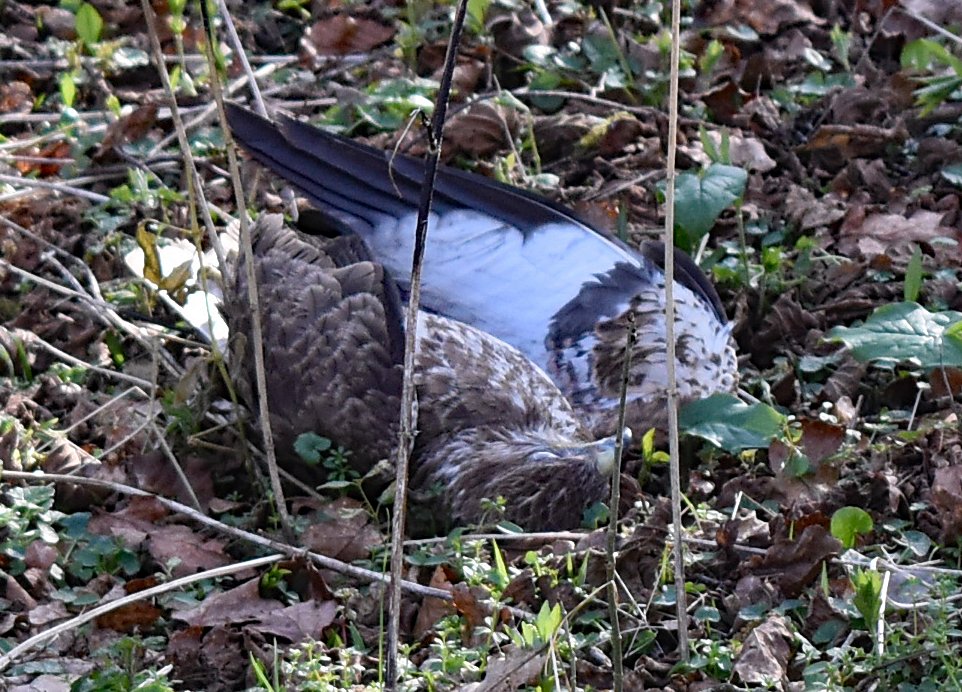
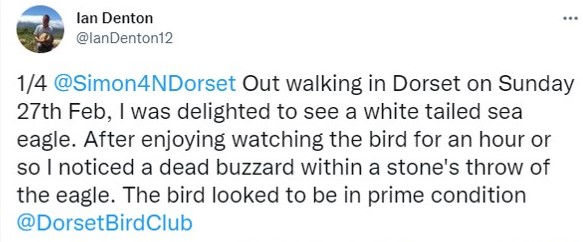
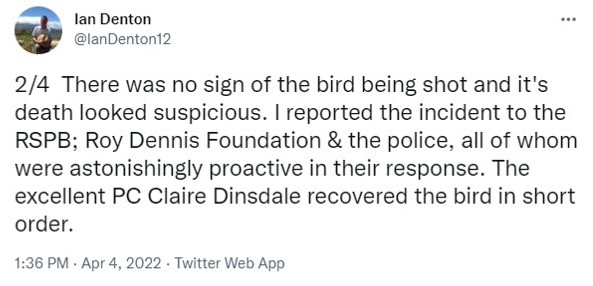
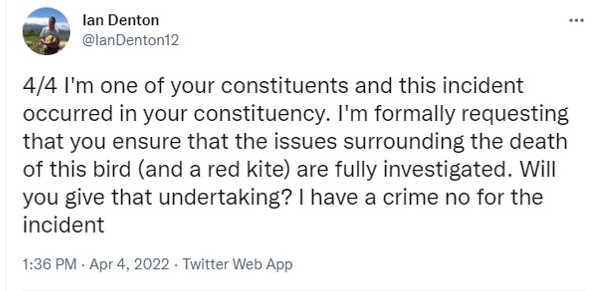
Now there’s this – the suspected poisoning of a buzzard and a red kite on an as-yet undisclosed shooting estate in North Dorset, as revealed on Twitter this afternoon by Ian Denton:

More to follow……
The story of the week has been the confirmed poisoning of a white-tailed eagle found dead on a shooting estate in Dorset in January, and Dorset Police’s astonishing decision to close the investigation even though toxicology results had proved that poisoning was the cause of death (see here, here, here, here and here).
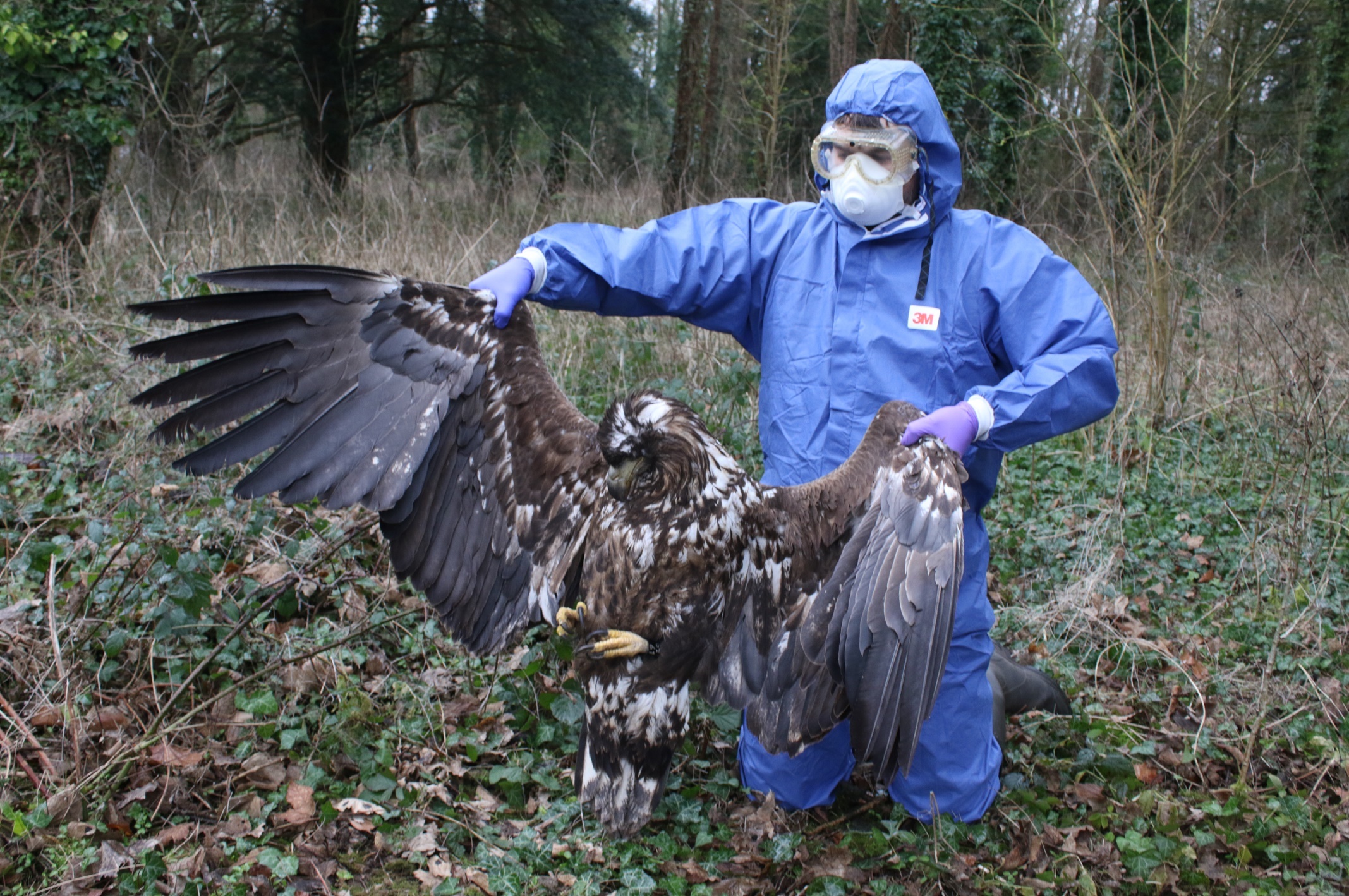
There’s still much more to come out about this story and I’ve spoken to a few journalists in the last few days who are making some headway. Let’s see what they produce in the coming days.
Meanwhile, in the course of these conversations I’ve learned that another white-tailed eagle is suspected to have been poisoned on a shooting estate in Dorset.
I’ve deliberately used the word ‘suspected’ in this case because unlike the first eagle, poisoning hasn’t been confirmed and the eagle hasn’t died.
This second case is not on the same shooting estate where the dead (confirmed poisoned) eagle was found, but it is on another game-shooting estate and it is nearby.
I understand that initially, this second eagle’s satellite tag data indicated that the eagle’s movements were unusual and this was a cause for concern given the eagle’s location and proximity to the area where the poisoned eagle had been found dead. A multi-agency team made a site visit to look for this second eagle and they found it, still alive but displaying some of the characteristic physical traits of a raptor that has ingested a large amount of an anticoagulant rodenticide (e.g. lethargic, head-drooping).
While on site searching for the sick eagle, a number of undisclosed items were apparently discovered which sparked a multi-agency raid on the estate a short while later and I understand that as a result of that search, multiple toxicology results are now pending from the lab.
The second eagle appears to have since made a recovery and has recently moved away from the estate, although long-term health issues may still be an issue. Time will tell.
It’s important to emphasise that at this stage poisoning (rodenticide or another substance) has not been confirmed but it is suspected.
What’s interesting about this second investigation is that the police considered there was sufficient evidence to conduct a multi-agency search, even though toxicology results were still pending. This is in direct contrast to the police’s response to the first case where toxicology results from the dead eagle had confirmed that poisoning was the cause of death and that the high concentration of rodenticide in the eagle’s liver (7 x the lethal dose) was clearly indicative of suspicious activity, and yet Dorset Police decided not to progress that investigation.
This is quite hard to fathom, although I suspect that this multi-agency search on the other estate took place in early March under the direction of the diligent and highly-competent wildlife crime officer, Claire Dinsdale. The ridiculous decision not to progress the first investigation (into the circumstances of the dead, confirmed-poisoned eagle) appears to have been made later in March after Claire Dinsdale had apparently been signed off on indefinite sick leave.
I look forward to the publication of the latest toxicology reports, which should be available by now, surely, and full disclosure from Dorset Police about the status of this second investigation, as well as an explanation about why the first investigation was closed prematurely, especially when Dorset Police would have known about this second case of suspected poisoning on an estate in close proximity to where the dead poisoned eagle had been found.
Further to the news that Dorset Police has announced it has prematurely closed its investigation into the poisoned white-tailed eagle that was found dead on a shooting estate in January 2022 (see here, here, here and here), the post mortem results have now been revealed.
According to a blog written by the Roy Dennis Wildlife Foundation (the group managing the eagle reintroduction project on the Isle of Wight):
‘Post mortem and toxicology testing through the Wildlife Incident Investigation Scheme has subsequently identified brodifacoum poisoning as the cause of death. Brodifacoum is a highly toxic anticoagulant rodenticide that causes internal haemorrhaging. The bird’s liver contained approximately seven times the amount of brodifacoum required to kill a bird like a White-tailed Eagle. The satellite data indicates that the eagle, which was otherwise healthy, deteriorated and died over a period of several days‘.

SEVEN times the lethal dose?
Good grief. It’s no wonder the award-winning Dorset Police wildlife crime officer Claire Dinsdale was planning to undertake a multi-agency search of the estate. It was the obvious next move.
Given these post-mortem results I’d like to know how Dorset Police can justify its decision to shelve the search and close the investigation. I’d also like to know if that decision had anything to do with Claire going on indefinite sick leave.
Up until now I’ve refrained from using the word ‘corrupt’ to describe Dorset Police’s decision and have instead suggested ‘undue political interference’. I’m afraid that corruption is looking more and more likely.
There’s much more to come on this story….
Further to the news that Dorset Police has announced it has prematurely closed its investigation into the poisoned white-tailed eagle that was found dead on a shooting estate in January 2022 (see here, here and here), a question is to be tabled in the House of Lords.
Life Peer Baroness Bennett of Manor Castle (known to many of us as the former Green Party leader Natalie Bennett) responded to Dorset Police’s decision with shock when she posted this on Twitter earlier today:
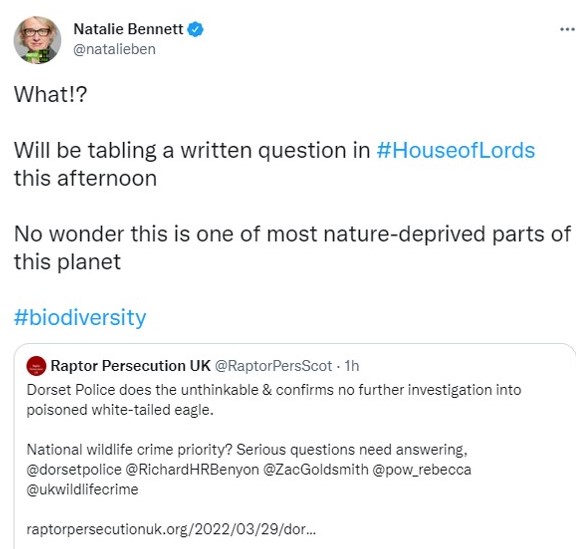
Natalie consistently speaks out on wildlife crime and particularly on raptor persecution. Let’s see if any of her fellow peers, and especially those working at DEFRA (Richard Benyon & Zac Goldsmith) can muster any interest in what looks increasingly like dodgy dealings in Dorset.
Further to the news that Dorset Police has announced it has closed its investigation into the poisoned white-tailed eagle that was found on a shooting estate in January 2022 (see here and here), the RSPB has released a statement:

This story is a long way from over….
UPDATE 16.40hrs: Question to be tabled in House of Lords about Dorset Police’s decision to close eagle poisoning investigation (here)
Further to this morning’s post when I wrote about the rumours circulating that Dorset Police was about to announce it was closing its investigation into the circumstances surrounding the death of a white-tailed eagle found poisoned on a game-shooting estate in January this year (see here), well they’ve only gone and done it.

A few minutes ago Dorset Police’s main Twitter account published the following statement:

For all the reasons I wrote about this morning, this is not only an astonishing move by the police but also of very high concern.
As the police statement says, at this stage it’s not possible to know whether the elevated amount of rodenticide (Brodifacoum) found in the eagle’s corpse was the result of a deliberate act (a crime) or due to accidental secondary poisoning, but surely the whole point of a police investigation is to, er, investigate the circumstances further to try and determine what happened?
And even more importantly than that, there is serious concern that whatever that eagle had eaten may still be out in the open, risking the lives of other wildlife, not least the other satellite-tagged white-tailed eagles known to frequent this area.
I am deeply suspicious of Dorset Police’s motivations for closing this investigation. Again, as discussed this morning there are too many ‘coincidences’ for me not to be incredulous about this and Dorset Police now has some questions to answer.
Who took the decision to close this investigation?
On what basis was that decision made?
Was the decision unduly influenced by political interference?
Why isn’t Dorset Police searching for evidence of poisoned baits?
How does Dorset Police justify the potential risk to other white-tailed eagles in the area?
Why has the word ‘wildlife’ been removed from Dorset Police’s Rural Wildlife crime team?
Who took the decision to remove it?
On what basis was that decision made?
Was the decision unduly influenced by political interference?
If you’d like to ask these questions, and/or any others, please email Dorset Police on: 101@dorset.pnn.police.uk Please quote reference # 55220015571.
UPDATE 15.05hrs: RSPB ‘completely baffled’ by Dorset Police decision to prematurely end poisoned eagle investigation (here)
UPDATE 16.40hrs: Question to be tabled in House of Lords about Dorset Police’s decision to close eagle poisoning investigation (here)
UPDATE 30th March 2022: Poisoned eagle in Dorset had 7 x lethal dose rodenticide in its liver (here)
UPDATE 1st April 2022: Another eagle suspected poisoned on a Dorset shooting estate (here)
UPDATE 14th April 2022: Dorset Police refuse FoI request for correspondence between them and Chris Loder MP on poisoned eagle (here)
UPDATE 20th April 2022: Unconvincing statement from Dorset Police on closure of investigation into poisoned eagle (here)
UPDATE 21st April 2022: Chris Packham submits FoI requests to Dorset Police and the Crime Commissioner about poisoned eagle (here)
UPDATE 22nd April 2022: More questions asked about Dorset Police’s mishandling of the poisoned eagle investigation (here)
UPDATE 26th April 2022: The office of the Dorset Police & Crime Commissioner: incompetent or something more sinister? (here)
UPDATE 27th April 2022: Dorset Police Chief Constable and the Police & Crime Commissioner on a futile damage limitation exercise (here)
UPDATE 29th April 2022: Another dead buzzard in Dorset – Police warn public of suspected poisoned baits (here)
UPDATE 29th April 2022: Email correspondence between Chris Loder MP and Dorset Police & Crime Commissioner re: poisoned eagle (here)
UPDATE 16th May 2022: Poisoned eagles in south of England feature in The Telegraph (here)
UPDATE 19th May 2022: Wildlife Crime Working Group seeks explanation from Dorset Police about failure to investigate poisoned eagle incident (here)
UPDATE 25th May 2022: Dorset Police and the Dorset Police & Crime Commissioner in breach of Freedom of Information Act by failing to respond to Chris Packham’s request for info on poisoned eagle (here)
UPDATE 26th May 2022: Further breach of Freedom of Information Act by Dorset Police re: poisoned eagle (here)
UPDATE 30th May 2022: Your opportunity to question Dorset Police Chief Constable on poisoned eagle case 7 breaches of FoI law (here)
UPDATE 31st May 2022: Premature closure of poisoned eagle investigation was ‘proportionate’ claims Dorset Chief Constable (here)
UPDATE 31st May 2022: Dorset Police’s generic FoI response on poisoned eagle investigation is inaccurate and unsatisfactory (here)
UPDATE 8th June 2022: Poisoned eagle investigation: “You and I need to get our ducks in the row on this one”, Dorset PCC tells Chris Loder MP (here)
UPDATE 11th June 2022: BBC’s Countryfile to feature #EagleGate (here)
UPDATE 14th June 2022: Watch Dorset’s poisoned eagle fiasco on BBC’s Countryfile (here)
UPDATE 19th June 2022: Dorset Police continues its damage limitation exercise re: its botched investigation into the poisoned eagle (here)
UPDATE 3rd January 2023: More info revealed on Dorset Police’s relationship with local MP & the botched investigation into the poisoned white-tailed eagle (here)
Dorset has become a bit of a raptor persecution hotspot in recent years following the discovery of a shot buzzard (here), the suspicious deaths of two barn owls and several more buzzards (here), the disturbance of nesting peregrines (here), the suspected poisoning of a number of buzzards and an owl in two separate locations (here) and the poisoning of a red kite, which led to a multi-agency raid where banned poisons and several more dead raptors were discovered (here).
Fortunately, Dorset Police has one of the best-equipped and most experienced wildlife & rural crime teams in the country, or at least it did have.
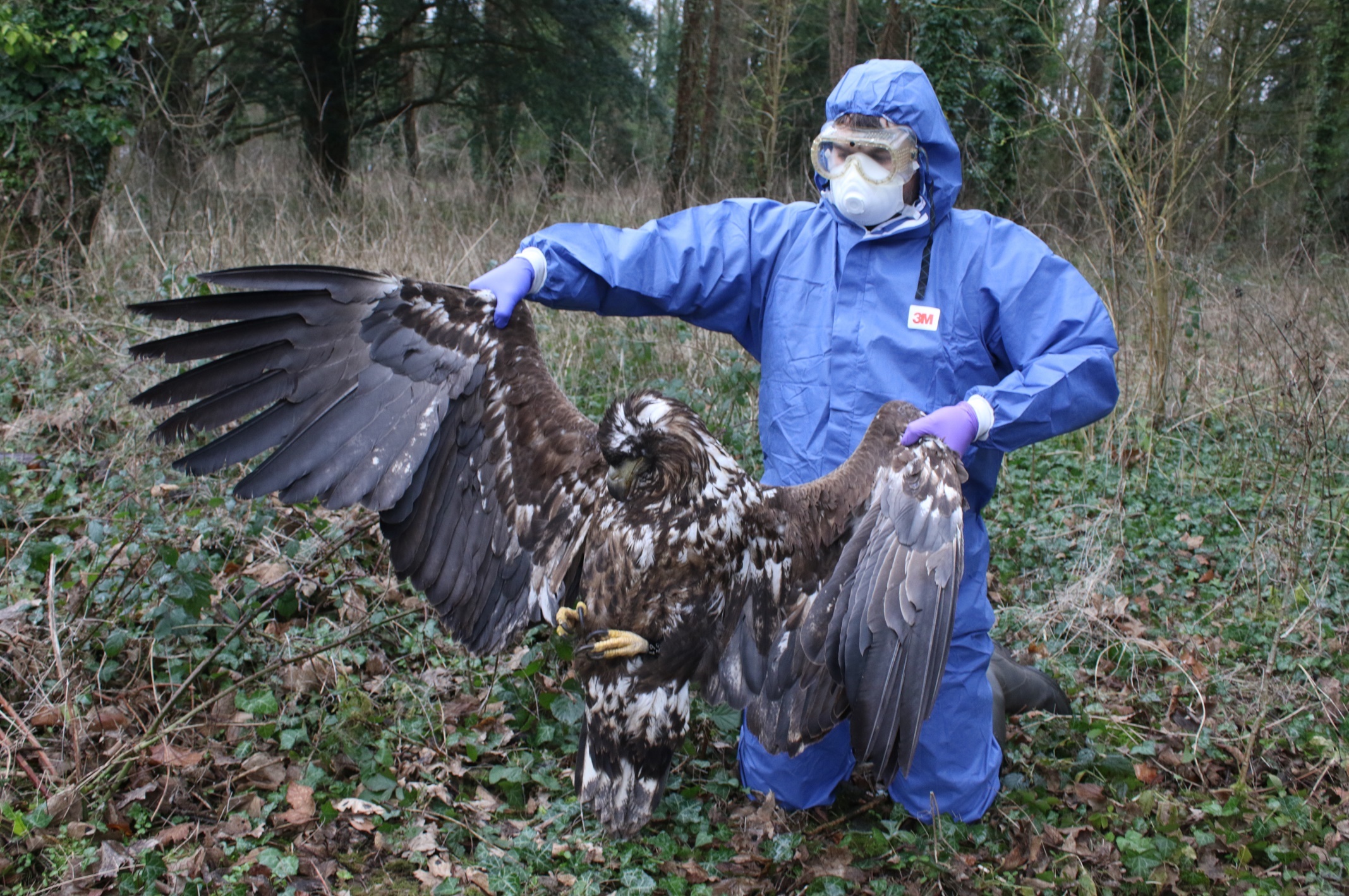
In January this year, the corpse of a white-tailed eagle was found dead on an unnamed shooting estate in Dorset (here). When the story broke in February it made national news (e.g. here, here, here), not least because this eagle was from the inaugural reintroduction project on the Isle of Wight and it was one of two dead eagles that had been found in suspicious circumstances in recent months (another is believed to have been found dead in Sussex in October 2021).
[The dead white-tailed eagle found in Dorset in Jan 2022. Photo by Dorset Police]
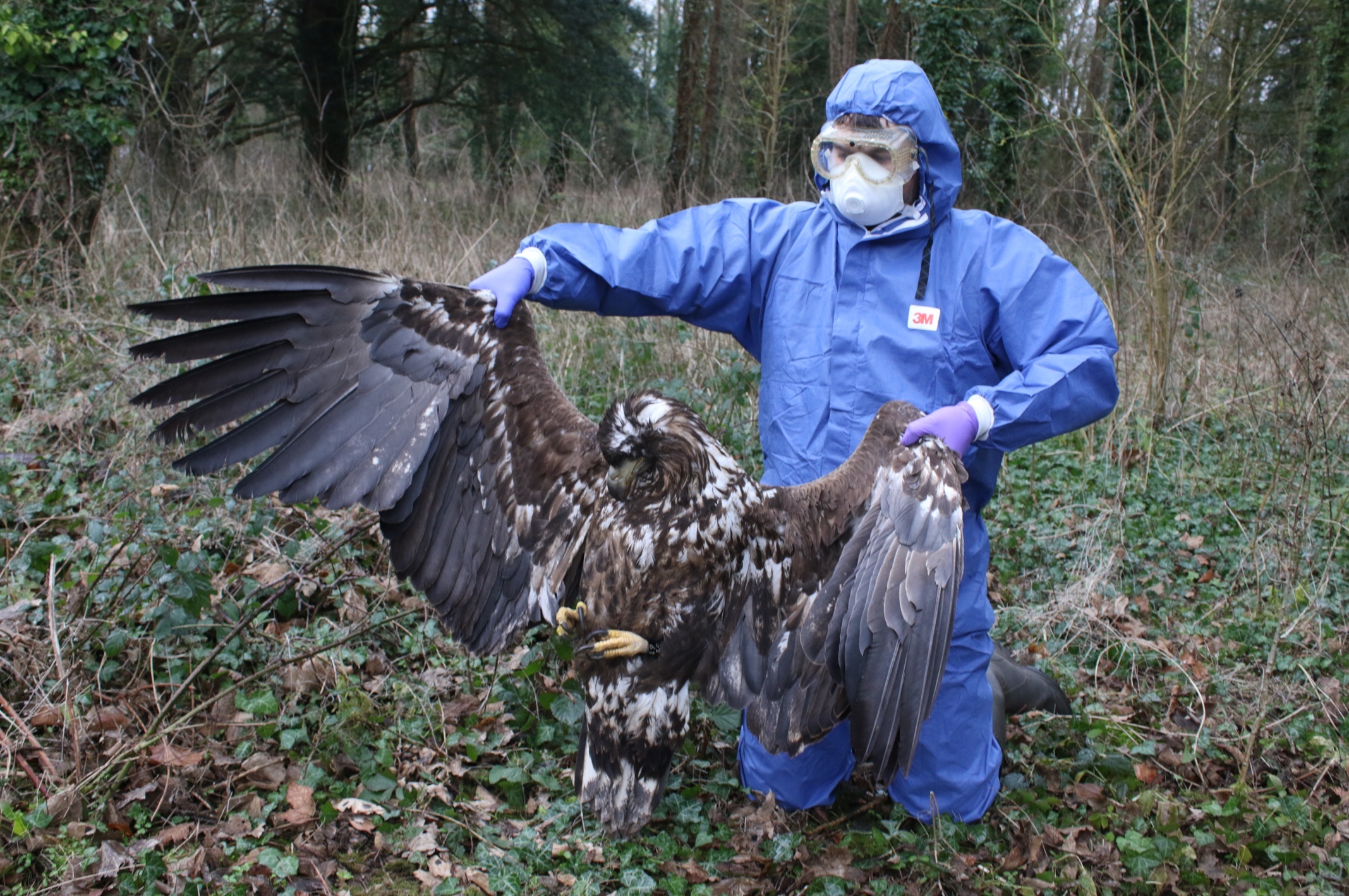
Dorset Police’s wildlife crime team led a multi-agency search to find this satellite-tagged eagle and they were pro-active in quickly releasing a public statement, even though toxicology results were still awaited, to reflect their understandable concern for the safety of three other satellite-tagged eagles known to be in the county at that time:

This level of proactivity stood in stark contrast to Sussex Police, who still haven’t managed to make any statement about the eagle that was found in suspicious circumstances on a shooting estate in that county in October 2021.
However, the high profile dead eagle in Dorset led to some unwarranted criticism of the police wildlife crime team by local MP Chris Loder, who argued, extraordinarily, that Dorset ‘wasn’t the place for eagles’ and the police should be focusing their resources on other types of criminality (see here) and not on suspected wildlife crime. And it wasn’t an off-the-cuff remark made in haste; he continued his tirade for sometime afterwards (e.g. see here).
I don’t know whether it was a coincidence but by early March the Twitter account belonging to Dorset Police’s Rural Wildlife & Heritage Crime Team had a name change. The words ‘wildlife’ and ‘heritage’ were completely removed from the name:
Here’s the pre-March Twitter account name:

And here’s the post-March Twitter account name:

That seems a bit strange. What prompted this change?
A further ‘coincidence’ is that the former Rural Wildlife & Heritage Crime team leader has been on indefinite leave since early March.
Hmm.
And there’s another ‘coincidence’. In late February Dorset Police’s wildlife crime team was making arrangements with partners to conduct a multi-agency search of the estate where the dead white-tailed eagle had been found. By early March those plans had been shelved. Why was that?
Yesterday rumours were circulating amongst conservationists that the toxicology results from the dead eagle found in Dorset had revealed the cause of death was rodenticide poisoning. Apparently this wasn’t the low-level background trace amount that is often found in raptor post-mortems; I understand the amount found inside this eagle was many, many times higher than the lethal dose.
Rumours were also circulating that Dorset Police is planning to release a public statement to announce the discontinuation of the investigation into the death of this white-tailed eagle. That would be astonishing.
In my view, if this is what Dorset Police intends to do, it is of very, very serious concern. Rodenticides are known to have been used recently in a number of suspected raptor persecution incidents (e.g. see here and here) and I’m told that the use of ‘higher than normal doses’ may be a new tactic employed by those who want rid of raptors but don’t want the risk of being caught using banned substances.
The legal use of the most commonly-used rodenticide, Brodifacoum, has been relaxed recently, allowing pest controllers to use it outside buildings. It’s so toxic to wildlife that government advisors actually trained pest controllers how to use it legally. The misuse of this rodenticide is a crime.
Now, in the case of this poisoned white-tailed eagle in Dorset, there might be a perfectly legitimate explanation for why it had ingested such a high dose of rodenticide; it may well have been the result of a terrible but accidental secondary poisoning. But equally plausible is the possibility that it ate deliberately-laid out baits containing doses many times higher than the lethal dose, placed with the intention of targeting raptors (a crime).
But how can this be assessed if Dorset Police is discontinuing its investigation?
And more importantly, what if the substances that killed that eagle are still on the ground? We know that other satellite-tagged eagles are in the area, now at serious risk.
It seems there’s something very odd going on here.
I’ve also recently received an FoI response from Dorset Police about its correspondence with the anti-eagle MP, Chris Loder. I’ll blog more about that in due course.
UPDATE 13.21hrs: Dorset Police does the unthinkable & confirms no further investigation into poisoned white-tailed eagle (here)
UPDATE 15.05hrs: RSPB ‘completely baffled’ by Dorset Police decision to prematurely end poisoned eagle investigation (here)
UPDATE 16.40hrs: Question to be tabled in House of Lords about Dorset Police’s decision to close eagle poisoning investigation (here)
UPDATE 30th March 2022: Poisoned eagle in Dorset had 7 x lethal dose rodenticide in its liver (here)
UPDATE 1st April 2022: Another eagle suspected poisoned on a Dorset shooting estate (here)
UPDATE 4th April 2022: Buzzard and red kite suspected poisoned on North Dorset Estate (here)
UPDATE 14th April 2022: Dorset Police refuse FoI request for correspondence between them & Chris Loder MP on poisoned eagle (here)
UPDATE 20th April 2022: Unconvincing statement from Dorset Police on closure of investigation into poisoned eagle (here)
UPDATE 20th April 2022: Tediously predictable response from Minister to Natalie Bennett’s House of Lords question on poisoned eagle (here)
UPDATE 21st April 2022: Chris Packham submits FoI requests to Dorset Police & the Crime Commissioner about poisoned eagle (here)
UPDATE 22nd April 2022: More questions asked about Dorset Police’s mishandling of the poisoned eagle investigation (here)
UPDATE 26th April 2022: The Office of the Dorset Police & Crime Commissioner: incompetent or something more sinister? (here)
UPDATE 27th April 2022: Dorset Police Chief Constable and the Police & Crime Commissioner on a futile damage limitation exercise (here)
UPDATE 29th April 2022: Another dead buzzard in Dorset – Police warn public of suspected poisoned baits (here)
UPDATE 29th April 2022: Email correspondence between Chris Loder MP and Dorset Police & Crime Commissioner re: poisoned eagle (here)
UPDATE 16th May 2022: Poisoned eagles in south of England feature in The Telegraph (here)
UPDATE 19th May 2022: Wildlife Crime Working Group seeks explanation from Dorset Police about failure to investigate poisoned eagle incident (here)
Press release from RSPB Scotland (28 March 2022)
White-tailed eagles bring tourism boost to Mull
New study reveals significant benefits to the island’s economy
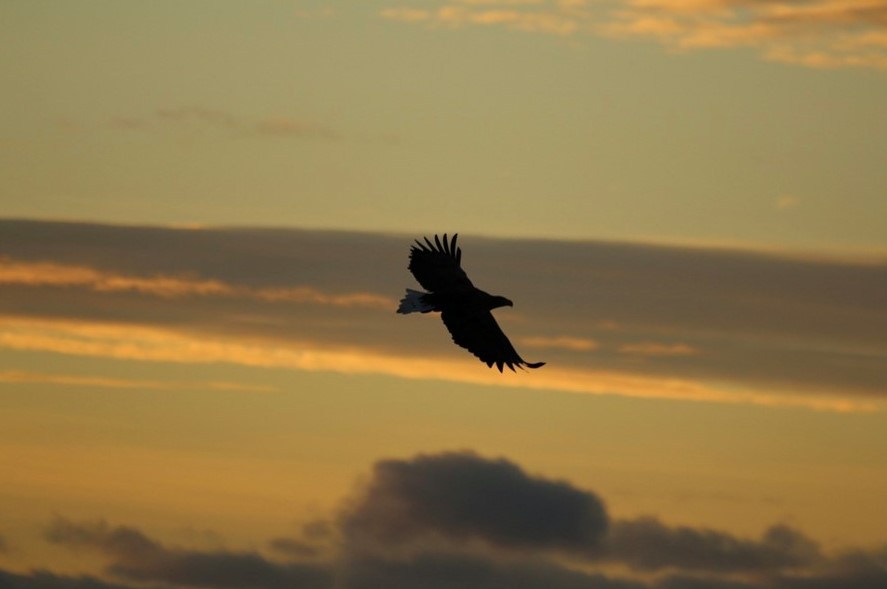
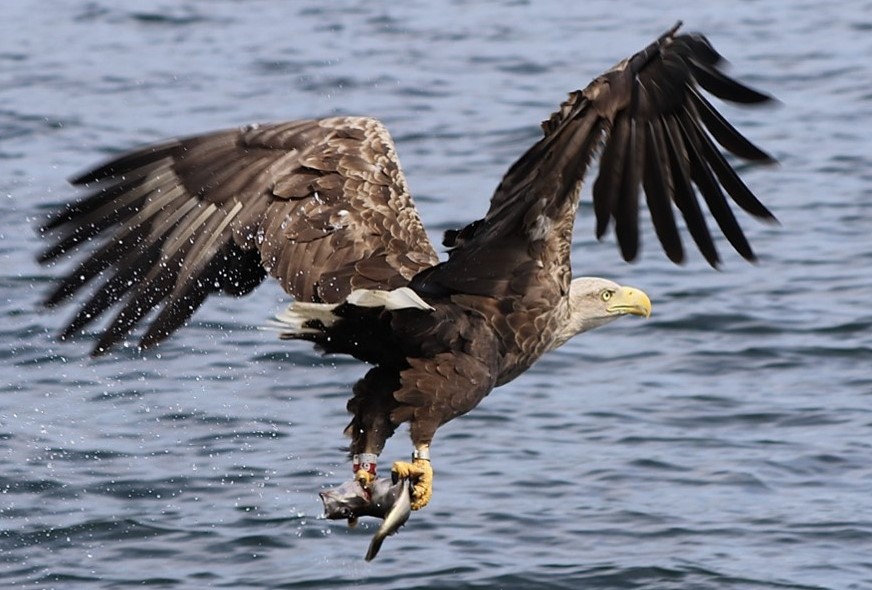
A new study “The Economic Impact of White-Tailed Eagles on the Isle of Mull” has revealed the scale of the economic benefits that white-tailed eagles bring to the island. Tourism inspired by these majestic birds of prey accounts for between £4.9 million and £8 million of spend every year here. This money supports between 98 and 160 full time jobs on the island, and between £2.1 million and £3.5 million of local income annually.
[Photo by Amanda Ferguson]
RSPB Scotland commissioned Progressive Partnership to undertake the study, which was then reviewed by an academic and an economist. During the summer of 2019, 398 face to face survey interviews were conducted at five sites across Mull with parties visiting the island, amounting to 1,248 people in total.
Information was recorded on holidaymakers and day trippers covering the number of people in the group, the amount of time they were staying, and the amount of money they were likely to spend a day. They were also asked about their motivation for their visit allowing for the importance of white-tailed eagles as an attraction to be recorded. Those who were local (12.4 percent) were not asked these questions.
This study is the third to be undertaken on Mull looking into the economic impact white-tailed eagles have here, following the first in 2005 and the second in 2010. It repeated the same surveys and process as the 2005 and 2010 independent studies allowing a comparison over 14 years of the increasing importance of white-tailed eagle tourism to Mull’s local economy.
Mull is home to 22 pairs of eagles, and in 2019 29 percent of tourists cited them as an important factor for their visit to the island, up from 23 percent in the 2010 study. Tourism spend inspired by these eagles has also increased since 2010 when it accounted for between £3 million and £5 million annually, which supported between 64 and 108 full time jobs, and between £1.4 million and £2.4 million of local income each year.
The importance of nature in driving Mull tourism was also highlighted with scenery and landscape, peace and tranquillity, and birds and wildlife also being given as some of the main reasons for visits in 2019.
White-tailed eagles used to be widespread across Scotland, but human persecution led to their extinction in 1918. A reintroduction programme began on the Isle of Rum in 1975 and in 1985 the first wild chick from the reintroduced population hatched on Mull.
[Photo by Amanda Ferguson]
Anne McCall, Director, RSPB Scotland said: “Mull once again holds an important breeding population of white-tailed eagles, which are an incredible tourism draw for the island. This study makes clear the link between restoring nature and the local income earning opportunities that arise from it. However, living with these birds can pose challenges for some and it’s important that positive management protects both the birds and the livelihoods they can occasionally affect.
“What the study can’t measure is those human benefits less tangible than economic ones such as physical and mental well-being, public education, and cultural resonance. The Scottish population of these birds also provides important indications of how our environment is faring in the nature and climate emergency. For many people the delight of seeing a white-tailed eagle is reason enough to take care of them but this study makes clear that the birds can pay their way too.”
Biodiversity Minister Lorna Slater said: “Scotland’s special wildlife brings many benefits – it attracts tourists to our shores and provides nature-based jobs that support our economy.
“That is why it is crucial that we must continue to support and protect Scotland’s bird of prey populations, such as the white-tailed eagle. Carefully managed re-introductions such as this one on Mull, are not only positive for the natural world but also positive for our communities.
“Scotland was one of the first countries to recognise the twin crises of nature loss and climate change, and this report shows the many rewards that working together to protect our natural assets can offer.” Partnerships have been key to the success of the white-tailed eagle reintroduction in Mull including those between nature conservation organisations, funders, land managers and the local community. The award-winning Mull Eagle Watch began in 2000 to provide places where people could have great views of the birds without disturbing them, and is a partnership between RSPB Scotland, the Mull & Iona Community Trust, Forestry and Land Scotland, NatureScot and Police Scotland. Thanks to social media and television programmes the white-tailed eagles have become well known, and along with the presence of golden eagles here have led to Mull being dubbed “Eagle Island”.
ENDS
The new report can be downloaded here:
RSPB Scotland has published a 7-minute video to accompany today’s publication. The video can be watched here:
An article written by James Silvey, Senior Species & Habitats Officer at RSPB Scotland, published by The Scotsman newspaper on 22nd March 2022.
Fight continues to protect iconic mountain hares
March 1, 2022 marked the first anniversary for protected status of one of Scotland’s most iconic mammals, the mountain hare. This protection was long overdue and a direct result of the unregulated killing that had been undertaken as routine management across many upland areas of Scotland for over 30 years.
The story of why mountain hares became a protected species starts with grouse and the business of driven grouse shooting which relies on large numbers of these birds to be shot at the end of the summer. The main techniques to achieve these large numbers are disease management, predator control and regular burning of vegetation to promote fresh heather growth. Like grouse, mountain hares feed on heather and have similar predators so conditions on grouse moors also benefited this species and as such many of their stronghold sites were often associated with grouse moors. That was until a change of management in the 1990s.
Through the late 1990s and 2000s tens of thousands of mountain hares were routinely shot on grouse moors across the species stronghold sites. This was in the misguided attempt of reducing tick numbers which could transmit an often-fatal disease to grouse chicks known as louping ill.
The scale of killing was alarming and, in an effort to control the culls, Scottish Government introduced a closed season in 2011 and called for voluntary restraint in 2014. Neither effort worked and pictures of culls and dumped dead hares continued to appear in the media. Estimates at the time gave figures of 26,000 hares killed annually. However, the actual figure was likely much higher.
Despite the concern, evidence of what effect such heavy persecution was having on mountain hare populations was in short supply until 2018, when two independent scientific papers were published that came to similar conclusions; mountain hares had declined, with the analyses from one paper showing that these declines had been catastrophic in areas that were predominantly managed for grouse.
This new evidence, coupled with an admittance from Scottish Government that mountain hares were in “unfavourable conservation status” led to a change in the law in 2019 – spearheaded by Green MSP Alison Johnstone – and protection for the species in 2020.
Unfortunately, the story doesn’t finish here. Whilst mountain hares now are a protected species, NatureScot are still able to issue licences to individuals to kill mountain hares for specific reasons, such as the protection of young trees. In the past with species like beavers, we have seen how these licences can be used to kill significant numbers of animals. From 1st March 2021 when mountain hare protection came into effect to 28th February 2022, 51 licences for lethal control were approved by NatureScot with an estimated 3000 hares licenced to be shot.
Compared to the estimated 26,000 killed annually before protection, this may seem to be a significant improvement. However, it is important to know where these hares were killed, over what area, for what purpose and crucially if lethal control really was the only option as opposed to non-lethal measures such as fencing.
Species like mountain hare are protected for a reason, and it is vitally important that any licences that are issued are done so only as a last resort and with the highest safeguards in place to prevent any population decline both nationally and locally.
Having fought so long for protection of this upland species RSPB Scotland will continue to monitor the management of mountain hares closely and call for the increased use of non-lethal measures where available. In addition to this, complete transparency is required when it comes to all species licensing so that data on numbers of licences approved, numbers of animals killed and for what purpose are freely available and where necessary challenged.
ENDS
 Raptor Persecution UK