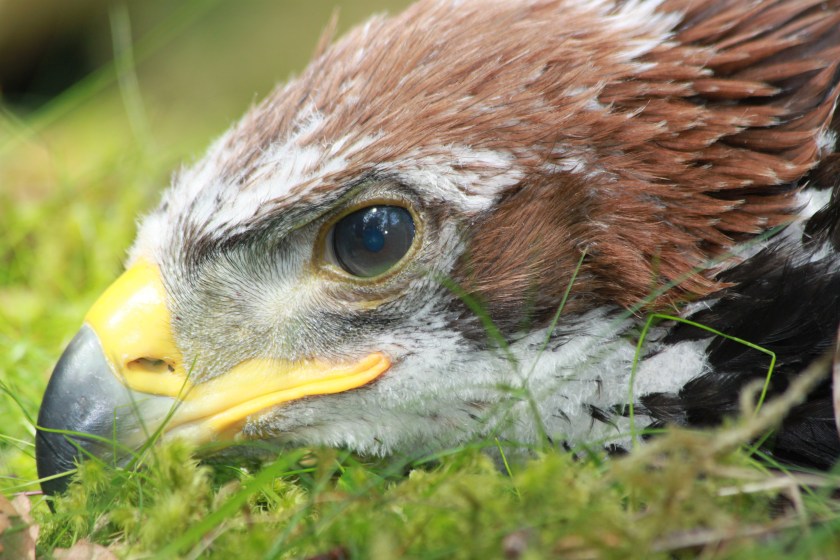
The highly suspicious disappearance of our golden eagle Fred continues to make the news.

The Scottish Gamekeepers Association has issued the following press release today:
GAMEKEEPERS SEEK END TO ‘TRIAL BY MEDIA’ OVER EAGLE.
The Scottish Gamekeepers Association has called for an end to the ‘trial by media’ over a golden eagle which has gone missing near Edinburgh.
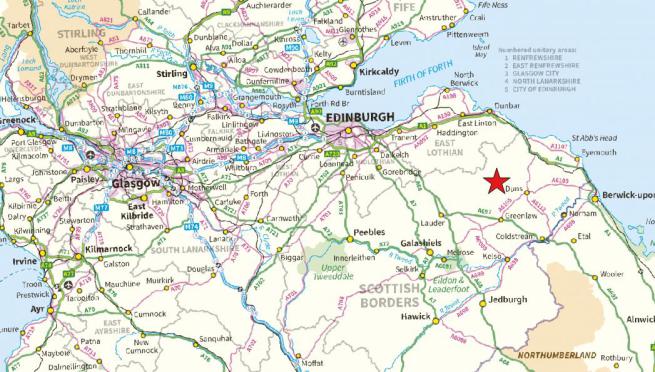
Last week, BBC wildlife presenter Chris Packham issued a press release claiming a young satellite tagged eagle had gone missing just miles from the Scottish Parliament, in a wood in the Pentland Hills.
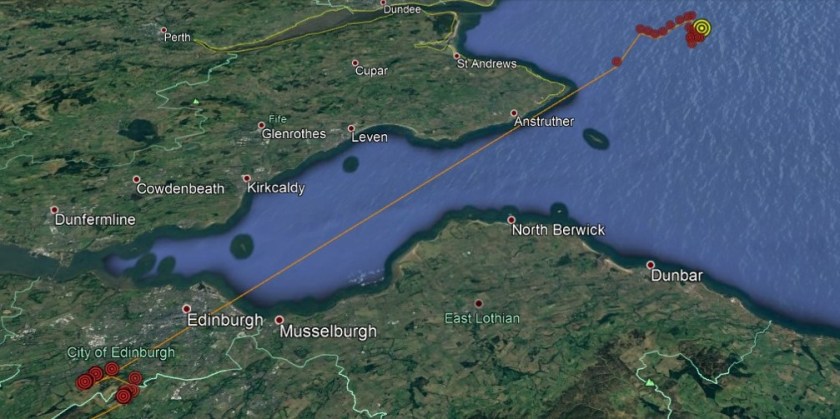
According to the Springwatch presenter, the tag was later found to signal in the North Sea, after appearing to stop transmitting for three days.
A video released to the media by Packham – who actively campaigns for grouse shooting to be banned- implied that the eagle, which has not been located, had been illegally killed.
The video the BBC presenter appeared in, pointed the finger at a grouse moor as it was geographically close to the wood and fields where the bird was understood to be.
Now the SGA has called for an end to what it describes as unsubstantiated speculation and for greater transparency over evidence.
Despite media claims that the area 7 miles to the south of the capital is managed for driven grouse shooting, the moor is used principally as a partridge shoot as quarry numbers are now too low to sustain viable grouse shooting due to high levels of public access.
The area is popular with hikers, dog walkers and mountain bikers from Edinburgh and beyond, with the Pentland Hills welcoming 600 000 visitors per year.
A Spokesman for The Scottish Gamekeepers Association said: “Trial by media has already taken place. Now everyone who has been drawn into this needs the truth as to what happened to this eagle.
“It is not enough for people to be implied as being criminals and those in possession of the satellite tag evidence to walk away, after presenting their judgement to the media, then say no one will probably ever know what has happened.
“If the tags are as reliable as everyone has been told, then the tag data will surely provide conclusive evidence. Many questions need to be answered including why it could not be located in the sea, if it continued to transmit locational data for several days.
“There needs to be greater transparency because there are too many elements to the carefully stage-managed narrative which do not stack up despite its presentation as a fait accompli.
“If, by releasing this evidence, in full, to Police Scotland, it helps to bring this to a successful conclusion or prosecution, then the SGA and others would be satisfied that justice, as we have come to expect justice to look like, will have run its course.
“In the meantime, serious allegations have been made against a community of people on the basis of a running commentary of media speculation, implication and suggestion which makes a laughing stock of what looks to be a live investigation.”
ENDS
We have provided a response to media enquiries, reproduced in full here:
“The circumstances of Fred’s disappearance are highly suspicious and fit with the findings of the Scottish Government’s recent review of the fates of satellite-tagged golden eagles in Scotland, which demonstrated that almost one third of tagged golden eagles have disappeared without trace in areas managed for driven grouse shooting.
Since our initial press release, we have obtained further information from Fred’s tag which corroborate our earlier suspicions that Fred is a victim of illegal persecution. Far from “walking away”, as the SGA claims, this new information has been passed to the police for investigation so we cannot comment further at this stage.
It’s laughable that the SGA is complaining about ‘trial by media’ when one of its own Directors has been using social media to smear and discredit the conservationists involved in this project, suggesting we’ve fabricated the whole story. If the SGA used its time and resources more productively to root out the criminals within the game-shooting industry, eagles like Fred would stand a much better chance of survival“.
ENDS
Meanwhile, we’re still waiting to hear from the SGA whether Scottish gamekeeper Alan Wilson, who was recently convicted of animal cruelty, was a member of the SGA at the time he committed his crime and if so, whether he has now been expelled. Strangely, the SGA has not yet commented.
Emails to: info@scottishgamekeepers.co.uk