
The Herald continues its feature on land reform today, with an article written by Max Wiszniewski, Campaign Manager for REVIVE, the coalition for grouse moor reform:

Scotland’s grouse moors are under fire—not just for environmental damage, but for symbolising a broken land system that benefits the few at the expense of the many. As public support for bold land reform grows, campaigners say it’s time to confront the invisible power protecting privilege and reshape the future of Scotland’s uplands, says Max Wiszniewski
When we asked Scots what they thought about land reform, focus group participants immediately raised concerns about large landowners. Concerns about their power, their lack of accountability and their failure to serve the communities around them.
If you want to understand why people know there was something wrong, look at a grouse moor.
Grouse moors represent everything that’s broken about Scotland’s land system, concentrated into one highly visible package.
They’re managed for the shooting pleasure of a tiny elite. They contribute pitifully to our economy while occupying vast tracts of land. They actively damage our environment through muirburn, holding moorland back from natural regeneration and increased biodiversity. They exclude local communities from having a meaningful say over land that shapes their futures, and they’ve been protected by what focus group participants called “invisible power” – the quiet influence of wealth and privilege that keeps land reform at bay.
The Big Land Question – the largest independent study of Scottish attitudes to land ownership ever conducted. More than double the number of people responded to Big Land Question’s public consultation compared to consultation for the Land Reform Bill currently going through parliament. Of those responses, 87% backed carbon emissions taxes on large landowner’s land. Focus groups wanted penalties for landowners who “don’t use their land properly.” And crucially, they saw environmental responsibility not as separate from land reform, but as an intrinsic part of it.
Grouse moors fail every test the public is setting.

Let’s start with the economics. Driven grouse shooting contributes trivial amounts to Scotland’s economy for the damage it does. Wildlife tourism, where wildlife is shot by cameras instead of guns, contributes far more. Forestry contributes twenty times the value of all sport shooting. Yet grouse moors occupy hundreds of thousands of hectares of Scotland’s uplands, locked into a land use that serves almost no one except the landowners and their paying guests.
Research commissioned by Scottish Land and Estates found that rural estates occupy 57% of Scotland’s rural land but account for less than 2% of our economy, a contribution their own commissioned report described as “trivial.” They provide just one in ten rural jobs and only 3% of rural homes. Grouse moors exemplify this pattern: massive landholdings delivering minimal public benefit.
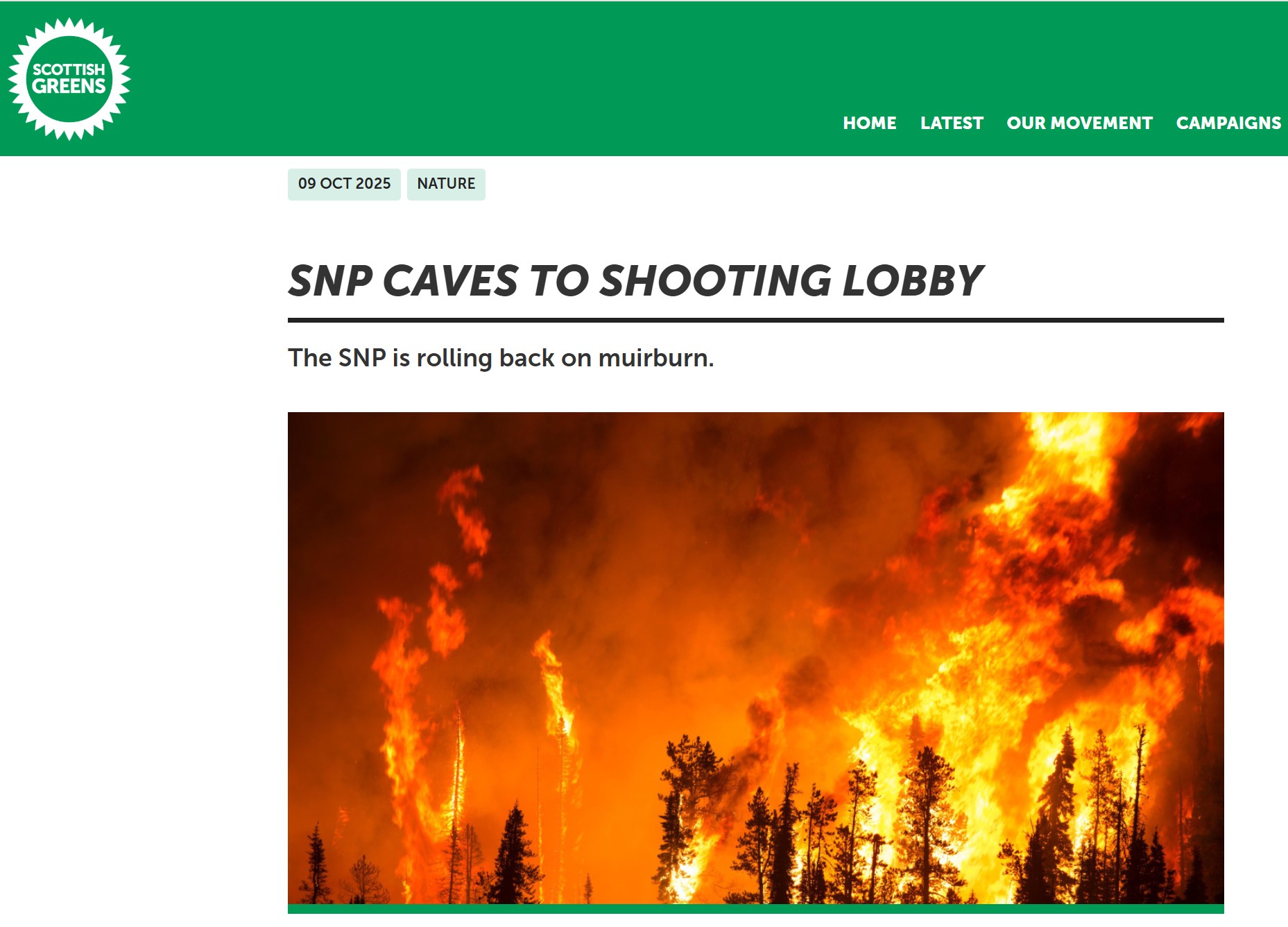
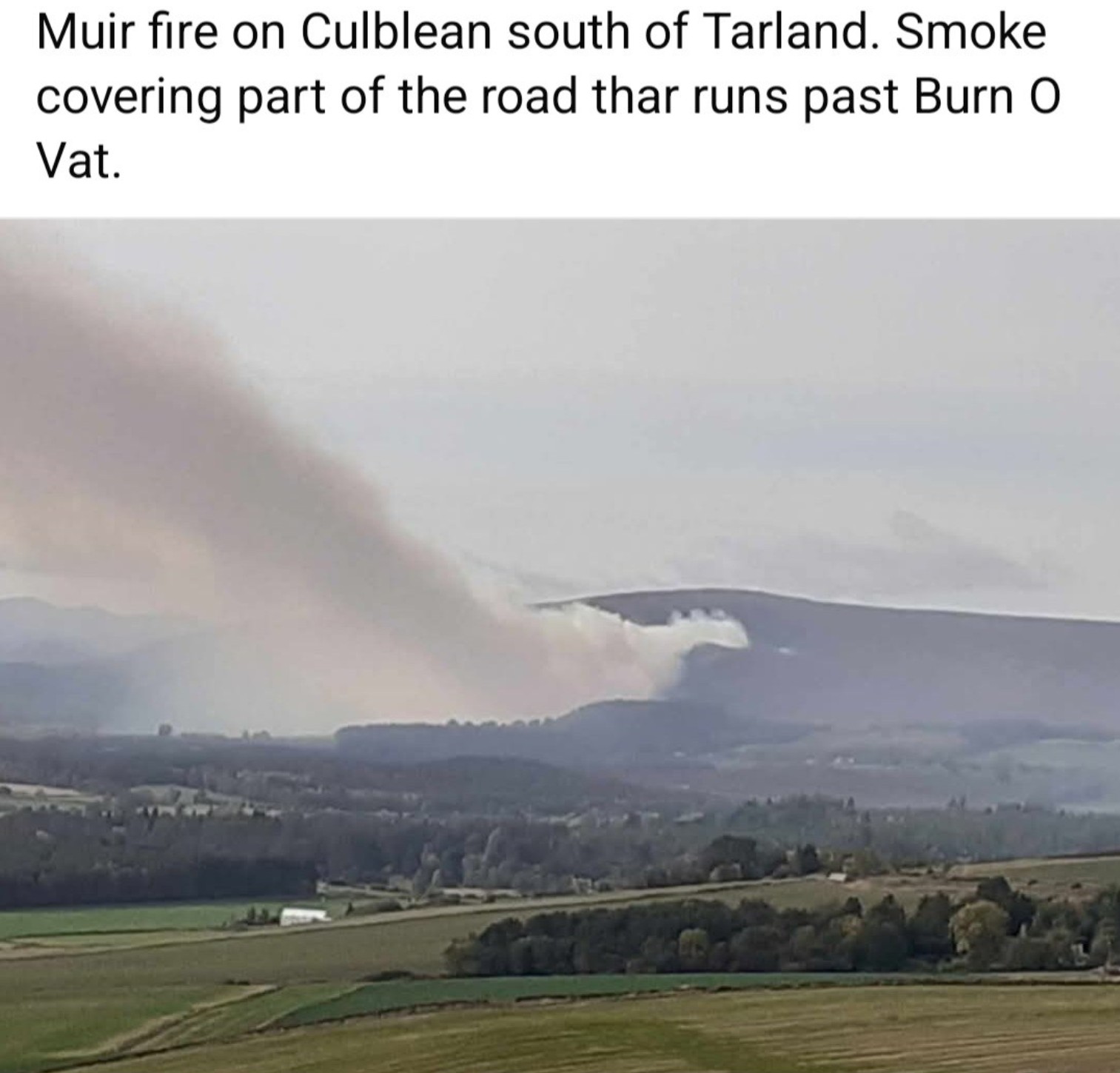
Then there’s the environmental destruction. Eighty percent of Scotland’s peatlands are degraded, emitting carbon instead of storing it. For decades, landowners have been allowed to burn and overgraze these vital carbon sinks, for grouse shooting, through a practice called muirburn. Scotland is one of the most nature-depleted countries in the world, and driven grouse shooting is a significant contributor to that shameful status.
The Scottish Government has rightly restricted muirburn over deep peat because of peatlands’ importance as carbon sinks. Given the scale of degradation and our climate commitments, the 78% of Scots who want climate and nature targets for large landowners aren’t asking for the impossible, they’re asking for the obvious.
Grouse moors also epitomise how concentrated land ownership excludes communities. When a few individuals control vast landscapes, decisions about land use are made in shooting lodges and estate offices, not in village halls. Communities watch their surroundings managed for driven shooting while they struggle with housing shortages, limited employment opportunities, and depopulation. The scarcity of useful land stops communities flourishing.
Focus group participants in The Big Land Question articulated this clearly. They believed land used for large estates should be broken up. They wanted councils to have power to tax large landowners in their areas, feeding funds back into the communities surrounding estates. They understood that land reform isn’t about technical policy adjustments, it’s about power, and who gets to wield it.
The contrast with community ownership couldn’t be starker. Community-owned land allows management to be tailored to local needs and economic opportunities, such as community-owned rural housing, nature restoration, renewable energy, and sustainable tourism. This community-led approach unlocks what REVIVE calls a “circle of prosperity” in Scotland’s uplands, replacing the circle of destruction that surrounds grouse moors.
So why do land uses like grouse moors persist?
Because the current Land Reform Bill, despite its ambitions, is broken. It doesn’t go far enough to deliver meaningful change. Landowners have too many rights and too few responsibilities. The Bill fails to disincentivise a few people from owning most of our country, and it fails to obligate large landowners to act in the public interest.
Land Management Plans, if done well, could make a difference by compelling landowners to engage with communities, enhance biodiversity, and deliver public goods. They could require landowners to protect degraded peatlands, end unnecessary wildlife killing, and transition toward net-zero. But the current proposals lack detail and, critically, it lacks teeth.
Penalties for non-compliance of obligations by landowners should reflect the value of land and the seriousness of breaches, because land reform isn’t about making it easy on landowners. It’s about doing right by the country.
The Bill also misses opportunities to introduce fiscal measures that discourage land hoarding and speculation. Without land taxes, large landowners can sit on assets and watch values appreciate while making it harder for community and public purchases. The 67% of Scots who support land taxes for large landowners seem to understand this, perhaps better than policymakers.
Around eight in ten Scots want landowners to meet climate and nature targets, while seven in ten support taxing large landowners. Some will argue that strengthening requirements would deter investment in natural capital restoration, but this ignores evidence that diverse ownership patterns create more innovation and community wealth. It also ignores what Scots are telling us: they want bolder action, not excuses for inaction.
Grouse moors matter because they’re where Scotland’s land crisis becomes visible. They show us what happens when land is hoarded by a few, managed for private pleasure rather than public good, and protected by the invisible power that focus group participants identified as blocking reform.
A transition away from grouse shooting is urgently needed, and the sooner the better for our people, wildlife, and environment, because grouse moors are symbolic of a land system that serves the few at the expense of the many.
ENDS
Issues around ‘The Big Land Question’ will be explored at REVIVE’s annual conference, taking place at Perth Concert Hall on Saturday 8th November 2025. For more details and to book tickets, please click here.









 Raptor Persecution UK