Leadhills Estate not granted out-of-season muirburn licence this year, but not for the reason you’d expect!

Regular blog readers will know that in some previous years, NatureScot has controversially granted an out-of-season muirburn licence to the notorious Leadhills Estate, permitting the burning of grouse moors in September.

These licences have been controversial for several reasons, including the fact we’re in a climate emergency so setting fire to peatland vegetation doesn’t seem a particularly bright thing to do, but also because since the early 2000s Leadhills Estate has been at the centre of over 70 police investigations into alleged wildlife crime and since 2019 has been serving a three-year General Licence restriction, imposed by NatureScot, after Police Scotland provided ‘clear evidence’ of ongoing wildlife crime, including the illegal killing of a short-eared owl, two buzzards and three hen harriers that were ‘shot or caught in traps’ on Leadhills Estate since 1 January 2014 (see here) and the discovery of banned poisons on the estate in May 2019 (see here).

Why on earth NatureScot should give the estate special dispensation / privileges for anything is beyond comprehension to many of us.

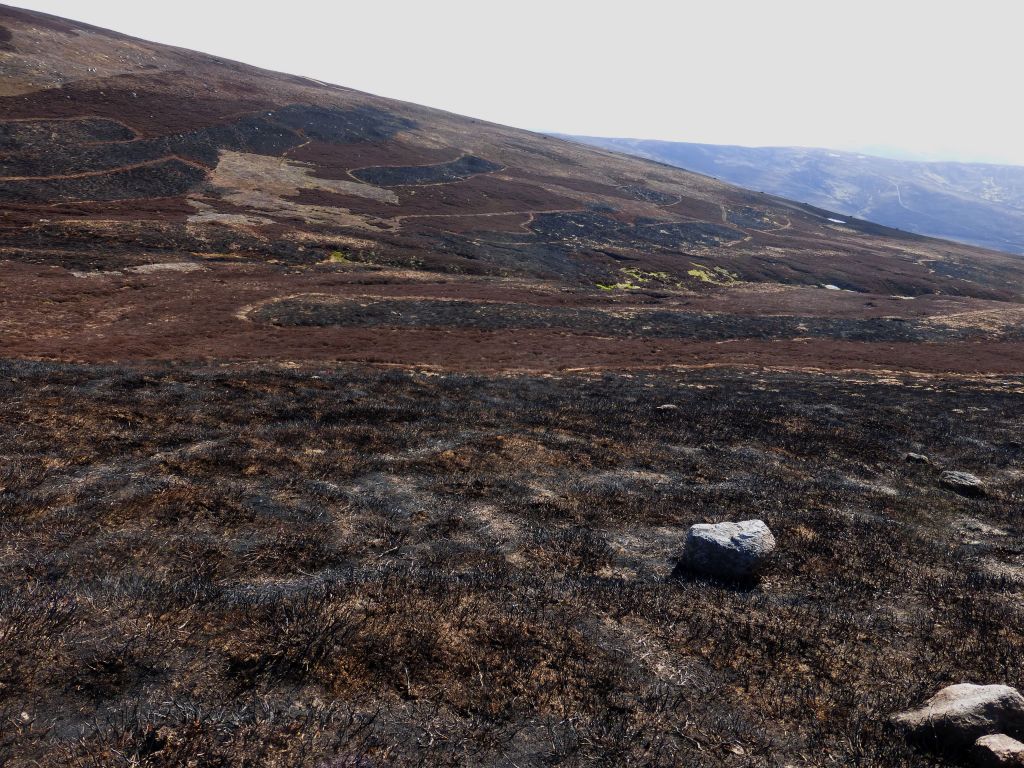
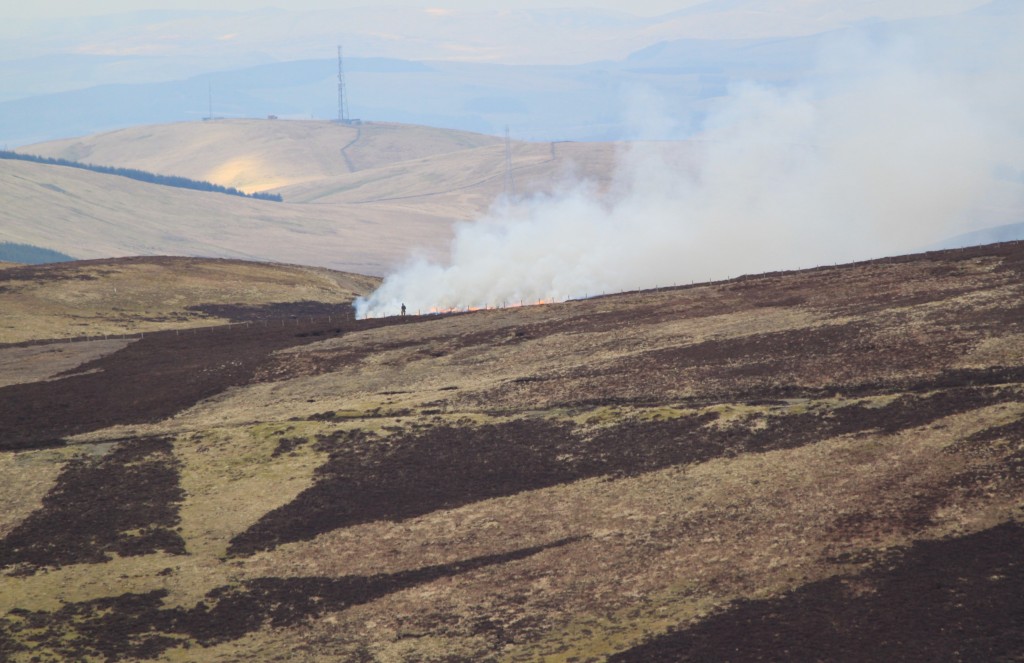
[Muirburn on Leadhills Estate, South Lanarkshire. Photo by Ruth Tingay]
Here’s a recent history I’ve compiled of licence applications for out-of-season muirburning at Leadhills:

2017 – Licence issued (although apparently the estate failed to provide a licence return, which is a breach of the licence conditions).

2018 – The estate did not apply for an out-of-season muirburn licence.

2019 – Licence application made but was refused. The NatureScot assessor wrote: ‘Removing dead Molinia does not constitute a licensable purpose as burning within the muirburn season will achieve this aim and is a common management practice’. And, ‘Evidence of high Molinia not presented [in photographs]’.

2020 – Licence application made. NatureScot refused it but estate appealed and NatureScot caved in and approved the licence.

Some of you may recall that in June this year, Leadhills Estate applied once again to NatureScot for an out-of-season muirburn licence. You may also recall that I’ve spent some time chasing up NatureScot to find out if they’d granted a licence for 2021.

Here’s a summary of the FoI responses I’ve received from NatureScot about this year’s licence application:

17 June 2021 – I asked NatureScot whether a licence application had been received from Leadhills Estate.

15 July 2021 – NatureScot confirmed an application had been received (on 9 June) but said it hadn’t yet been assessed and that they were advising customers that there was a six week waiting time for applications relating to anything other than health and safety purposes.

16 July 2021 – I asked again about the status of the application.

12 August 2021 – NatureScot told me ‘the licensing team intend to assess this application in the next few days’.

1st September 2021 – I asked again about the status of the application (as this was the start date for the out-of-season licence to begin).

2nd September 2021 – NatureScot replied, ‘The licensing team is awaiting for some further information from one of our advisors before taking this further’.

15th September 2021 – I asked again about the status of the application.

16th September 2021 – NatureScot replied, ‘I have chased up licensing team but haven’t heard anything back from them yet’.

30th September 2021 – I asked again about the status of the application.

On 30th September 2021 I received the following response from NatureScot:

This licence application for out of season muirburn has lapsed as we were unable to issue a response within an appropriate timeframe. This is as a result of increased staff workload, in part due to increased levels of sick absence which has resulted in us needing to prioritise applications for public health and safety and the prevention of serious damage‘.

So, Leadhills Estate did not get an out-of-season muirburn licence this year, but only because NatureScot didn’t have the resources to deal with the application in time.

I find this astonishing, especially now that we know that at exactly the same time this muirburn licence application was being considered, NatureScot had already begun the process of notifying Leadhills Estate that it was about to impose a second General Licence restriction (in addition to the 3-year restriction Leadhills was currently serving) after Police Scotland provided more evidence to NatureScot of more wildlife crime on Leadhills Estate, including the alleged shooting of a short-eared owl by a masked gunman on a quad bike as witnessed by a local resident and his eight year old son in July 2020 (see here), the discovery of yet another batch of banned poisons, also in July 2020 (here), and the suspicious disappearance on the estate of a satellite-tagged hen harrier (Silver) in May 2020 (here).

Sure, Leadhills Estate is entitled to apply for whatever special dispensation/privilege it wants, and as a statutory agency NatureScot is probably compelled to consider it. But let’s just set aside the fact that COP26 was due to begin just up the road a few weeks later, drawing attention to and asking commitment for tackling the climate crisis (for example, by not burning peatland grouse moors, perhaps?).

Apart from that small matter, how long should it take NatureScot to consider an application from an estate with this sort of record before concluding that NO, given the regulator has lost trust and confidence in this estate (hence NatureScot imposing TWO General Licence restrictions, FFS), an application for any special dispensation should be refused, point blank?
Leadhills Estate loses appeal over extension to General Licence restriction

Regular blog readers will be well aware that the notorious Leadhills Estate, a grouse-shooting estate in South Lanarkshire that has been at the centre of police wildlife crime investigations at least 70 times since the early 2000s, is currently serving a three-year General Licence restriction based on what NatureScot described as ‘clear evidence’ of raptor persecution offences, including the illegal killing of a short-eared owl, two buzzards and three hen harriers that were ‘shot or caught in traps’ on Leadhills Estate since 1 January 2014 (see here) and the discovery of banned poisons on the estate in May 2019 (see here).

That original General Licence restriction was imposed on Leadhills Estate by NatureScot in November 2019 and is valid until November 2022.

A General Licence restriction can be imposed by NatureScot when there is sufficient evidence of wildlife crime on an estate but insufficient evidence for the police to charge a named individual. Leadhills Estate has denied all knowledge of any wildlife crime on its land.

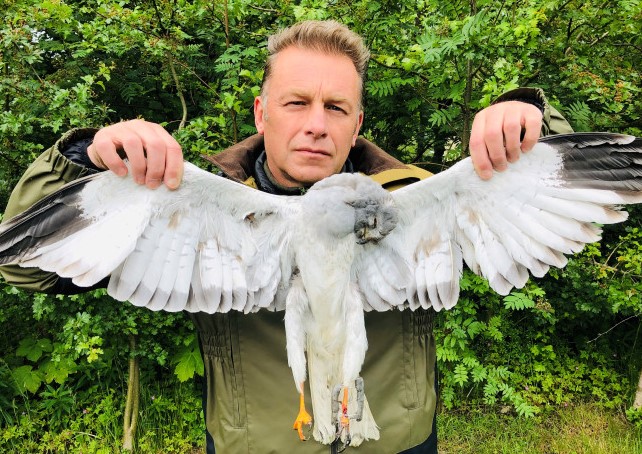
[Chris Packham holds a dead hen harrier. This bird was caught by the leg in an illegally-set trap on the Leadhills Estate grouse moor in May 2019. The trap had been set next to the harrier’s nest and was hidden by moss. The harrier’s leg was almost severed. Unfortunately, extensive surgery could not save this bird. Photo by Ruth Tingay]

Since that original General Licence restriction was imposed on Leadhills Estate in November 2019, further alleged offences have been reported and are the subject of ongoing police investigations (see here) including the alleged shooting of a(nother) short-eared owl by a masked gunman on a quad bike as witnessed by a local resident and his eight year old son in July 2020 (see here) and the discovery of yet another batch of banned poisons, also in July 2020 (here). A satellite-tagged hen harrier (Silver) also vanished in suspicious circumstances on the estate in May 2020 (here), and although NatureScot don’t consider missing satellite-tagged raptors as sufficient evidence for a General Licence restriction, the disappearance can be used as supportive evidence if further alleged offences are also being considered.

In light of these latest allegations, in late September 2021 NatureScot announced that a further three-year General Licence restriction (an extension to the first one) was being imposed on Leadhills Estate (here), although it turned out that it wasn’t a three-year extension, as NatureScot had claimed, but was rather an eight-month extension because this latest restriction was running concurrently with the first restriction (see here).

In early October 2021 Leadhills Estate was reported to be considering appealing against the extended restriction (here) and shortly afterwards NatureScot removed the official notification of the extension from its website, a sure sign that an appeal was underway.

Roll on two months and the official notification has been re-posted on NatureScot’s website (here), which I take to mean that Leadhills Estate has lost its appeal and the General Licence restriction has been re-instated until it expires on 8th July 2023. This means that the estate cannot undertake certain activities (e.g. the operation of crow cage traps to kill hundreds of corvids) unless estate gamekeepers apply to NatureScot for an individual licence and NatureScot approves the application(s).

I’ll be monitoring this and will be keen to see whether individual licences are granted to gamekeepers on an estate that has had, in effect, a double General Licence restriction imposed after evidence of multiple wildlife crimes has been provided to NatureScot by Police Scotland.

Earlier this autumn I submitted an FoI to NatureScot to find out on what basis Leadhills Estate was appealing the General Licence restriction. The last time the estate appealed (against the original General Licence restriction), the grounds for appeal were laughable (see here) and were not accepted by NatureScot.

This time, NatureScot refused to release the details of the estate’s appeal because at the time the appeal was considered to be ‘live’ and it was thought that publication might affect the estate’s right to a fair hearing. I don’t know how it would have affected the estate’s appeal, given the appeal is heard in-house at NatureScot and cannot be influenced by outside commentary, but that was NatureScot’s decision.

That’s fine. Now the appeal has been dismissed and the restriction is in place, I have submitted another FoI to NatureScot and I expect the estate’s grounds for appeal to be released in to the public domain.

A response is due from NatureScot by the end of this month. I’ll keep you posted.

UPDATE 23 February 2022: NatureScot refuses to publish details of Leadhills Estate’s general licence restriction appeal (here)

Statement from REVIVE coalition at end of grouse-shooting season

REVIVE, the coalition for grouse moor reform, of which RPUK is a member, published a statement on 10th December as the grouse-shooting season ended for another year.

Here’s a copy:

10th December 2021

Today, the grouse-shooting season ends, following on from a poor breeding season which may have limited sport shooting this year.

However, this did not stop the circle of destruction that surrounds this controversial industry.

The mass trapping, snaring and killing of hundreds of thousands of foxes, stoats, weasels, crows and ‘non-target species’ like hedgehogs – so that a few more grouse could be shot for sport – continued on regardless.

The mass burning of heather (muirburn) which poses a serious environmental risk at a time of climate crisis – so that a few more grouse could be shot for sport – continued on, even when COP26 came to Scotland.

Tens of thousands of medicated grit stations which are positioned on moors to keep grouse numbers unnaturally high – so more can be shot – did not cease.

Meanwhile, an area around half the size of Wales is economically underutilised at the expense of our people when Scotland really should be doing so much better. But is there cause for hope?

The SNP/Green Government deal acknowledged the need to reform Scotland’s grouse moors and it supports a transition to alternative land uses where appropriate – which when you consider the damage they cause for such little economic benefit (just 0.02% of our economy) it is a no-brainer.

Licencing of grouse moors is going to happen but what a licence looks like and sets out to achieve is up for grabs and it should go well beyond an attempt to limit wildlife crime. The entire circle of destruction must end.

We now know that muirburn, a process there should be a general presumption against, will require a licence in future. If the Scottish Government is serious about grouse moor reform then a licence should never be given for muirburn when the purpose is increasing grouse numbers for sport shooting, nor should it be given under any other guise. If the Government recognise the clear environmental and biodiversity case for this reform, we are hopeful it can be achieved.

REVIVE just had its biggest ever conference and event with well over 400 people in attendance while polling shows that at least 2 thirds of Scots are against grouse shooting. Even in these trying times it’s clear public is with us and want change.

It’s with that spirit of hope and opportunity that we mark the end of the grouse shooting season. We hope that the worse excesses of this frivolous blood sport will come to an end, sooner rather than later.

ENDS

For more information about the REVIVE coalition and to find out how you can support it / get involved, please visit the REVIVE website here

Langholm community attracts massive donation in bid to double size of Tarras Valley Nature Reserve

Press release from the Langholm Initiative (15th December 2021)

Anonymous £0.5 million donation & crowd funder success takes historic community buyout to quarter-way mark

Christmas has come early for a community’s bid to double the size of a vast new nature reserve in Dumfries and Galloway, thanks to an anonymous private donation of half a million pounds and public crowdfunder donations surging past £50,000.

The community of Langholm has now reached the quarter-way mark in its race against time to purchase 5,300 acres of Langholm Moor from Buccleuch by raising £2.2 million before next May.

Success in the campaign, led by the Langholm Initiative charity, would expand the Tarras Valley Nature Reserve to 10,500 acres – boosting plans for tackling the nature and climate emergencies, and supporting community regeneration through nature-based tourism.

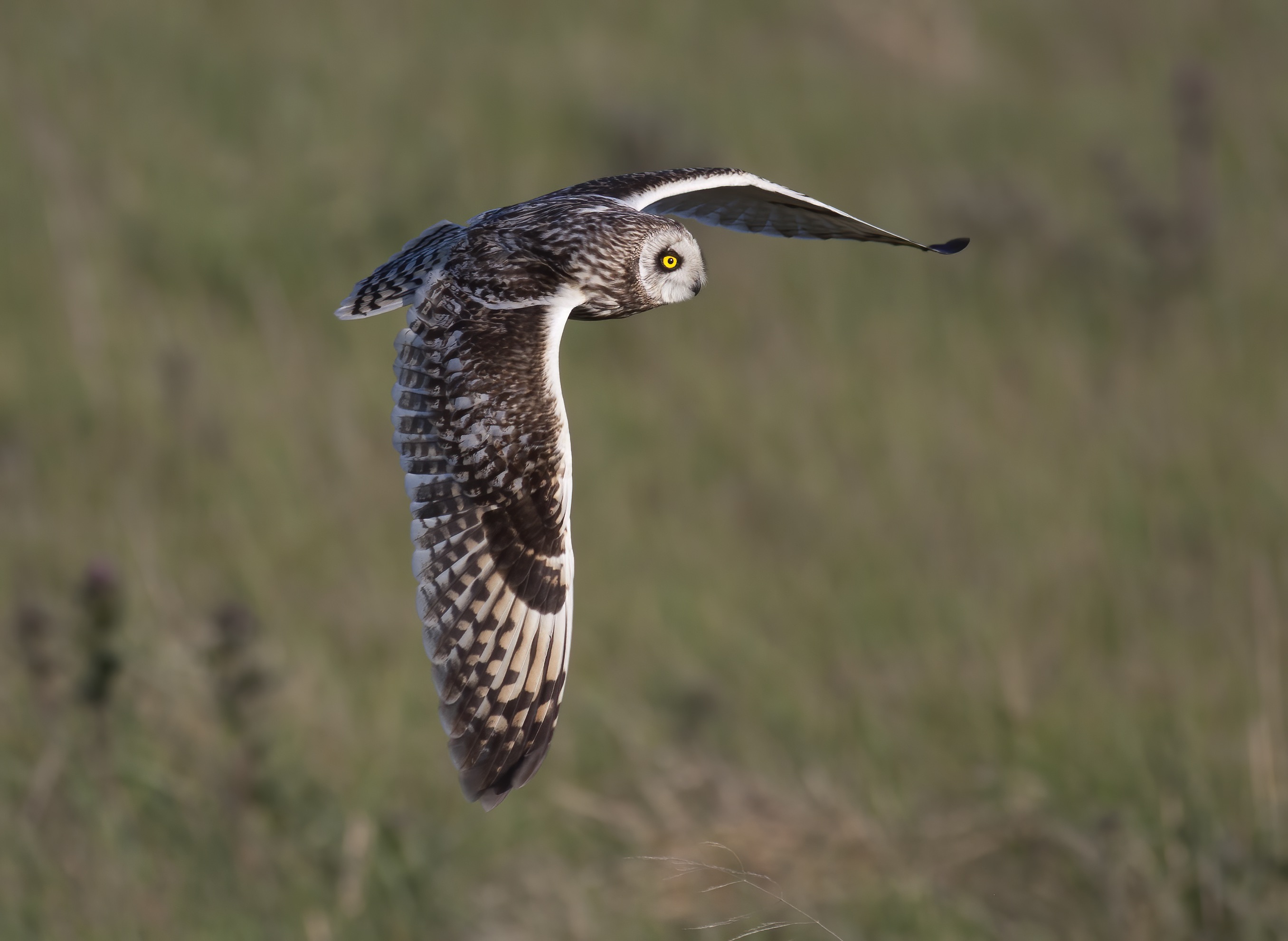
[A short-eared owl photographed at Langholm by John Wright]

This week, the campaign received a pledged donation of £500,000 from a private donor. At the same time, the public crowdfunder at bit.ly/LangholmMoorAppeal passed £50,000 following hundreds of donations since the appeal’s 27 October launch.

Reaching the quarter-way mark towards our £2.2m target after just six weeks is a wonderful milestone for the community, and it really feels like Christmas has come early,” said Jenny Barlow, Tarras Valley Nature Reserve’s Estate Manager.

We’re so grateful to everyone who has donated and supported us, and for the amazingly generous £500,000 donation. It’s put the wind in our sails as we approach the end of the year.

But we have a long way to go, and we urgently need support from major funders. Buccleuch’s offer of keeping the land off the open market is time limited – so we need to raise the total funds by next May, or the chance of purchasing this dramatic, culturally important land will be lost forever.”

If the land goes on the open market, its price will probably surge beyond the community’s reach. There are fears it may then be bought by corporate investment firms, which are land banking in Scotland.

As well as urging people to donate to the crowdfunder, the community is seeking major funders to support what is the second stage of the South of Scotland’s biggest community buyout. Applications are being made to grant-funding bodies.

The buyout’s first phase ended in success, following an ambitious fundraising campaign supported by thousands of people worldwide In October 2020, the Langholm Initiative and Buccleuch reached an agreement of £3.8 million for 5,200 acres of land and six residential properties. 

This led to the creation of the Tarras Valley Nature Reserve. Globally important peatlands and ancient woods are being restored, native woodlands established, and a haven ensured for wildlife including short-eared owls and much-persecuted hen harriers – all while generating social and economic opportunities for local people.

Leading charities that have supported the buyout include Borders Forest Trust, John Muir Trust, Rewilding Britain, RSPB Scotland, Scottish Wildlife Trust, Trees for Life, and the Woodland Trust.

To support the appeal, visit langholminitiative.org.uk.

ENDS

Incidentally, campaigner Charlie Moores has just published part one of a two-part podcast about the Tarras Valley Nature Reserve. You can listen here.

Police appeal following theft of adult barn owl & five chicks in South Tyneside

Northumbria Police posted the following appeal for information on their Facebook page on 9th December 2021:

#APPEAL:

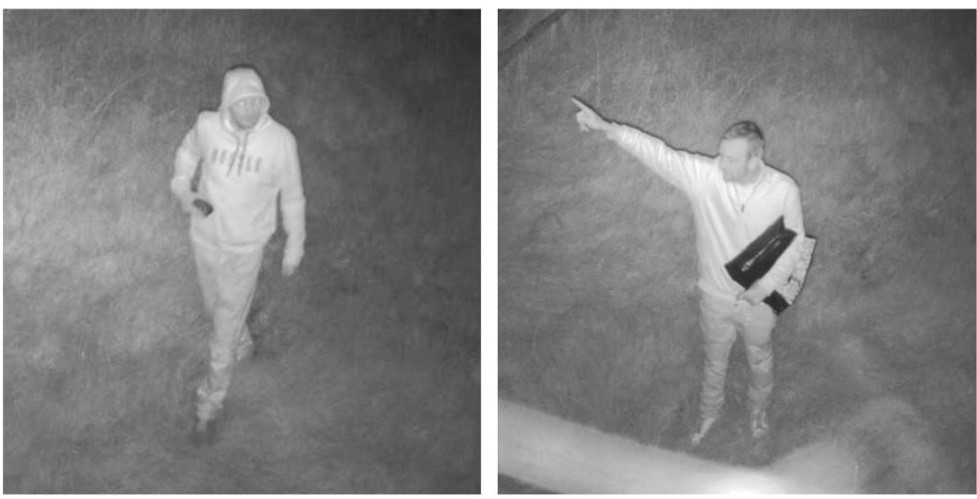
We want to identify these two men after a protected wild barn owl and its nestlings were stolen by thieves. An investigation has been ongoing since the early hours of October 27 after it was reported two men had been seen trespassing at farm off Follingsby Lane, West Boldon. It was reported that the offenders stole an adult barn owl and five chicks from their habitat before making off. We have been carrying out a range of enquiries into the theft, which has caused significant upset. All those targeted are wild birds who are protected by law. Now, as part of our investigation, we have released the images of two men who we would like to identify. They were seen in the area at the time of the offence and could have valuable information that could assist with the investigation.

The men, or anyone who recognises them, can contact us via the ‘Tell Us Something’ page of our website or by calling 101 quoting log NP-20211027-0182.

Alternatively, you can email 3070@northumbria.police.uk.

ENDS

Shot red kite successfully rehabilitated and released in Essex

Last month I blogged about a red kite that had been found injured with shotgun injuries in Galleywood Lane, Chelmsford, Essex (see here and here).

The kite was picked up by concerned members of the public and taken to the South Essex Wildlife Hospital for treatment.

[Photo of the kite by South Essex Wildlife Hospital]

After four weeks of expert care and rehabilitation, this red kite was released back to the wild last week. Well done to all the team at South Essex Wildlife Hospital.

Essex Police are still investigating the circumstances of this illegal shooting and if anyone has any information please contact Wildlife Crime Officer PC Jed Raven on Tel 101 and quote reference number 42/265786/21.

Please note, this police investigation is one of two separate incidents concerning dead red kites. The other one relates to the discovery of a dead red kite that had been found in suspicious circumstances in the Uttlesford area of Essex earlier in November (here).

Wild Justice wins legal challenge against unlawful General Licences in Northern Ireland

In late October this year, conservation campaign group Wild Justice launched a legal challenge against the Northern Ireland Executive’s Department of Agriculture, Environment and Rural Affairs (DAERA) for issuing what Wild Justice believed to be scientifically and legally flawed general licences (see here and here).

This came after months of protracted correspondence with DAERA, who decided to ignore all the legal and scientific arguments against the licences by simply re-issuing them in September.

Wild Justice launched a crowdfunder to support a legal challenge and the target was reached quickly (thank you to the many blog readers who supported this!) and formal legal action began.

Yesterday, literally on the eve of court papers being lodged, DAERA finally conceded that their General Licences are unlawful and will now have to begin the process of reforming them.

Wild Justice said:

The DAERA General Licences we challenged were not fit for purpose and were unlawful to boot. DAERA seemed to think that Woodpigeons and Feral Pigeons threatened conservation interests in Northern Ireland – a totally bizarre idea. And yet it took a tiny organisation, supported by thousands of people, to raise the money and to hire brilliant lawyers to bring these flawed licences down. We look forward to seeing lawful replacement licences in the very near future. DAERA must do better and Wild Justice remains ready, willing and able to take further legal challenges on behalf of wildlife in the UK.”

Tom Short, one of Wild Justice’s lawyers from Leigh Day said:

Our client welcomes DAERA’s belated concession that its 2021 general licences are not fit for purpose. DAERA had blatantly, as in previous years, failed to follow the process it is required to, and had issued the licences absent any evidence to support them. That is not how a licensing system permitting the killing of otherwise protected wild birds should operate, and it is astonishing that DAERA has failed to engage with the problem since it was first raised by Wild Justice in May 2019. Our client welcomes DAERA’s commitment to now reform its licensing and move to full consultation on the issue.”

For further detail on this latest successful legal challenge please read the Wild Justice blog here.

Wild Justice is a not-for-profit company and its three Directors (Chris Packham, Mark Avery, Ruth Tingay) work voluntarily to take legal cases and advocate for a better deal for wildlife. If you’d like to make a donation to support their work please click here. If you’d like to receive news directly from Wild Justice please sign up for their free e-newsletter here.

How and why to report grouse moor fires to the RSPB

In October the RSPB published a report warning that current muirburn practices (e.g. setting the moors alight as part of grouse moor ‘management’) are incompatible with Scotland’s net zero ambitions because of the importance of peatlands as carbon stores (see here). The report also provided evidence that the current voluntary Muirburn Code is not working.

[Look at the state of this! Muirburn on a grouse moor. The photographer wishes to remain anonymous]

In November 2020, the (then) Rural Affairs and Natural Environment Minister, Mairi Gougeon MSP gave an official statement to the Scottish Parliament in response to the independent Grouse Moor Management Group (Werritty) Report. She said:

In future muirburn will only be permitted under licence from NatureScot, regardless of the time of year it is undertaken. And there will be a statutory ban on burning on peatland, except under licence for strictly limited purposes such as habitat restoration.’

To coincide with the RSPB’s damning report on muirburn published in October, they also launched a new App where members of the public could report sightings of current fires or where they’d seen evidence of recent burning. The RSPB is interested in fires that have been lit for agricultural and sporting purposes (i.e. grouse moor management).

This information is critical for the RSPB’s advocacy team to ensure that muirburn is licensed and muirburn on deep peatland soils is banned. Information from Scotland and England is very welcome.

The App can be utilised directly on the hill and there is now also a facility for information to be submitted to the RSPB from a computer at home. Please visit the RSPB’s webpage here for further information.

Sainsbury’s still selling toxic game meat, according to new research from Wild Justice

They’re still at it!

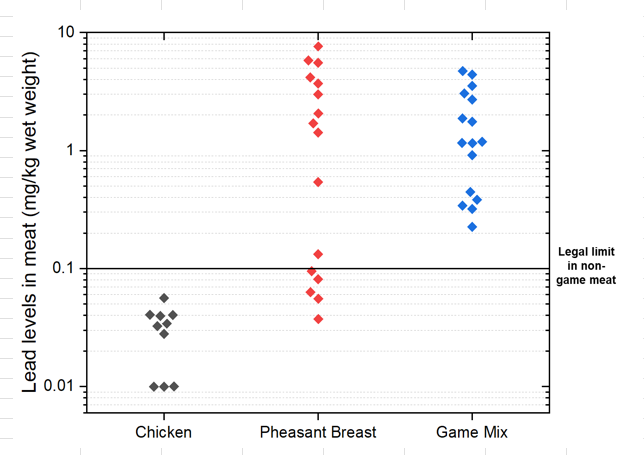
A year on from selling products labelled as ‘healthy’, Sainsbury’s is once again selling pheasant and partridge meat that contains poisonous lead shot, way above the legal levels allowed for meats such as beef, pork and chicken.

Conservation campaign group Wild Justice has bought and tested more samples this season and the shocking results have just been published this morning. You can read about the full results on the Wild Justice blog (here) but take a look at this graph to see just how contaminated the Sainsbury’s pheasant breasts and game mix packs are, in comparison to the chicken samples tested as a control group:

Animal welfare and biodiversity ethics aside, would you fancy eating this? Or feeding it to your children? How would you feel about this level of contaminated meat being ‘donated’ to foodbanks for those living in crisis this winter?

And once again Sainsbury’s is being supplied by game dealer ‘Holme Farmed Venison‘ in Yorkshire, a company that has previously refused to respond to reasonable queries from customers such as ‘From which estates are you sourcing your gamebirds?’ and ‘How can I be sure you’re sourcing them from estates that are not involved in the illegal persecution of birds of prey?’.

And once again, these products have been ‘endorsed’ by the British Game Alliance, the game shooting industry’s ‘official marketing board’ which has now apparently changed its name to British Game Assurance as a marketing ploy but still lacks transparency and thus credibility (e.g. see here).

To find out whether other supermarkets and big brand stores are selling contaminated game meat this season, keep an eye on the Wild Justice blog as other samples are currently undergoing analysis.

Update on raptor persecution investigations in Scotland from National Wildlife Crime Unit

A couple of weeks ago I attended the Scottish Ornithologists’ Club’s (SOC) virtual annual conference. One of the speakers I was keen to hear was PC Gavin Ross, an Investigative Support Officer at the National Wildlife Crime Unit (NWCU).

Gavin is the ISO for Scotland and has been in post for a year (see here).

His presentation opened with an explanation of the differences between the NWCU and Police Scotland (essentially the NWCU is an intelligence gathering unit but it also has other functions, particularly supporting the police with wildlife crime investigations). He went on to describe the seven national wildlife crime priorities and the importance of partnership-working in tackling wildlife crime. In fact he mentioned the importance of partnership-working quite a few times and encouraged attendees to report anything suspicious as this information all helps to build an intelligence portfolio around certain areas and individuals.

The subject of raptor persecution was prominent in this presentation, as you might expect for an audience with the SOC.

We learned that this year alone there had been police enquiries into the death and /or disappearance of 14 eagles: 11 golden eagles and 3 white-tailed eagles. It was emphasised that as only a small proportion of eagles are tagged, this figure was likely the tip of a much larger iceberg.

Six of the 14 investigations related to satellite-tagged birds (whose tags had stopped suddenly without any indication of a technical malfunction, and are therefore considered suspicious).

Two of the 14 investigations are considered ‘historical’ in that they relate to the discovery of items (tags!) that had been cut off eagles and dumped in a river or a loch in previous years (e.g. see here and here for previous examples of this).

As these are ongoing investigations much of the detail was redacted from the presentation. That’s fair enough for a while, to protect the integrity of the investigations, but I hope Police Scotland will be publicising the circumstances of these incidents in due course.

Gavin also talked about what he called ‘Operation Stoop, aka Operation Tantallon’, which is the ongoing investigation into the theft and laundering of wild peregrines. This is a multi-agency operation involving the police, Scottish SPCA, NWCU and SASA, with additional support from members of the Scottish Raptor Study Group. So far three people have been charged, including a serving police officer (see here), but as it’s a live case many details are currently being withheld.

Gavin didn’t reveal any details but talked about the wide range of investigative techniques deployed so far, including surveillance, peregrine DNA analysis, searches under warrants, bankers warrants, cyber crime and the Proceeds of Crime Act.

I think the breadth of this investigation and the resources being thrown at it is testimony to the seriousness and extent of this particular crime, and from what I hear it’s certainly not just restricted to Scotland. I’m sure we’ll be hearing more in due course.

Overall this was an interesting and well-delivered presentation. I hope the NWCU will consider doing more of these and making them freely available on their website.

UPDATE 16 December 2023: Part-time gamekeeper & son plead guilty to peregrine laundering charges; serving police officer cleared (here)