New Environment Minister is Mairi McAllan

Following yesterday’s big news that Mairi Gougeon has been appointed the new Cabinet Secretary for Rural Affairs & Islands (here), to replace the Scottish Gamekeepers’ ‘friend in Government‘, Fergus Ewing, now there’s even more promising news.

Nicola Sturgeon has reshuffled her junior ministerial team as well and has appointed Mairi McAllan as the new Minister for Environment, Biodiversity and Land Reform.

Ben Macpherson, who was the previous Environment Minister for just a few months has been moved across to social security and local government.

Mairi’s appointment came as some surprise but when you look a bit more closely it perhaps shouldn’t have been.

Mairi McAllan was a first-time SNP MSP candidate in Clydesdale before almost immediately landing the Ministerial role. The speed of that appointment makes more sense when you realise what Mairi did before she stood for election – she was a special advisor to Nicola Sturgeon on climate change, environment, land reform and renewable energy policy.

And she knows her stuff. Some of you might have heard her at Revive’s political hustings in April (see here – video still available to watch and I recommend you do). She’s another intelligent and articulate politician and she appears to be up to speed on raptor persecution – a quote from her opening speech at the Revive hustings on the Government’s response to the Werritty Review:

We will not wait five years to implement [Werritty’s recommendation to introduce a licensing scheme for grouse shooting] because quite frankly we can’t afford to wait five years, that could make it eight years and we think there is evidence now that self-regulation is not working“.

Mairi’s background as a solicitor will stand her in good stead for being a law-maker and her experience as a human rights activist with a legal organisation she co-founded, ‘aiming to use the law as a tool in the fight for social justice’ is a principle that will be recognised and supported by those who also support Wild Justice.

Dare I say it…there is an almost tangible sense of optimism in the air about this new Rural Affairs/Environment team, and, let’s be honest, although a lot of that is also about the unexpected but nevertheless very welcome departure from influence of Fergus Ewing, the calibre of the latest Cab Sec and Minister is pretty bloody encouraging.

I think this is only going in one direction now.

Peregrine found critically injured with shotgun injuries in North Yorkshire

Press statement from North Yorkshire Police (20th May 2021)

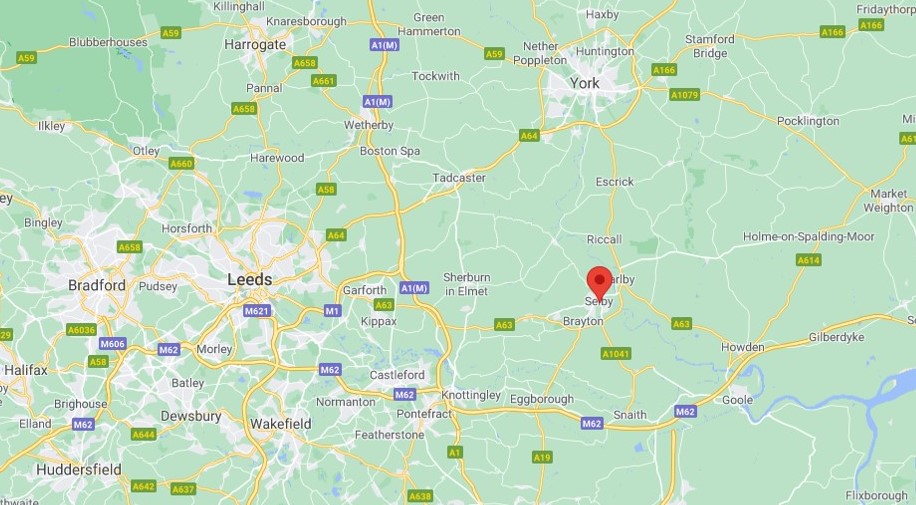
Police appeal for information after peregrine falcon found shot near Selby Abbey

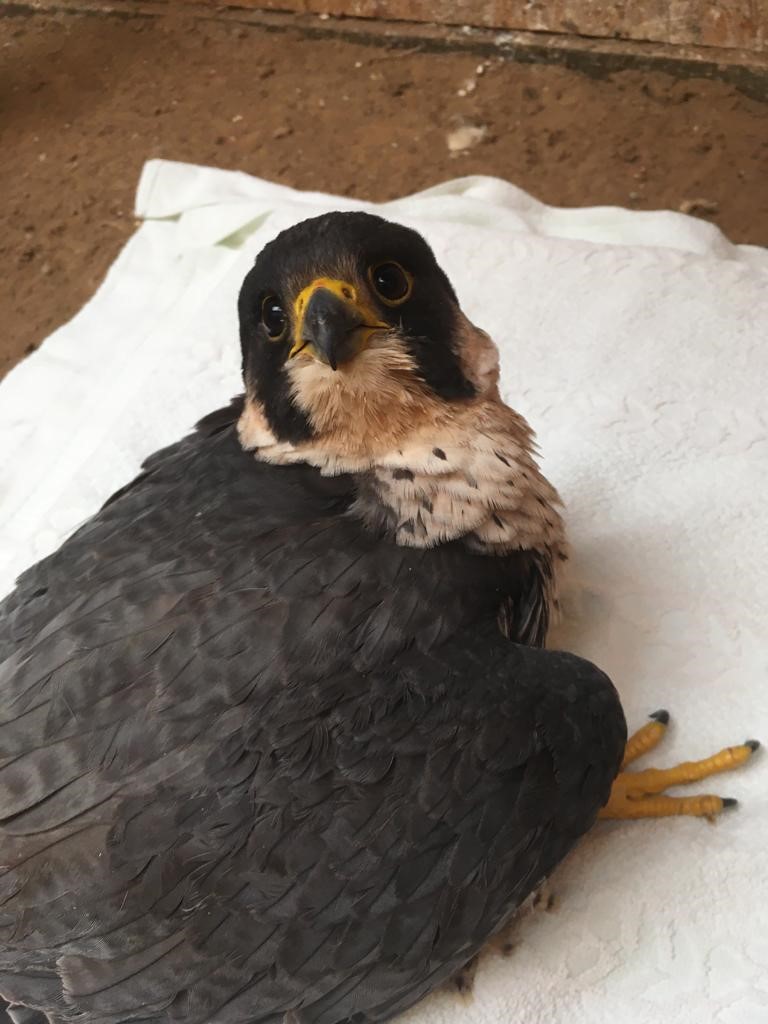
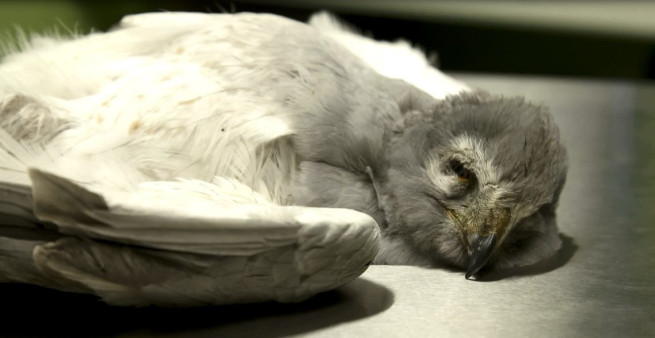
On 7 May 2021, an 8 year old female peregrine falcon was discovered in the grounds of Selby Abbey with injuries which meant she was unable to fly.

[Photograph from North Yorkshire Police]

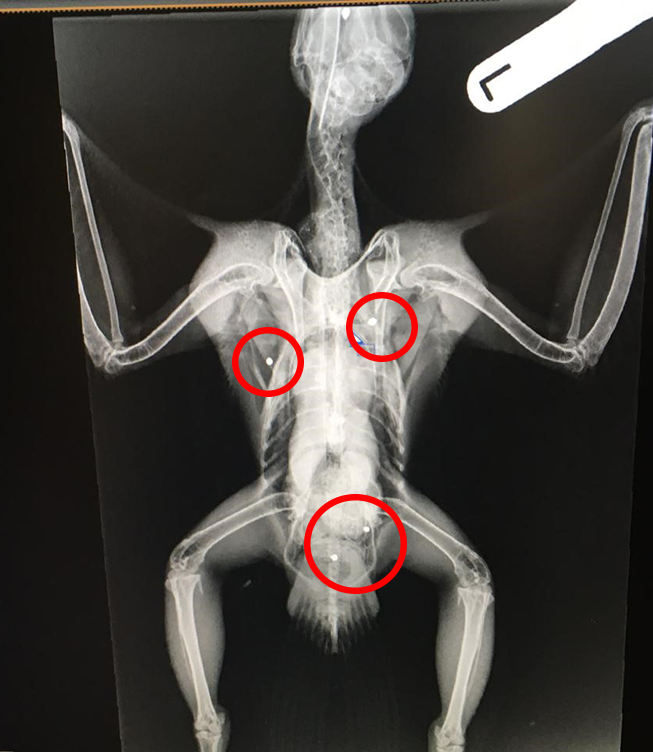
The peregrine was rescued and x-rayed by a local falconry specialist vet, Mark Naguib, who found a number of shotgun pellets throughout the bird’s body. The peregrine is ringed by the British Ornithology Trust so was able to be traced back to being released as a chick near Newark eight years ago.

The peregrine falcon is now in the expert care of local wildlife rehabilitator, Jean Thorpe, who will give her the best possible chance of making a recovery.

[X-ray from North Yorkshire Police]

North Yorkshire Police Constable Sarah Ward said:

“Peregrine falcons are a protected schedule one species and it is shocking that anyone would target one in this cruel and callous way.

“Our county should be a haven for birds of prey and this type of cruelty will not be tolerated.

“If anyone has information about this worrying incident please get in touch and report to us. You can either call 101 or if you wish to remain anonymous please call Crimestoppers on 0800 555 111.”

RSPB Investigations Officer, Jack Ashton-Booth said:

“We are appalled at this deliberate and illegal attack on a protected peregrine falcon. The bird was riddled with shot, including one piece lodged in its head. Incredibly, it is still alive but it’s touch and go.

“We urge anyone with information to contact North Yorkshire Police immediately. Alternatively, if you wish to speak out in confidence, please don’t hesitate to call our Raptor Crime Hotline on 0300 999 0101.

“Peregrines are incredibly good at adapting and are increasingly living alongside us in our towns and cities, and are a joy to see nesting on tall buildings like cathedrals. Nature is in trouble, and we must embrace it or risk losing it.”

If you have any information about this incident please call North Yorkshire Police on 101 quoting ref: 12210119786.

ENDS

UPDATE 29th June 2021: Shot peregrine successfully rehabbed and released back to wild (here)

Fergus Ewing out, Mairi Gougeon in – Scottish Cabinet reshuffle revealed

Well this is very very very good news indeed.

Nicola Sturgeon has announced her reshuffled Cabinet team; former Rural Affairs Cabinet Secretary Fergus Ewing is no longer in the Cabinet at all and former junior Rural Affairs Minister Mairi Gougeon has been promoted to the position of Cabinet Secretary for Rural Affairs and Islands.

There is likely to be some cross-over with Mairi’s role and that of Michael Matheson who is the new Cab Sec for Net Zero, Energy & Transport, which will include working on the climate emergency (think muirburn).

I’m absolutely delighted and judging by the number of texts I’ve received this morning, I’m not alone.

I don’t intend to comment on the departure of Fergus ‘friend of the Scottish Gamekeepers Association‘ Ewing other than to say, goodbye.

Mairi Gougeon is a brilliant choice for Cab Sec. She is an intelligent, dynamic and often thoughtful politician who has not been afraid to speak out against the persecution of the hen harrier in her role as a junior Minister and Hen Harrier Species Champion. She has taken an active role, even prior to her appointment as a junior Minister, asking questions about the Government’s commitment to tackling raptor persecution (here), attending and speaking at Hen Harrier Day events (e.g. here), taking the time to accompany raptor fieldworkers in to the field to understand more about this species’ ecology and its perilous conservation status (e.g. here and here), has initiated Parliamentary debates on hen harrier conservation (e.g. here) and has supported the Scottish Raptor Study Group at Holyrood gatherings (e.g. here).

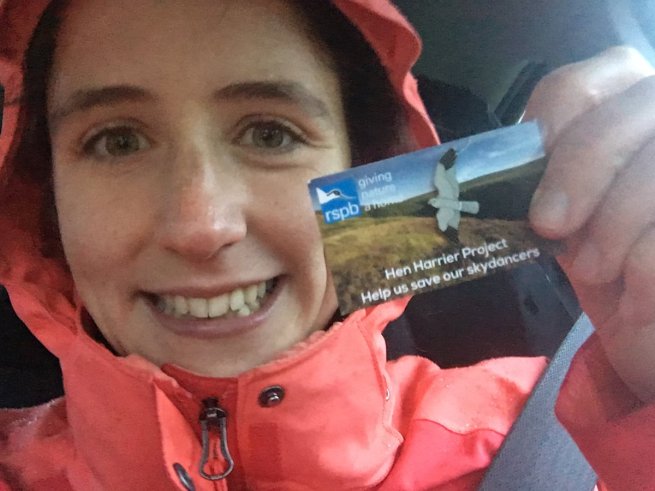
[Mairi Gougeon beaming after a visit to watch hen harriers with members of the Scottish Raptor Study Group a couple of years ago in her role as Hen Harrier Species Champion]

I haven’t always agreed with her earlier thinking on how raptor persecution should be tackled (e.g. see here, and here) and I have criticised her for her silence in response to some brutal, sadistic crimes against birds of prey on Scottish grouse moors (here) but her delivery of the Government’s response to the Werritty Review back in November 2020 revealed an increased understanding of the issues and a sign of a genuine commitment to changing the status quo (here).

Last week, author Jim Crumley wrote an excellent piece about the need for a new Environment Secretary ‘who will act’ (here). I have high hopes that Mairi Gougeon will be that Cab Sec (albeit under a new title).

Congratulations, Mairi, there are many of us looking forward to supporting your efforts.

The new junior Ministerial team, working in support of the Cabinet Secretaries, is expected to be unveiled shortly.

56 hen harriers confirmed illegally killed or ‘missing’ since 2018

For anyone who still wants to pretend that the grouse shooting industry isn’t responsible for the systematic extermination of hen harriers on grouse moors across the UK, here’s the latest catalogue of crime that suggests otherwise.

[This male hen harrier died in 2019 after his leg was almost severed in an illegally set trap that had been placed next to his nest on a Scottish grouse moor (see here). Photo by Ruth Tingay]

Just 19 days ago, this list totalled 53 hen harriers, all either confirmed to have been illegally killed or to have ‘disappeared’, most of them on or next to driven grouse moors.

They disappear in the same way political dissidents in authoritarian dictatorships have disappeared” (Stephen Barlow, 22 January 2021).

Today the list has been updated to include the most recently reported three victims: one male hen harrier that vanished from its breeding attempt on the RSPB’s Geltsdale Reserve in 2020 and two more from the same site that yesterday the police reported as ‘missing in suspicious circumstances’ (see here).

The RSPB’s Geltsdale Reserve is located in close proximity to a large area managed for driven grouse shooting and breeding males have disappeared from here prior to 2020 and 2021. In fact, raptor persecution incidents in this area, both on and off the reserve, have been reported by the RSPB since at least the mid 1990s and have included the confirmed shooting of a number of hen harriers (i.e. their corpses were found), witnessed reports of attempted hen harrier shootings, including a gamekeeper from a neighbouring estate filmed with a gun stalking a hen harrier on the reserve, at least one confirmed poisoning of a hen harrier and a wide array of other victims including buzzards, peregrines and ravens either shot or poisoned.

The disgraceful national catalogue of illegally killed and ‘missing’ hen harriers will continue to grow – I know of at least one more on-going police investigation which has yet to be publicised.

I’ve been compiling this list only since 2018 because that is the year that the grouse shooting industry ‘leaders’ would have us believe that the criminal persecution of hen harriers had stopped and that these birds were being welcomed back on to the UK’s grouse moors (see here).

This assertion was made shortly before the publication of a devastating new scientific paper that demonstrated that 72% of satellite-tagged hen harriers were confirmed or considered likely to have been illegally killed, and this was ten times more likely to occur over areas of land managed for grouse shooting relative to other land uses (see here).

2018 was also the year that Natural England issued itself with a licence to begin a hen harrier brood meddling trial on grouse moors in northern England. For new blog readers, hen harrier brood meddling is a conservation sham sanctioned by DEFRA as part of its ludicrous ‘Hen Harrier Action Plan‘ and carried out by Natural England (NE), in cahoots with the very industry responsible for the species’ catastrophic decline in England. For more background see here.

Brood meddling has been described as a sort of ‘gentleman’s agreement’ by commentator Stephen Welch:

I don’t get it, I thought the idea of that scheme was some kind of trade off – a gentleman’s agreement that the birds would be left in peace if they were moved from grouse moors at a certain density. It seems that one party is not keeping their side of the bargain“.

With at least 56 hen harriers gone since 2018, I think it’s fair to say that the grouse shooting industry is simply taking the piss. Meanwhile, Natural England pretends that ‘partnership working’ is the way to go.

‘Partnership working’ appears to include authorising the removal of hen harrier chicks from a grouse moor already under investigation by the police for suspected raptor persecution (here) and accepting a £10K bung from representatives of the grouse shooting industry that prevents Natural England from criticising them (see here).

[Cartoon by Gill Lewis]

So here’s the latest gruesome list:

February 2018: Hen harrier Saorsa ‘disappeared’ in the Angus Glens in Scotland (here). The Scottish Gamekeepers Association later published wholly inaccurate information claiming the bird had been re-sighted. The RSPB dismissed this as “completely false” (here).

5 February 2018: Hen harrier Marc ‘disappeared’ on a grouse moor in Durham (here)

9 February 2018: Hen harrier Aalin ‘disappeared’ on a grouse moor in Wales (here)

March 2018: Hen harrier Blue ‘disappeared’ in the Lake District National Park (here)

March 2018: Hen harrier Finn ‘disappeared’ near Moffat in Scotland (here)

18 April 2018: Hen harrier Lia ‘disappeared’ in Wales and her corpse was retrieved in a field in May 2018. Cause of death was unconfirmed but police treating death as suspicious (here)

8 August 2018: Hen harrier Hilma ‘disappeared’ on a grouse moor in Northumberland (here).

16 August 2018: Hen harrier Athena ‘disappeared’ on a grouse moor in Scotland (here)

26 August 2018: Hen Harrier Octavia ‘disappeared’ on a grouse moor in the Peak District National Park (here)

29 August 2018: Hen harrier Margot ‘disappeared’ on a grouse moor in Scotland (here)

29 August 2018: Hen Harrier Heulwen ‘disappeared’ on a grouse moor in Wales (here)

3 September 2018: Hen harrier Stelmaria ‘disappeared’ on a grouse moor in Scotland (here)

24 September 2018: Hen harrier Heather ‘disappeared’ on a grouse moor in Scotland (here)

2 October 2018: Hen harrier Mabel ‘disappeared’ on a grouse moor on the edge of the Yorkshire Dales National Park (here)

3 October 2018: Hen Harrier Thor ‘disappeared’ next to a grouse moor in Bowland, Lanacashire (here)

23 October 2018: Hen harrier Tom ‘disappeared’ in South Wales (here)

26 October 2018: Hen harrier Arthur ‘disappeared’ on a grouse moor in the North York Moors National Park (here)

1 November 2018: Hen harrier Barney ‘disappeared’ on Bodmin Moor (here)

10 November 2018: Hen harrier Rannoch ‘disappeared’ on a grouse moor in Scotland (here). Her corpse was found nearby in May 2019 – she’d been killed in an illegally-set spring trap (here).

14 November 2018: Hen harrier River ‘disappeared’ on a grouse moor in the Nidderdale AONB (here). Her corpse was found nearby in April 2019 – she’d been illegally shot (here).

16 January 2019: Hen harrier Vulcan ‘disappeared’ in Wiltshire close to Natural England’s proposed reintroduction site (here)

7 February 2019: Hen harrier Skylar ‘disappeared’ next to a grouse moor in South Lanarkshire (here)

22 April 2019: Hen harrier Marci ‘disappeared’ on a grouse moor in the Cairngorms National Park (here)

26 April 2019: Hen harrier Rain ‘disappeared’ on a grouse moor in Nairnshire (here)

11 May 2019: An untagged male hen harrier was caught in an illegally-set trap next to his nest on a grouse moor in South Lanarkshire. He didn’t survive (here)

7 June 2019: An untagged hen harrier was found dead on a grouse moor in Scotland. A post mortem stated the bird had died as a result of ‘penetrating trauma’ injuries and that this bird had previously been shot (here)

5 September 2019: Wildland Hen Harrier 1 ‘disappeared’ on a grouse moor nr Dalnaspidal on the edge of the Cairngorms National Park (here)

11 September 2019: Hen harrier Romario ‘disappeared’ on a grouse moor in the Cairngorms National Park (here)

14 September 2019: Hen harrier (Brood meddled in 2019, #183704) ‘disappeared’ in North Pennines (here)

23 September 2019: Hen harrier (Brood meddled in 2019, #55149) ‘disappeared’ in North Pennines (here)

24 September 2019: Wildland Hen Harrier 2 ‘disappeared’ on a grouse moor at Invercauld in the Cairngorms National Park (here)

24 September 2019: Hen harrier Bronwyn ‘disappeared’ near a grouse moor in North Wales (here)

10 October 2019: Hen harrier Ada ‘disappeared’ on a grouse moor in the North Pennines AONB (here)

12 October 2019: Hen harrier Thistle ‘disappeared’ on a grouse moor in Sutherland (here)

18 October 2019: Member of the public reports the witnessed shooting of an untagged male hen harrier on White Syke Hill in North Yorkshire (here)

November 2019: Hen harrier Mary found illegally poisoned on a pheasant shoot in Ireland (here)

January 2020: Members of the public report the witnessed shooting of a male hen harrier on Threshfield Moor in the Yorkshire Dales National Park (here)

23 March 2020: Hen harrier Rosie ‘disappeared’ at an undisclosed roost site in Northumberland (here)

1 April 2020: Hen harrier (Brood meddled in 2019, #183703) ‘disappeared’ in unnamed location, tag intermittent (here)

5 April 2020: Hen harrier Hoolie ‘disappeared’ on a grouse moor in the Cairngorms National Park (here)

8 April 2020: Hen harrier Marlin ‘disappeared’ on a grouse moor in the Cairngorms National Park (here)

19 May 2020: Hen harrier Fingal ‘disappeared’ on a grouse moor in the Lowther Hills, Scotland (here)

21 May 2020: Hen harrier (Brood meddled in 2019, #183701) ‘disappeared’ on a grouse moor in Cumbria shortly after returning from wintering in France (here)

27 May 2020: Hen harrier Silver ‘disappeared’ on a grouse moor on Leadhills Estate, Scotland (here)

day/month unknown: Unnamed male hen harrier breeding on RSPB Geltsdale Reserve, Cumbria ‘disappears’ while away hunting (here)

9 July 2020: Unnamed female hen harrier (#201118) ‘disappeared’ from an undisclosed site in Northumberland (here).

25 July 2020: Hen harrier Harriet ‘disappeared’ on a grouse moor in the Yorkshire Dales National Park (here)

14 August 2020: Hen harrier Solo ‘disappeared’ in confidential nest area in Lancashire (here)

7 September 2020: Hen harrier Dryad ‘disappeared’ on a grouse moor in the Yorkshire Dales National Park (here)

16 September 2020: Hen harrier Fortune ‘disappeared’ from an undisclosed roost site in Northumberland (here)

19 September 2020: Hen harrier Harold ‘disappeared’ on a grouse moor in the Yorkshire Dales National Park (here)

20 September 2020: Hen harrier (Brood meddled in 2020, #55152) ‘disappeared’ next to a grouse moor in North Yorkshire (here)

24 February 2021: Hen harrier Tarras ‘disappeared’ next to a grouse moor in Northumberland (here)

12th April 2021: Hen harrier Yarrow ‘disappeared’ near Stockton, County Durham (here)

18 May 2021: Adult male hen harrier ‘disappears’ from its breeding attempt on RSPB Geltsdale Reserve, Cumbria whilst away hunting (here)

18 May 2021: Another adult male hen harrier ‘disappears’ from its breeding attempt on RSPB Geltsdale Reserve, Cumbria whilst away hunting (here)

To be continued……..

Police appeal for information following disappearance of two male hen harriers

Press statement from Cumbria Police (18 May 2021)

Police appeal for information following disappearance of two male hen harriers

Cumbria Police are appealing for information following the disappearance of two male Hen Harriers, in suspicious circumstances from the RSPB reserve at Geltsdale. 

PC Samantha O’Key the forces Wildlife, Rural and Environmental Crime Co-ordinator said,

The two male birds were servicing nests, and as a result both nests have now failed

In 2020 another male bird went missing in suspicious circumstances. The male was servicing two nests and as a result both nests failed. These birds were in good health, in a perfect environment for them to thrive, with plenty of food.  It is highly unlikely that the Harriers have died of natural causes.

Hen Harriers are a Schedule 1 protected species under the Wildlife and Countryside Act 1981, and are one of the UK’s most persecuted bird of prey. Cumbria Police will continue to work in partnership with the RSPB and other agencies to protect our wild birds.

We would ask that anyone with any information contact Cumbria Police on 101 or Crimestoppers on 0800 555 111 or www.crimestoppers-uk.org.” 

Warden at RSPB Geltsdale, Steve Garnett:

This is devastating news, for hen harriers, for our hard-working team here at RSPB Geltsdale and for everyone who is rooting for a better outcome for these birds.

Each season, the joy of seeing these birds return to breed is always tinged with worry over what might happen to them while they’re hunting beyond the safety of our reserve.  

We can make sure they are safe when they are on our land, but of course, they are free to range more widely and we know that not everyone has the best interests of these birds in mind.  Hen harriers are illegally killed every year, so we are bound to view these disappearances as suspicious.  

Anyone with information can contact the RSPB in confidence on our raptor persecution hotline (0300 999 0101) and we will support the police in any way we can.”

ENDS

UPDATE 19th May 2021: 56 hen harriers confirmed illegally killed or ‘missing’ since 2018 (here)

Poisoned golden eagle: will a General Licence restriction now be imposed on Invercauld Estate?

Earlier this month it was reported that police had conducted a raid, under warrant, on several properties on the Invercauld Estate following the discovery in March of a deliberately poisoned golden eagle and some poisoned bait (see here).

I’ve since blogged about why I think the golden eagle killer will evade criminal prosecution (see here) and a little bit about NatureScot making noises about considering a potential General Licence restriction on this estate (see here). A General Licence restriction is nowhere near as serious as a criminal prosecution but it is, in the words of former Environment Minister Paul Wheelhouse who worked hard to get this apparent sanction introduced, a ‘reputational driver’ (see here).

It’s my view that a General Licence restriction is long overdue here, given the history of alleged wildlife crime offences, and a blog that was published yesterday has further strengthened that view, of which more in a minute.

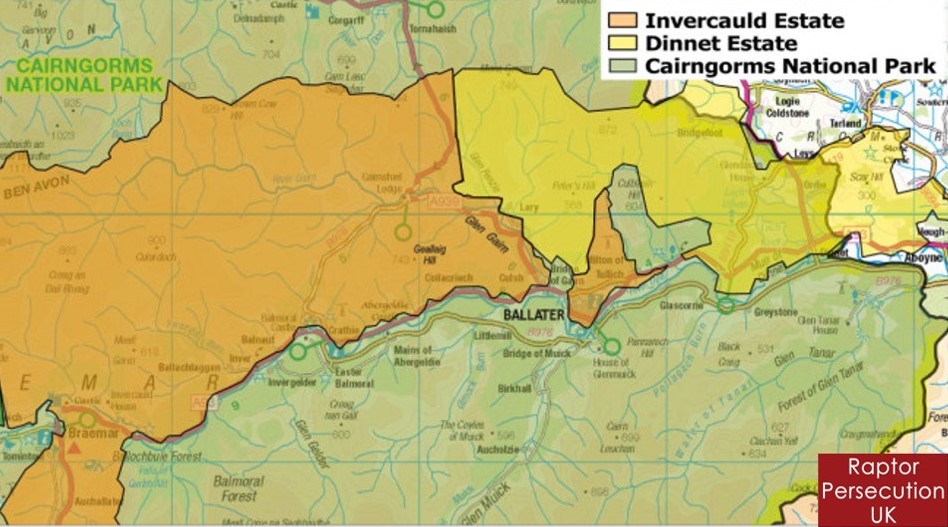
This area around Ballater in the Cairngorms National Park has been at the centre of a number of alleged wildlife crime offences over many years.

[Estate boundaries based on data from Andy Wightman’s Who Owns Scotland website]

There was the discovery of three poisoned buzzards on Invercauld Estate in 2005 (here), the discovery of an illegally shot peregrine at the Pass of Ballater in 2011, the reported coordinated hunt and subsequent shooting of an adult hen harrier at Glen Gairn on the border of Invercauld and Dinnet Estates in 2013, the illegally-set traps that were found near Geallaig Hill on Invercauld Estate in 2016, the suspicious disappearance of satellite-tagged hen harrier Calluna ‘on a grouse moor a few miles north of Ballater’ on 12 August 2017, the opening day of the grouse shooting season (here) although it’s not clear whether this was on Invercauld Estate or neighbouring Dinnet Estate, the suspicious disappearance of satellite-tagged white-tailed eagle ‘Blue T’ on Invercauld Estate in May 2018 (see here), the suspicious disappearance of satellite-tagged hen harrier Stelmaria ‘last recorded on grouse moor a few miles north west of Ballater, Aberdeenshire on 3rd September 2018 (see here), the suspicious disappearance of satellite-tagged hen harrier (Wildland 2) on Invercauld Estate on 24 September 2019 (here) and now the discovery of a deliberately poisoned golden eagle and poisonous baits on a grouse moor on Invercauld Estate in March 2021 (see here).

The suspicious disappearance of three satellite-tagged hen harriers and one white-tailed eagle in one small area managed for driven grouse shooting should raise lots of eyebrows given the unequivocal scientific pattern that has been identified for such occurrences (e.g. see here and here) and especially in an area where the alleged hunting and subsequent shooting of a hen harrier was witnessed and reported several years earlier.

However, according to NatureScot’s current Framework for how it makes decisions on whether to impose a General Licence restriction, the suspicious disappearance of a satellite-tagged raptor is not, in itself, considered sufficient evidence, even when there’s an emerging pattern in one particular area:

Unexplained ‘stopped no-malfunction’ satellite tags may be considered by NatureScot as supporting information in making a decision, particularly where multiple losses have occurred on the same land. However such instances will not be considered as evidence under the terms of this Framework unless recorded as a crime by Police Scotland‘.

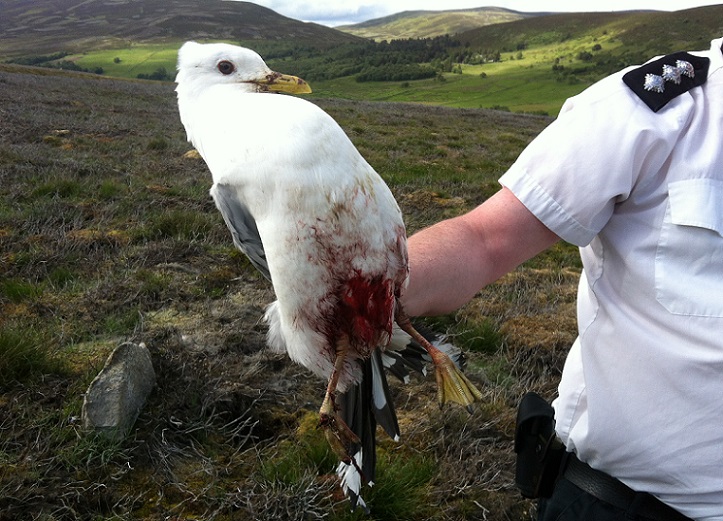
The most significant, and indeed tangible, wildlife crime incident that could be linked to Invercauld Estate was the discovery of illegally-set traps on the estate in 2016, which led to the horrific suffering of a Common Gull whose legs were caught in two of the traps (see here).

[Photo of the Common Gull after being released from the traps. Photo by Graeme Rose]

Long-term blog readers may recall this incident and the farcical non-existent enforcement measures that ensued. The SSPCA attended in the first instance and had to euthanise the gull due to the extent of its injuries but because of their ridiculously restricted investigatory powers, they were not permitted to search the area for more traps – this had to be done by the police, who conducted a search several days later where it was discovered that other traps (i.e. evidence of potential crime) had been recently removed prior to the police search (here).

Then there was an odd statement of denial from Invercauld Estate, bizarrely issued by the GWCT on behalf of the estate (a strange activity for a so-called independent wildlife conservation charity, see here) and incidentally, this denial is not that dissimilar to the one we saw recently from the estate in relation to the deliberately poisoned golden eagle – see here.

I challenged the estate’s claim that Police Scotland had not found any evidence of illegal activity back in 2016 and Police Scotland issued a statement in response (see here).

I then submitted a series of FoIs that revealed what looked like some very odd goings on between the estate, the Cairngorms National Park Authority and the Scottish Government, which resulted in ‘secret action‘ apparently being taken against a gamekeeper but no prosecution followed, and nor did NatureScot impose a General Licence restriction for this incident (and NatureScot has refused to discuss its decision saying ‘it’s not in the public interest‘ to tell us).

I did wonder whether NatureScot had not imposed a General Licence restriction due to a technical issue – the fact that the SSPCA, not the police, attended the scene and found the evidence of the illegally-trapped gull. If you look again at NatureScot’s Framework for decision-making on restrictions, it says that evidence must be provided by the police. It doesn’t say anything about evidence from the SSPCA being acceptable. I hope I’m wrong on that because as a statutory reporting agency, the SSPCA’s evidence should be considered just as robust as any evidence put forward by Police Scotland – I’ll check with NatureScot about it.

However, yesterday a blog was published on the excellent ParksWatchScotland blog, written by Graeme Rose, one of the guys who had actually found the critically-injured gull on Invercauld Estate in 2016. It’s a harrowing tale, but it’s incredibly enlightening in that he pursued the enforcement authorities for several years after the incident and by doing so uncovered all sorts of shenanigans. He says he received a text in July 2020 from the former Convenor of the Cairngorms National Park Authority who told him that a gamekeeper had indeed ‘been let go’ after the gull incident in 2016, despite the estate’s protestations at the time that any offence had even taken place. I believe this is the information that was deliberately redacted by the CNPA and the Scottish Government when I’d asked them about it in those FoIs.

What a pitiful state of affairs.

Will we see anything different in response to the discovery of the deliberately poisoned golden eagle? Well, we’ve already seen that Invercauld Estate has ‘left’ the Eastern Cairngorms Moorland Partnership, although there was absolutely zero indication whether the estate was expelled or left of its own accord (see here) so it looks like the Cairngorms National Park Authority is staying true to form and not wanting to be explicit about any action that may or may not have been taken. Why is that, do you think? Could it be anything to do with who sits on the CNPA’s Board? There are some interesting characters with some interesting connections to the grouse-shooting world, and even to Invercauld Estate itself.

And what about NatureScot and its deliberations about whether there is sufficient justification for a General Licence restriction on Invercauld Estate? That’s going to be VERY interesting and is something I’ll definitely be tracking. Watch this space.

Grouse moor-owning Lord Benyon appointed new DEFRA Minister

DEFRA press release (13 May 2021)

DEFRA welcomes new Minister

Lord Benyon has today been appointed as a Parliamentary Under Secretary of State for Defra. He will replace outgoing Defra minister Lord Gardiner, who will become Senior Deputy Speaker in the House of Lords.

The Environment Secretary today welcomed Lord Benyon, commenting on his passion and dedication to environmental causes.

Environment Secretary George Eustice said:

I am pleased to welcome Richard back to Defra. He brings a wealth of experience, knowledge and passion for the environment, developed during his previous experience as a Defra Minister and during his work as Chair of our review in to Highly Protected Marine Areas.

I look forward to working with him during this truly exciting time for Defra, with the Environment Bill returning to parliament, our agricultural reforms now starting to take root and the government leading the world on protecting nature and tackling climate change. Richard will be invaluable as we continue our ambitious work to ensure we leave our natural environment in a better state for future generations.

I would also like to extend my congratulations to Lord Gardiner on his election as Senior Deputy Speaker in the House of Lords and to thank him for his work as Minister in Defra.”

Defra Minister Lord Benyon said:

It’s both a privilege and a pleasure to be returning to Defra as a Minister in the House of Lords. I have fond memories from my time as Parliamentary Under Secretary of State.

From the flagship Environment Bill and tackling climate change to helping our farmers through the agricultural transition and supporting our fishing industry, Defra is at the heart of this Government’s work to build back greener. It’s an exciting time to be back at Defra.

I look forward to working with everyone as Defra tackles some of the greatest challenges of our time.”

Lord Benyon’s portfolio will be confirmed in due course.

ENDS

Grouse moor and pheasant-shoot – owner Richard Benyon is a former Trustee of GWCT and is no stranger to the pages of this blog.

In 2013, as Wildlife Minister under David Cameron, Richard Benyon refused to make possession of Carbofuran a criminal offence in England, despite other MPs calling for such a move, and despite it being an offence in Scotland, and despite it being well known that Carbofuran is the gamekeepers’ poison of choice for killing birds of prey.

In response, Caroline Lucas MP (Green Party) said:

The minister’s shocking refusal to outlaw the possession of a poison used only by rogue gamekeepers to illegally kill birds of prey would be inexplicable were it not for his own cosy links to the shooting lobby“.

Also while Mr Benyon was in post at DEFRA, the government sanctioned the controversial buzzard ‘management’ trial and committed £375k of taxpayers money to help support it (see here), although they swiftly backtracked after a huge public outcry against the plan (see here). However, the following year Natural England, acting on behalf of DEFRA, decided to go ahead and issue a licence (to a gamekeeper with a past conviction for wildlife crime) to destroy buzzard eggs and nests to protect pheasants (see here).

Mr Benyon also decided there was no need to introduce vicarious liability to England because “there are very good laws in place to punish the illegal killing of any animal. If they are not being effectively enforced, they must be and we will take steps to make sure that happens. However, this is a good opportunity to applaud gamekeepers for the wonderful work they do in providing excellent biodiversity across our countryside” (see here and here).

In 2016 he spoke at the Westminster Hall debate on driven grouse shooting where, along with other grouse-shooting pals and supporters, he claimed that a ban on driven grouse shooting would be ‘a catastrophe for the biodiversity of the uplands‘.

It’s probably safe to assume that this latest appointment to DEFRA’s ministerial team will have significant influence on campaigning efforts to rid the English uplands of the wildlife crime and environmental damage continually associated with driven grouse shooting.

It doesn’t mean we’ll stop trying, though.

Sainsbury’s are selling toxic game meat without a public health warning

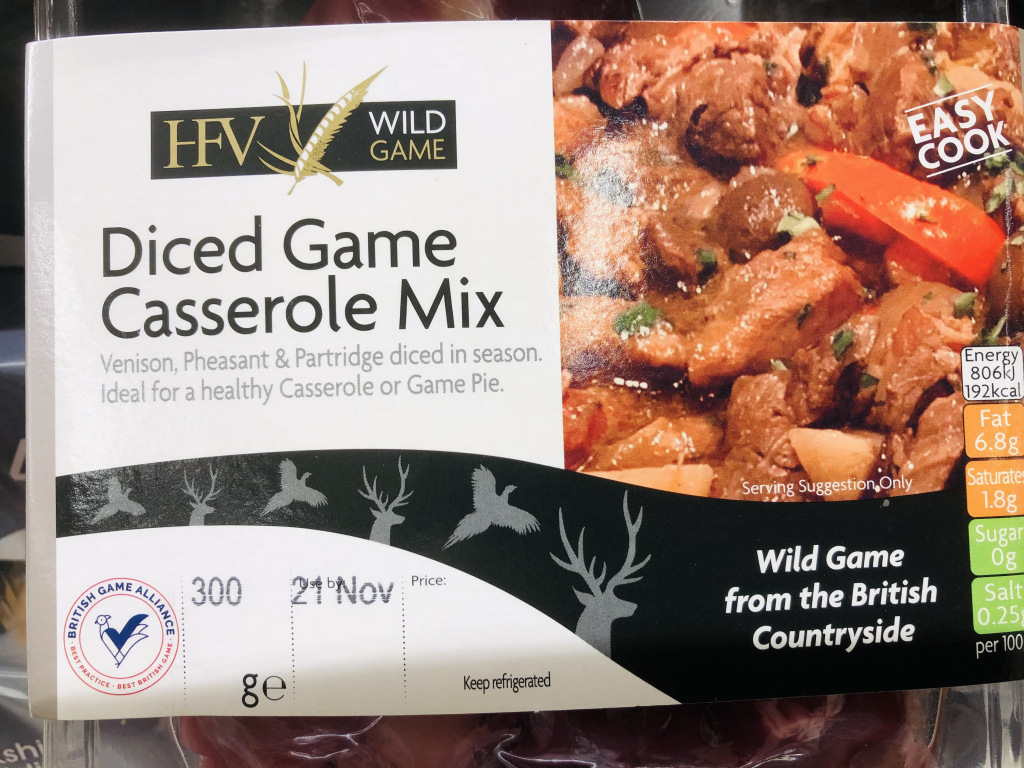
Do you remember last autumn/winter when Sainsbury’s started selling game meat that was being marketed as ‘healthy’, although there was no public health warning on the packaging about the possibility the meat could contain poisonous lead shot?

These products had been endorsed by the British Game Alliance, who apparently are all about ‘traceability and credibility’ (ahem).

[Photo by Ruth Tingay]

However, when customers asked Sainsbury’s about the provenance of this meat and whether it contained poisonous lead shot, the response was remarkably coy, (e.g. see here, here, here, here), especially from a supermarket that claims it wants to be ‘the UK’s most trusted retailer‘.

Sainsbury’s game dealer supplier, Holme Farmed Venison, didn’t respond to questions about the provenance of the game birds or whether the products contained toxic lead.

So in February this year, Wild Justice announced it had bought some of these products and was having them tested in a specialist laboratory to see whether they contained toxic lead and if so, how much (see here).

The results are in and this morning Wild Justice published them – see here

Oh dear, Sainsbury’s. It’s not looking good, is it?

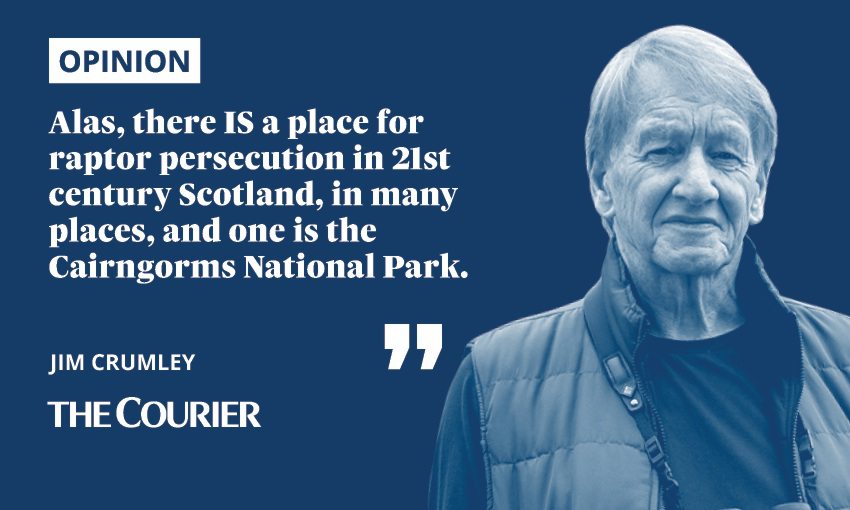
“Another poisoned golden eagle? If the SNP are serious about protecting wildlife we need an Environment Secretary who will act” – Jim Crumley

Jim Crumley has written a brilliant opinion piece for the Courier (published 10th May 2021) in response to the discovery of the deliberately poisoned golden eagle found on Invercauld Estate in March.

The article is reproduced below:

THERE is a job of some urgency for the new Environment Secretary at Holyrood.

You may have read about the golden eagle found poisoned at Invercauld estate in the Cairngorms National Park.

The guiding principles for a national park should centre around the wellbeing of the landscape and its ecology. Nothing else. Otherwise, why bother to have a national park at all?

But what Scotland has instead is two national parks obsessed by tourism and the rural economy.

As it happens, I have just been reading a book called “A Life in Nature”, a collection of writings by Peter Scott, founder of the Wildfowl and Wetlands Trust and the Worldwide Fund for Nature. He wrote this:

“For conserving wildlife and wilderness there are three categories of reason: ethical, aesthetic, and economic, with the last one (at belly level) lagging far behind the other two.”

And this:

“Conservationists today are involved in a gigantic holding operation – a modern Noah’s Ark to save what is left of the wildlife and wild places, until the tide of new thinking begins to flow all over the world.”

Long wait for tide to turn

He wrote that 60 years ago.

But because I read it at the same time as Nicola Sturgeon’s astonishing election achievement was playing out, I began to think that there is an opportunity right here, right now.

If we are on a tide of new thinking, it has never been more important that the Scottish Government appoints an Environment Secretary with a radical agenda.

And please don’t let Fergus Ewing anywhere near it, because he is far too chummy with the Scottish Gamekeepers Association.

The golden eagle found poisoned at Invercauld this spring is the latest in a breathtaking catalogue of around 80 crimes against wildlife in the national park’s young life

The first thing I think the new Environment Secretary should do is to familiarise himself or herself with the track record of the Cairngorms National Park in conserving wildness and wildlife, and then to consider how the land within the park is managed.

The result of that familiarising process should be cause for a great deal of concern for the new Environment Secretary.

If it isn’t, the Scottish Government will have appointed the wrong person, because the golden eagle found poisoned at Invercauld this spring is but the latest in a breath-taking catalogue of around 80 crimes against wildlife in the national park’s young life (it was established in 2003).

Twelve golden and white-tailed eagles have been killed in that time along with 24 buzzards; and 10 hen harriers in the last five years alone.

A sea eagle nest tree was deliberately felled and nests of peregrine and goshawk were destroyed.

All that inside the national park, in the last 18 years, and all of these birds have the highest level of legal protection.

Victorian values

That alone should be enough to persuade the new Environment Secretary that the situation calls for new thinking.

The estates’ attitudes towards birds of prey are symptomatic of a far wider contempt for those species of nature which they judge to be inconvenient for what remains a depressingly Victorian attitude to land and wildlife.

The Cairngorms National Park Authority’s response to the eagle-killing was dismal. A statement on its website says: “The CPNA condemns this senseless and irresponsible behaviour and condemns it in the strongest possible terms. Raptor persecution has no place in 21st century Scotland and no place in this national park.”

How can you revere a landscape when the principal management tools of its private owners are fire and guns and poisons, burning the land, killing the wildlife?

No, it doesn’t condemn it in the strongest possible terms.

If it had done, the park authority would be screaming down the phone to the Scottish Parliament that grouse moor and deer forest should have no place in 21st century Scotland or inside the national park.

They are completely incompatible with thoughtful conservation of a landscape that should be revered for its wildlife and wild landscape.

How can you revere a landscape when the principal management tools of its private owners are fire and guns and poisons, burning the land, killing the wildlife. And why aren’t national parks owned by the nation?

That might have amounted to something like the strongest possible terms.

The other problem with the park authority’s statement is that, alas, there IS a place for raptor persecution in 21st century Scotland, in many places, and one is the Cairngorms National Park.

Reality doesn’t match ambition

The first words you read on the home page of the Cairngorms National Park Authority website are these: “An outstanding national park, where people and nature thrive together.”

It is a very worthwhile ambition, but it is a long way from the reality on the ground.

The new Environment Secretary might also like to consider that one of the reasons for such a toll of wildlife is that as things stand, the estates know they will almost certainly get away with it, for there are hardly ever prosecutions.

If our newly-elected government wants to project the image of a forward-thinking independent Scotland on the European stage – and I sincerely hope it does given my lilac and yellow votes for the SNP – then the tide of new thinking should perhaps begin by blowing away that embarrassing Victorian stain from the face of the land.

ENDS

Invercauld Estate leaves ‘partnership’ following discovery of deliberately poisoned golden eagle

The ramifications from the discovery of a deliberately poisoned golden eagle found on a grouse moor on Invercauld Estate this spring are now beginning to show.

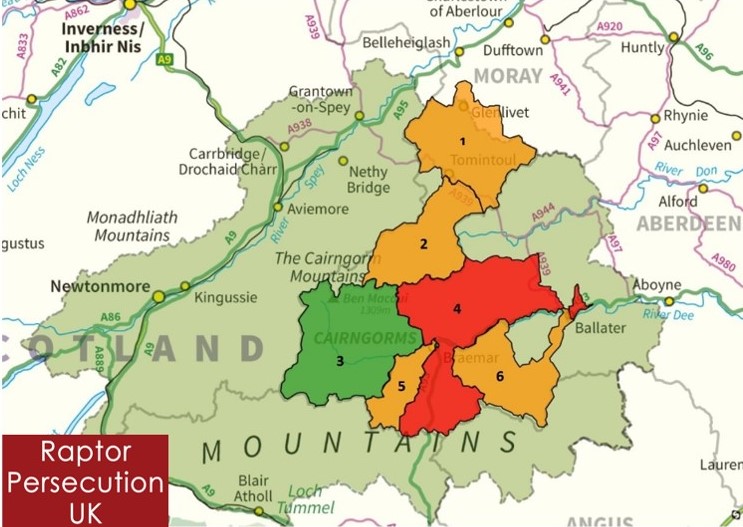
Up until yesterday, Invercauld Estate had enjoyed the benefits of a membership of the Eastern Cairngorms Moorland Partnership. This partnership was established in December 2015 and comprised six estates working in ‘partnership’ with the Cairngorms National Park Authority to increase conservation value alongside the estates’ sporting and other interests.

The Partnership’s full statement of purpose can be read here and includes a commitment to enhance raptor conservation.

The estates involved were:

  1. Glenlivet Estate. 2. Glenavon Estate. 3. Mar Lodge Estate (National Trust for Scotland). 4. Invercauld Estate. 5. Mar Estate. 6. Balmoral & Birkhall Estate. (Boundaries sourced from Andy Wightman’s Who Owns Scotland website).

The Cairngorms National Park Authority issued the following statement yesterday:

Invercauld Estate leaves the East Cairngorms Moorland Partnership

The East Cairngorms Moorland Partnership (ECMP) can confirm that Invercauld Estate has left the group, following the discovery of a poisoned golden eagle on their land. The remaining members of ECMP wholly condemn the poisoning, and are committed to working together to prevent incidents like this occurring in future.

The partnership was established between the Cairngorms National Park Authority (CNPA) and six local estates in December 2015. The overarching purpose of the partnership is to demonstrate a clear contribution towards the four aims of the National Park, the National Park Partnership Plan and Cairngorms Nature Action Plan, through co-ordinated responsible and sustainable moorland management.

This includes working at a landscape-scale on woodland and scrub expansion, peatland restoration, priority species conservation (including raptors,) and landscape enhancement, whilst integrating grouse moor management with other land use objectives.

The partnership has made good progress on a number of fronts in recent years. This includes expanding woodland cover across the area by 1,500 ha (with plans for between 2,000 and 3,000 ha over the next decade); coordinated monitoring of protected species (including raptors,) to inform a joined-up approach to species conservation; and several hundred hectares of peatland restoration, including mapping areas of deep peat and steep slopes to guide land management activities.

Future programmes will focus on the expansion of scrub habitats and riparian woodlands, alongside further action to restore degraded peat bogs and measures to increase raptor populations across the ECMP partnership area.

The remaining members of ECMP are more committed than ever to delivering the overarching aims of the partnership. Members will continue to encourage the trustees and management of Invercauld Estate to address any issues which have led to the current situation and to take appropriate action.

East Cairngorms Moorland Partnership

(Cairngorms National Park Authority, Mar Lodge Estate, Mar Estate, Balmoral Estate, Glenavon Estate and Glenlivet Estate)

ENDS

As aways with these things, the statement does not make clear whether Invercauld Estate was dismissed or whether it left of its own accord. We can speculate, of course, and on that basis I’d suggest Invercauld Estate was told to go because by remaining, it would likely bring acute embarrassment to the ‘partnership’, especially if/when NatureScot decides to issue a General Licence restriction on the basis of evidence supplied by Police Scotland of ongoing criminality on this estate.

Many of these so-called ‘partnerships’ are often nothing more than a conservation sham when you look at some of the organisations involved and their appalling track record of raptor persecution. For example the PAW Scotland Raptor Group, the Raptor Persecution Priority Delivery Group, the Peak District Bird of Prey Initiative, the Heads Up for Hen Harriers project – on and on it goes. It’s very good to see, in this case, that the integrity of the partnership’s conservation values has been put first.

Now what we need to see is the shooting industry and its clients demonstrate the same level of integrity and vote with their wallets and feet.